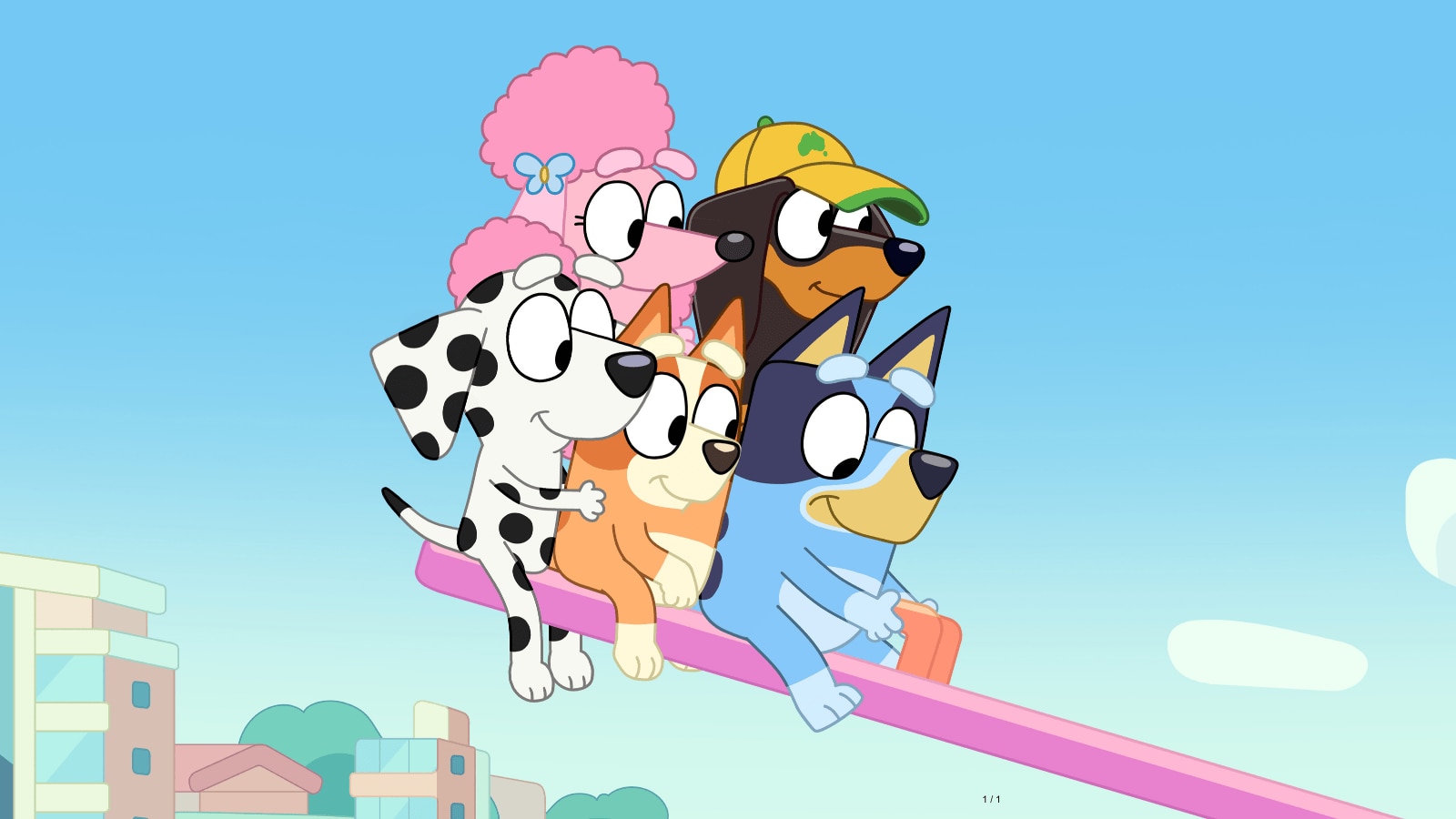
Easy, joyful activities for kids ages 4–7 inspired by Bluey and her family.
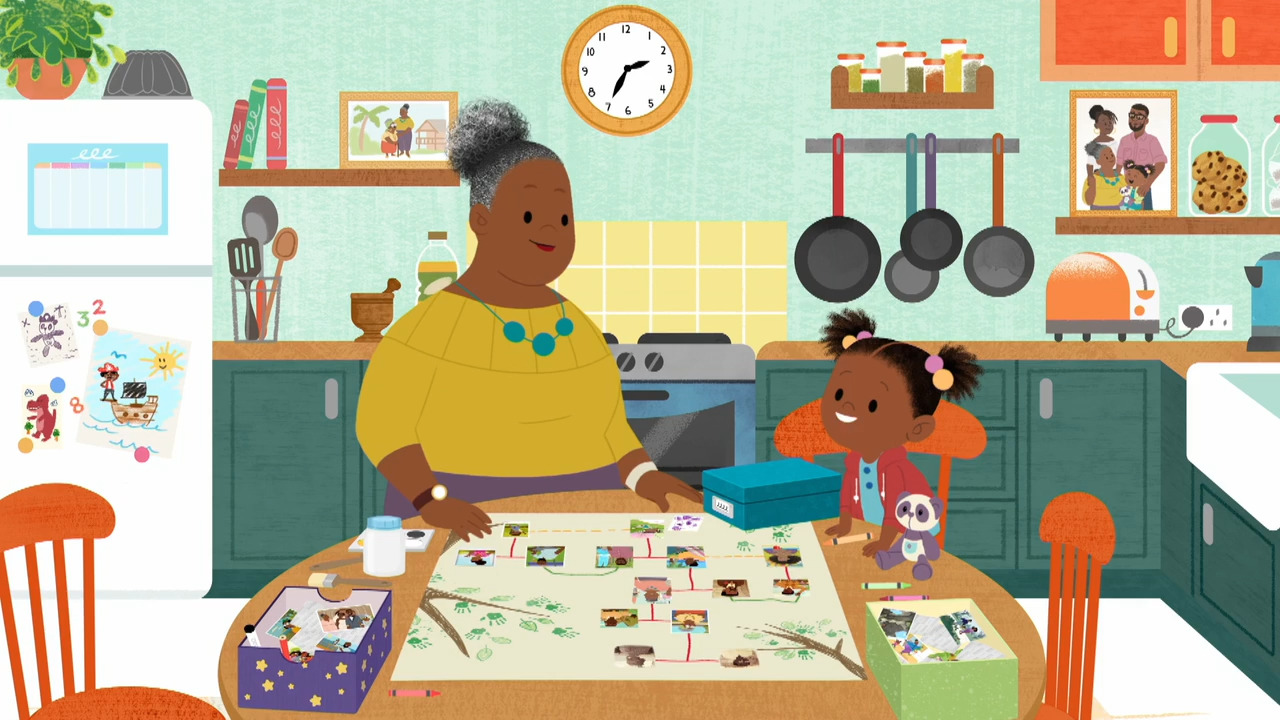
Every family has a story — and JoJo is about to find out just how big hers really is. With Gran Gran's help, she traces her roots all the way back to a great-great-gran gran, discovers that Auntie Dee is actually Mummy's cousin, and learns she was named after an ancestor called Josephine. (JoJo. Josephine. Mind. Blown.) A real-life family then gets their hands literally covered in paint to make their own handprint family tree — because what's better than turning family history into a craft project? This one's guaranteed to send kids running to ask their parents a hundred questions about grandparents and great grandparents!
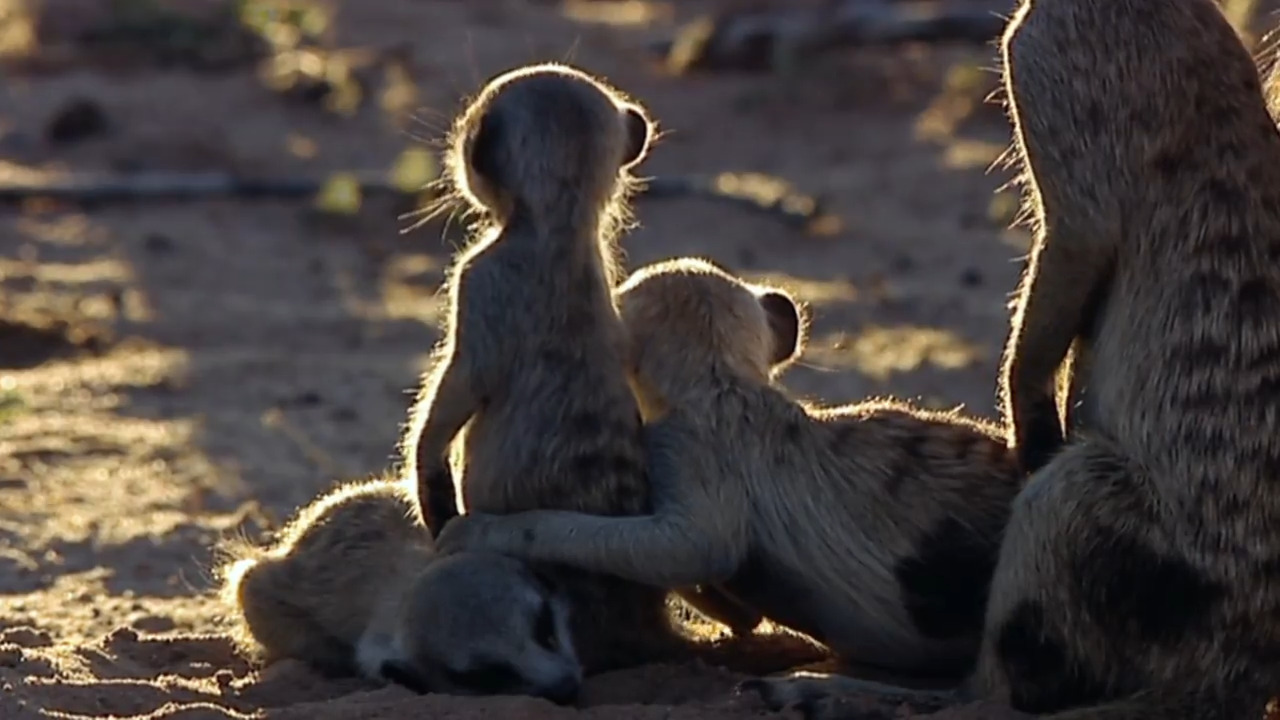
In A Meerkat Family Story, narrator Sir David Attenborough introduces us to a lively family of meerkats working together like a well-organized team. At the center is their queen, who leads the family and is the main one to have pups. These pups are now learning key survival skills, like digging for food and carefully handling scorpions. For safety purposes, one meerkat always stands guard while the others rest or play, showing the power of teamwork. This video is excerpted from BBC’s Life, a show that explores the remarkable strategies animals and plants use to ensure their survival.
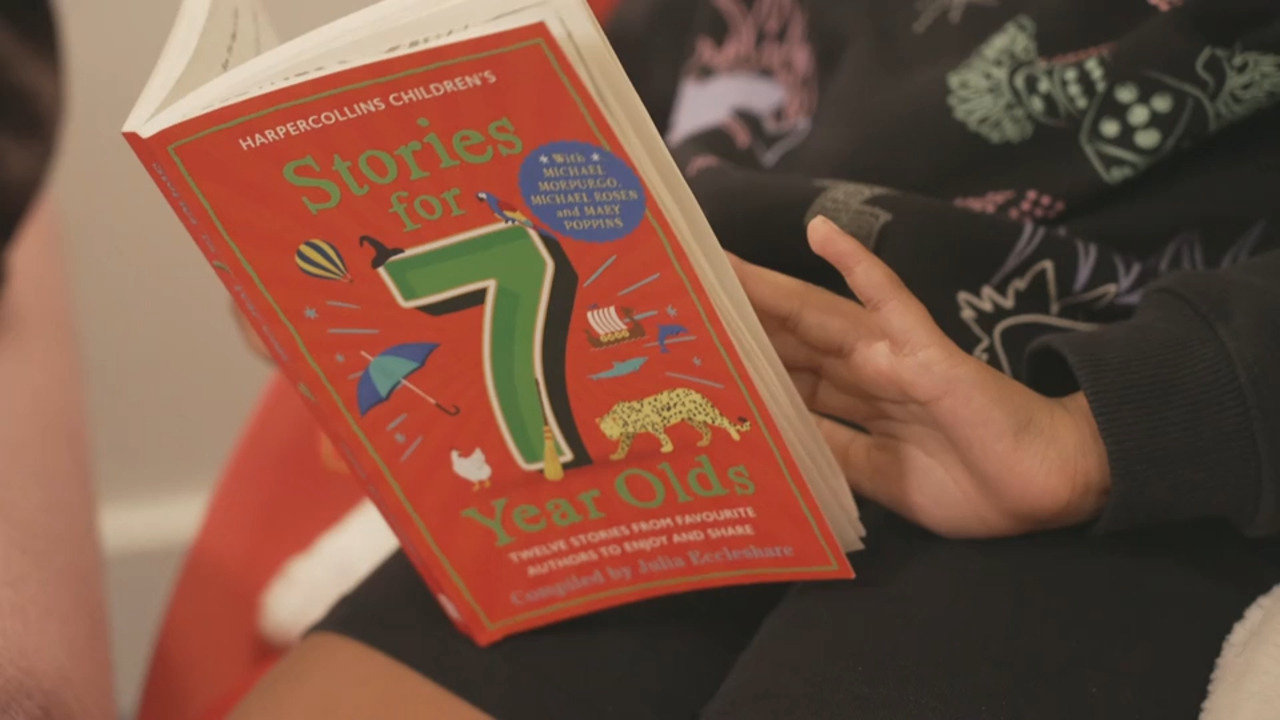
Feeling stressed? Try reading this out loud!
Researchers have found that reading together can help strengthen bonds and reduce stress. In a recent study, families were asked to read together while wearing a brain monitoring cap that tracks activity over time. The results suggested that moments of shared reading can sync brain patterns between two people, which then suggest that the experience of reading books together helps parents and children connect.
Furthermore, the importance of stories themselves can’t be ignored. Stories are how people explain the world and their lives to one another — the decisions you make and the person you become are partially influenced by the stories you’ve read or heard. The research is very new, but studies of this sort can help us understand why reading together builds empathy, focus, emotional well-being, and might support children’s development and encourage a lifelong love of reading. And not just because a good story might distract two siblings for long enough to stop flicking each other’s ears!
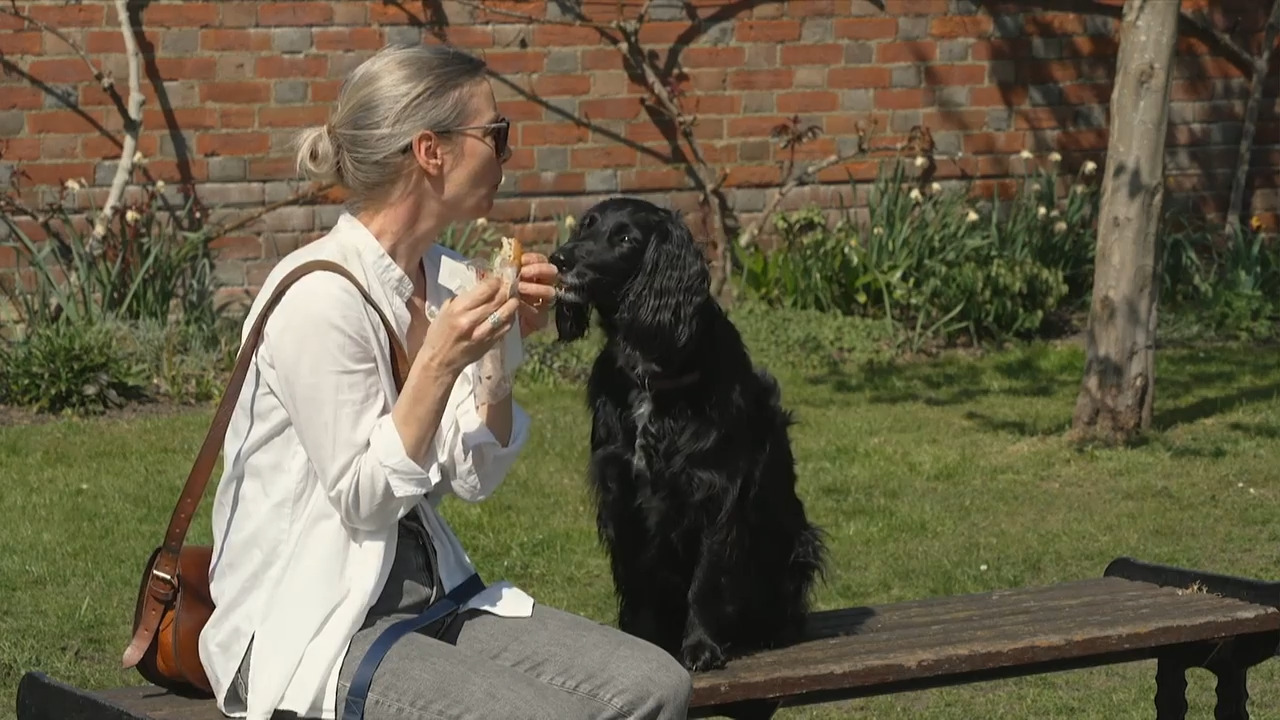
For many people, a dog or cat is much more than a pet — they’re part of the family. Some owners see their pets like a son, daughter, or best friend. But under the law in many places, pets are still treated as property, more like a car or a piece of furniture than a family member.
That legal label can create big problems when families split up. In divorces or ownership disputes, courts may focus on who bought the pet or whose name is on paperwork, instead of what is best for the animal or which person has the strongest bond with it.
Now some people are pushing to change that. A petition to the UK Parliament argues that pets should be legally recognized as family members. Spain has already made similar changes, allowing courts to consider the pet’s welfare and emotional relationships when making decisions.
The debate raises a bigger question: if millions of people treat pets like family, should the law do the same?
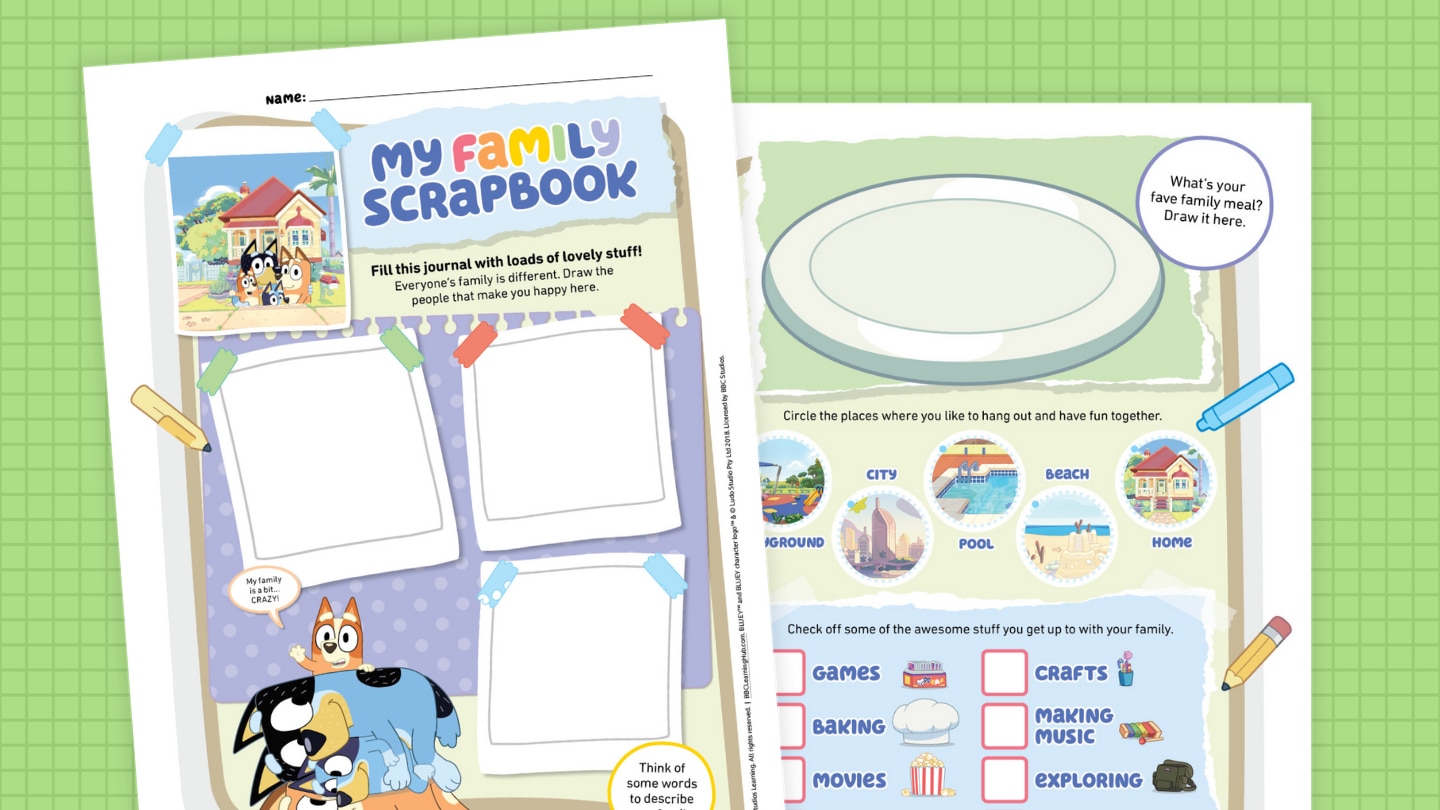
Fill this journal with loads of lovely stuff! Everyone's family is different. Draw the people that make you happy. Next, color your favorite family meal on the plate. Finally, circle the places you like to hang out (playground, city, pool, beach, or home), and check off your family activities (Does your family like to bake, make must, explore, or something else?).

Bartlebee's enjoying his first Heeler Christmas in the pool with a game of classic catches. Draw yourself in the pool next to Dad!
Inspired by Season 2, Episode 51 "Christmas Swim": The Heelers gather for a classic Aussie Christmas, Bluey gets a new doll and introduces him to the whole family. But the family play too rough with him and now he wants to go home.

Mmm mmm mmm. Can you smell the sausages? Get coloring to finish the picture.
Inspired by Season 1, Episode 7 "BBQ": It’s lunchtime on Bluey’s back deck! But every BBQ needs a side salad, so Bingo’s relaxing sit-down will have to wait until she finds every color of capsicum/pepper her cousins ask for!
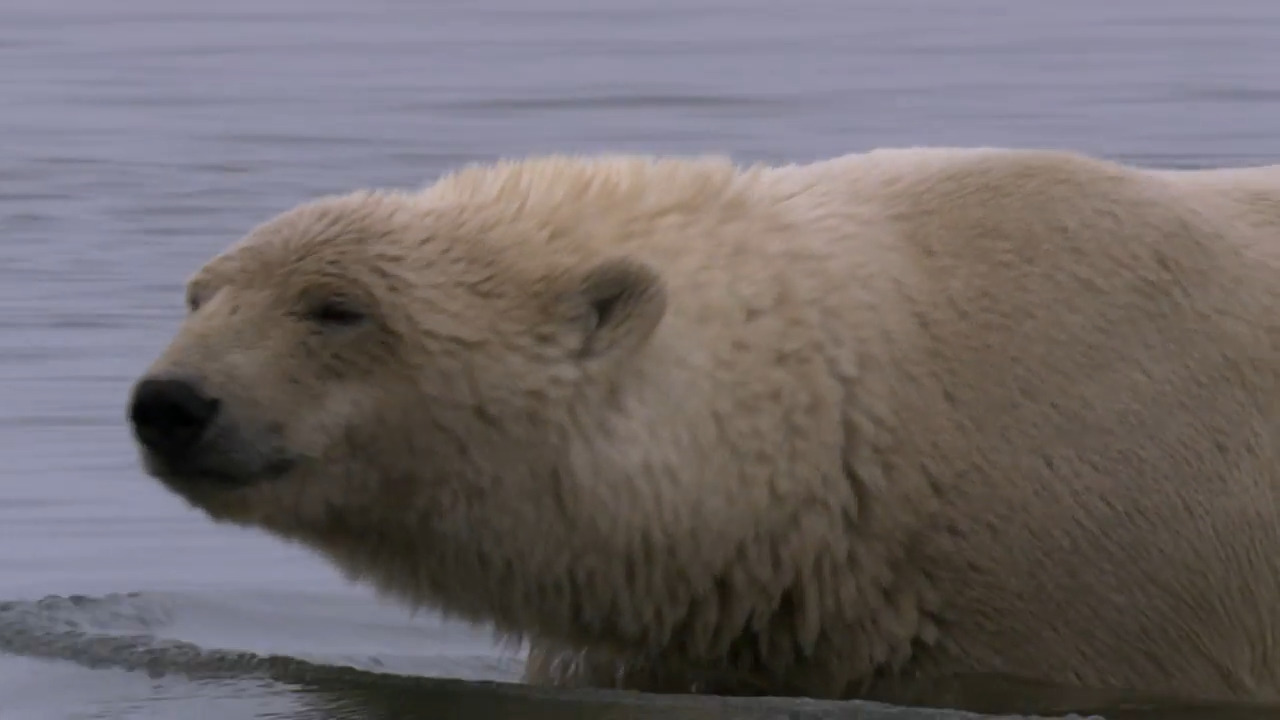
In A Polar Bear Family’s Struggle, narrator Sir David Attenborough describes how a mother polar bear protects and cares for her cubs on a journey through the icy sea and onto dry land. Food is scarce, but with her supersensitive nose, she picks up the scent of a bowhead whale carcass, a rare find with enough meat to feed many bears. While the cubs eat their meal, danger looms as male polar bears and other hungry bears gather at the site. This video is excerpted from BBC's Life, a show that explores the remarkable strategies animals and plants use to ensure their survival.
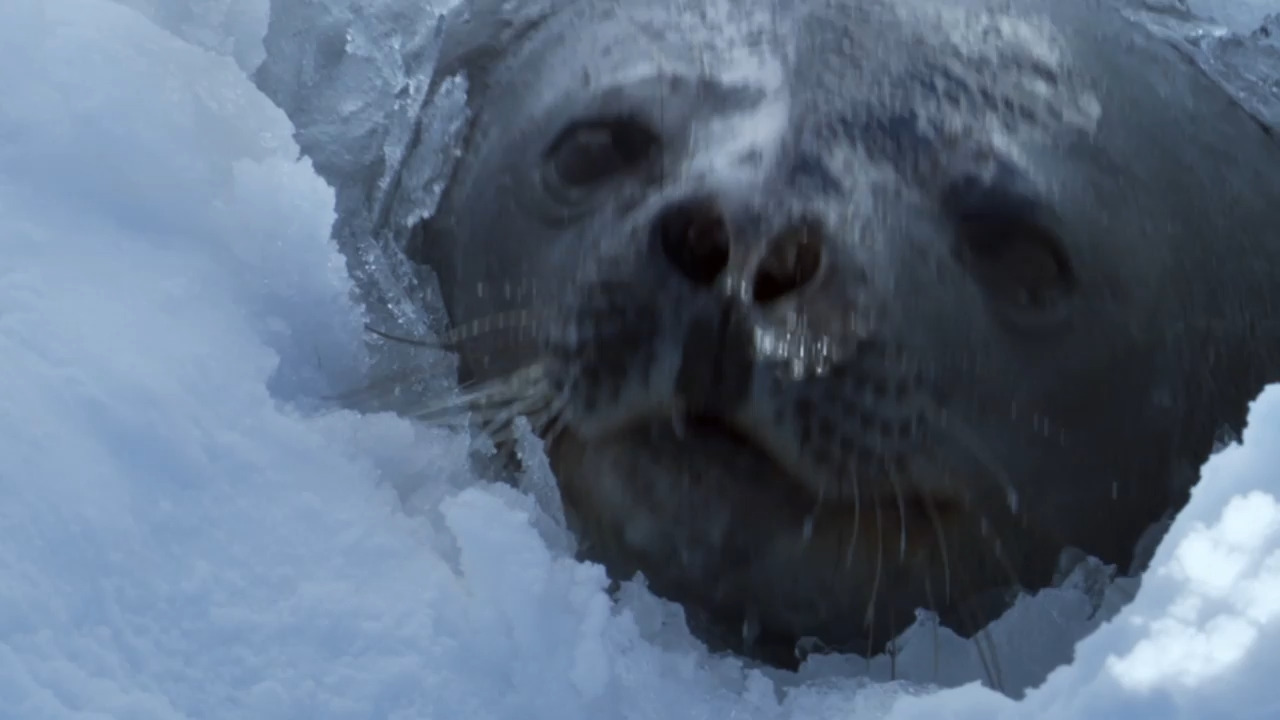
In A Weddell Seal Family's Journey, narrator Sir David Attenborough describes how a mother seal and her pup brave the freezing cold near the South Pole. These seals are the only animals that can survive here, staying warm thanks to a thick layer of fat beneath their skin and their special fur. The mother feeds her pup and carefully maintains their diving hole in the water to prevent it from freezing over, ensuring they can get air. And, at just one week old, the pup takes its first swim beneath the ice! This video is excerpted from BBC’s Life, a show that explores the remarkable strategies animals and plants use to ensure their survival.
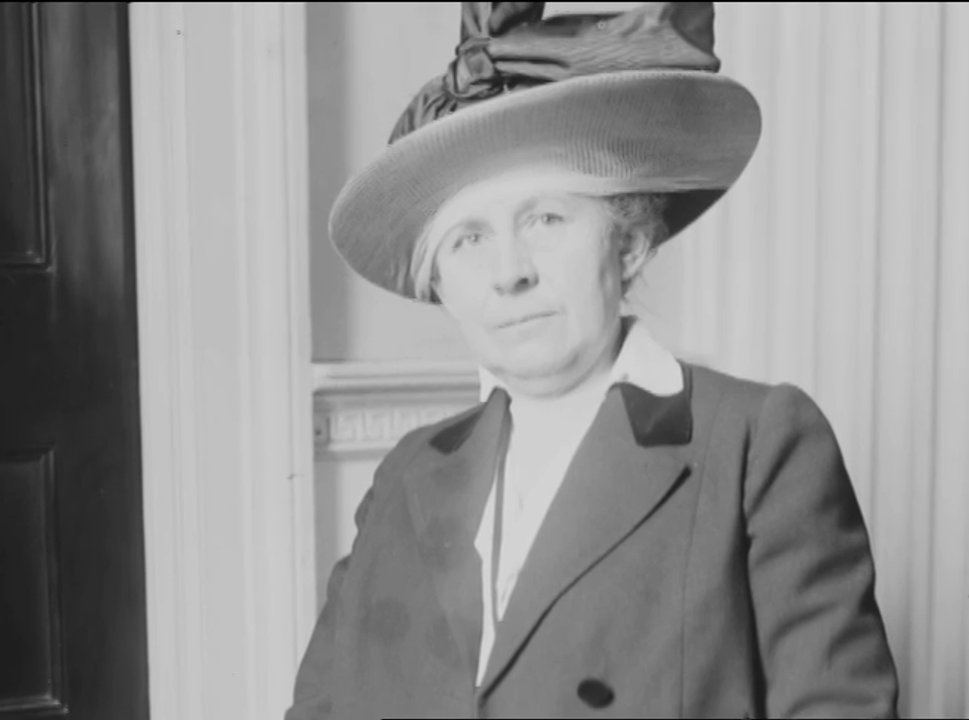
In the late 19th Century, the growth of powerful business monopolies led to concerns about corruption and unfair competition. Journalist Ida Tarbell drew on her family’s experience with John D. Rockefeller’s Standard Oil Company to investigate its business practices. In a series of articles published between 1902 and 1904, Tarbell documented how Standard Oil used secret deals and other tactics to weaken competitors. Her clear, evidence-based reporting helped readers understand how the company built its dominance in the oil industry.
Tarbell’s work contributed to public pressure for greater corporate accountability and helped advance the Progressive Movement. In 1911, the U.S. Supreme Court ordered Standard Oil to be broken up under federal antitrust law. Tarbell’s reporting also helped establish investigative journalism as a way to expose abuses of power and inform public debate.
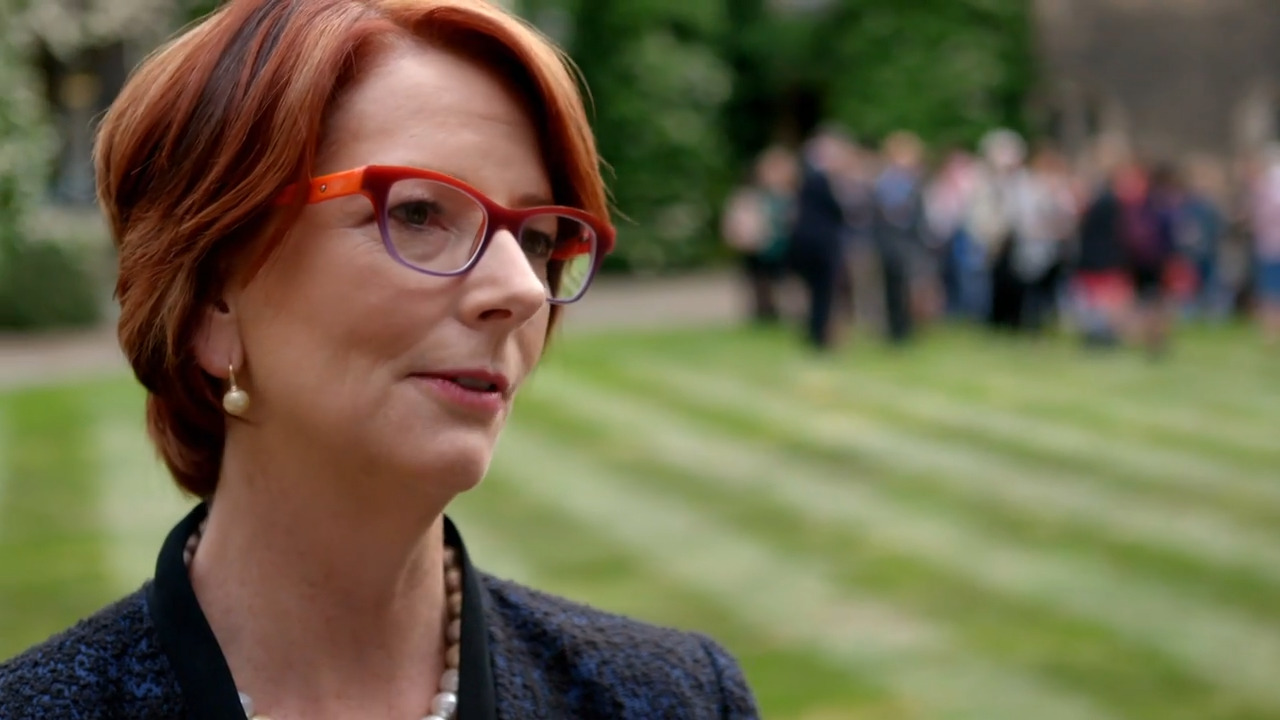
In Julia Gillard, Education Advocate, listen as the former Australian Prime Minister reflects on her leadership and her work to expand education opportunities for girls worldwide. Drawing from her family’s experience with poverty and limited schooling, she advocates for equal access to education while facing criticism and gender bias during her political career. This video is excerpted from BBC's Her Story: The Female Revolution, which explores the history and impact of women’s rights movements and achievements of women.
Easy, joyful activities for kids ages 4–7 inspired by Bluey and her family.
Every family has a story — and JoJo is about to find out just how big hers really is. With Gran Gran's help, she traces her roots all the way back to a great-great-gran gran, discovers that Auntie Dee is actually Mummy's cousin, and learns she was named after an ancestor called Josephine. (JoJo. Josephine. Mind. Blown.) A real-life family then gets their hands literally covered in paint to make their own handprint family tree — because what's better than turning family history into a craft project? This one's guaranteed to send kids running to ask their parents a hundred questions about grandparents and great grandparents!
In A Meerkat Family Story, narrator Sir David Attenborough introduces us to a lively family of meerkats working together like a well-organized team. At the center is their queen, who leads the family and is the main one to have pups. These pups are now learning key survival skills, like digging for food and carefully handling scorpions. For safety purposes, one meerkat always stands guard while the others rest or play, showing the power of teamwork. This video is excerpted from BBC’s Life, a show that explores the remarkable strategies animals and plants use to ensure their survival.
Feeling stressed? Try reading this out loud!
Researchers have found that reading together can help strengthen bonds and reduce stress. In a recent study, families were asked to read together while wearing a brain monitoring cap that tracks activity over time. The results suggested that moments of shared reading can sync brain patterns between two people, which then suggest that the experience of reading books together helps parents and children connect.
Furthermore, the importance of stories themselves can’t be ignored. Stories are how people explain the world and their lives to one another — the decisions you make and the person you become are partially influenced by the stories you’ve read or heard. The research is very new, but studies of this sort can help us understand why reading together builds empathy, focus, emotional well-being, and might support children’s development and encourage a lifelong love of reading. And not just because a good story might distract two siblings for long enough to stop flicking each other’s ears!
For many people, a dog or cat is much more than a pet — they’re part of the family. Some owners see their pets like a son, daughter, or best friend. But under the law in many places, pets are still treated as property, more like a car or a piece of furniture than a family member.
That legal label can create big problems when families split up. In divorces or ownership disputes, courts may focus on who bought the pet or whose name is on paperwork, instead of what is best for the animal or which person has the strongest bond with it.
Now some people are pushing to change that. A petition to the UK Parliament argues that pets should be legally recognized as family members. Spain has already made similar changes, allowing courts to consider the pet’s welfare and emotional relationships when making decisions.
The debate raises a bigger question: if millions of people treat pets like family, should the law do the same?
Fill this journal with loads of lovely stuff! Everyone's family is different. Draw the people that make you happy. Next, color your favorite family meal on the plate. Finally, circle the places you like to hang out (playground, city, pool, beach, or home), and check off your family activities (Does your family like to bake, make must, explore, or something else?).
Bartlebee's enjoying his first Heeler Christmas in the pool with a game of classic catches. Draw yourself in the pool next to Dad!
Inspired by Season 2, Episode 51 "Christmas Swim": The Heelers gather for a classic Aussie Christmas, Bluey gets a new doll and introduces him to the whole family. But the family play too rough with him and now he wants to go home.
Mmm mmm mmm. Can you smell the sausages? Get coloring to finish the picture.
Inspired by Season 1, Episode 7 "BBQ": It’s lunchtime on Bluey’s back deck! But every BBQ needs a side salad, so Bingo’s relaxing sit-down will have to wait until she finds every color of capsicum/pepper her cousins ask for!
In A Polar Bear Family’s Struggle, narrator Sir David Attenborough describes how a mother polar bear protects and cares for her cubs on a journey through the icy sea and onto dry land. Food is scarce, but with her supersensitive nose, she picks up the scent of a bowhead whale carcass, a rare find with enough meat to feed many bears. While the cubs eat their meal, danger looms as male polar bears and other hungry bears gather at the site. This video is excerpted from BBC's Life, a show that explores the remarkable strategies animals and plants use to ensure their survival.
In A Weddell Seal Family's Journey, narrator Sir David Attenborough describes how a mother seal and her pup brave the freezing cold near the South Pole. These seals are the only animals that can survive here, staying warm thanks to a thick layer of fat beneath their skin and their special fur. The mother feeds her pup and carefully maintains their diving hole in the water to prevent it from freezing over, ensuring they can get air. And, at just one week old, the pup takes its first swim beneath the ice! This video is excerpted from BBC’s Life, a show that explores the remarkable strategies animals and plants use to ensure their survival.
In the late 19th Century, the growth of powerful business monopolies led to concerns about corruption and unfair competition. Journalist Ida Tarbell drew on her family’s experience with John D. Rockefeller’s Standard Oil Company to investigate its business practices. In a series of articles published between 1902 and 1904, Tarbell documented how Standard Oil used secret deals and other tactics to weaken competitors. Her clear, evidence-based reporting helped readers understand how the company built its dominance in the oil industry.
Tarbell’s work contributed to public pressure for greater corporate accountability and helped advance the Progressive Movement. In 1911, the U.S. Supreme Court ordered Standard Oil to be broken up under federal antitrust law. Tarbell’s reporting also helped establish investigative journalism as a way to expose abuses of power and inform public debate.
In Julia Gillard, Education Advocate, listen as the former Australian Prime Minister reflects on her leadership and her work to expand education opportunities for girls worldwide. Drawing from her family’s experience with poverty and limited schooling, she advocates for equal access to education while facing criticism and gender bias during her political career. This video is excerpted from BBC's Her Story: The Female Revolution, which explores the history and impact of women’s rights movements and achievements of women.