Got Science?: Left-Brained or Right-Brained?
In Left-Brained or Right-Brained?, host Harith Iskander explains how early studies suggested that the left side of the brain was responsible for logical thinking and the right side for creativity and intuition. However, more recent research has shown that the brain works in a much more connected and complex way than originally thought. This video is excerpted from BBC’s Got Science?, a science magazine series that explores and explains science in everyday life.
A science magazine series that explores and explains the science in everyday life. Learn more.
Lesson Express
Q: What did early studies find about how the brain works?
A: Early studies suggested that the left side of the brain deals with logic and linear thinking, while the right side is for creativity and intuition.
Q: How did later research change our understanding of how the brain works?
A: Later research showed that both sides of the brain work together in a more interconnected way, and the idea of being "left-brained" or "right-brained" is not accurate.
Q: How do both sides of the brain help us process information?
A: Both sides of the brain play a role in problem-solving, creativity, and emotional understanding, making the brain a much more complex system than we once thought.
More Like This
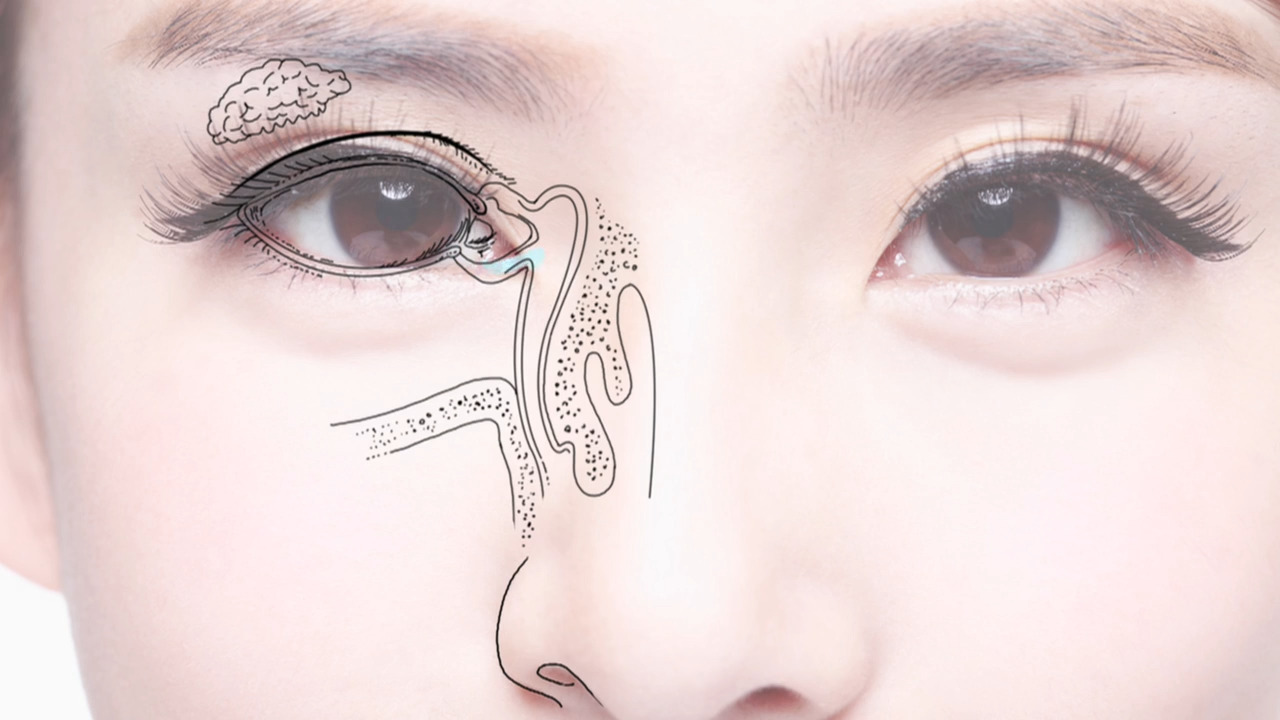
In The Science Behind Emotional Tears, host Harith Iskander explains the different types of tears: basal tears that keep the eyes moist, reflex tears that occur when you cut onions or get something in your eye, and emotional tears triggered by strong feelings. This video is excerpted from BBC’s Got Science?, a science magazine series that explores and explains science in everyday life.
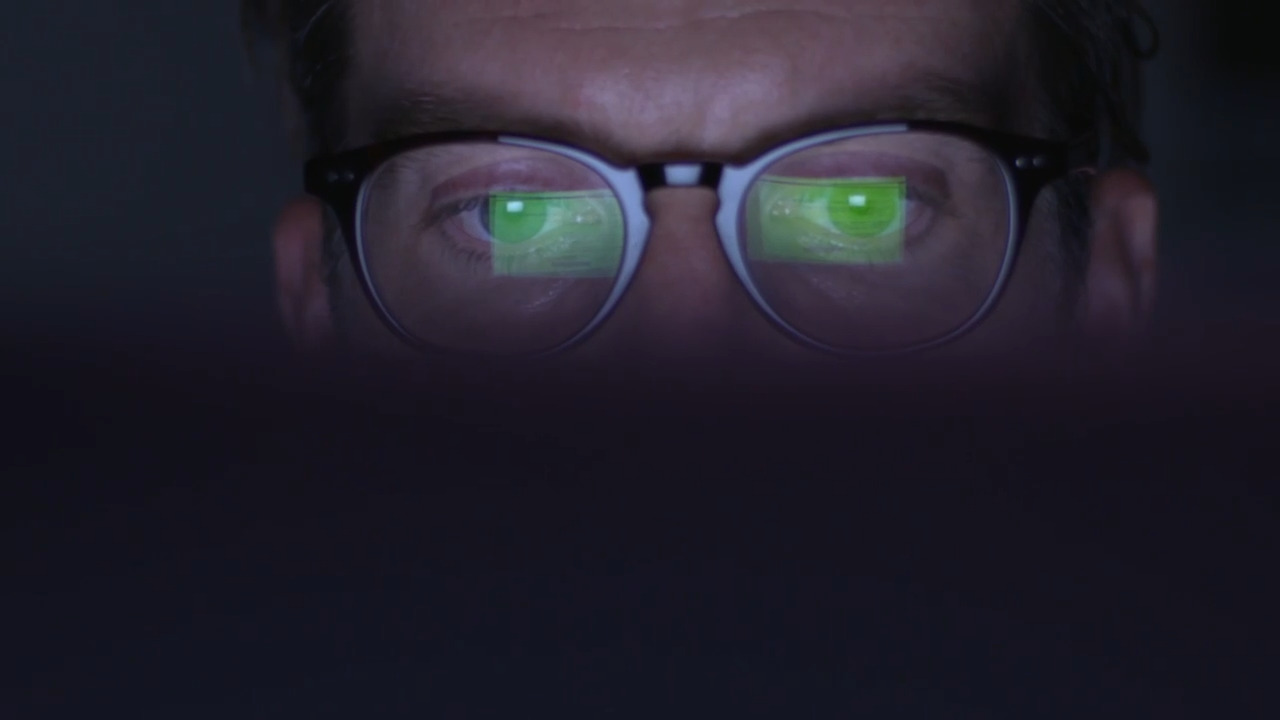
In The Impact of Screens on Our Vision and Memory, host Harith Iskander explores how smartphones and other screen devices are affecting our eyes and memory. When we hold our phones close to our faces, it strains our eyes and can cause them to become more elongated, leading to vision problems like myopia (nearsightedness). Additionally, overusing technology can also impact how the brain stores and processes information. This video is excerpted from BBC’s Got Science?, a science magazine series that explores and explains science in everyday life.
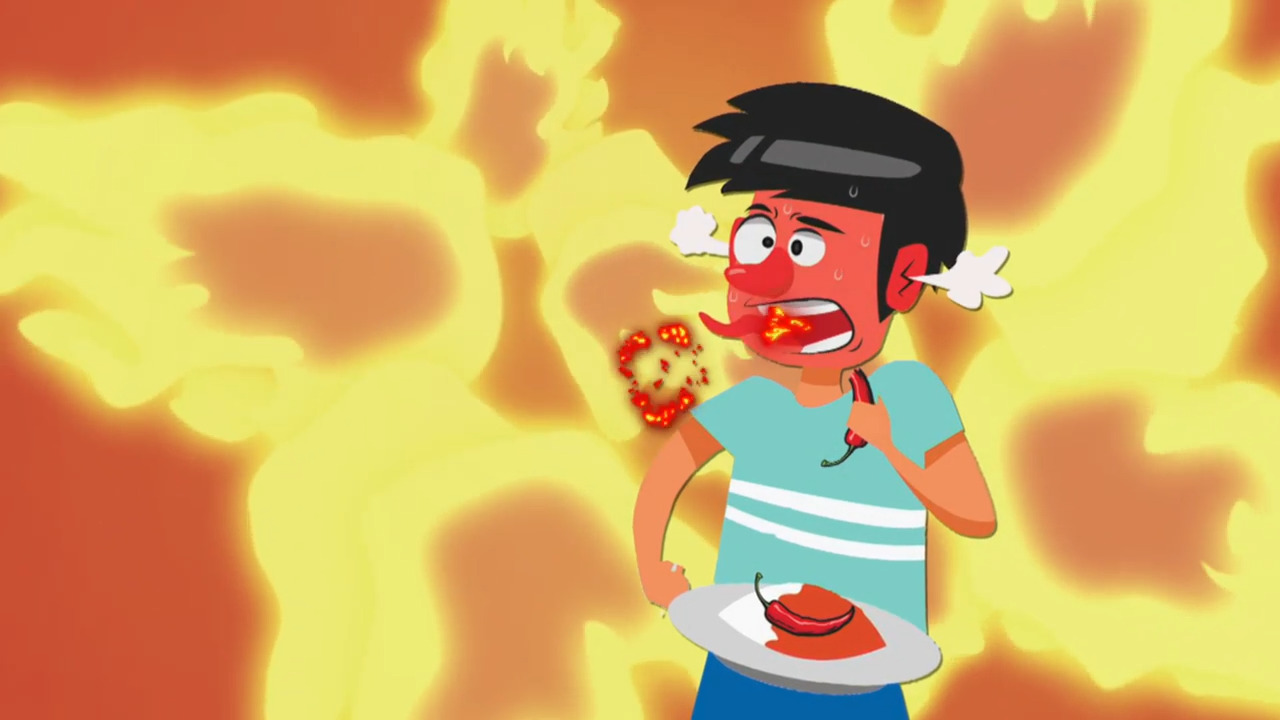
In What Happens in Your Brain When You Eat Spicy Food, host Harith Iskander explains how capsaicin, the chemical found in hot peppers, affects the brain. When you eat something spicy, capsaicin binds to pain receptors in your tongue, sending a signal to your brain that your mouth is "on fire." In response, your brain activates cooling mechanisms, like making you sweat. This video is excerpted from BBC’s Got Science?, a science magazine series that explores and explains science in everyday life.
In The Science Behind Emotional Tears, host Harith Iskander explains the different types of tears: basal tears that keep the eyes moist, reflex tears that occur when you cut onions or get something in your eye, and emotional tears triggered by strong feelings. This video is excerpted from BBC’s Got Science?, a science magazine series that explores and explains science in everyday life.
In The Impact of Screens on Our Vision and Memory, host Harith Iskander explores how smartphones and other screen devices are affecting our eyes and memory. When we hold our phones close to our faces, it strains our eyes and can cause them to become more elongated, leading to vision problems like myopia (nearsightedness). Additionally, overusing technology can also impact how the brain stores and processes information. This video is excerpted from BBC’s Got Science?, a science magazine series that explores and explains science in everyday life.
In What Happens in Your Brain When You Eat Spicy Food, host Harith Iskander explains how capsaicin, the chemical found in hot peppers, affects the brain. When you eat something spicy, capsaicin binds to pain receptors in your tongue, sending a signal to your brain that your mouth is "on fire." In response, your brain activates cooling mechanisms, like making you sweat. This video is excerpted from BBC’s Got Science?, a science magazine series that explores and explains science in everyday life.