Two Planets, Two Paths
In Two Planets, Two Paths, Professor Brian Cox explains what happened 4.6 billion years ago when Mars and Earth formed. The formation set these two planets, which were made of similar material, on very different paths. Learn how the magnetic field around Earth provides protection and how Mars’s magnetic field died out. This video is excerpted from BBC’s Brian Cox’s Adventures in Space and Time, a series that seeks to explain our place in the Universe. Professor Brian Cox looks back on decades of discovery and toward the next frontier in space, pondering the question: What’s next?
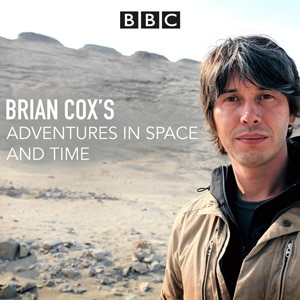
Brian Cox looks back on a decade of discovery and towards the next space frontier, asking the biggest question of all — what's next? Learn more.
Lesson Express
Q: How can we see the radiation that surrounds the Earth?
A: It is visible in the auroras at the North and South Poles.
Q: How is the magnetic field around the Earth set up?
A: There is liquid iron in the core that establishes the magnetic field.
Q: What happened to Mars’s magnetic field? What was the result for Mars?
A: Mars formed farther from the Sun and is smaller than Earth, so its core cooled faster and its protective shield died out. All the atmospheric components got stripped away because there was no shield to protect them.
You Might Also Like
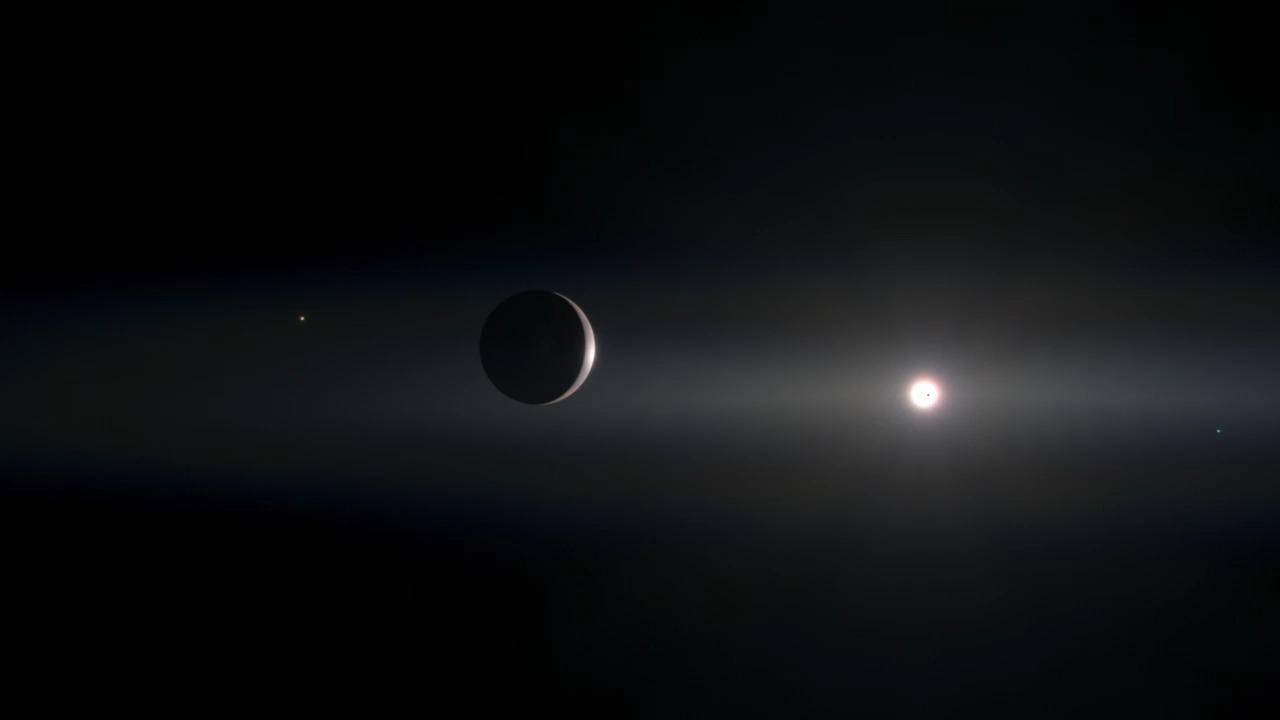
In Reaching the Surface of Mercury, Professor Brian Cox explains how scientists were able to send the space probe Messenger to Mercury, a particularly difficult planet for us to explore. This video is excerpted from BBC’s The Planets, a series that explores the dramatic lives of the eight planets in our Solar System.
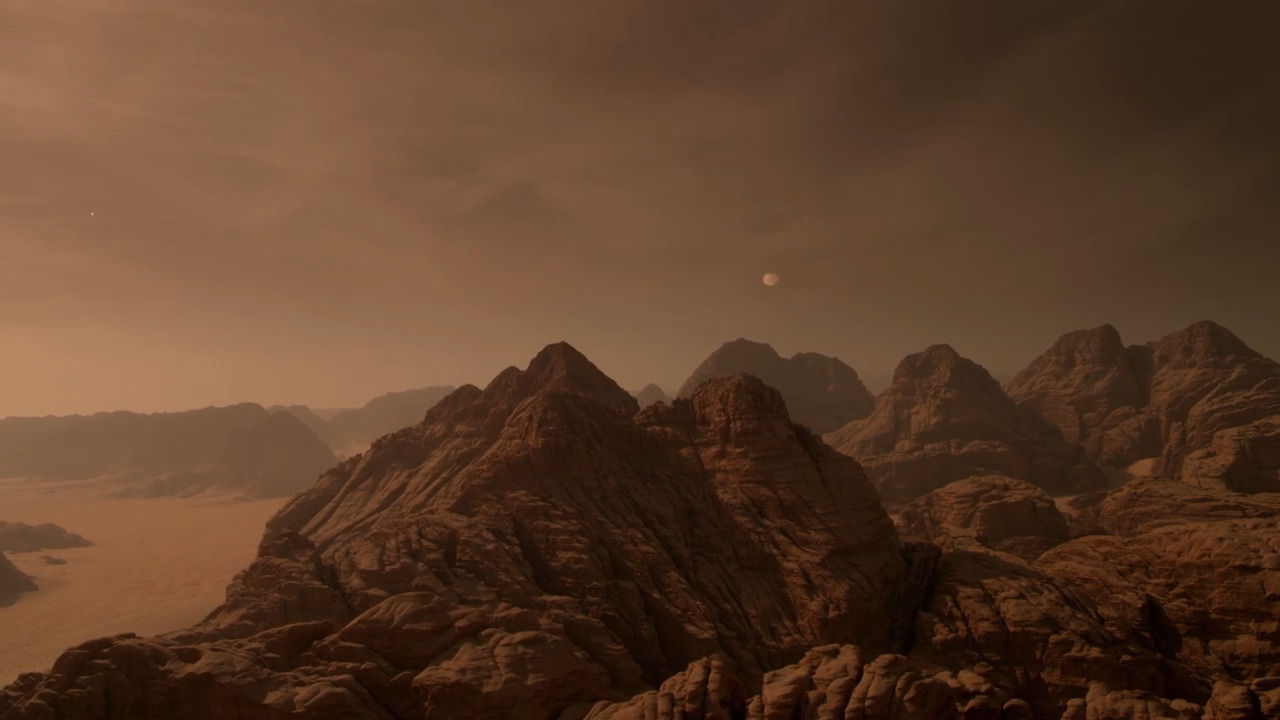
In Life on Earth and Mars, Professor Brian Cox explains the conditions that are required for life to begin. Learn how Earth and Mars had these conditions at the same time. Could life have started in two places at once? Or might the life on Earth have come from outer space? This video is excerpted from BBC’s The Planets, a series that explores the dramatic lives of the eight planets in our Solar System.
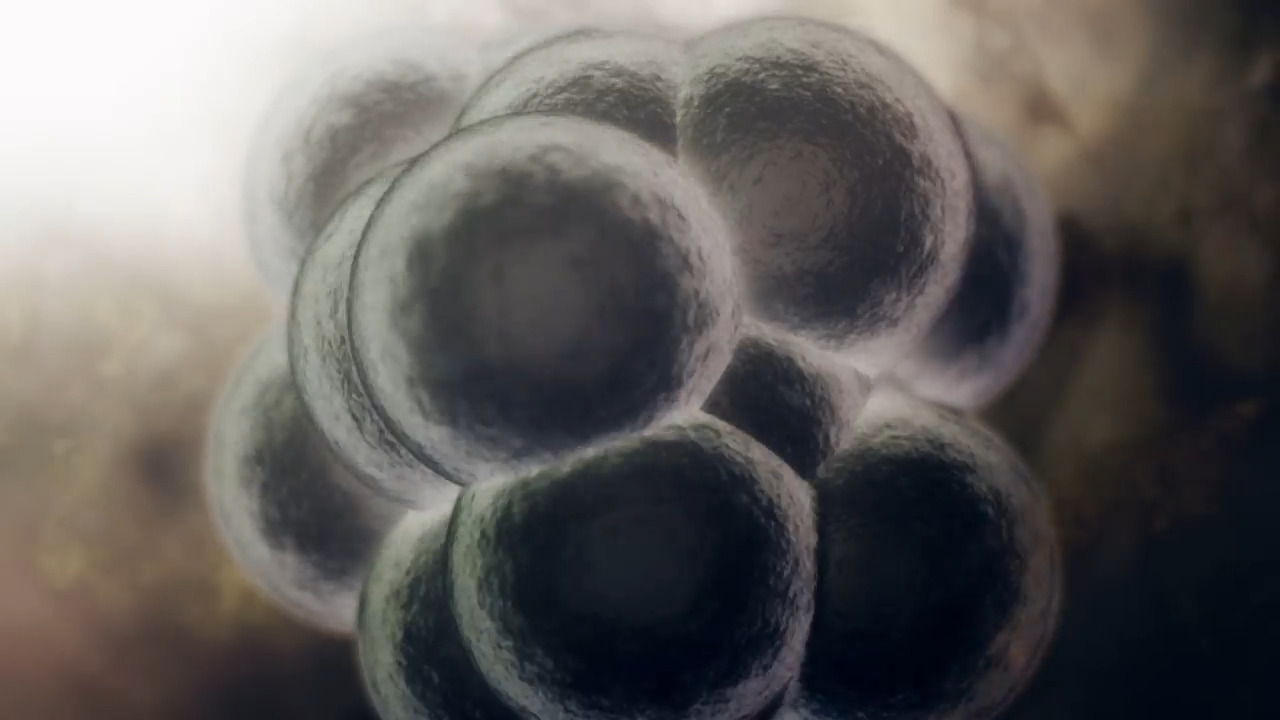
In Intelligent Life — Is It Out There?, Professor Brian Cox explains what happened when complex life developed and what this means for the search for life beyond Earth. This video is excerpted from BBC’s The Planets, a series that explores the dramatic lives of the eight planets in our Solar System.
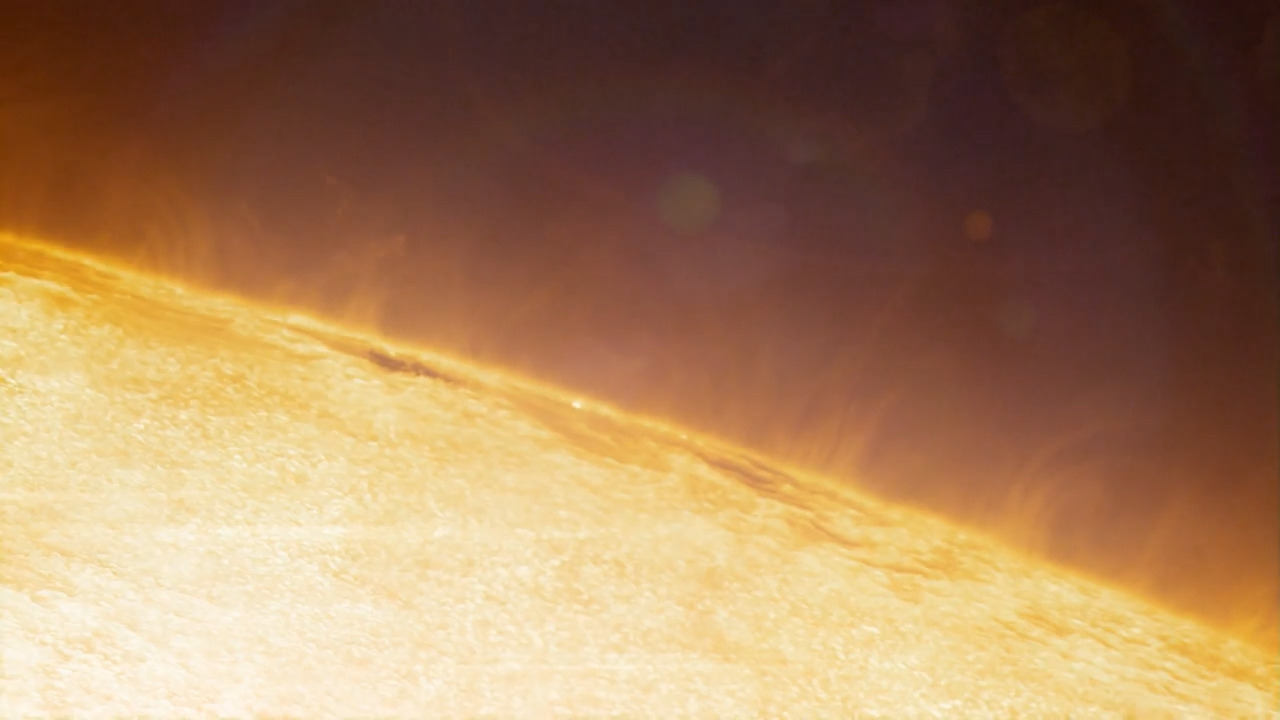
In Mercury, the Solar System's Smallest Planet, narrator Professor Brian Cox highlights the brutal environment of the smallest planet in our Solar System. Its small size meant Mercury didn’t have enough gravity to hang on to its atmosphere. Without the protection of even that thin line of gas, temperatures fluctuate from 842°F (450°C) during the day to -290°F (-180C) degrees at night on the rocky planet. This video is excerpted from BBC’s The Planets, a series that explores the dramatic lives of the eight planets in our Solar System.
In Reaching the Surface of Mercury, Professor Brian Cox explains how scientists were able to send the space probe Messenger to Mercury, a particularly difficult planet for us to explore. This video is excerpted from BBC’s The Planets, a series that explores the dramatic lives of the eight planets in our Solar System.
In Life on Earth and Mars, Professor Brian Cox explains the conditions that are required for life to begin. Learn how Earth and Mars had these conditions at the same time. Could life have started in two places at once? Or might the life on Earth have come from outer space? This video is excerpted from BBC’s The Planets, a series that explores the dramatic lives of the eight planets in our Solar System.
In Intelligent Life — Is It Out There?, Professor Brian Cox explains what happened when complex life developed and what this means for the search for life beyond Earth. This video is excerpted from BBC’s The Planets, a series that explores the dramatic lives of the eight planets in our Solar System.
In Mercury, the Solar System's Smallest Planet, narrator Professor Brian Cox highlights the brutal environment of the smallest planet in our Solar System. Its small size meant Mercury didn’t have enough gravity to hang on to its atmosphere. Without the protection of even that thin line of gas, temperatures fluctuate from 842°F (450°C) during the day to -290°F (-180C) degrees at night on the rocky planet. This video is excerpted from BBC’s The Planets, a series that explores the dramatic lives of the eight planets in our Solar System.