
The article "Women in the American Revolution: Courageous Contributions on the Road to Independence" from BBC's HistoryExtra explores the diverse roles women played during the American Revolution. It highlights figures like Abigail Adams, who advocated for women's rights; Deborah Sampson, who disguised herself as a man to fight; and Phillis Wheatley, an enslaved poet whose writings inspired many.
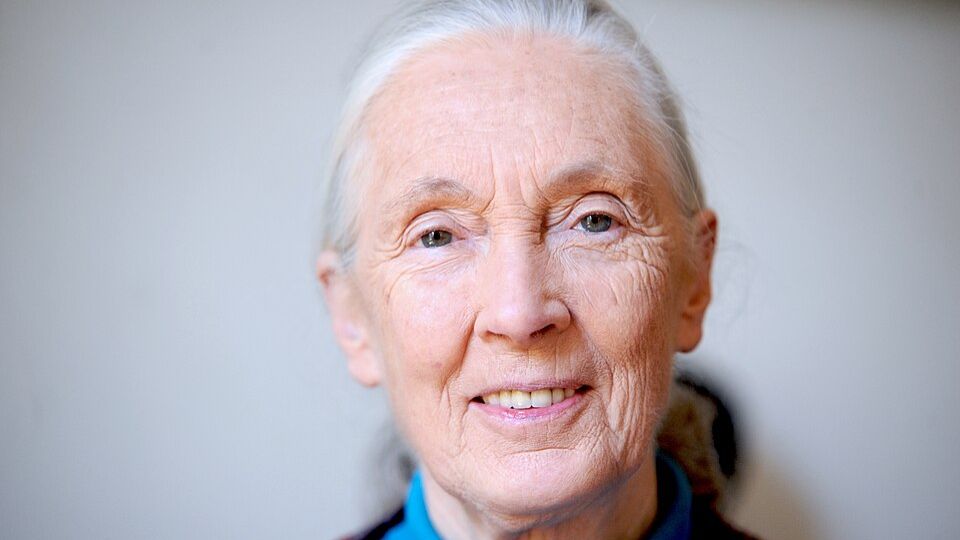
Explore how women scientists have transformed medicine, biology, and our understanding of life itself through the groundbreaking work of Jane Goodall, Tu Youyou, Marie Curie, and Françoise Barré-Sinoussi. Students will discover how curiosity, determination, and scientific innovation helped these women make discoveries that changed lives around the world.
This Kahoot explores major breakthroughs in fields such as medicine, chemistry, biology, and disease research, while highlighting the challenges many women scientists faced in gaining recognition and opportunities in their fields. Students will build listening skills, vocabulary, and scientific awareness as they learn how research and discovery can improve health, deepen knowledge, and shape the future.
Watch the related BBC videos (below), then invite your Grade 6–12 students to test their knowledge and explore the lasting global impact of women in science.
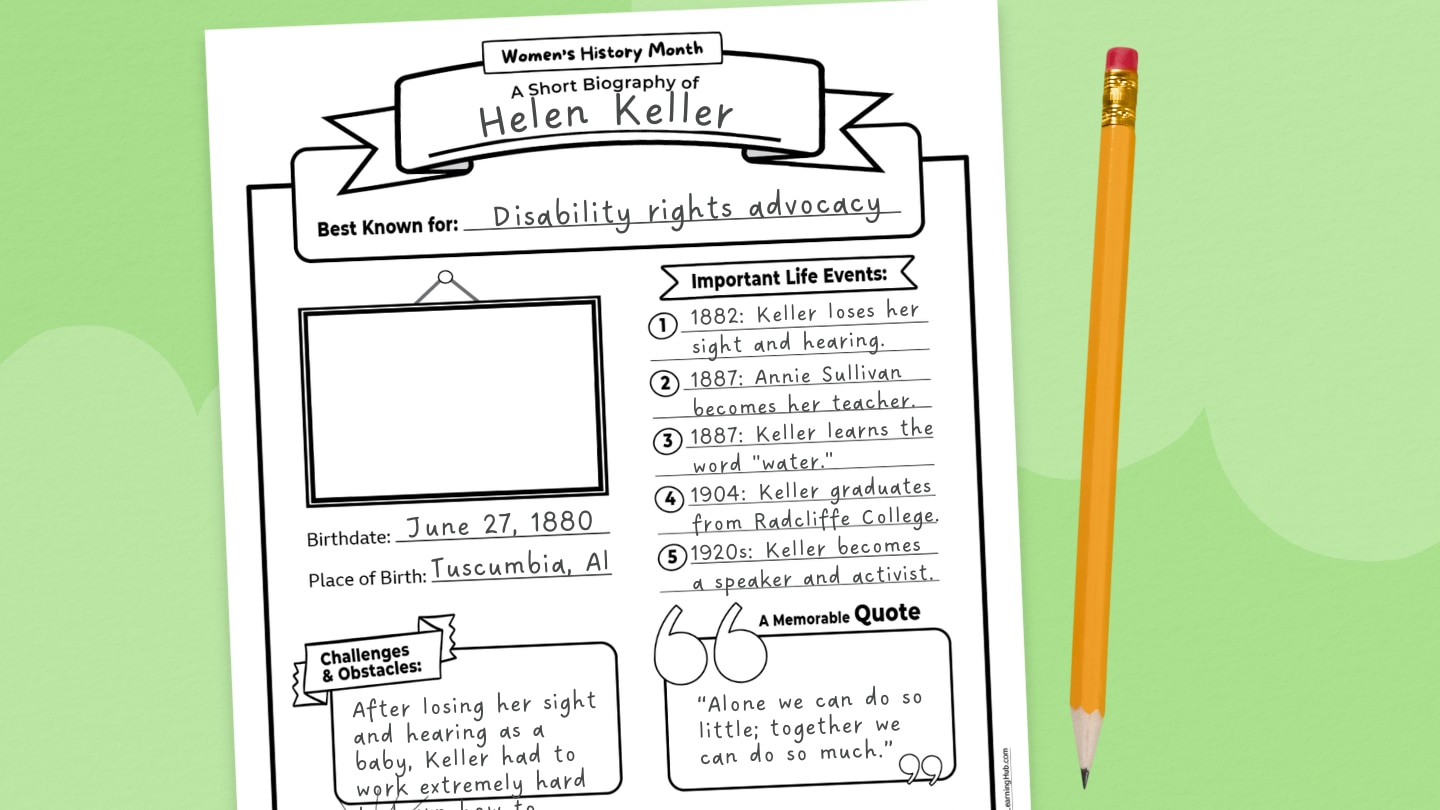
This Women’s History Month, invite your students to step into the role of historian, storyteller, and researcher as they create profiles of extraordinary women in history. Our Women’s History Biography Template is designed for ages 8–14 and helps students organize key facts, explore challenges and accomplishments, and reflect on why these figures still matter today. With guided sections for important life events, obstacles overcome, and lasting impact, this ready-to-use template supports research skills, critical thinking, and strong writing.
To get started, visit our Figures in Women’s History microsite and explore a rich video library featuring trailblazing leaders, artists, scientists, and activists. Learn about Jane Goodall and her pioneering work in conservation and animal behavior, or dive into the groundbreaking research and storytelling of Zora Neale Hurston, who preserved and celebrated African American folklore and culture. Students can also discover figures who fought for women's suffrage, advanced medicine, and transformed sports. This is a great jumping off point for students to begin further research on their chosen icon.
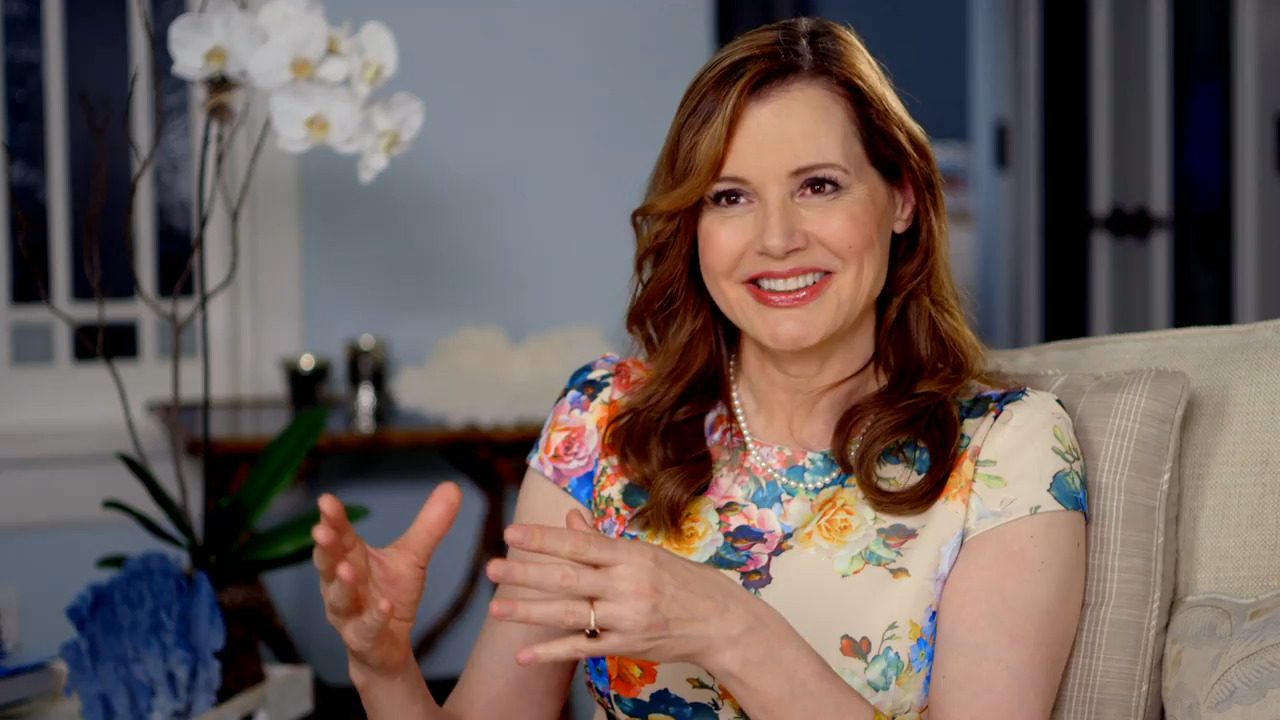
In The Fight for Females in Film, Geena Davis, an actress and founder of the Geena Davis Institute on Gender in Media, points out that for every three male characters speaking in movies, there's only one female. She believes that by changing how women are portrayed in movies, we can help create a more balanced world with women in powerful roles. This video is excerpted from BBC's Her Story: The Female Revolution, which explores the history and impact of women’s rights movements and achievements of women.
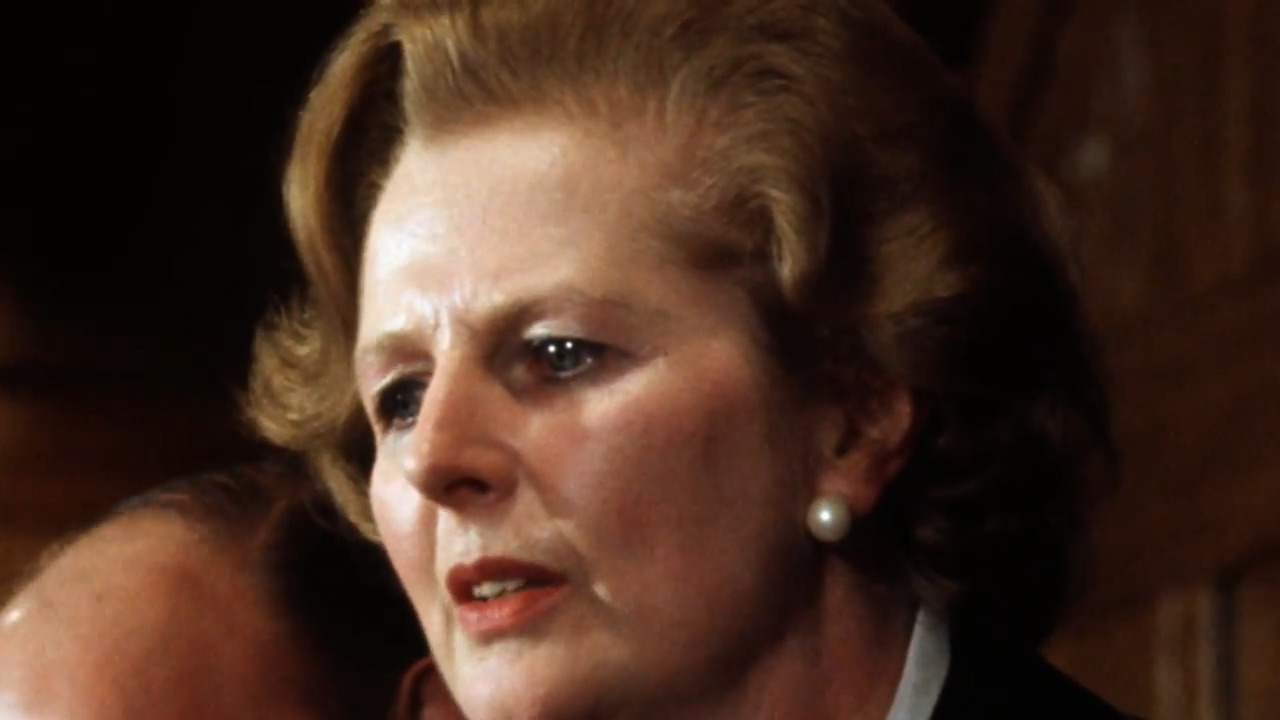
In Margaret Thatcher and Hillary Clinton, Women in Power, explore the experiences of female political leaders. Thatcher attributed her success to her abilities, and didn't focus on being a woman, though some critics say she didn’t create paths for other women. Clinton faced criticism for not emphasizing women’s rights in her 2008 presidential campaign. This video is excerpted from BBC's Her Story: The Female Revolution, which explores the history and impact of women’s rights movements and achievements of women.
Meet Seven Women Leaders From All Around the World Who Broke Barriers.
They navigated crisis, criticism, and political pressure. They were pioneers, reformers, and power brokers — but they were also complex figures shaped by culture, controversy, and the eras in which they governed. In honor of Women’s History Month, this video playlist explores influential leaders from around the globe through BBC clips featuring Hillary Clinton, Margaret Thatcher, Michelle Bachelet, and more.
From national parliaments to international financial institutions, these women led in vastly different political systems and cultural landscapes. Some championed social reform. Others advanced market-driven policies. All faced intense scrutiny — not only for their decisions, but for their leadership styles, identities, and the expectations placed upon women in power.
This thoughtful playlist invites students to examine leadership with nuance: How do gender and politics intersect? How do public expectations shape women leaders differently? And what can we learn from both their accomplishments and their controversies?
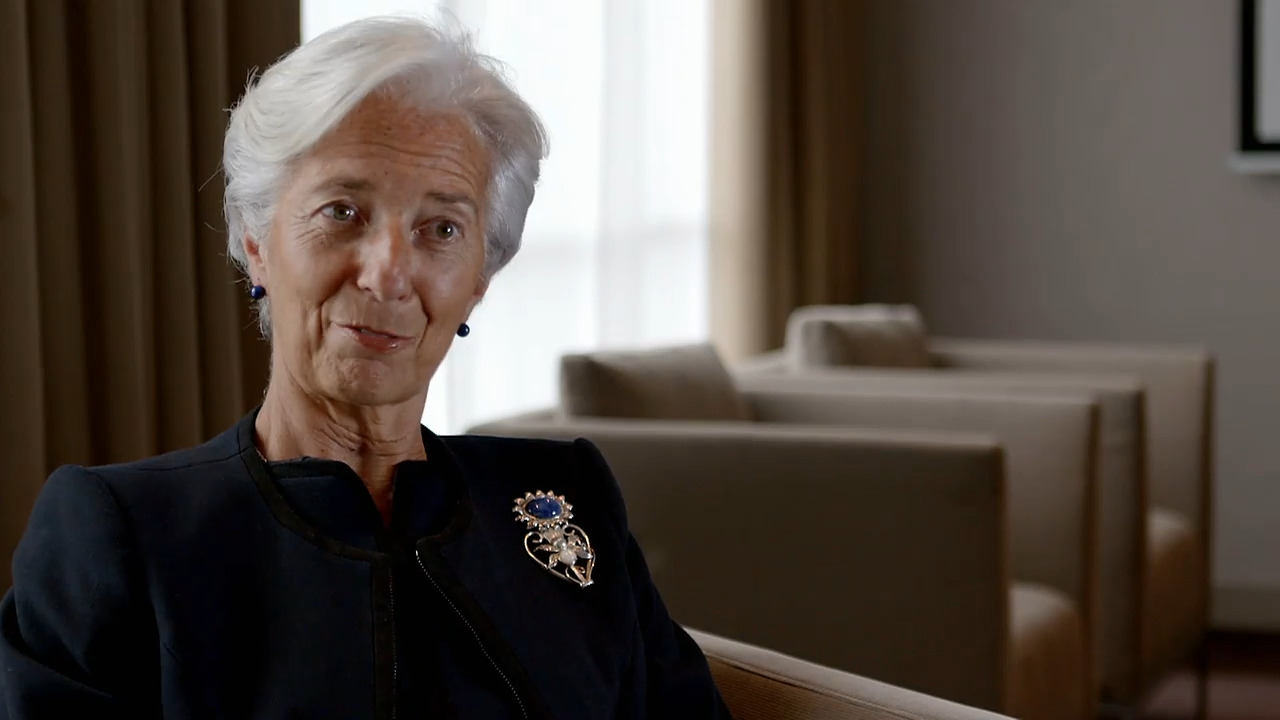
In Christine Lagarde, Titan of Finance, learn how Lagarde made history as the first woman to lead the International Monetary Fund and now serves as President of the European Central Bank. She shares stories about overcoming challenges in a male-dominated field, including being told she could never become a law firm partner simply because she was a woman. She worked tirelessly while raising two children, later earning their admiration for paving her own way. Lagarde believes that empowering women in finance and leadership will create prosperity for all. This video is excerpted from BBC's Her Story: The Female Revolution, which explores the history and impact of women’s rights movements and achievements of women.
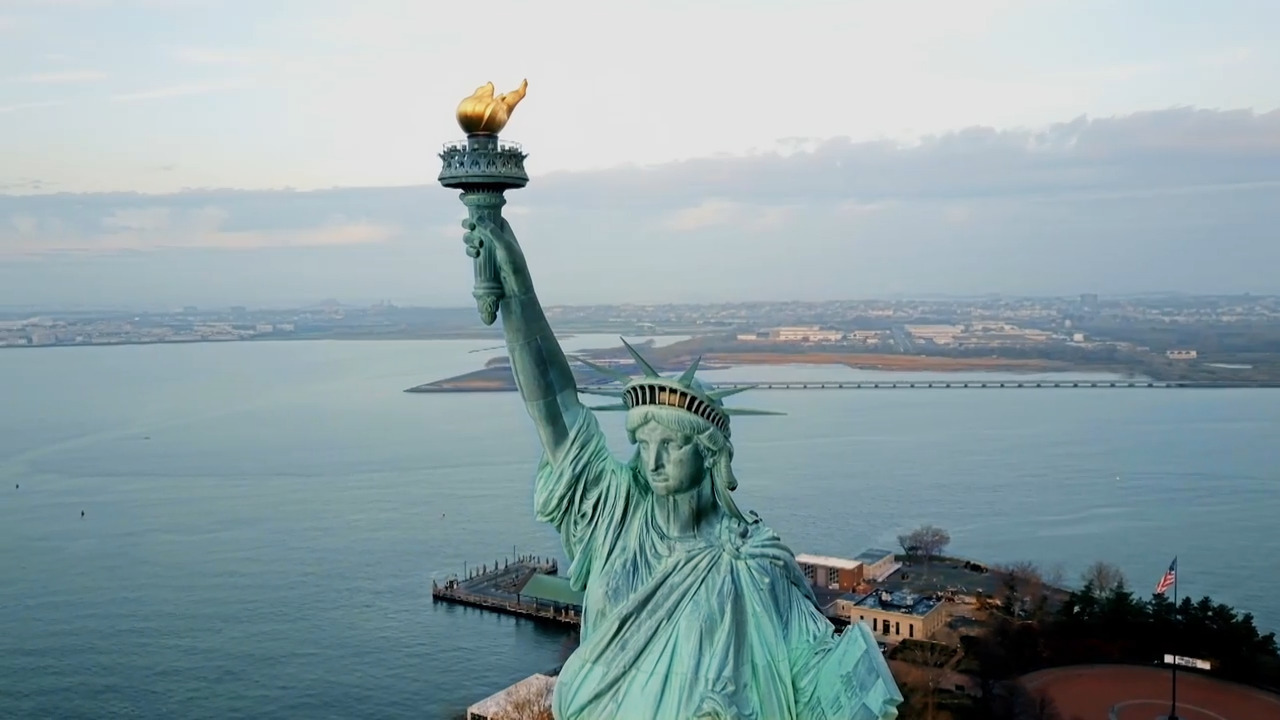
In What Does the Statue of Liberty Stand For?, historian Lucy Worsley investigates the origins and meanings of the Statue of Liberty. When it was unveiled in 1886, women protested that women did not have liberty; neither was there liberty and equality for African Americans. Emma Lazarus wrote a poem, The New Colossus, which not only raised money for the statue but gave her a new purpose: to welcome immigrants from the rest of the world. This video is excerpted from BBC's American History's Biggest Fibs with Lucy Worsley, in which Worsley reveals the myths and manipulations behind American history.
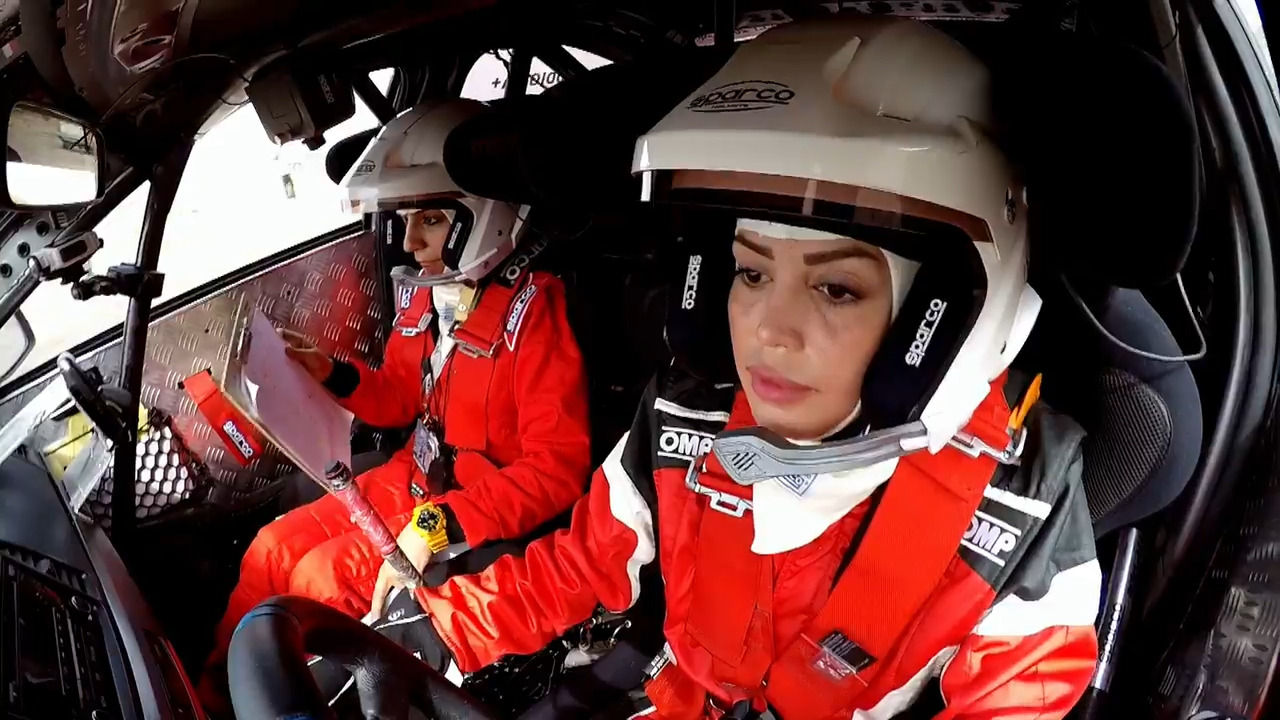
In Laleh Seddigh’s Bold Racing Journey, learn about Iran's first female race car driver, who broke barriers by racing against men in a sport traditionally dominated by men. In a society where women are discouraged from participating in sports, Seddigh proved women are just as capable. Seddigh's passion for driving started when she was just 11 years old, and her mother remembers catching her behind the wheel of a Buick one day. Now, racing is not just her hobby — it's a career that continues to challenge stereotypes. This video is excerpted from BBC's Her Story: The Female Revolution, which explores the history and impact of women’s rights movements and achievements of women.
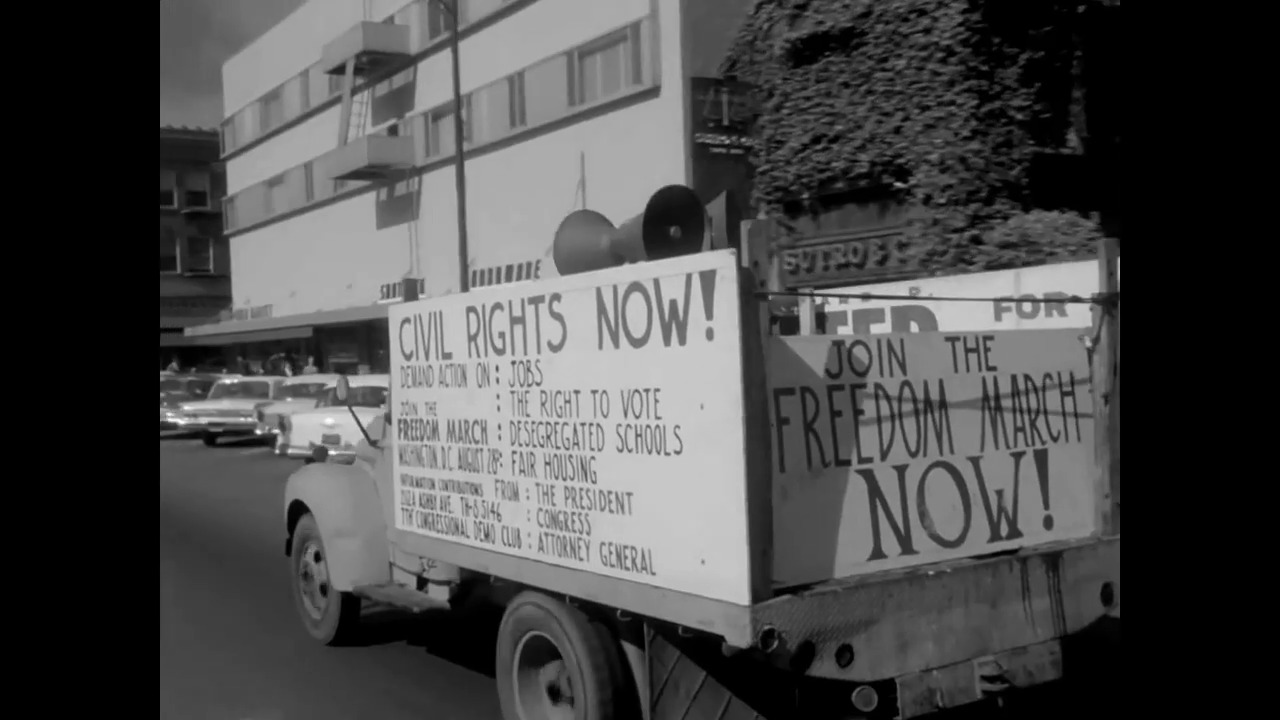
In Martin Luther King Jr.'s Conflicting Politics, historian Lucy Worsley learns that although Martin Luther King Jr. campaigned for Civil Rights, he didn't have the same beliefs of equality for men and women. Women were not allowed to speak at the March in Washington. This video is excerpted from BBC's American History's Biggest Fibs with Lucy Worsley, in which Worsley reveals the myths and manipulations behind American history.
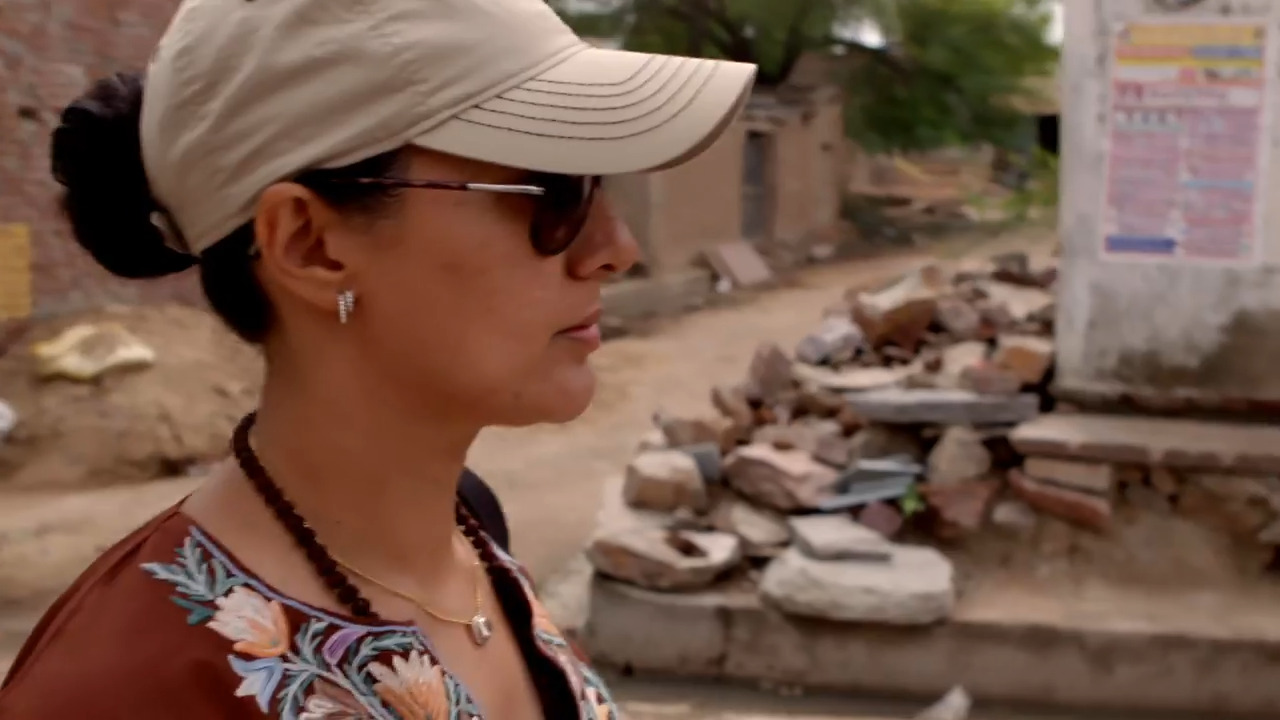
In Chhavi Rajawat, Local Leader in India, learn how Rajawat left her corporate career to serve her rural community in India. After new quotas increased opportunities for women leaders, she took on a mayor-like role to help address poverty and challenges faced by villagers, especially women. This video is excerpted from BBC's Her Story: The Female Revolution, which explores the history and impact of women’s rights movements and achievements of women.
The article "Women in the American Revolution: Courageous Contributions on the Road to Independence" from BBC's HistoryExtra explores the diverse roles women played during the American Revolution. It highlights figures like Abigail Adams, who advocated for women's rights; Deborah Sampson, who disguised herself as a man to fight; and Phillis Wheatley, an enslaved poet whose writings inspired many.
Explore how women scientists have transformed medicine, biology, and our understanding of life itself through the groundbreaking work of Jane Goodall, Tu Youyou, Marie Curie, and Françoise Barré-Sinoussi. Students will discover how curiosity, determination, and scientific innovation helped these women make discoveries that changed lives around the world.
This Kahoot explores major breakthroughs in fields such as medicine, chemistry, biology, and disease research, while highlighting the challenges many women scientists faced in gaining recognition and opportunities in their fields. Students will build listening skills, vocabulary, and scientific awareness as they learn how research and discovery can improve health, deepen knowledge, and shape the future.
Watch the related BBC videos (below), then invite your Grade 6–12 students to test their knowledge and explore the lasting global impact of women in science.
This Women’s History Month, invite your students to step into the role of historian, storyteller, and researcher as they create profiles of extraordinary women in history. Our Women’s History Biography Template is designed for ages 8–14 and helps students organize key facts, explore challenges and accomplishments, and reflect on why these figures still matter today. With guided sections for important life events, obstacles overcome, and lasting impact, this ready-to-use template supports research skills, critical thinking, and strong writing.
To get started, visit our Figures in Women’s History microsite and explore a rich video library featuring trailblazing leaders, artists, scientists, and activists. Learn about Jane Goodall and her pioneering work in conservation and animal behavior, or dive into the groundbreaking research and storytelling of Zora Neale Hurston, who preserved and celebrated African American folklore and culture. Students can also discover figures who fought for women's suffrage, advanced medicine, and transformed sports. This is a great jumping off point for students to begin further research on their chosen icon.
In The Fight for Females in Film, Geena Davis, an actress and founder of the Geena Davis Institute on Gender in Media, points out that for every three male characters speaking in movies, there's only one female. She believes that by changing how women are portrayed in movies, we can help create a more balanced world with women in powerful roles. This video is excerpted from BBC's Her Story: The Female Revolution, which explores the history and impact of women’s rights movements and achievements of women.
In Margaret Thatcher and Hillary Clinton, Women in Power, explore the experiences of female political leaders. Thatcher attributed her success to her abilities, and didn't focus on being a woman, though some critics say she didn’t create paths for other women. Clinton faced criticism for not emphasizing women’s rights in her 2008 presidential campaign. This video is excerpted from BBC's Her Story: The Female Revolution, which explores the history and impact of women’s rights movements and achievements of women.
Meet Seven Women Leaders From All Around the World Who Broke Barriers.
They navigated crisis, criticism, and political pressure. They were pioneers, reformers, and power brokers — but they were also complex figures shaped by culture, controversy, and the eras in which they governed. In honor of Women’s History Month, this video playlist explores influential leaders from around the globe through BBC clips featuring Hillary Clinton, Margaret Thatcher, Michelle Bachelet, and more.
From national parliaments to international financial institutions, these women led in vastly different political systems and cultural landscapes. Some championed social reform. Others advanced market-driven policies. All faced intense scrutiny — not only for their decisions, but for their leadership styles, identities, and the expectations placed upon women in power.
This thoughtful playlist invites students to examine leadership with nuance: How do gender and politics intersect? How do public expectations shape women leaders differently? And what can we learn from both their accomplishments and their controversies?
In Christine Lagarde, Titan of Finance, learn how Lagarde made history as the first woman to lead the International Monetary Fund and now serves as President of the European Central Bank. She shares stories about overcoming challenges in a male-dominated field, including being told she could never become a law firm partner simply because she was a woman. She worked tirelessly while raising two children, later earning their admiration for paving her own way. Lagarde believes that empowering women in finance and leadership will create prosperity for all. This video is excerpted from BBC's Her Story: The Female Revolution, which explores the history and impact of women’s rights movements and achievements of women.
In What Does the Statue of Liberty Stand For?, historian Lucy Worsley investigates the origins and meanings of the Statue of Liberty. When it was unveiled in 1886, women protested that women did not have liberty; neither was there liberty and equality for African Americans. Emma Lazarus wrote a poem, The New Colossus, which not only raised money for the statue but gave her a new purpose: to welcome immigrants from the rest of the world. This video is excerpted from BBC's American History's Biggest Fibs with Lucy Worsley, in which Worsley reveals the myths and manipulations behind American history.
In Laleh Seddigh’s Bold Racing Journey, learn about Iran's first female race car driver, who broke barriers by racing against men in a sport traditionally dominated by men. In a society where women are discouraged from participating in sports, Seddigh proved women are just as capable. Seddigh's passion for driving started when she was just 11 years old, and her mother remembers catching her behind the wheel of a Buick one day. Now, racing is not just her hobby — it's a career that continues to challenge stereotypes. This video is excerpted from BBC's Her Story: The Female Revolution, which explores the history and impact of women’s rights movements and achievements of women.
In Martin Luther King Jr.'s Conflicting Politics, historian Lucy Worsley learns that although Martin Luther King Jr. campaigned for Civil Rights, he didn't have the same beliefs of equality for men and women. Women were not allowed to speak at the March in Washington. This video is excerpted from BBC's American History's Biggest Fibs with Lucy Worsley, in which Worsley reveals the myths and manipulations behind American history.
In Chhavi Rajawat, Local Leader in India, learn how Rajawat left her corporate career to serve her rural community in India. After new quotas increased opportunities for women leaders, she took on a mayor-like role to help address poverty and challenges faced by villagers, especially women. This video is excerpted from BBC's Her Story: The Female Revolution, which explores the history and impact of women’s rights movements and achievements of women.