
Dive into the wonders of Antarctica with this multi-grade lesson collection! Tailored for K–2, 3–5, 6–8, and 9–12, each unit includes engaging activities, thought-provoking discussions, and hands-on projects to uncover the mysteries of the frozen continent. Enhance your teaching with stunning BBC video clips showcasing Antarctic wildlife, research stations, and breathtaking icy landscapes. Printable resources like animal fact sheets, scientist journal templates, and conservation challenges bring the learning to life for your students. Perfect for science, geography, and environmental lessons!
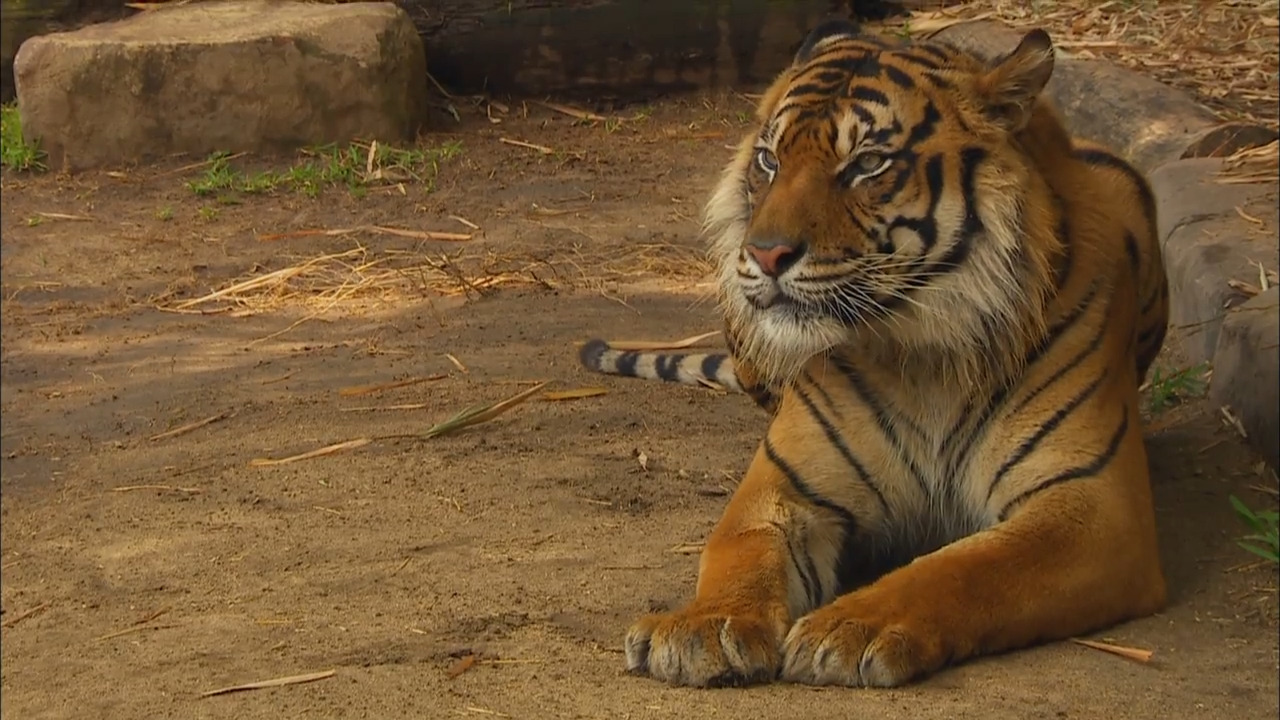
In Designing a Digital Campaign to Save Sumatran Tigers, tiger conservation is on display at a zoo’s tiger show and is the focus of a digital campaign designed to educate the public about why it’s important to save this magnificent species. This video is excerpted from BBC’s North America with Simon Reeve, in which the adventurer and environmentalist explores North America to learn all about the animals that make this continent amazing.

The article "Eleven of the Rarest Animals in the World at Risk of Extinction" from BBC's Discover Wildlife highlights critically endangered species, including the vaquita porpoise and the black and chestnut eagle. It explores conservation efforts and the urgent need to protect these species from habitat loss, pollution, and poaching.

This Earth Day (or anytime this month), share this inspiring video playlist designed to spark curiosity and action in students ages 8–14. From incredible wildlife conservation stories to real-world environmental solutions, each clip invites students to explore the beauty of our planet — and the challenges it faces.
Get a closer look at how forests support life on Earth, discover innovative ideas like renewable energy, and meet the people working to protect endangered species and restore habitats. Along the way, students will see how small choices can make a big difference for our world.
Packed with powerful moments and meaningful learning, this playlist encourages students not just to learn about the Earth — but to think about how they can help protect it.
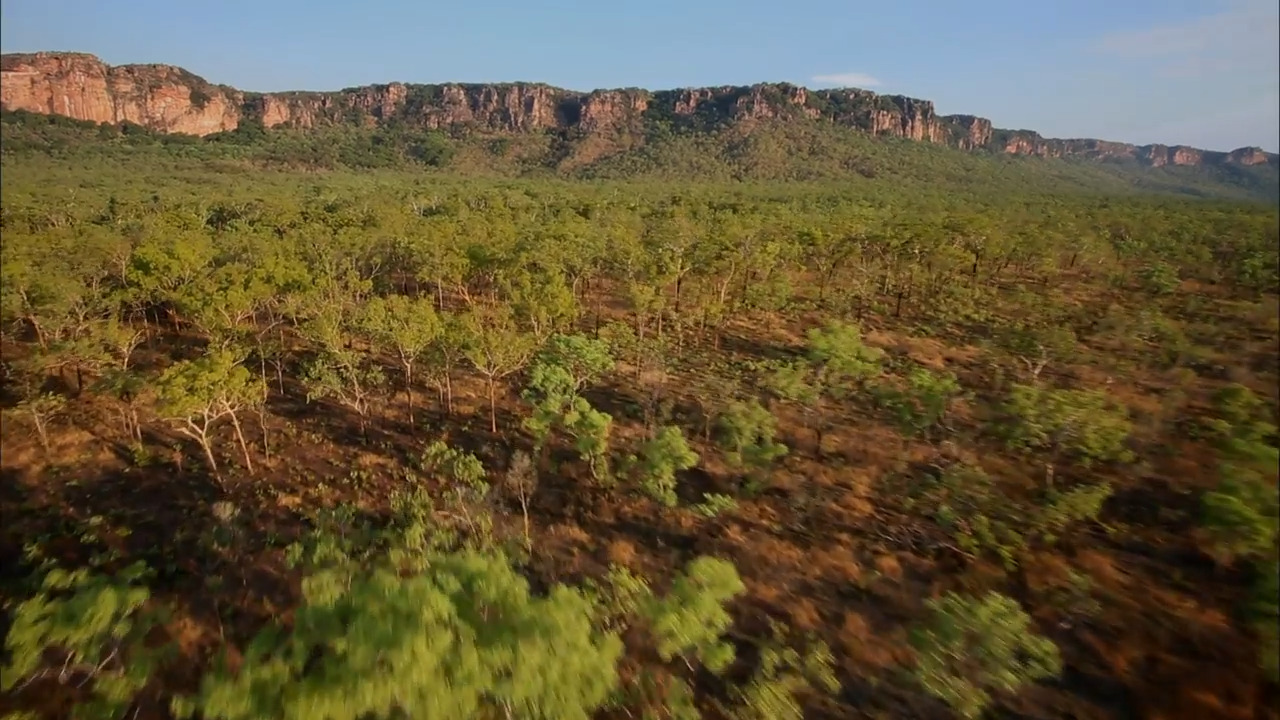
In Kakadu National Park, Biodiversity Hot Spot, host Simon Reeve explores this large national park in Australia. The park is teeming with life, but it used to be home to even more species before an invasive species came in. This video is excerpted from BBC’s Australia With Simon Reeve, a show in which Reeves goes Down Under to learn all about the animals that make Australia amazing.
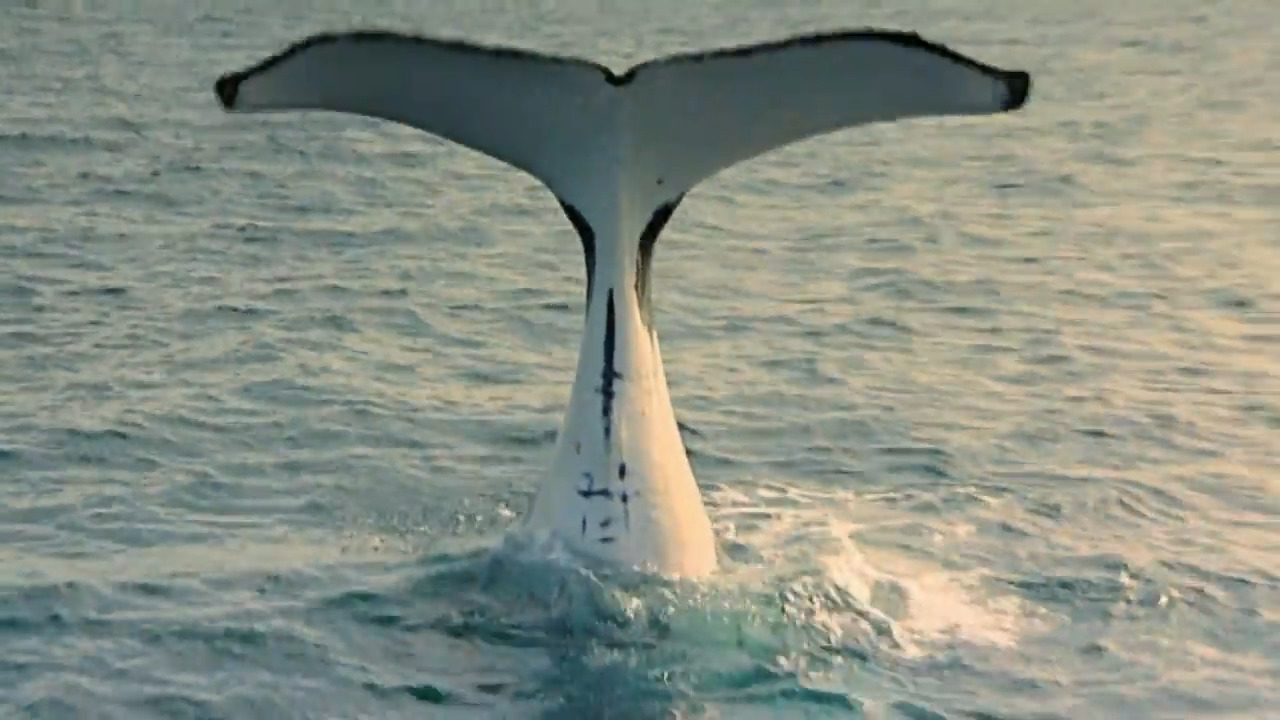
In Saving a Humpback Whale Sanctuary, host Simon Reeve reflects on a past trip to a humpback whale sanctuary in Australia. At the time, industrialization threatened their habitat. In keeping in touch with the marine biologists, he now discovers an encouraging development to the whales' story. This video is excerpted from BBC's Incredible Journeys With Simon Reeve, a series that highlights one journalist’s travels across the globe and the diverse cultures and peoples he meets along the way.
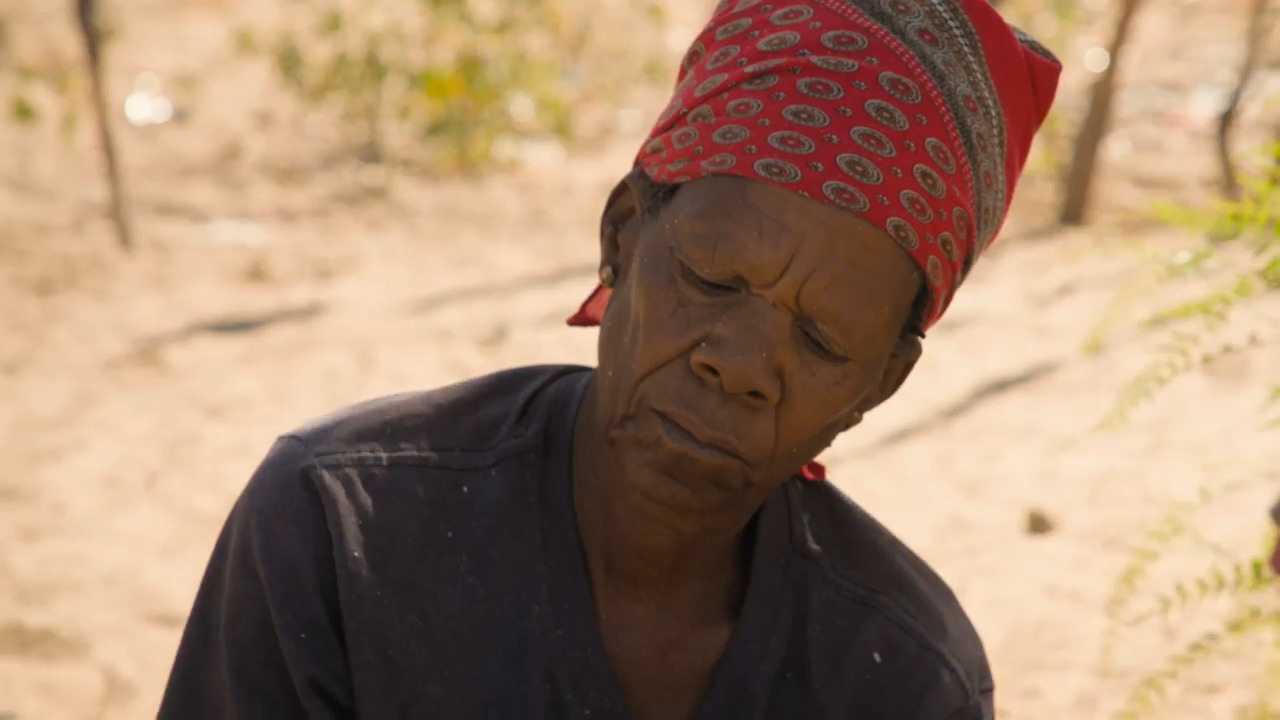
In The San People’s New World, host Simon Reeve explores the Central Kalahari Game Reserve (CKGR) in Botswana, a land filled with wildlife and history. He learns about the San people, who lived there for thousands of years but were forced to relocate to settlements with promises of a better life. Many San feel betrayed, believing they were pushed out for diamonds and wildlife conservation, leaving their ancestral home behind. This video is excerpted from BBC’s Wilderness With Simon Reeve, an epic adventure into the heart of Earth’s last great wild areas, where nature is at its most beautiful and fragile.
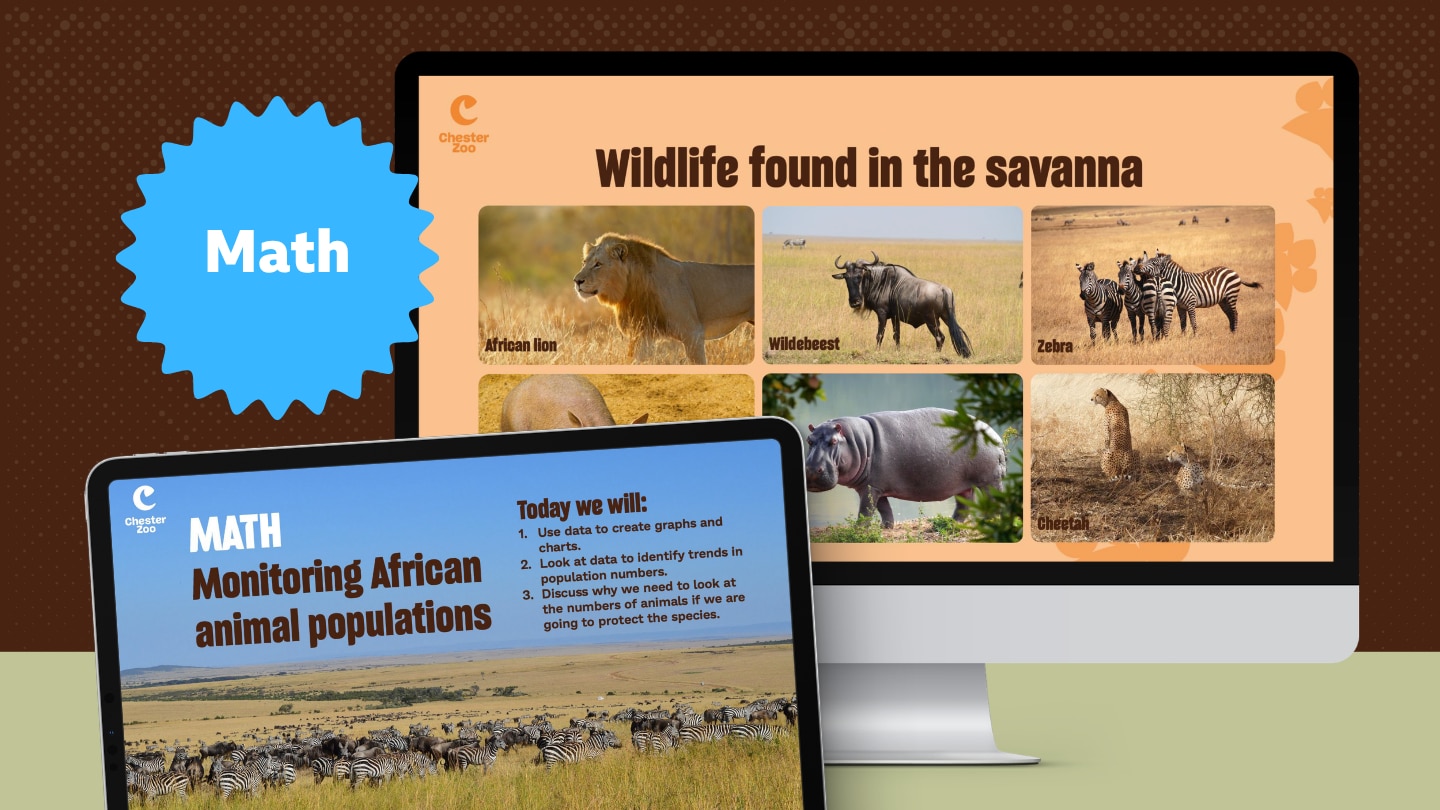
Math meets wildlife conservation! How do you know if a population of animals is growing or shrinking? And how can numbers help protect species in the wild? Join Chester Zoo to explore the African savanna and discover how conservationists use data to understand what is happening to wildlife populations.
Meet some of the animals that call the savanna home, then find out how Chester Zoo and its conservation partners monitor animals such as northern giraffes. You'll see how cameras, trackers, and other methods can help scientists gather information about animals in the wild — and why collecting accurate data matters.
Then become a conservation data detective! Work with real wildlife population data to spot trends and turn numbers into bar charts, line graphs, and pie charts. You'll investigate what different kinds of graphs can tell us and consider why scientists and conservation organizations need to communicate their findings clearly.
Finally, take what you've learned beyond the numbers. Use data to think about how people can make choices that help wildlife, collect information from your own class, and turn your findings into a message that could inspire others to take action.
Don't miss the graph worksheets that go with this lesson!
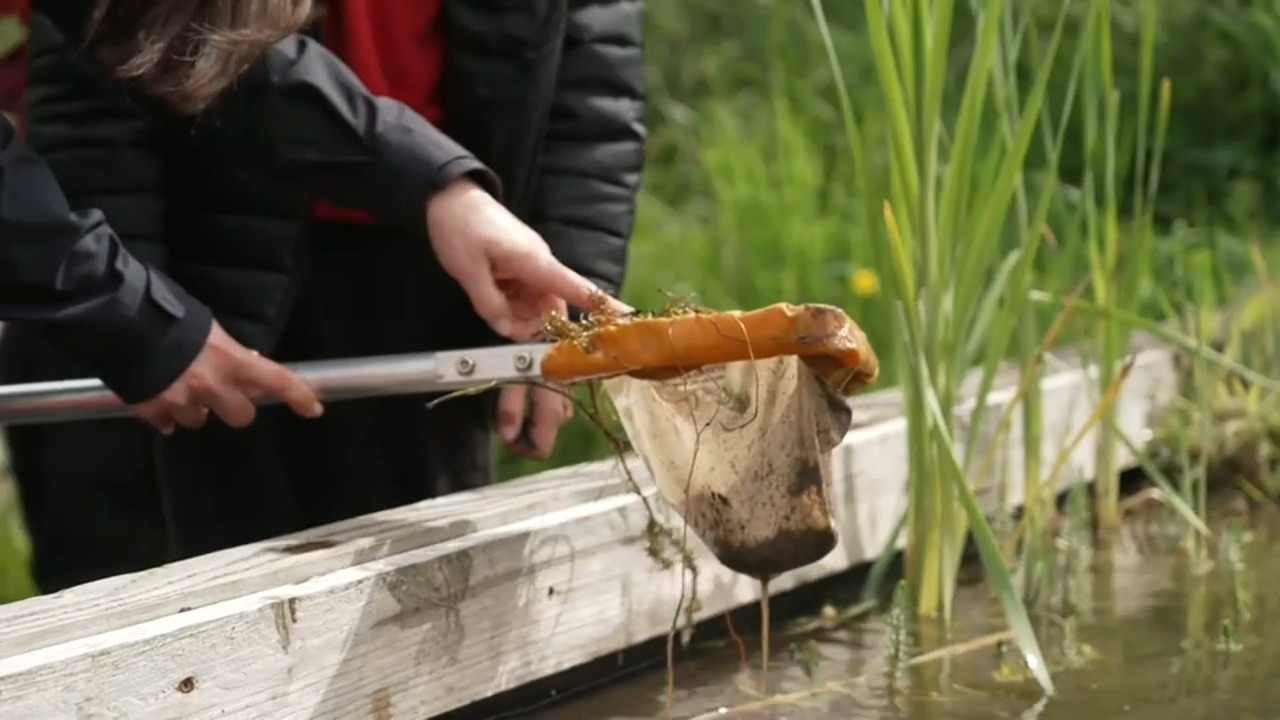
Your parents or grandparents probably talk about growing up outside — riding bikes, climbing trees, scraping up knees. Turns out, they were onto something.
The Wildlife Trusts, a UK conservation group, just wrapped up "30 Days Wild," the UK's biggest nature challenge. Millions of people, including tens of thousands of schools, took part by doing one "wild" activity a day — noticing, appreciating, or exploring nature. The Lancashire Wildlife Trust runs a similar effort called The Greenhouse Project, where people learn to grow food and care for nature together.
The idea: the more connected people feel to nature, the more likely they are to protect it. But a recent poll found that while almost all adults have fond memories of playing outside as kids, nearly half now spend just three hours outside per week — less than 30 minutes a day.
In Incentives for Sustainable Tourism: Economic and Conservation Incentives, host Simon Reeve travels to two developing nations where sustainable tourism has the potential to expand conservation efforts and protect natural lands and wildlife. This video is excerpted from BBC's Incredible Journeys With Simon Reeve, a series that highlights one journalist’s travels across the globe and the diverse cultures and peoples he meets along the way.

In Can Oil and Conservation Coexist?, host Simon Reeve explores the Arctic National Wildlife Refuge (ANWR) in Alaska, where he visits the small coastal Iñupiat community of Kaktovik — the only settlement in this 19-million-acre wilderness. He investigates the heated debate over protecting the refuge vs. oil drilling, as the people explain how oil companies have brought life-changing benefits like running water, modern homes, and longer life expectancy. This video is excerpted from BBC’s The Americas With Simon Reeve, in which Simon Reeve explores the landscapes, cultures, and wildlife of North and South America.

The article "Mauritius: How Sustainable Tourism Is Reviving Its Endangered Wildlife" from BBC's Discover Wildlife explores how luxury tourism is helping the island of Mauritius restore its devastated biodiversity. Through sustainable practices and conservation efforts, the tourism industry is playing a crucial role in supporting rewilding projects, combating invasive species, and contributing to reforestation, with positive results for local wildlife like the Mauritian kestrel and endemic plants.
Dive into the wonders of Antarctica with this multi-grade lesson collection! Tailored for K–2, 3–5, 6–8, and 9–12, each unit includes engaging activities, thought-provoking discussions, and hands-on projects to uncover the mysteries of the frozen continent. Enhance your teaching with stunning BBC video clips showcasing Antarctic wildlife, research stations, and breathtaking icy landscapes. Printable resources like animal fact sheets, scientist journal templates, and conservation challenges bring the learning to life for your students. Perfect for science, geography, and environmental lessons!
In Designing a Digital Campaign to Save Sumatran Tigers, tiger conservation is on display at a zoo’s tiger show and is the focus of a digital campaign designed to educate the public about why it’s important to save this magnificent species. This video is excerpted from BBC’s North America with Simon Reeve, in which the adventurer and environmentalist explores North America to learn all about the animals that make this continent amazing.
The article "Eleven of the Rarest Animals in the World at Risk of Extinction" from BBC's Discover Wildlife highlights critically endangered species, including the vaquita porpoise and the black and chestnut eagle. It explores conservation efforts and the urgent need to protect these species from habitat loss, pollution, and poaching.
This Earth Day (or anytime this month), share this inspiring video playlist designed to spark curiosity and action in students ages 8–14. From incredible wildlife conservation stories to real-world environmental solutions, each clip invites students to explore the beauty of our planet — and the challenges it faces.
Get a closer look at how forests support life on Earth, discover innovative ideas like renewable energy, and meet the people working to protect endangered species and restore habitats. Along the way, students will see how small choices can make a big difference for our world.
Packed with powerful moments and meaningful learning, this playlist encourages students not just to learn about the Earth — but to think about how they can help protect it.
In Kakadu National Park, Biodiversity Hot Spot, host Simon Reeve explores this large national park in Australia. The park is teeming with life, but it used to be home to even more species before an invasive species came in. This video is excerpted from BBC’s Australia With Simon Reeve, a show in which Reeves goes Down Under to learn all about the animals that make Australia amazing.
In Saving a Humpback Whale Sanctuary, host Simon Reeve reflects on a past trip to a humpback whale sanctuary in Australia. At the time, industrialization threatened their habitat. In keeping in touch with the marine biologists, he now discovers an encouraging development to the whales' story. This video is excerpted from BBC's Incredible Journeys With Simon Reeve, a series that highlights one journalist’s travels across the globe and the diverse cultures and peoples he meets along the way.
In The San People’s New World, host Simon Reeve explores the Central Kalahari Game Reserve (CKGR) in Botswana, a land filled with wildlife and history. He learns about the San people, who lived there for thousands of years but were forced to relocate to settlements with promises of a better life. Many San feel betrayed, believing they were pushed out for diamonds and wildlife conservation, leaving their ancestral home behind. This video is excerpted from BBC’s Wilderness With Simon Reeve, an epic adventure into the heart of Earth’s last great wild areas, where nature is at its most beautiful and fragile.
Math meets wildlife conservation! How do you know if a population of animals is growing or shrinking? And how can numbers help protect species in the wild? Join Chester Zoo to explore the African savanna and discover how conservationists use data to understand what is happening to wildlife populations.
Meet some of the animals that call the savanna home, then find out how Chester Zoo and its conservation partners monitor animals such as northern giraffes. You'll see how cameras, trackers, and other methods can help scientists gather information about animals in the wild — and why collecting accurate data matters.
Then become a conservation data detective! Work with real wildlife population data to spot trends and turn numbers into bar charts, line graphs, and pie charts. You'll investigate what different kinds of graphs can tell us and consider why scientists and conservation organizations need to communicate their findings clearly.
Finally, take what you've learned beyond the numbers. Use data to think about how people can make choices that help wildlife, collect information from your own class, and turn your findings into a message that could inspire others to take action.
Don't miss the graph worksheets that go with this lesson!
Your parents or grandparents probably talk about growing up outside — riding bikes, climbing trees, scraping up knees. Turns out, they were onto something.
The Wildlife Trusts, a UK conservation group, just wrapped up "30 Days Wild," the UK's biggest nature challenge. Millions of people, including tens of thousands of schools, took part by doing one "wild" activity a day — noticing, appreciating, or exploring nature. The Lancashire Wildlife Trust runs a similar effort called The Greenhouse Project, where people learn to grow food and care for nature together.
The idea: the more connected people feel to nature, the more likely they are to protect it. But a recent poll found that while almost all adults have fond memories of playing outside as kids, nearly half now spend just three hours outside per week — less than 30 minutes a day.
In Incentives for Sustainable Tourism: Economic and Conservation Incentives, host Simon Reeve travels to two developing nations where sustainable tourism has the potential to expand conservation efforts and protect natural lands and wildlife. This video is excerpted from BBC's Incredible Journeys With Simon Reeve, a series that highlights one journalist’s travels across the globe and the diverse cultures and peoples he meets along the way.
In Can Oil and Conservation Coexist?, host Simon Reeve explores the Arctic National Wildlife Refuge (ANWR) in Alaska, where he visits the small coastal Iñupiat community of Kaktovik — the only settlement in this 19-million-acre wilderness. He investigates the heated debate over protecting the refuge vs. oil drilling, as the people explain how oil companies have brought life-changing benefits like running water, modern homes, and longer life expectancy. This video is excerpted from BBC’s The Americas With Simon Reeve, in which Simon Reeve explores the landscapes, cultures, and wildlife of North and South America.
The article "Mauritius: How Sustainable Tourism Is Reviving Its Endangered Wildlife" from BBC's Discover Wildlife explores how luxury tourism is helping the island of Mauritius restore its devastated biodiversity. Through sustainable practices and conservation efforts, the tourism industry is playing a crucial role in supporting rewilding projects, combating invasive species, and contributing to reforestation, with positive results for local wildlife like the Mauritian kestrel and endemic plants.