The greatest stories of all time are true.
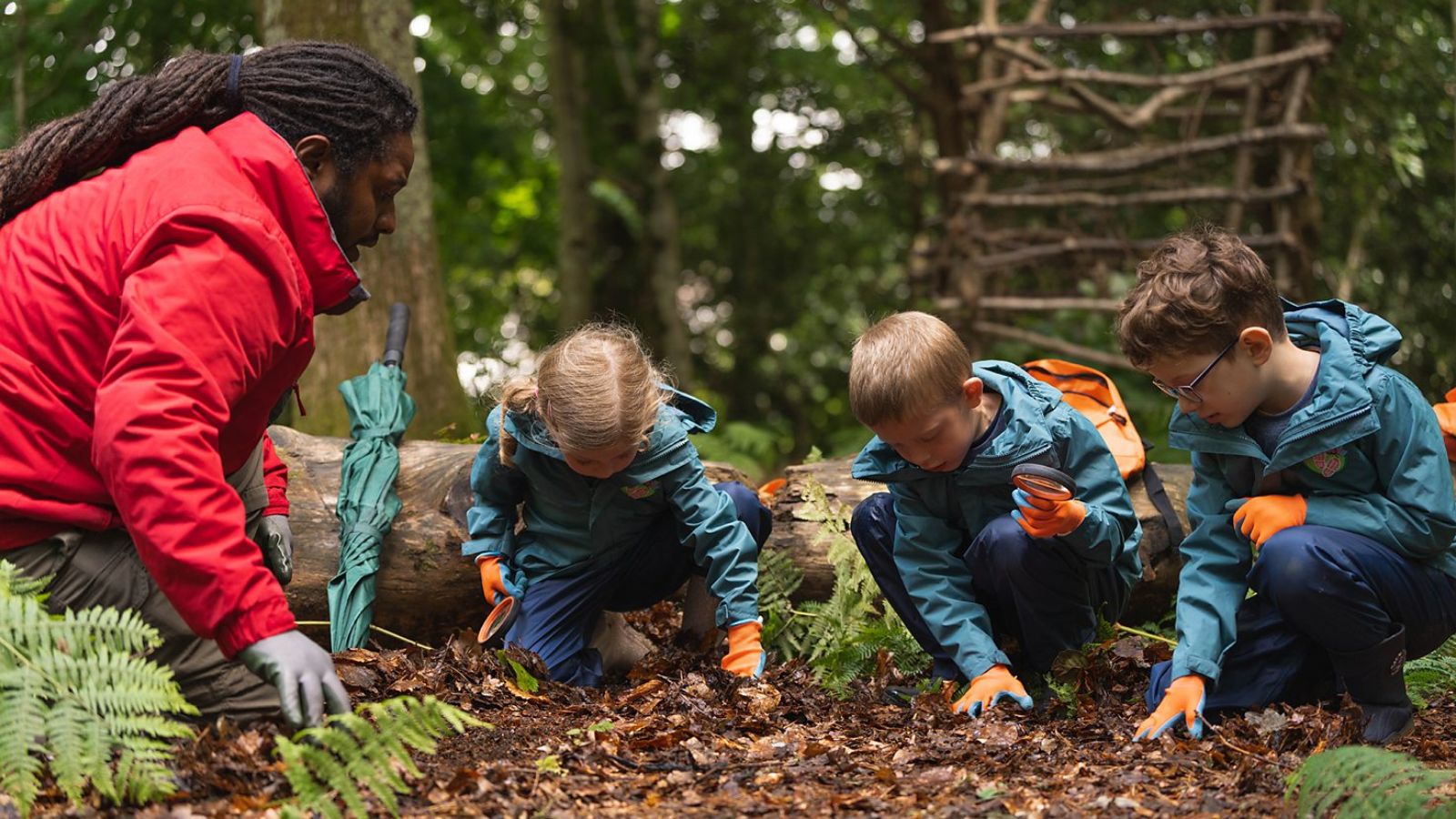
Meet Ranger Hamza, beloved host of BBC's Ranger Hamza's EcoQuest, and his faithful Ramblers. In these short video clips, your young nature explorers can learn all about the natural world around them, from birds and insects to flowers and trees. Make sure you follow up with your own nature walk, and don't miss our free nature walk worksheets!
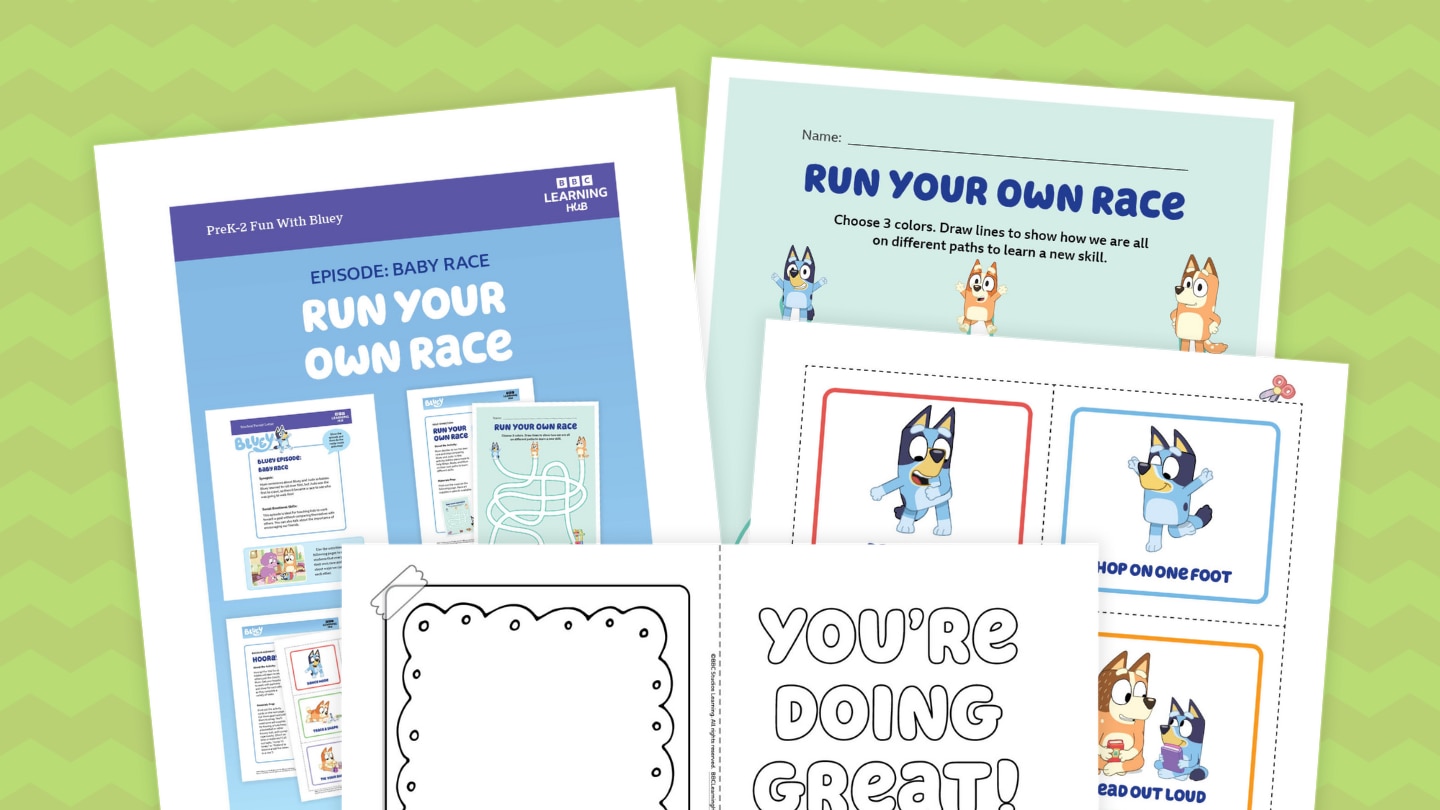
It's important not to compare ourselves with others, and we also need to learn how to cheer on our friends. Based on the Bluey episode "Baby Race," this lesson beings with a classroom conversation about what it means to run your own race. The lesson includes printables for three activities in which kids complete a maze to help Bingo, Bluey, and Mum on their own paths to learn different skills, cheer for each other as they complete different tasks, and make cards for someone who's been working hard.
Baby Race Episode Summary: Mum reminisces about Bluey and Judo as babies. Bluey learned to roll over first, but Judo was the first to crawl, so then it became a race to see who was going to walk first!
Watch the episode here! (Click here to watch in Australia.)
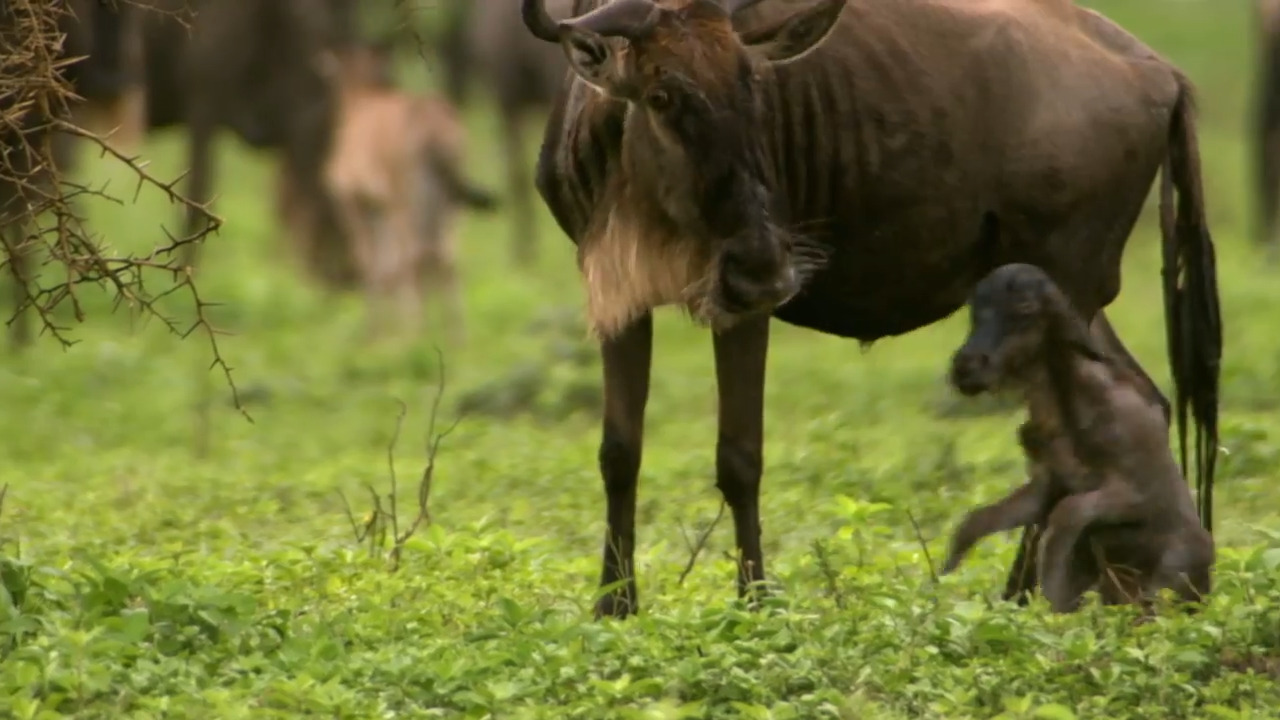
In A Baby Wildebeest's First Steps, narrator Gordon Buchanan describes how a wildebeest is born on the savanna, which stretches across almost half of Africa and is home to millions of animals. The baby wildebeest immediately begins learning to walk. By the end of the day, it is one of the fastest land animals. The wildebeest uses speed, constant movement, and safety in numbers to avoid predators. This video is excerpted from BBC's Animal Babies, a heartwarming show that follows the first breaths, first steps, and first feeds of some adorable baby animals, revealing the challenges they face to survive in some of the toughest but most beautiful places on the planet.

Get ready for cuteness overload with this heartwarming playlist of baby animal videos! Watch ducklings wobble, elephants splash, wildebeests race, seals snooze, and otters play with endless charm. Perfect for captivating your class while sneaking in a little science, these clips will have your students saying “aww” while you say, “This totally counts as learning!”
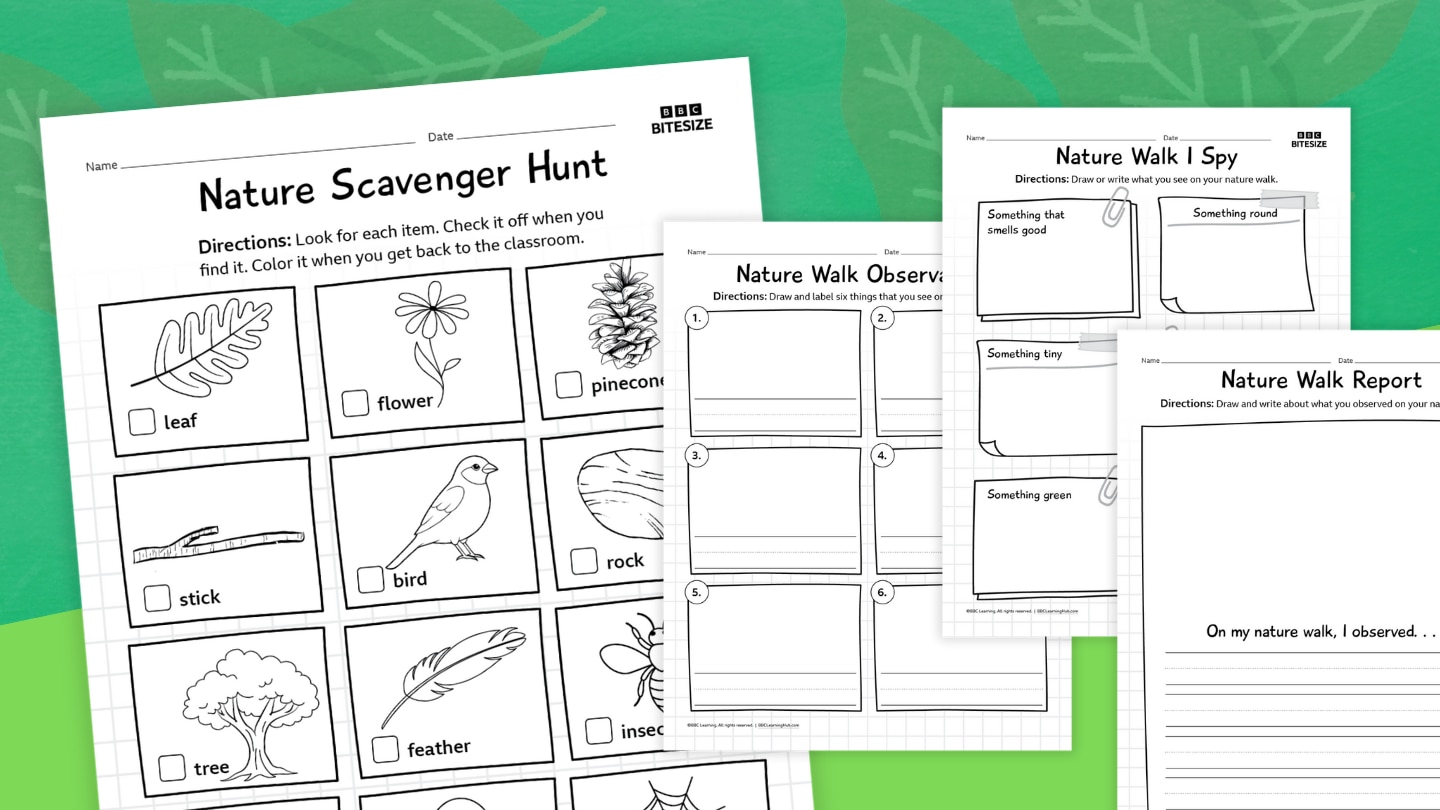
Everyone loves a nature walk! Take your PreK–Grade 2 students outside to observe the world around them. With these worksheets on a clipboard, you can make your nature walk more focused and a true learning experience (in addition to being loads of fun!).
- Nature Walk Scavenger Hunt: Students look for a leaf, flower, bird, and more. They can check off each item they find and then color them when they get back to the classroom.
- Nature Walk Observations: Encourage your kids to draw and write what they see on their nature walk.
- Nature Walk I Spy: Challenge your students to find something that smells good, something round, something tiny, something rough, something green, and something that flies.
- Nature Walk Report: When you get back to the room, have your kids draw and write about what they saw on their nature walk.
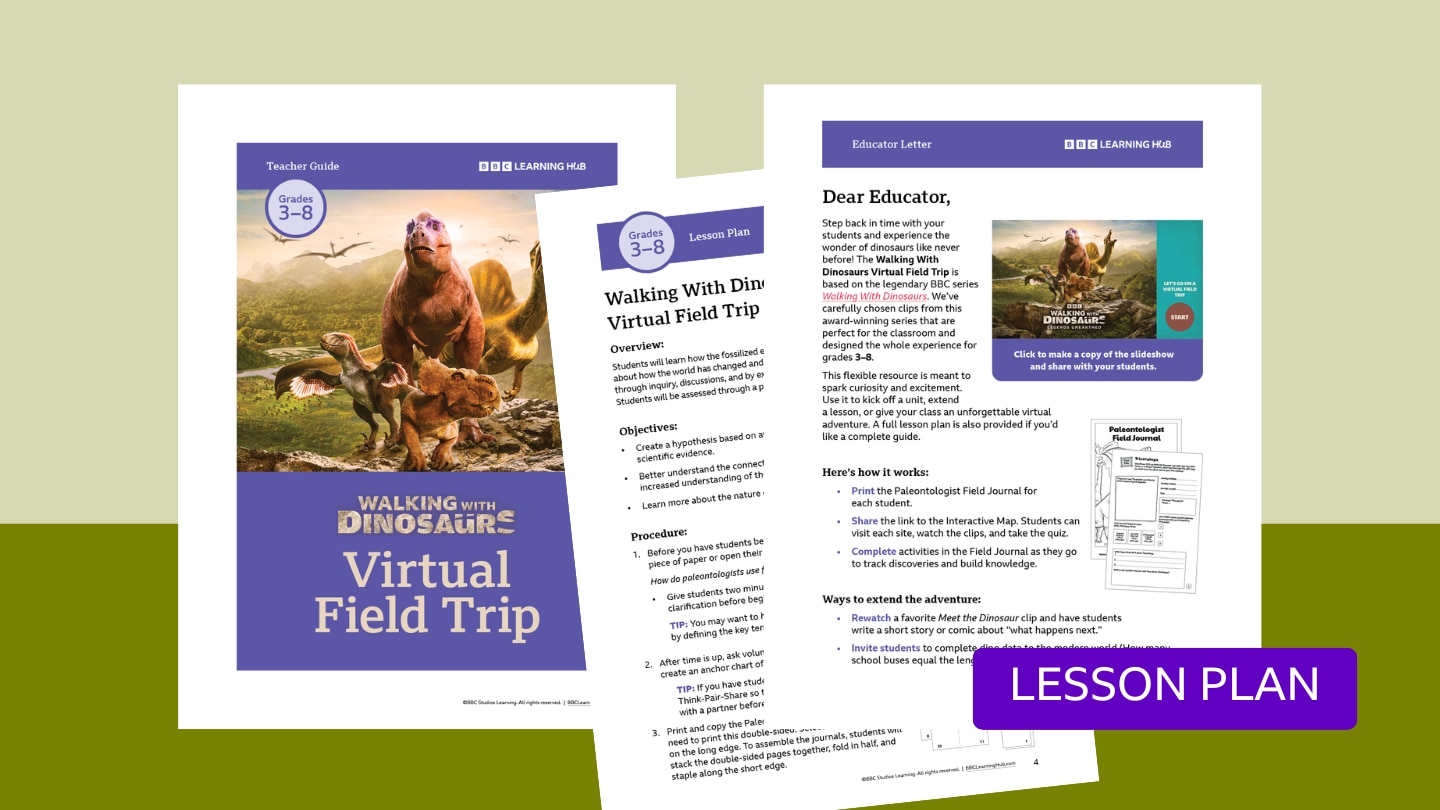
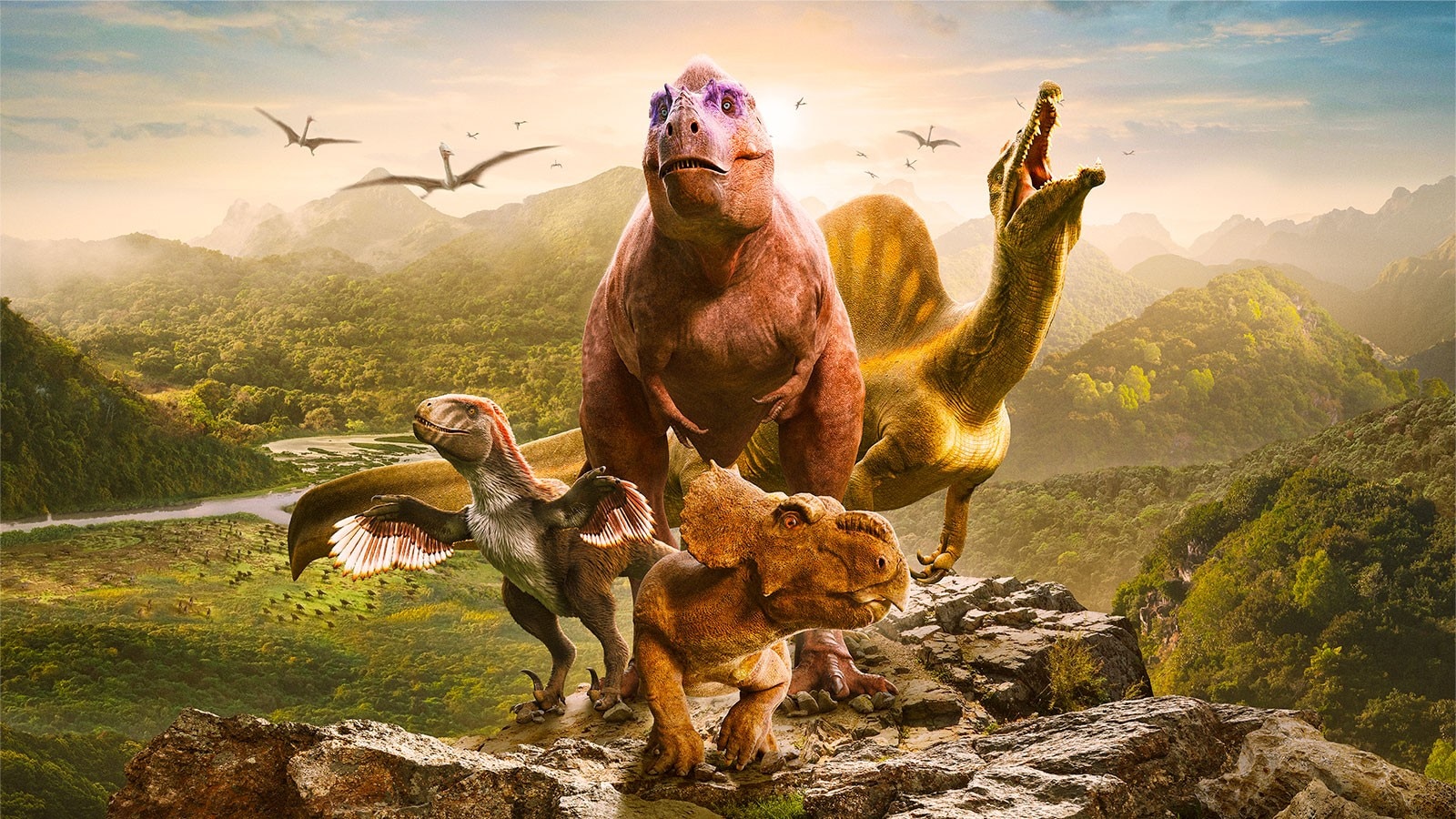
Want to use our Walking With Dinosaurs Virtual Field Trip in your Grade 3–8 classroom? You're going to want our Teacher Guide, too. Inside, you'll find:
- Introductory letter
- Ways to use the virtual field trip
- Extension activities
- Standards alignment
- Full lesson plan with objectives, procedure, and helpful tips
It's all part of our Walking With Dinosaurs Virtual Field Trip!

Join Bluey and Bingo in the great outdoors. Match close-ups to the right bug (walking leaf, dragonfly, and ladybug), put leeches in size order from smallest and biggest, and fill out a fun spotting chart on your next nature walk. Can you find a plant, creature, bird, and stick or pinecone? Draw them!
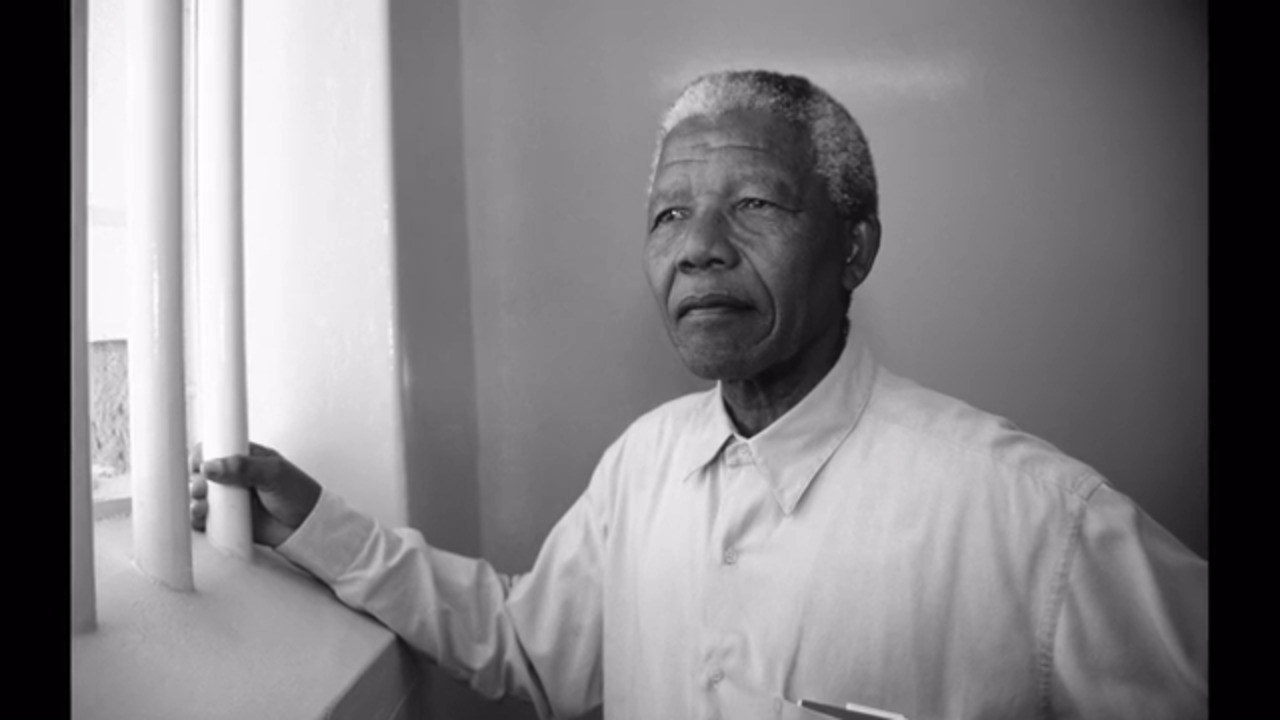
In Nelson Mandela Walks Free, journalist Trevor McDonald reflects on the moment Mandela was released from prison after 27 years and returned to his home in Soweto for the first time in three decades. As the first journalist to interview Mandela upon his release, McDonald discusses this monumental meeting and describes Mandela’s focus on forgiveness, optimism, and the future rather than past suffering. This video is excerpted from BBC’s Icons: The Greatest Person of the 20th Century, a documentary series celebrating the achievements of the most influential figures of the era.
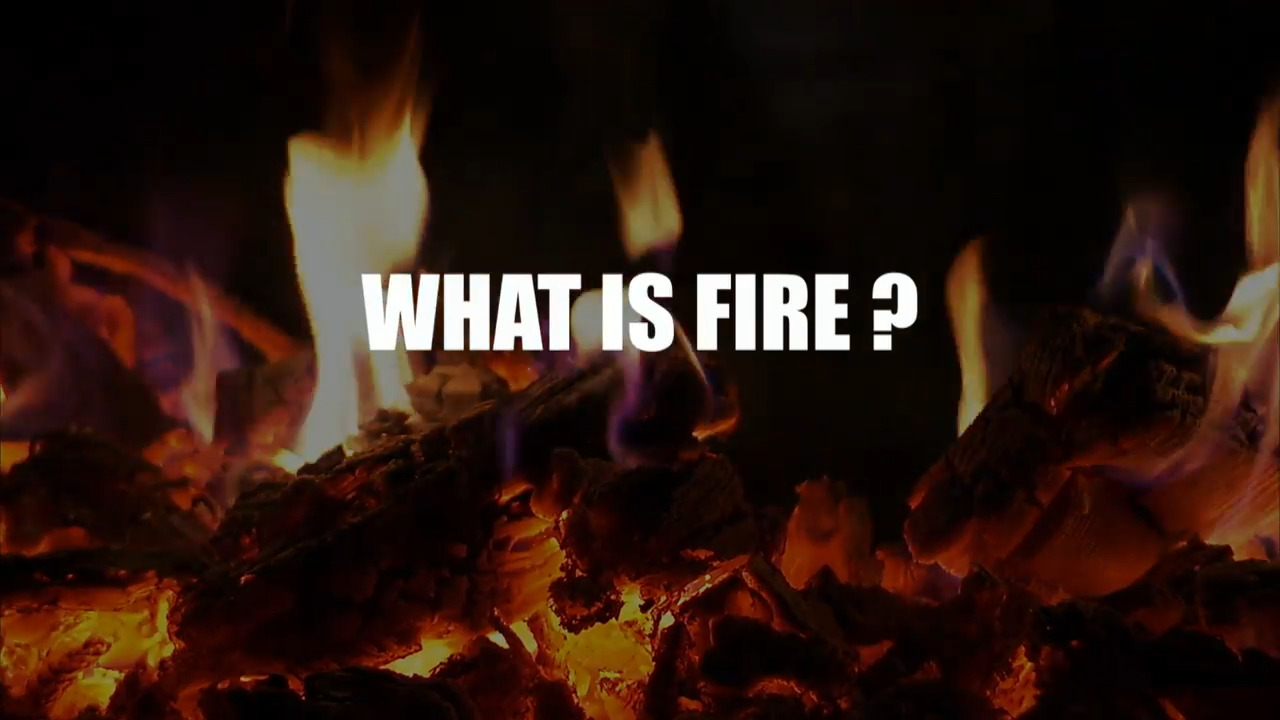
In How to Walk on Coals and Not Get Burned, host Greg Foot explores the chemical reactions that create fire, and the qualities of fire when it comes into contact with water that make it possible to walk across coals and not get burned. This video is excerpted from BBC’s Secrets of Everything, in which daredevil science geek Greg Foot is ready to try anything to get the answers to life’s weirdest questions.
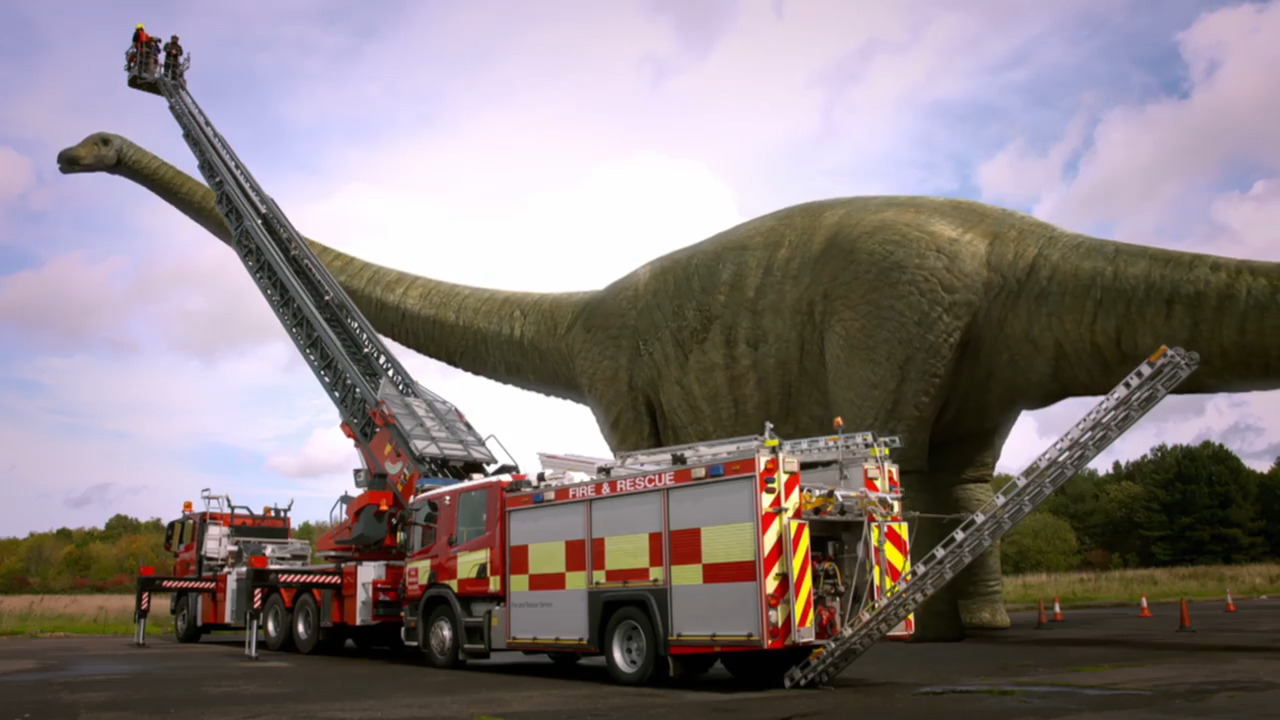
In Patagotitan — The Largest Animal to Walk the Planet, naturalist Steve Backshall explores this seriously huge dinosaur and its massive heart, which measured over 6.5 feet (2 meters) in circumference. Plus, watch an experiment take place to visualize just how powerful the Patagotitan’s heart had to be in order to pump blood throughout its body. This video is excerpted from BBC’s Deadly Dinosaurs, a documentary series in which host Steve Backshall is on the hunt for the deadliest animals to have walked the Earth — dinosaurs — exploring features of several species and putting their abilities to the test to reveal the raw power of these creatures.
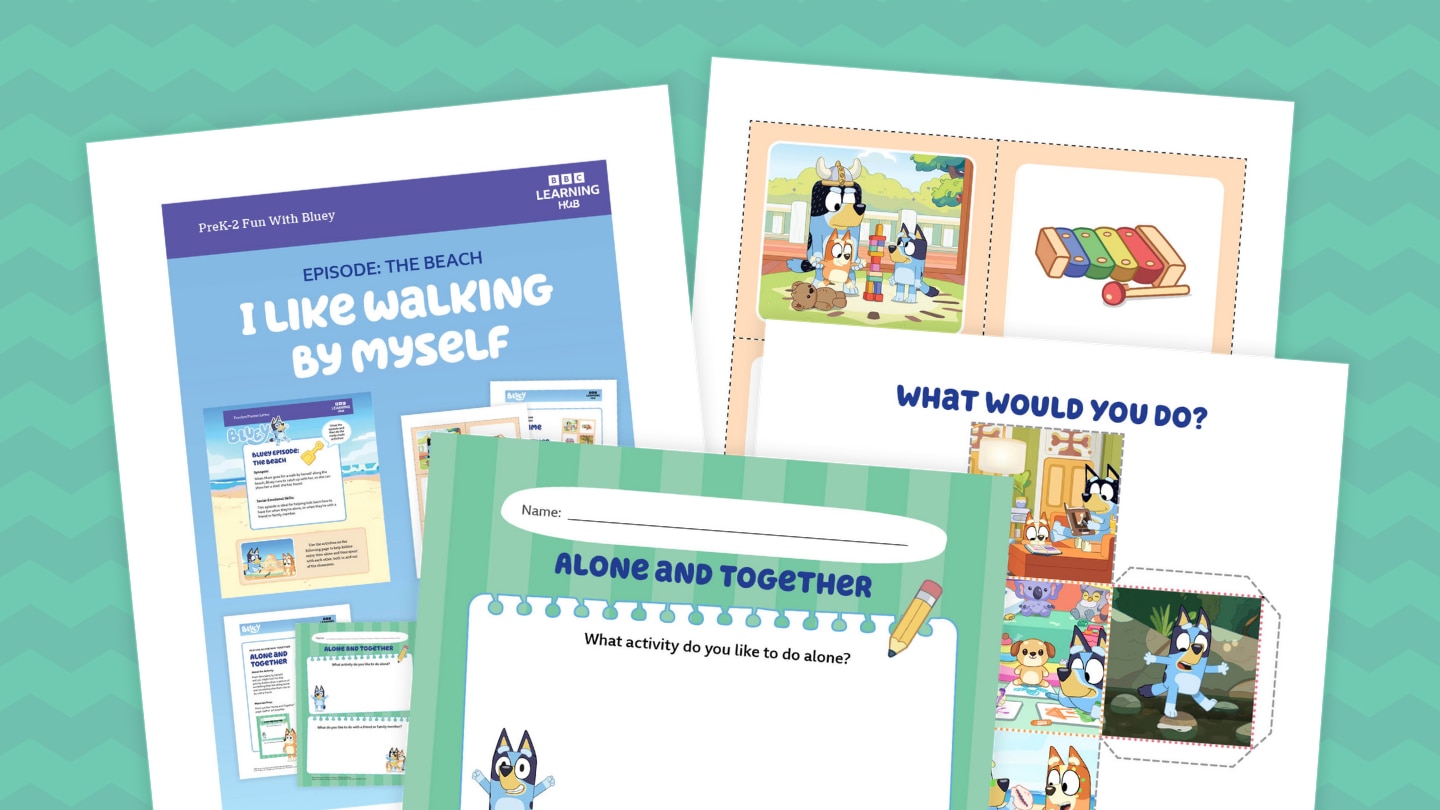
Sometimes we like to play together and other times, we want to be by ourselves. And that's OK! Try this lesson, which uses the Bluey episode "The Beach" as the kickoff to a classroom conversation about being alone and with others. The lesson includes printables for three activities in which kids try some activities alone and with a friend, draw a picture of things they like doing alone, and roll a fun Bluey die and share what they'd like to do at each location.
The Beach Episode Summary: When Mum goes for a walk by herself along the beach, Bluey runs to catch up with her, so she can show her a shell she has found.
Watch the episode here! (Click here to watch in Australia.)
The greatest stories of all time are true.
Meet Ranger Hamza, beloved host of BBC's Ranger Hamza's EcoQuest, and his faithful Ramblers. In these short video clips, your young nature explorers can learn all about the natural world around them, from birds and insects to flowers and trees. Make sure you follow up with your own nature walk, and don't miss our free nature walk worksheets!
It's important not to compare ourselves with others, and we also need to learn how to cheer on our friends. Based on the Bluey episode "Baby Race," this lesson beings with a classroom conversation about what it means to run your own race. The lesson includes printables for three activities in which kids complete a maze to help Bingo, Bluey, and Mum on their own paths to learn different skills, cheer for each other as they complete different tasks, and make cards for someone who's been working hard.
Baby Race Episode Summary: Mum reminisces about Bluey and Judo as babies. Bluey learned to roll over first, but Judo was the first to crawl, so then it became a race to see who was going to walk first!
Watch the episode here! (Click here to watch in Australia.)
In A Baby Wildebeest's First Steps, narrator Gordon Buchanan describes how a wildebeest is born on the savanna, which stretches across almost half of Africa and is home to millions of animals. The baby wildebeest immediately begins learning to walk. By the end of the day, it is one of the fastest land animals. The wildebeest uses speed, constant movement, and safety in numbers to avoid predators. This video is excerpted from BBC's Animal Babies, a heartwarming show that follows the first breaths, first steps, and first feeds of some adorable baby animals, revealing the challenges they face to survive in some of the toughest but most beautiful places on the planet.
Get ready for cuteness overload with this heartwarming playlist of baby animal videos! Watch ducklings wobble, elephants splash, wildebeests race, seals snooze, and otters play with endless charm. Perfect for captivating your class while sneaking in a little science, these clips will have your students saying “aww” while you say, “This totally counts as learning!”
Everyone loves a nature walk! Take your PreK–Grade 2 students outside to observe the world around them. With these worksheets on a clipboard, you can make your nature walk more focused and a true learning experience (in addition to being loads of fun!).
- Nature Walk Scavenger Hunt: Students look for a leaf, flower, bird, and more. They can check off each item they find and then color them when they get back to the classroom.
- Nature Walk Observations: Encourage your kids to draw and write what they see on their nature walk.
- Nature Walk I Spy: Challenge your students to find something that smells good, something round, something tiny, something rough, something green, and something that flies.
- Nature Walk Report: When you get back to the room, have your kids draw and write about what they saw on their nature walk.
Want to use our Walking With Dinosaurs Virtual Field Trip in your Grade 3–8 classroom? You're going to want our Teacher Guide, too. Inside, you'll find:
- Introductory letter
- Ways to use the virtual field trip
- Extension activities
- Standards alignment
- Full lesson plan with objectives, procedure, and helpful tips
It's all part of our Walking With Dinosaurs Virtual Field Trip!
Join Bluey and Bingo in the great outdoors. Match close-ups to the right bug (walking leaf, dragonfly, and ladybug), put leeches in size order from smallest and biggest, and fill out a fun spotting chart on your next nature walk. Can you find a plant, creature, bird, and stick or pinecone? Draw them!
In Nelson Mandela Walks Free, journalist Trevor McDonald reflects on the moment Mandela was released from prison after 27 years and returned to his home in Soweto for the first time in three decades. As the first journalist to interview Mandela upon his release, McDonald discusses this monumental meeting and describes Mandela’s focus on forgiveness, optimism, and the future rather than past suffering. This video is excerpted from BBC’s Icons: The Greatest Person of the 20th Century, a documentary series celebrating the achievements of the most influential figures of the era.
In How to Walk on Coals and Not Get Burned, host Greg Foot explores the chemical reactions that create fire, and the qualities of fire when it comes into contact with water that make it possible to walk across coals and not get burned. This video is excerpted from BBC’s Secrets of Everything, in which daredevil science geek Greg Foot is ready to try anything to get the answers to life’s weirdest questions.
In Patagotitan — The Largest Animal to Walk the Planet, naturalist Steve Backshall explores this seriously huge dinosaur and its massive heart, which measured over 6.5 feet (2 meters) in circumference. Plus, watch an experiment take place to visualize just how powerful the Patagotitan’s heart had to be in order to pump blood throughout its body. This video is excerpted from BBC’s Deadly Dinosaurs, a documentary series in which host Steve Backshall is on the hunt for the deadliest animals to have walked the Earth — dinosaurs — exploring features of several species and putting their abilities to the test to reveal the raw power of these creatures.
Sometimes we like to play together and other times, we want to be by ourselves. And that's OK! Try this lesson, which uses the Bluey episode "The Beach" as the kickoff to a classroom conversation about being alone and with others. The lesson includes printables for three activities in which kids try some activities alone and with a friend, draw a picture of things they like doing alone, and roll a fun Bluey die and share what they'd like to do at each location.
The Beach Episode Summary: When Mum goes for a walk by herself along the beach, Bluey runs to catch up with her, so she can show her a shell she has found.