
The article "Iron-Coated Teeth: The Secret of Komodo Dragons" from BBC's Discover Wildlife reveals that Komodo dragons have iron-coated serrated teeth, allowing them to efficiently rip through prey. The discovery sheds light on the hunting techniques of these giant lizards and may even offer clues about the feeding habits of ancient predators like the T. rex.
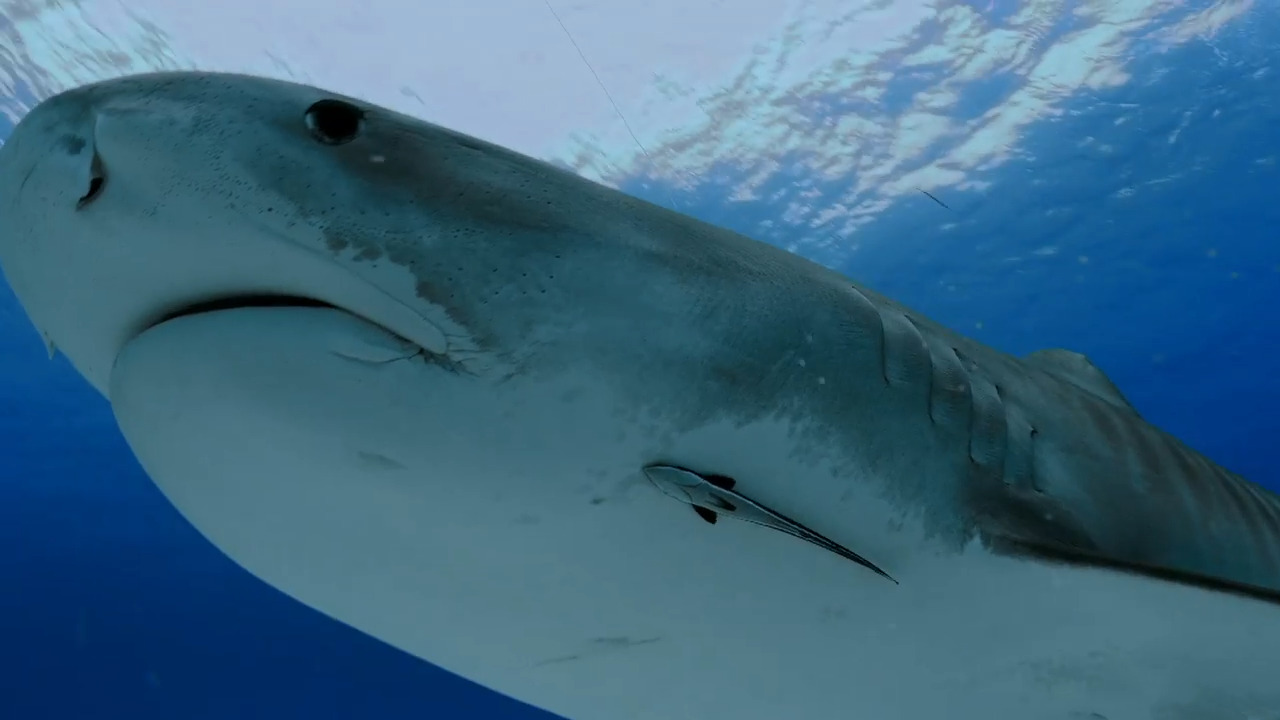
In The Tiger Shark's Deadly Stripes, naturalist Steve Backshall goes diving at Tiger Beach in the Bahamas. He runs into a tiger shark whose camouflage and teeth make it a great predator. This video is excerpted from BBC's Deadly 60, an award-winning nature and adventure show for kids in which narrator Steve Backshall has one mission: to travel the globe in search of 60 of the world's deadliest animals.
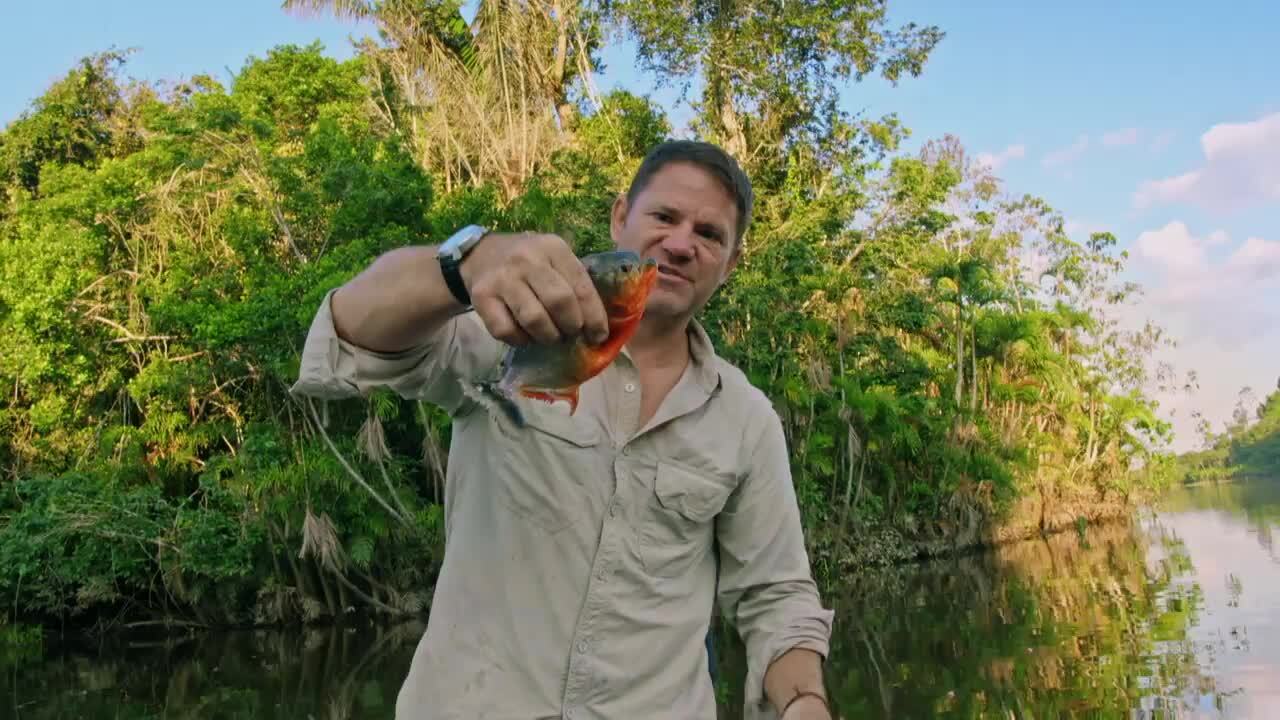
In The Notorious Piranha, naturalist Steve Backshall is on the Amazon River trying to catch a piranha. The piranha has an extended lower jaw and sharp teeth to catch prey. This video is excerpted from BBC's Deadly 60, an award-winning nature and adventure show for kids in which narrator Steve Backshall has one mission: to travel the globe in search of 60 of the world's deadliest animals.

In The African Rock Python, naturalist Steve Backshall visits the Reptile Rescue Center to meet Don, a snake expert. He shows how the rock python uses its specialized teeth and jaw to eat prey. This video is excerpted from BBC's Deadly 60, an award-winning nature and adventure show for kids in which narrator Steve Backshall has one mission: to travel the globe in search of 60 of the world's deadliest animals.

This BBC Learning Hub playlist explores the incredible world of sharks, from the sleek and powerful great white to the enormous whale shark and unmistakable hammerhead. Watch sharks hunt, feed, navigate vast stretches of ocean, and use finely tuned senses to understand the world around them.
Discover the adaptations that have made sharks such successful survivors. See how different species use speed, camouflage, specialized senses, and distinctive body shapes to find food and thrive in their habitats. And while sharks have a reputation as fearsome hunters, there’s much more to these animals than sharp teeth: some travel thousands of miles, some gather in huge groups, and others filter tiny organisms from the water.
Sharks have been swimming through Earth’s oceans for hundreds of millions of years. Dive in to discover what makes these ancient animals some of the most fascinating creatures in the sea.
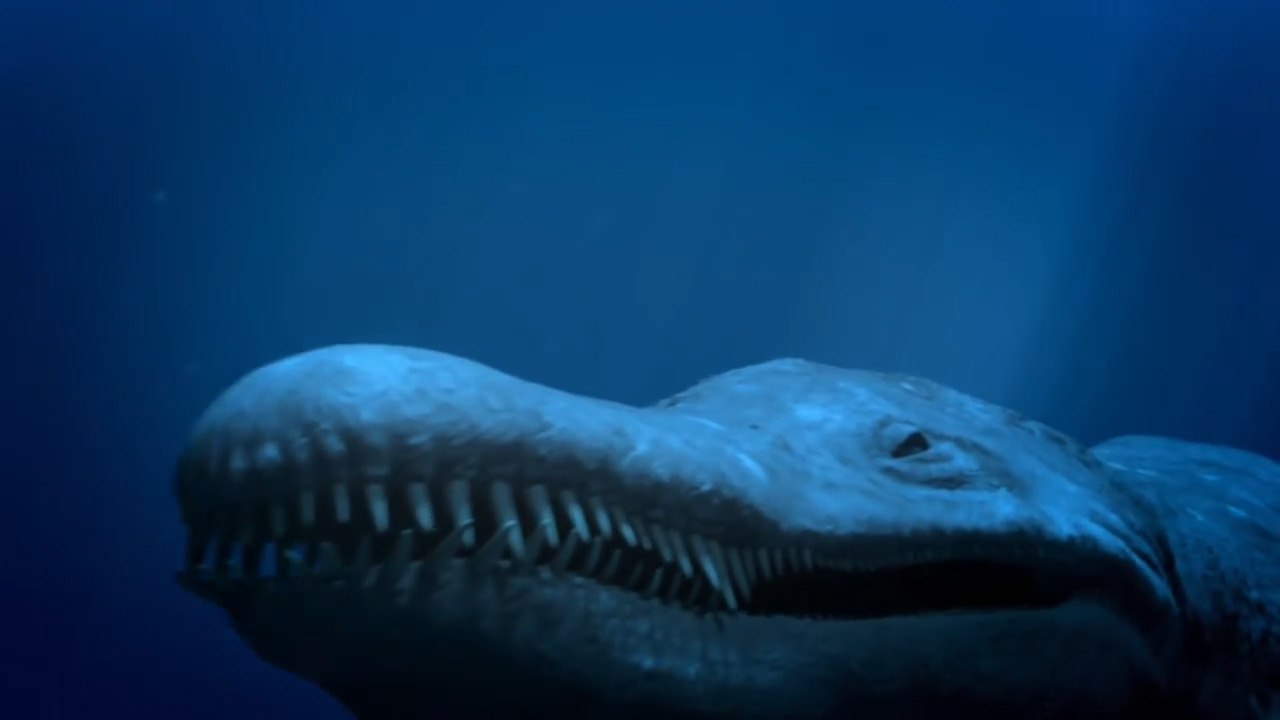
In The Colossal Predator X, naturalist Steve Backshall looks at the features of this dinosaur that made it the deadliest aquatic terror. This video is excerpted from BBC’s Deadly Dinosaurs, a documentary series in which host Steve Backshall is on the hunt for the deadliest animals to have walked the Earth — dinosaurs — exploring features of several species and putting their abilities to the test to reveal the raw power of these creatures.

In The Secretly Skilled Sinornithosaurus, naturalist Steve Backshall looks into how this dinosaur had a hidden weapon to kill its prey (much like one modern-day creature). This video is excerpted from BBC’s Deadly Dinosaurs, a documentary series in which host Steve Backshall is on the hunt for the deadliest animals to have walked the Earth — dinosaurs — exploring features of several species and putting their abilities to the test to reveal the raw power of these creatures.

In The Wankel T. Rex: A New Theory, Jack Horner, one of the world's most respected paleontologists, discusses how the arms of T. rex were too small for it to be an effective predator. This video is excerpted from BBC's Horizon: T. Rex, Warrior or Wimp?, a documentary featuring interviews with T. rex experts from around the world and exploring the science behind the legend of the dinosaur we love to hate.

In Investigating T. Rex’s Bite, scientists explore the strength of the dinosaur’s bite using a pressure sensor and a crocodile. This video is excerpted from BBC's Horizon: T. Rex, Warrior or Wimp?, a documentary featuring interviews with T. rex experts from around the world and exploring the science behind the legend of the dinosaur we love to hate.

In Meet the Real King Kong — The Western Lowland Gorilla, naturalist Steve Backshall examines a female gorilla skull and stumbles upon a group of gorillas. He observes a blackback gorilla who is relaxing until he wants to assert his dominance. This video is excerpted from BBC's Deadly 60, an award-winning nature and adventure show for kids in which narrator Steve Backshall has one mission: to travel the globe in search of 60 of the world's deadliest animals.
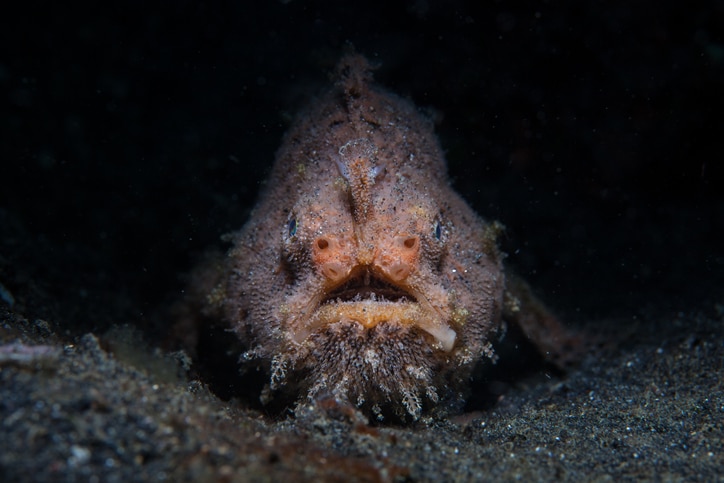
Across 10 fascinating BBC videos from favorites including Deadly 60 and Blue Planet, encounter glowing anglerfish lurking in the deep, sharp-toothed piranhas, venomous lionfish, balloon-like pufferfish, and other extraordinary species.
Discover the surprising adaptations that help these fish hunt, hide, defend themselves, and survive. See how some use light to attract prey, others rely on camouflage or warning colors, and a few transform their appearance when danger gets too close. From tropical reefs and freshwater rivers to the darkest depths of the ocean, fish have evolved remarkable solutions to life underwater.
Strange shapes, startling defenses, clever hunting strategies, and plenty of surprises make these BBC videos a close-up look at just how weird — and wonderfully diverse — the underwater world can be.

This BBC playlist slinks, scuttles, swims, and snaps through the fascinating world of reptiles. Come face-to-face with cobras, turtles, lizards, alligators, and other remarkable reptiles as they hunt, hide, defend themselves, and navigate some of the toughest habitats on Earth.
Discover the science behind their scaly skin, powerful jaws, lightning-fast strikes, and other adaptations that have helped reptiles survive for millions of years. See how a cobra uses its famous hood, how turtles are built for life on land and in water, and what makes alligators such formidable predators.
From stealthy hunters to surprisingly speedy travelers, reptiles have evolved some extraordinary ways to stay alive. Watch closely for the behaviors and features that make each species perfectly suited to its environment.
Warning: May cause “Whoa!” and “Ew!” in equal measure.
The article "Iron-Coated Teeth: The Secret of Komodo Dragons" from BBC's Discover Wildlife reveals that Komodo dragons have iron-coated serrated teeth, allowing them to efficiently rip through prey. The discovery sheds light on the hunting techniques of these giant lizards and may even offer clues about the feeding habits of ancient predators like the T. rex.
In The Tiger Shark's Deadly Stripes, naturalist Steve Backshall goes diving at Tiger Beach in the Bahamas. He runs into a tiger shark whose camouflage and teeth make it a great predator. This video is excerpted from BBC's Deadly 60, an award-winning nature and adventure show for kids in which narrator Steve Backshall has one mission: to travel the globe in search of 60 of the world's deadliest animals.
In The Notorious Piranha, naturalist Steve Backshall is on the Amazon River trying to catch a piranha. The piranha has an extended lower jaw and sharp teeth to catch prey. This video is excerpted from BBC's Deadly 60, an award-winning nature and adventure show for kids in which narrator Steve Backshall has one mission: to travel the globe in search of 60 of the world's deadliest animals.
In The African Rock Python, naturalist Steve Backshall visits the Reptile Rescue Center to meet Don, a snake expert. He shows how the rock python uses its specialized teeth and jaw to eat prey. This video is excerpted from BBC's Deadly 60, an award-winning nature and adventure show for kids in which narrator Steve Backshall has one mission: to travel the globe in search of 60 of the world's deadliest animals.
This BBC Learning Hub playlist explores the incredible world of sharks, from the sleek and powerful great white to the enormous whale shark and unmistakable hammerhead. Watch sharks hunt, feed, navigate vast stretches of ocean, and use finely tuned senses to understand the world around them.
Discover the adaptations that have made sharks such successful survivors. See how different species use speed, camouflage, specialized senses, and distinctive body shapes to find food and thrive in their habitats. And while sharks have a reputation as fearsome hunters, there’s much more to these animals than sharp teeth: some travel thousands of miles, some gather in huge groups, and others filter tiny organisms from the water.
Sharks have been swimming through Earth’s oceans for hundreds of millions of years. Dive in to discover what makes these ancient animals some of the most fascinating creatures in the sea.
In The Colossal Predator X, naturalist Steve Backshall looks at the features of this dinosaur that made it the deadliest aquatic terror. This video is excerpted from BBC’s Deadly Dinosaurs, a documentary series in which host Steve Backshall is on the hunt for the deadliest animals to have walked the Earth — dinosaurs — exploring features of several species and putting their abilities to the test to reveal the raw power of these creatures.
In The Secretly Skilled Sinornithosaurus, naturalist Steve Backshall looks into how this dinosaur had a hidden weapon to kill its prey (much like one modern-day creature). This video is excerpted from BBC’s Deadly Dinosaurs, a documentary series in which host Steve Backshall is on the hunt for the deadliest animals to have walked the Earth — dinosaurs — exploring features of several species and putting their abilities to the test to reveal the raw power of these creatures.
In The Wankel T. Rex: A New Theory, Jack Horner, one of the world's most respected paleontologists, discusses how the arms of T. rex were too small for it to be an effective predator. This video is excerpted from BBC's Horizon: T. Rex, Warrior or Wimp?, a documentary featuring interviews with T. rex experts from around the world and exploring the science behind the legend of the dinosaur we love to hate.
In Investigating T. Rex’s Bite, scientists explore the strength of the dinosaur’s bite using a pressure sensor and a crocodile. This video is excerpted from BBC's Horizon: T. Rex, Warrior or Wimp?, a documentary featuring interviews with T. rex experts from around the world and exploring the science behind the legend of the dinosaur we love to hate.
In Meet the Real King Kong — The Western Lowland Gorilla, naturalist Steve Backshall examines a female gorilla skull and stumbles upon a group of gorillas. He observes a blackback gorilla who is relaxing until he wants to assert his dominance. This video is excerpted from BBC's Deadly 60, an award-winning nature and adventure show for kids in which narrator Steve Backshall has one mission: to travel the globe in search of 60 of the world's deadliest animals.
Across 10 fascinating BBC videos from favorites including Deadly 60 and Blue Planet, encounter glowing anglerfish lurking in the deep, sharp-toothed piranhas, venomous lionfish, balloon-like pufferfish, and other extraordinary species.
Discover the surprising adaptations that help these fish hunt, hide, defend themselves, and survive. See how some use light to attract prey, others rely on camouflage or warning colors, and a few transform their appearance when danger gets too close. From tropical reefs and freshwater rivers to the darkest depths of the ocean, fish have evolved remarkable solutions to life underwater.
Strange shapes, startling defenses, clever hunting strategies, and plenty of surprises make these BBC videos a close-up look at just how weird — and wonderfully diverse — the underwater world can be.
This BBC playlist slinks, scuttles, swims, and snaps through the fascinating world of reptiles. Come face-to-face with cobras, turtles, lizards, alligators, and other remarkable reptiles as they hunt, hide, defend themselves, and navigate some of the toughest habitats on Earth.
Discover the science behind their scaly skin, powerful jaws, lightning-fast strikes, and other adaptations that have helped reptiles survive for millions of years. See how a cobra uses its famous hood, how turtles are built for life on land and in water, and what makes alligators such formidable predators.
From stealthy hunters to surprisingly speedy travelers, reptiles have evolved some extraordinary ways to stay alive. Watch closely for the behaviors and features that make each species perfectly suited to its environment.
Warning: May cause “Whoa!” and “Ew!” in equal measure.