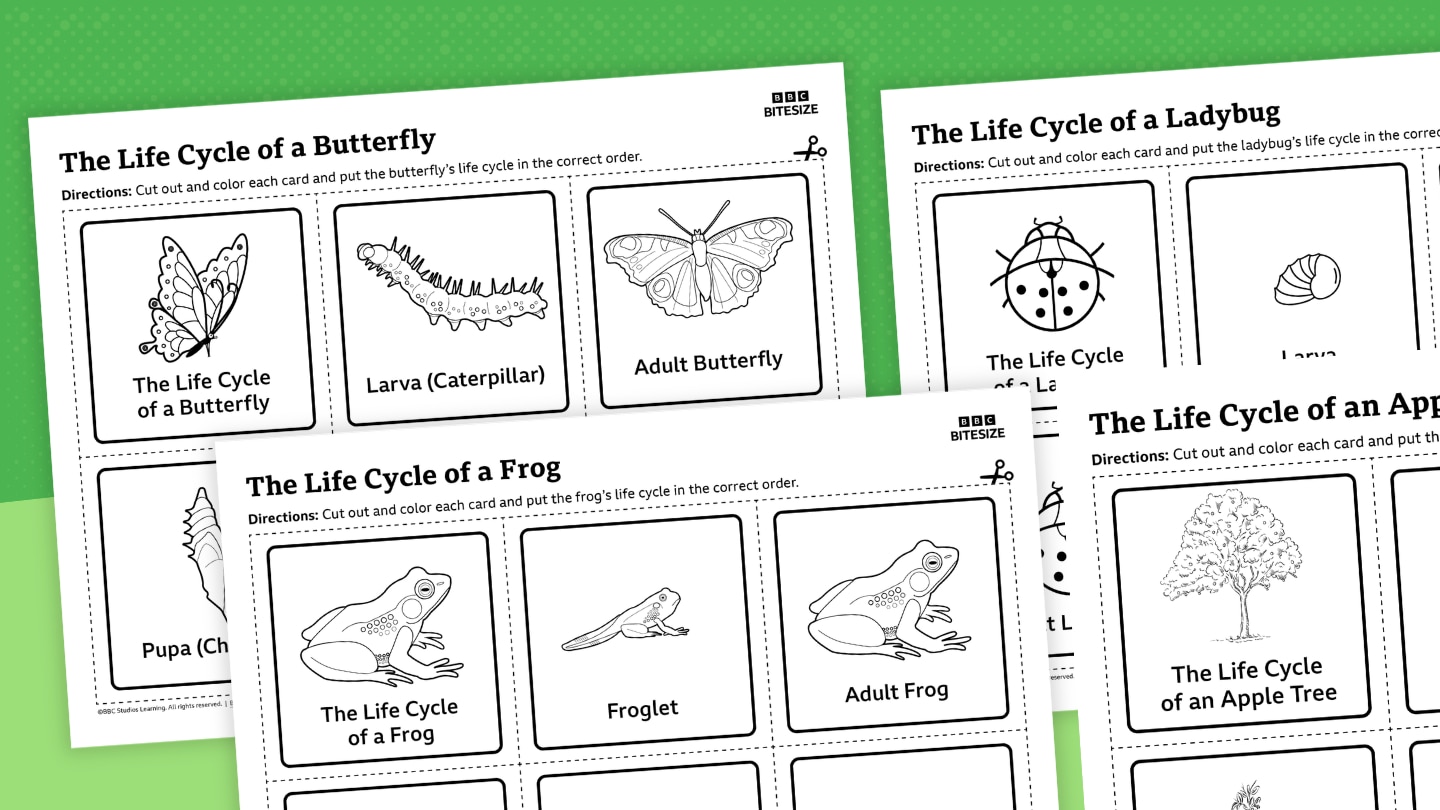
Invite your students to explore the life cycles of common organisms with these life cycle sequencing cards. The cards cover the bean plant, butterfly, birch tree, apple tree, honeybee, ladybug, and frog. They come already mixed up, so kids can color, cut, and put them in order. Use as an introductory task, check for understanding, center activity, or study guide!
As you introduce life cycles, focus on key concepts such as stages of growth, changes in form and function, and the idea that all living things follow a pattern from beginning to end. Encourage students to ask questions, make predictions, and notice patterns across plants and animals.
Teaching life cycles in elementary school is not only standards-based, it's also a great way to help students understand how living things grow and change over time. At this level, students are ready to explore clear, observable stages — like seed to plant or egg to adult—and begin comparing similarities and differences across species.
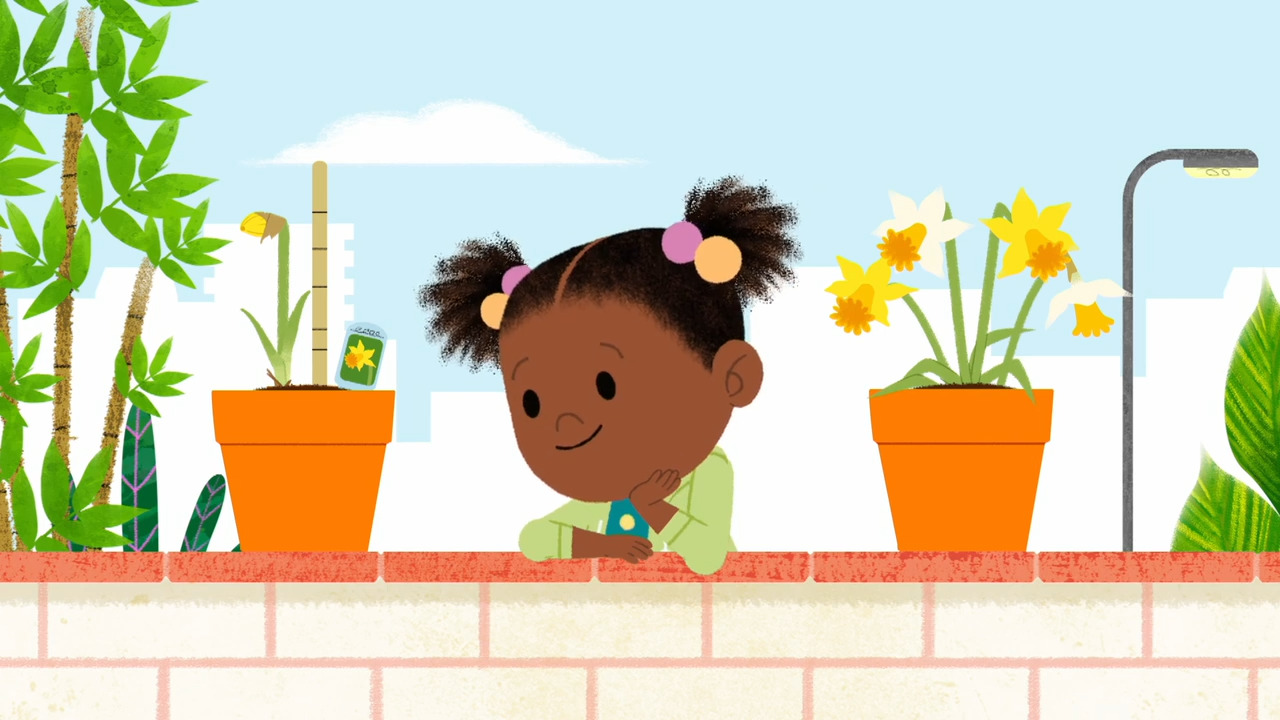
In JoJo and Gran Gran Grow Flowers, Jared gives JoJo a daffodil plant to grow. When they get home, JoJo gives the plant what it needs to grow and then gets impatient when it’s not growing fast enough. Real-life friends plant seeds in pots. This video is excerpted from BBC’s JoJo & Gran Gran, a children's animated television series following JoJo, an inquisitive and cheerful 4-and-a-half-year-old girl and her loving Gran Gran, who always has something new to teach her.
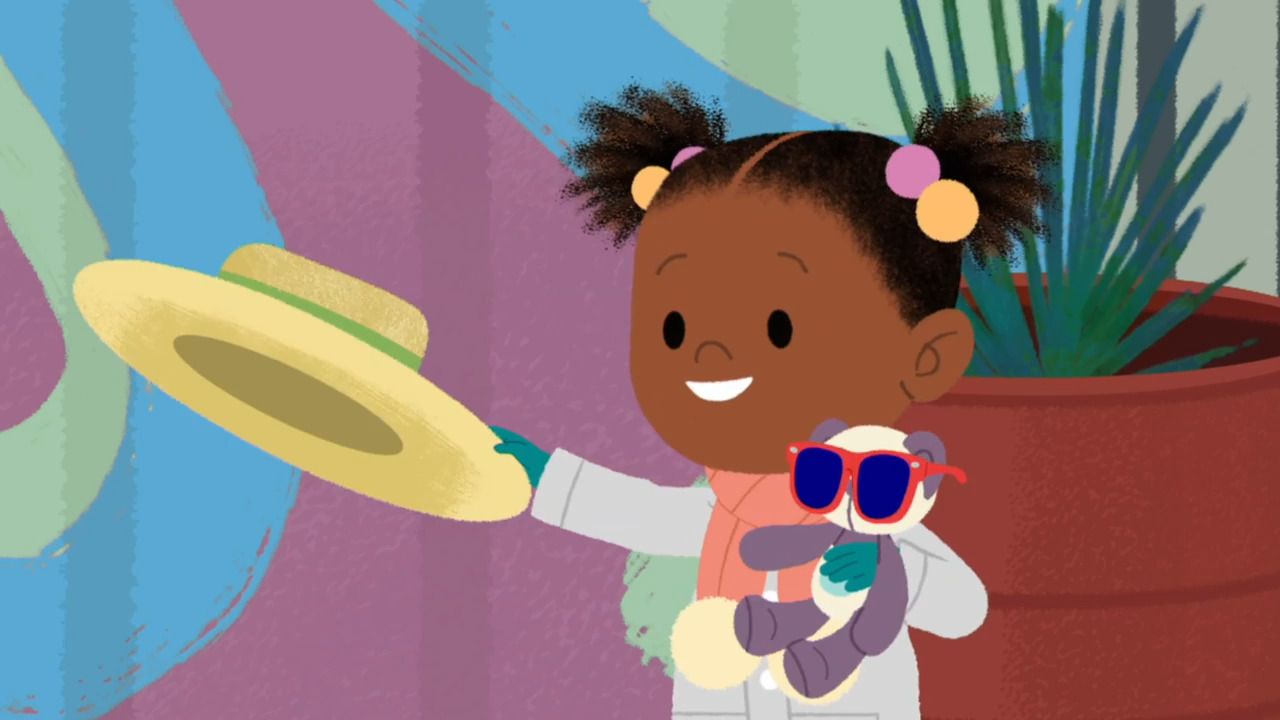
In JoJo and Gran Gran Build a Scarecrow, JoJo and her friends are working in the community garden. When pigeons come to eat the vegetables, they build a scarecrow to scare the birds away. Two real-life children make a bird feeder from an apple and seeds. This video is excerpted from BBC’s JoJo & Gran Gran, a children's animated television series following JoJo, an inquisitive and cheerful 4-and-a-half-year-old girl and her loving Gran Gran, who always has something new to teach her.
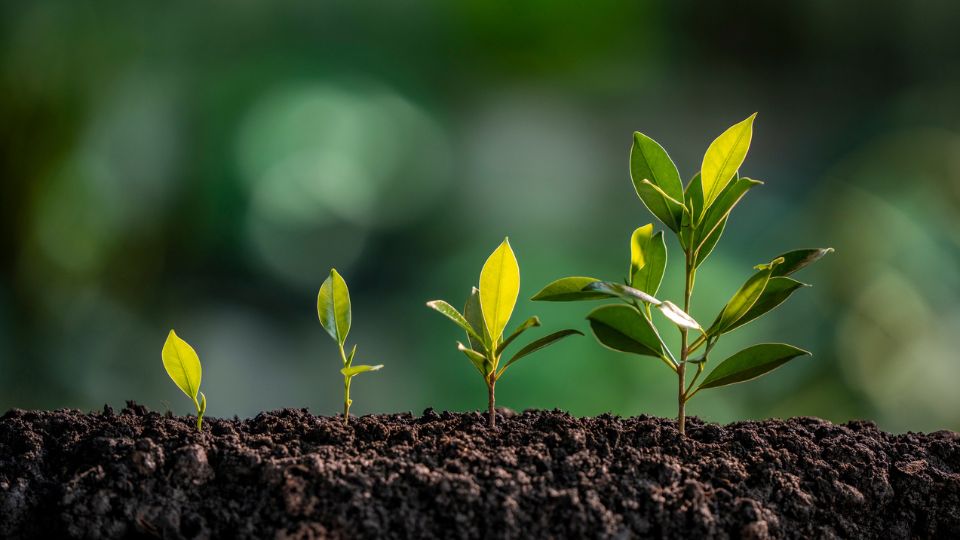
From towering trees to tiny mosses, plants are some of the most important living things on Earth. They make the oxygen we breathe, provide food for people and animals, and create the green spaces that make our planet beautiful. Whether they’re growing in forests, deserts, or even cracks in the sidewalk, plants are quietly hard at work every day.
From photosynthesis to the difference between seeds and spores, this is the perfect quiz to help students ages 8–14 "grow" their plant knowledge!
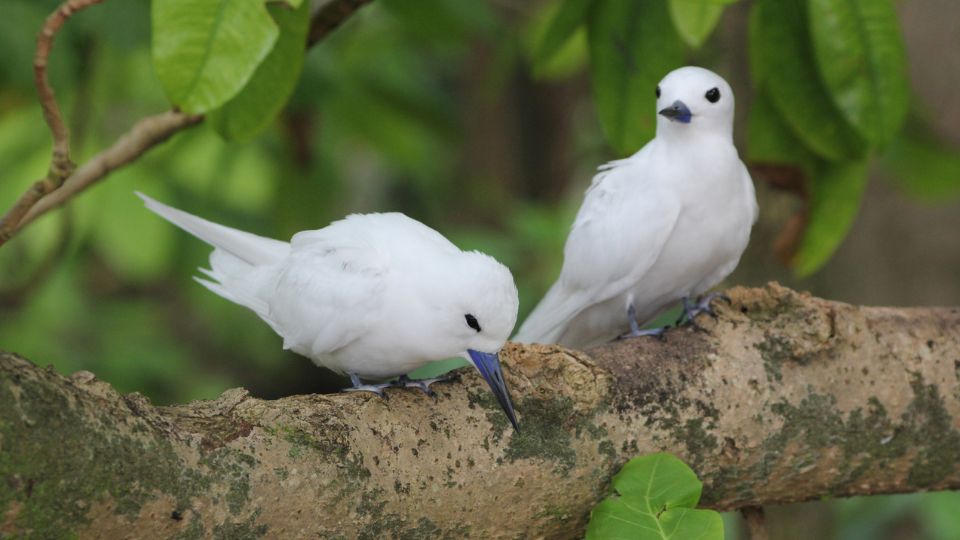
Welcome to the tropics! First watch The Seabirds of the Seychelles, a short clip from the award-winning BBC series Planet Earth. Sir David Attenborough explains how seabirds like fairy terns and noddies face unique survival challenges. Learn how predatory birds and the infamous "bird catcher tree," the Pisonia tree, affect these seabirds.
Once your students have watched the video, invite them to check for understanding with this quick, 8-question quiz!

Discover seven delicious video clips from My World Kitchen! These videos showcase young chefs preparing traditional dishes from their cultures, sharing family recipes, and exploring the flavors of the world. Perfect for inspiring students to learn about diversity through food!
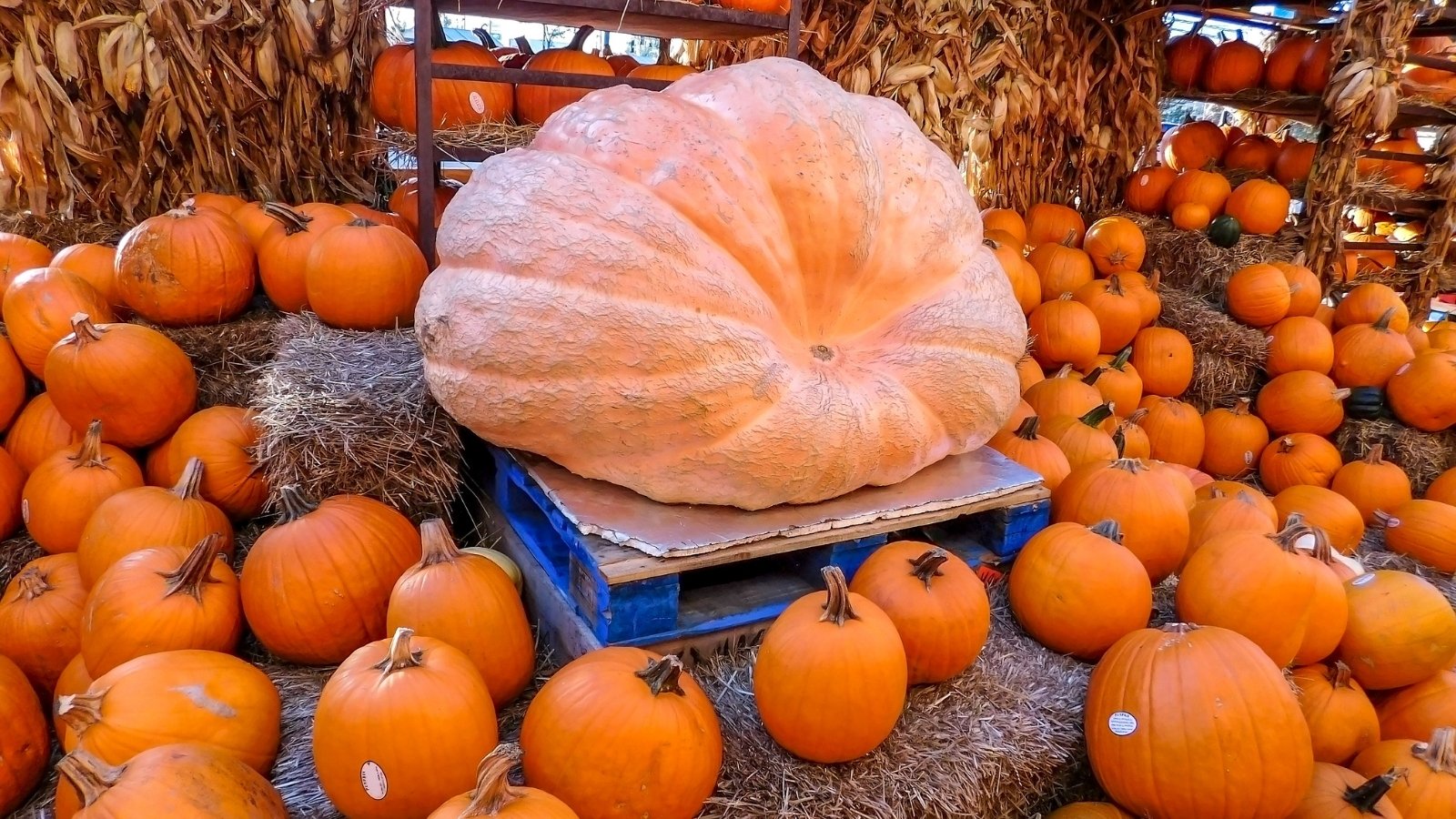
The article "How Big Can the World's Largest Pumpkin Get?" from BBC's Science Focus explains how pumpkins keep getting bigger due to careful seed selection, growing space, and gallons of water.
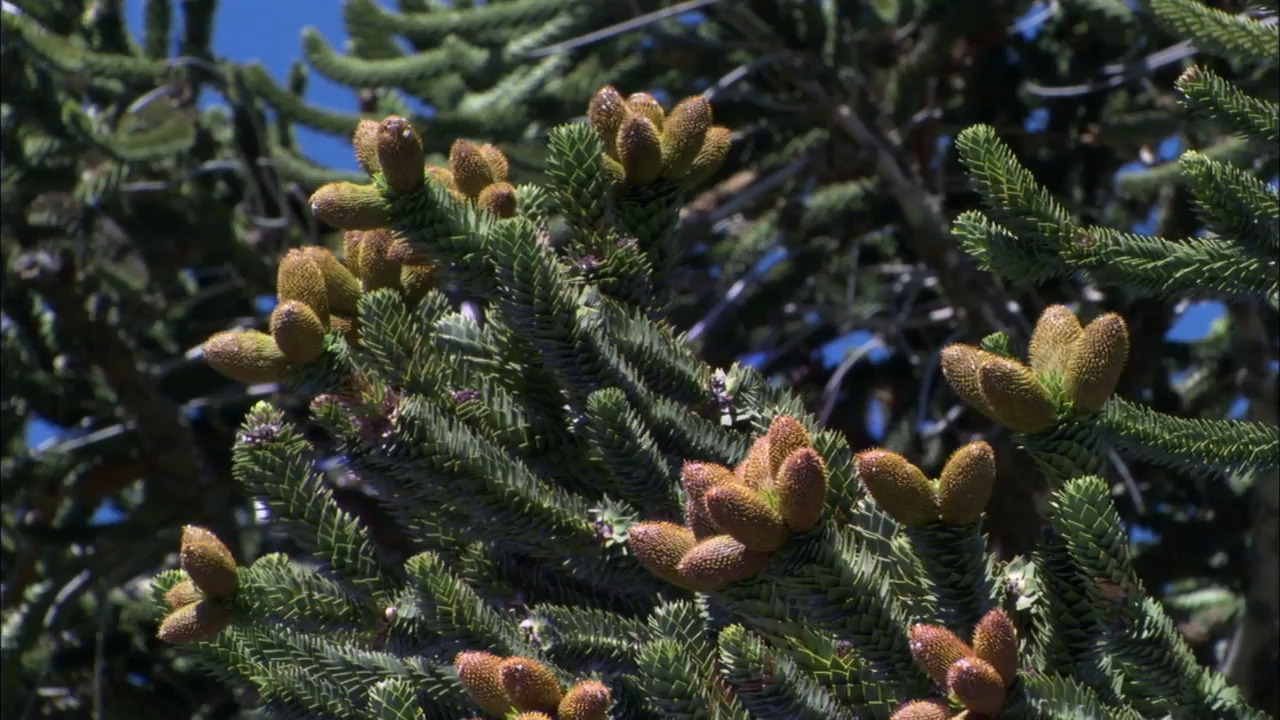
In Unusual Giants of South American Forests, narrator Sir David Attenborough explains that South American trees look different from their North American counterparts. Parakeets use their slender bills to extract seeds from monkey puzzle cones as huge alerce trees tower overhead. This video is excerpted from BBC's Planet Earth, a breathtaking documentary series that highlights the natural wonders of our planet.
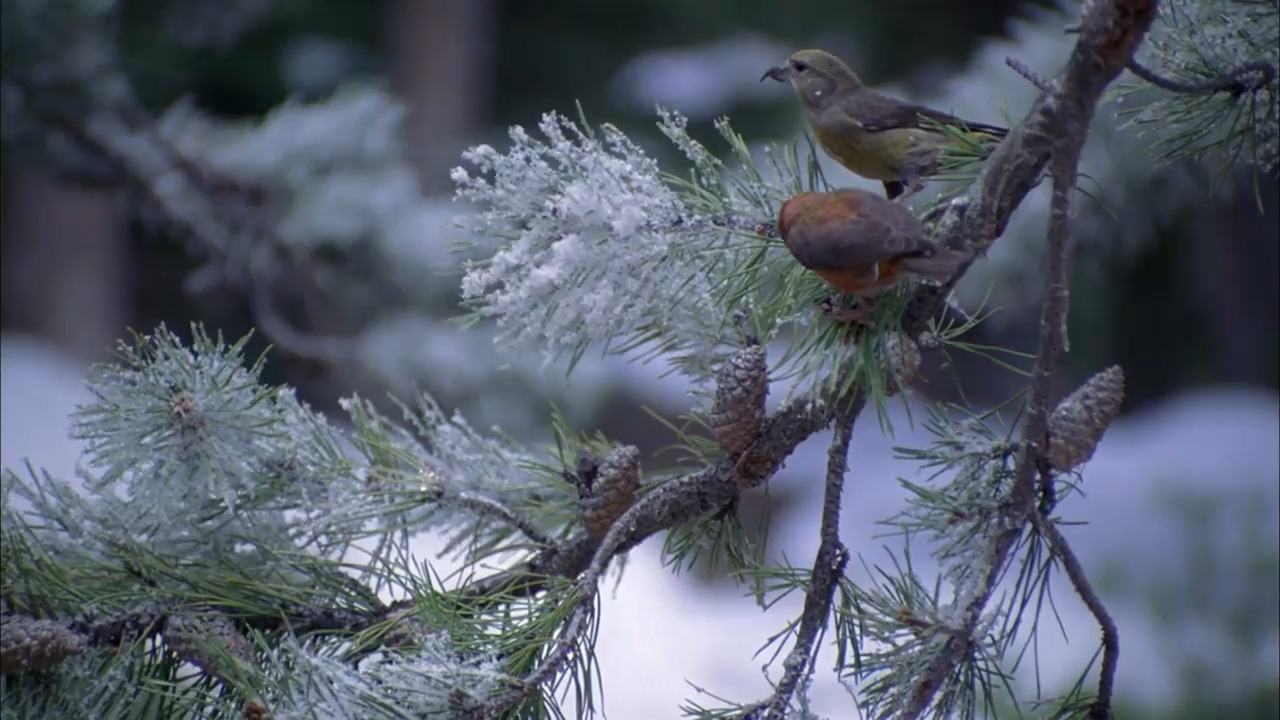
In Why Conifers Aren't So Easy to Eat narrator Sir David Attenborough explains that evergreen trees don’t become food easily. A moose munches on needles full of distasteful resin, while birds pry open cones to eat the seeds. This video is excerpted from BBC's Planet Earth, a breathtaking documentary series that highlights the natural wonders of our planet.
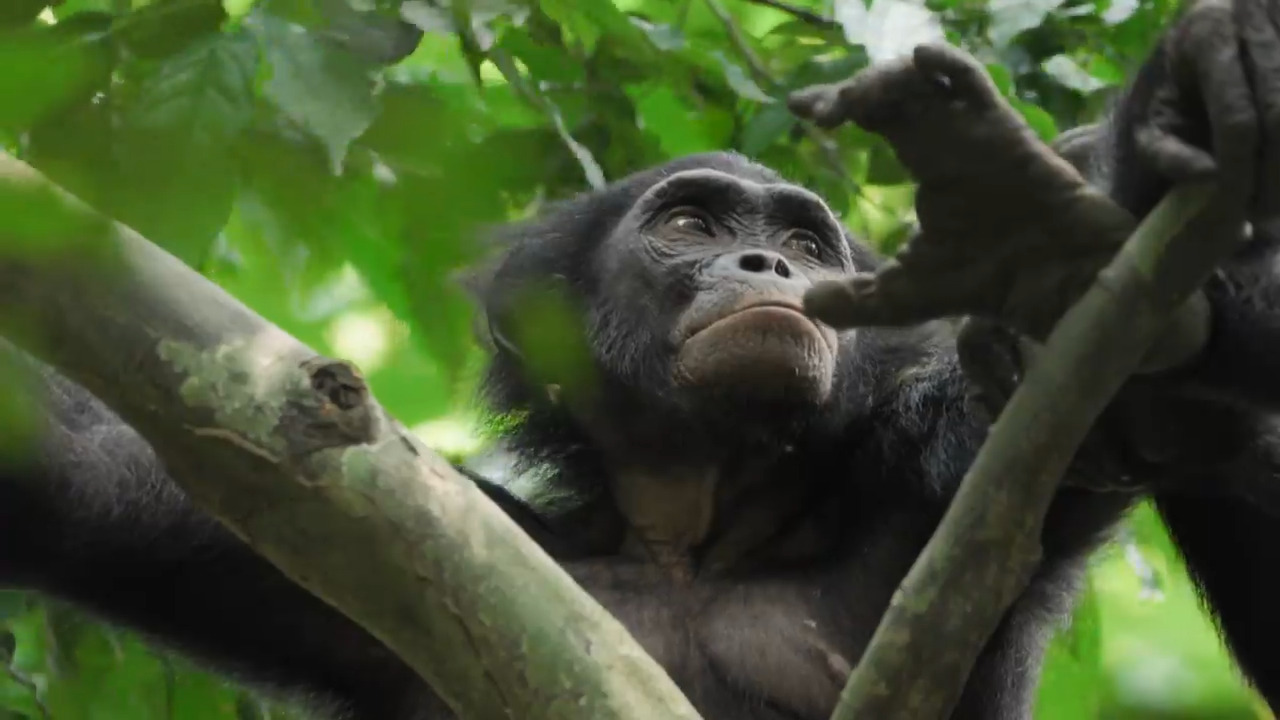
In Congo Adventures: Tracking Bonobos, host Simon Reeve treks through the rainforests of the Congo in search of bonobos, a gentle species of apes only found in this region. Along the way, he battles swarms of bees and tough terrain but finally discovers a family of bonobos living peacefully in the trees. These animals play a crucial role in the rainforest’s survival by spreading seeds as they eat, helping new plants and trees grow. Without the bonobos and other wildlife, the rainforest wouldn’t be able to thrive! This video is excerpted from BBC’s Wilderness With Simon Reeve, an epic adventure into the heart of Earth’s last great wild areas, where nature is at its most beautiful and fragile.
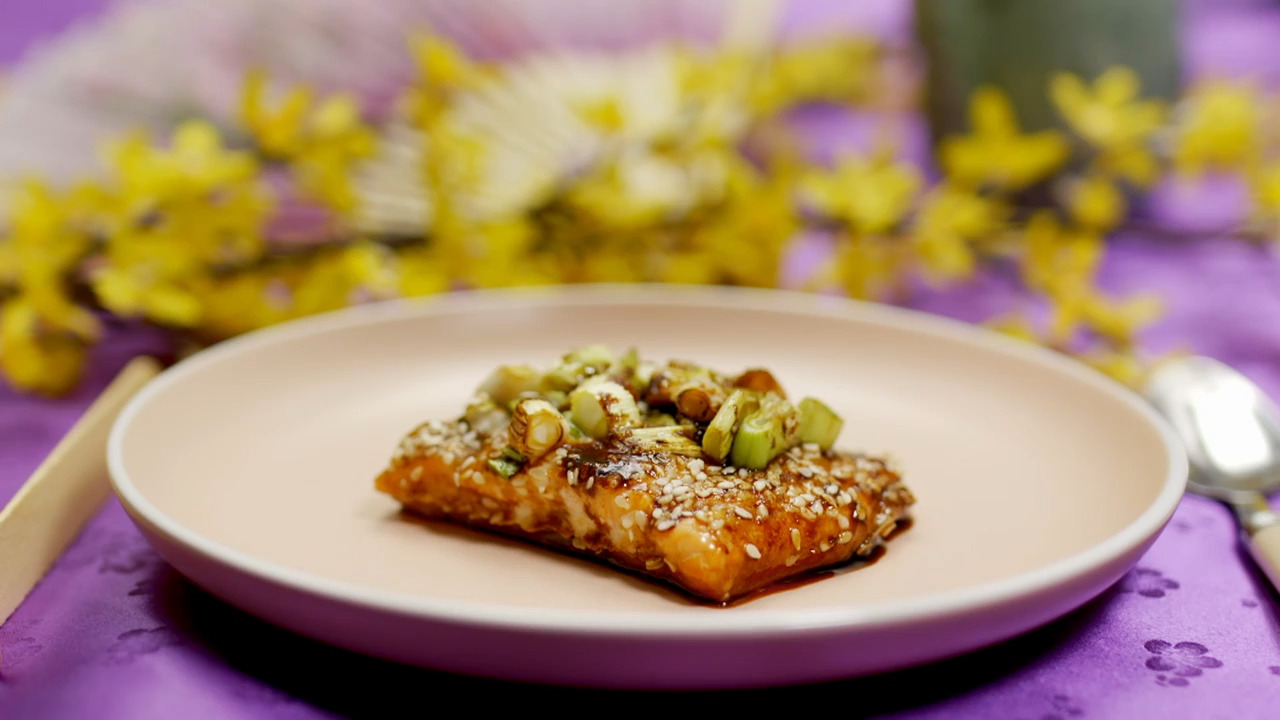
In A South Korean Sesame Salmon Surprise, explore South Korea, known for its beautiful mountains and big cities. Hannah is preparing a salmon dish using sesame seeds as her secret ingredient! She also introduces her friends to chopsticks and shares a bit about South Korea's love for kite flying and kimchi. Will her friends enjoy the salmon and eating with chopsticks? This video is excerpted from BBC's My World Kitchen, where young chefs create special recipes that honor their heritage and celebrate their roots.
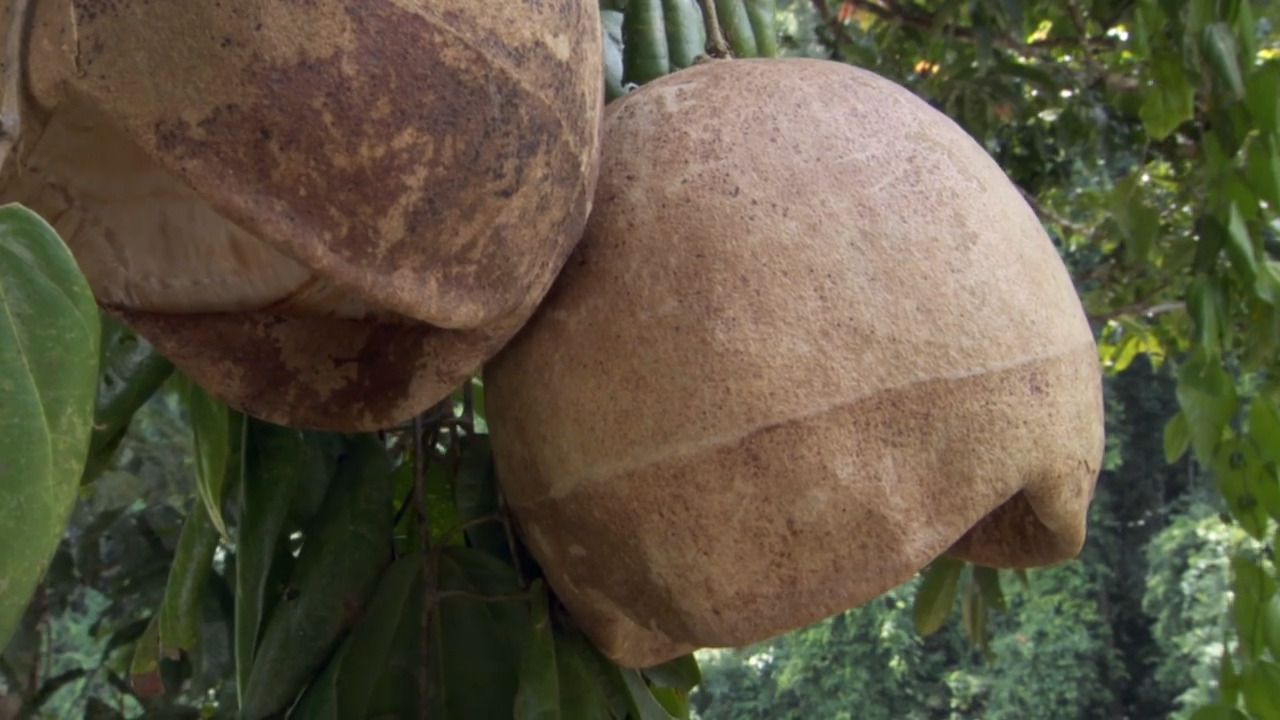
In How Plants Travel and Grow, narrator Sir David Attenborough discovers how plants spread their seeds, even though they can’t move! Deep in the Borneo forests, plants use wind to give their seeds wings — like the Alsomitra vine’s gliding seeds that soar hundreds of meters on a gentle breeze. In Arizona, the saguaro cactus relies on bats to pollinate its flowers, which bloom for just one cool night before fading. This video is excerpted from BBC's Life, a show that explores the remarkable strategies animals and plants use to ensure their survival.
Invite your students to explore the life cycles of common organisms with these life cycle sequencing cards. The cards cover the bean plant, butterfly, birch tree, apple tree, honeybee, ladybug, and frog. They come already mixed up, so kids can color, cut, and put them in order. Use as an introductory task, check for understanding, center activity, or study guide!
As you introduce life cycles, focus on key concepts such as stages of growth, changes in form and function, and the idea that all living things follow a pattern from beginning to end. Encourage students to ask questions, make predictions, and notice patterns across plants and animals.
Teaching life cycles in elementary school is not only standards-based, it's also a great way to help students understand how living things grow and change over time. At this level, students are ready to explore clear, observable stages — like seed to plant or egg to adult—and begin comparing similarities and differences across species.
In JoJo and Gran Gran Grow Flowers, Jared gives JoJo a daffodil plant to grow. When they get home, JoJo gives the plant what it needs to grow and then gets impatient when it’s not growing fast enough. Real-life friends plant seeds in pots. This video is excerpted from BBC’s JoJo & Gran Gran, a children's animated television series following JoJo, an inquisitive and cheerful 4-and-a-half-year-old girl and her loving Gran Gran, who always has something new to teach her.
In JoJo and Gran Gran Build a Scarecrow, JoJo and her friends are working in the community garden. When pigeons come to eat the vegetables, they build a scarecrow to scare the birds away. Two real-life children make a bird feeder from an apple and seeds. This video is excerpted from BBC’s JoJo & Gran Gran, a children's animated television series following JoJo, an inquisitive and cheerful 4-and-a-half-year-old girl and her loving Gran Gran, who always has something new to teach her.
From towering trees to tiny mosses, plants are some of the most important living things on Earth. They make the oxygen we breathe, provide food for people and animals, and create the green spaces that make our planet beautiful. Whether they’re growing in forests, deserts, or even cracks in the sidewalk, plants are quietly hard at work every day.
From photosynthesis to the difference between seeds and spores, this is the perfect quiz to help students ages 8–14 "grow" their plant knowledge!
Welcome to the tropics! First watch The Seabirds of the Seychelles, a short clip from the award-winning BBC series Planet Earth. Sir David Attenborough explains how seabirds like fairy terns and noddies face unique survival challenges. Learn how predatory birds and the infamous "bird catcher tree," the Pisonia tree, affect these seabirds.
Once your students have watched the video, invite them to check for understanding with this quick, 8-question quiz!
Discover seven delicious video clips from My World Kitchen! These videos showcase young chefs preparing traditional dishes from their cultures, sharing family recipes, and exploring the flavors of the world. Perfect for inspiring students to learn about diversity through food!
The article "How Big Can the World's Largest Pumpkin Get?" from BBC's Science Focus explains how pumpkins keep getting bigger due to careful seed selection, growing space, and gallons of water.
In Unusual Giants of South American Forests, narrator Sir David Attenborough explains that South American trees look different from their North American counterparts. Parakeets use their slender bills to extract seeds from monkey puzzle cones as huge alerce trees tower overhead. This video is excerpted from BBC's Planet Earth, a breathtaking documentary series that highlights the natural wonders of our planet.
In Why Conifers Aren't So Easy to Eat narrator Sir David Attenborough explains that evergreen trees don’t become food easily. A moose munches on needles full of distasteful resin, while birds pry open cones to eat the seeds. This video is excerpted from BBC's Planet Earth, a breathtaking documentary series that highlights the natural wonders of our planet.
In Congo Adventures: Tracking Bonobos, host Simon Reeve treks through the rainforests of the Congo in search of bonobos, a gentle species of apes only found in this region. Along the way, he battles swarms of bees and tough terrain but finally discovers a family of bonobos living peacefully in the trees. These animals play a crucial role in the rainforest’s survival by spreading seeds as they eat, helping new plants and trees grow. Without the bonobos and other wildlife, the rainforest wouldn’t be able to thrive! This video is excerpted from BBC’s Wilderness With Simon Reeve, an epic adventure into the heart of Earth’s last great wild areas, where nature is at its most beautiful and fragile.
In A South Korean Sesame Salmon Surprise, explore South Korea, known for its beautiful mountains and big cities. Hannah is preparing a salmon dish using sesame seeds as her secret ingredient! She also introduces her friends to chopsticks and shares a bit about South Korea's love for kite flying and kimchi. Will her friends enjoy the salmon and eating with chopsticks? This video is excerpted from BBC's My World Kitchen, where young chefs create special recipes that honor their heritage and celebrate their roots.
In How Plants Travel and Grow, narrator Sir David Attenborough discovers how plants spread their seeds, even though they can’t move! Deep in the Borneo forests, plants use wind to give their seeds wings — like the Alsomitra vine’s gliding seeds that soar hundreds of meters on a gentle breeze. In Arizona, the saguaro cactus relies on bats to pollinate its flowers, which bloom for just one cool night before fading. This video is excerpted from BBC's Life, a show that explores the remarkable strategies animals and plants use to ensure their survival.