
In Going to School in a War Zone, host Radzi Chinyanganya uncovers harsh realities of living and going to school in Afghanistan, a country that has been embroiled in conflict for decades. This video focuses on the impact of the war on students' education, with a special emphasis on Mohammad's account of life in a war zone where the sound of gunfire and the presence of tanks are a daily occurrence. The episode explores the challenges students face, including the dangers they encounter at school, the fear of being caught in crossfire, and the emotional toll of attending school in such conditions. This video is excerpted from BBC’s My World, a program created for teenagers eager to learn more about the important stories shaping our world.
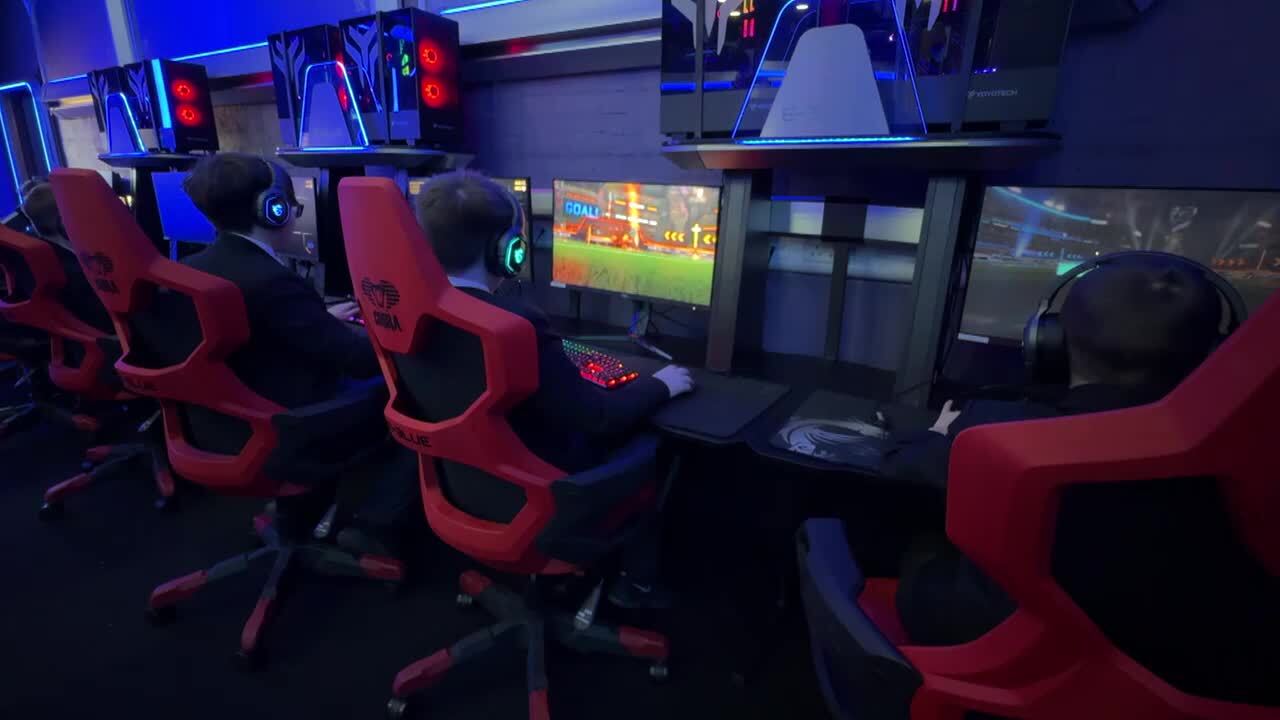
Football, rugby… esports? At Countesthorpe Academy, a secondary school in the UK, students can step into a full esports arena packed with high-end gaming computers — but it’s about a lot more than just playing games.
The school is one of the first to offer an esports qualification, helping students explore how the gaming industry really works and what kinds of careers exist behind the screens.
Esports might feel like entertainment, but it’s also a fast-growing global industry. In fact, the video game industry is now worth several times more than both the music and movie industries combined.
Students studying esports look at everything from how games make money and the strategies players use, to teamwork, mental health, and building skills like focus and resilience — skills that matter in gaming and way beyond it.
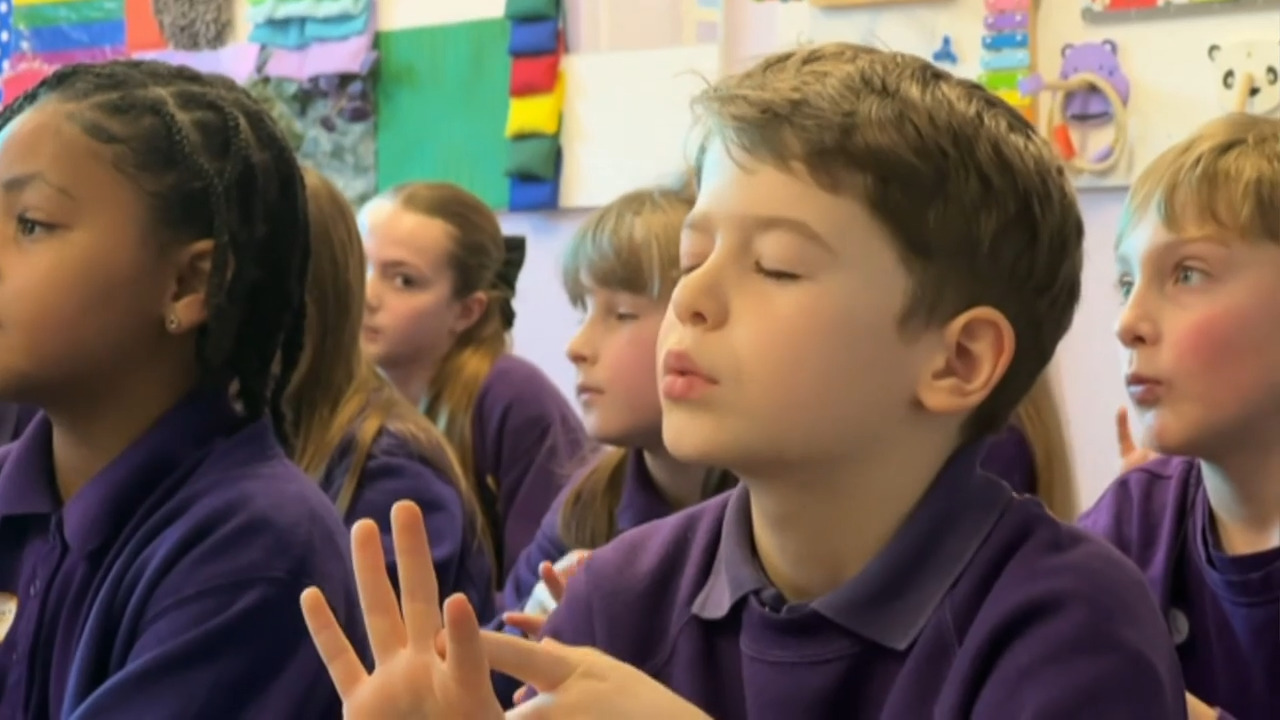
Learn how schools are combating student anxiety and the rise in school absences by offering mindfulness tools and strategies. Since the pandemic, there’s been a drop in school attendance nationally, but schools are hoping this support will work. This video is excerpted from BBC News, a high-quality news program that provides impartial, distinctive information to educate and entertain.
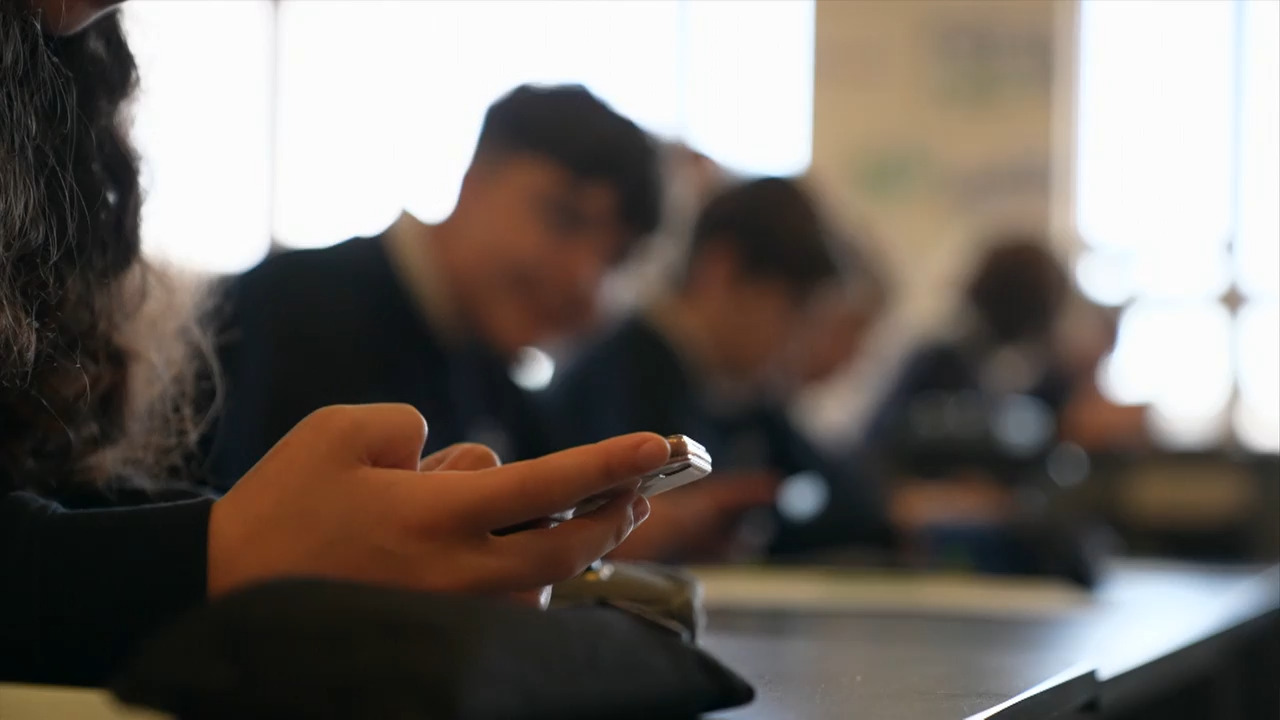
More schools are asking students to put smartphones away during the school day—and while many teens were not happy about it at first, some are now seeing the benefits. Without constant messages, notifications, and social media updates, students say school feels calmer and less stressful. Many are talking more face-to-face, making stronger friendships, and feeling less pressure to keep checking their phones. Teachers also report fewer interruptions in class and less bullying. The phones may be out of sight at school, but many students still spend hours on them at home, keeping the screen-time debate going.
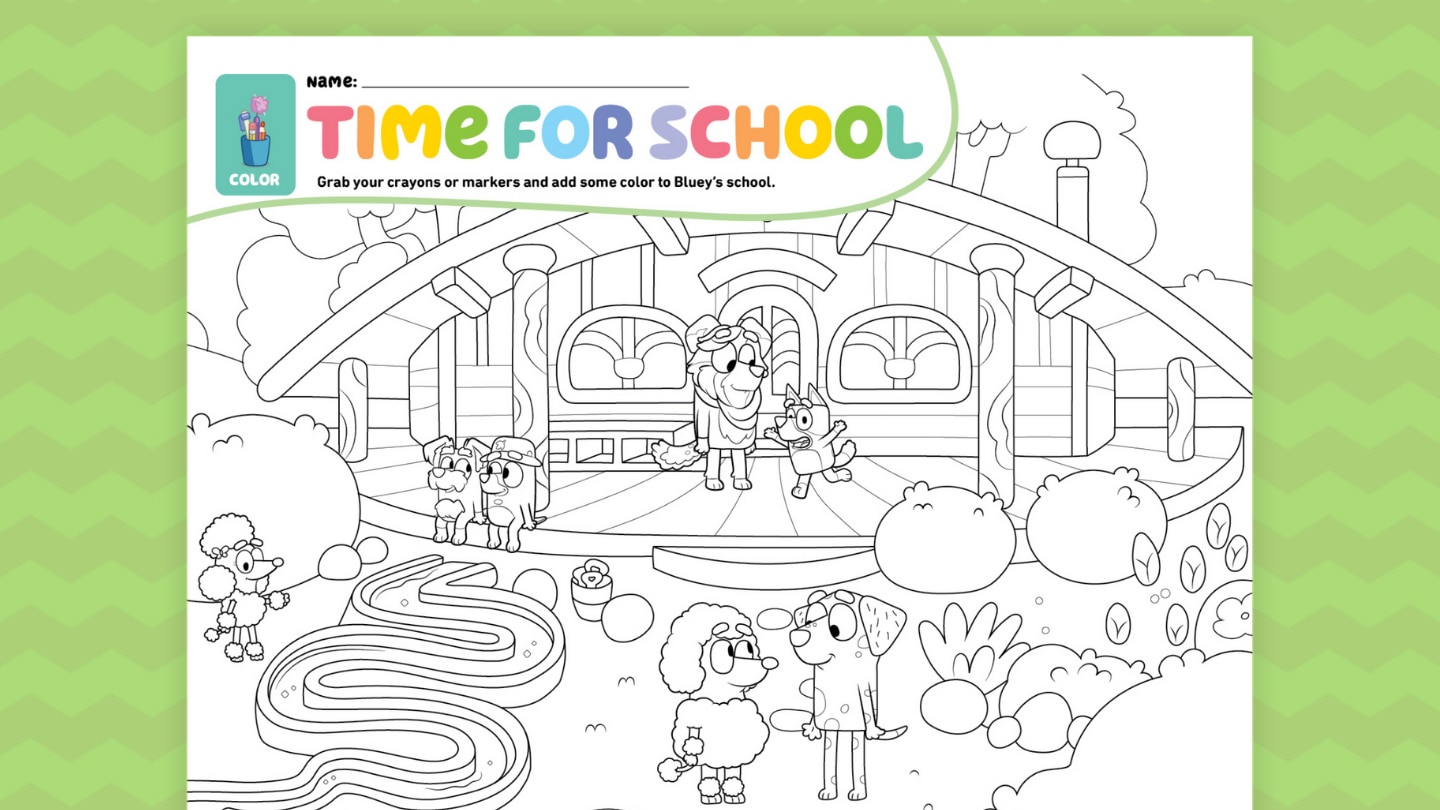
Grab your crayons or markers and add some color to Bluey's school. What are the kids playing? Bluey's school, Glass House Primary, is a Steiner (or Waldorf) school, known for its focus on play-based learning and a connection with nature. Bluey's teacher, Calypso, encourages children to explore their own imaginative scenarios rather than directing them to specific tasks.
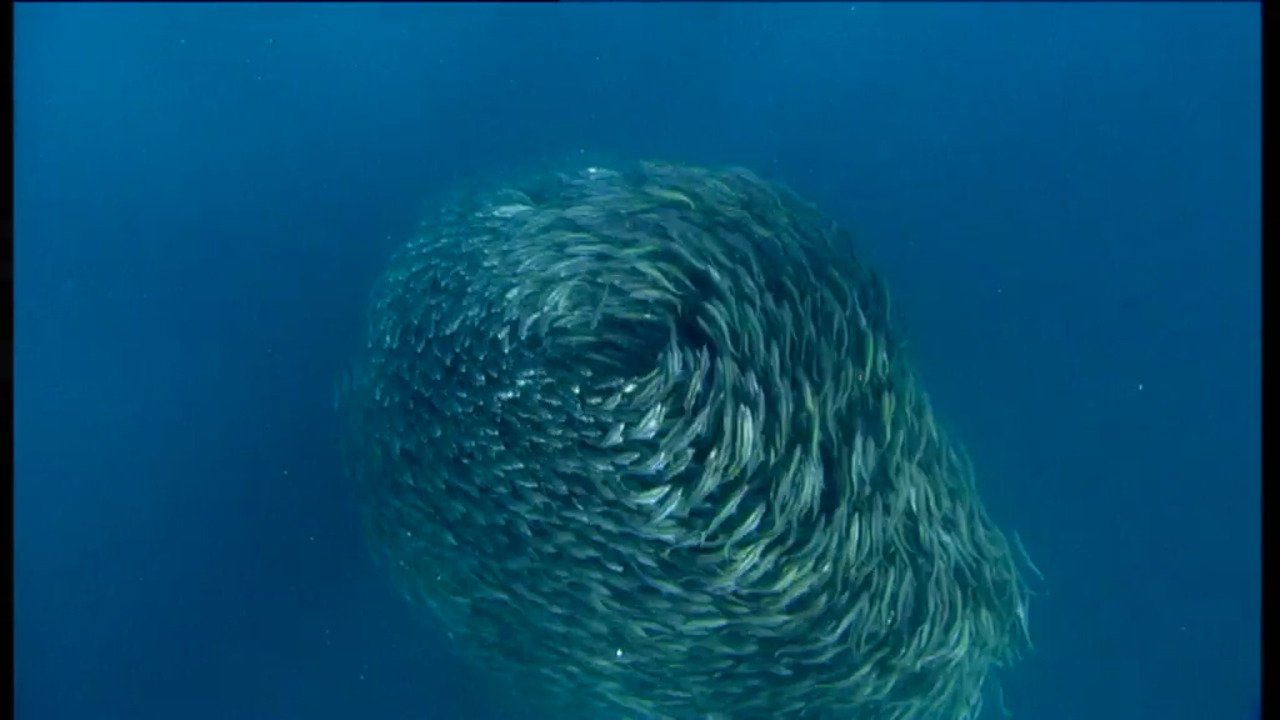
In Life Around a Seamount, narrator Sir David Attenborough explains what happens when larger fish are hunting around a seamount and small schools of fish band together and try to defend themselves. This video is excerpted from BBC’s Blue Planet, a definitive documentary series diving into the mysterious depths of the sea to discover the natural history of the world’s oceans and the rarely seen marine life that reside there.
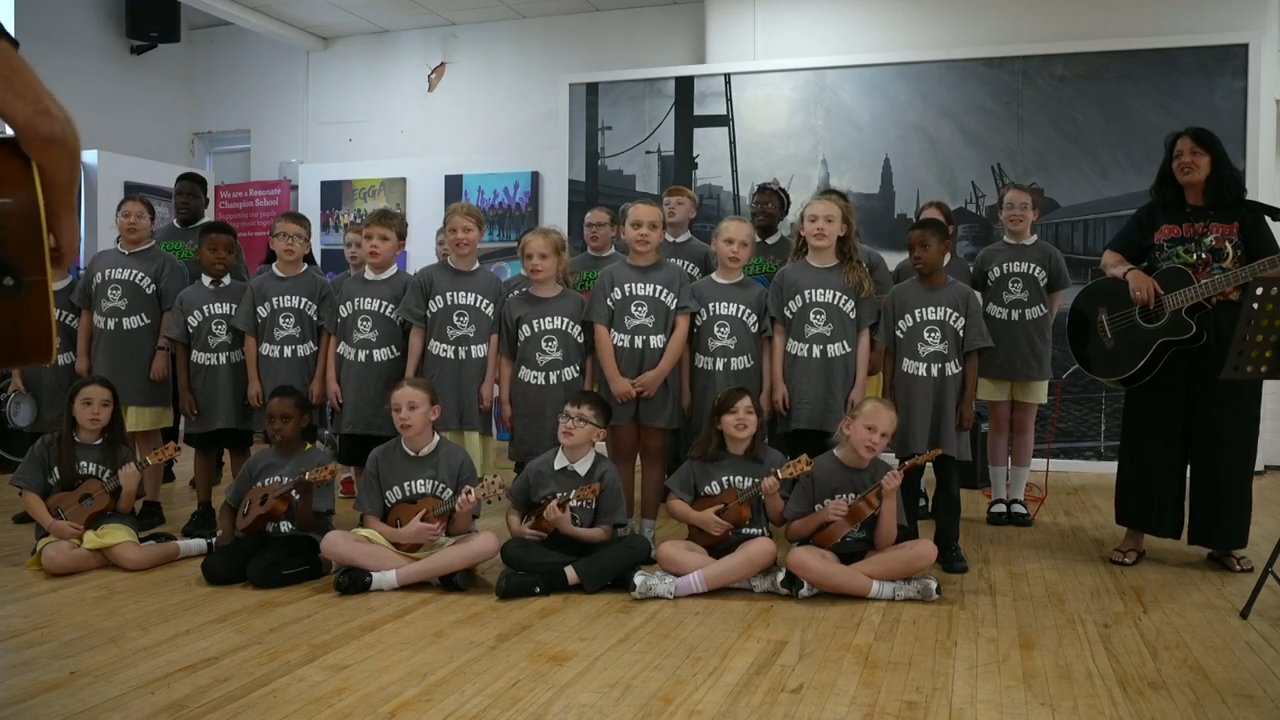
When you join your school band, you probably expect to perform in your school auditorium for friends and family. No shade to Gramps, but imagine the excitement when a group of kids learned that they were going to be performing at the massive Anfield Stadium, home of Liverpool Football Club. Multiply that by 10,000,000, and that’s a fraction of what they may have felt when they learned they would be performing a Foo Fighters song there FOR the Foo Fighters!
The Bell Tower Beats is a band from Anfield Road Primary School, who had the pleasure (and pressure) of playing "Times Like These" by the Foo Fighters for the actual members of the Foo Fighters. The performance was organized by a year three teacher, and has gone viral on news and media sources. Not only was the performance fun, but it helped bring attention to the opportunity to join the school band.
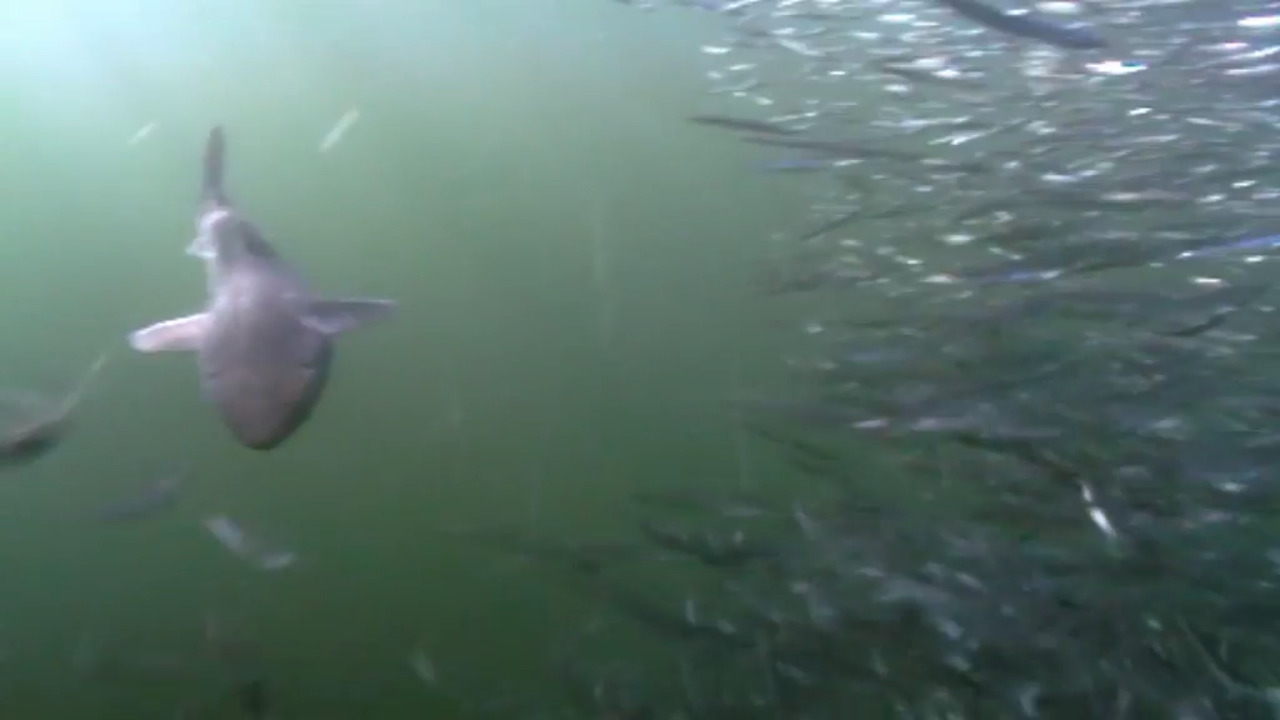
In The Sand Lancet’s Strategy, narrator Sir David Attenborough looks at how living in an area with high and low tide impacts animals, like the sand lancet that lives in sandy areas, compared with those that live in rocky areas, like the mussel or barnacle. This video is excerpted from BBC’s Blue Planet, a definitive documentary series diving into the mysterious depths of the sea to discover the natural history of the world’s oceans and the rarely seen marine life that reside there.

In Dolphin Schools and Cory’s Shearwater Are a Team Effort for Survival, narrator Sir David Attenborough captures an extraordinary sight of 500 dolphins leaping through the water and then hunting in coordination with Cory’s shearwaters — seabirds in the waters around the Azores, volcanic islands located 1,000 miles west of Portugal. The dolphins use teamwork to herd schools of mackerel toward the water's surface, where the fish become easy prey for the diving shearwaters. This video is excerpted from BBC’s Planet Earth, a breathtaking documentary series that highlights the natural wonders of our planet.
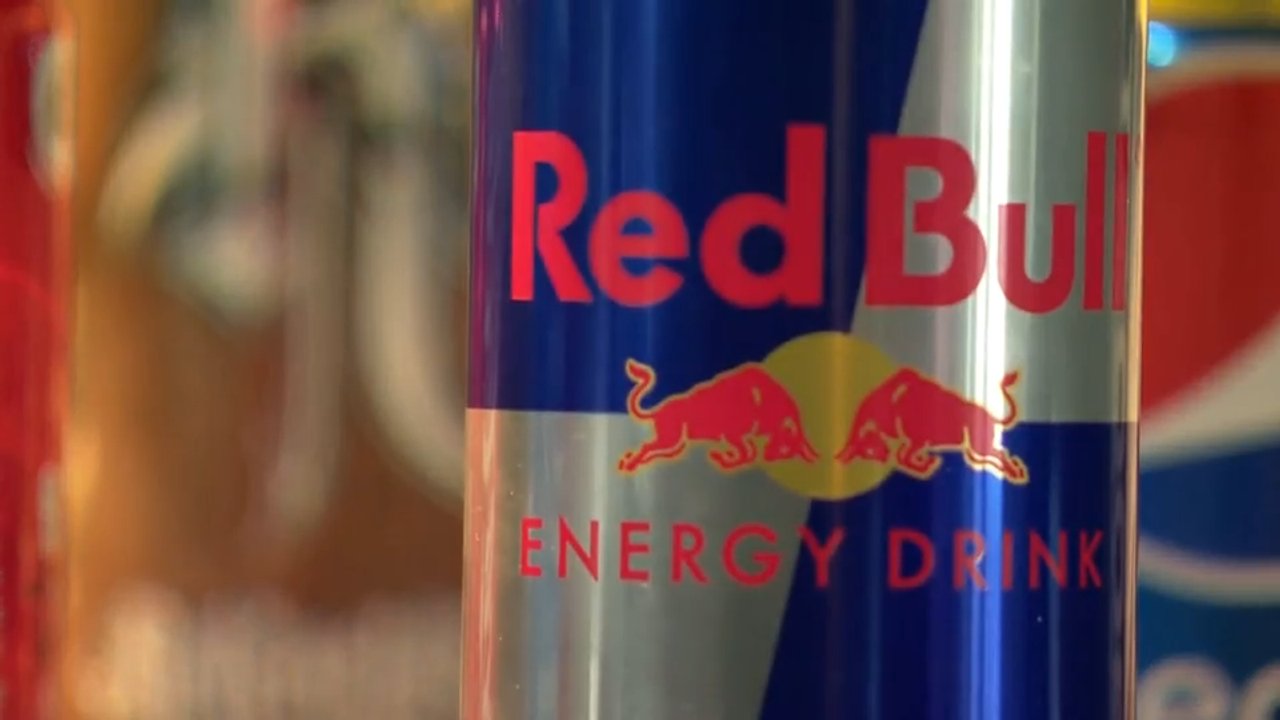
You may have heard your parents blame their pre-coffee crankiness on a lack of caffeine, but a high school in England says banning caffeinated energy drinks has had positive effects, like calmer classes and better interpersonal relationships.
The changes the school saw in student behavior suggest that energy drinks contributed to hyperactivity, littering, and disruption, but there’s another culprit in the drinks besides caffeine that gives drinkers a boost: sugar. Students often didn’t realize how much sugar was in the drinks until the school taught them more about the ingredients. Spoiler alert: it’s a lot.
Some energy drinks contain the equivalent of 13 teaspoons (that’s 52 grams) of sugar. That’s about two whole Hershey’s bars! Or a dozen marshmallows! Or 14 graham cracker sheets! We don’t want s'mores, you want s'mores!
After the ban, the school reported that detentions dropped by about one-third, and teachers and students reported better concentration, participation, and relationships in class. Students even say the place feels friendlier since the drinks were banned! But tread lightly: dropping an “Are you sure you really need all that caffeine?” on your groggy parents at 6 a.m. might be a one-way ticket to getting grounded…
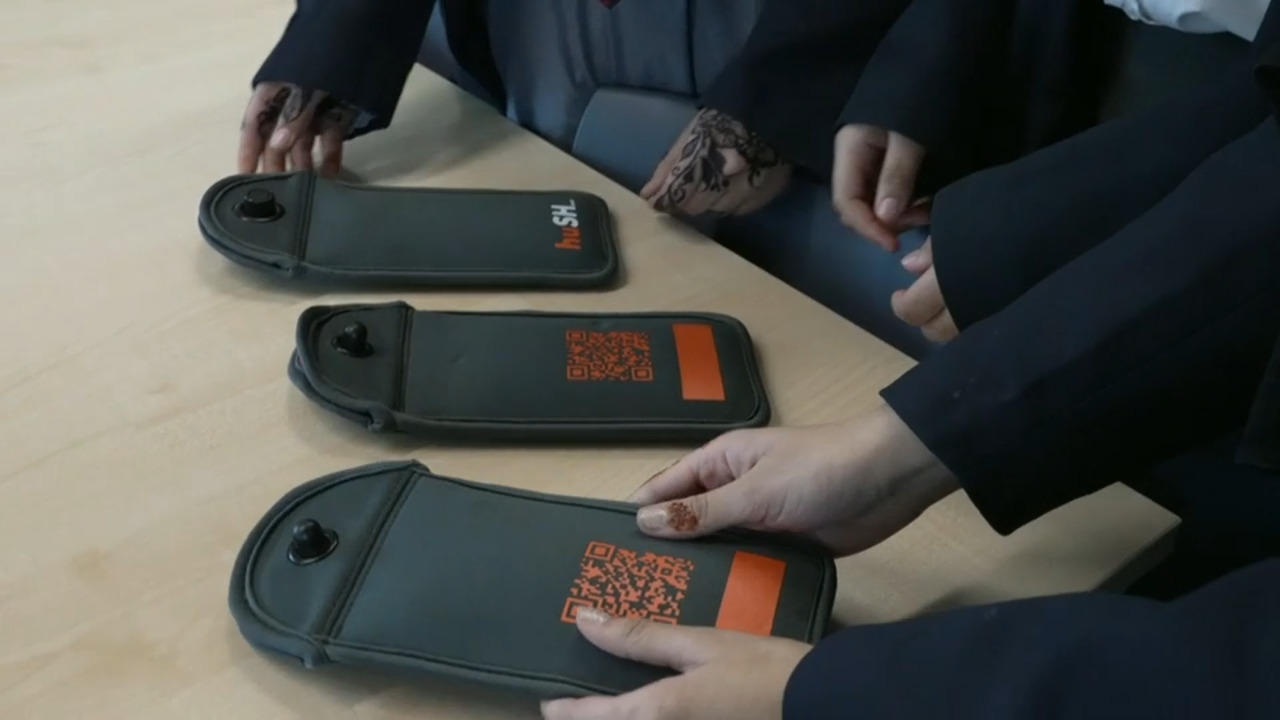
Your phone goes in a pouch the moment you walk in. If it's seen or heard, it's gone — for 4 weeks. That's the policy at Astrea Academy, one of the strictest phone bans in the UK, and yes, those 4 weeks can run straight through school holidays.
Harsh? Maybe. But teachers say it's working. Focus is up, behavior has improved, and students' overall wellbeing has shifted noticeably since the policy took hold.
Student reactions are split. Some think the rules go too far. Others — perhaps surprisingly — admit they don't really need their phones during the school day anyway. Both groups are probably right about something.
Parents are largely on board, and for reasons that go beyond test scores. They're noticing their kids coming home and actually talking — asking questions, making eye contact, and reconnecting in small ways that are easy to dismiss until they're gone. One thing the ban has surfaced that nobody quite expected: parents realizing they have a phone problem too. Several reflected that if they want their kids to put the devices down, they probably need to do the same. Role modeling, it turns out, works both ways.
Phone-free schools aren't going away. The UK is already moving toward national guidelines pushing schools in this direction, alongside measures to encourage more moderate social media use. The experiment at Astrea Academy may be ahead of its time — or just ahead of the curve.
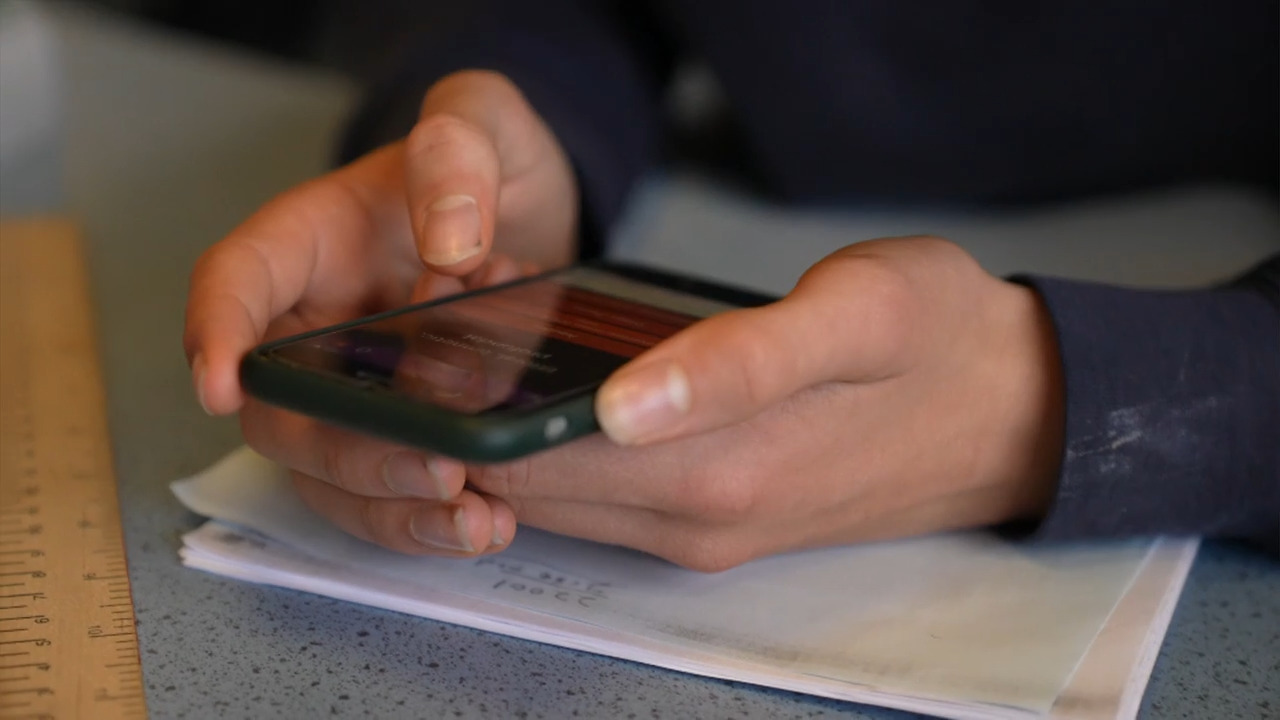
Phones away! In April of 2026, the UK government said it would introduce a ban on smartphones in schools, saying they should be phone free, all day. That may seem clear, but there have been more than enough interpretations of this law to cause problems.
Most schools do restrict phone use, but their methods of doing so and how seriously they take the rule, vary from place to place. Some use lockers, some use sealed magnetic pouches, and some haven’t really committed to the rule yet. So, officials are pushing for more clarity and more regulation.
For example, what defines a smartphone? A phone with internet access is much different from one that can only call and text. Should students be allowed to use a flip phone but not an iPhone? Are camera phones allowed? Does it count as a smartphone if it’s a rotary phone with a degree from Harvard?! The government has a lot of work to do before everybody’s on the same page.
In Going to School in a War Zone, host Radzi Chinyanganya uncovers harsh realities of living and going to school in Afghanistan, a country that has been embroiled in conflict for decades. This video focuses on the impact of the war on students' education, with a special emphasis on Mohammad's account of life in a war zone where the sound of gunfire and the presence of tanks are a daily occurrence. The episode explores the challenges students face, including the dangers they encounter at school, the fear of being caught in crossfire, and the emotional toll of attending school in such conditions. This video is excerpted from BBC’s My World, a program created for teenagers eager to learn more about the important stories shaping our world.
Football, rugby… esports? At Countesthorpe Academy, a secondary school in the UK, students can step into a full esports arena packed with high-end gaming computers — but it’s about a lot more than just playing games.
The school is one of the first to offer an esports qualification, helping students explore how the gaming industry really works and what kinds of careers exist behind the screens.
Esports might feel like entertainment, but it’s also a fast-growing global industry. In fact, the video game industry is now worth several times more than both the music and movie industries combined.
Students studying esports look at everything from how games make money and the strategies players use, to teamwork, mental health, and building skills like focus and resilience — skills that matter in gaming and way beyond it.
Learn how schools are combating student anxiety and the rise in school absences by offering mindfulness tools and strategies. Since the pandemic, there’s been a drop in school attendance nationally, but schools are hoping this support will work. This video is excerpted from BBC News, a high-quality news program that provides impartial, distinctive information to educate and entertain.
More schools are asking students to put smartphones away during the school day—and while many teens were not happy about it at first, some are now seeing the benefits. Without constant messages, notifications, and social media updates, students say school feels calmer and less stressful. Many are talking more face-to-face, making stronger friendships, and feeling less pressure to keep checking their phones. Teachers also report fewer interruptions in class and less bullying. The phones may be out of sight at school, but many students still spend hours on them at home, keeping the screen-time debate going.
Grab your crayons or markers and add some color to Bluey's school. What are the kids playing? Bluey's school, Glass House Primary, is a Steiner (or Waldorf) school, known for its focus on play-based learning and a connection with nature. Bluey's teacher, Calypso, encourages children to explore their own imaginative scenarios rather than directing them to specific tasks.
In Life Around a Seamount, narrator Sir David Attenborough explains what happens when larger fish are hunting around a seamount and small schools of fish band together and try to defend themselves. This video is excerpted from BBC’s Blue Planet, a definitive documentary series diving into the mysterious depths of the sea to discover the natural history of the world’s oceans and the rarely seen marine life that reside there.
When you join your school band, you probably expect to perform in your school auditorium for friends and family. No shade to Gramps, but imagine the excitement when a group of kids learned that they were going to be performing at the massive Anfield Stadium, home of Liverpool Football Club. Multiply that by 10,000,000, and that’s a fraction of what they may have felt when they learned they would be performing a Foo Fighters song there FOR the Foo Fighters!
The Bell Tower Beats is a band from Anfield Road Primary School, who had the pleasure (and pressure) of playing "Times Like These" by the Foo Fighters for the actual members of the Foo Fighters. The performance was organized by a year three teacher, and has gone viral on news and media sources. Not only was the performance fun, but it helped bring attention to the opportunity to join the school band.
In The Sand Lancet’s Strategy, narrator Sir David Attenborough looks at how living in an area with high and low tide impacts animals, like the sand lancet that lives in sandy areas, compared with those that live in rocky areas, like the mussel or barnacle. This video is excerpted from BBC’s Blue Planet, a definitive documentary series diving into the mysterious depths of the sea to discover the natural history of the world’s oceans and the rarely seen marine life that reside there.
In Dolphin Schools and Cory’s Shearwater Are a Team Effort for Survival, narrator Sir David Attenborough captures an extraordinary sight of 500 dolphins leaping through the water and then hunting in coordination with Cory’s shearwaters — seabirds in the waters around the Azores, volcanic islands located 1,000 miles west of Portugal. The dolphins use teamwork to herd schools of mackerel toward the water's surface, where the fish become easy prey for the diving shearwaters. This video is excerpted from BBC’s Planet Earth, a breathtaking documentary series that highlights the natural wonders of our planet.
You may have heard your parents blame their pre-coffee crankiness on a lack of caffeine, but a high school in England says banning caffeinated energy drinks has had positive effects, like calmer classes and better interpersonal relationships.
The changes the school saw in student behavior suggest that energy drinks contributed to hyperactivity, littering, and disruption, but there’s another culprit in the drinks besides caffeine that gives drinkers a boost: sugar. Students often didn’t realize how much sugar was in the drinks until the school taught them more about the ingredients. Spoiler alert: it’s a lot.
Some energy drinks contain the equivalent of 13 teaspoons (that’s 52 grams) of sugar. That’s about two whole Hershey’s bars! Or a dozen marshmallows! Or 14 graham cracker sheets! We don’t want s'mores, you want s'mores!
After the ban, the school reported that detentions dropped by about one-third, and teachers and students reported better concentration, participation, and relationships in class. Students even say the place feels friendlier since the drinks were banned! But tread lightly: dropping an “Are you sure you really need all that caffeine?” on your groggy parents at 6 a.m. might be a one-way ticket to getting grounded…
Your phone goes in a pouch the moment you walk in. If it's seen or heard, it's gone — for 4 weeks. That's the policy at Astrea Academy, one of the strictest phone bans in the UK, and yes, those 4 weeks can run straight through school holidays.
Harsh? Maybe. But teachers say it's working. Focus is up, behavior has improved, and students' overall wellbeing has shifted noticeably since the policy took hold.
Student reactions are split. Some think the rules go too far. Others — perhaps surprisingly — admit they don't really need their phones during the school day anyway. Both groups are probably right about something.
Parents are largely on board, and for reasons that go beyond test scores. They're noticing their kids coming home and actually talking — asking questions, making eye contact, and reconnecting in small ways that are easy to dismiss until they're gone. One thing the ban has surfaced that nobody quite expected: parents realizing they have a phone problem too. Several reflected that if they want their kids to put the devices down, they probably need to do the same. Role modeling, it turns out, works both ways.
Phone-free schools aren't going away. The UK is already moving toward national guidelines pushing schools in this direction, alongside measures to encourage more moderate social media use. The experiment at Astrea Academy may be ahead of its time — or just ahead of the curve.
Phones away! In April of 2026, the UK government said it would introduce a ban on smartphones in schools, saying they should be phone free, all day. That may seem clear, but there have been more than enough interpretations of this law to cause problems.
Most schools do restrict phone use, but their methods of doing so and how seriously they take the rule, vary from place to place. Some use lockers, some use sealed magnetic pouches, and some haven’t really committed to the rule yet. So, officials are pushing for more clarity and more regulation.
For example, what defines a smartphone? A phone with internet access is much different from one that can only call and text. Should students be allowed to use a flip phone but not an iPhone? Are camera phones allowed? Does it count as a smartphone if it’s a rotary phone with a degree from Harvard?! The government has a lot of work to do before everybody’s on the same page.