
A Later School Start Time Makes Sense for Teenagers
What if school started so early that your brain felt like it was the middle of the night? For a lot of teens, that’s actually what’s happening.
One school decided to take the science seriously. Researchers have found that during adolescence, your body clock shifts later — meaning you naturally fall asleep later and wake up later. So when teens are forced to get up at 7 a.m., it’s not just “early”… it’s the biological equivalent of an adult waking up at 4:30 a.m. Imagine trying to learn, focus, and take tests at that hour every single day.
Instead of ignoring this, the school changed its start time to better match how teenage brains actually work. The goal? Help students get enough sleep, feel more awake in class, and stop the cycle of constant exhaustion.
It raises a big question: if we know teens’ brains are wired this way, should more schools rethink their schedules too?
Take the Challenge
More News Stories

Scientists use a revolutionary technique to better study the DNA of bones from burial sites over a thousand years old. Highlighting gradual changes in the DNA is unlocking Britain’s history, providing information on human migration and the interaction between different populations from the Romans to the Anglo-Saxons. This video is excerpted from BBC News.
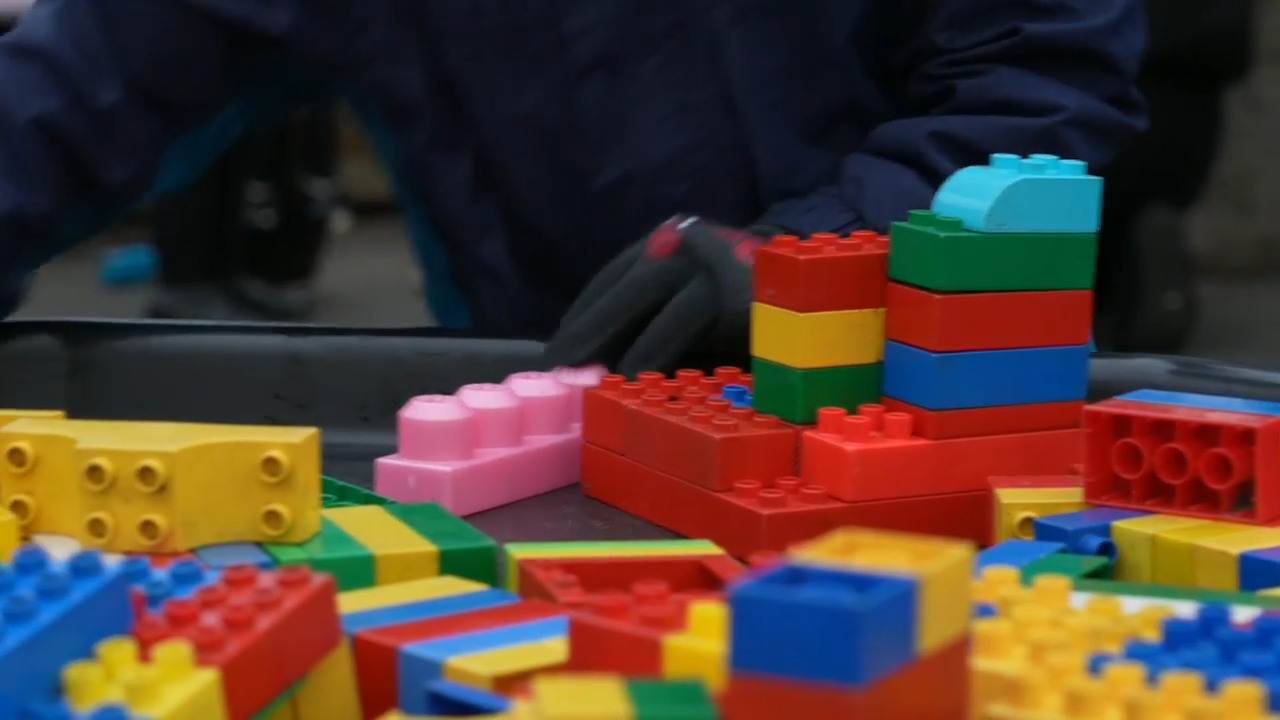
Kids today can swipe before they can tie their shoes — but some teachers say all that screen time may be changing the way young children learn, talk, and handle emotions. One preschool is pushing back by focusing on hands-on play, conversation, creativity, and movement instead of tablets and videos. Teachers say they’re seeing more kids struggle to explain what they want, calm themselves down, or interact socially after spending hours watching screens instead of experiencing the real world firsthand. Experts recommend no screens at all for children under 2, and no more than 30 minutes a day for ages 2–5.
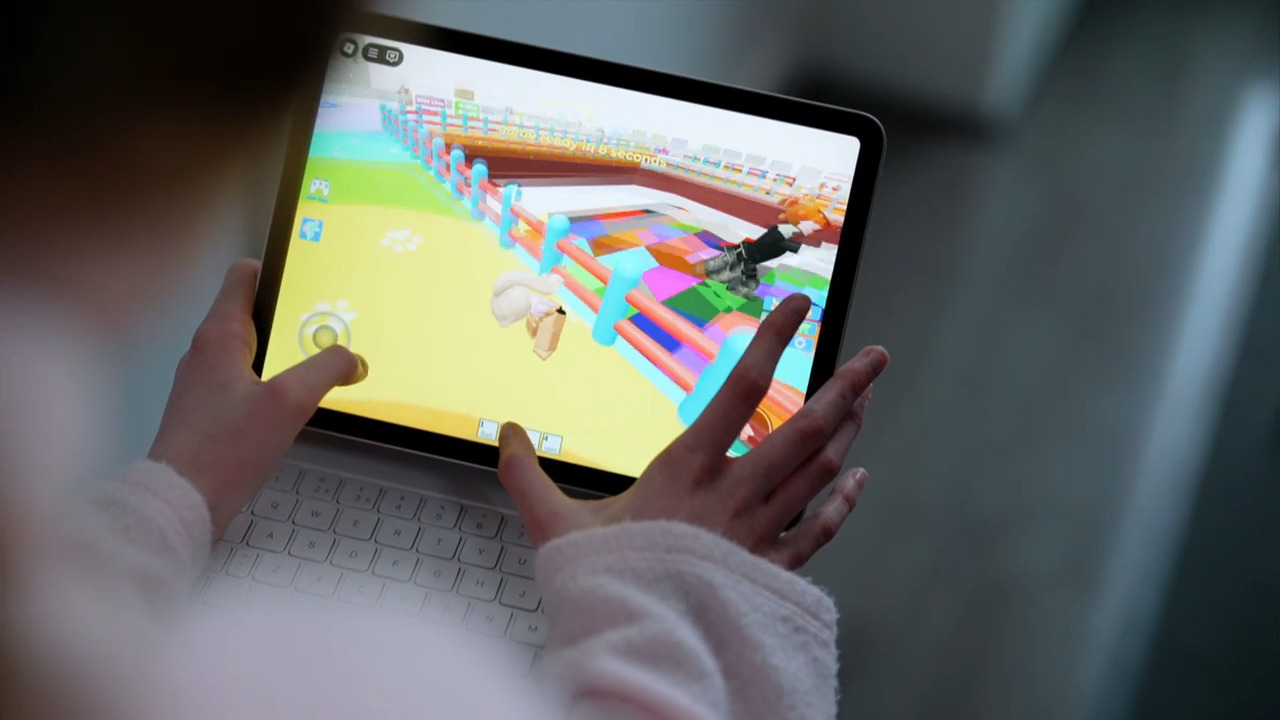
Roblox has exploded into one of the most popular gaming platforms in the world, especially for kids ages 8–12. What started as a small company has grown into a massive online universe with more than 40 million user-created games and experiences — from obstacle courses and role-playing worlds to fashion shows and virtual adventures. In fact, Roblox now has more monthly users than Nintendo Switch and Sony PlayStation combined.
But with its huge popularity comes growing controversy. Critics say that because almost anyone can create a game on the platform, some content may not always be appropriate for younger users. That has raised questions from parents and safety experts about how well kids are protected online.
Roblox co-founder and CEO Dave Baszucki says the company takes safety seriously and has “no tolerance” for inappropriate content. The platform has introduced new protections, including limits on messaging for users under 13. Still, reports show that some kids can sometimes find ways around age restrictions, which keeps the debate going.
Baszucki also says millions of users are having positive, creative experiences on Roblox every day — and reminds parents that they ultimately decide whether it’s the right platform for their children.
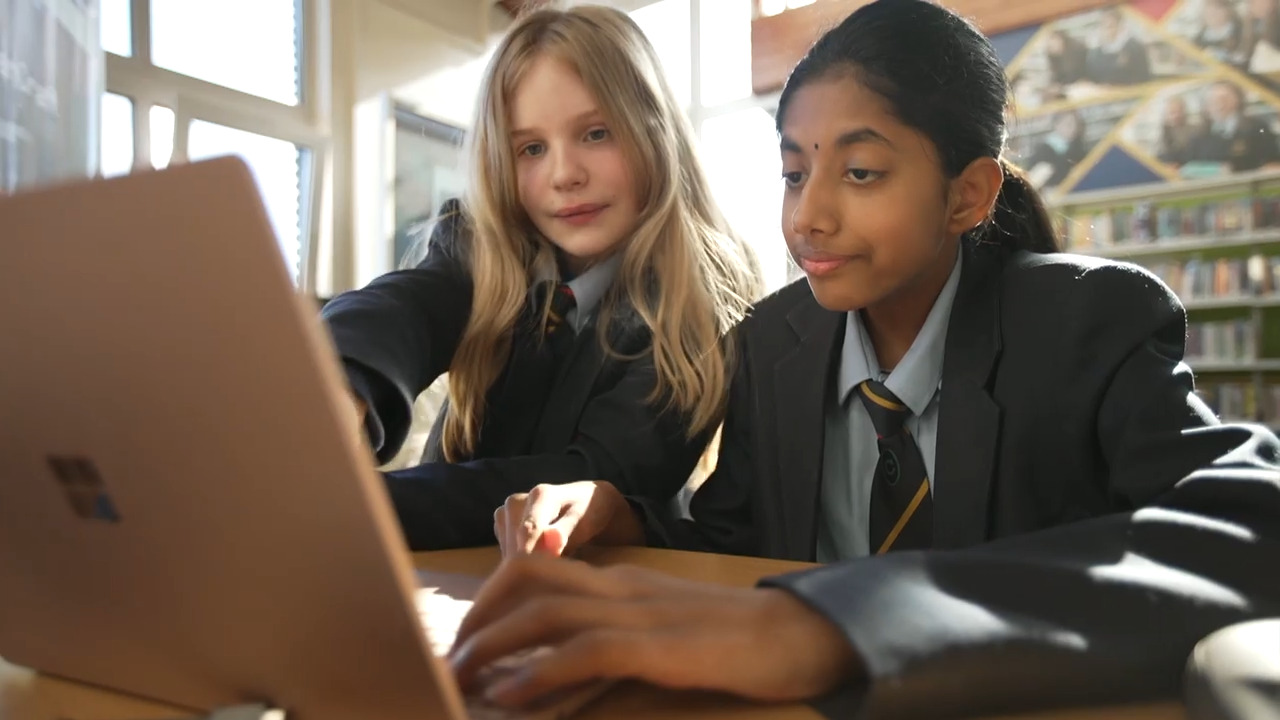
Imagine using your favorite game to help save the real world — that’s exactly what these students are doing! At Archbishop Temple School, kids are using Minecraft to recreate rising rivers and dangerous floods in their own town. Then, they design smart solutions like barriers and defenses to stop the water.
This isn’t just playtime — it’s serious problem-solving. By experimenting in a virtual world, students learn how flooding works and how to protect communities from climate change. One student said it best: they’re “learning while playing” and finding ways to help the planet.
Teachers love it too, because games like Minecraft make learning hands-on, fun, and meaningful. In this pilot project, kids aren’t just playing a game — they’re becoming real-life problem solvers who could help save cities in the future.
Scientists use a revolutionary technique to better study the DNA of bones from burial sites over a thousand years old. Highlighting gradual changes in the DNA is unlocking Britain’s history, providing information on human migration and the interaction between different populations from the Romans to the Anglo-Saxons. This video is excerpted from BBC News.
Kids today can swipe before they can tie their shoes — but some teachers say all that screen time may be changing the way young children learn, talk, and handle emotions. One preschool is pushing back by focusing on hands-on play, conversation, creativity, and movement instead of tablets and videos. Teachers say they’re seeing more kids struggle to explain what they want, calm themselves down, or interact socially after spending hours watching screens instead of experiencing the real world firsthand. Experts recommend no screens at all for children under 2, and no more than 30 minutes a day for ages 2–5.
Roblox has exploded into one of the most popular gaming platforms in the world, especially for kids ages 8–12. What started as a small company has grown into a massive online universe with more than 40 million user-created games and experiences — from obstacle courses and role-playing worlds to fashion shows and virtual adventures. In fact, Roblox now has more monthly users than Nintendo Switch and Sony PlayStation combined.
But with its huge popularity comes growing controversy. Critics say that because almost anyone can create a game on the platform, some content may not always be appropriate for younger users. That has raised questions from parents and safety experts about how well kids are protected online.
Roblox co-founder and CEO Dave Baszucki says the company takes safety seriously and has “no tolerance” for inappropriate content. The platform has introduced new protections, including limits on messaging for users under 13. Still, reports show that some kids can sometimes find ways around age restrictions, which keeps the debate going.
Baszucki also says millions of users are having positive, creative experiences on Roblox every day — and reminds parents that they ultimately decide whether it’s the right platform for their children.
Imagine using your favorite game to help save the real world — that’s exactly what these students are doing! At Archbishop Temple School, kids are using Minecraft to recreate rising rivers and dangerous floods in their own town. Then, they design smart solutions like barriers and defenses to stop the water.
This isn’t just playtime — it’s serious problem-solving. By experimenting in a virtual world, students learn how flooding works and how to protect communities from climate change. One student said it best: they’re “learning while playing” and finding ways to help the planet.
Teachers love it too, because games like Minecraft make learning hands-on, fun, and meaningful. In this pilot project, kids aren’t just playing a game — they’re becoming real-life problem solvers who could help save cities in the future.