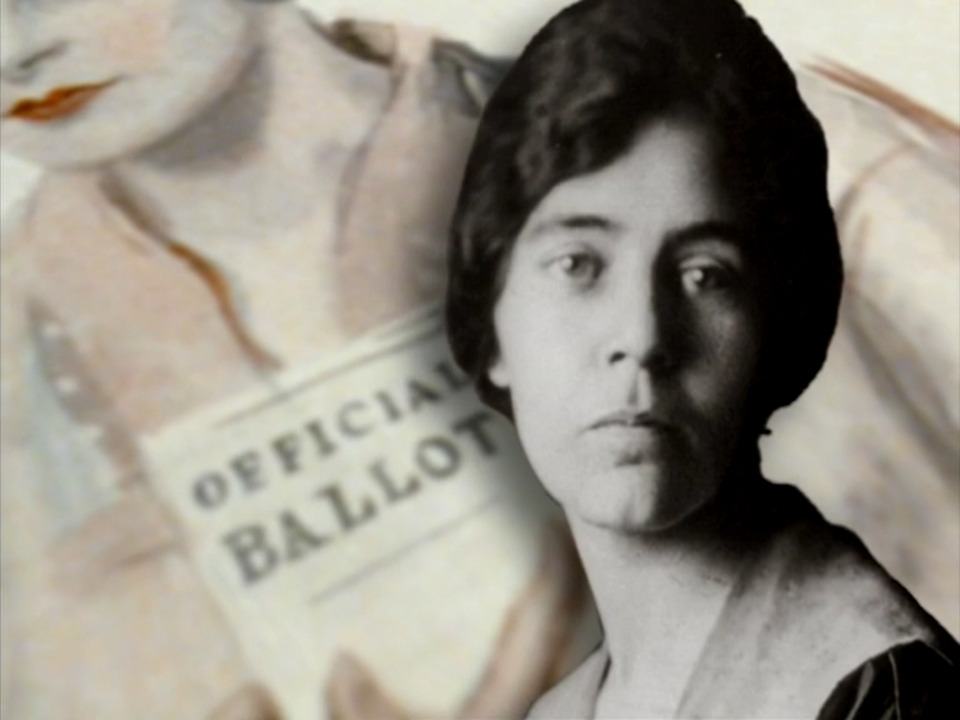
In Alice Paul and the Fight for Women’s Suffrage, activist Alice Paul leads marches and protests to secure women’s right to vote in the United States. Drawing inspiration from the militant suffrage movement in the UK, she organizes the National Woman’s Party, pickets the White House, and helps secure the passage of the 19th Amendment after decades of struggle.
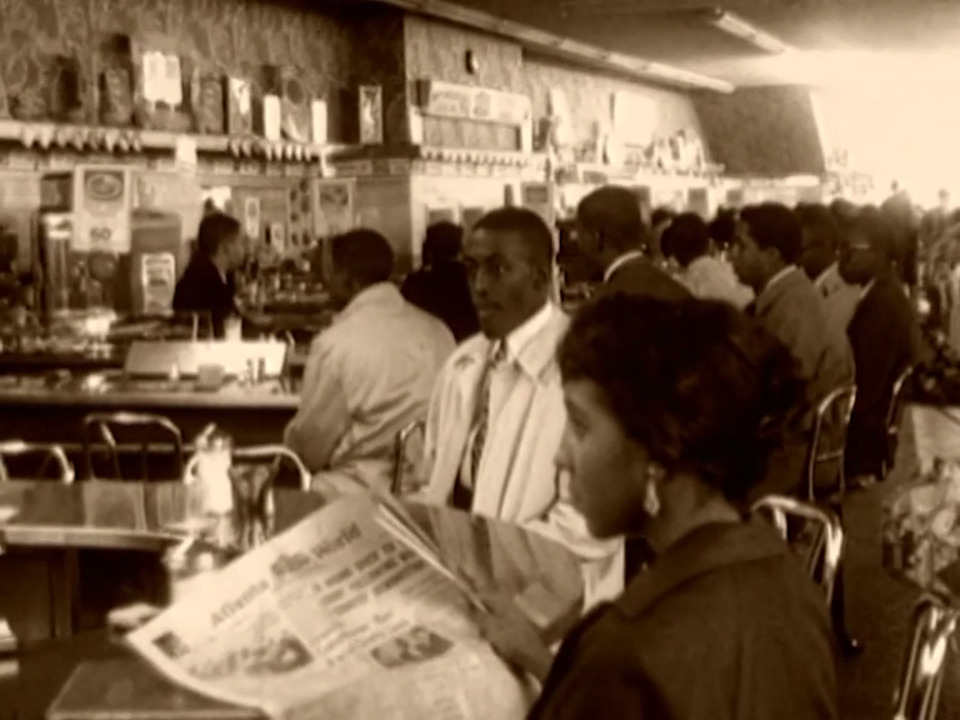
In Martin Luther King Jr. and the Atlanta Sit-Ins, students learn how Dr. Martin Luther King Jr. supported non-violent sit-ins at lunch counters in Atlanta as part of the larger fight for civil rights. These peaceful protests challenged segregation and helped draw national attention to unfair laws and practices in the United States.
The video also shows that Dr. King’s work was not without criticism and controversy, helping students understand that social change is often complex and challenging. Excerpted from BBC’s Reputations: Martin Luther King - Days of Hope, this clip offers a thoughtful look at Dr. King’s leadership, values, and commitment to non-violent protest, while revealing the personal and public pressures he faced.
This short video is well suited for classroom use as an introduction to the Civil Rights Movement, a deeper look at peaceful protest, or a discussion starter about standing up for justice even when faced with opposition. Teachers can use it to support lessons around Martin Luther King Jr. Day, civic action, and the role of protest in a democracy.
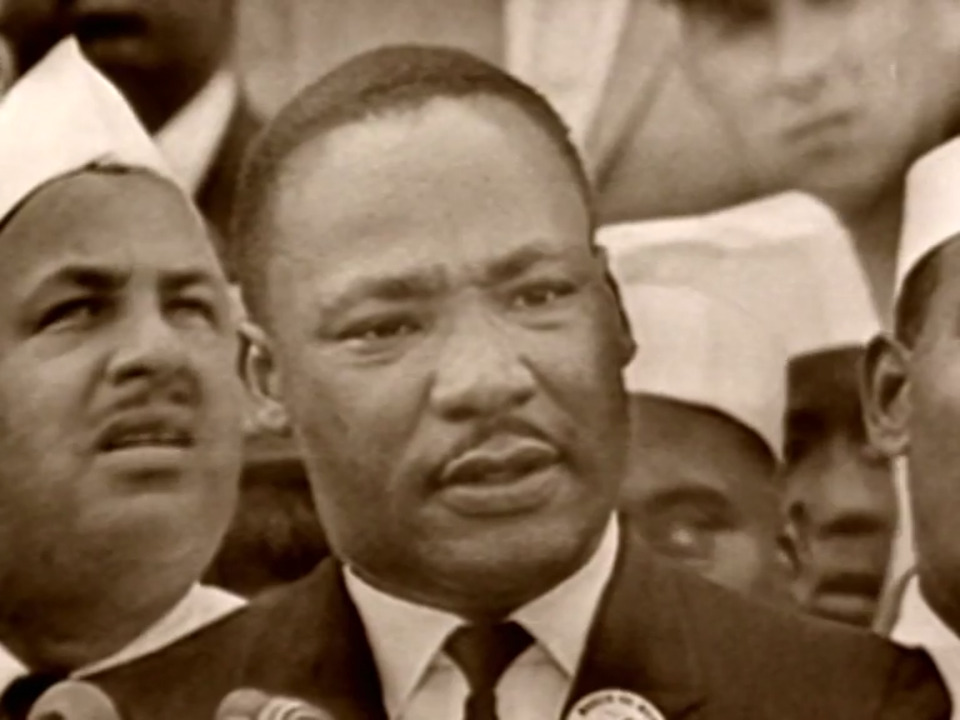
In Martin Luther King Jr. and the March on Washington, we learn about the historic 1963 March on Washington, when hundreds of thousands of people gathered in Washington, D.C. to demand civil rights and equality. At the center of the event is Dr. Martin Luther King Jr., who delivers the “I Have a Dream” speech — one of the most famous and important speeches in American history.
This video is a meaningful way to honor Martin Luther King Jr. Day or to help students understand the role of peaceful protest in a democracy. Excerpted from BBC’s Reputations: Martin Luther King – Days of Hope, it highlights Dr. King’s leadership, his commitment to nonviolent protest, and the lasting impact of the Civil Rights Movement.
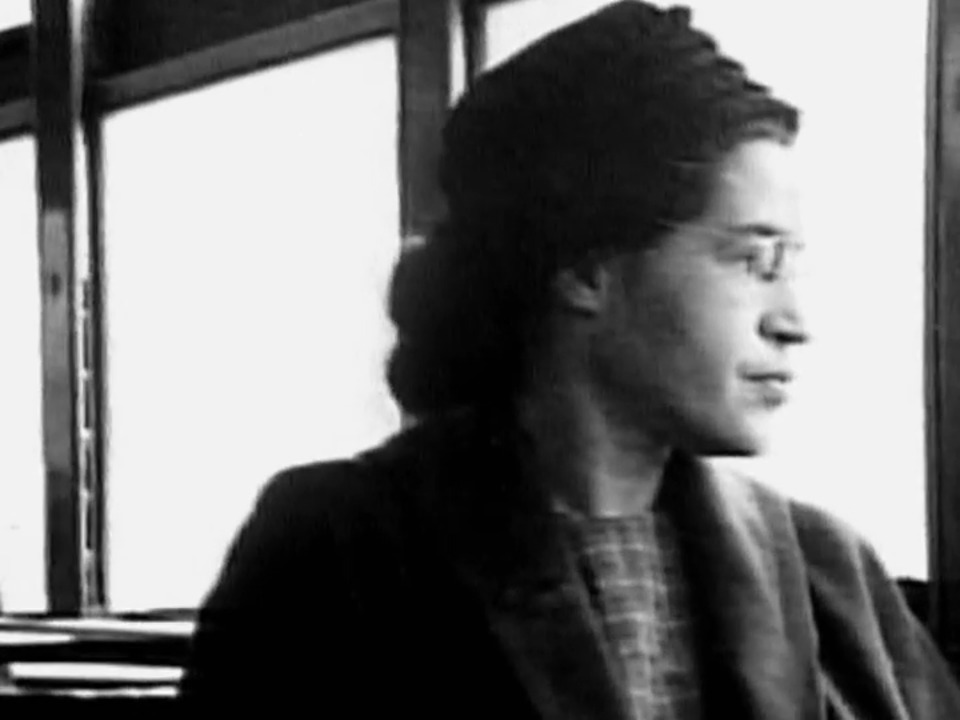
In The Rosa Parks Effect, Rosa Parks’s arrest motivates Martin Luther King Jr. to advance non-violent protests on a larger scale, making him a prominent figure in the Civil Rights Movement in the United States. This video is excerpted from BBC’s Infamous Assassinations, a documentary series about high-profile murders and attempted murders of public figures, narrated by actor Robert Powell.
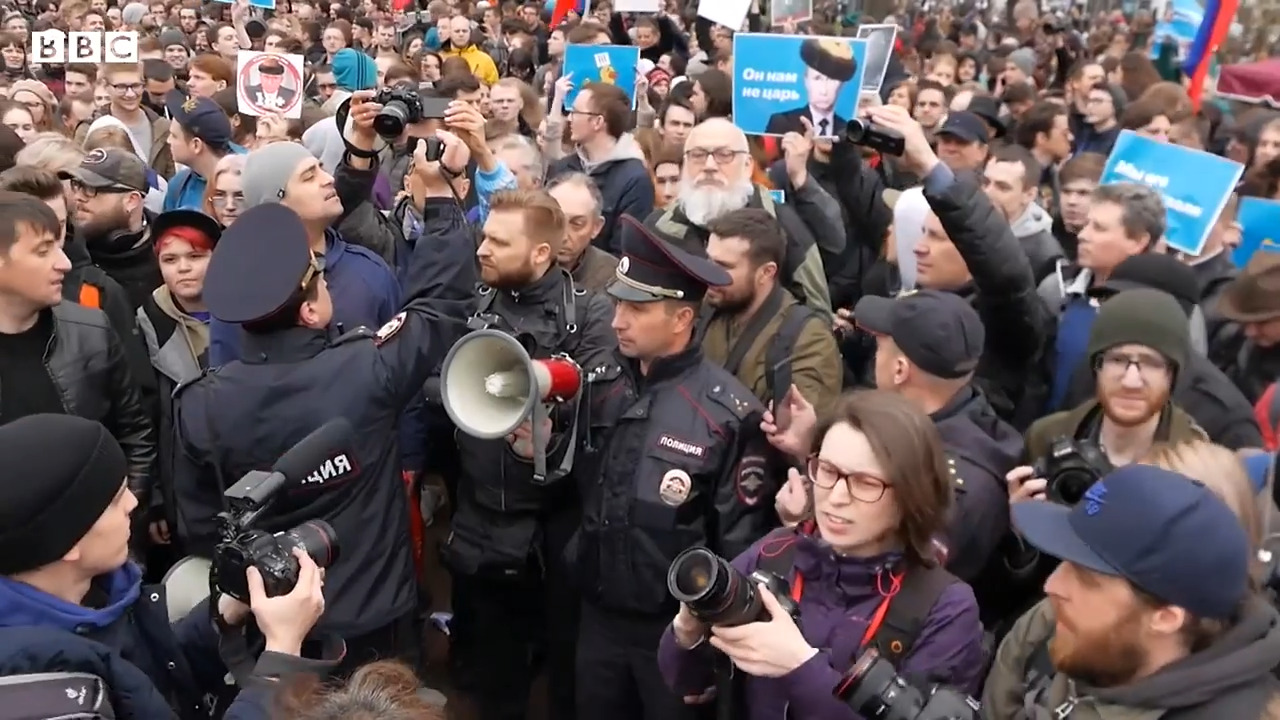
In Different Perspectives, host Radzi Chinyanganya explores how journalists avoid bias in the media by showing a range of opinions so that people can decide what they think for themselves. For example, in one report, a teenager named Nikita regularly protests his government in Moscow. He admits that not everyone shares his negative views on Vladimir Putin. A second report describes Putin in both the eyes of his supporters and opponents. His supporters see him as popular and charismatic, but his opponents think he leads by force and has taken away freedoms. This video is excerpted from BBC’s My World, a program created for teenagers eager to learn more about the important stories shaping our world.
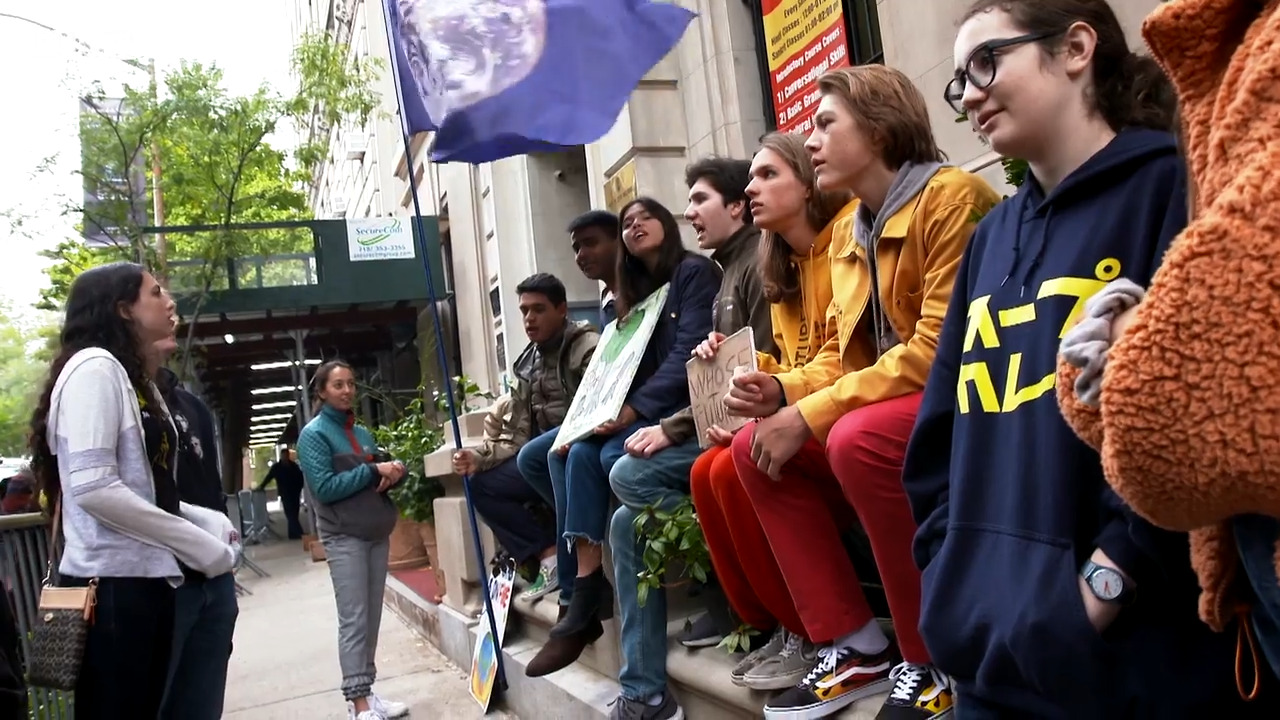
In The Power of Student Activism, host Radzi Chinyanganya discusses the power of youth activism and how young people are leading movements for social change. The video highlights youth-led protests and demonstrations on issues such as climate change, racial equality, and gender rights. It explores how activism takes different forms, from in-person demonstrations to digital campaigns. A key focus is on Fridays for Future, a movement started by Greta Thunberg in 2018, and how activist Xiye Bastida takes part by striking every Friday to demand action on climate change. This video is excerpted from BBC’s My World, a program created for teenagers eager to learn more about the important stories shaping our world.
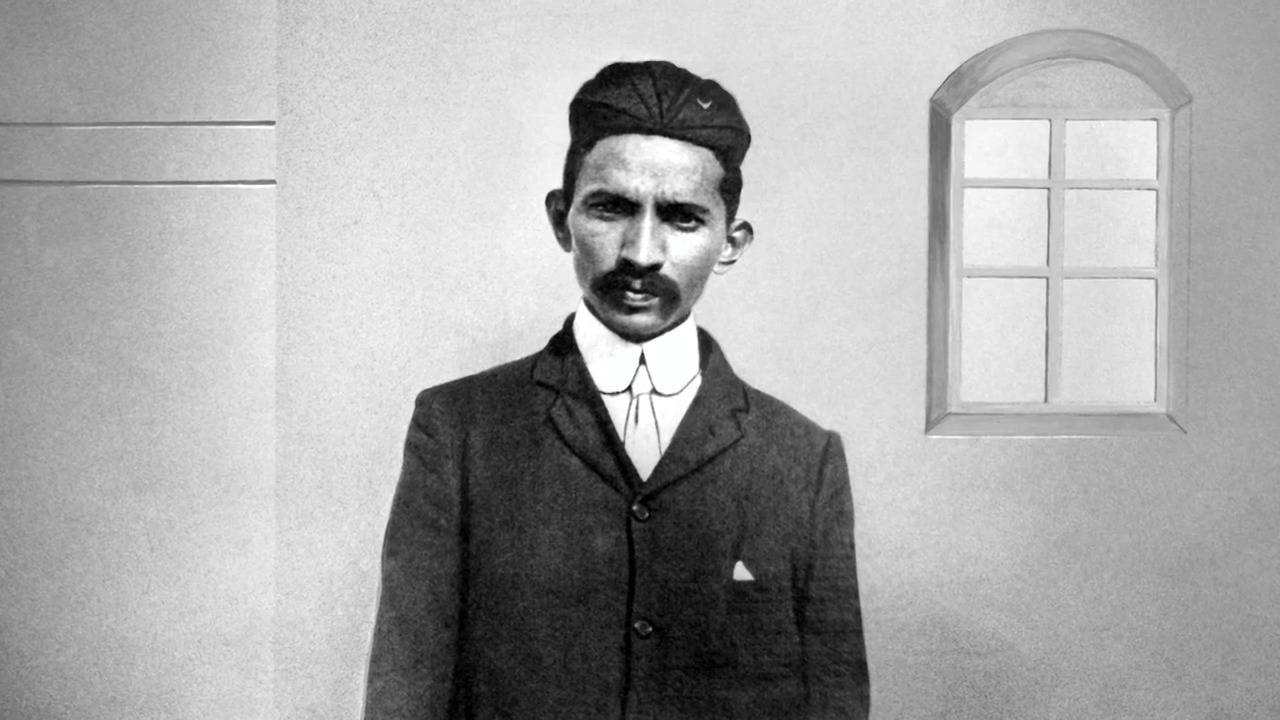
In The Life and Legacy of Mahatma Gandhi, host Sanjeev Bhaskar discusses the life of Mahatma Gandhi, his peaceful protests, and his ability to shake the foundations of the British Empire. This video is excerpted from BBC’s Icons: The Greatest Person of the 20th Century, a documentary series celebrating the achievements of the most influential figures of the era.
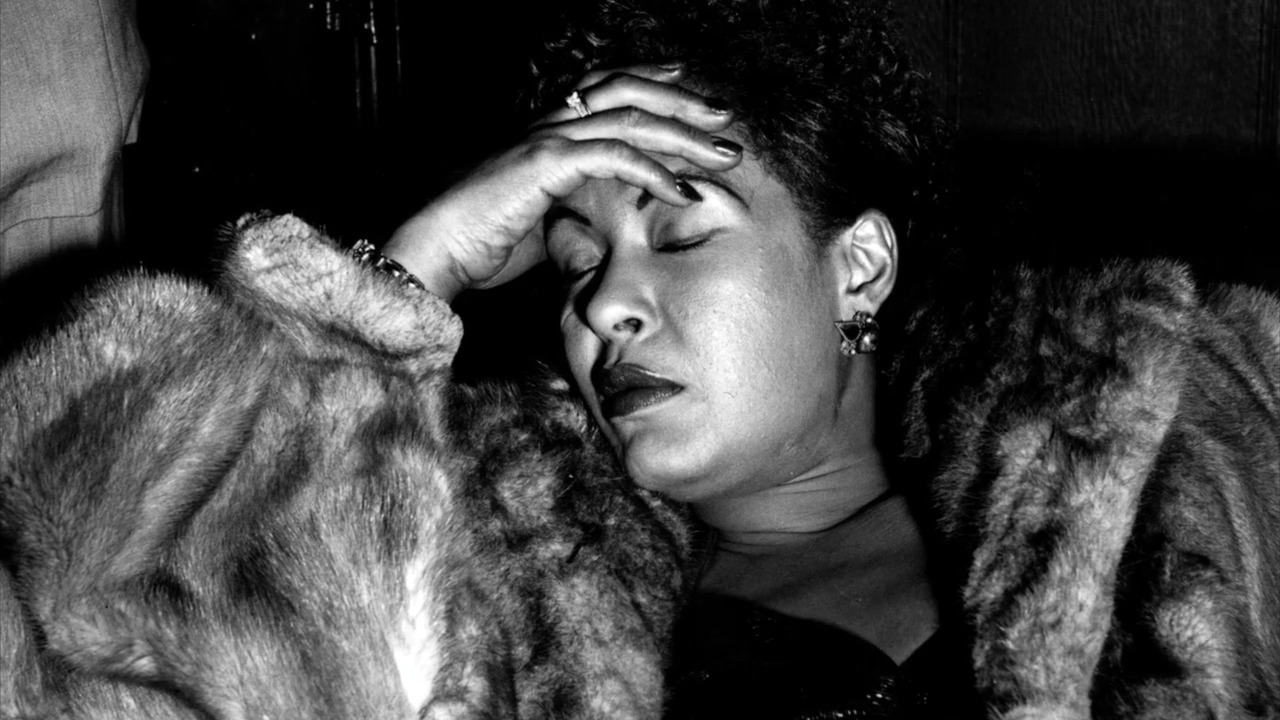
In Billie Holiday and Strange Fruit, host Kathleen Turner recounts how Holiday’s song “Strange Fruit” became an iconic protest anthem during the Civil Rights Movement. Despite struggles with addiction, police harassment, and being blacklisted, Holiday's bravery and artistry made a lasting impact. This video is excerpted from BBC’s Icons: The Greatest Person of the 20th Century, a documentary series celebrating the achievements of the most influential figures of the era.
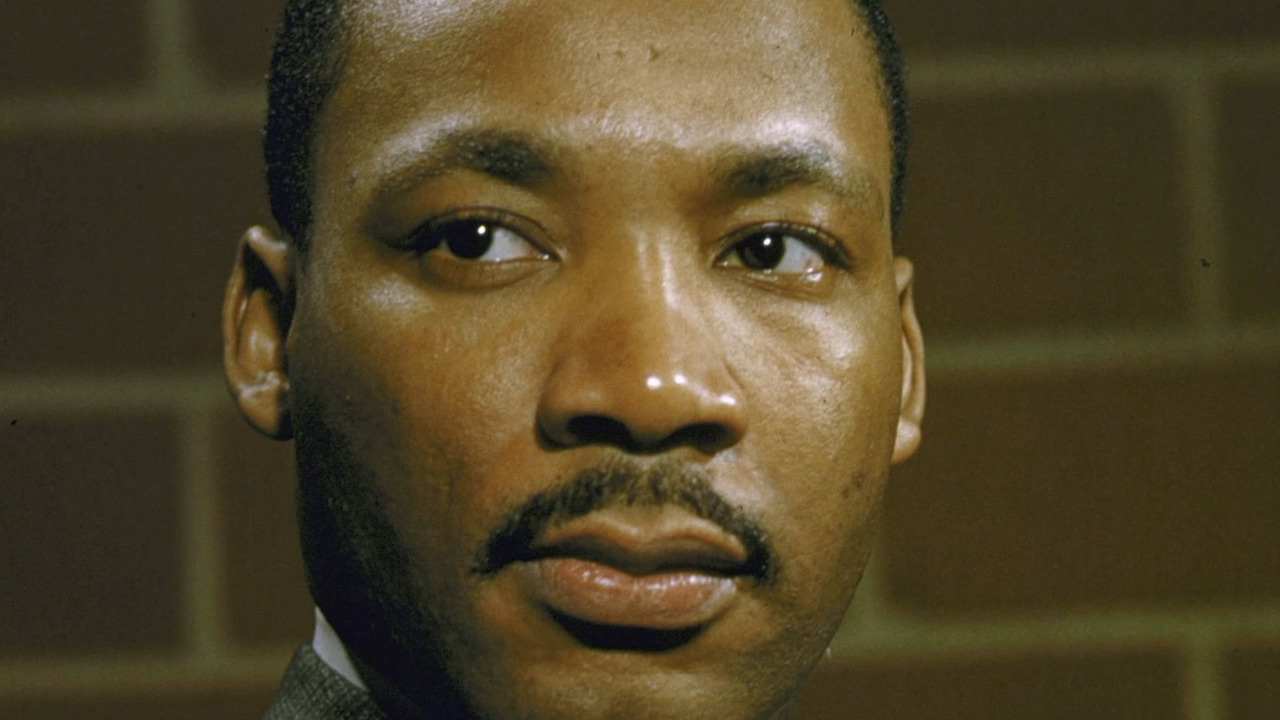
In Martin Luther King Jr. and Nonviolence, a historian explains why Martin Luther King Jr. and the people who worked with him chose nonviolence as their primary strategy during the Civil Rights Movement.
Excerpted from BBC’s Icons: The Greatest Person of the 20th Century, this documentary clip helps students understand what made Dr. King an icon — not just for his words, but for his leadership, courage, and lasting influence. Using historical footage and clear storytelling, it introduces key ideas of the Civil Rights Movement in a way that is accessible and engaging.
This short video works well as an introduction to Martin Luther King Jr., a foundation for learning about the Civil Rights Movement, or a discussion starter about leadership, activism, and democracy. Teachers can easily use it to support lessons around Martin Luther King Jr. Day and non-violent protest.
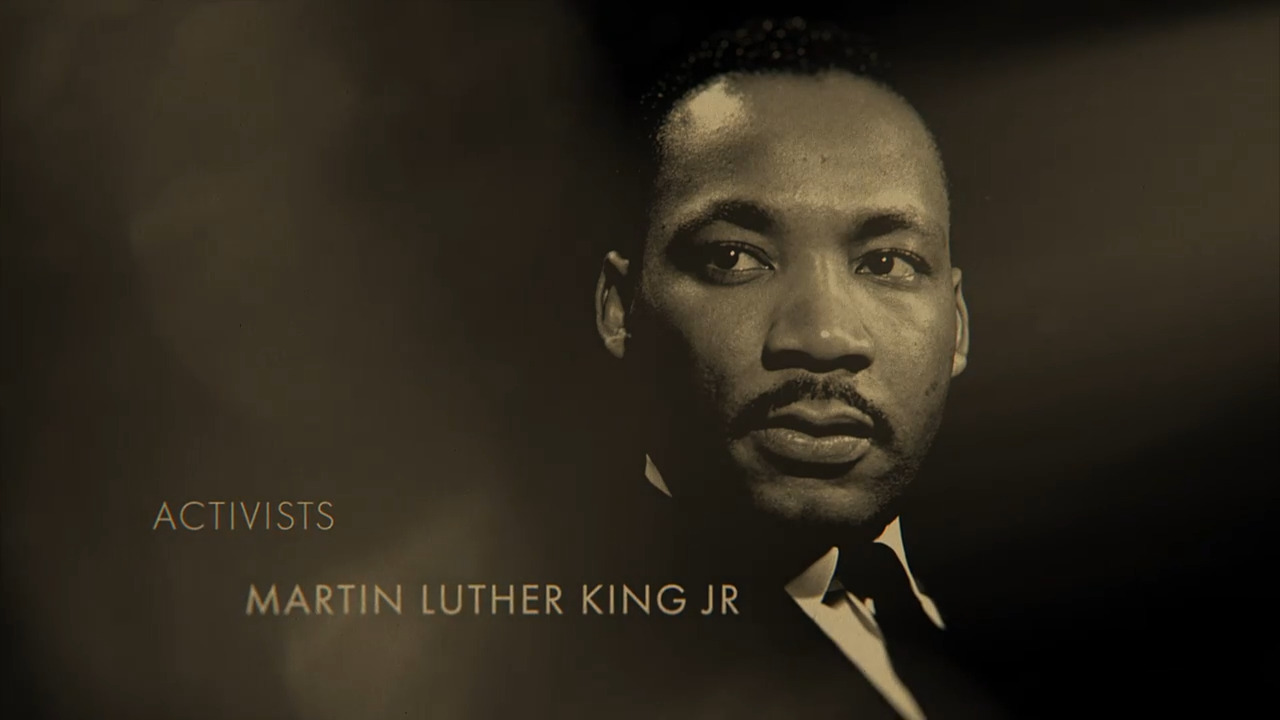
In Martin Luther King Jr.: Civil Rights Icon, students learn how the Civil Rights Movement found its leader in Dr. Martin Luther King Jr., an activist, preacher, and powerful speaker who believed in achieving change through non-violent action. The video explains why Dr. King emerged as a central figure during a time when millions of Americans were fighting for equal rights and justice.
Excerpted from BBC’s Icons: The Greatest Person of the 20th Century, this documentary clip helps students understand what made Dr. King an icon — not just for his words, but for his leadership, courage, and lasting influence. Using historical footage and clear storytelling, it introduces key ideas of the Civil Rights Movement in a way that is accessible and engaging.
This short video works well as an introduction to Martin Luther King Jr., a foundation for learning about the Civil Rights Movement, or a discussion starter about leadership, activism, and democracy. Teachers can easily use it to support lessons around Martin Luther King Jr. Day, civic responsibility, and the power of individuals to inspire change.
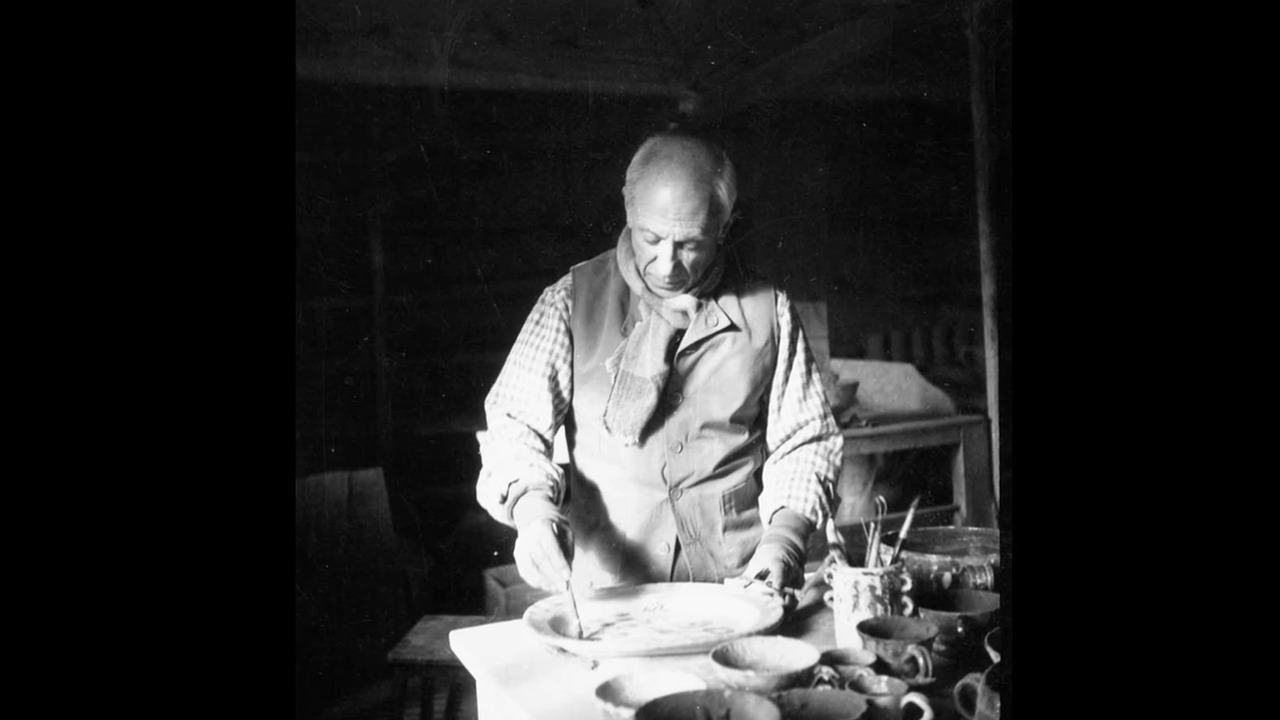
In Picasso's Iconic Guernica, host Lily Cole examines the iconic Cubist painting "Guernica," created by Pablo Picasso during World War II. Discover how Picasso's masterpiece reflects the horrors of war, particularly the bombing of the Spanish town of Guernica by Nazi forces. Through abstract imagery, Picasso conveyed the anguish and chaos of the conflict. This video is excerpted from BBC’s Icons: The Greatest Person of the 20th Century, a documentary series celebrating the achievements of the most influential figures of the era.
In Alice Paul and the Fight for Women’s Suffrage, activist Alice Paul leads marches and protests to secure women’s right to vote in the United States. Drawing inspiration from the militant suffrage movement in the UK, she organizes the National Woman’s Party, pickets the White House, and helps secure the passage of the 19th Amendment after decades of struggle.
In Martin Luther King Jr. and the Atlanta Sit-Ins, students learn how Dr. Martin Luther King Jr. supported non-violent sit-ins at lunch counters in Atlanta as part of the larger fight for civil rights. These peaceful protests challenged segregation and helped draw national attention to unfair laws and practices in the United States.
The video also shows that Dr. King’s work was not without criticism and controversy, helping students understand that social change is often complex and challenging. Excerpted from BBC’s Reputations: Martin Luther King - Days of Hope, this clip offers a thoughtful look at Dr. King’s leadership, values, and commitment to non-violent protest, while revealing the personal and public pressures he faced.
This short video is well suited for classroom use as an introduction to the Civil Rights Movement, a deeper look at peaceful protest, or a discussion starter about standing up for justice even when faced with opposition. Teachers can use it to support lessons around Martin Luther King Jr. Day, civic action, and the role of protest in a democracy.
In Martin Luther King Jr. and the March on Washington, we learn about the historic 1963 March on Washington, when hundreds of thousands of people gathered in Washington, D.C. to demand civil rights and equality. At the center of the event is Dr. Martin Luther King Jr., who delivers the “I Have a Dream” speech — one of the most famous and important speeches in American history.
This video is a meaningful way to honor Martin Luther King Jr. Day or to help students understand the role of peaceful protest in a democracy. Excerpted from BBC’s Reputations: Martin Luther King – Days of Hope, it highlights Dr. King’s leadership, his commitment to nonviolent protest, and the lasting impact of the Civil Rights Movement.
In The Rosa Parks Effect, Rosa Parks’s arrest motivates Martin Luther King Jr. to advance non-violent protests on a larger scale, making him a prominent figure in the Civil Rights Movement in the United States. This video is excerpted from BBC’s Infamous Assassinations, a documentary series about high-profile murders and attempted murders of public figures, narrated by actor Robert Powell.
In Different Perspectives, host Radzi Chinyanganya explores how journalists avoid bias in the media by showing a range of opinions so that people can decide what they think for themselves. For example, in one report, a teenager named Nikita regularly protests his government in Moscow. He admits that not everyone shares his negative views on Vladimir Putin. A second report describes Putin in both the eyes of his supporters and opponents. His supporters see him as popular and charismatic, but his opponents think he leads by force and has taken away freedoms. This video is excerpted from BBC’s My World, a program created for teenagers eager to learn more about the important stories shaping our world.
In The Power of Student Activism, host Radzi Chinyanganya discusses the power of youth activism and how young people are leading movements for social change. The video highlights youth-led protests and demonstrations on issues such as climate change, racial equality, and gender rights. It explores how activism takes different forms, from in-person demonstrations to digital campaigns. A key focus is on Fridays for Future, a movement started by Greta Thunberg in 2018, and how activist Xiye Bastida takes part by striking every Friday to demand action on climate change. This video is excerpted from BBC’s My World, a program created for teenagers eager to learn more about the important stories shaping our world.
In The Life and Legacy of Mahatma Gandhi, host Sanjeev Bhaskar discusses the life of Mahatma Gandhi, his peaceful protests, and his ability to shake the foundations of the British Empire. This video is excerpted from BBC’s Icons: The Greatest Person of the 20th Century, a documentary series celebrating the achievements of the most influential figures of the era.
In Billie Holiday and Strange Fruit, host Kathleen Turner recounts how Holiday’s song “Strange Fruit” became an iconic protest anthem during the Civil Rights Movement. Despite struggles with addiction, police harassment, and being blacklisted, Holiday's bravery and artistry made a lasting impact. This video is excerpted from BBC’s Icons: The Greatest Person of the 20th Century, a documentary series celebrating the achievements of the most influential figures of the era.
In Martin Luther King Jr. and Nonviolence, a historian explains why Martin Luther King Jr. and the people who worked with him chose nonviolence as their primary strategy during the Civil Rights Movement.
Excerpted from BBC’s Icons: The Greatest Person of the 20th Century, this documentary clip helps students understand what made Dr. King an icon — not just for his words, but for his leadership, courage, and lasting influence. Using historical footage and clear storytelling, it introduces key ideas of the Civil Rights Movement in a way that is accessible and engaging.
This short video works well as an introduction to Martin Luther King Jr., a foundation for learning about the Civil Rights Movement, or a discussion starter about leadership, activism, and democracy. Teachers can easily use it to support lessons around Martin Luther King Jr. Day and non-violent protest.
In Martin Luther King Jr.: Civil Rights Icon, students learn how the Civil Rights Movement found its leader in Dr. Martin Luther King Jr., an activist, preacher, and powerful speaker who believed in achieving change through non-violent action. The video explains why Dr. King emerged as a central figure during a time when millions of Americans were fighting for equal rights and justice.
Excerpted from BBC’s Icons: The Greatest Person of the 20th Century, this documentary clip helps students understand what made Dr. King an icon — not just for his words, but for his leadership, courage, and lasting influence. Using historical footage and clear storytelling, it introduces key ideas of the Civil Rights Movement in a way that is accessible and engaging.
This short video works well as an introduction to Martin Luther King Jr., a foundation for learning about the Civil Rights Movement, or a discussion starter about leadership, activism, and democracy. Teachers can easily use it to support lessons around Martin Luther King Jr. Day, civic responsibility, and the power of individuals to inspire change.
In Picasso's Iconic Guernica, host Lily Cole examines the iconic Cubist painting "Guernica," created by Pablo Picasso during World War II. Discover how Picasso's masterpiece reflects the horrors of war, particularly the bombing of the Spanish town of Guernica by Nazi forces. Through abstract imagery, Picasso conveyed the anguish and chaos of the conflict. This video is excerpted from BBC’s Icons: The Greatest Person of the 20th Century, a documentary series celebrating the achievements of the most influential figures of the era.