Think You Know Groundhog Day? Prove It!
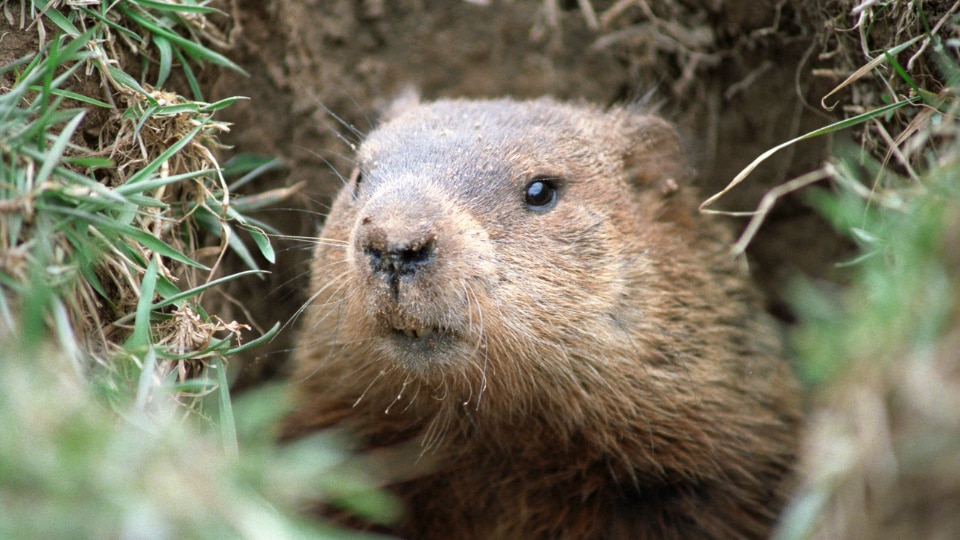
Groundhog Day is a time to watch a furry little weather forecaster pop out of its burrow and predict whether winter will stick around — or if spring will arrive early. But how much do you really know about this quirky tradition, celebrated every year on Feb. 2?
From Punxsutawney Phil’s famous shadow sightings to surprising facts about groundhogs and their burrows, this quiz is packed with fun and a few tricky twists. It takes true shadow-sleuth skills to uncover all the surprises of Groundhog Day.

The article "New Computer Model Helps Predict Volcano Eruptions More Accurately" from BBC's Science Focus details how scientists have created a model that improves eruption forecasts. By analyzing historical data from Italy’s Campi Flegrei, the model enhances predictions and helps in disaster preparedness.

The article "How science and technology help prevent and predict wildfires" from BBC's Science Focus explores how researchers are using cutting-edge technology to monitor and analyze controlled forest fires. Through computer models, drones, and laser scanning, scientists gather valuable data to improve wildfire predictions and create safer, more effective fire prevention strategies.

The article "The Origins and Meaning of Groundhog Day" from BBC's HistoryExtra explains the history and significance of Groundhog Day. It discusses how the tradition started, its roots in European festivals, and the role of Punxsutawney Phil in predicting the weather.
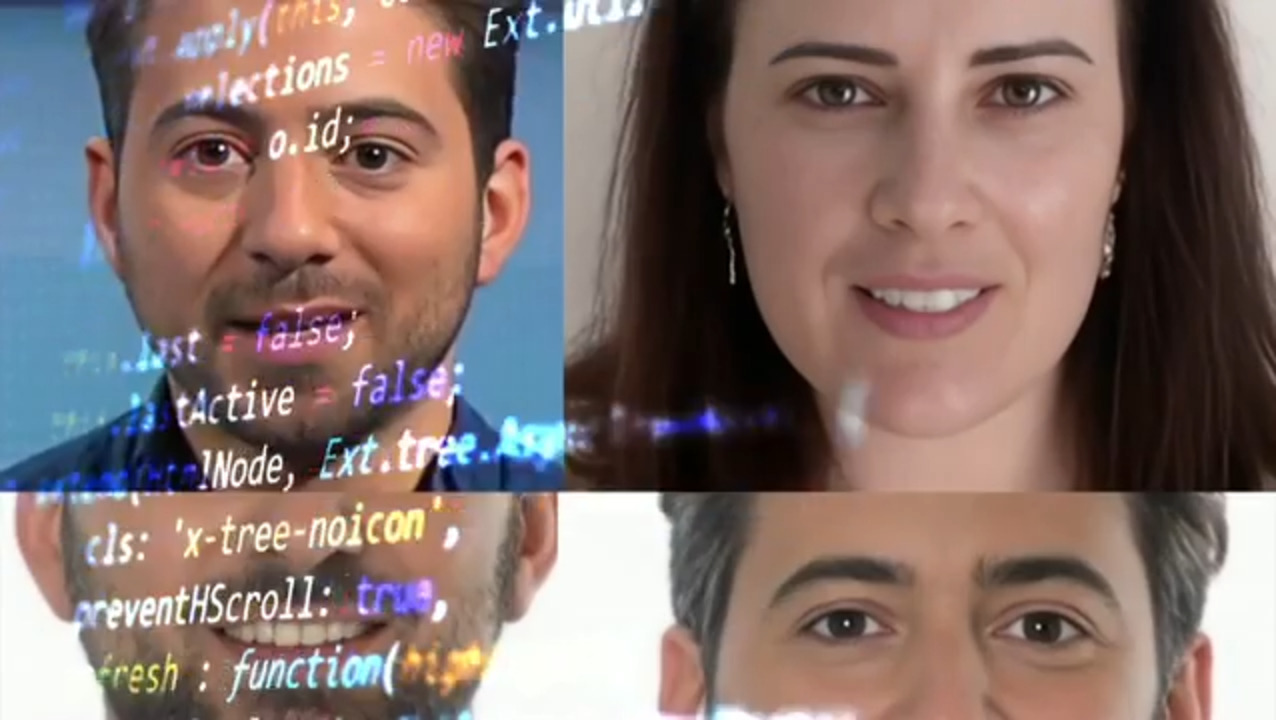
If you’re ever scrolling online and find that you can’t believe your eyes, you might just want to trust your instinct. Deepfakes are AI-generated or AI-manipulated content (such as pictures, videos, or audio clips) that is designed to look or sound real. Nowadays, making them is a lot easier than it used to be, thanks to access to free, public tools online.
To make a deepfake of someone speaking, the AI only needs a picture and about 10 seconds of audio recording. The AI identifies facial landmarks (such as the eyes, nose, and mouth), predicts how those features would move while speaking, then synchronizes those movements with the generated audio to create a pretty realistic-looking video.
The results aren’t perfect. There are often repetitive face movements and mispronunciations, but they’re still close enough to be dangerous and spread misinformation. But, deepfakes can be great if used correctly! For instance, if someone has lost their voice, deepfake technology can recreate it.
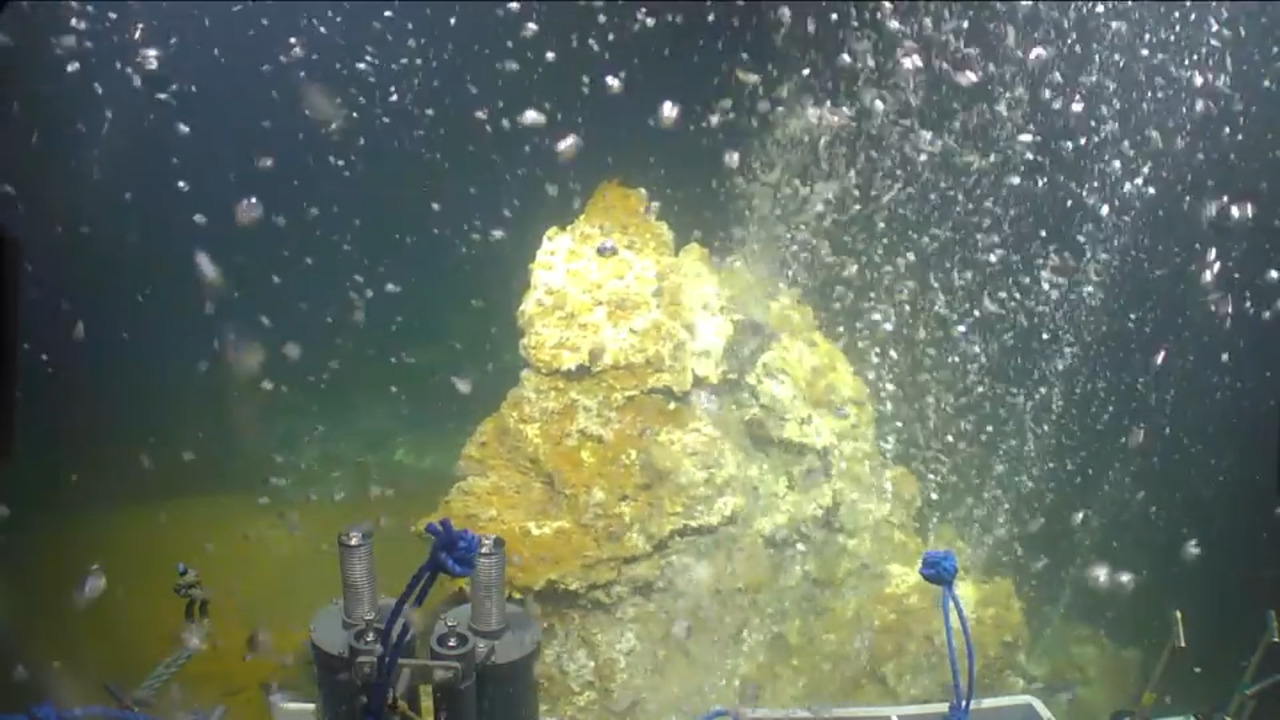
Underwater volcanoes are some of the least visible — but most important — geological features on Earth. Scientist Dr. Isobel Yeo studies these deep-sea volcanoes near the Greek island of Santorini using remotely-operated underwater robots. These robotic tools allow researchers to safely explore volcanic regions and locate hydrothermal vents, where hot gases and fluids escape from cracks in Earth’s crust.
Her team is focused on understanding how underwater eruptions behave differently from those on land. The surrounding water pressure, temperature, and ocean currents can all influence how magma and gases move during an eruption. By studying these systems, scientists can improve predictions of volcanic activity and better understand potential risks.
Although an eruption is not expected soon, this research is important for improving early warning systems and helping nearby coastal communities prepare for future volcanic events.
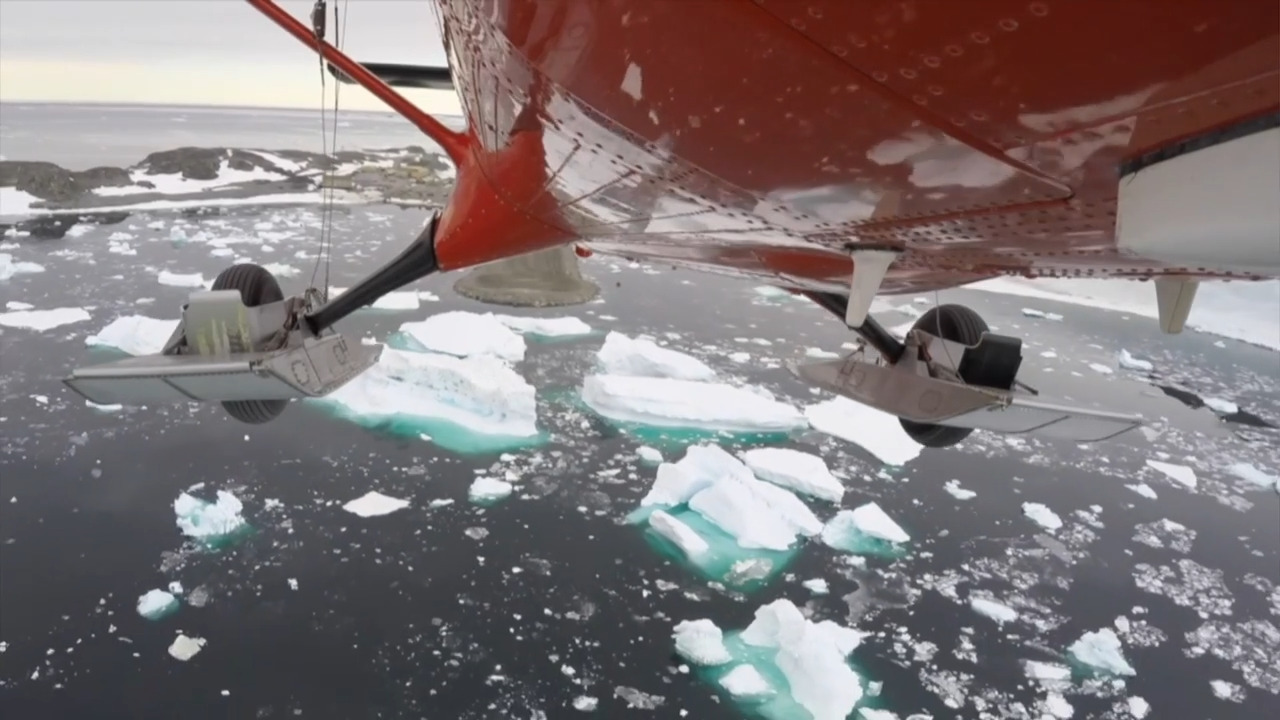
Research in Antarctica is important, but it’s not the most accessible place — have fun finding an Uber willing to take you (and your lab equipment) all the way there! Scientists no longer have to rely on foot travel, as they did decades ago, but taking to the air needs a bit of extra thought, because the technology has to work in Antarctica’s severe weather.
A promising solution is a new drone, tested in a part of North Wales known as “Snowdonia,” where the frigid temperatures put the drone through its cold weather paces. The drone has a few benefits — it doesn’t need a pilot on board (so it can go to remote places), it can travel up to 1000 km in one trip, and needs significantly less fuel than a normal plane. It does still need someone controlling it from the ground, but this can be from a computer, at base, perhaps with a mug of hot cocoa.
Researchers Rebecca and Tom will be conducting Antarctic research with this drone, with the goal of using radar on the drone to draw a picture of what’s under the ice sheets, to help predict how fast they could melt.
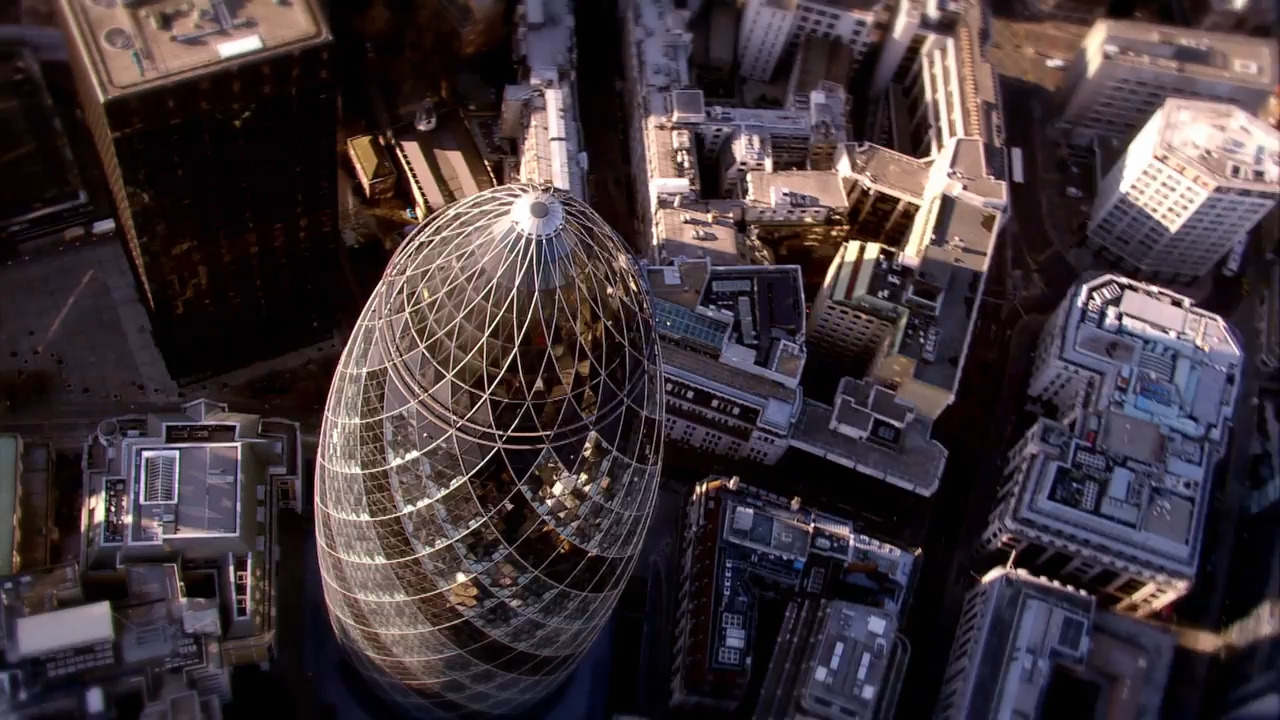
In How Data Transformed Trading, discover how data became a powerful tool for understanding human behavior — and making big money! Meet David Harding, a science graduate who shook up the chaotic world of trading by using math and data to predict price patterns. While others trusted their gut, Harding believed data and the right computer algorithms could crack the code of the stock market. Today, his company invests billions, proving that smart data (and a little science) can change the game! This video is excerpted from BBC’s Horizon: The Age of Big Data, which explores how data has shaped industries, economies, and human behavior.
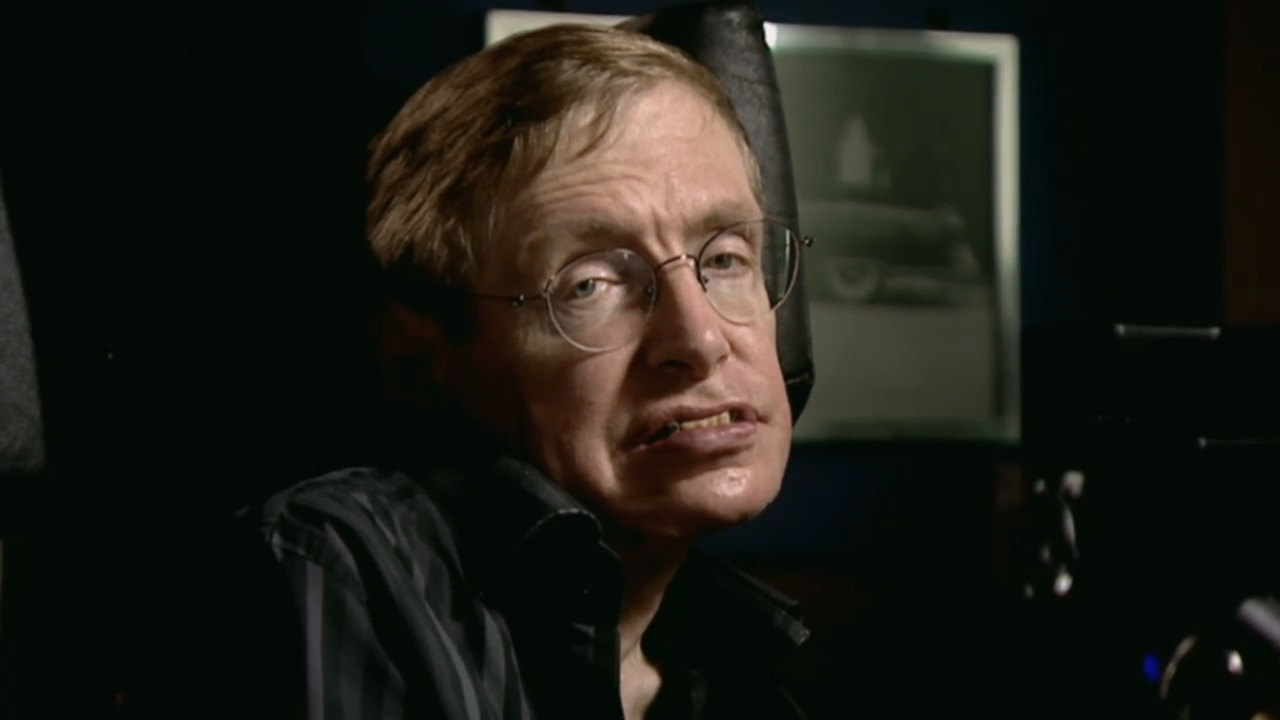
In Evaporating Black Holes, narrator Kate Yule explores Stephen Hawking’s discovery that black holes can evaporate. Learn how Jeff Steinhauer creates an artificial black hole in an attempt to prove the existence of Hawking Radiation. If Hawking Radiation exists, then all black holes could eventually disappear, which means scientists would not be able to reconstruct past events, or predict future ones. This video is excerpted from BBC’s Einstein & Hawking: Masters of Our Universe, a mind-bending documentary that tells the story of how the two most famous scientists of the 20th Century transformed our understanding of the Universe and changed the world.
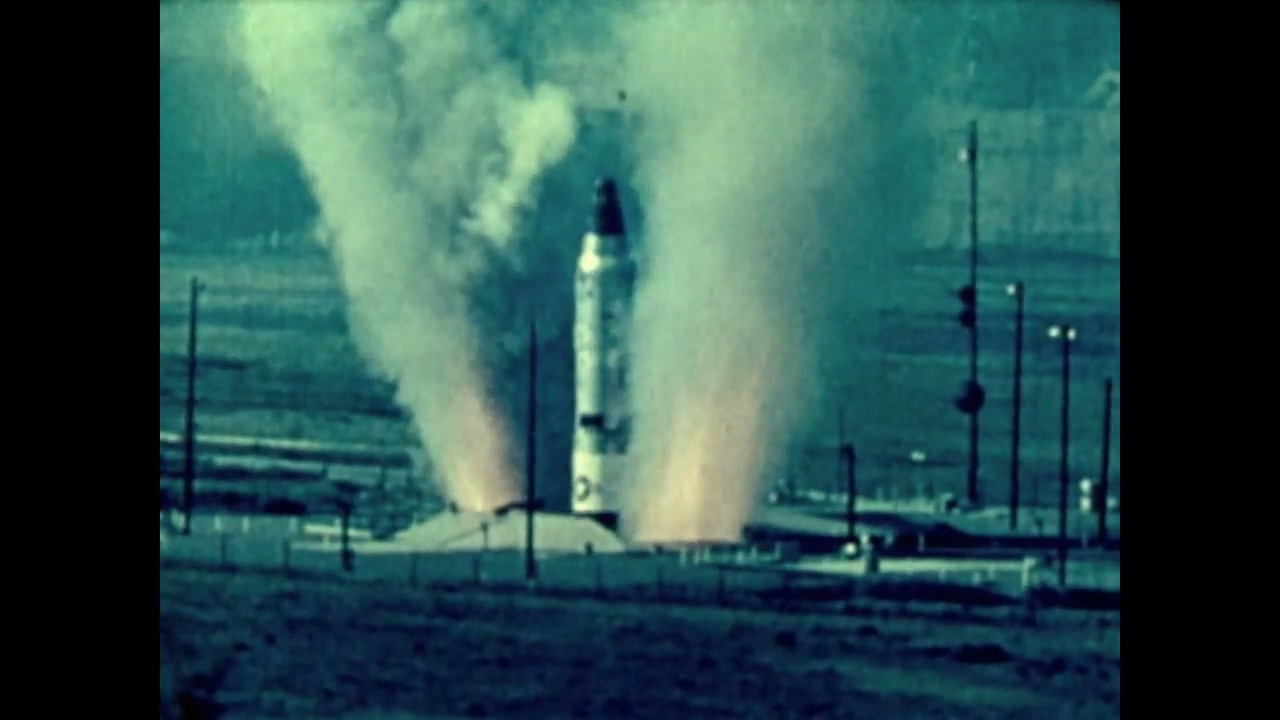
In Titan II and Mutually Assured Destruction, historian Lucy Worsley explores a bunker holding Titan II, an intercontinental ballistic missile. It was developed to defend or retaliate against Russian missiles. The U.S. had over 50 of these missiles. It was predicted that Russia had many more than this. A year later it was discovered that the Russians had only four. This video is excerpted from BBC's American History's Biggest Fibs with Lucy Worsley, in which Worsley reveals the myths and manipulations behind American history.
Think You Know Groundhog Day? Prove It!
Groundhog Day is a time to watch a furry little weather forecaster pop out of its burrow and predict whether winter will stick around — or if spring will arrive early. But how much do you really know about this quirky tradition, celebrated every year on Feb. 2?
From Punxsutawney Phil’s famous shadow sightings to surprising facts about groundhogs and their burrows, this quiz is packed with fun and a few tricky twists. It takes true shadow-sleuth skills to uncover all the surprises of Groundhog Day.
The article "New Computer Model Helps Predict Volcano Eruptions More Accurately" from BBC's Science Focus details how scientists have created a model that improves eruption forecasts. By analyzing historical data from Italy’s Campi Flegrei, the model enhances predictions and helps in disaster preparedness.
The article "How science and technology help prevent and predict wildfires" from BBC's Science Focus explores how researchers are using cutting-edge technology to monitor and analyze controlled forest fires. Through computer models, drones, and laser scanning, scientists gather valuable data to improve wildfire predictions and create safer, more effective fire prevention strategies.
The article "The Origins and Meaning of Groundhog Day" from BBC's HistoryExtra explains the history and significance of Groundhog Day. It discusses how the tradition started, its roots in European festivals, and the role of Punxsutawney Phil in predicting the weather.
If you’re ever scrolling online and find that you can’t believe your eyes, you might just want to trust your instinct. Deepfakes are AI-generated or AI-manipulated content (such as pictures, videos, or audio clips) that is designed to look or sound real. Nowadays, making them is a lot easier than it used to be, thanks to access to free, public tools online.
To make a deepfake of someone speaking, the AI only needs a picture and about 10 seconds of audio recording. The AI identifies facial landmarks (such as the eyes, nose, and mouth), predicts how those features would move while speaking, then synchronizes those movements with the generated audio to create a pretty realistic-looking video.
The results aren’t perfect. There are often repetitive face movements and mispronunciations, but they’re still close enough to be dangerous and spread misinformation. But, deepfakes can be great if used correctly! For instance, if someone has lost their voice, deepfake technology can recreate it.
Underwater volcanoes are some of the least visible — but most important — geological features on Earth. Scientist Dr. Isobel Yeo studies these deep-sea volcanoes near the Greek island of Santorini using remotely-operated underwater robots. These robotic tools allow researchers to safely explore volcanic regions and locate hydrothermal vents, where hot gases and fluids escape from cracks in Earth’s crust.
Her team is focused on understanding how underwater eruptions behave differently from those on land. The surrounding water pressure, temperature, and ocean currents can all influence how magma and gases move during an eruption. By studying these systems, scientists can improve predictions of volcanic activity and better understand potential risks.
Although an eruption is not expected soon, this research is important for improving early warning systems and helping nearby coastal communities prepare for future volcanic events.
Research in Antarctica is important, but it’s not the most accessible place — have fun finding an Uber willing to take you (and your lab equipment) all the way there! Scientists no longer have to rely on foot travel, as they did decades ago, but taking to the air needs a bit of extra thought, because the technology has to work in Antarctica’s severe weather.
A promising solution is a new drone, tested in a part of North Wales known as “Snowdonia,” where the frigid temperatures put the drone through its cold weather paces. The drone has a few benefits — it doesn’t need a pilot on board (so it can go to remote places), it can travel up to 1000 km in one trip, and needs significantly less fuel than a normal plane. It does still need someone controlling it from the ground, but this can be from a computer, at base, perhaps with a mug of hot cocoa.
Researchers Rebecca and Tom will be conducting Antarctic research with this drone, with the goal of using radar on the drone to draw a picture of what’s under the ice sheets, to help predict how fast they could melt.
In How Data Transformed Trading, discover how data became a powerful tool for understanding human behavior — and making big money! Meet David Harding, a science graduate who shook up the chaotic world of trading by using math and data to predict price patterns. While others trusted their gut, Harding believed data and the right computer algorithms could crack the code of the stock market. Today, his company invests billions, proving that smart data (and a little science) can change the game! This video is excerpted from BBC’s Horizon: The Age of Big Data, which explores how data has shaped industries, economies, and human behavior.
In Evaporating Black Holes, narrator Kate Yule explores Stephen Hawking’s discovery that black holes can evaporate. Learn how Jeff Steinhauer creates an artificial black hole in an attempt to prove the existence of Hawking Radiation. If Hawking Radiation exists, then all black holes could eventually disappear, which means scientists would not be able to reconstruct past events, or predict future ones. This video is excerpted from BBC’s Einstein & Hawking: Masters of Our Universe, a mind-bending documentary that tells the story of how the two most famous scientists of the 20th Century transformed our understanding of the Universe and changed the world.
In Titan II and Mutually Assured Destruction, historian Lucy Worsley explores a bunker holding Titan II, an intercontinental ballistic missile. It was developed to defend or retaliate against Russian missiles. The U.S. had over 50 of these missiles. It was predicted that Russia had many more than this. A year later it was discovered that the Russians had only four. This video is excerpted from BBC's American History's Biggest Fibs with Lucy Worsley, in which Worsley reveals the myths and manipulations behind American history.