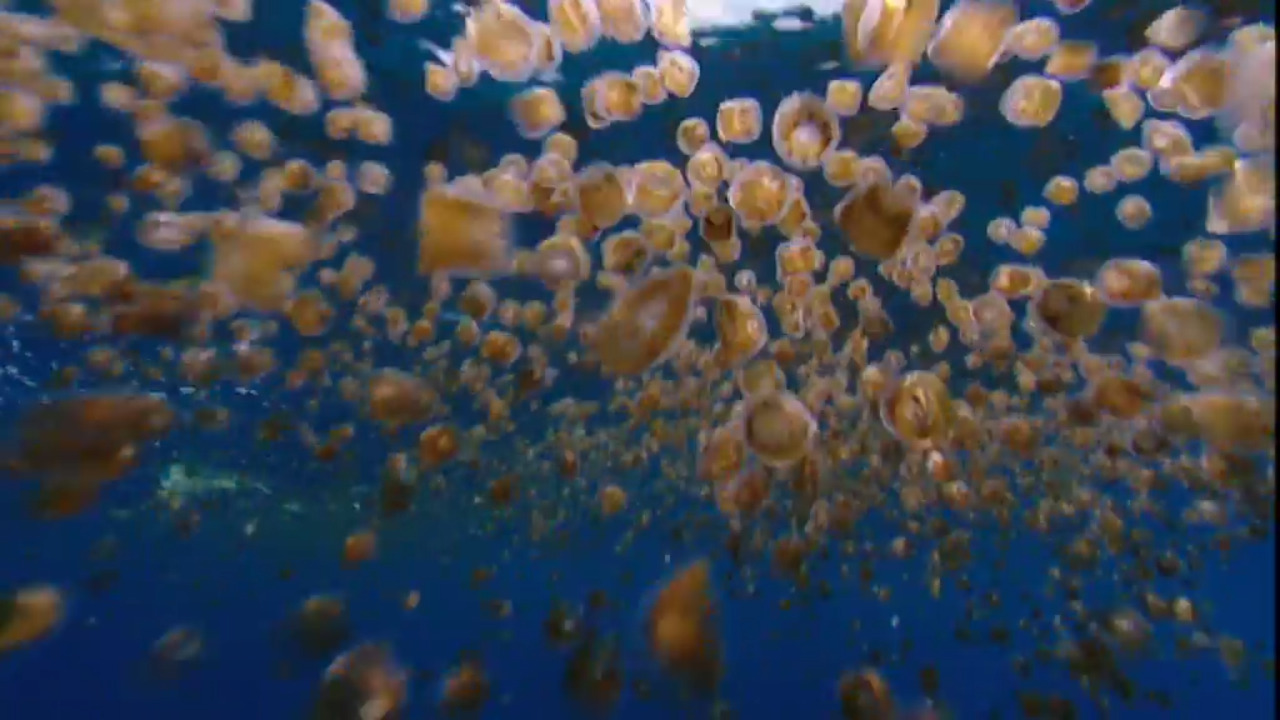
In The Moon’s Influence on Life at the Equator, narrator Sir David Attenborough explains how the Moon’s pull at the equator influences the tides and the animals that live there. Watch how bottlenose dolphins use sonar to catch razorfish. Learn how thimble jellyfish use photosynthesis. This video is excerpted from BBC’s Blue Planet, a definitive documentary series diving into the mysterious depths of the sea to discover the natural history of the world’s oceans and the rarely seen marine life that reside there.
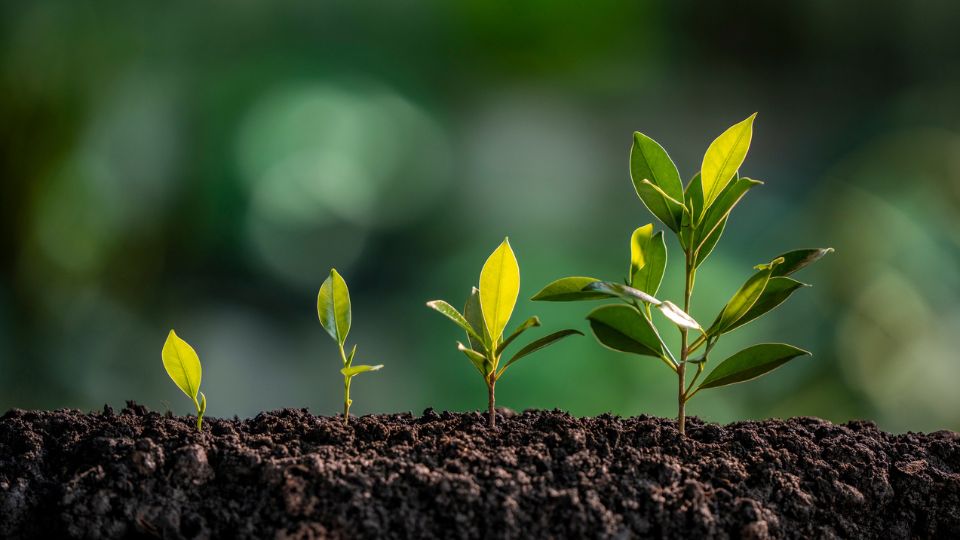
From towering trees to tiny mosses, plants are some of the most important living things on Earth. They make the oxygen we breathe, provide food for people and animals, and create the green spaces that make our planet beautiful. Whether they’re growing in forests, deserts, or even cracks in the sidewalk, plants are quietly hard at work every day.
From photosynthesis to the difference between seeds and spores, this is the perfect quiz to help students ages 8–14 "grow" their plant knowledge!
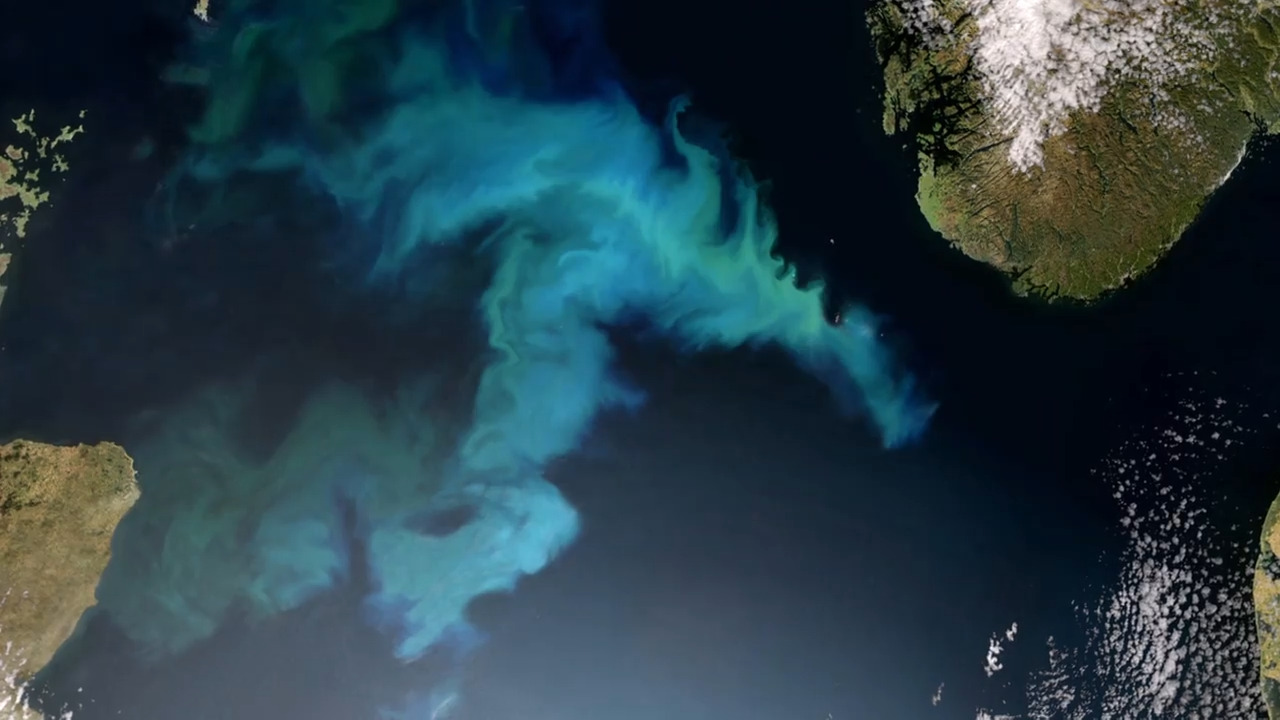
In Phytoplankton, the Life-Giving Force Beneath the Waves, geologist Iain Stewart explains how oceans are vital to life on Earth, especially because of tiny phytoplankton which produce 50% of the oxygen we breathe! These microscopic organisms feed sea creatures and help turn sunlight and carbon dioxide into energy. Oceans also have a vast network of currents that connect all the seas, proven when 29,000 rubber ducks drifted across the world, showing how these currents link every ocean. This video is excerpted from BBC’s Earth: The Power of the Planet, a documentary series in which Dr. Iain Stewart discovers how Earth's forces can shape nature, species, and even the climate.
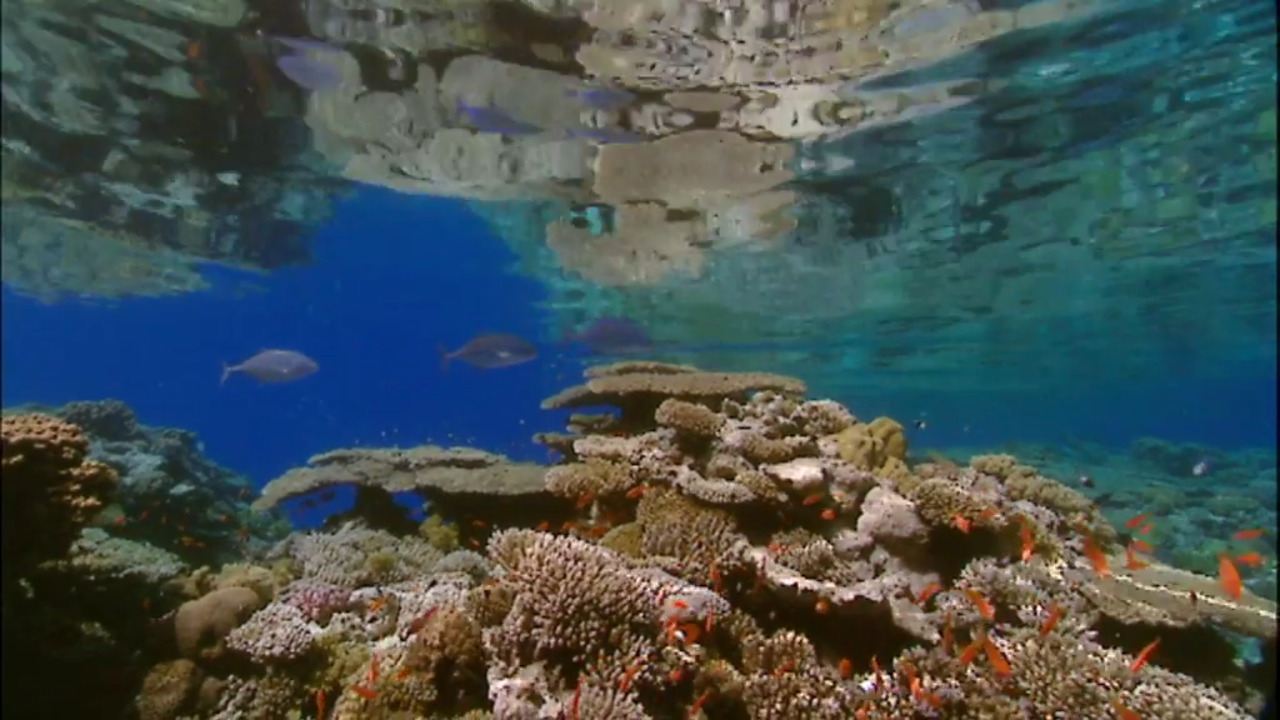
In Coral and Algae's Special Relationship, narrator Sir David Attenborough looks at how coral reefs use algae and how corals control the amount of light that reaches the algae. This video is excerpted from BBC’s Blue Planet, a definitive documentary series diving into the mysterious depths of the sea to discover the natural history of the world’s oceans and the rarely seen marine life that reside there.

In Gray Whales and Their Long Migration, narrator Sir David Attenborough describes the gray whale’s long migration from Mexico to Alaska where they feed on krill. Whale cows must wait until their young are strong enough to make the journey. This video is excerpted from BBC’s Blue Planet, a definitive documentary series diving into the mysterious depths of the sea to discover the natural history of the world’s oceans and the rarely seen marine life that reside there.

In Watching the Wind, Ranger Hamza and the Ramblers experience the wind. Join them as they observe a sailboat and use bubbles to model how the wind disperses seeds. This video is excerpted from BBC's Ranger Hamza’s Eco Quest, a nature exploration show in which Ranger Hamza and the Ramblers go on quests to discover nature’s wonders and the important role they play in our environment.
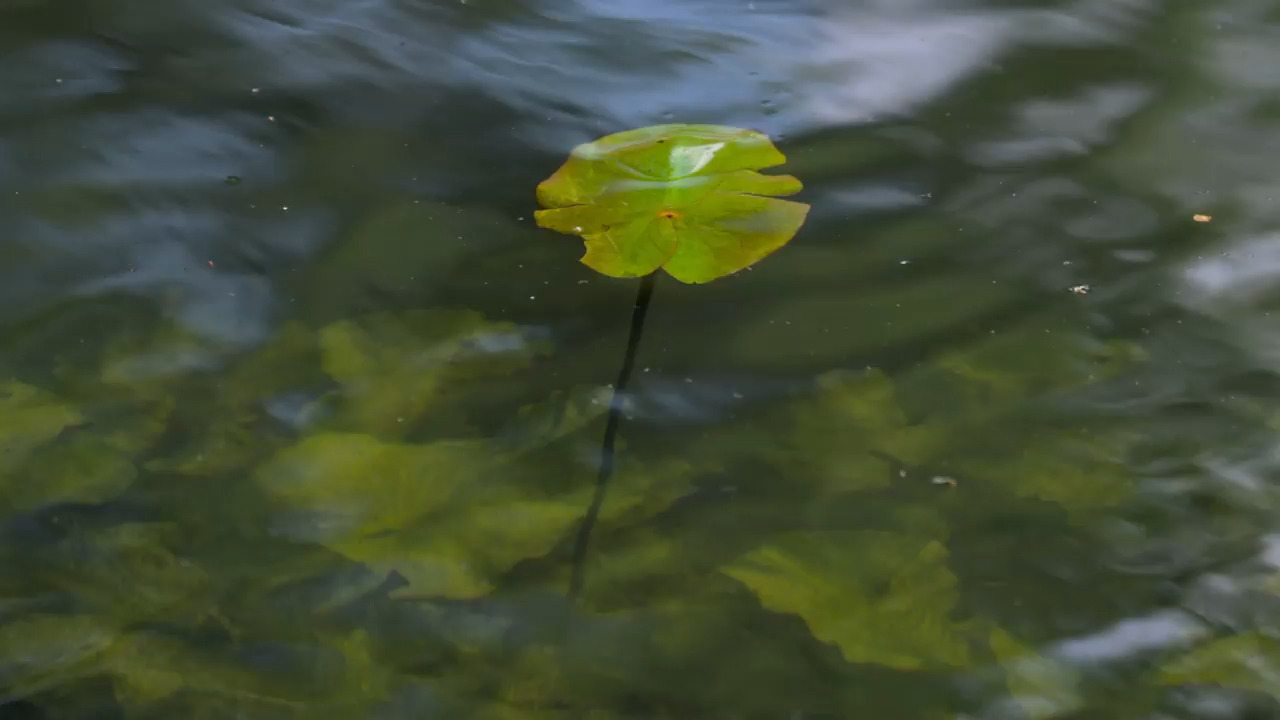
In Water Lilies, Nature’s Solar Panels, Ranger Hamza and the Ramblers come upon a tree and a garden of water lilies. Join them and learn how the roots and leaves of a tree and water lily are similar, and how water lilies are like nature’s solar panels, capturing sunlight and using it for energy. This video is excerpted from BBC's Ranger Hamza’s Eco Quest, a nature exploration show in which Ranger Hamza and the Ramblers go on quests to discover nature’s wonders and the important role they play in our environment.

Dive into the captivating world of whales with this BBC Learning Hub playlist, featuring 12 stunning clips from landmark BBC series. Explore the lives of blue whales, orcas, and grey whales as they glide through oceans, communicate, hunt, and nurture their young. Perfect for sparking curiosity, these breathtaking videos bring the majestic giants of the sea into your classroom or home.
In The Moon’s Influence on Life at the Equator, narrator Sir David Attenborough explains how the Moon’s pull at the equator influences the tides and the animals that live there. Watch how bottlenose dolphins use sonar to catch razorfish. Learn how thimble jellyfish use photosynthesis. This video is excerpted from BBC’s Blue Planet, a definitive documentary series diving into the mysterious depths of the sea to discover the natural history of the world’s oceans and the rarely seen marine life that reside there.
From towering trees to tiny mosses, plants are some of the most important living things on Earth. They make the oxygen we breathe, provide food for people and animals, and create the green spaces that make our planet beautiful. Whether they’re growing in forests, deserts, or even cracks in the sidewalk, plants are quietly hard at work every day.
From photosynthesis to the difference between seeds and spores, this is the perfect quiz to help students ages 8–14 "grow" their plant knowledge!
In Phytoplankton, the Life-Giving Force Beneath the Waves, geologist Iain Stewart explains how oceans are vital to life on Earth, especially because of tiny phytoplankton which produce 50% of the oxygen we breathe! These microscopic organisms feed sea creatures and help turn sunlight and carbon dioxide into energy. Oceans also have a vast network of currents that connect all the seas, proven when 29,000 rubber ducks drifted across the world, showing how these currents link every ocean. This video is excerpted from BBC’s Earth: The Power of the Planet, a documentary series in which Dr. Iain Stewart discovers how Earth's forces can shape nature, species, and even the climate.
In Coral and Algae's Special Relationship, narrator Sir David Attenborough looks at how coral reefs use algae and how corals control the amount of light that reaches the algae. This video is excerpted from BBC’s Blue Planet, a definitive documentary series diving into the mysterious depths of the sea to discover the natural history of the world’s oceans and the rarely seen marine life that reside there.
In Gray Whales and Their Long Migration, narrator Sir David Attenborough describes the gray whale’s long migration from Mexico to Alaska where they feed on krill. Whale cows must wait until their young are strong enough to make the journey. This video is excerpted from BBC’s Blue Planet, a definitive documentary series diving into the mysterious depths of the sea to discover the natural history of the world’s oceans and the rarely seen marine life that reside there.
In Watching the Wind, Ranger Hamza and the Ramblers experience the wind. Join them as they observe a sailboat and use bubbles to model how the wind disperses seeds. This video is excerpted from BBC's Ranger Hamza’s Eco Quest, a nature exploration show in which Ranger Hamza and the Ramblers go on quests to discover nature’s wonders and the important role they play in our environment.
In Water Lilies, Nature’s Solar Panels, Ranger Hamza and the Ramblers come upon a tree and a garden of water lilies. Join them and learn how the roots and leaves of a tree and water lily are similar, and how water lilies are like nature’s solar panels, capturing sunlight and using it for energy. This video is excerpted from BBC's Ranger Hamza’s Eco Quest, a nature exploration show in which Ranger Hamza and the Ramblers go on quests to discover nature’s wonders and the important role they play in our environment.
Dive into the captivating world of whales with this BBC Learning Hub playlist, featuring 12 stunning clips from landmark BBC series. Explore the lives of blue whales, orcas, and grey whales as they glide through oceans, communicate, hunt, and nurture their young. Perfect for sparking curiosity, these breathtaking videos bring the majestic giants of the sea into your classroom or home.