Your parents or grandparents probably talk about growing up outside — riding bikes, climbing trees, scraping up knees. Turns out, they were onto something.
The Wildlife Trusts, a UK conservation group, just wrapped up "30 Days Wild," the UK's biggest nature challenge. Millions of people, including tens of thousands of schools, took part by doing one "wild" activity a day — noticing, appreciating, or exploring nature. The Lancashire Wildlife Trust runs a similar effort called The Greenhouse Project, where people learn to grow food and care for nature together.
The idea: the more connected people feel to nature, the more likely they are to protect it. But a recent poll found that while almost all adults have fond memories of playing outside as kids, nearly half now spend just three hours outside per week — less than 30 minutes a day.
Don’t you hate it when you’re late for work, but you just can’t find your bone and lunch bag of kibble? That may be the case for a group of dogs in Gulu, Northern Uganda, who work as therapy dogs, helping people with tough upbringings navigate their trauma and adjust to a happy life. To support a population that grew up in a war (and the unsafe conditions that came with it), a charity has paired them with dogs.
What’s better? The dogs benefit, too! We’re not talking about an end-of-the-week paycheck or big office parties, but something better: overdue love and affection. All the dogs are former street dogs, so they weren’t properly cared for, and these have helped more than 120 people and dogs find healing bonds with each other.
Feeling stressed? Try reading this out loud!
Researchers have found that reading together can help strengthen bonds and reduce stress. In a recent study, families were asked to read together while wearing a brain monitoring cap that tracks activity over time. The results suggested that moments of shared reading can sync brain patterns between two people, which then suggest that the experience of reading books together helps parents and children connect.
Furthermore, the importance of stories themselves can’t be ignored. Stories are how people explain the world and their lives to one another — the decisions you make and the person you become are partially influenced by the stories you’ve read or heard. The research is very new, but studies of this sort can help us understand why reading together builds empathy, focus, emotional well-being, and might support children’s development and encourage a lifelong love of reading. And not just because a good story might distract two siblings for long enough to stop flicking each other’s ears!
A total lunar eclipse happens when the Earth moves directly between the Sun and the Moon, blocking sunlight from reaching the Moon’s surface. During the eclipse, the Moon can appear dark red or copper-colored as sunlight bends through Earth’s atmosphere.
Even though the Moon travels around Earth about every 28 days, total lunar eclipses are rare. That’s because the Moon’s orbit is tilted slightly, so most months, the Moon passes a little above or below Earth’s shadow instead of through it. Only every six months or so are the Sun, Earth, and Moon lined up closely enough for a possible lunar eclipse.
Last September, millions of people around the world watched the rare event during organized watch parties and backyard gatherings. Astronomers encouraged people to bring blankets, snacks, and telescopes to enjoy the nighttime spectacle together. While cloudy skies blocked views in some places, observers across parts of Africa, Asia, the Middle East, and Australia were able to see the eclipse from beginning to end under clear skies.
In Alice Paul and the Fight for Women’s Suffrage, activist Alice Paul leads marches and protests to secure women’s right to vote in the United States. Drawing inspiration from the militant suffrage movement in the UK, she organizes the National Woman’s Party, pickets the White House, and helps secure the passage of the 19th Amendment after decades of struggle.
In Chunwan: The World’s Biggest Stage, performers have prepared for a year to participate in the largest televised event in China. The Chunwan, or Chinese Spring Festival Gala, is a collection of amazing acts. It is televised to the entire country and is watched by billions of people. This video is excerpted from BBC’s Chinese New Year: The Biggest Celebration on Earth, a documentary series detailing the world's largest annual human migration (Chunyun), where over 1.5 billion people celebrate the Lunar New Year.
In Andrew Jackson and the Age of the Common Man, learn how Andrew Jackson became a national hero and the seventh president of the United States. His military victories, including the Battle of New Orleans, earned him the nickname “Old Hickory.” Jackson’s presidency marked a turning point in American politics, increasing voter participation and promoting reforms that empowered ordinary citizens, though his policies did not extend to Native Americans, resulting in the Indian Removal Act and the Trail of Tears.
In William Henry Harrison and a Presidency Cut Short, learn how a military leader from the War of 1812 rose to national fame and became the ninth president of the United States. His campaign presented him as a common man, and his sudden death just months into office made him the shortest-serving president in U.S. history.
Happy holidays! With so many celebrations all over the globe during this season, it's the perfect time to teach your Grade 3–5 students about winter holidays around the world. Make copies of this mini-book (simply print on both sides flipped on the short edge, stack, and fold to assemble) for your students and invite them to read about each holiday and complete a simple report page full of questions, coloring, drawing, favorite facts, and more. Here are the eight winter holidays covered:
-
Diwali: A Hindu Festival of Lights celebrating the victory of light over darkness, with lamps, fireworks, and family gatherings.
-
St. Lucia Day: A Scandinavian holiday honoring St. Lucia, featuring processions with candles and special buns to bring light during the dark winter.
-
Las Posadas: A Mexican tradition reenacting Mary and Joseph’s search for shelter, celebrated with processions, songs, and parties.
-
Hanukkah: A Jewish holiday celebrating the miracle of the Temple’s menorah oil lasting eight days, marked with candles, dreidel games, and fried foods.
-
Winter Solstice: The shortest day and longest night of the year, celebrated by many cultures as the return of the sun with feasts and light-themed traditions.
-
Christmas: A Christian holiday celebrating the birth of Jesus, often marked with gift-giving, decorations, and family gatherings.
-
Kwanzaa: A weeklong African American celebration honoring African heritage and the Seven Principles through candles, reflection, and community activities.
-
Lunar New Year: An Asian cultural holiday welcoming the new year on the lunar calendar, celebrated with family reunions, special foods, and traditions for good luck.
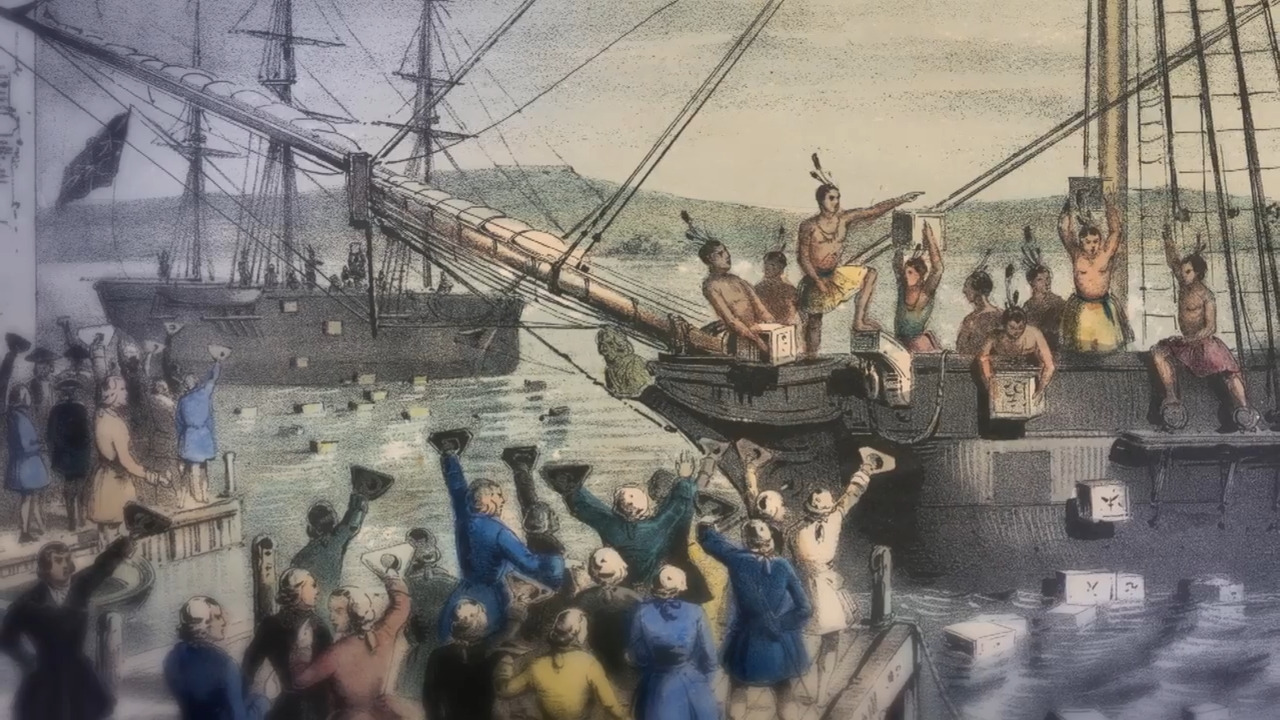
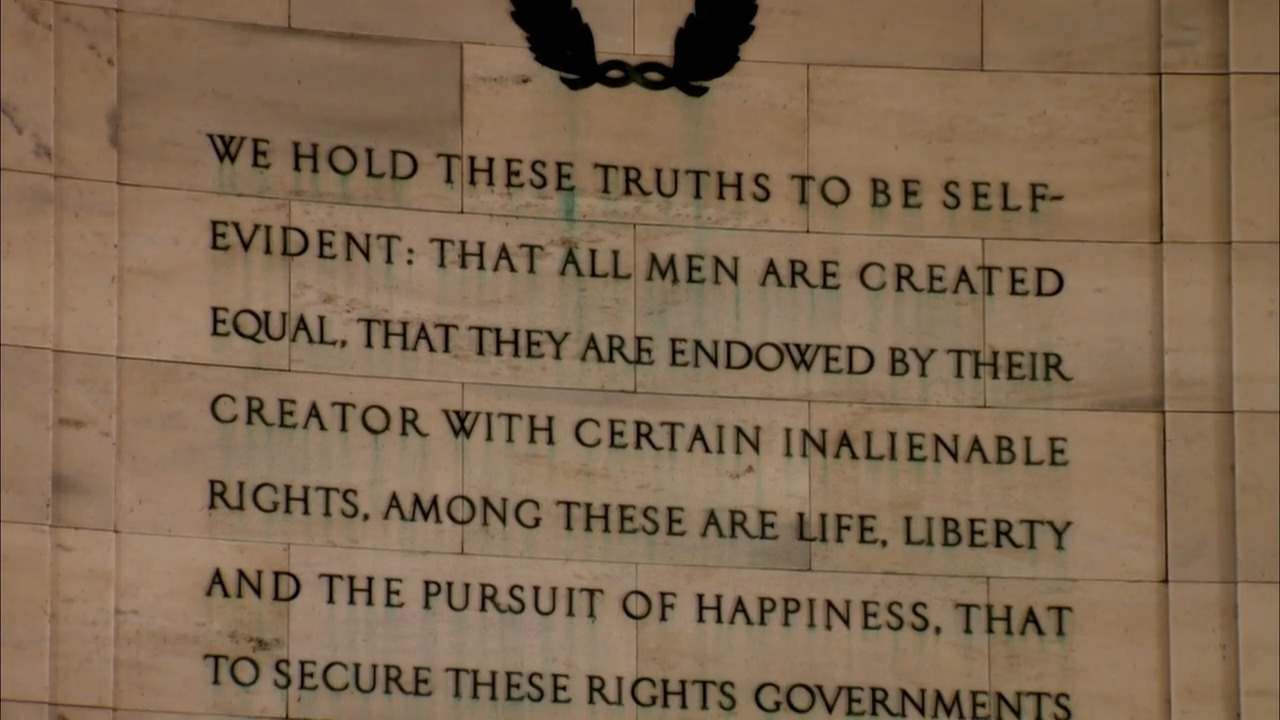
Meet the Leaders Who Shaped a Nation.
They were visionaries and leaders, but they were also imperfect people shaped by their times. From bold founders and wartime decision-makers to reformers and risk-takers, these U.S. presidents guided the nation through moments of hope, conflict, and change.
In this video playlist, explore BBC clips featuring George Washington, Thomas Jefferson, Abraham Lincoln, Theodore Roosevelt, and others, examining both their achievements and their shortcomings. A thoughtful playlist that encourages students to see history with nuance, question leadership, and understand that progress is often driven by complicated people making difficult choices.
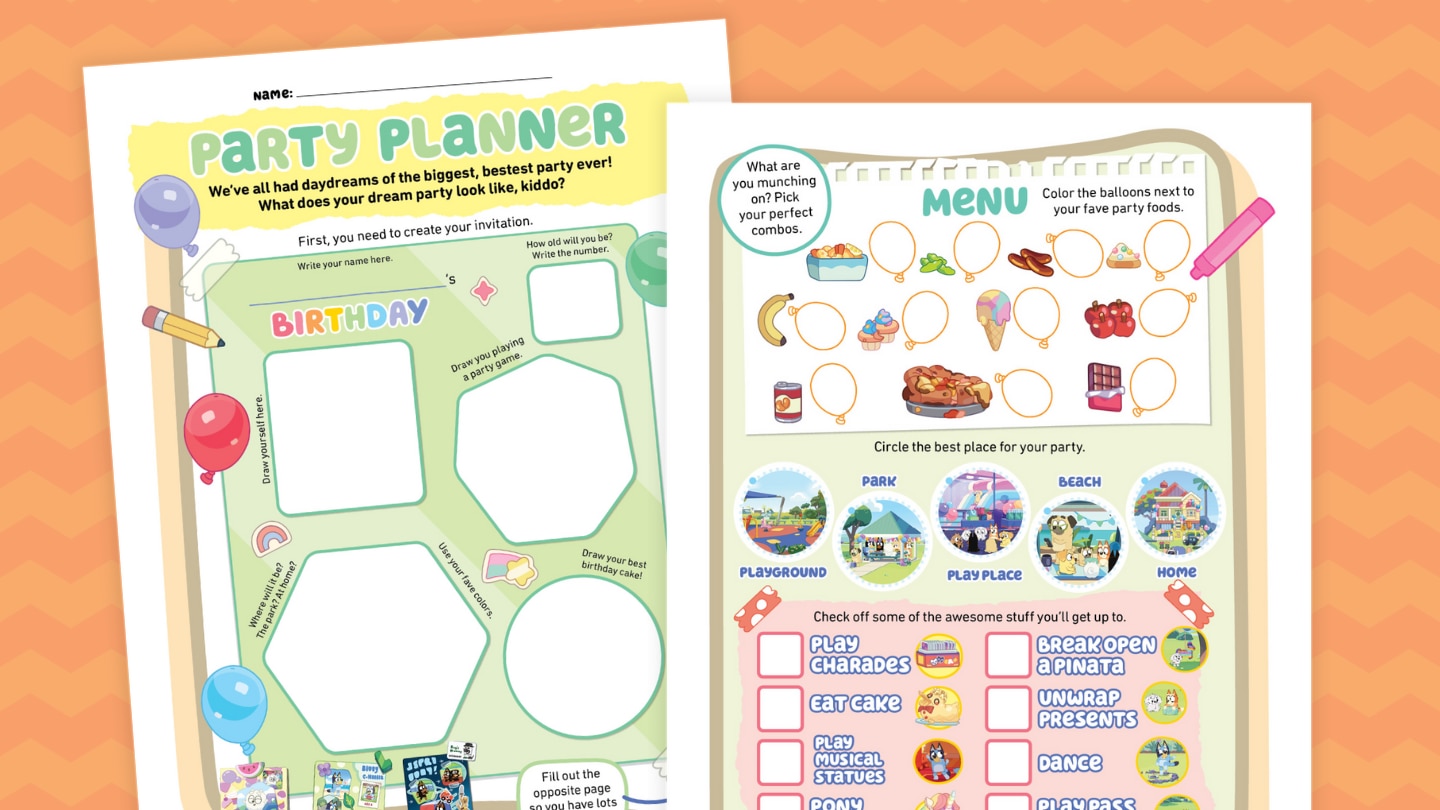
Whether you play Lucky's dad's way or not, you have to be a good sport! Watch the Bluey episode "Pass the Parcel" before you teach this lesson about how to handle it when things don’t go as expected. The lesson includes printables for three activities in which kids look for examples of good sportsmanship in the episode, draw themselves playing their favorite game or sport, and take turns sharing a special skill or talent while being encouraged by friends.
Pass the Parcel Episode Summary: Lucky’s Dad is outraged that modern Pass the Parcel has a present in every layer and changes the rules back to only having one prize in the middle, but Bingo is forever losing.
Watch the episode here! (Click here to watch in Australia.)
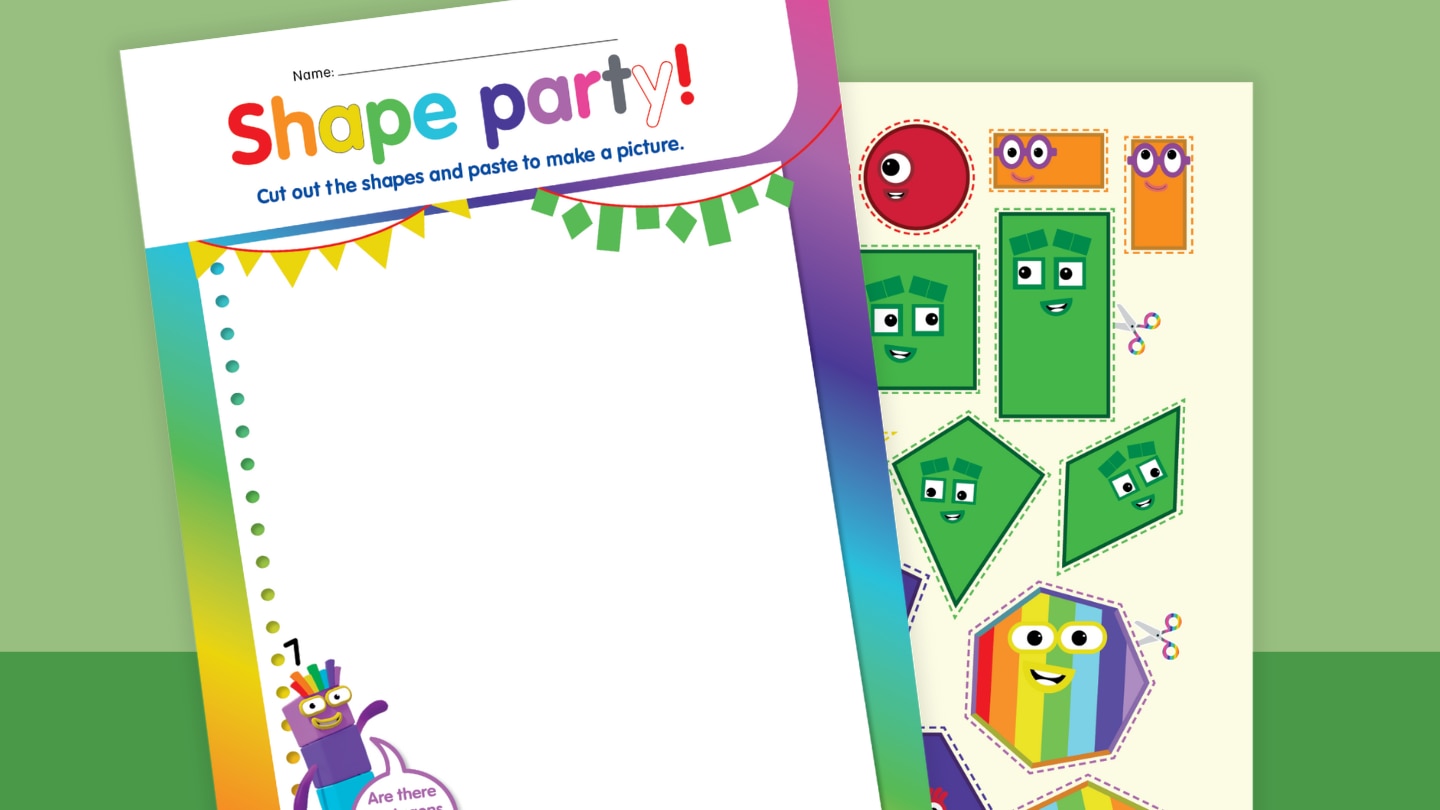
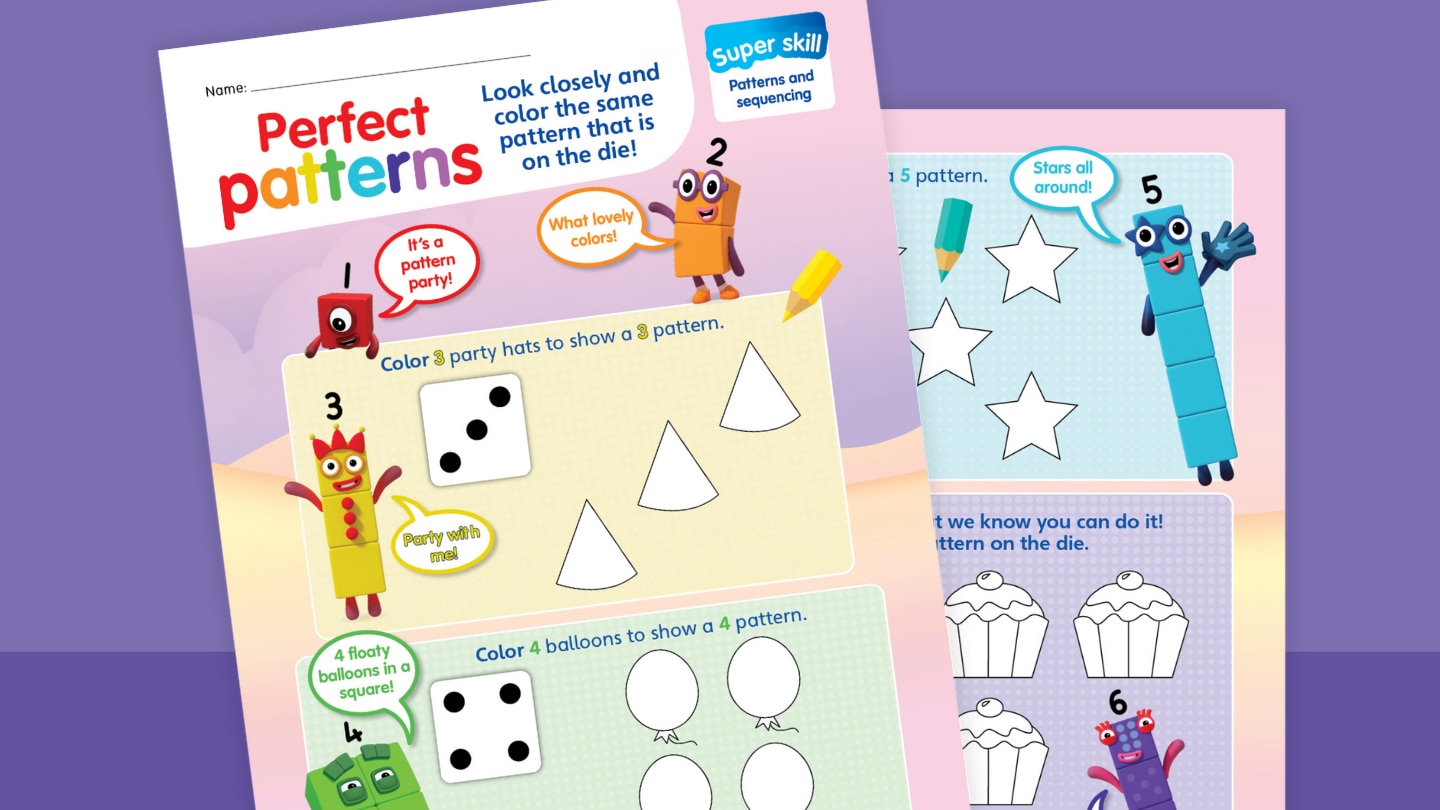
Cut out the shapes and paste to make a picture. Choose from red circles, orange rectangles, yellow triangles, green quadrilaterals, blue pentagons, purple hexagons, and rainbow heptagons (that's a seven-sided figure!). Are there heptagons at your party?
Watch full episodes of Numberblocks on their official YouTube channel!
Your parents or grandparents probably talk about growing up outside — riding bikes, climbing trees, scraping up knees. Turns out, they were onto something.
The Wildlife Trusts, a UK conservation group, just wrapped up "30 Days Wild," the UK's biggest nature challenge. Millions of people, including tens of thousands of schools, took part by doing one "wild" activity a day — noticing, appreciating, or exploring nature. The Lancashire Wildlife Trust runs a similar effort called The Greenhouse Project, where people learn to grow food and care for nature together.
The idea: the more connected people feel to nature, the more likely they are to protect it. But a recent poll found that while almost all adults have fond memories of playing outside as kids, nearly half now spend just three hours outside per week — less than 30 minutes a day.
Don’t you hate it when you’re late for work, but you just can’t find your bone and lunch bag of kibble? That may be the case for a group of dogs in Gulu, Northern Uganda, who work as therapy dogs, helping people with tough upbringings navigate their trauma and adjust to a happy life. To support a population that grew up in a war (and the unsafe conditions that came with it), a charity has paired them with dogs.
What’s better? The dogs benefit, too! We’re not talking about an end-of-the-week paycheck or big office parties, but something better: overdue love and affection. All the dogs are former street dogs, so they weren’t properly cared for, and these have helped more than 120 people and dogs find healing bonds with each other.
Feeling stressed? Try reading this out loud!
Researchers have found that reading together can help strengthen bonds and reduce stress. In a recent study, families were asked to read together while wearing a brain monitoring cap that tracks activity over time. The results suggested that moments of shared reading can sync brain patterns between two people, which then suggest that the experience of reading books together helps parents and children connect.
Furthermore, the importance of stories themselves can’t be ignored. Stories are how people explain the world and their lives to one another — the decisions you make and the person you become are partially influenced by the stories you’ve read or heard. The research is very new, but studies of this sort can help us understand why reading together builds empathy, focus, emotional well-being, and might support children’s development and encourage a lifelong love of reading. And not just because a good story might distract two siblings for long enough to stop flicking each other’s ears!
A total lunar eclipse happens when the Earth moves directly between the Sun and the Moon, blocking sunlight from reaching the Moon’s surface. During the eclipse, the Moon can appear dark red or copper-colored as sunlight bends through Earth’s atmosphere.
Even though the Moon travels around Earth about every 28 days, total lunar eclipses are rare. That’s because the Moon’s orbit is tilted slightly, so most months, the Moon passes a little above or below Earth’s shadow instead of through it. Only every six months or so are the Sun, Earth, and Moon lined up closely enough for a possible lunar eclipse.
Last September, millions of people around the world watched the rare event during organized watch parties and backyard gatherings. Astronomers encouraged people to bring blankets, snacks, and telescopes to enjoy the nighttime spectacle together. While cloudy skies blocked views in some places, observers across parts of Africa, Asia, the Middle East, and Australia were able to see the eclipse from beginning to end under clear skies.
In Alice Paul and the Fight for Women’s Suffrage, activist Alice Paul leads marches and protests to secure women’s right to vote in the United States. Drawing inspiration from the militant suffrage movement in the UK, she organizes the National Woman’s Party, pickets the White House, and helps secure the passage of the 19th Amendment after decades of struggle.
In Chunwan: The World’s Biggest Stage, performers have prepared for a year to participate in the largest televised event in China. The Chunwan, or Chinese Spring Festival Gala, is a collection of amazing acts. It is televised to the entire country and is watched by billions of people. This video is excerpted from BBC’s Chinese New Year: The Biggest Celebration on Earth, a documentary series detailing the world's largest annual human migration (Chunyun), where over 1.5 billion people celebrate the Lunar New Year.
In Andrew Jackson and the Age of the Common Man, learn how Andrew Jackson became a national hero and the seventh president of the United States. His military victories, including the Battle of New Orleans, earned him the nickname “Old Hickory.” Jackson’s presidency marked a turning point in American politics, increasing voter participation and promoting reforms that empowered ordinary citizens, though his policies did not extend to Native Americans, resulting in the Indian Removal Act and the Trail of Tears.
In William Henry Harrison and a Presidency Cut Short, learn how a military leader from the War of 1812 rose to national fame and became the ninth president of the United States. His campaign presented him as a common man, and his sudden death just months into office made him the shortest-serving president in U.S. history.
Happy holidays! With so many celebrations all over the globe during this season, it's the perfect time to teach your Grade 3–5 students about winter holidays around the world. Make copies of this mini-book (simply print on both sides flipped on the short edge, stack, and fold to assemble) for your students and invite them to read about each holiday and complete a simple report page full of questions, coloring, drawing, favorite facts, and more. Here are the eight winter holidays covered:
-
Diwali: A Hindu Festival of Lights celebrating the victory of light over darkness, with lamps, fireworks, and family gatherings.
-
St. Lucia Day: A Scandinavian holiday honoring St. Lucia, featuring processions with candles and special buns to bring light during the dark winter.
-
Las Posadas: A Mexican tradition reenacting Mary and Joseph’s search for shelter, celebrated with processions, songs, and parties.
-
Hanukkah: A Jewish holiday celebrating the miracle of the Temple’s menorah oil lasting eight days, marked with candles, dreidel games, and fried foods.
-
Winter Solstice: The shortest day and longest night of the year, celebrated by many cultures as the return of the sun with feasts and light-themed traditions.
-
Christmas: A Christian holiday celebrating the birth of Jesus, often marked with gift-giving, decorations, and family gatherings.
-
Kwanzaa: A weeklong African American celebration honoring African heritage and the Seven Principles through candles, reflection, and community activities.
-
Lunar New Year: An Asian cultural holiday welcoming the new year on the lunar calendar, celebrated with family reunions, special foods, and traditions for good luck.
Meet the Leaders Who Shaped a Nation.
They were visionaries and leaders, but they were also imperfect people shaped by their times. From bold founders and wartime decision-makers to reformers and risk-takers, these U.S. presidents guided the nation through moments of hope, conflict, and change.
In this video playlist, explore BBC clips featuring George Washington, Thomas Jefferson, Abraham Lincoln, Theodore Roosevelt, and others, examining both their achievements and their shortcomings. A thoughtful playlist that encourages students to see history with nuance, question leadership, and understand that progress is often driven by complicated people making difficult choices.
Whether you play Lucky's dad's way or not, you have to be a good sport! Watch the Bluey episode "Pass the Parcel" before you teach this lesson about how to handle it when things don’t go as expected. The lesson includes printables for three activities in which kids look for examples of good sportsmanship in the episode, draw themselves playing their favorite game or sport, and take turns sharing a special skill or talent while being encouraged by friends.
Pass the Parcel Episode Summary: Lucky’s Dad is outraged that modern Pass the Parcel has a present in every layer and changes the rules back to only having one prize in the middle, but Bingo is forever losing.
Watch the episode here! (Click here to watch in Australia.)
Cut out the shapes and paste to make a picture. Choose from red circles, orange rectangles, yellow triangles, green quadrilaterals, blue pentagons, purple hexagons, and rainbow heptagons (that's a seven-sided figure!). Are there heptagons at your party?
Watch full episodes of Numberblocks on their official YouTube channel!