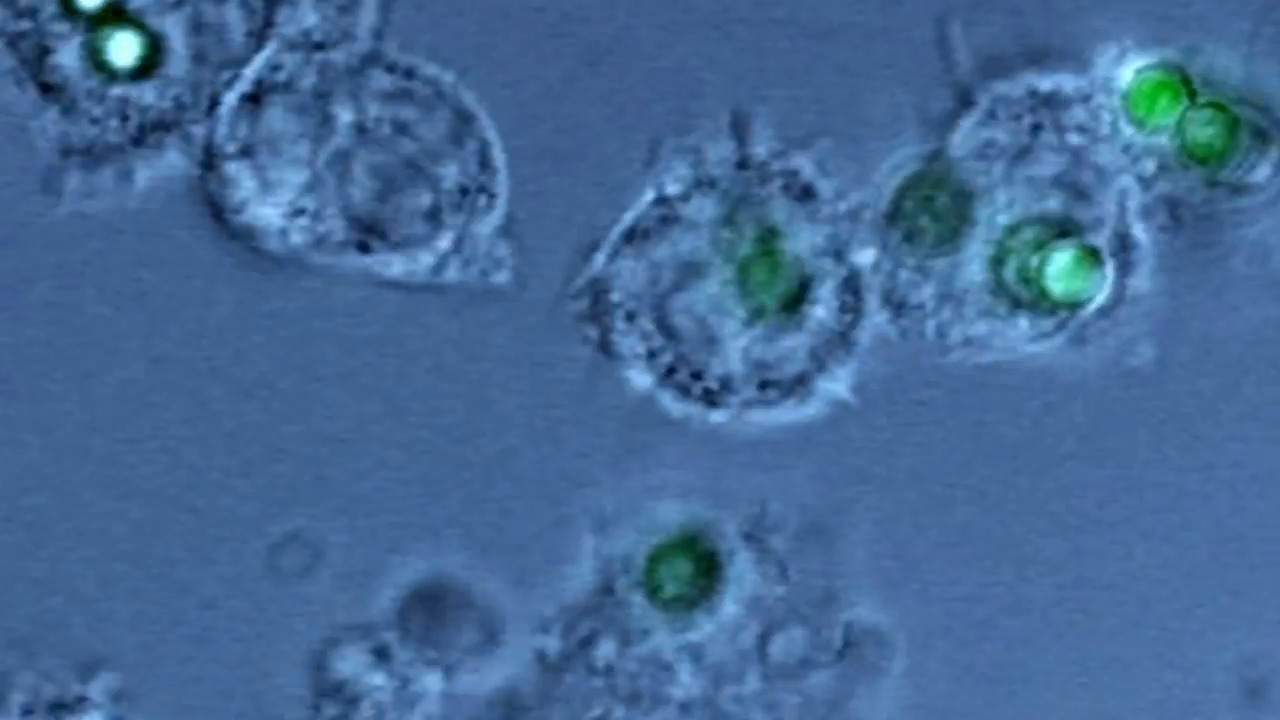
In Treating Severe Combined Immunodeficiency, learn how doctors used gene therapy to fix a boy’s immune system. Meet Reese, a child with severe combined immunodeficiency (SCID), whose immune system was successfully treated through this groundbreaking medical procedure. Discover how gene therapy works, how viruses can be used to deliver genes, and the role of white blood cells in the immune system. This video is excerpted from BBC’s The World’s Most Extraordinary People, a documentary series revealing how rare medical conditions inspire groundbreaking scientific discoveries.
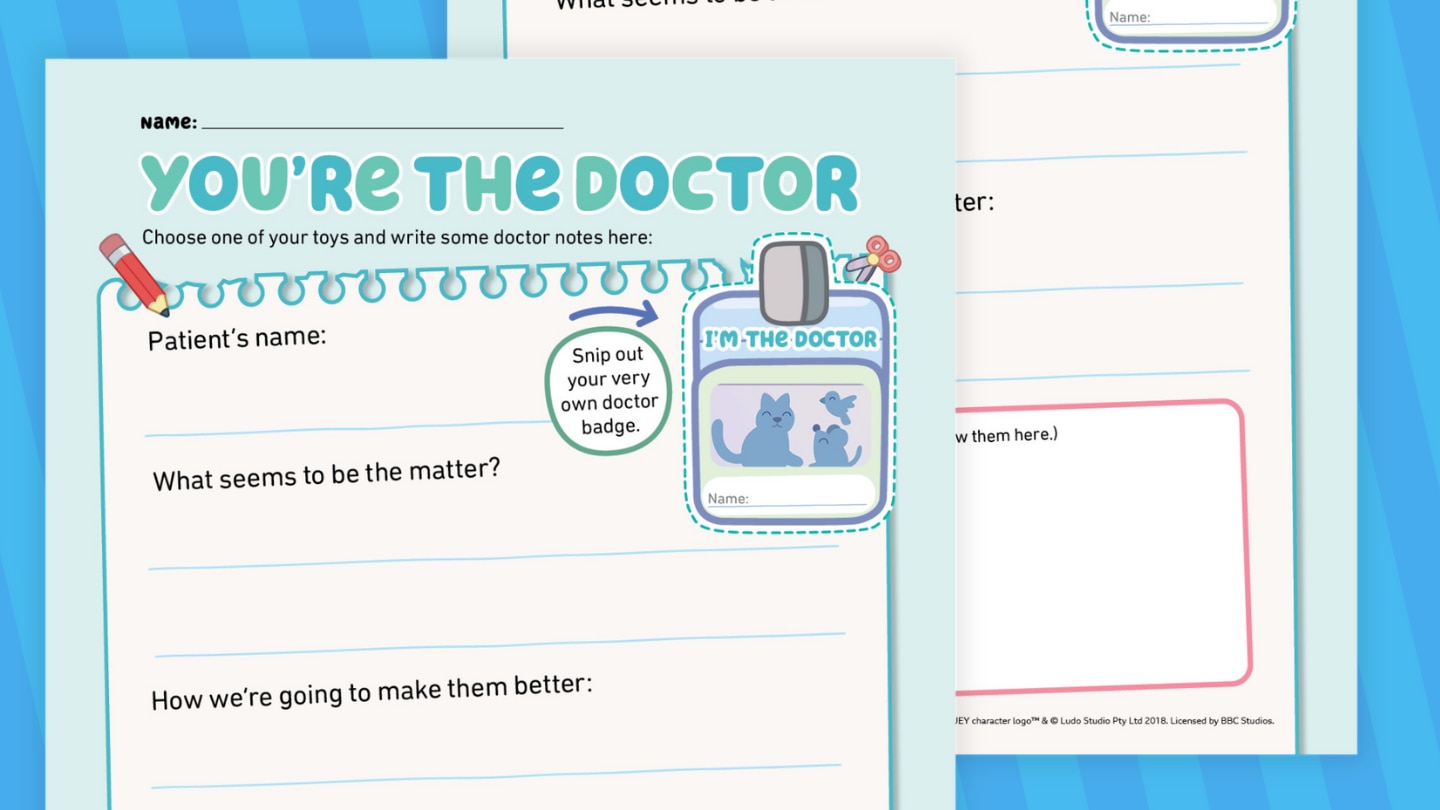
Choose one of your toys and write some doctor notes. Think about:
- What seems to be the matter?
- How we're going to make them better
Plus, get your very own doctor badge!
Inspired by Season 1, Episode 18: Honey is stuck in the waiting room with receptionist Bluey as Dr. Bingo prioritises patients with more exciting injuries, until Honey demonstrates how her tail can wag her body.

Hey, kiddos! Doctor Bingo's office is full of patients in a pickle. She needs your help to fix 'em up. Start by filling out a patient form for Honey... or anyone else. Doctor Bingo will see you know! Next, help the rest of the patients:
- Snickers has cuddled a cactus! Ouch! Color band-aids on him
- Indy's arms fell off when she hung out the washing! Draw some new ones for her
- Lucky has a croc on his head! What will help?
- Rusty is burping hippos! How many are there?

The article "Clara Barton: The Angel of the Battlefield Who Changed Medicine Forever" from BBC's HistoryExtra is a powerful look at Barton's lifelong devotion to helping others. From nursing wounded Civil War soldiers to founding the American Red Cross, she broke barriers in healthcare, women's rights, and disaster relief, earning her the title “Angel of the Battlefield.”
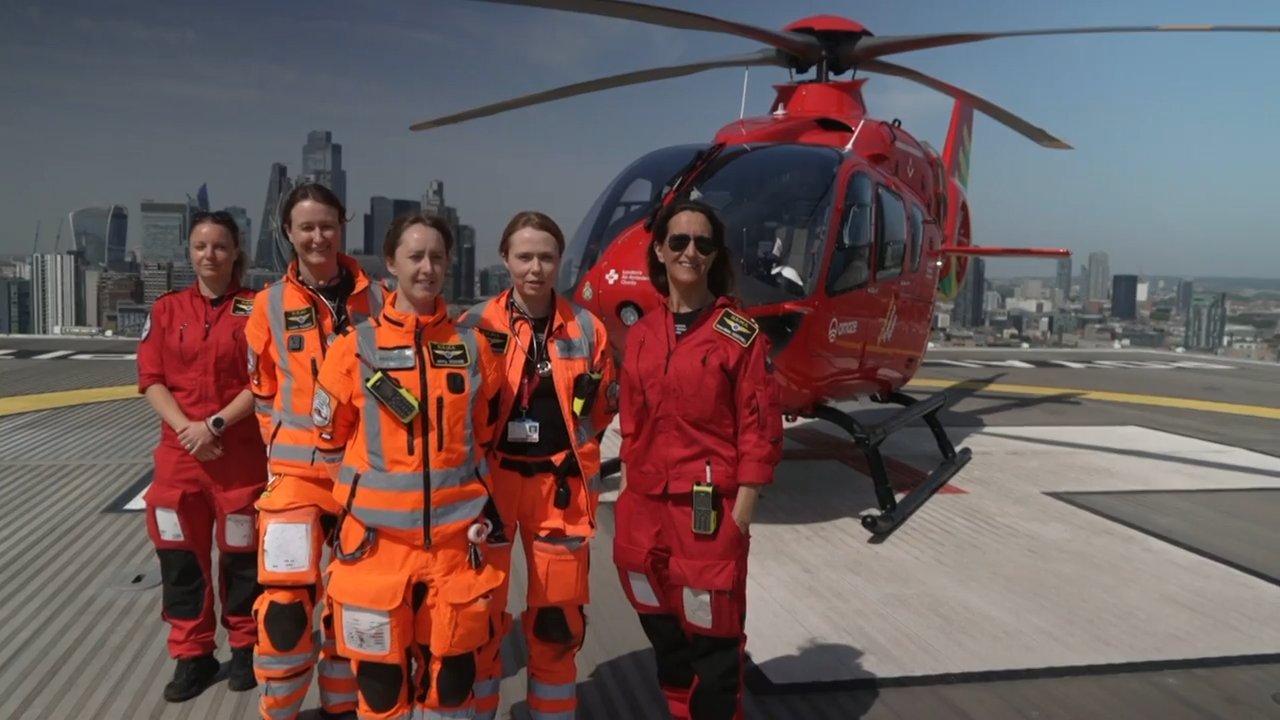
Move over, Superman. There are new heroes flying through the sky! The women of London’s Air Ambulance fly helicopters staffed with medical crews that take to the skies to save lives and inspire people everywhere. Not only do these teams provide critical care to people in need, but they also shape future generations by demonstrating what’s possible for women. But, it’s not specific to inspiring kids. A current pilot actually came from a full career as an accountant before moving from The Cloud to the clouds.
As impressive as it already is, the company is always striving to improve. They’ve recently gotten a team together to operate an ECMO, a life-support system for patients with severe, life-threatening heart or lung failure. Everyone works as a team to make sure patients get transported quickly and safely. The pilots not only fly the choppers but are instrumental in helping the medical team get set up for success and allowing them to focus on the patients.
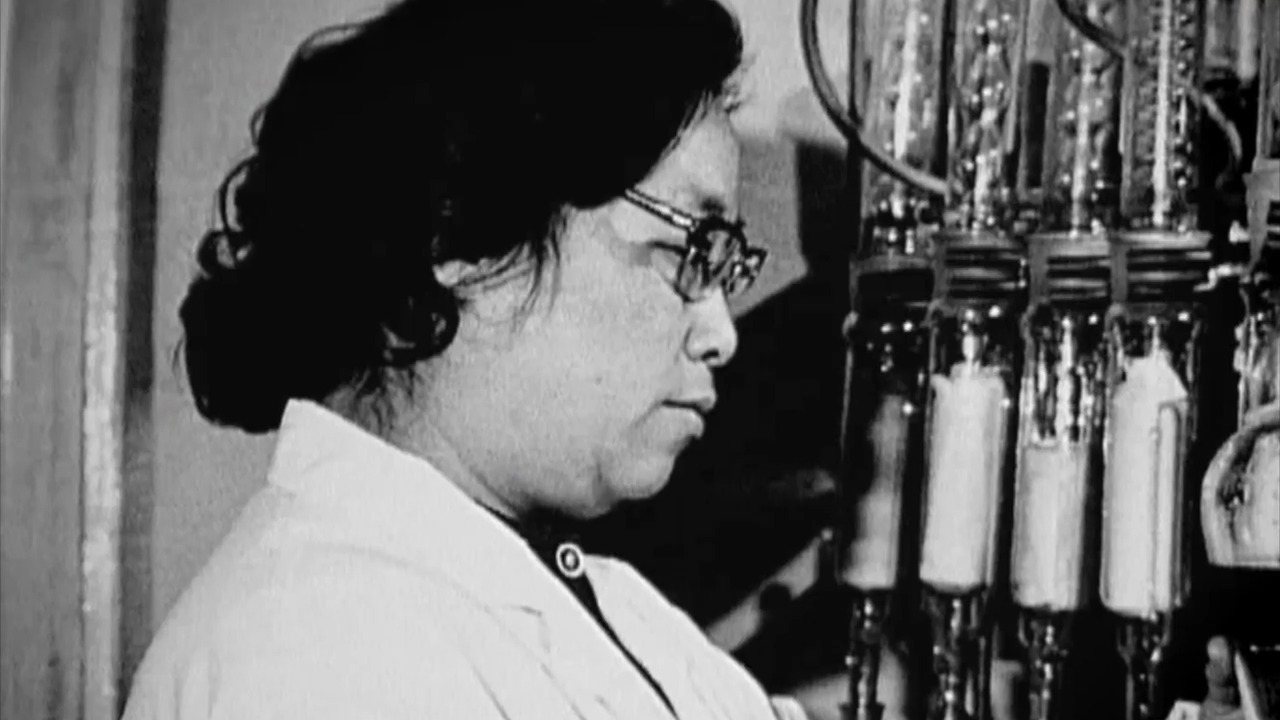
In Tu Youyou and the Discovery of Artemisinin, host Chris Packham recounts the extraordinary journey of Chinese scientist Tu Youyou. Driven by determination, she unearthed an ancient remedy to combat malaria, ultimately saving millions of lives worldwide. This video is excerpted from BBC’s Icons: The Greatest Person of the 20th Century, a documentary series celebrating the achievements of the most influential figures of the era.

In Flavors of Spain, join Lola as she makes tuna empanadas for her friends and shares her favorite things about Spain, like flamenco dancing! She adds a secret ingredient — oregano — a plant with fuzzy leaves used in cooking and sometimes even as medicine. While not everyone loves oregano on its own, they all agree the empanadas are delicious! This video is excerpted from BBC's My World Kitchen, where young chefs create special recipes that honor their heritage and celebrate their roots.
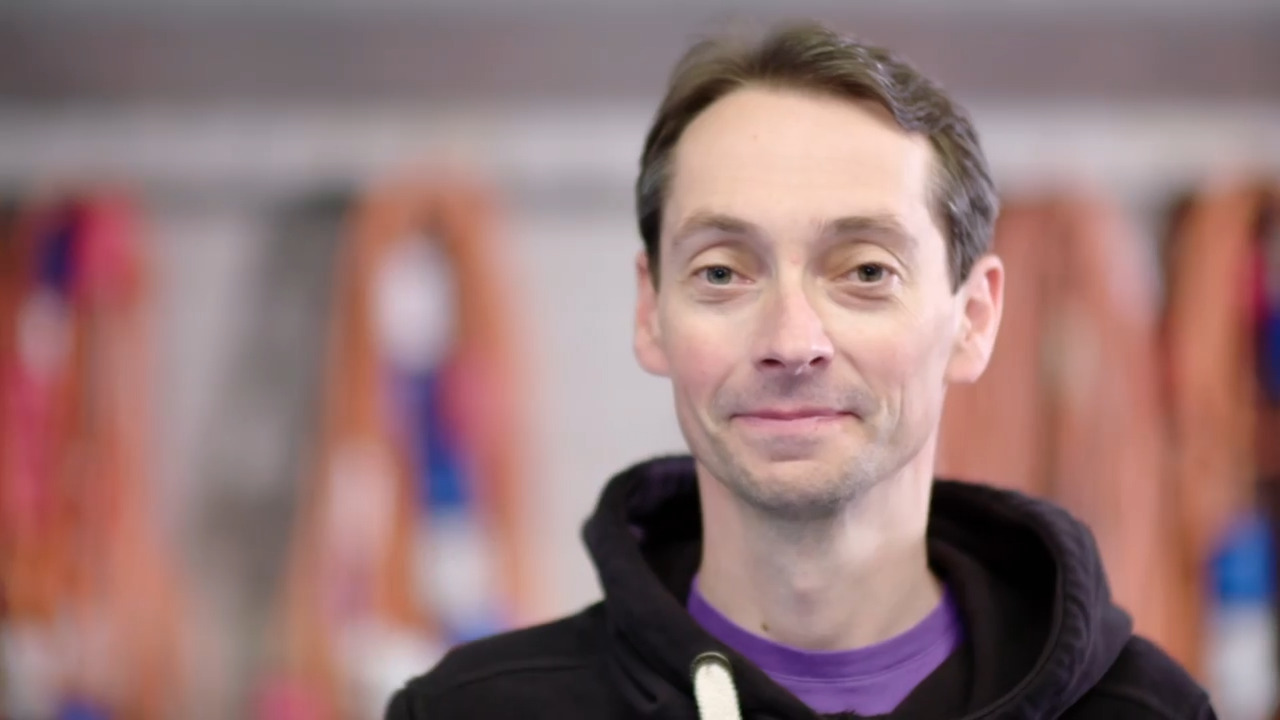
In the video Treating Multiple Sclerosis With Stem Cell Therapy, meet Stephen, a man who lost his ability to move due to multiple sclerosis (MS), an autoimmune disease that attacks the brain and spinal cord. Follow his journey as he undergoes an innovative stem cell treatment to restore his nervous system and regain mobility. Learn about the immune system, autoimmune diseases, and how stem cells can be used to repair damaged systems in the body. This video is excerpted from BBC’s The World’s Most Extraordinary People, a documentary series revealing how rare medical conditions inspire groundbreaking scientific discoveries.
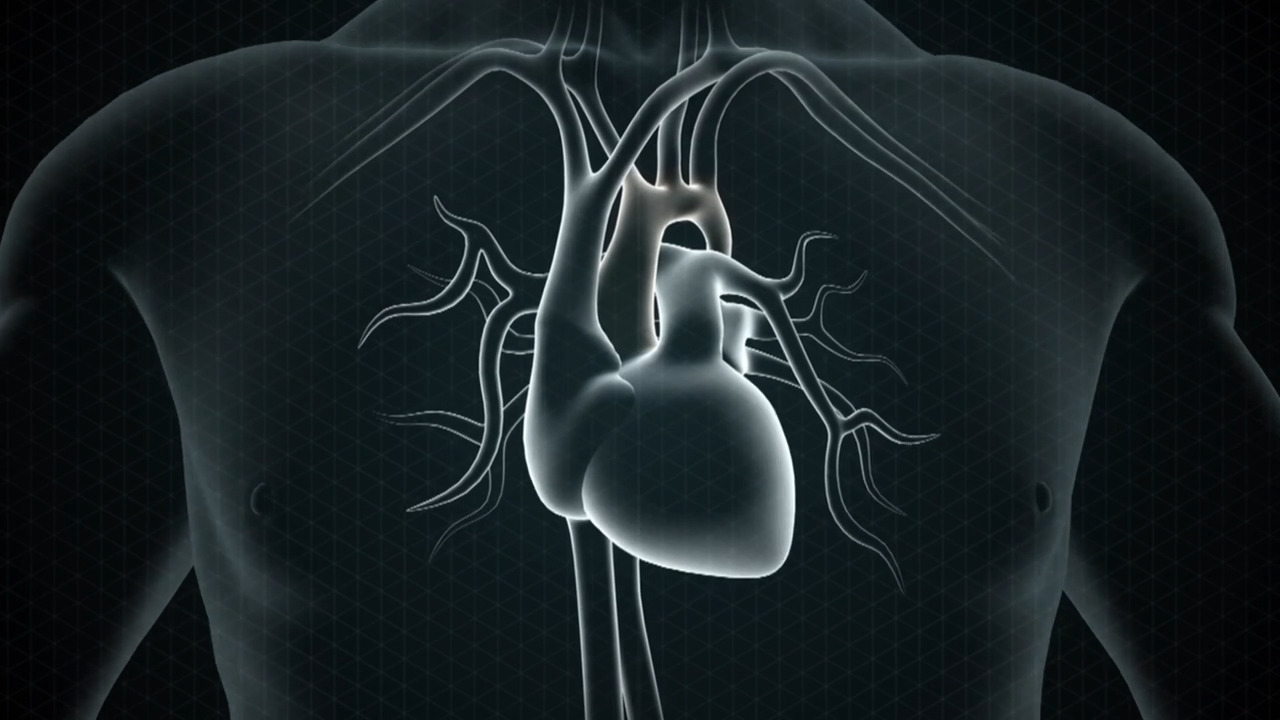
In Engineering Creative Solutions for Living With Marfan Syndrome, meet Cal, a person with Marfan Syndrome, who creatively solves a medical complication by applying engineering knowledge to his condition. Cal’s condition causes his heart and aorta to stretch due to the structural abnormalities that characterize Marfan Syndrome. Instead of undergoing traditional surgery, Cal takes matters into his own hands, using his engineering background to find a more innovative solution. This video demonstrates the intersection of medicine and engineering, as well as how individuals can advocate for themselves and influence their treatment plans. This video is excerpted from BBC’s The World’s Most Extraordinary People, a documentary series revealing how rare medical conditions inspire groundbreaking scientific discoveries.
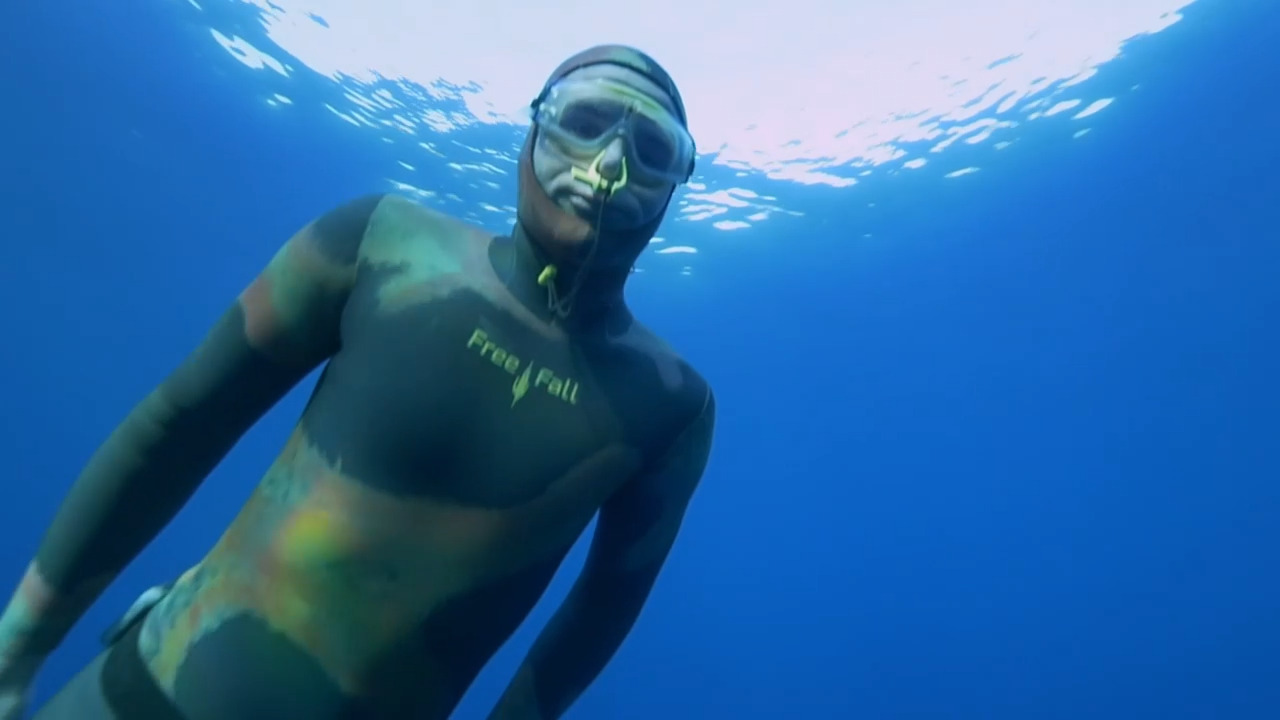
In The Extraordinary Abilities of Breath-Hold Divers, learn about the abilities of breath-hold divers and the scientific discoveries that are being made as researchers study their techniques. Understand the human body's remarkable ability to adapt and how these findings could have future applications in medicine and technology. This video is excerpted from BBC’s The World’s Most Extraordinary People, a documentary series revealing how rare medical conditions inspire groundbreaking scientific discoveries.

The article "Daily Life in Ancient Egypt: How Ordinary People Lived Beneath the Pharaohs" from BBC's HistoryExtra explores the lives of regular Egyptians who built a great civilization. Egyptologist Joyce Tyldesley describes family roles, childbirth, jobs, homes, diet, clothing, medicine, religion, and burial customs.
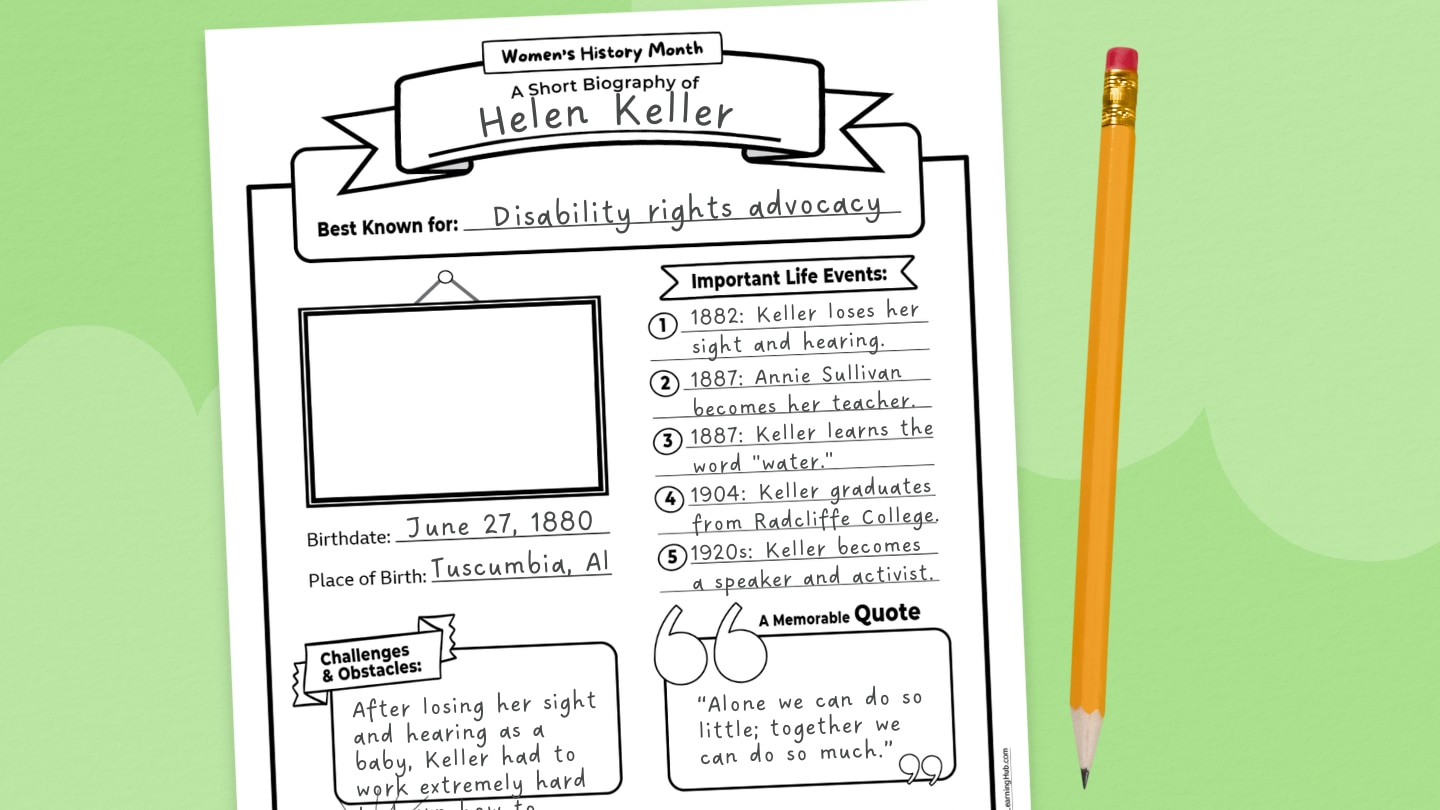
This Women’s History Month, invite your students to step into the role of historian, storyteller, and researcher as they create profiles of extraordinary women in history. Our Women’s History Biography Template is designed for ages 8–14 and helps students organize key facts, explore challenges and accomplishments, and reflect on why these figures still matter today. With guided sections for important life events, obstacles overcome, and lasting impact, this ready-to-use template supports research skills, critical thinking, and strong writing.
To get started, visit our Figures in Women’s History microsite and explore a rich video library featuring trailblazing leaders, artists, scientists, and activists. Learn about Jane Goodall and her pioneering work in conservation and animal behavior, or dive into the groundbreaking research and storytelling of Zora Neale Hurston, who preserved and celebrated African American folklore and culture. Students can also discover figures who fought for women's suffrage, advanced medicine, and transformed sports. This is a great jumping off point for students to begin further research on their chosen icon.
In Treating Severe Combined Immunodeficiency, learn how doctors used gene therapy to fix a boy’s immune system. Meet Reese, a child with severe combined immunodeficiency (SCID), whose immune system was successfully treated through this groundbreaking medical procedure. Discover how gene therapy works, how viruses can be used to deliver genes, and the role of white blood cells in the immune system. This video is excerpted from BBC’s The World’s Most Extraordinary People, a documentary series revealing how rare medical conditions inspire groundbreaking scientific discoveries.
Choose one of your toys and write some doctor notes. Think about:
- What seems to be the matter?
- How we're going to make them better
Plus, get your very own doctor badge!
Inspired by Season 1, Episode 18: Honey is stuck in the waiting room with receptionist Bluey as Dr. Bingo prioritises patients with more exciting injuries, until Honey demonstrates how her tail can wag her body.
Hey, kiddos! Doctor Bingo's office is full of patients in a pickle. She needs your help to fix 'em up. Start by filling out a patient form for Honey... or anyone else. Doctor Bingo will see you know! Next, help the rest of the patients:
- Snickers has cuddled a cactus! Ouch! Color band-aids on him
- Indy's arms fell off when she hung out the washing! Draw some new ones for her
- Lucky has a croc on his head! What will help?
- Rusty is burping hippos! How many are there?
The article "Clara Barton: The Angel of the Battlefield Who Changed Medicine Forever" from BBC's HistoryExtra is a powerful look at Barton's lifelong devotion to helping others. From nursing wounded Civil War soldiers to founding the American Red Cross, she broke barriers in healthcare, women's rights, and disaster relief, earning her the title “Angel of the Battlefield.”
Move over, Superman. There are new heroes flying through the sky! The women of London’s Air Ambulance fly helicopters staffed with medical crews that take to the skies to save lives and inspire people everywhere. Not only do these teams provide critical care to people in need, but they also shape future generations by demonstrating what’s possible for women. But, it’s not specific to inspiring kids. A current pilot actually came from a full career as an accountant before moving from The Cloud to the clouds.
As impressive as it already is, the company is always striving to improve. They’ve recently gotten a team together to operate an ECMO, a life-support system for patients with severe, life-threatening heart or lung failure. Everyone works as a team to make sure patients get transported quickly and safely. The pilots not only fly the choppers but are instrumental in helping the medical team get set up for success and allowing them to focus on the patients.
In Tu Youyou and the Discovery of Artemisinin, host Chris Packham recounts the extraordinary journey of Chinese scientist Tu Youyou. Driven by determination, she unearthed an ancient remedy to combat malaria, ultimately saving millions of lives worldwide. This video is excerpted from BBC’s Icons: The Greatest Person of the 20th Century, a documentary series celebrating the achievements of the most influential figures of the era.
In Flavors of Spain, join Lola as she makes tuna empanadas for her friends and shares her favorite things about Spain, like flamenco dancing! She adds a secret ingredient — oregano — a plant with fuzzy leaves used in cooking and sometimes even as medicine. While not everyone loves oregano on its own, they all agree the empanadas are delicious! This video is excerpted from BBC's My World Kitchen, where young chefs create special recipes that honor their heritage and celebrate their roots.
In the video Treating Multiple Sclerosis With Stem Cell Therapy, meet Stephen, a man who lost his ability to move due to multiple sclerosis (MS), an autoimmune disease that attacks the brain and spinal cord. Follow his journey as he undergoes an innovative stem cell treatment to restore his nervous system and regain mobility. Learn about the immune system, autoimmune diseases, and how stem cells can be used to repair damaged systems in the body. This video is excerpted from BBC’s The World’s Most Extraordinary People, a documentary series revealing how rare medical conditions inspire groundbreaking scientific discoveries.
In Engineering Creative Solutions for Living With Marfan Syndrome, meet Cal, a person with Marfan Syndrome, who creatively solves a medical complication by applying engineering knowledge to his condition. Cal’s condition causes his heart and aorta to stretch due to the structural abnormalities that characterize Marfan Syndrome. Instead of undergoing traditional surgery, Cal takes matters into his own hands, using his engineering background to find a more innovative solution. This video demonstrates the intersection of medicine and engineering, as well as how individuals can advocate for themselves and influence their treatment plans. This video is excerpted from BBC’s The World’s Most Extraordinary People, a documentary series revealing how rare medical conditions inspire groundbreaking scientific discoveries.
In The Extraordinary Abilities of Breath-Hold Divers, learn about the abilities of breath-hold divers and the scientific discoveries that are being made as researchers study their techniques. Understand the human body's remarkable ability to adapt and how these findings could have future applications in medicine and technology. This video is excerpted from BBC’s The World’s Most Extraordinary People, a documentary series revealing how rare medical conditions inspire groundbreaking scientific discoveries.
The article "Daily Life in Ancient Egypt: How Ordinary People Lived Beneath the Pharaohs" from BBC's HistoryExtra explores the lives of regular Egyptians who built a great civilization. Egyptologist Joyce Tyldesley describes family roles, childbirth, jobs, homes, diet, clothing, medicine, religion, and burial customs.
This Women’s History Month, invite your students to step into the role of historian, storyteller, and researcher as they create profiles of extraordinary women in history. Our Women’s History Biography Template is designed for ages 8–14 and helps students organize key facts, explore challenges and accomplishments, and reflect on why these figures still matter today. With guided sections for important life events, obstacles overcome, and lasting impact, this ready-to-use template supports research skills, critical thinking, and strong writing.
To get started, visit our Figures in Women’s History microsite and explore a rich video library featuring trailblazing leaders, artists, scientists, and activists. Learn about Jane Goodall and her pioneering work in conservation and animal behavior, or dive into the groundbreaking research and storytelling of Zora Neale Hurston, who preserved and celebrated African American folklore and culture. Students can also discover figures who fought for women's suffrage, advanced medicine, and transformed sports. This is a great jumping off point for students to begin further research on their chosen icon.