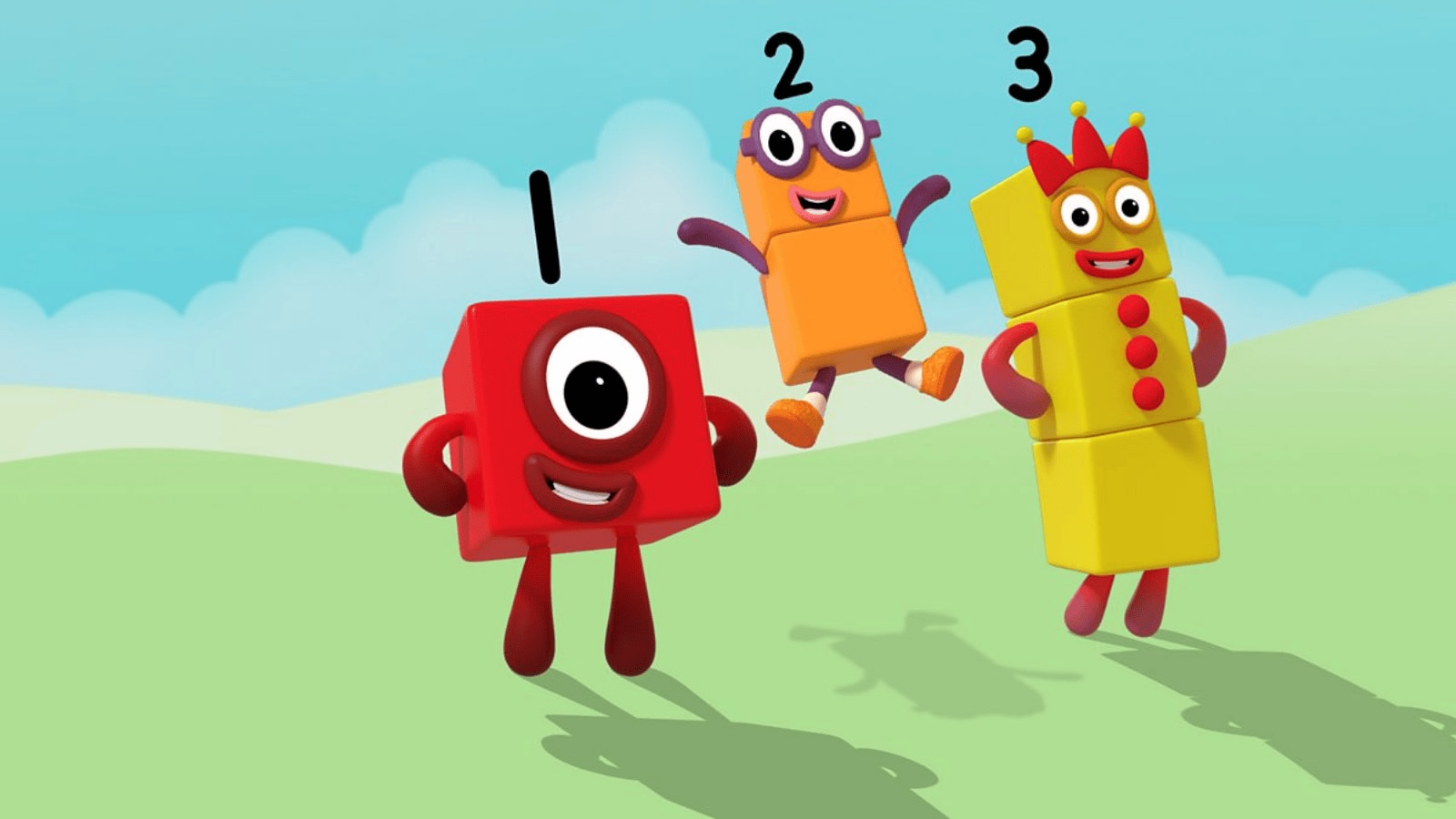
Meet the Numberblocks — little blocks with big ideas who make learning numbers fun and exciting for young children ages 3–7. Numberblocks helps kids build number sense as the characters come together, break apart, and explore how numbers really work. This free collection of printable games and colorful worksheets games give little learners hands-on practice with counting, odd and even numbers, and simple addition and subtraction. Perfect for use at home or in the classroom, these ready-to-use activities turn math practice into joyful play.
Plus, watch full episodes on the official Numberblocks YouTube channel!
Every student, everywhere, knows the feeling: walking out of a big exam with no idea if you did well or completely bombed it. This year, that feeling hit an entire country at once.
In the UK, this year's math exams were unusually tough — tough enough that students flooded social media with one shared message: "that test kicked my butt." And it wasn't about skipping study time or being dramatic. Many said the exam's structure meant you could know the material and still not be able to show it.
Here's why: the questions were worded differently than in past years. If a student got stuck on the first part of a question, they couldn't move on to the rest — like having the perfect ice cream sundae recipe, but the ice cream and toppings are locked in a vault guarded by a saber-toothed parabola.
Not everyone agreed the test was actually harder. Some math experts said the calculations themselves were standard, and students should have been able to solve them. So who's right?
It's not really a students vs. experts argument. When exam boards set the grades for a test like this, they review a wide range of evidence to make sure students end up with fair results — not just the raw difficulty of the questions. The organization that oversees UK exams also said it will keep a close eye on this one going forward.
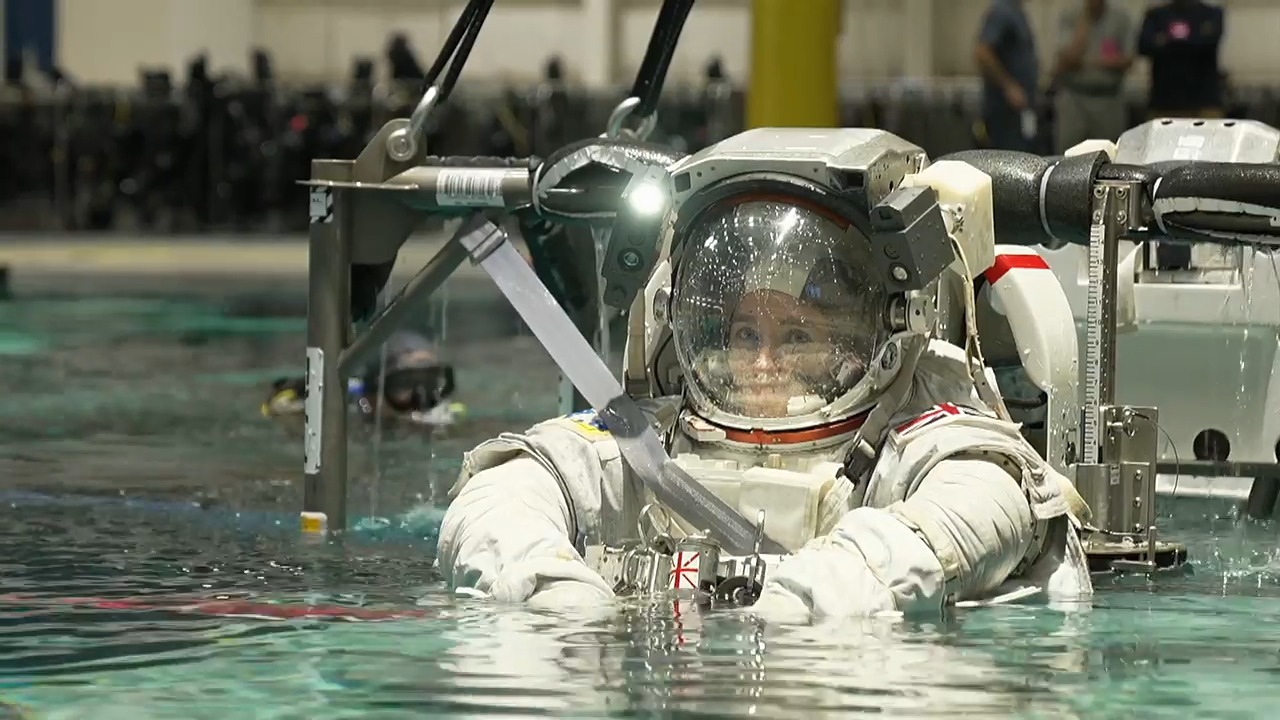
Being an astronaut is no joke — for your brain and your body to be prepared, you need to train, not unlike sports or school. Want to train for a soccer match? You may need to go for runs or lift weights. Need to prepare for a math test? You may need to repeat your times tables. Going into space soon? You may need to put on a space suit and get strapped into a full-sized replica of the International Space Station, then submerged in a 12-meter (40-foot!) deep pool for six hours. At least, that’s what astronaut Rosemary Coogan did to make sure she was ready for her spacewalk.
Coogan was chosen from 22,000 applicants to become a European Space Agency astronaut and may be the first Englishwoman to set foot on the moon.
Space preparation is daunting, but she had teams of supporters like divers and control room workers to make sure she was safe. The spacewalk test is meant to make sure that Rosemary could survive the conditions off of earth, even when things don’t go according to plan.
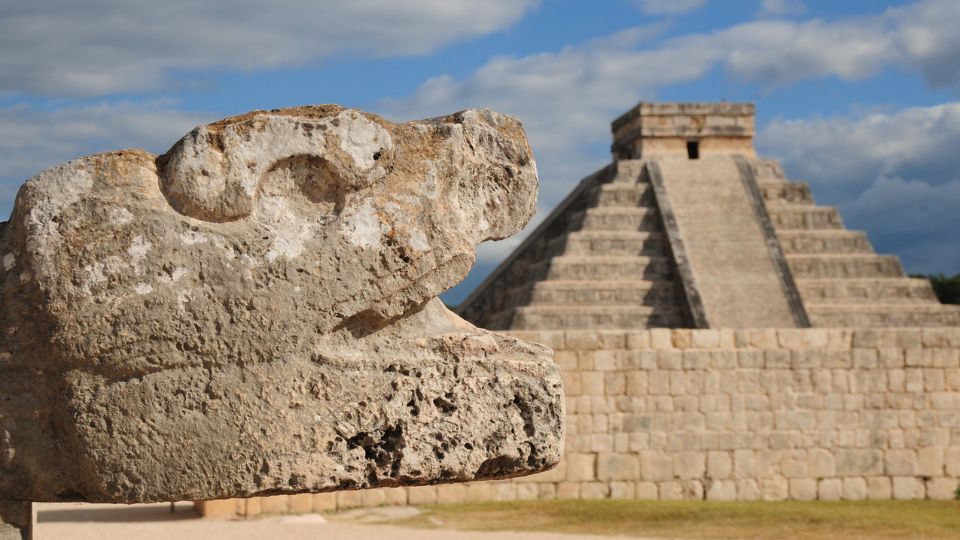
Discover the wonders of Chichén Itzá, one of the most important cities of the ancient Maya world and one of the New Seven Wonders of the World. Students will explore how the Maya used astronomy, mathematics, and engineering to create impressive temples and monuments that still amaze people today.
This Kahoot examines the history and design of Chichén Itzá, including the famous pyramid El Castillo, the role of calendars and celestial observations in Maya society, and the beliefs and traditions that shaped daily life. Students will also discover how ancient knowledge and culture influenced the construction of one of the most remarkable archaeological sites in the world.
Ideal for lessons on history, world cultures, mathematics, and geography, this Kahoot encourages students to explore the achievements and lasting legacy of the Maya civilization.
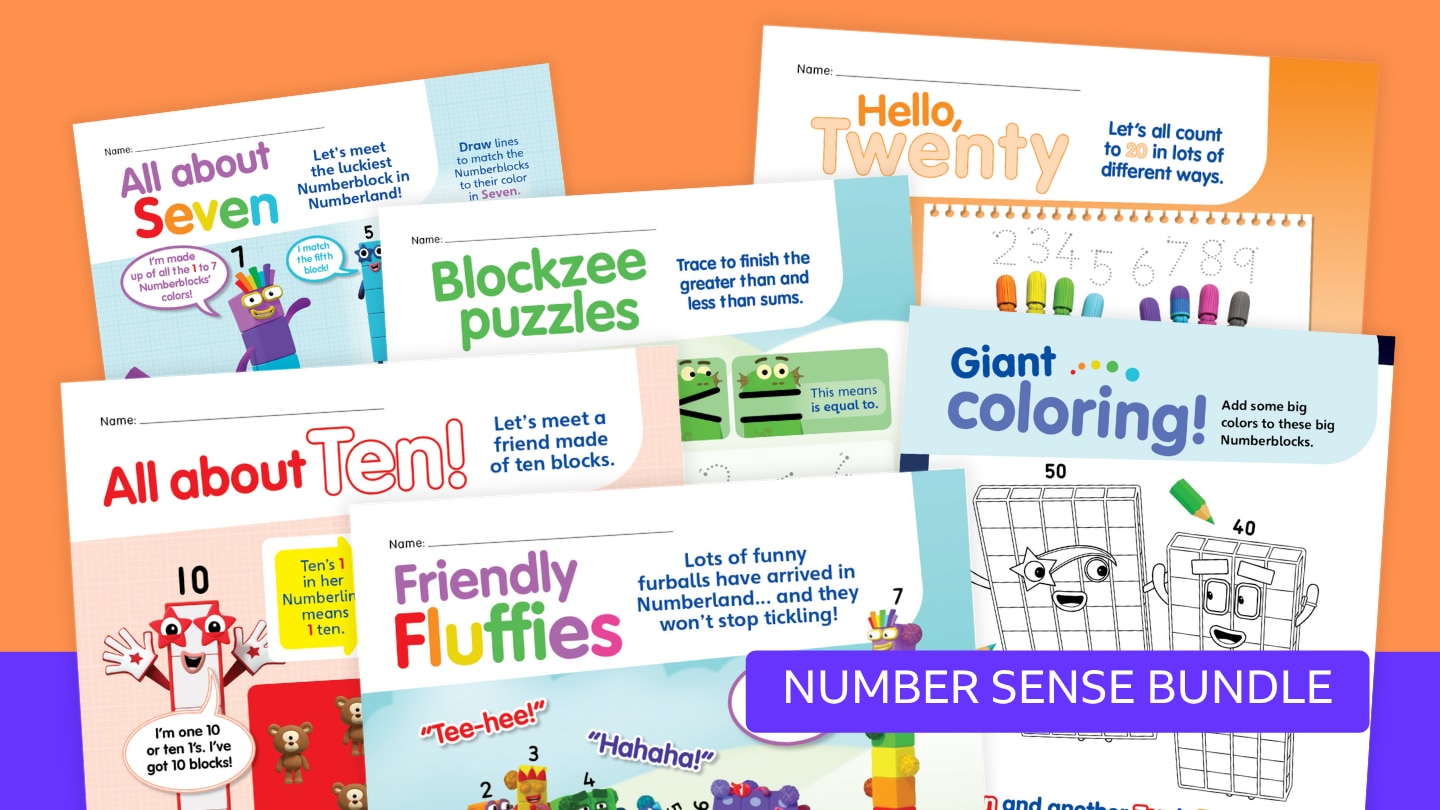
Bring the delightful Numberblocks characters into your math classroom with this engaging number sense printable bundle, perfect for PreK–Grade 2 learners! Packed with colorful worksheets, this bundle includes important number sense concepts like the number line, place value in tens, comparing numbers, simple addition and more! Here's some of what's included:
- Blockzee Puzzles: Trace to finish the greater than and less than sums.
- Friendly Fluffies: Add to make 7 and help the Numberblocks escape the tickles
- Hello, Twenty: Count to 20 in lots of different ways!
Want more? We have tons on the site. Just search "Numberblocks"!
Watch full episodes of Numberblocks on their official YouTube channel!
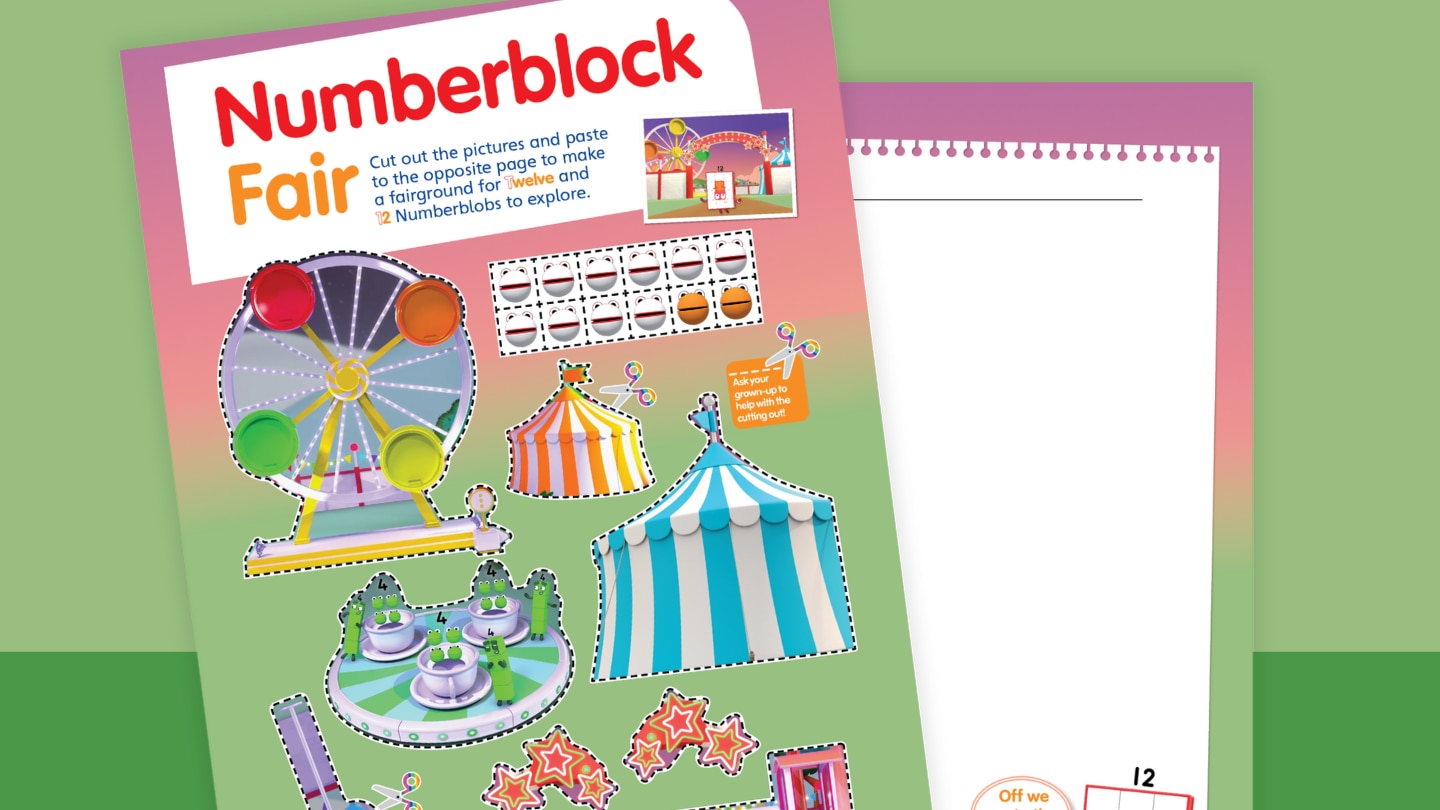
Snip, stick, and design your very own Numberblock Fair! Cut out and arrange fairground rides and stalls to create a play space for Twelve and the Numberblobs to explore. Perfect for math centers, small group work, or a fun Friday activity.
Watch full episodes of Numberblocks on their official YouTube channel!

In How Data Transformed Trading, discover how data became a powerful tool for understanding human behavior — and making big money! Meet David Harding, a science graduate who shook up the chaotic world of trading by using math and data to predict price patterns. While others trusted their gut, Harding believed data and the right computer algorithms could crack the code of the stock market. Today, his company invests billions, proving that smart data (and a little science) can change the game! This video is excerpted from BBC’s Horizon: The Age of Big Data, which explores how data has shaped industries, economies, and human behavior.
In The Magic of Math on the Soccer Field, host Marcus du Sautoy tries to convince one math reject that math is present everywhere in the soccer game he loves — from quadratic equations on the pitch to the probability of a team winning. Du Sautoy makes the case that the soccer players are intuitive mathematical geniuses. This video is excerpted from BBC’s Horizon: Why Maths Doesn’t Add Up, where Marcus du Sautoy introduces the elegance and wonder of math to a “math reject,” traveling from the classroom to a four-dimensional world.

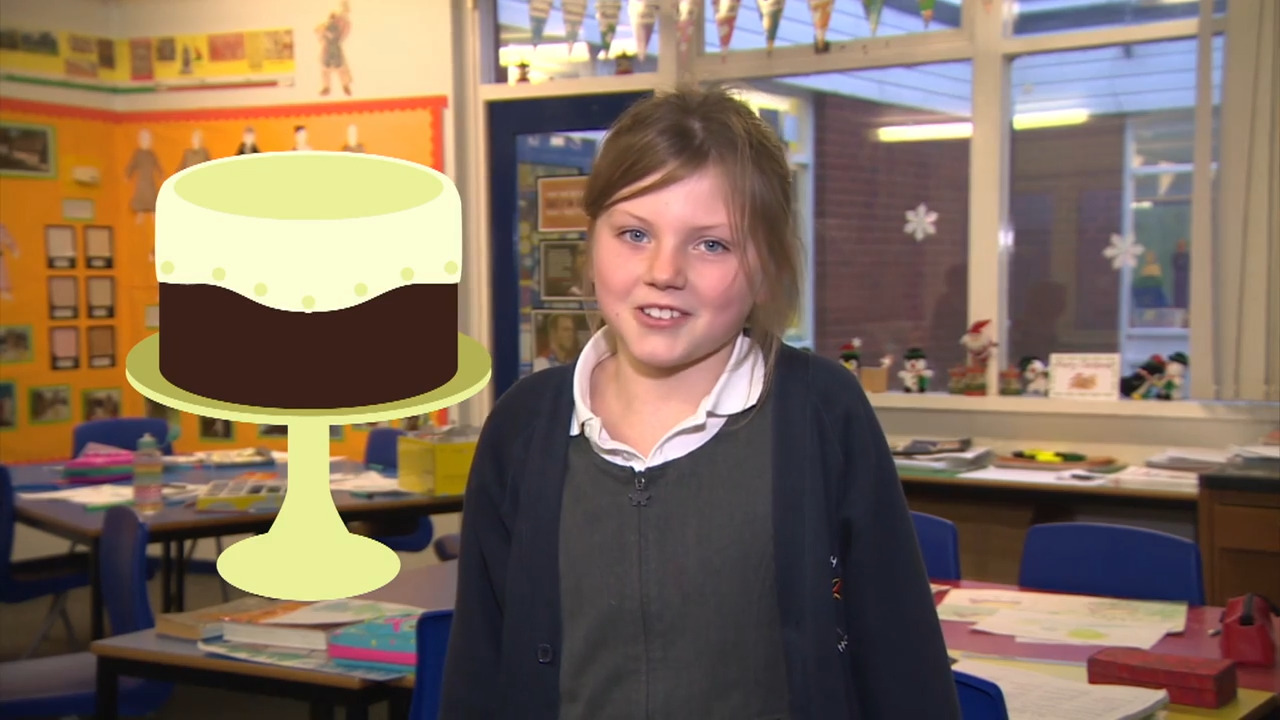
What if homework meant baking a cake, designing a board game, or building something creative instead of filling out worksheets? One elementary school has replaced traditional homework in subjects like math and reading with hands-on projects that students can choose themselves.
Supporters say the new approach makes learning feel more real and less stressful. Students report having more choice, more family time, and more fun. A cooking project, for example, can still involve math, reading, measuring, and following directions — all while making something you can actually eat.
But not everyone agrees. Some people wonder whether creative homework truly prepares students for the more demanding assignments they may face later in middle school, high school, and beyond. Others worry that without regular practice, students may miss chances to build discipline, organization, and study habits.
So what counts as real learning: finishing worksheets — or using skills in everyday life? This school’s homework experiment is raising big questions about how kids learn best.
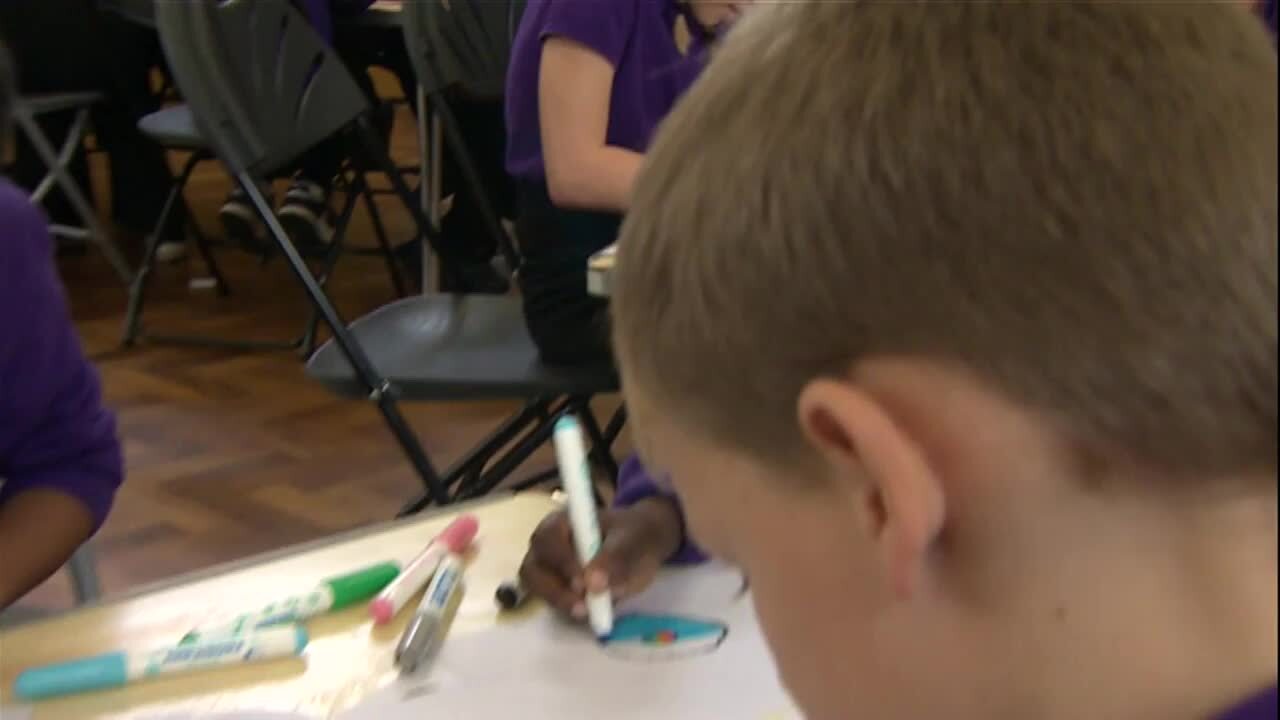
You’ve probably never thought about combining math and art class, but maybe now, you will! This teacher shares his new approach to math, where he uses colors to represent different numbers.
He assigned 10 numbers to 10 different colors — zero is white, one is black, two is red, and so on. That means combinations of numbers become combinations of colors. The result is an equation that’s educational and pretty at the same time!
What starts as multiplication or patterns quickly begins to look more like art class than math class. But behind the colors is real number sense, memory tricks, and a whole new way of thinking about equations. Turns out math might be a lot more visual — and creative — than most people realize.
Meet the Numberblocks — little blocks with big ideas who make learning numbers fun and exciting for young children ages 3–7. Numberblocks helps kids build number sense as the characters come together, break apart, and explore how numbers really work. This free collection of printable games and colorful worksheets games give little learners hands-on practice with counting, odd and even numbers, and simple addition and subtraction. Perfect for use at home or in the classroom, these ready-to-use activities turn math practice into joyful play.
Plus, watch full episodes on the official Numberblocks YouTube channel!
Every student, everywhere, knows the feeling: walking out of a big exam with no idea if you did well or completely bombed it. This year, that feeling hit an entire country at once.
In the UK, this year's math exams were unusually tough — tough enough that students flooded social media with one shared message: "that test kicked my butt." And it wasn't about skipping study time or being dramatic. Many said the exam's structure meant you could know the material and still not be able to show it.
Here's why: the questions were worded differently than in past years. If a student got stuck on the first part of a question, they couldn't move on to the rest — like having the perfect ice cream sundae recipe, but the ice cream and toppings are locked in a vault guarded by a saber-toothed parabola.
Not everyone agreed the test was actually harder. Some math experts said the calculations themselves were standard, and students should have been able to solve them. So who's right?
It's not really a students vs. experts argument. When exam boards set the grades for a test like this, they review a wide range of evidence to make sure students end up with fair results — not just the raw difficulty of the questions. The organization that oversees UK exams also said it will keep a close eye on this one going forward.
Being an astronaut is no joke — for your brain and your body to be prepared, you need to train, not unlike sports or school. Want to train for a soccer match? You may need to go for runs or lift weights. Need to prepare for a math test? You may need to repeat your times tables. Going into space soon? You may need to put on a space suit and get strapped into a full-sized replica of the International Space Station, then submerged in a 12-meter (40-foot!) deep pool for six hours. At least, that’s what astronaut Rosemary Coogan did to make sure she was ready for her spacewalk.
Coogan was chosen from 22,000 applicants to become a European Space Agency astronaut and may be the first Englishwoman to set foot on the moon.
Space preparation is daunting, but she had teams of supporters like divers and control room workers to make sure she was safe. The spacewalk test is meant to make sure that Rosemary could survive the conditions off of earth, even when things don’t go according to plan.
Discover the wonders of Chichén Itzá, one of the most important cities of the ancient Maya world and one of the New Seven Wonders of the World. Students will explore how the Maya used astronomy, mathematics, and engineering to create impressive temples and monuments that still amaze people today.
This Kahoot examines the history and design of Chichén Itzá, including the famous pyramid El Castillo, the role of calendars and celestial observations in Maya society, and the beliefs and traditions that shaped daily life. Students will also discover how ancient knowledge and culture influenced the construction of one of the most remarkable archaeological sites in the world.
Ideal for lessons on history, world cultures, mathematics, and geography, this Kahoot encourages students to explore the achievements and lasting legacy of the Maya civilization.
Bring the delightful Numberblocks characters into your math classroom with this engaging number sense printable bundle, perfect for PreK–Grade 2 learners! Packed with colorful worksheets, this bundle includes important number sense concepts like the number line, place value in tens, comparing numbers, simple addition and more! Here's some of what's included:
- Blockzee Puzzles: Trace to finish the greater than and less than sums.
- Friendly Fluffies: Add to make 7 and help the Numberblocks escape the tickles
- Hello, Twenty: Count to 20 in lots of different ways!
Want more? We have tons on the site. Just search "Numberblocks"!
Watch full episodes of Numberblocks on their official YouTube channel!
Snip, stick, and design your very own Numberblock Fair! Cut out and arrange fairground rides and stalls to create a play space for Twelve and the Numberblobs to explore. Perfect for math centers, small group work, or a fun Friday activity.
Watch full episodes of Numberblocks on their official YouTube channel!
In How Data Transformed Trading, discover how data became a powerful tool for understanding human behavior — and making big money! Meet David Harding, a science graduate who shook up the chaotic world of trading by using math and data to predict price patterns. While others trusted their gut, Harding believed data and the right computer algorithms could crack the code of the stock market. Today, his company invests billions, proving that smart data (and a little science) can change the game! This video is excerpted from BBC’s Horizon: The Age of Big Data, which explores how data has shaped industries, economies, and human behavior.
In The Magic of Math on the Soccer Field, host Marcus du Sautoy tries to convince one math reject that math is present everywhere in the soccer game he loves — from quadratic equations on the pitch to the probability of a team winning. Du Sautoy makes the case that the soccer players are intuitive mathematical geniuses. This video is excerpted from BBC’s Horizon: Why Maths Doesn’t Add Up, where Marcus du Sautoy introduces the elegance and wonder of math to a “math reject,” traveling from the classroom to a four-dimensional world.
What if homework meant baking a cake, designing a board game, or building something creative instead of filling out worksheets? One elementary school has replaced traditional homework in subjects like math and reading with hands-on projects that students can choose themselves.
Supporters say the new approach makes learning feel more real and less stressful. Students report having more choice, more family time, and more fun. A cooking project, for example, can still involve math, reading, measuring, and following directions — all while making something you can actually eat.
But not everyone agrees. Some people wonder whether creative homework truly prepares students for the more demanding assignments they may face later in middle school, high school, and beyond. Others worry that without regular practice, students may miss chances to build discipline, organization, and study habits.
So what counts as real learning: finishing worksheets — or using skills in everyday life? This school’s homework experiment is raising big questions about how kids learn best.
You’ve probably never thought about combining math and art class, but maybe now, you will! This teacher shares his new approach to math, where he uses colors to represent different numbers.
He assigned 10 numbers to 10 different colors — zero is white, one is black, two is red, and so on. That means combinations of numbers become combinations of colors. The result is an equation that’s educational and pretty at the same time!
What starts as multiplication or patterns quickly begins to look more like art class than math class. But behind the colors is real number sense, memory tricks, and a whole new way of thinking about equations. Turns out math might be a lot more visual — and creative — than most people realize.