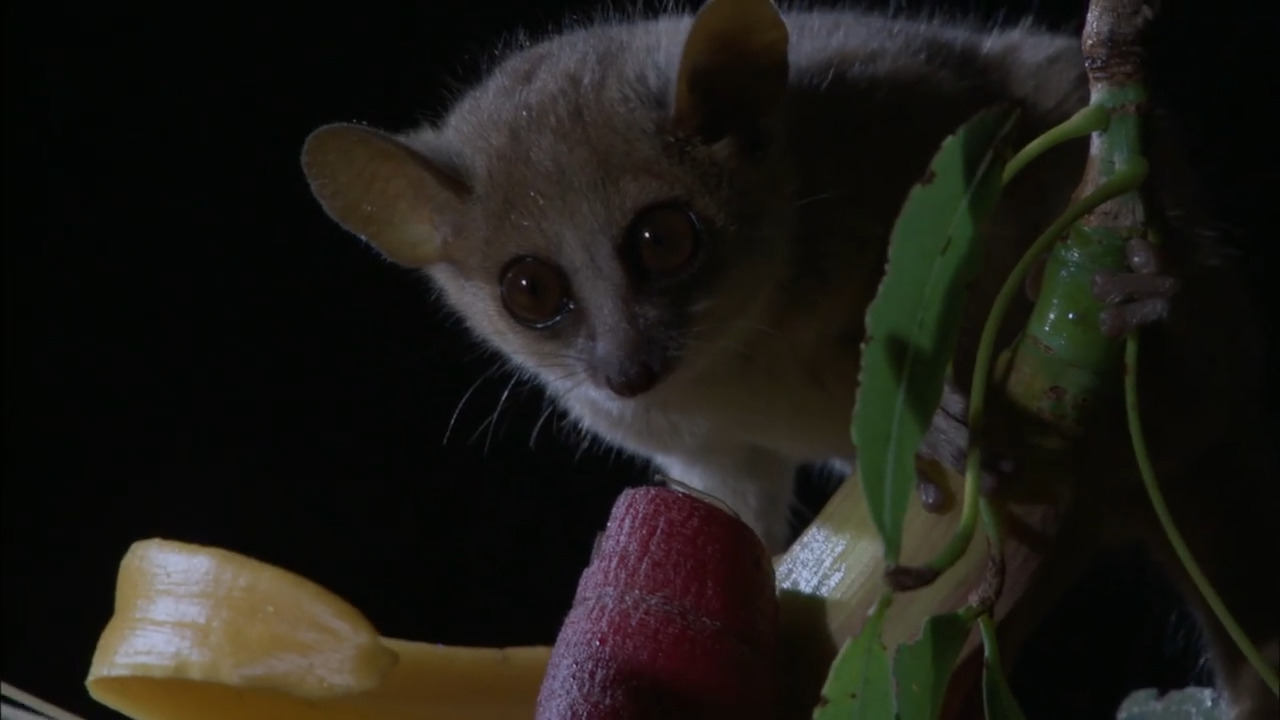
In Mouse Lemurs Are Sneaky Nectar Thieves!, narrator Sir David Attenborough highlights lemurs enjoying a two-course meal in the branches of the baobab tree. First, the lemurs drink nectar meant for pollinating moths; then the lemurs attack the moths! This video is excerpted from BBC's Planet Earth, a breathtaking documentary series that highlights the natural wonders of our planet.
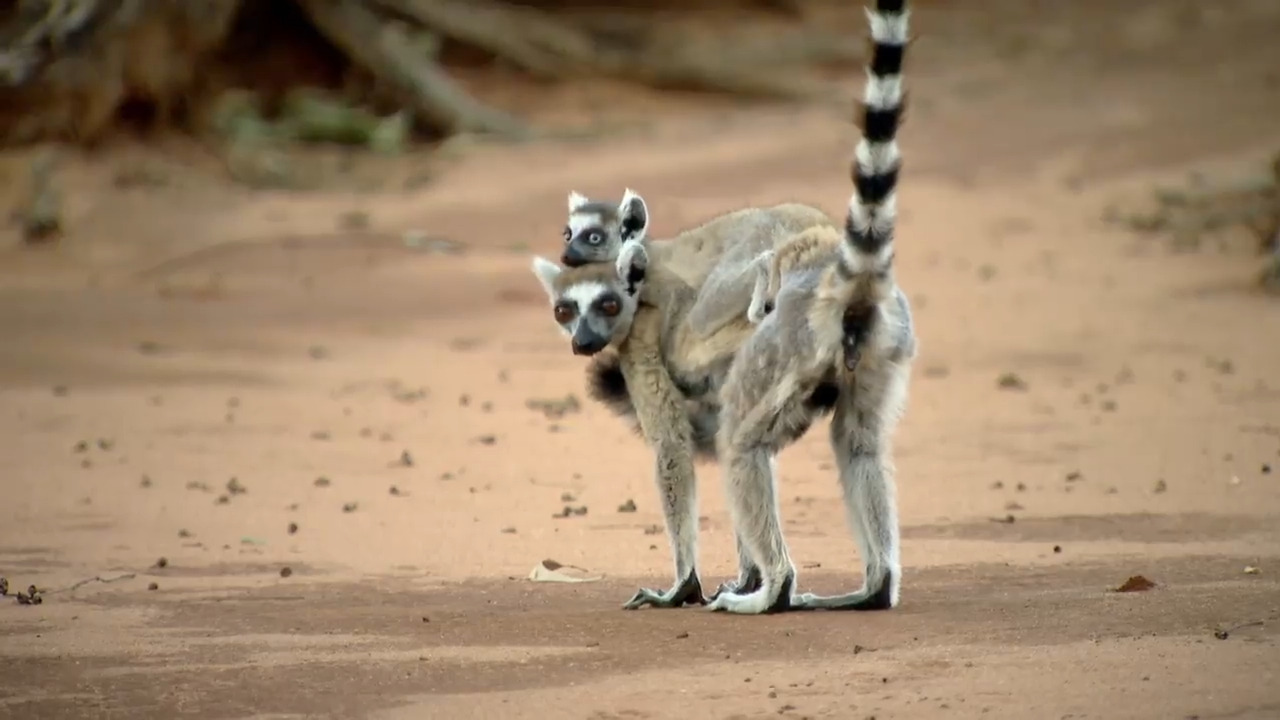
In Losing Land Space for Lemurs in Madagascar, host Simon Reeve travels to the Berenty Reserve, home to the lemur, and a shockingly small area of land where human development continues to encroach upon the lemur’s habitat. This video is excerpted from BBC's Incredible Journeys With Simon Reeve, a series that highlights one journalist’s travels across the globe and the diverse cultures and peoples he meets along the way.

The article "A Cougar-Like Predator Is Attacking Lemurs in Madagascar — Both Are in Jeopardy and Scientists Don't Know What to Do" from BBC's Discover Wildlife explains how researchers in Madagascar discovered that the fossa, a vulnerable predator, is targeting diademed sifaka lemurs, which are critically endangered. Both species urgently need protection, making the situation a complex issue for conservationists.
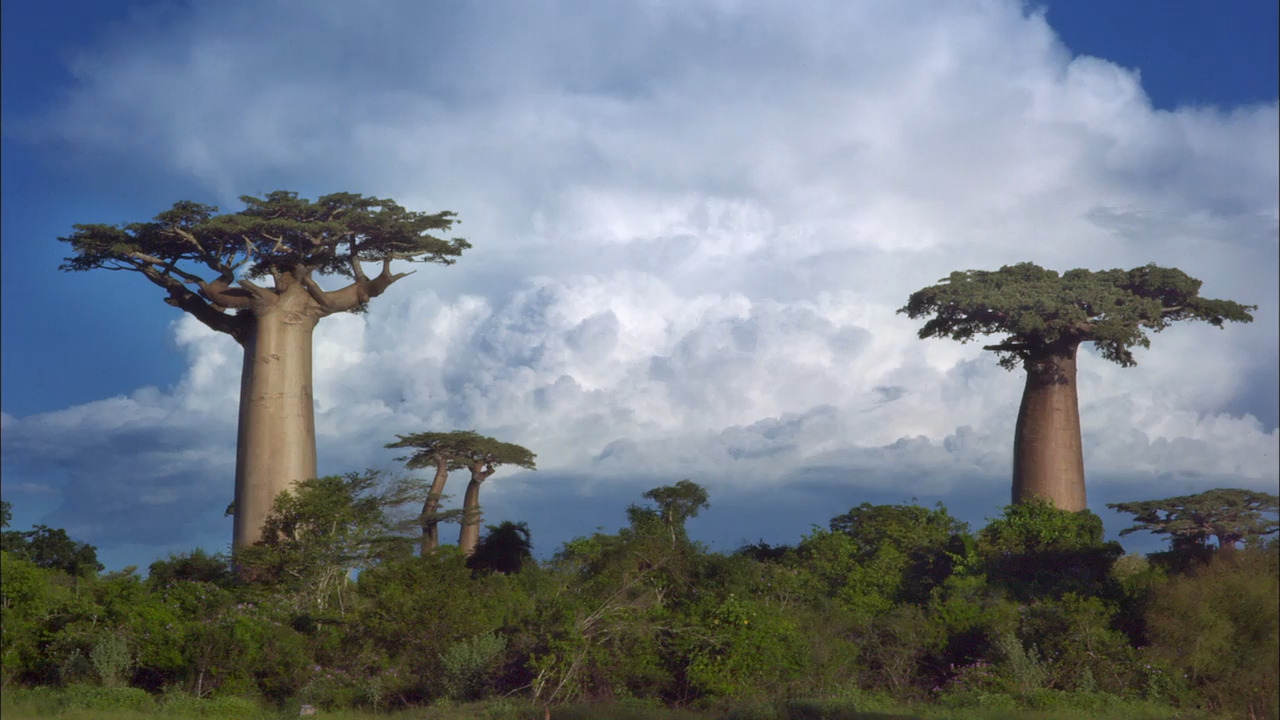
In Baobab Trees: Bursting Into Bloom, narrator Sir David Attenborough describes how Madagascar’s strangest tree puts on a spectacular show at night. As its large flowers bloom, mouse lemurs emerge from hibernation. This video is excerpted from BBC's Planet Earth, a breathtaking documentary series that highlights the natural wonders of our planet.
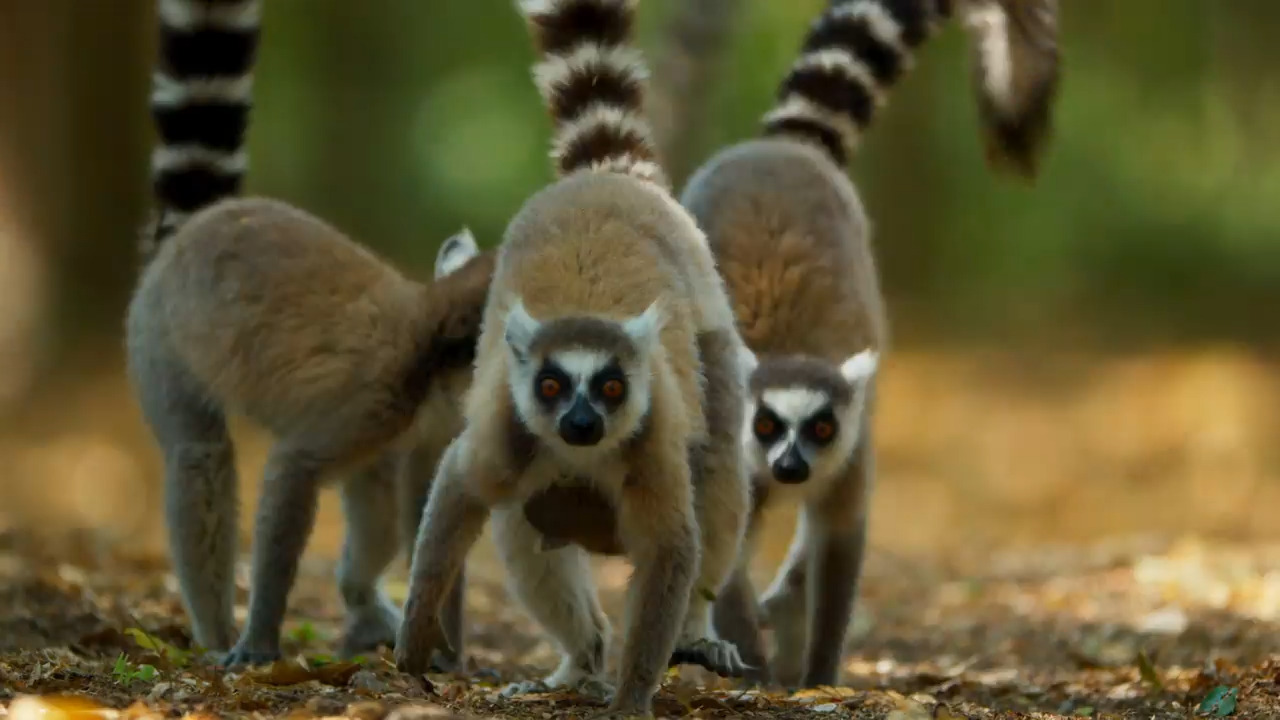
In The Rich Biodiversity of Madagascar, the narrator explains that due to its age and isolation, the island of Madagascar is home to many species that aren’t found anywhere else on Earth. Over 100 different types of lemurs have evolved from a common ancestor. The indri, ringtail, bamboo, and sifaka lemurs have each adapted to different habitats on the island. This video is excerpted from BBC’s Planet Earth II, a breathtaking documentary series that highlights the natural wonders of our planet.
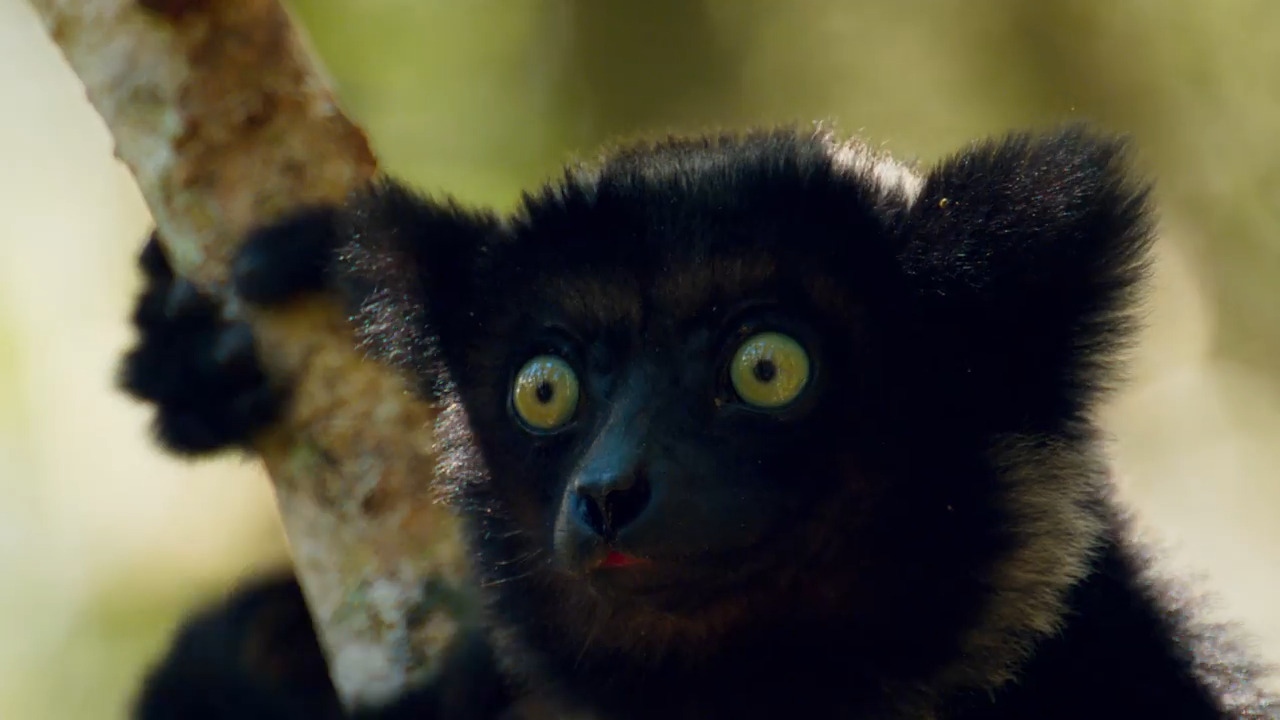
In Protecting Madagascar, narrator Sir David Attenborough presents the incredible biodiversity of Madagascar’s rainforests and the urgent need to protect them. Learn how deforestation and habitat destruction are endangering species like the indri, one of the world’s largest lemurs. This video is excerpted from BBC’s Planet Earth II, a breathtaking documentary series that highlights the natural wonders of our planet.
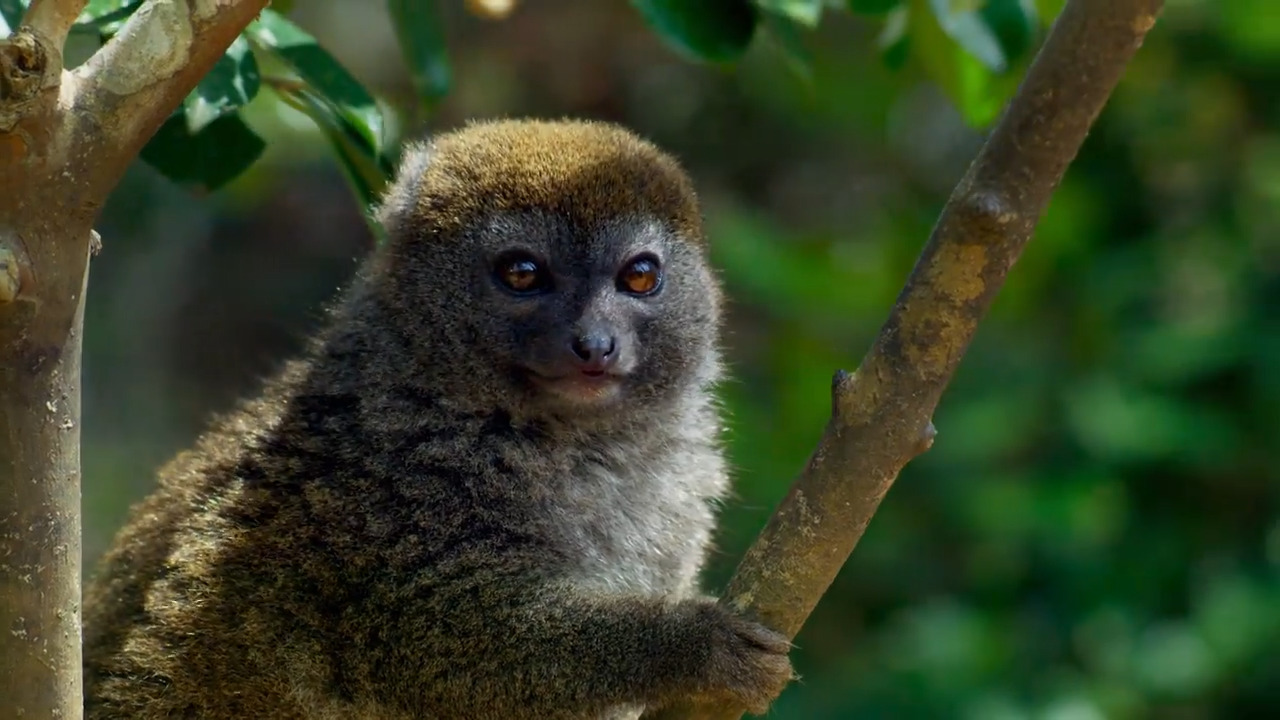
In Finding a Niche in a Crowded Jungle Ecosystem, narrator Sir David Attenborough discovers how animals like the indri — a large lemur native to Madagascar — adapt to survive in one of the most competitive environments on Earth. In the dense jungle, the indri has developed unique strategies to find its place in this crowded ecosystem. This video is excerpted from BBC’s Planet Earth II, a breathtaking documentary series that highlights the natural wonders of our planet.

The article "Amazing Animals of Madagascar and Where To Find Them" from BBC's Discover Wildlife is a guide to the extraordinary animals found only on the island of Madagascar. It describes different species like lemurs, aye-ayes, fossas, and giraffe-necked weevils, and the parks and reserves where visitors can see them in their natural homes.
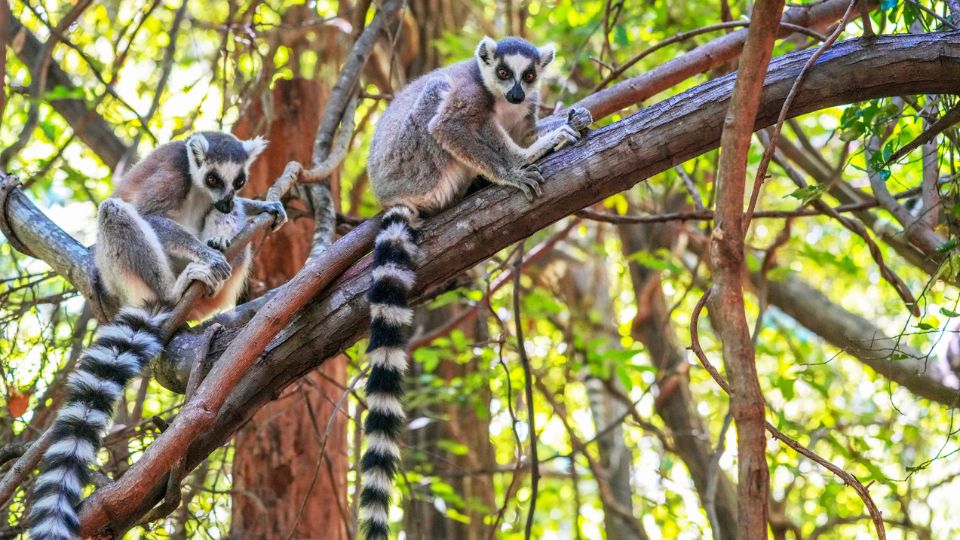
Step into a place like no other. First watch The Biodiversity of Madagascar, a short clip from the award-winning BBC series Planet Earth. Sir David Attenborough takes you into Madagascar, home to many species that aren’t found anywhere else on Earth. Meet indri, ringtail, bamboo, and sifaka lemurs, some of the over 100 different types of lemurs that have evolved from a common ancestor.
Once your students have watched the video, invite them to check for understanding with this quick, 8-question quiz!
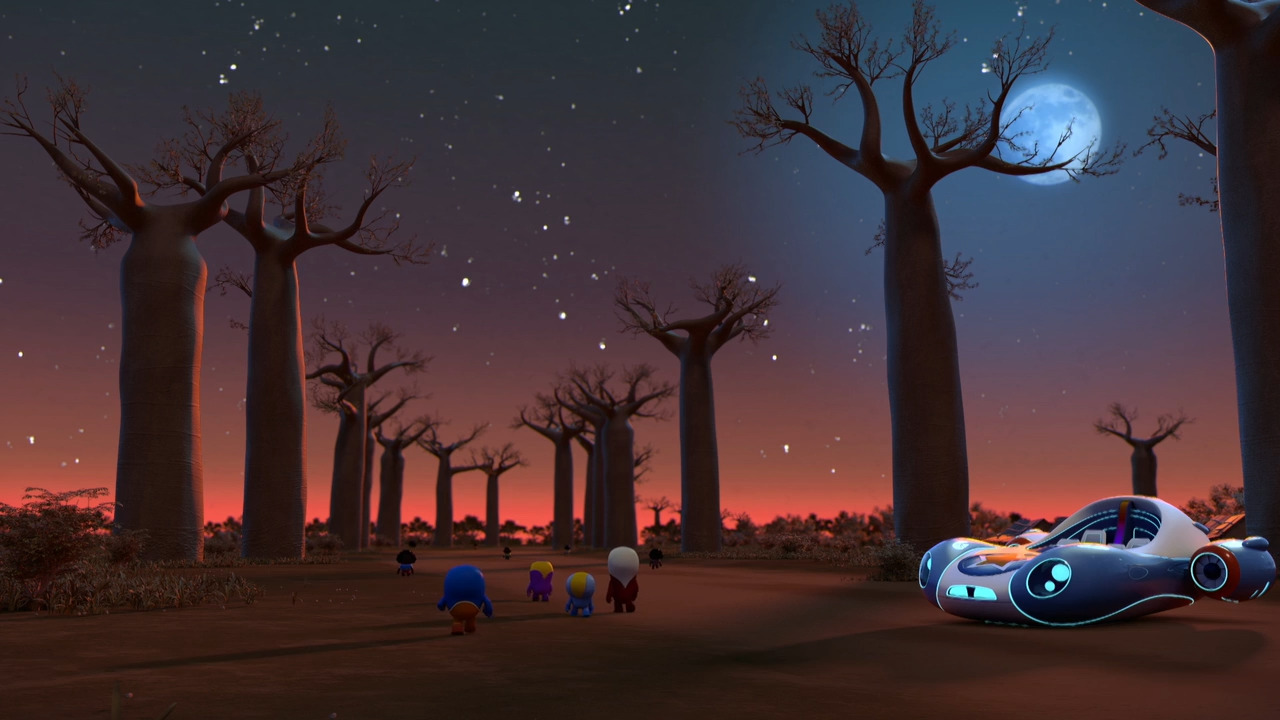
In The Go Jetters Learn About Upside-Down Trees, the Go Jetters crew explores the Avenue of the Baobabs in Madagascar. Ubercorn shares funky facts about these trees, including why they are called the "upside-down tree," and why they are important to nocturnal animals. This video is excerpted from BBC’s Go Jetters, a series that follows the adventures of four international heroes as they travel the globe visiting landmarks and solving environmental problems with Ubercorn, a disco-dancing unicorn.
March 5, 2026, marks the 20th anniversary of premiere of BBC's Planet Earth (and it's just in time for Earth Day on April 22, too!). The breathtaking and award-winning documentary series, narrated by none other than Sir David Attenborough, highlights the natural wonders of our planet. In honor of this momentous occasion, we've put together some of the most popular clips from this beloved natural history show for students ages 8–14.
Get up close and personal with hydroplaning dolphins. Witness an iguana hatchling's terrifying race to survive, pursued by racer snakes. Watch the first steps of two polar bear cubs emerging from hibernation. More of the real-life magic of our blue marble awaits in this video playlist, part of our Planet Earth Collection. Grab your Planet Earth Passport and start exploring!
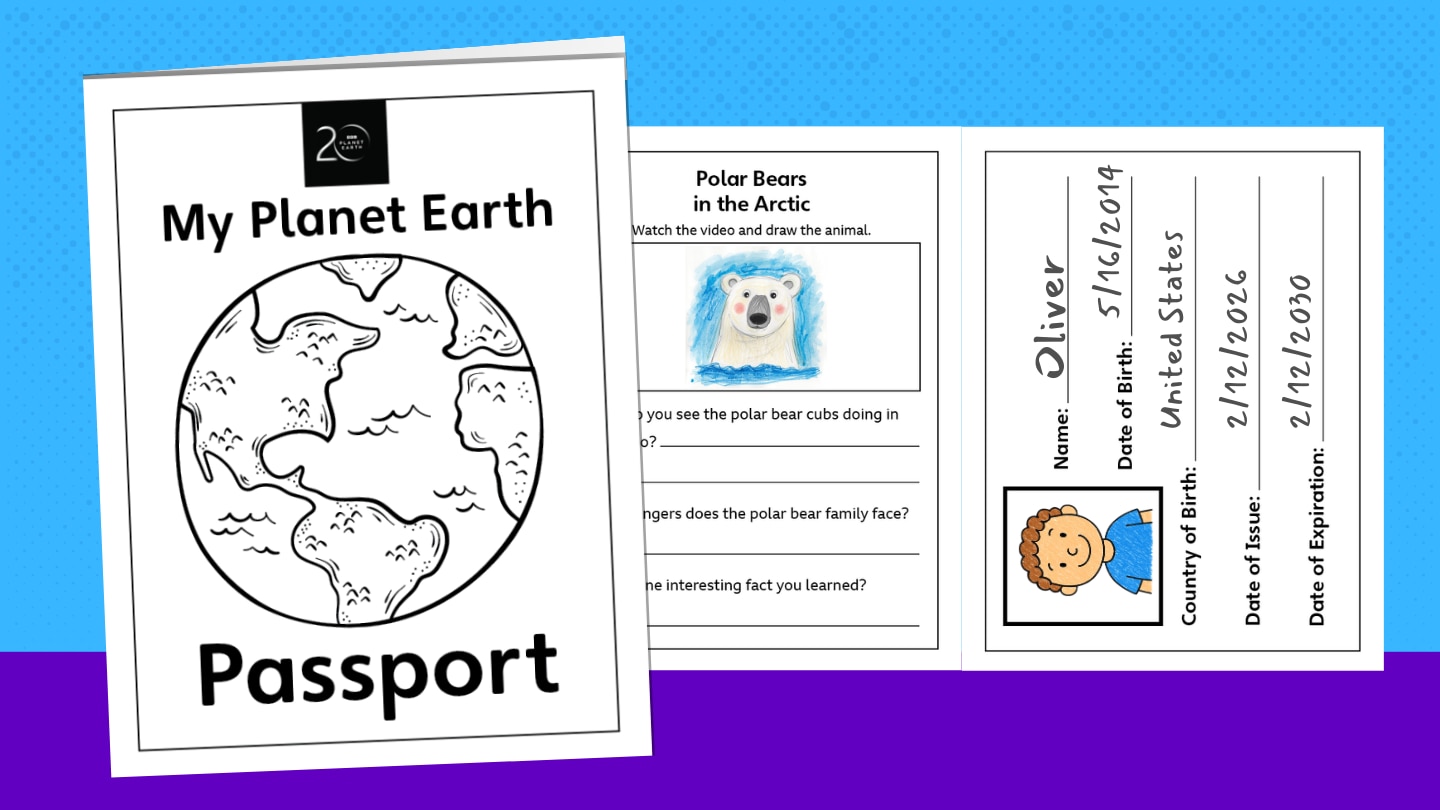
This Planet Earth Passport is your students' perfect guide (just right for ages 8–11) to exploring some of the most-watched videos clips from the iconic BBC series Planet Earth. And it's right in time for Earth Day on April 22!
You can take part by showing your class our playlist of eight amazing animal videos and using our passport as a companion. Students will follow the map to each location and answer questions at each stop. They'll explore:
- Polar Bears in Antarctica
- Bobcats in the Rocky Mountains
- Catfish in France
- Marine Iguanas in the Galápagos
- Cave Swiftlets in Borneo
- Mouse Lemurs in Madagascar
- Dolphins in Western Australia
- Emperor Penguins in Antarctica
To make copies of the passport, print on both sides flipped on the long edge. Make sure you collate and then cut them in half (there are two passports per set).
In Mouse Lemurs Are Sneaky Nectar Thieves!, narrator Sir David Attenborough highlights lemurs enjoying a two-course meal in the branches of the baobab tree. First, the lemurs drink nectar meant for pollinating moths; then the lemurs attack the moths! This video is excerpted from BBC's Planet Earth, a breathtaking documentary series that highlights the natural wonders of our planet.
In Losing Land Space for Lemurs in Madagascar, host Simon Reeve travels to the Berenty Reserve, home to the lemur, and a shockingly small area of land where human development continues to encroach upon the lemur’s habitat. This video is excerpted from BBC's Incredible Journeys With Simon Reeve, a series that highlights one journalist’s travels across the globe and the diverse cultures and peoples he meets along the way.
The article "A Cougar-Like Predator Is Attacking Lemurs in Madagascar — Both Are in Jeopardy and Scientists Don't Know What to Do" from BBC's Discover Wildlife explains how researchers in Madagascar discovered that the fossa, a vulnerable predator, is targeting diademed sifaka lemurs, which are critically endangered. Both species urgently need protection, making the situation a complex issue for conservationists.
In Baobab Trees: Bursting Into Bloom, narrator Sir David Attenborough describes how Madagascar’s strangest tree puts on a spectacular show at night. As its large flowers bloom, mouse lemurs emerge from hibernation. This video is excerpted from BBC's Planet Earth, a breathtaking documentary series that highlights the natural wonders of our planet.
In The Rich Biodiversity of Madagascar, the narrator explains that due to its age and isolation, the island of Madagascar is home to many species that aren’t found anywhere else on Earth. Over 100 different types of lemurs have evolved from a common ancestor. The indri, ringtail, bamboo, and sifaka lemurs have each adapted to different habitats on the island. This video is excerpted from BBC’s Planet Earth II, a breathtaking documentary series that highlights the natural wonders of our planet.
In Protecting Madagascar, narrator Sir David Attenborough presents the incredible biodiversity of Madagascar’s rainforests and the urgent need to protect them. Learn how deforestation and habitat destruction are endangering species like the indri, one of the world’s largest lemurs. This video is excerpted from BBC’s Planet Earth II, a breathtaking documentary series that highlights the natural wonders of our planet.
In Finding a Niche in a Crowded Jungle Ecosystem, narrator Sir David Attenborough discovers how animals like the indri — a large lemur native to Madagascar — adapt to survive in one of the most competitive environments on Earth. In the dense jungle, the indri has developed unique strategies to find its place in this crowded ecosystem. This video is excerpted from BBC’s Planet Earth II, a breathtaking documentary series that highlights the natural wonders of our planet.
The article "Amazing Animals of Madagascar and Where To Find Them" from BBC's Discover Wildlife is a guide to the extraordinary animals found only on the island of Madagascar. It describes different species like lemurs, aye-ayes, fossas, and giraffe-necked weevils, and the parks and reserves where visitors can see them in their natural homes.
Step into a place like no other. First watch The Biodiversity of Madagascar, a short clip from the award-winning BBC series Planet Earth. Sir David Attenborough takes you into Madagascar, home to many species that aren’t found anywhere else on Earth. Meet indri, ringtail, bamboo, and sifaka lemurs, some of the over 100 different types of lemurs that have evolved from a common ancestor.
Once your students have watched the video, invite them to check for understanding with this quick, 8-question quiz!
In The Go Jetters Learn About Upside-Down Trees, the Go Jetters crew explores the Avenue of the Baobabs in Madagascar. Ubercorn shares funky facts about these trees, including why they are called the "upside-down tree," and why they are important to nocturnal animals. This video is excerpted from BBC’s Go Jetters, a series that follows the adventures of four international heroes as they travel the globe visiting landmarks and solving environmental problems with Ubercorn, a disco-dancing unicorn.
March 5, 2026, marks the 20th anniversary of premiere of BBC's Planet Earth (and it's just in time for Earth Day on April 22, too!). The breathtaking and award-winning documentary series, narrated by none other than Sir David Attenborough, highlights the natural wonders of our planet. In honor of this momentous occasion, we've put together some of the most popular clips from this beloved natural history show for students ages 8–14.
Get up close and personal with hydroplaning dolphins. Witness an iguana hatchling's terrifying race to survive, pursued by racer snakes. Watch the first steps of two polar bear cubs emerging from hibernation. More of the real-life magic of our blue marble awaits in this video playlist, part of our Planet Earth Collection. Grab your Planet Earth Passport and start exploring!
This Planet Earth Passport is your students' perfect guide (just right for ages 8–11) to exploring some of the most-watched videos clips from the iconic BBC series Planet Earth. And it's right in time for Earth Day on April 22!
You can take part by showing your class our playlist of eight amazing animal videos and using our passport as a companion. Students will follow the map to each location and answer questions at each stop. They'll explore:
- Polar Bears in Antarctica
- Bobcats in the Rocky Mountains
- Catfish in France
- Marine Iguanas in the Galápagos
- Cave Swiftlets in Borneo
- Mouse Lemurs in Madagascar
- Dolphins in Western Australia
- Emperor Penguins in Antarctica
To make copies of the passport, print on both sides flipped on the long edge. Make sure you collate and then cut them in half (there are two passports per set).