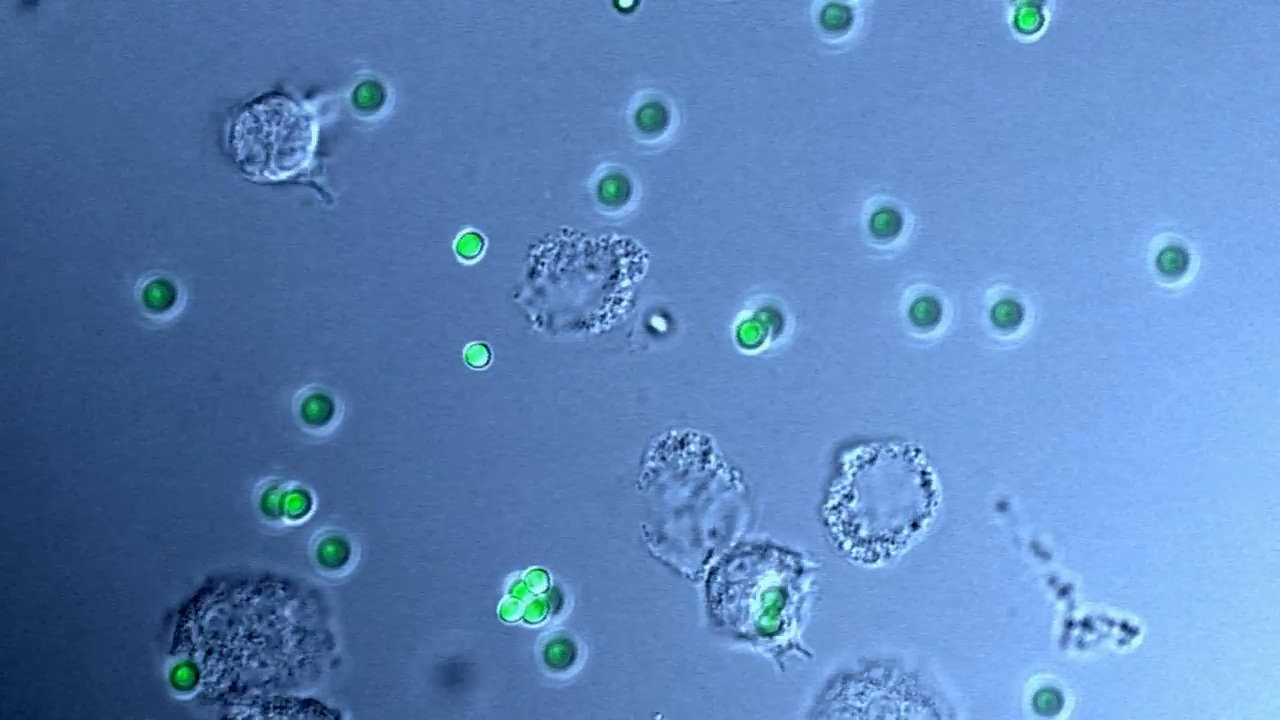
In How Blood Defends the Body, Dr. Michael Mosley explores how blood responds to injury and infection through inflammation and immune activity. From immediate skin reactions to increases in immune cells during stress, discover how the body both reacts to and anticipates danger. This video is excerpted from BBC’s The Wonderful World of Blood, in which Dr. Michael Mosley carries out six experiments on his own blood, from starving it of oxygen to injecting it with snake venom.
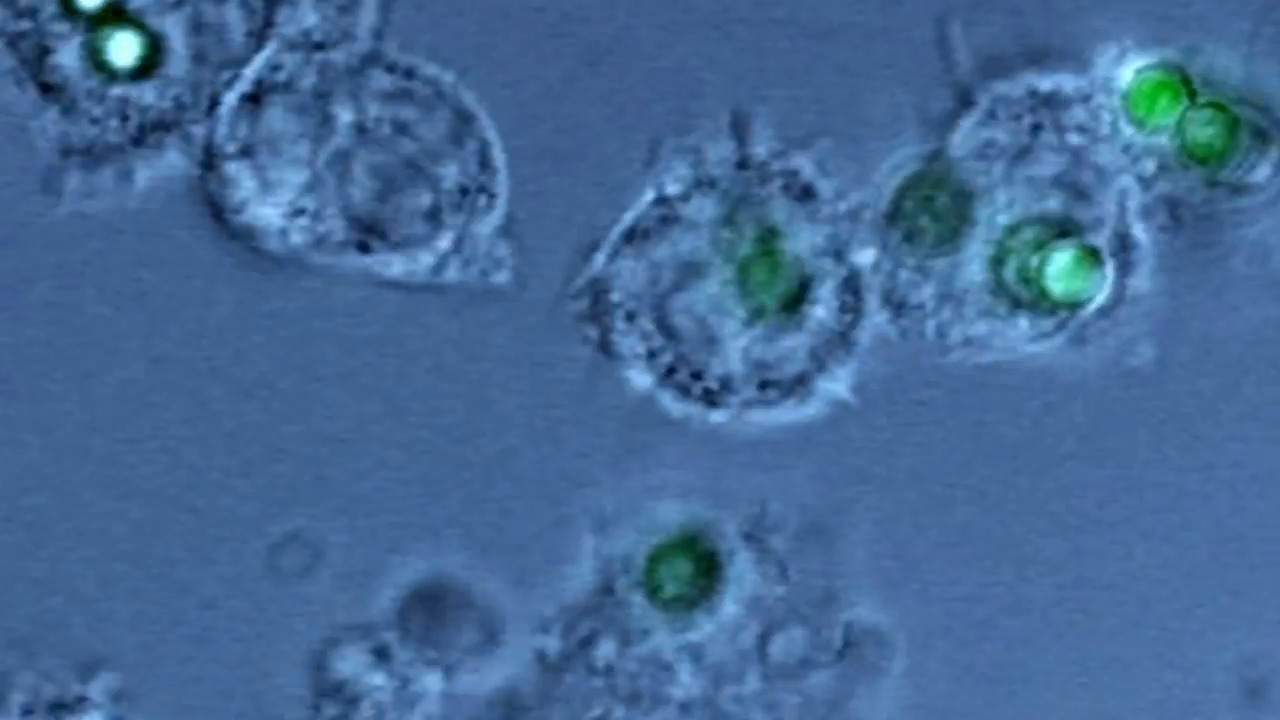
In Treating Severe Combined Immunodeficiency, learn how doctors used gene therapy to fix a boy’s immune system. Meet Reese, a child with severe combined immunodeficiency (SCID), whose immune system was successfully treated through this groundbreaking medical procedure. Discover how gene therapy works, how viruses can be used to deliver genes, and the role of white blood cells in the immune system. This video is excerpted from BBC’s The World’s Most Extraordinary People, a documentary series revealing how rare medical conditions inspire groundbreaking scientific discoveries.
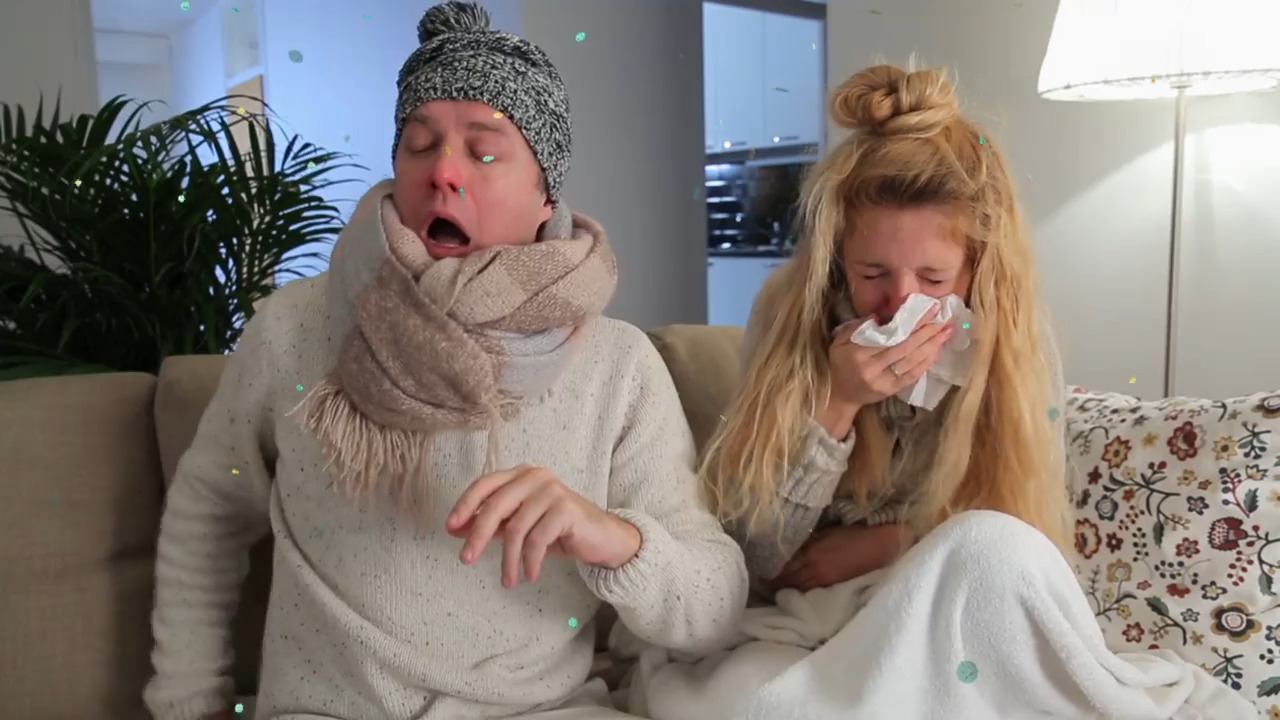
In How Cold Affects Your Body’s Defenses, host Harith Iskander explains how cold temperatures can impact your body’s ability to fight off infections. When you’re cold, the blood vessels constrict, reducing blood flow to certain areas of the body. This process can weaken the immune system, making it easier for viruses, like the common cold, to take hold. This video is excerpted from BBC’s Got Science?, a science magazine series that explores and explains science in everyday life.

In Exploring Current Research on HIV, learn about the groundbreaking moment when Dr. Hutter cured a patient, Timothy Ray Brown, of HIV for the first time. The video highlights how Timothy, who had developed leukemia in addition to HIV, became the first person cured of the virus through a stem cell transplant. The story explores the role of white blood cells and how some people are naturally resistant to HIV, providing an exciting look into modern medical advancements. This video is excerpted from BBC’s The World’s Most Extraordinary People, a documentary series revealing how rare medical conditions inspire groundbreaking scientific discoveries.

The article "Why We Sleep: How Rest Helps Our Body and Brain" from BBC's Science Focus explains why sleep is essential for our physical and mental well-being. It explores sleep stages, how much rest we need, what dreams might mean, and why sleep evolved.

The article "Beat Winter Illness: Science-Backed Tips to Stay Healthy" from BBC's Science Focus covers evidence-based remedies like taking zinc and vitamin C, washing hands regularly, and getting a flu vaccine to stay healthy during winter.
This video playlist brings together 10 fascinating clips from the BBC’s Got Science? series, where everyday questions lead to surprising scientific discoveries. Students explore what’s really happening in the body and brain — from what your brain is doing during sleep paralysis to what it truly means to be “left-brained” or “right-brained.” They’ll investigate what happens when the body becomes dehydrated, how cold temperatures and high altitudes affect how we function, and the unexpected ways our bodies trick us every single day. Packed with “What! Really?” moments, this weird-but-wonderful playlist helps learners connect real science to daily life in unforgettable ways. Get ready to see the familiar become fascinating.
In the video Treating Multiple Sclerosis With Stem Cell Therapy, meet Stephen, a man who lost his ability to move due to multiple sclerosis (MS), an autoimmune disease that attacks the brain and spinal cord. Follow his journey as he undergoes an innovative stem cell treatment to restore his nervous system and regain mobility. Learn about the immune system, autoimmune diseases, and how stem cells can be used to repair damaged systems in the body. This video is excerpted from BBC’s The World’s Most Extraordinary People, a documentary series revealing how rare medical conditions inspire groundbreaking scientific discoveries.
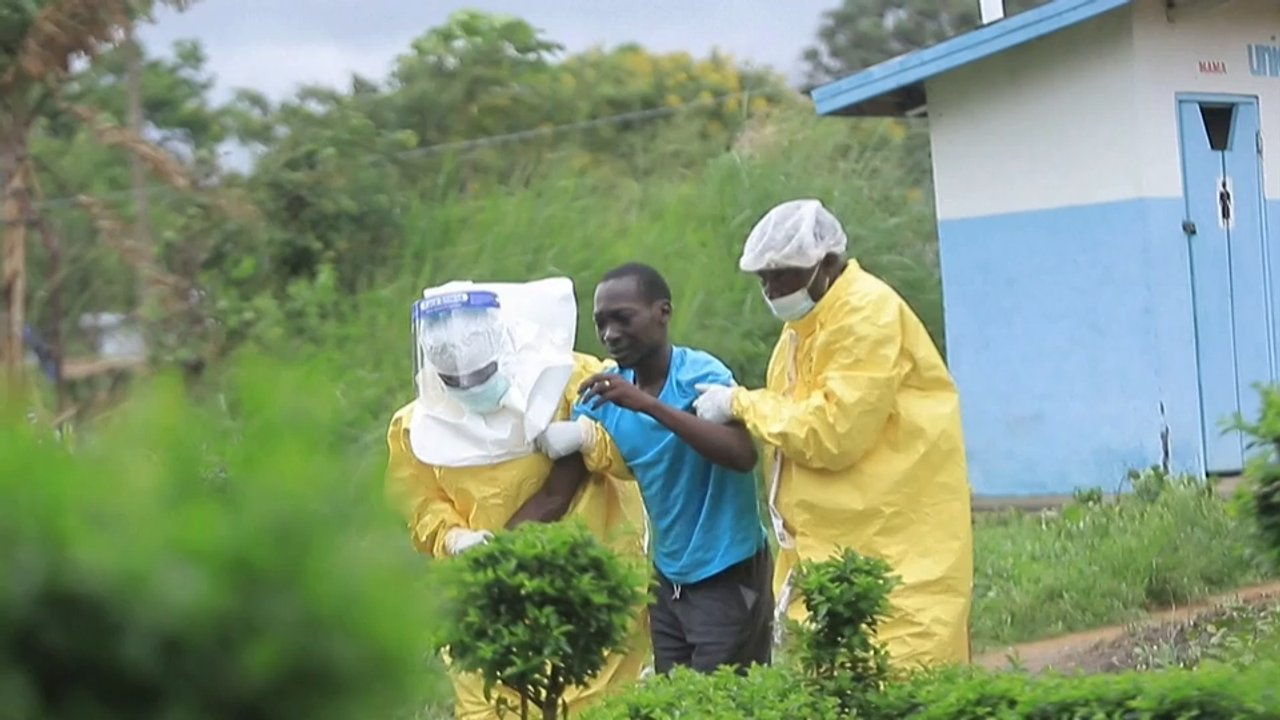
The Democratic Republic of the Congo (DRC) is months into a serious Ebola outbreak caused by the Bundibugyo species of the virus. Its rapid spread has prompted health officials to raise the risk assessment to "very high" nationally, "high" regionally, and "low" globally. The Bundibugyo species has a case fatality rate of about one in three people, and there's currently no approved vaccine for this type of Ebola. Scientists at the University of Oxford are racing to develop one, using a strategy that may sound familiar.
During the COVID-19 pandemic, scientists were able to develop vaccines quickly by using a harmless virus to deliver genetic material from the coronavirus. It may sound like the world’s worst Amazon delivery, but that material acts as instructions to teach the immune system what to recognize, so it can fight the real virus if a person is exposed later. It’s like showing your immune system a "wanted poster" of a criminal, and giving your body time to figure out how to respond if faced with the actual criminal.
Now, scientists are using the same strategy for Ebola: a harmless virus delivers genetic instructions from the Bundibugyo Ebola virus, helping the immune system prepare without causing the disease itself. Health officials hope the outbreak can be contained without a vaccine, but because Ebola can spread quickly and cause severe illness, having a vaccine ready would provide another powerful tool to help stop it — a definite case of "better safe than sorry."
Chemotherapy works. It also takes a serious toll — on energy, on the immune system, on everyday quality of life. For decades, that trade-off has been treated as unavoidable. A new drug being used to treat ovarian cancer suggests it might not have to be.
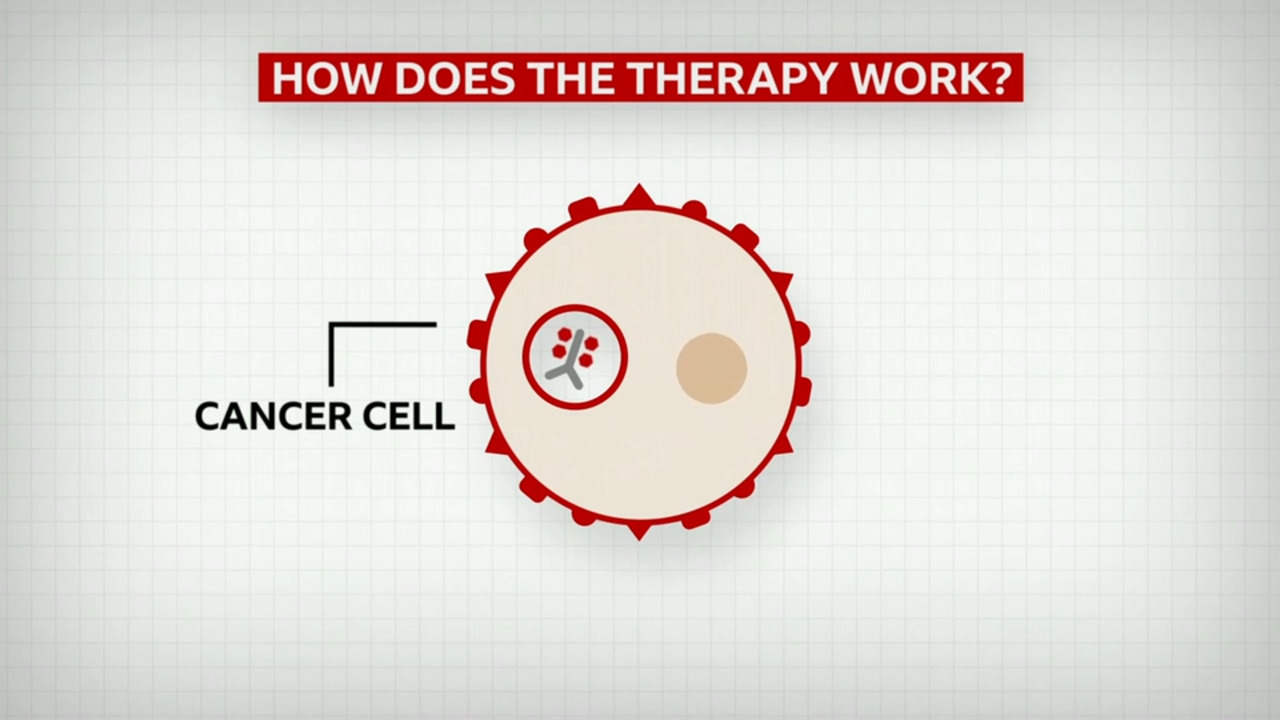
The treatment works by attaching a chemotherapy drug to an antibody — a protein the body uses naturally to identify and target specific cells. When the drug enters the body, the antibodies seek out cancer cells specifically, binding to them and leaving healthy tissue alone. Once inside the cancer cell, the antibody breaks down and releases the chemotherapy drug, destroying the cancer from within. The rest of the body barely notices.
For patients like Patricia Hill, the difference has been significant. After multiple rounds of conventional chemotherapy in the 3 years since her ovarian cancer diagnosis, she describes finally feeling well enough to socialize and enjoy daily life again. That shift — from surviving treatment to actually living alongside it — is what researchers have spent decades working toward.
The drug is still being studied, but early results point in two directions that matter: better quality of life during treatment, and the possibility of longer survival afterward. Those two things don't always come together in cancer research. When they do, it tends to mean something genuinely new is happening.
In How Blood Defends the Body, Dr. Michael Mosley explores how blood responds to injury and infection through inflammation and immune activity. From immediate skin reactions to increases in immune cells during stress, discover how the body both reacts to and anticipates danger. This video is excerpted from BBC’s The Wonderful World of Blood, in which Dr. Michael Mosley carries out six experiments on his own blood, from starving it of oxygen to injecting it with snake venom.
In Treating Severe Combined Immunodeficiency, learn how doctors used gene therapy to fix a boy’s immune system. Meet Reese, a child with severe combined immunodeficiency (SCID), whose immune system was successfully treated through this groundbreaking medical procedure. Discover how gene therapy works, how viruses can be used to deliver genes, and the role of white blood cells in the immune system. This video is excerpted from BBC’s The World’s Most Extraordinary People, a documentary series revealing how rare medical conditions inspire groundbreaking scientific discoveries.
In How Cold Affects Your Body’s Defenses, host Harith Iskander explains how cold temperatures can impact your body’s ability to fight off infections. When you’re cold, the blood vessels constrict, reducing blood flow to certain areas of the body. This process can weaken the immune system, making it easier for viruses, like the common cold, to take hold. This video is excerpted from BBC’s Got Science?, a science magazine series that explores and explains science in everyday life.
In Exploring Current Research on HIV, learn about the groundbreaking moment when Dr. Hutter cured a patient, Timothy Ray Brown, of HIV for the first time. The video highlights how Timothy, who had developed leukemia in addition to HIV, became the first person cured of the virus through a stem cell transplant. The story explores the role of white blood cells and how some people are naturally resistant to HIV, providing an exciting look into modern medical advancements. This video is excerpted from BBC’s The World’s Most Extraordinary People, a documentary series revealing how rare medical conditions inspire groundbreaking scientific discoveries.
The article "Why We Sleep: How Rest Helps Our Body and Brain" from BBC's Science Focus explains why sleep is essential for our physical and mental well-being. It explores sleep stages, how much rest we need, what dreams might mean, and why sleep evolved.
The article "Beat Winter Illness: Science-Backed Tips to Stay Healthy" from BBC's Science Focus covers evidence-based remedies like taking zinc and vitamin C, washing hands regularly, and getting a flu vaccine to stay healthy during winter.
This video playlist brings together 10 fascinating clips from the BBC’s Got Science? series, where everyday questions lead to surprising scientific discoveries. Students explore what’s really happening in the body and brain — from what your brain is doing during sleep paralysis to what it truly means to be “left-brained” or “right-brained.” They’ll investigate what happens when the body becomes dehydrated, how cold temperatures and high altitudes affect how we function, and the unexpected ways our bodies trick us every single day. Packed with “What! Really?” moments, this weird-but-wonderful playlist helps learners connect real science to daily life in unforgettable ways. Get ready to see the familiar become fascinating.
In the video Treating Multiple Sclerosis With Stem Cell Therapy, meet Stephen, a man who lost his ability to move due to multiple sclerosis (MS), an autoimmune disease that attacks the brain and spinal cord. Follow his journey as he undergoes an innovative stem cell treatment to restore his nervous system and regain mobility. Learn about the immune system, autoimmune diseases, and how stem cells can be used to repair damaged systems in the body. This video is excerpted from BBC’s The World’s Most Extraordinary People, a documentary series revealing how rare medical conditions inspire groundbreaking scientific discoveries.
The Democratic Republic of the Congo (DRC) is months into a serious Ebola outbreak caused by the Bundibugyo species of the virus. Its rapid spread has prompted health officials to raise the risk assessment to "very high" nationally, "high" regionally, and "low" globally. The Bundibugyo species has a case fatality rate of about one in three people, and there's currently no approved vaccine for this type of Ebola. Scientists at the University of Oxford are racing to develop one, using a strategy that may sound familiar.
During the COVID-19 pandemic, scientists were able to develop vaccines quickly by using a harmless virus to deliver genetic material from the coronavirus. It may sound like the world’s worst Amazon delivery, but that material acts as instructions to teach the immune system what to recognize, so it can fight the real virus if a person is exposed later. It’s like showing your immune system a "wanted poster" of a criminal, and giving your body time to figure out how to respond if faced with the actual criminal.
Now, scientists are using the same strategy for Ebola: a harmless virus delivers genetic instructions from the Bundibugyo Ebola virus, helping the immune system prepare without causing the disease itself. Health officials hope the outbreak can be contained without a vaccine, but because Ebola can spread quickly and cause severe illness, having a vaccine ready would provide another powerful tool to help stop it — a definite case of "better safe than sorry."
Chemotherapy works. It also takes a serious toll — on energy, on the immune system, on everyday quality of life. For decades, that trade-off has been treated as unavoidable. A new drug being used to treat ovarian cancer suggests it might not have to be.
The treatment works by attaching a chemotherapy drug to an antibody — a protein the body uses naturally to identify and target specific cells. When the drug enters the body, the antibodies seek out cancer cells specifically, binding to them and leaving healthy tissue alone. Once inside the cancer cell, the antibody breaks down and releases the chemotherapy drug, destroying the cancer from within. The rest of the body barely notices.
For patients like Patricia Hill, the difference has been significant. After multiple rounds of conventional chemotherapy in the 3 years since her ovarian cancer diagnosis, she describes finally feeling well enough to socialize and enjoy daily life again. That shift — from surviving treatment to actually living alongside it — is what researchers have spent decades working toward.
The drug is still being studied, but early results point in two directions that matter: better quality of life during treatment, and the possibility of longer survival afterward. Those two things don't always come together in cancer research. When they do, it tends to mean something genuinely new is happening.