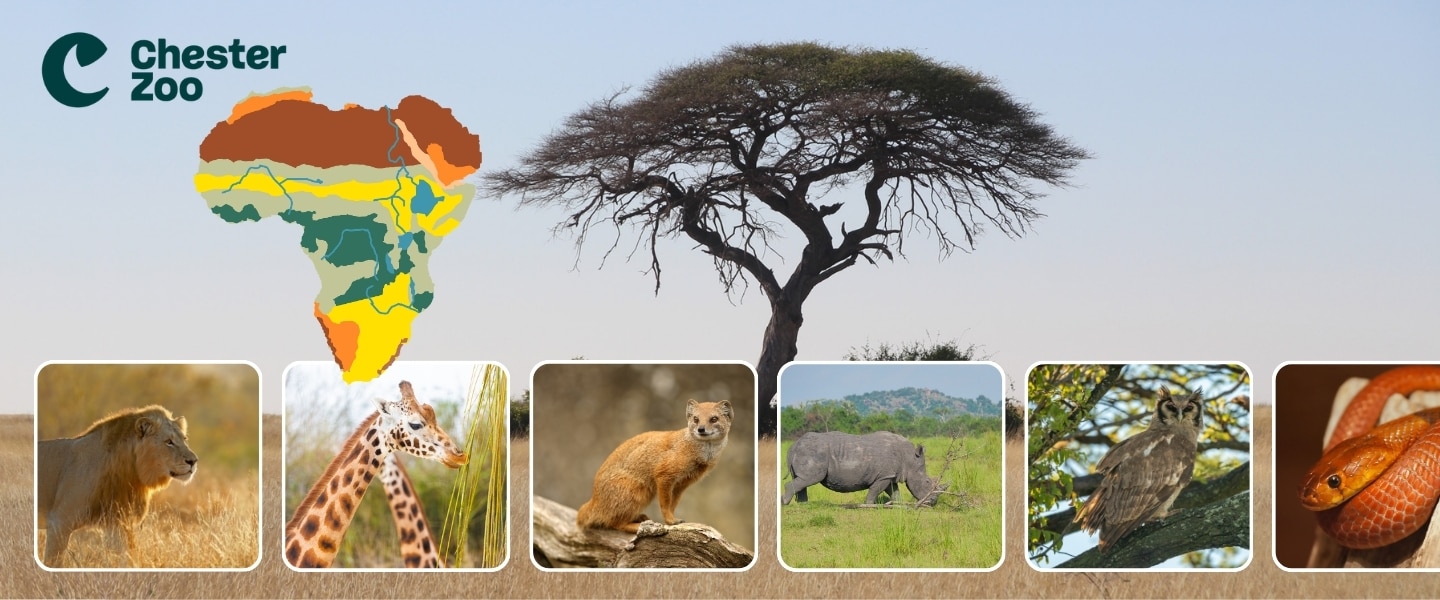
A cross-curricular journey through Africa for students ages 8–14
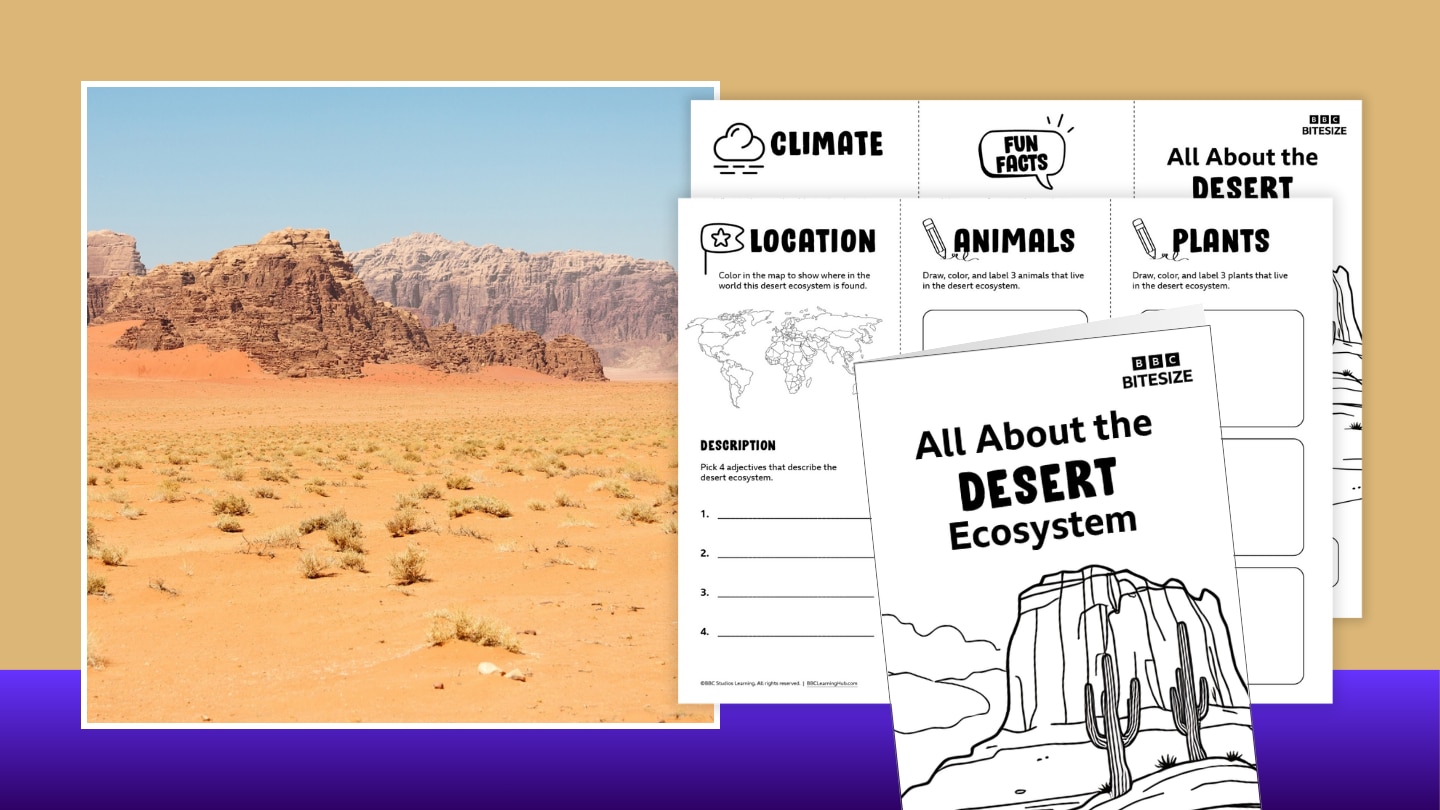
Guide your students on a journey through the desert ecosystem! From the sweeping sands of the Namib and Kalahari in southern Africa, to the dry heart of Australia’s Outback, and the rocky cold of the Gobi, deserts come in many forms.
✨ Perfect for grades 3–8, here’s what you need to bring ecosystems to life:
- Iconic BBC Videos: Share the clips on this page to introduce the location, plants, animals, and climate of the desert. (Don't miss the lions and lizards!) Brought to you by world-class BBC programs like Planet Earth, Wilderness With Simon Reeve, Africa, and Seven Worlds, One Planet.
- Free Printable: Use the Desert Brochure Template to help students pull it all together in an ecosystem report with facts they’ve learned (and a little extra research).
It’s everything you need to make ecosystems easy to teach and truly memorable for your students.

It may only be the size of your fist, but your heart is one of the hardest-working organs in your body. It beats nonstop — whether you’re running laps, laughing with friends, or fast asleep. This Valentine’s season, show your heart a little love by learning what makes it tick.
Think you know what an artery does? Or how long does it take for blood to complete a full circuit through the human body? Get ready for a quiz full of fascinating facts, surprising science, and a few twists that might make your pulse race!
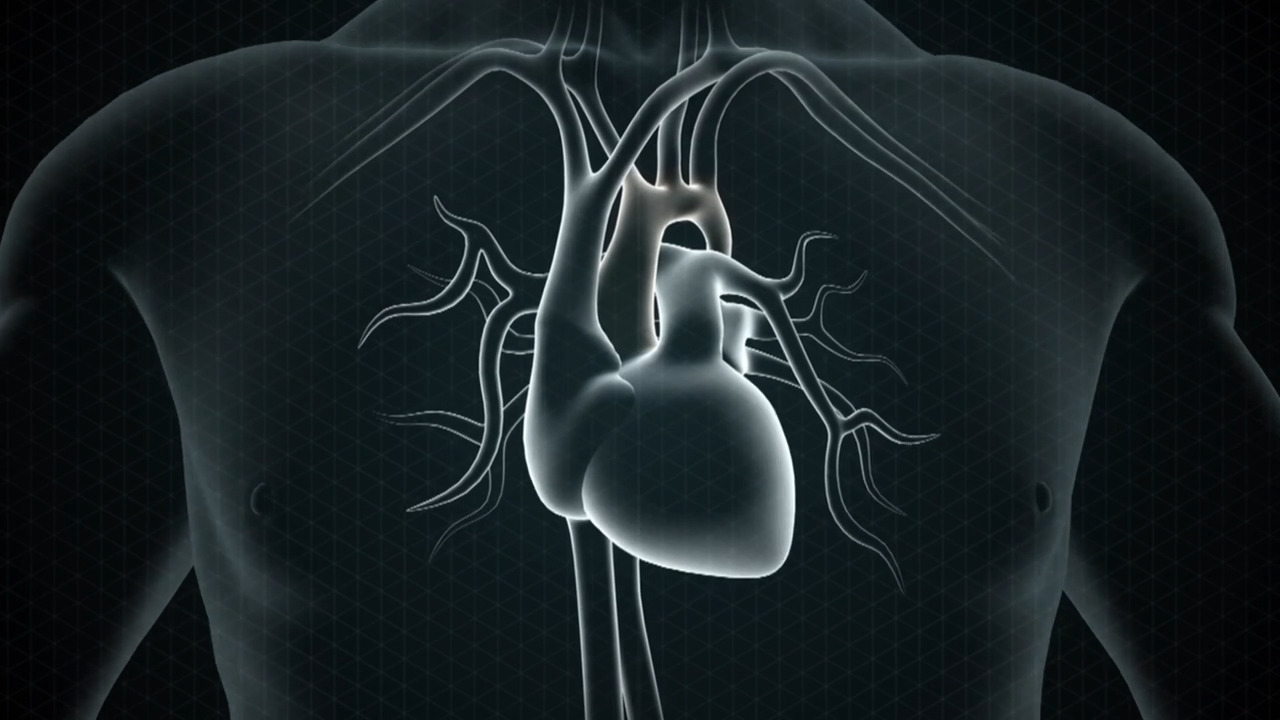
In Engineering Creative Solutions for Living With Marfan Syndrome, meet Cal, a person with Marfan Syndrome, who creatively solves a medical complication by applying engineering knowledge to his condition. Cal’s condition causes his heart and aorta to stretch due to the structural abnormalities that characterize Marfan Syndrome. Instead of undergoing traditional surgery, Cal takes matters into his own hands, using his engineering background to find a more innovative solution. This video demonstrates the intersection of medicine and engineering, as well as how individuals can advocate for themselves and influence their treatment plans. This video is excerpted from BBC’s The World’s Most Extraordinary People, a documentary series revealing how rare medical conditions inspire groundbreaking scientific discoveries.

The article "Miniature Human Heart 3D Printed Using Stem Cells" from BBC's Science Focus covers researchers at the University of Minnesota who successfully 3D printed a functioning human heart pump using stem cells, which could have significant implications for heart disease research and treatment.
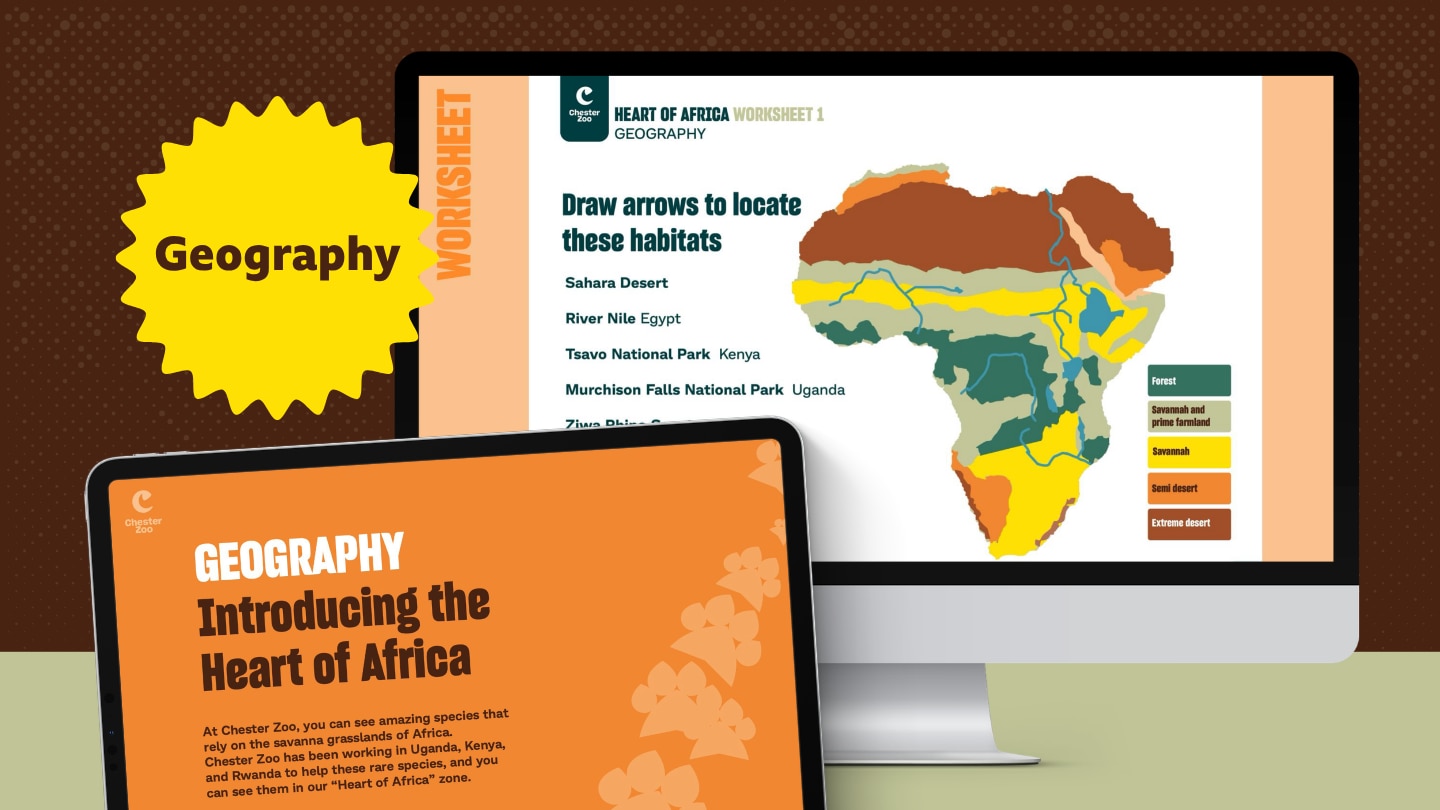
Discover the Heart of Africa! From sweeping savannas and deserts to forests, mountains, and mighty rivers, Africa is home to an incredible variety of landscapes — and an equally incredible variety of wildlife. Travel across the continent with Chester Zoo to explore some of its most fascinating habitats and discover how geography shapes the animals and people who live there.
Explore the countries and landscapes that make up Africa, identify different habitats, and see what makes each one unique. Then zoom in on the savanna to investigate its climate and discover what life is like in one of the world's most iconic ecosystems.
But the savanna is changing. Learn how shifts in climate are affecting this landscape and the wildlife that depends on it, and discover ways people can help protect these important habitats. Along the way, you'll build your geography skills while seeing Africa — and its wildlife — in a whole new way
Don't miss the geography worksheets that go with this lesson!
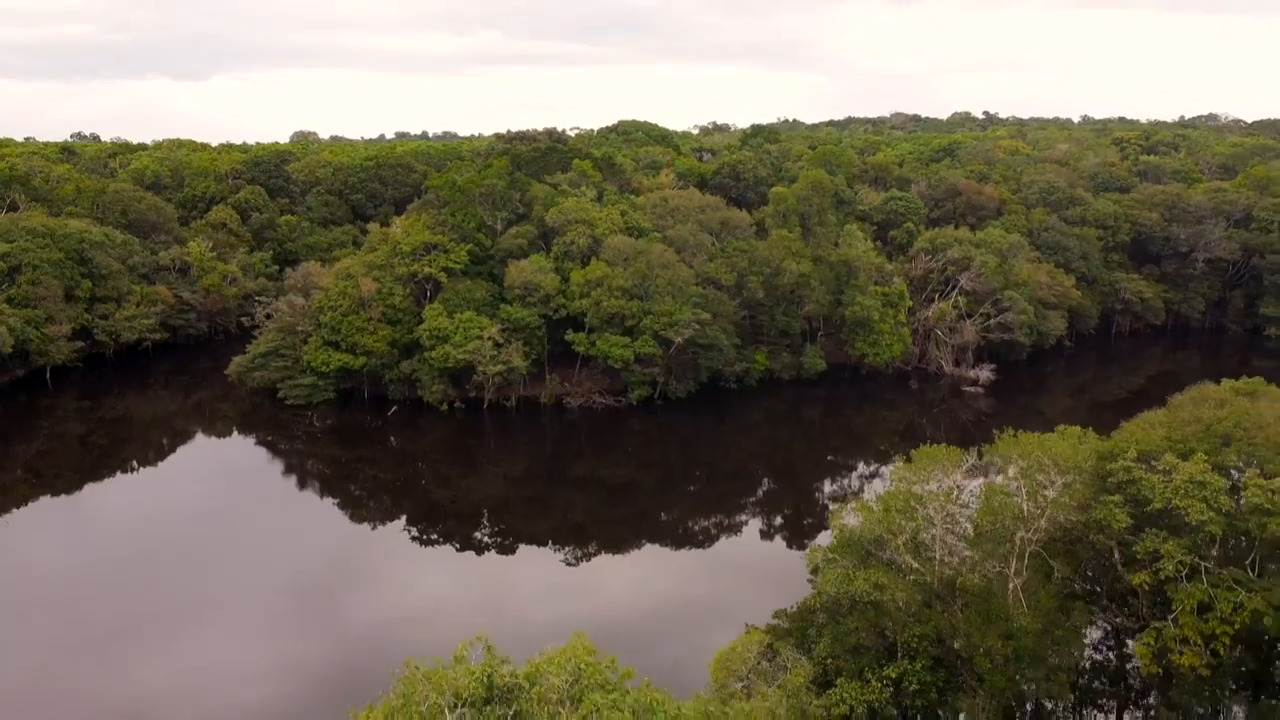
In The Heart and Lungs of the World, host Radzi Chinyanganya explains how the Amazon rainforest plays a critical role in regulating the Earth's climate by recycling water from the trees into the atmosphere. The Amazon takes in and pumps out water, which creates moisture that forms clouds and produces rain. With 400 billion trees cycling water, this process significantly influences global weather patterns, including rainfall in regions far from the rainforest itself, such as the United States’ Midwest. This video is excerpted from BBC’s My World, a program created for teenagers eager to learn more about the important stories shaping our world.
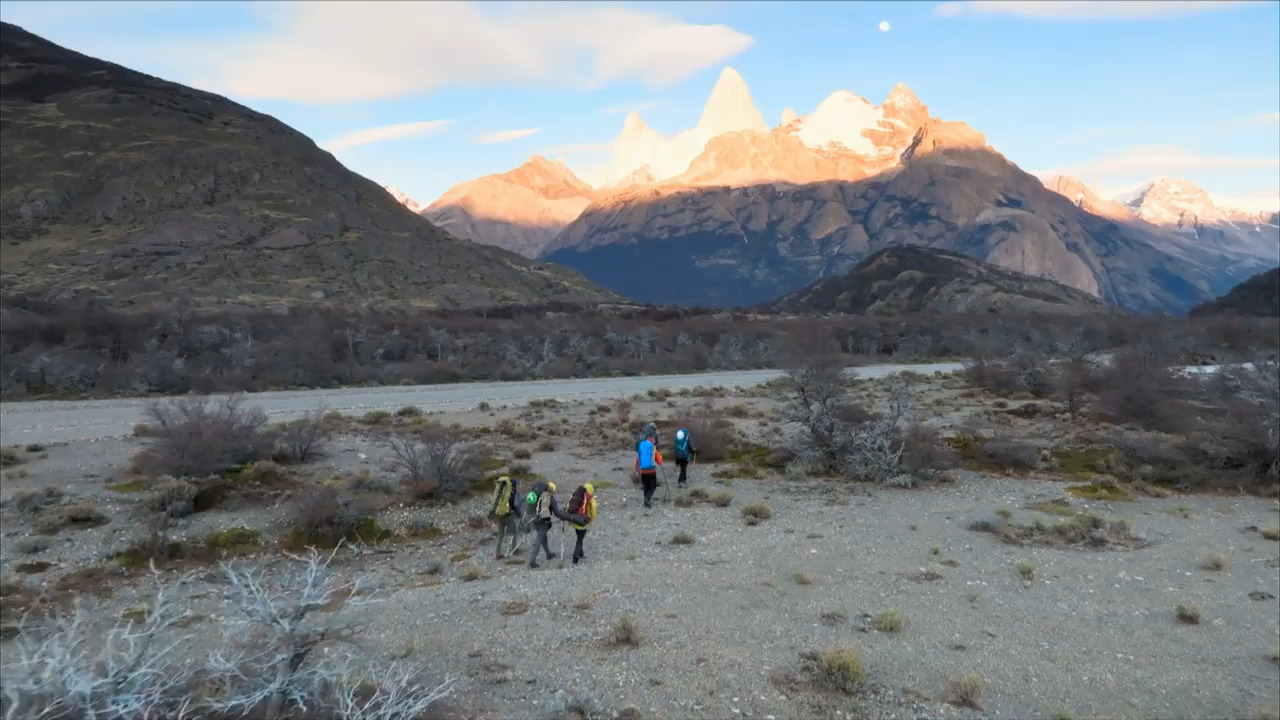
In A Journey to the Heart of Patagonia, host Simon Reeve and his team embark on a multi-day hike to the South Patagonian ice field, the largest ice field outside Antarctica. To reach this frozen wonder, they face brutal challenges like crossing jagged mountains, braving icy rivers, and zip-lining over crevasses. With temperatures plunging to -10°F at night and fierce winds during the day, Simon learns that both physical strength and mental toughness are essential for such an extreme adventure. This video is excerpted from BBC’s Wilderness With Simon Reeve, an epic adventure into the heart of Earth’s last great wild areas, where nature is at its most beautiful and fragile.
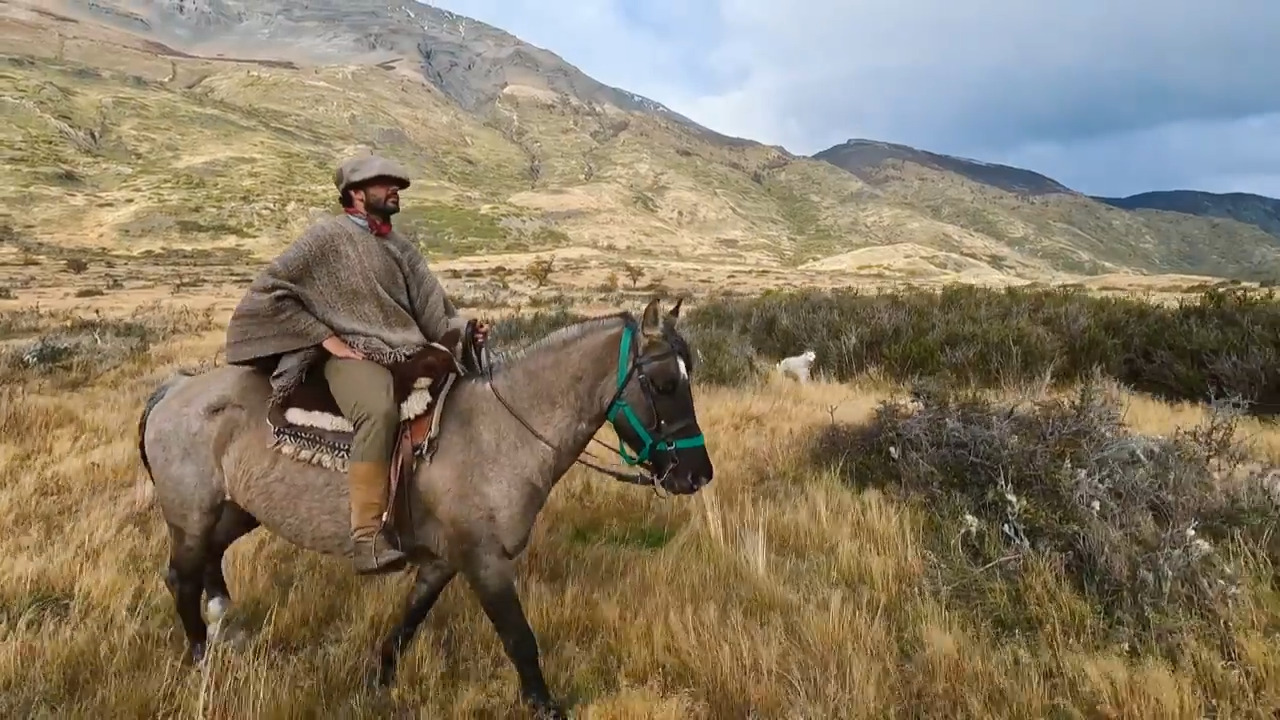
In The Heart of a Gaucho, host Simon Reeve journeys deep into Patagonia to meet Taibo, a gaucho who spends much of his year alone in the wilderness tending animals and braving harsh conditions. Taibo shares how he’s been a gaucho his entire life, living in an outpost with only the basics, like bread and meat, and enduring winters that can drop to nearly -20°F. Simon learns about the gauchos’ legendary horse-riding skills as Taibo teaches him to ride “gaucho style.” This video is excerpted from BBC’s Wilderness With Simon Reeve, an epic adventure into the heart of Earth’s last great wild areas, where nature is at its most beautiful and fragile.
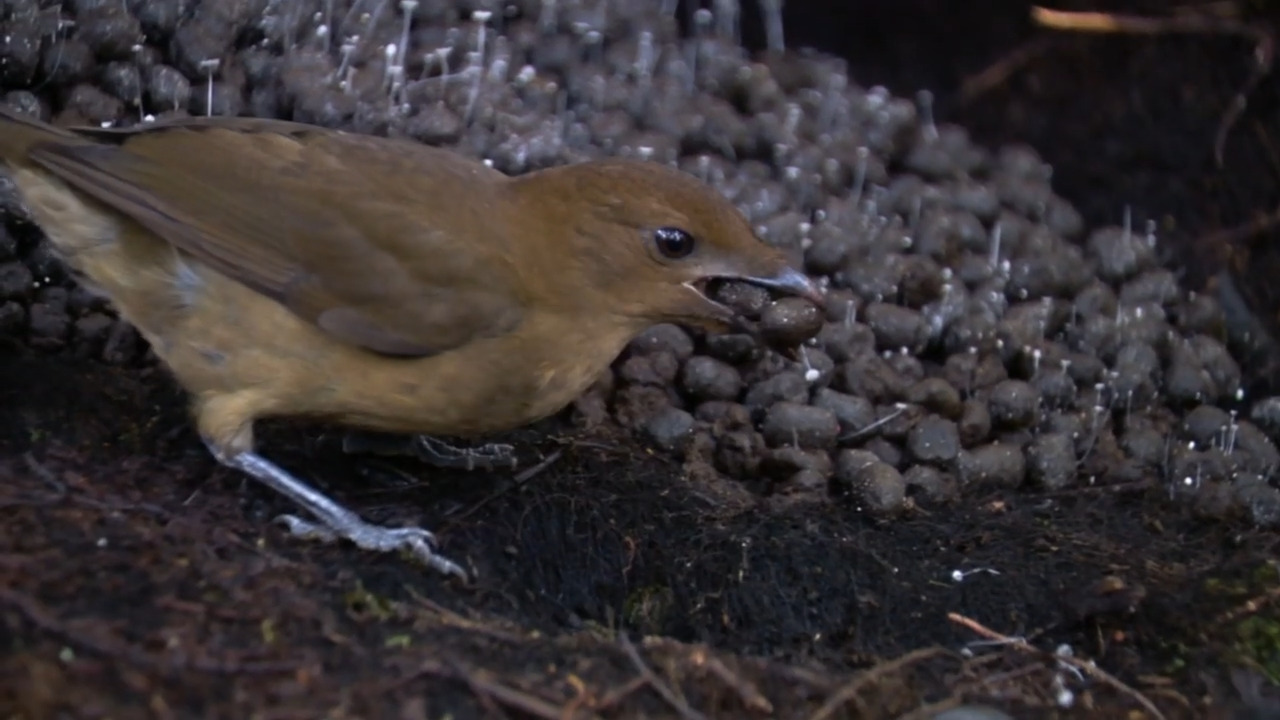
In How Bowerbirds Win Hearts, narrator Sir David Attenborough dives into the fascinating world of the Vogelkop bowerbird and its elaborate mating rituals. Known for its ability to mimic the sounds of other birds, like parrots and pigeons, this bird also has an eye for color and design. Watch as two male bowerbirds compete to impress a female by building the most beautiful nesting ground. Who will win her heart? This video is excerpted from BBC's Life, a show that explores the remarkable strategies animals and plants use to ensure their survival.
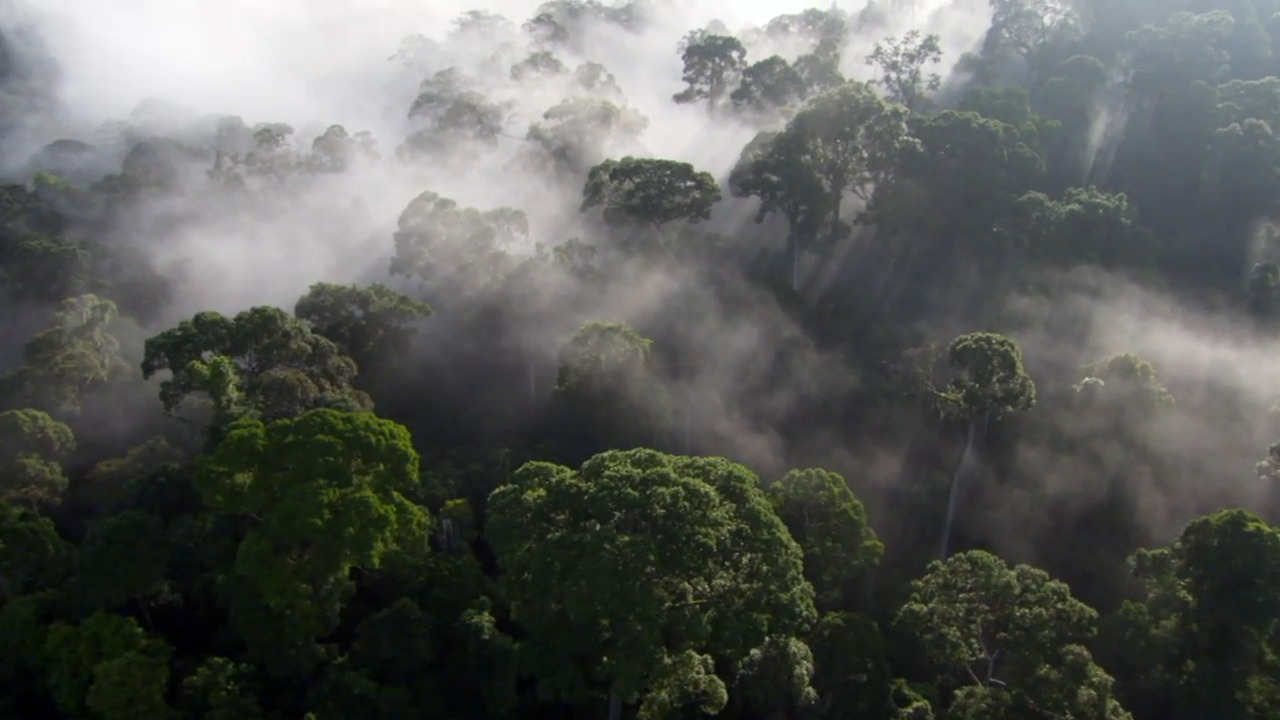
In The Tropics Cause Abundant Life and Broken Hearts, narrator Sir David Attenborough explains how constant direct sunlight allows plant and animal life to flourish. A male bird of paradise takes elaborate steps to attract a mate but is ultimately rejected. This video is excerpted from BBC's Planet Earth, a breathtaking documentary series that highlights the natural wonders of our planet.

In Meet Luca the Staffy, a Deaf Dog With a Big Heart!, host Rory Crawford meets Luca, a friendly 10-year-old white Staffordshire bull terrier with a heart-shaped face who is also deaf. These terriers come in many colors and love to play. Luca’s owner uses special hand signals to communicate commands like "sit" and "paw." Discover what it takes to care for a dog like Luca, including feeding him, providing fresh water, a comfy bed, and regular coat brushing. This video is excerpted from BBC’s My Pet and Me, a children’s show that introduces kids to the rewards and responsibilities involved when having a pet.
A cross-curricular journey through Africa for students ages 8–14
Guide your students on a journey through the desert ecosystem! From the sweeping sands of the Namib and Kalahari in southern Africa, to the dry heart of Australia’s Outback, and the rocky cold of the Gobi, deserts come in many forms.
✨ Perfect for grades 3–8, here’s what you need to bring ecosystems to life:
- Iconic BBC Videos: Share the clips on this page to introduce the location, plants, animals, and climate of the desert. (Don't miss the lions and lizards!) Brought to you by world-class BBC programs like Planet Earth, Wilderness With Simon Reeve, Africa, and Seven Worlds, One Planet.
- Free Printable: Use the Desert Brochure Template to help students pull it all together in an ecosystem report with facts they’ve learned (and a little extra research).
It’s everything you need to make ecosystems easy to teach and truly memorable for your students.
It may only be the size of your fist, but your heart is one of the hardest-working organs in your body. It beats nonstop — whether you’re running laps, laughing with friends, or fast asleep. This Valentine’s season, show your heart a little love by learning what makes it tick.
Think you know what an artery does? Or how long does it take for blood to complete a full circuit through the human body? Get ready for a quiz full of fascinating facts, surprising science, and a few twists that might make your pulse race!
In Engineering Creative Solutions for Living With Marfan Syndrome, meet Cal, a person with Marfan Syndrome, who creatively solves a medical complication by applying engineering knowledge to his condition. Cal’s condition causes his heart and aorta to stretch due to the structural abnormalities that characterize Marfan Syndrome. Instead of undergoing traditional surgery, Cal takes matters into his own hands, using his engineering background to find a more innovative solution. This video demonstrates the intersection of medicine and engineering, as well as how individuals can advocate for themselves and influence their treatment plans. This video is excerpted from BBC’s The World’s Most Extraordinary People, a documentary series revealing how rare medical conditions inspire groundbreaking scientific discoveries.
The article "Miniature Human Heart 3D Printed Using Stem Cells" from BBC's Science Focus covers researchers at the University of Minnesota who successfully 3D printed a functioning human heart pump using stem cells, which could have significant implications for heart disease research and treatment.
Discover the Heart of Africa! From sweeping savannas and deserts to forests, mountains, and mighty rivers, Africa is home to an incredible variety of landscapes — and an equally incredible variety of wildlife. Travel across the continent with Chester Zoo to explore some of its most fascinating habitats and discover how geography shapes the animals and people who live there.
Explore the countries and landscapes that make up Africa, identify different habitats, and see what makes each one unique. Then zoom in on the savanna to investigate its climate and discover what life is like in one of the world's most iconic ecosystems.
But the savanna is changing. Learn how shifts in climate are affecting this landscape and the wildlife that depends on it, and discover ways people can help protect these important habitats. Along the way, you'll build your geography skills while seeing Africa — and its wildlife — in a whole new way
Don't miss the geography worksheets that go with this lesson!
In The Heart and Lungs of the World, host Radzi Chinyanganya explains how the Amazon rainforest plays a critical role in regulating the Earth's climate by recycling water from the trees into the atmosphere. The Amazon takes in and pumps out water, which creates moisture that forms clouds and produces rain. With 400 billion trees cycling water, this process significantly influences global weather patterns, including rainfall in regions far from the rainforest itself, such as the United States’ Midwest. This video is excerpted from BBC’s My World, a program created for teenagers eager to learn more about the important stories shaping our world.
In A Journey to the Heart of Patagonia, host Simon Reeve and his team embark on a multi-day hike to the South Patagonian ice field, the largest ice field outside Antarctica. To reach this frozen wonder, they face brutal challenges like crossing jagged mountains, braving icy rivers, and zip-lining over crevasses. With temperatures plunging to -10°F at night and fierce winds during the day, Simon learns that both physical strength and mental toughness are essential for such an extreme adventure. This video is excerpted from BBC’s Wilderness With Simon Reeve, an epic adventure into the heart of Earth’s last great wild areas, where nature is at its most beautiful and fragile.
In The Heart of a Gaucho, host Simon Reeve journeys deep into Patagonia to meet Taibo, a gaucho who spends much of his year alone in the wilderness tending animals and braving harsh conditions. Taibo shares how he’s been a gaucho his entire life, living in an outpost with only the basics, like bread and meat, and enduring winters that can drop to nearly -20°F. Simon learns about the gauchos’ legendary horse-riding skills as Taibo teaches him to ride “gaucho style.” This video is excerpted from BBC’s Wilderness With Simon Reeve, an epic adventure into the heart of Earth’s last great wild areas, where nature is at its most beautiful and fragile.
In How Bowerbirds Win Hearts, narrator Sir David Attenborough dives into the fascinating world of the Vogelkop bowerbird and its elaborate mating rituals. Known for its ability to mimic the sounds of other birds, like parrots and pigeons, this bird also has an eye for color and design. Watch as two male bowerbirds compete to impress a female by building the most beautiful nesting ground. Who will win her heart? This video is excerpted from BBC's Life, a show that explores the remarkable strategies animals and plants use to ensure their survival.
In The Tropics Cause Abundant Life and Broken Hearts, narrator Sir David Attenborough explains how constant direct sunlight allows plant and animal life to flourish. A male bird of paradise takes elaborate steps to attract a mate but is ultimately rejected. This video is excerpted from BBC's Planet Earth, a breathtaking documentary series that highlights the natural wonders of our planet.
In Meet Luca the Staffy, a Deaf Dog With a Big Heart!, host Rory Crawford meets Luca, a friendly 10-year-old white Staffordshire bull terrier with a heart-shaped face who is also deaf. These terriers come in many colors and love to play. Luca’s owner uses special hand signals to communicate commands like "sit" and "paw." Discover what it takes to care for a dog like Luca, including feeding him, providing fresh water, a comfy bed, and regular coat brushing. This video is excerpted from BBC’s My Pet and Me, a children’s show that introduces kids to the rewards and responsibilities involved when having a pet.