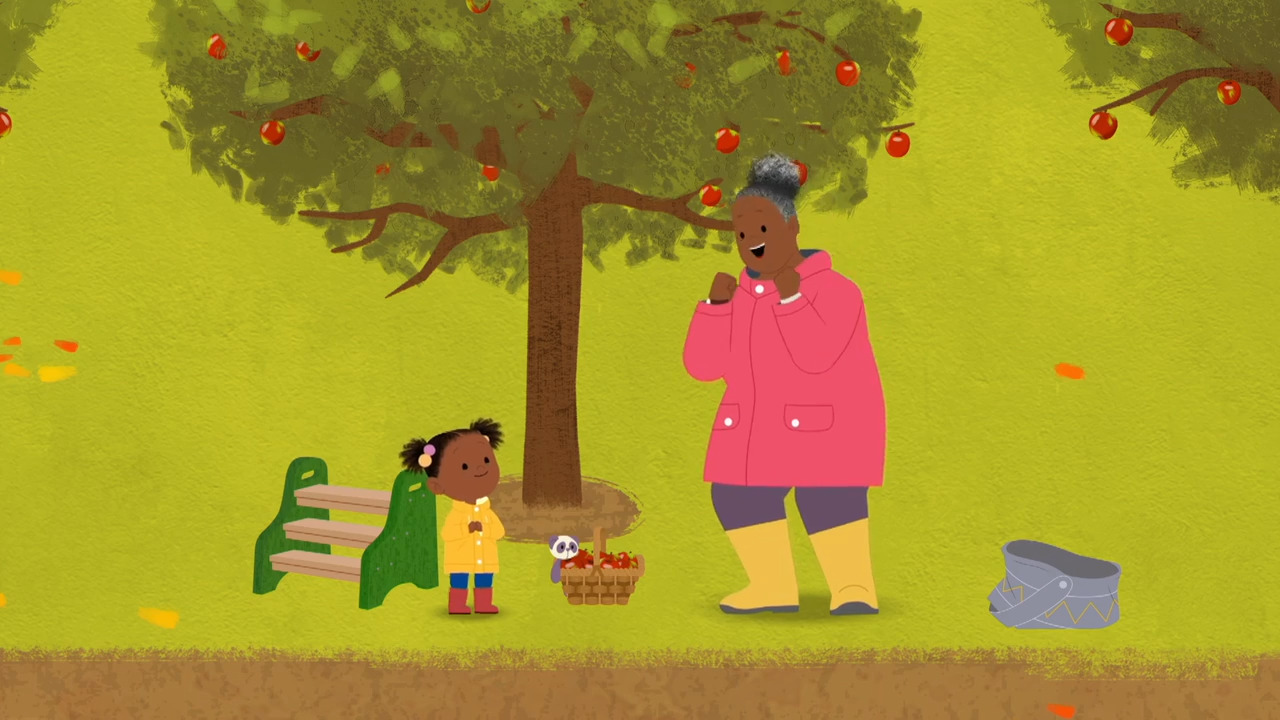
In JoJo and Gran Gran Harvest Fruit, JoJo and her grandmother are at a harvest festival. They pick apples and rhubarb and make a fruit crumble with the fruit they’ve harvested. Real-life friends visit an apple orchard to harvest apples. This video is excerpted from BBC’s JoJo & Gran Gran, a children's animated television series following JoJo, an inquisitive and cheerful 4-and-a-half-year-old girl and her loving Gran Gran, who always has something new to teach her.
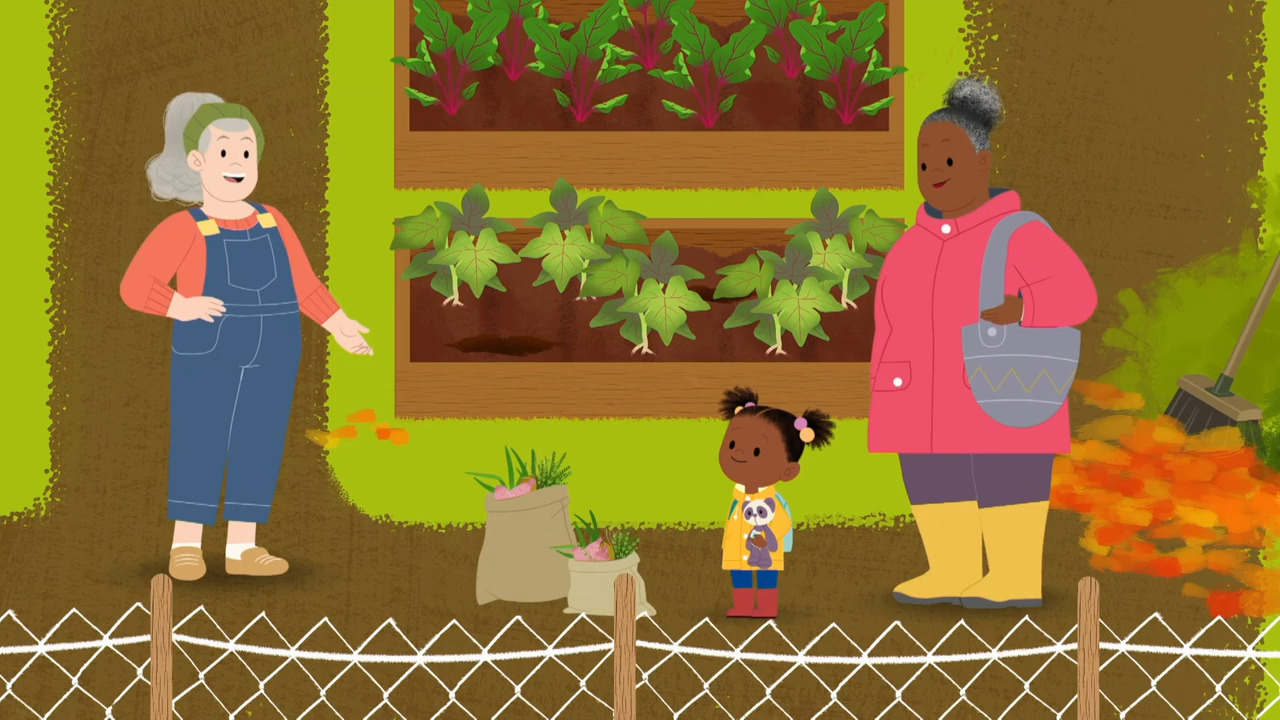
In JoJo and Gran Gran Visit the Community Garden, JoJo and her grandmother head to the local allotment, or community garden, to harvest some vegetables. Real-life children visit a community garden to see the vegetables that grow there. This video is excerpted from BBC’s JoJo & Gran Gran, a children's animated television series following JoJo, an inquisitive and cheerful 4-and-a-half-year-old girl and her loving Gran Gran, who always has something new to teach her.
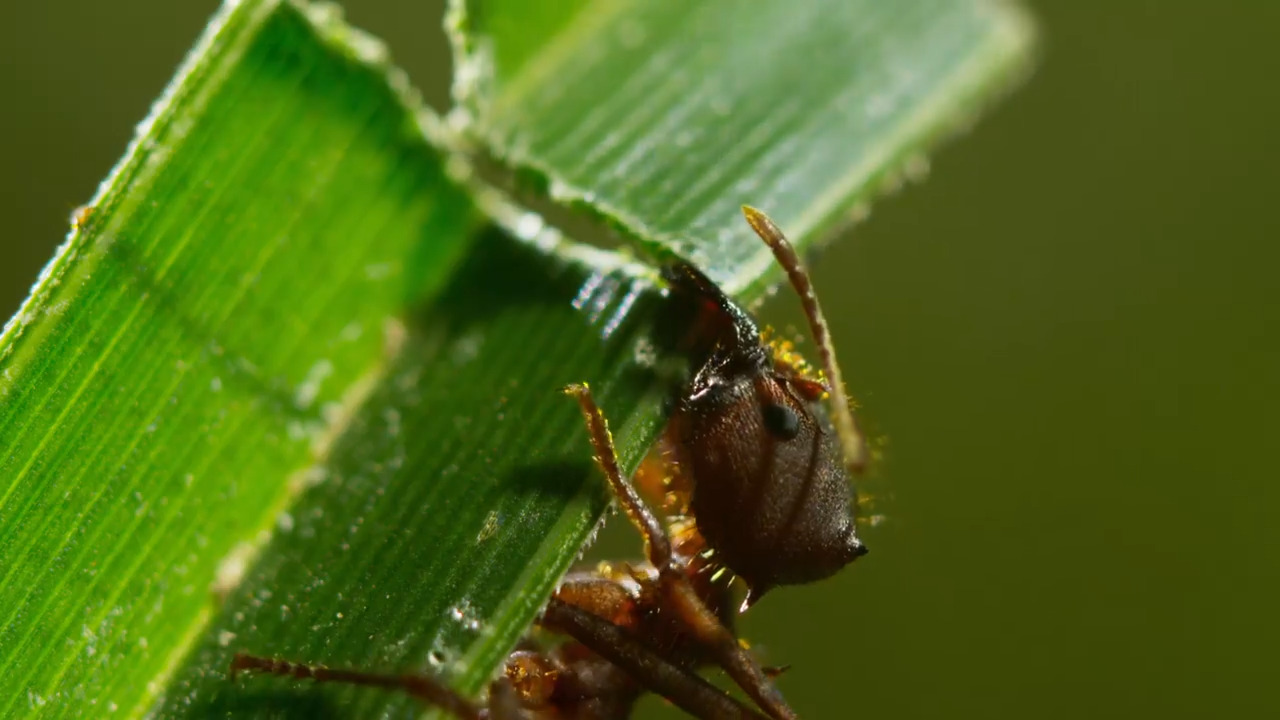
In The Industrious Insects of the Grasslands, narrator Sir David Attenborough explains that around the world, over one-third of the grass that grows will be harvested by insects. Grass cutter ants harvest grass to feed underground fungus that they feed upon. Termites can digest grass, and they in turn become food for the giant anteater. After a prairie fire, termites and anteaters must wait for living roots to regenerate grass. This video is excerpted from BBC’s Planet Earth II, a breathtaking documentary series that highlights the natural wonders of our planet.
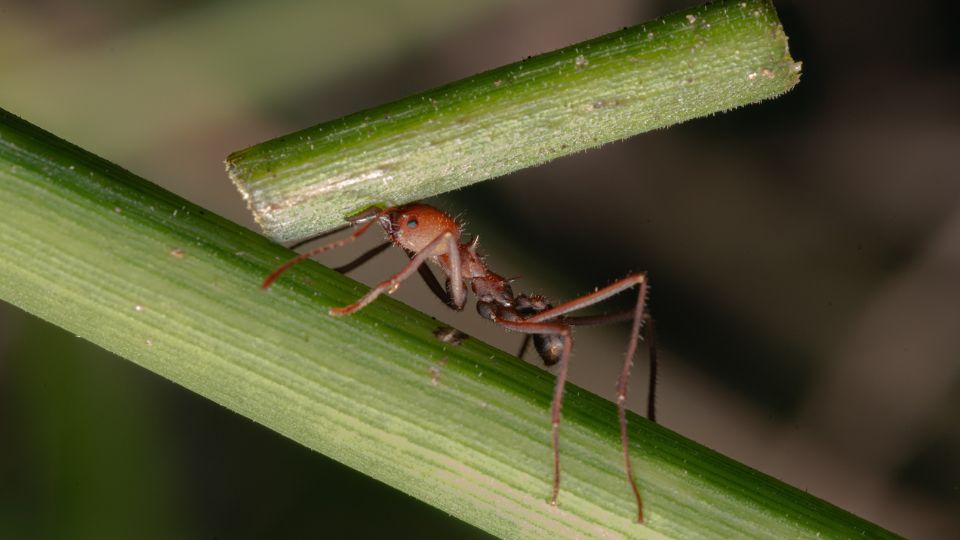
Around the world, over one-third of the grass that grows will be harvested by insects! First watch The Industrious Insects of the Grasslands, a short clip from the award-winning BBC series Planet Earth. Sir David Attenborough introduces you to grass cutter ants, who harvest grass to feed underground fungus that they feed upon, and termites, who can digest grass and in turn become food for the giant anteater.
Once your students have watched the video, invite them to check for understanding with this quick, 8-question quiz!
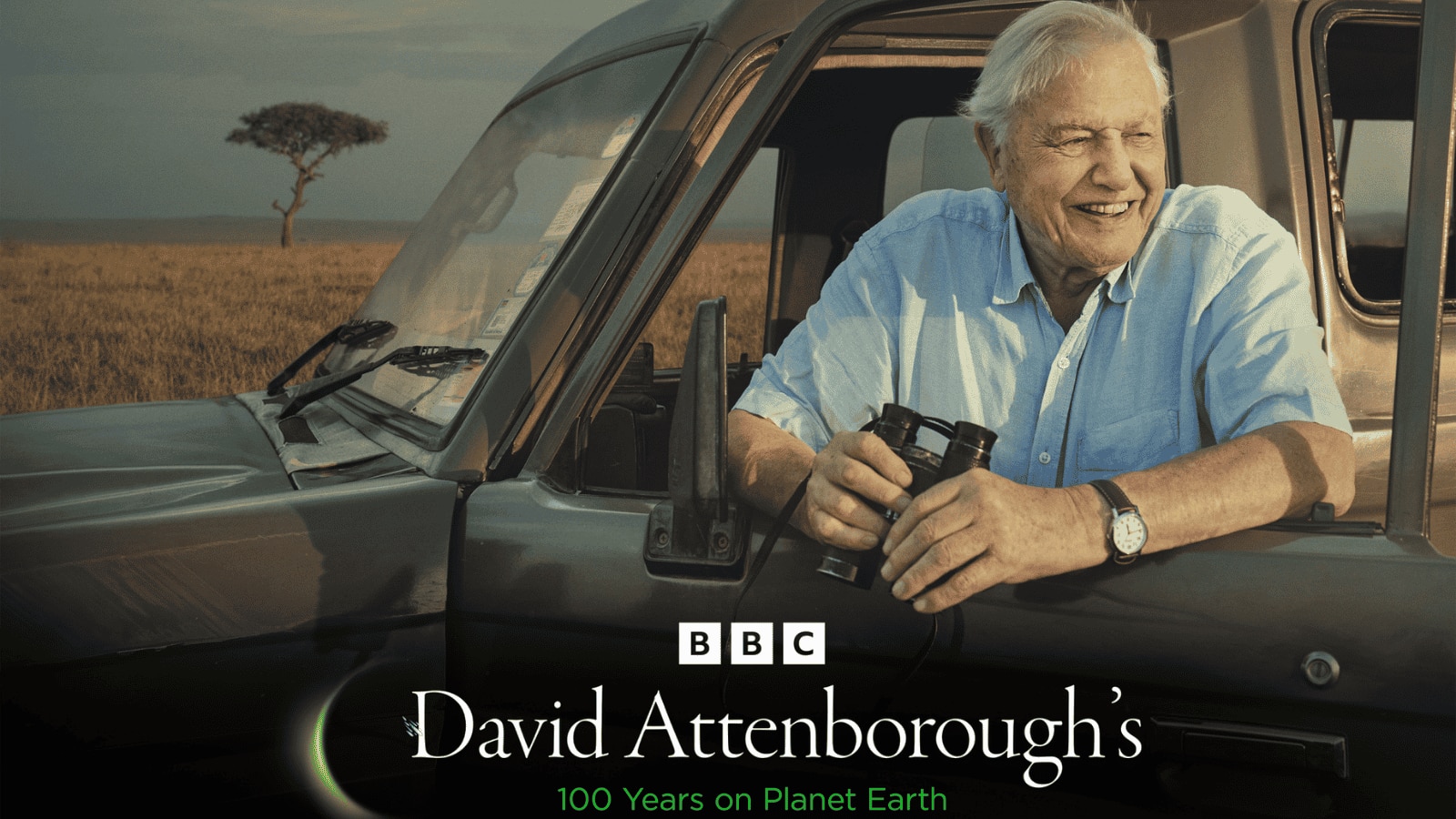
Celebrate the incredible work of Sir David Attenborough — a storyteller who has helped millions of students and viewers explore the natural world. On the occasion of his 100th birthday on May 8, 2026, we honor his enormous accomplishments in the field of environmental advocacy and his role in revolutionizing nature documentaries.
This playlist brings together 10 unforgettable clips from landmark BBC series like Planet Earth, Blue Planet, and Frozen Planet. Each video showcases amazing wildlife, powerful storytelling, and moments that spark curiosity and wonder.
Perfect for the classroom or at home, these videos help students connect with nature, understand our planet, and feel inspired to protect it.
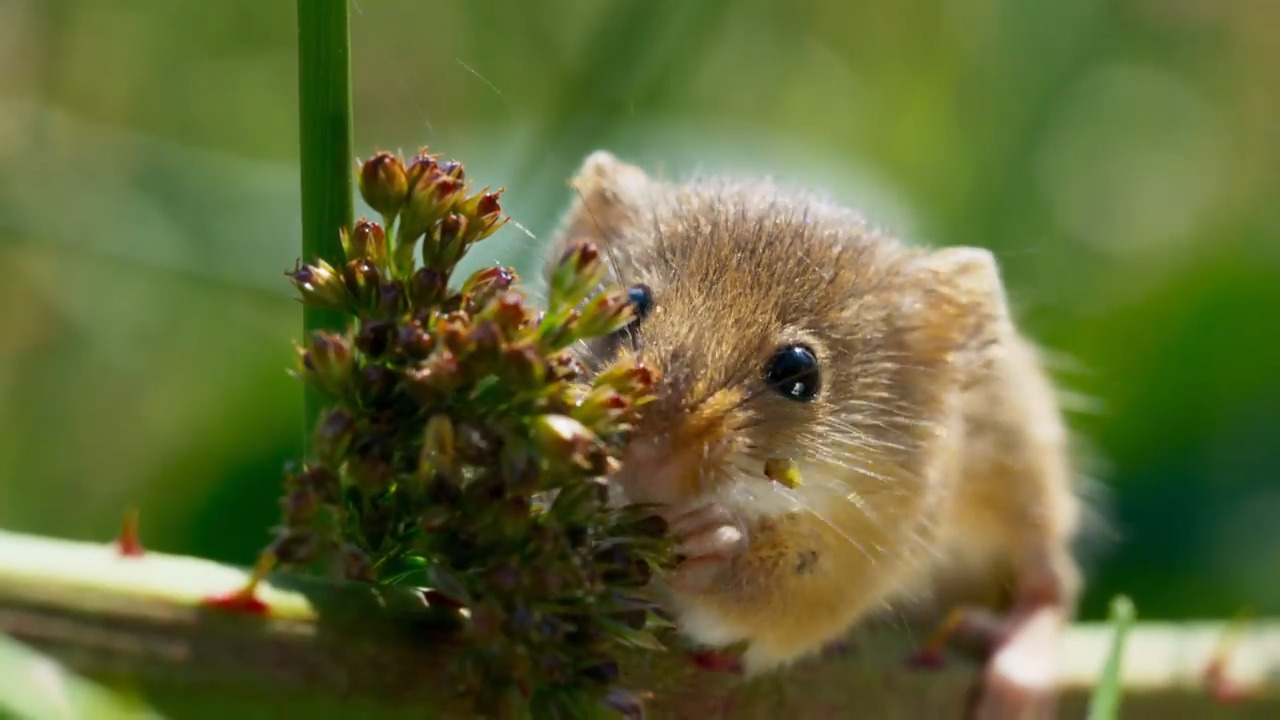
In A Harvest Mouse Navigates the Grasslands, narrator Sir David Attenborough shows how the harvest mouse uses its prehensile tail to navigate the grasslands, find food, and avoid predators like barn owls. This video is excerpted from Planet Earth II, a breathtaking documentary series that highlights the natural wonders of our planet.
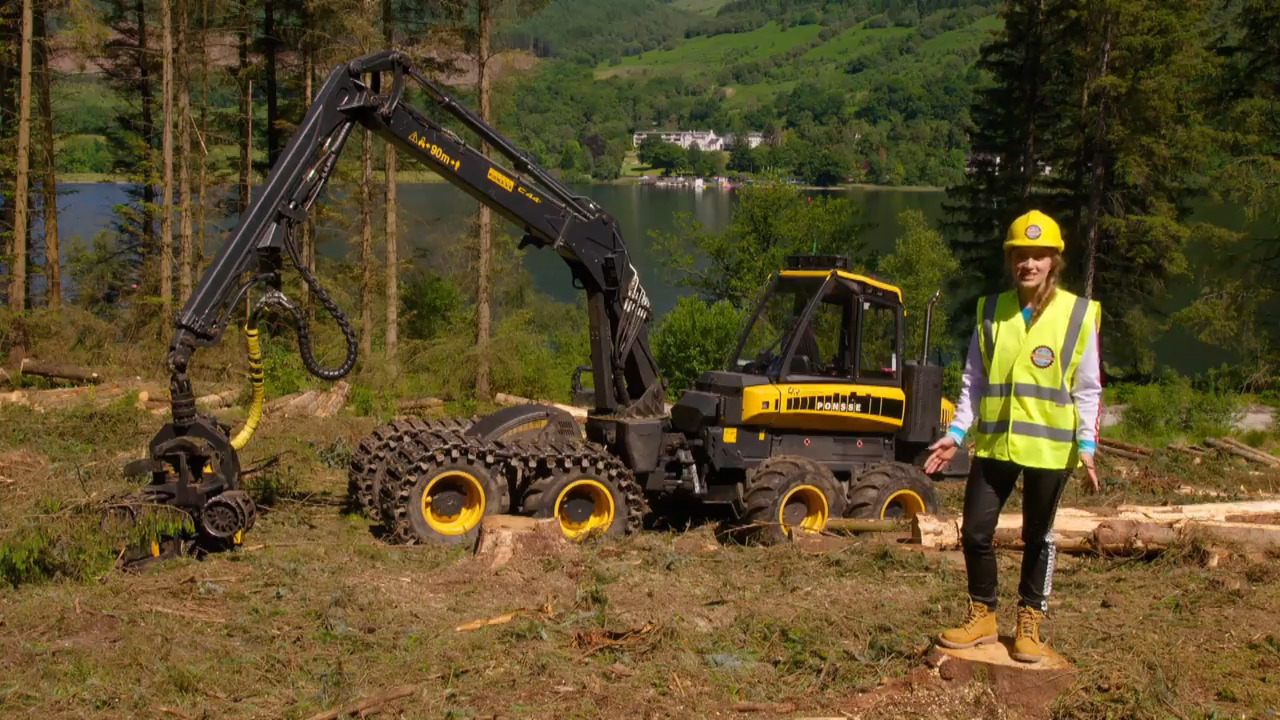
In The Role of Forestry Harvesters, presenter and motorbike racer Grace Webb takes us on a walk through a sustainable forest to learn about the special machines that are used to harvest timber in an eco-friendly way. Watch as she operates a forestry harvester, a huge machine that uses a chainsaw to cut trees into logs. This video is excerpted from BBC’s Grace’s Amazing Machines, a children’s show that introduces kids to some of the biggest, fastest, and most amazing machines in the world.
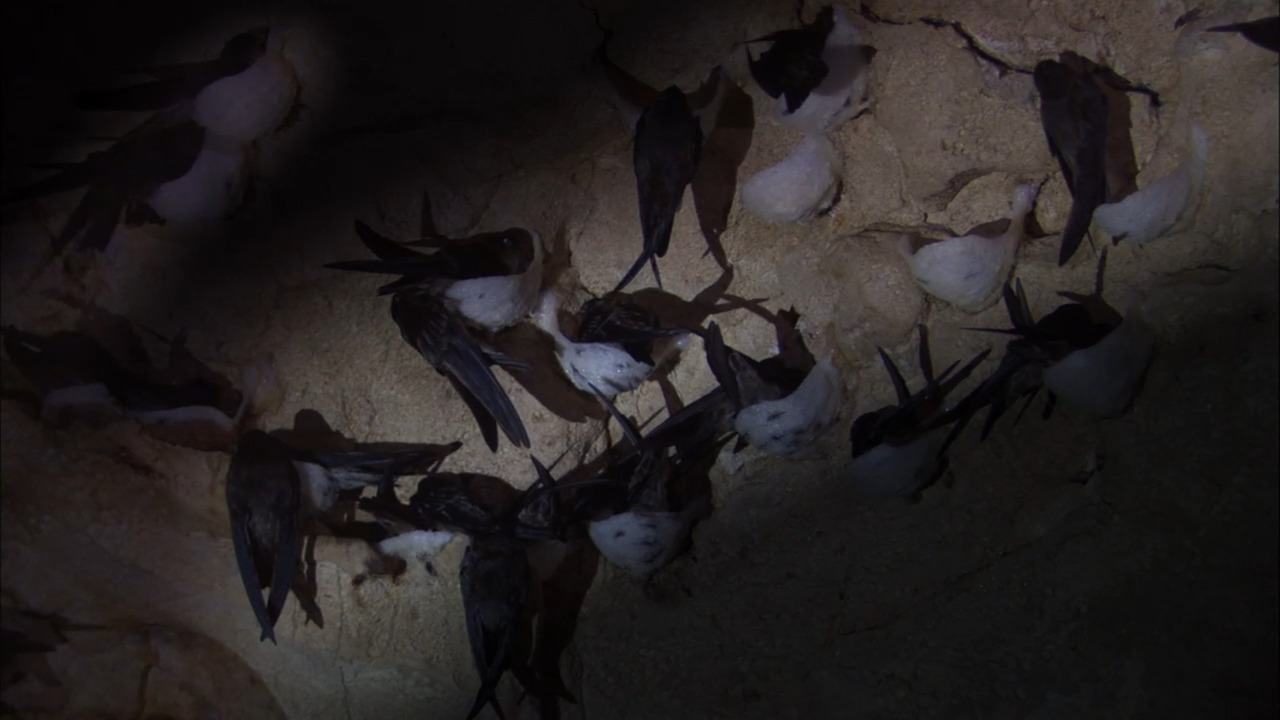
In Cave Swiftlets: Masters of Echolocation, narrator Sir David Attenborough introduces cave swiftlets, birds that, like bats, use echolocation to navigate the dark caves of Borneo. Cave swiftlets rely on clicks to find their way through pitch-black cave passages and locate their small nesting sites. Their nests, made entirely of saliva, take 30 days to build. For centuries, people have harvested these nests, which are the key ingredient in the valuable delicacy, bird’s nest soup. This video is excerpted from BBC’s Planet Earth, a breathtaking documentary series that highlights the natural wonders of our planet.
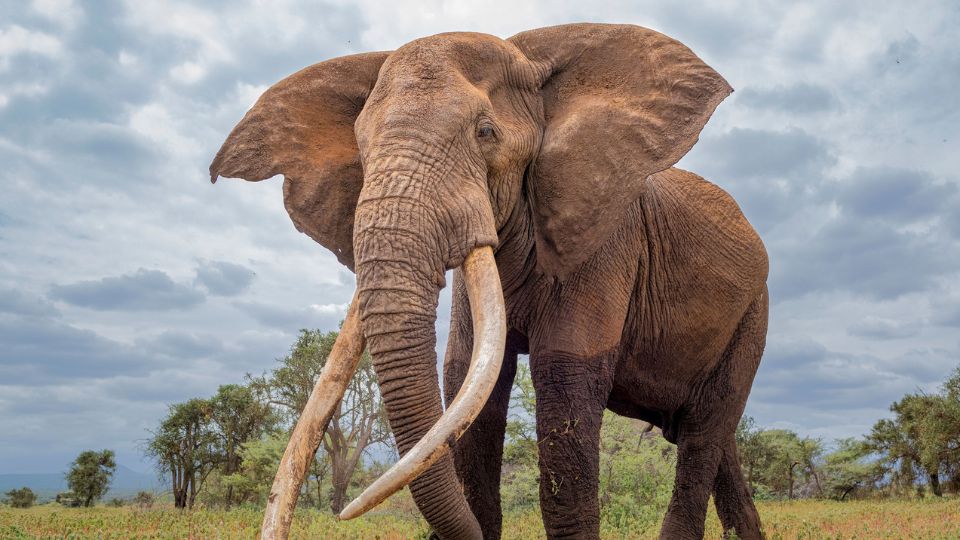
Explore the wide-open world of grasslands and discover the amazing animals that live in one of Earth’s largest biomes. From enormous elephants and powerful buffalo to towering Kori bustards, hardworking leafcutter ants, and rare Saiga antelope, students will learn how animals survive and thrive in these vast landscapes of grasses and few trees.
This Kahoot explores the unique features of grassland ecosystems, including climate, food chains, migration, and the special adaptations that help animals find food, avoid predators, and survive changing seasons. Students will also discover the differences between tropical savannas and temperate grasslands and the incredible diversity of life found in each.
Watch the related BBC videos (below), then invite your Grade 3–8 students to test their knowledge and uncover the wonders of life on the grasslands.
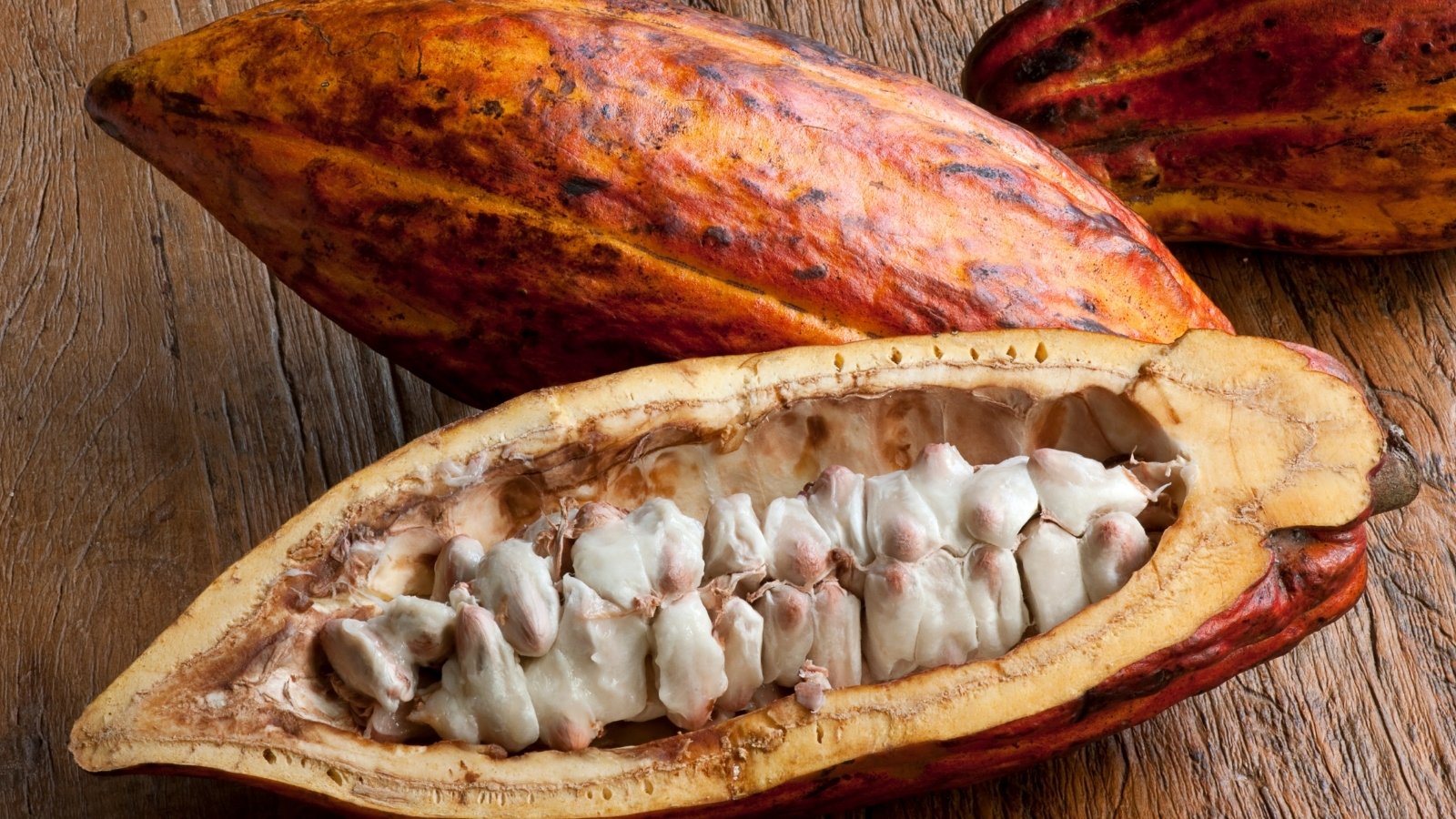
The article "How chocolate is made: From bean to bar" from BBC's Science Focus explains the journey of cacao beans from the Theobroma cacao tree to the final chocolate product. Learn more about the steps of growing, harvesting, fermenting, drying, roasting, cracking, winnowing, grinding, tempering, and molding.
March 5, 2026, marks the 20th anniversary of premiere of BBC's Planet Earth (and it's just in time for Earth Day on April 22, too!). The breathtaking and award-winning documentary series, narrated by none other than Sir David Attenborough, highlights the natural wonders of our planet. In honor of this momentous occasion, we've put together some of the most popular clips from this beloved natural history show for students ages 8–14.
Get up close and personal with hydroplaning dolphins. Witness an iguana hatchling's terrifying race to survive, pursued by racer snakes. Watch the first steps of two polar bear cubs emerging from hibernation. More of the real-life magic of our blue marble awaits in this video playlist, part of our Planet Earth Collection. Grab your Planet Earth Passport and start exploring!
In JoJo and Gran Gran Harvest Fruit, JoJo and her grandmother are at a harvest festival. They pick apples and rhubarb and make a fruit crumble with the fruit they’ve harvested. Real-life friends visit an apple orchard to harvest apples. This video is excerpted from BBC’s JoJo & Gran Gran, a children's animated television series following JoJo, an inquisitive and cheerful 4-and-a-half-year-old girl and her loving Gran Gran, who always has something new to teach her.
In JoJo and Gran Gran Visit the Community Garden, JoJo and her grandmother head to the local allotment, or community garden, to harvest some vegetables. Real-life children visit a community garden to see the vegetables that grow there. This video is excerpted from BBC’s JoJo & Gran Gran, a children's animated television series following JoJo, an inquisitive and cheerful 4-and-a-half-year-old girl and her loving Gran Gran, who always has something new to teach her.
In The Industrious Insects of the Grasslands, narrator Sir David Attenborough explains that around the world, over one-third of the grass that grows will be harvested by insects. Grass cutter ants harvest grass to feed underground fungus that they feed upon. Termites can digest grass, and they in turn become food for the giant anteater. After a prairie fire, termites and anteaters must wait for living roots to regenerate grass. This video is excerpted from BBC’s Planet Earth II, a breathtaking documentary series that highlights the natural wonders of our planet.
Around the world, over one-third of the grass that grows will be harvested by insects! First watch The Industrious Insects of the Grasslands, a short clip from the award-winning BBC series Planet Earth. Sir David Attenborough introduces you to grass cutter ants, who harvest grass to feed underground fungus that they feed upon, and termites, who can digest grass and in turn become food for the giant anteater.
Once your students have watched the video, invite them to check for understanding with this quick, 8-question quiz!
Celebrate the incredible work of Sir David Attenborough — a storyteller who has helped millions of students and viewers explore the natural world. On the occasion of his 100th birthday on May 8, 2026, we honor his enormous accomplishments in the field of environmental advocacy and his role in revolutionizing nature documentaries.
This playlist brings together 10 unforgettable clips from landmark BBC series like Planet Earth, Blue Planet, and Frozen Planet. Each video showcases amazing wildlife, powerful storytelling, and moments that spark curiosity and wonder.
Perfect for the classroom or at home, these videos help students connect with nature, understand our planet, and feel inspired to protect it.
In A Harvest Mouse Navigates the Grasslands, narrator Sir David Attenborough shows how the harvest mouse uses its prehensile tail to navigate the grasslands, find food, and avoid predators like barn owls. This video is excerpted from Planet Earth II, a breathtaking documentary series that highlights the natural wonders of our planet.
In The Role of Forestry Harvesters, presenter and motorbike racer Grace Webb takes us on a walk through a sustainable forest to learn about the special machines that are used to harvest timber in an eco-friendly way. Watch as she operates a forestry harvester, a huge machine that uses a chainsaw to cut trees into logs. This video is excerpted from BBC’s Grace’s Amazing Machines, a children’s show that introduces kids to some of the biggest, fastest, and most amazing machines in the world.
In Cave Swiftlets: Masters of Echolocation, narrator Sir David Attenborough introduces cave swiftlets, birds that, like bats, use echolocation to navigate the dark caves of Borneo. Cave swiftlets rely on clicks to find their way through pitch-black cave passages and locate their small nesting sites. Their nests, made entirely of saliva, take 30 days to build. For centuries, people have harvested these nests, which are the key ingredient in the valuable delicacy, bird’s nest soup. This video is excerpted from BBC’s Planet Earth, a breathtaking documentary series that highlights the natural wonders of our planet.
Explore the wide-open world of grasslands and discover the amazing animals that live in one of Earth’s largest biomes. From enormous elephants and powerful buffalo to towering Kori bustards, hardworking leafcutter ants, and rare Saiga antelope, students will learn how animals survive and thrive in these vast landscapes of grasses and few trees.
This Kahoot explores the unique features of grassland ecosystems, including climate, food chains, migration, and the special adaptations that help animals find food, avoid predators, and survive changing seasons. Students will also discover the differences between tropical savannas and temperate grasslands and the incredible diversity of life found in each.
Watch the related BBC videos (below), then invite your Grade 3–8 students to test their knowledge and uncover the wonders of life on the grasslands.
The article "How chocolate is made: From bean to bar" from BBC's Science Focus explains the journey of cacao beans from the Theobroma cacao tree to the final chocolate product. Learn more about the steps of growing, harvesting, fermenting, drying, roasting, cracking, winnowing, grinding, tempering, and molding.
March 5, 2026, marks the 20th anniversary of premiere of BBC's Planet Earth (and it's just in time for Earth Day on April 22, too!). The breathtaking and award-winning documentary series, narrated by none other than Sir David Attenborough, highlights the natural wonders of our planet. In honor of this momentous occasion, we've put together some of the most popular clips from this beloved natural history show for students ages 8–14.
Get up close and personal with hydroplaning dolphins. Witness an iguana hatchling's terrifying race to survive, pursued by racer snakes. Watch the first steps of two polar bear cubs emerging from hibernation. More of the real-life magic of our blue marble awaits in this video playlist, part of our Planet Earth Collection. Grab your Planet Earth Passport and start exploring!