
Explore the impact of human activity on our oceans with this comprehensive lesson collection. Featuring curated BBC video clips and printable activities, these resources dive into topics like pollution, overfishing, and ocean habitats, helping students understand the challenges facing ocean life and inspiring them to become ocean conservation advocates.
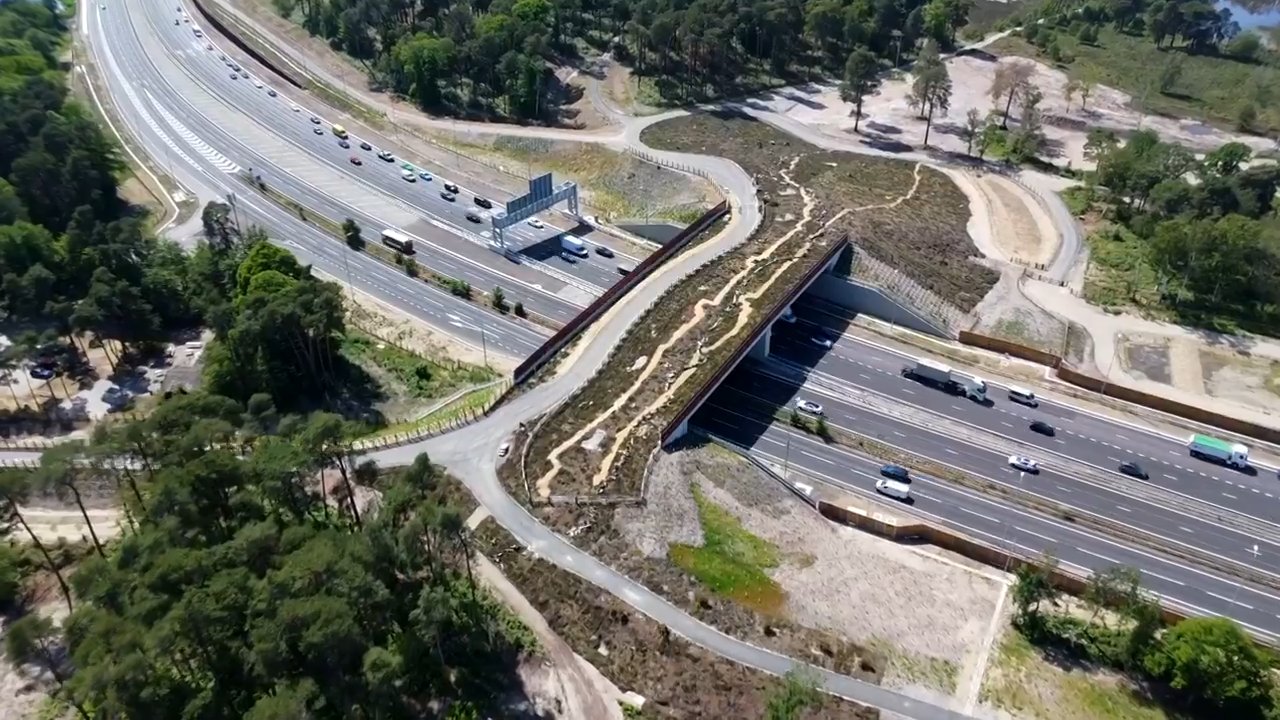
Why did the various wildlife species cross the road? To test the new heathland bridge!
It may look like a bridge that’s just unfinished, but the dirt and grass butting up against the pavement is very intentional.
This heathland bridge separating two commons is the first of its kind to include a network of natural routes that encourage species to reunite for the first time in over 40 years. Man, we would not remember ANYONE’S names! The bridge is home to mosses and vegetative grounds, as well as sand that could be a habitat to species like sand lizards, adders, foxes, deer, and bugs. Lots of bugs.
The bridge connects the heathland on either side, which the Wildlife Trusts are working to restore, so the aim of the bridge is to let wildlife move from side to side, building up the population and their resilience. But, it wasn’t as simple as leaving the bridge half-paved. Crews had to create the heathland by distributing acidic sand before adding areas of ground taken directly from larger heathland sites.
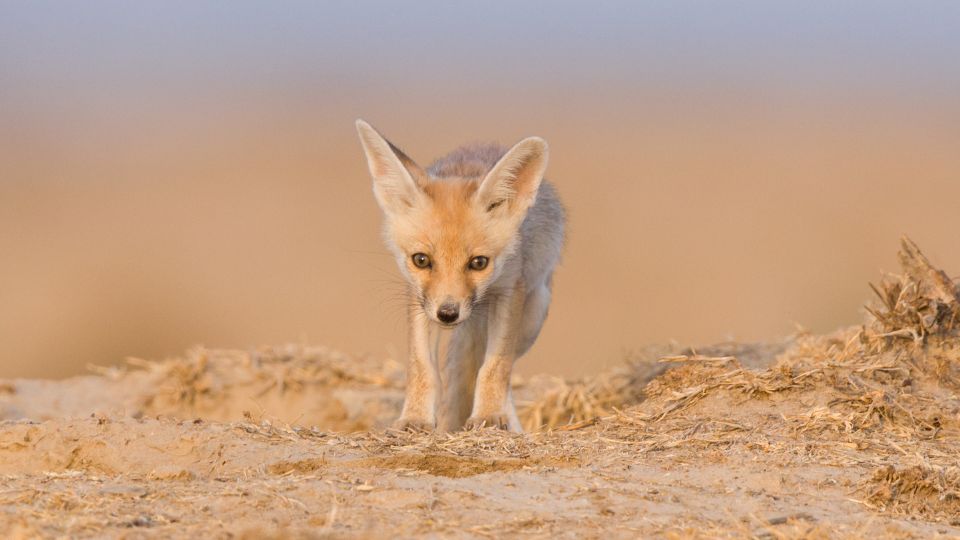
Explore the fascinating world of deserts and discover how plants, animals, and people adapt to survive in some of the hottest and driest places on Earth. From towering cacti and clever nocturnal animals to sudden sandstorms and scarce water sources, students will learn how life continues to thrive in these extreme environments.
This Kahoot investigates the unique features of desert ecosystems, including climate, habitats, food chains, and the special adaptations that help living things conserve water and stay cool. Students will also explore how deserts change over time and why these harsh landscapes are an important part of our planet’s natural systems.
Watch the related BBC videos (below), then invite your Grade 3–8 students to test their knowledge and uncover the surprising diversity and resilience of life in the desert.
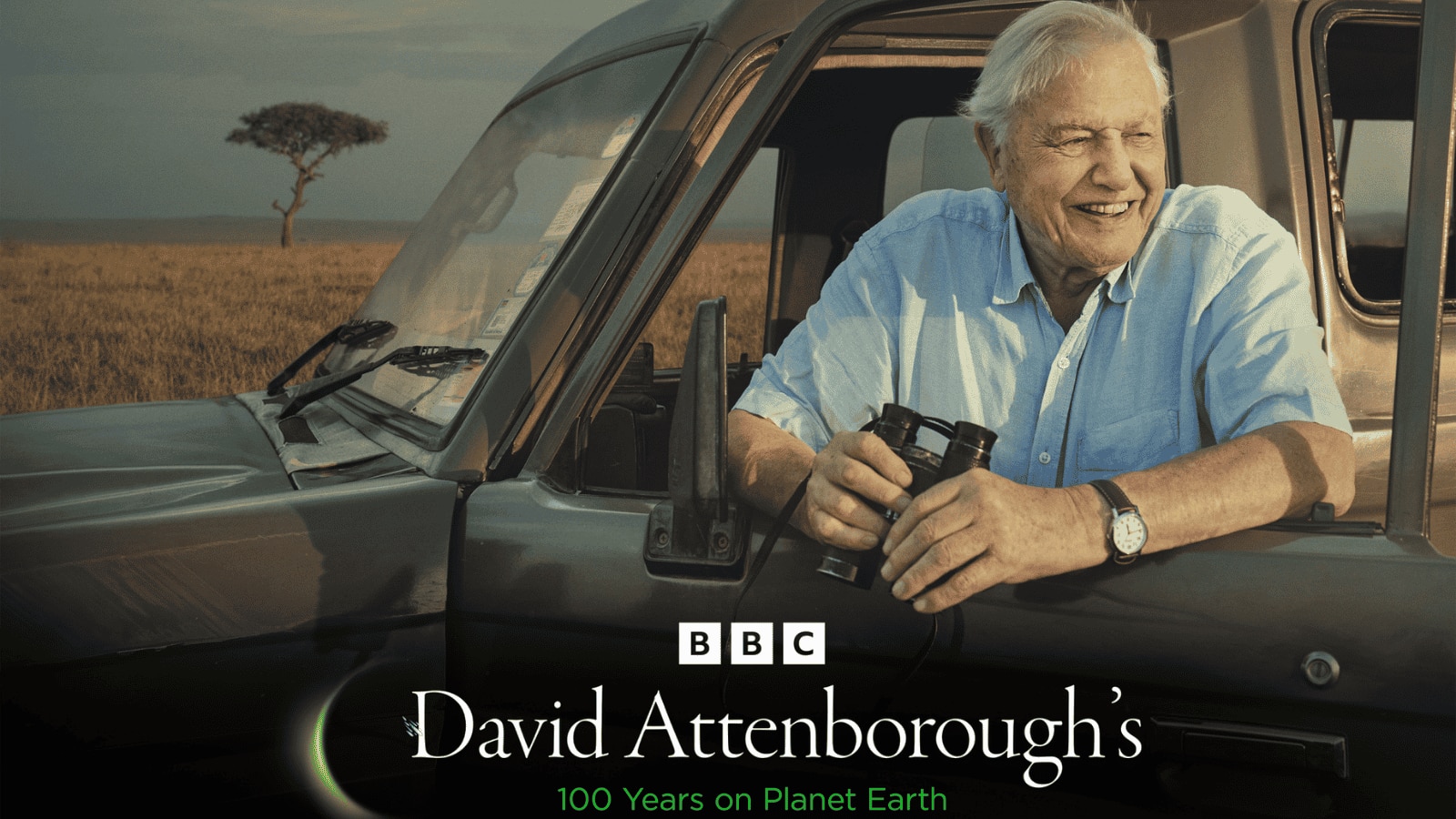
Celebrate the incredible work of Sir David Attenborough — a storyteller who has helped millions of students and viewers explore the natural world. On the occasion of his 100th birthday on May 8, 2026, we honor his enormous accomplishments in the field of environmental advocacy and his role in revolutionizing nature documentaries.
This playlist brings together 10 unforgettable clips from landmark BBC series like Planet Earth, Blue Planet, and Frozen Planet. Each video showcases amazing wildlife, powerful storytelling, and moments that spark curiosity and wonder.
Perfect for the classroom or at home, these videos help students connect with nature, understand our planet, and feel inspired to protect it.
This Earth Day (or anytime this month), share this inspiring video playlist designed to spark curiosity and action in students ages 8–14. From incredible wildlife conservation stories to real-world environmental solutions, each clip invites students to explore the beauty of our planet — and the challenges it faces.
Get a closer look at how forests support life on Earth, discover innovative ideas like renewable energy, and meet the people working to protect endangered species and restore habitats. Along the way, students will see how small choices can make a big difference for our world.
Packed with powerful moments and meaningful learning, this playlist encourages students not just to learn about the Earth — but to think about how they can help protect it.
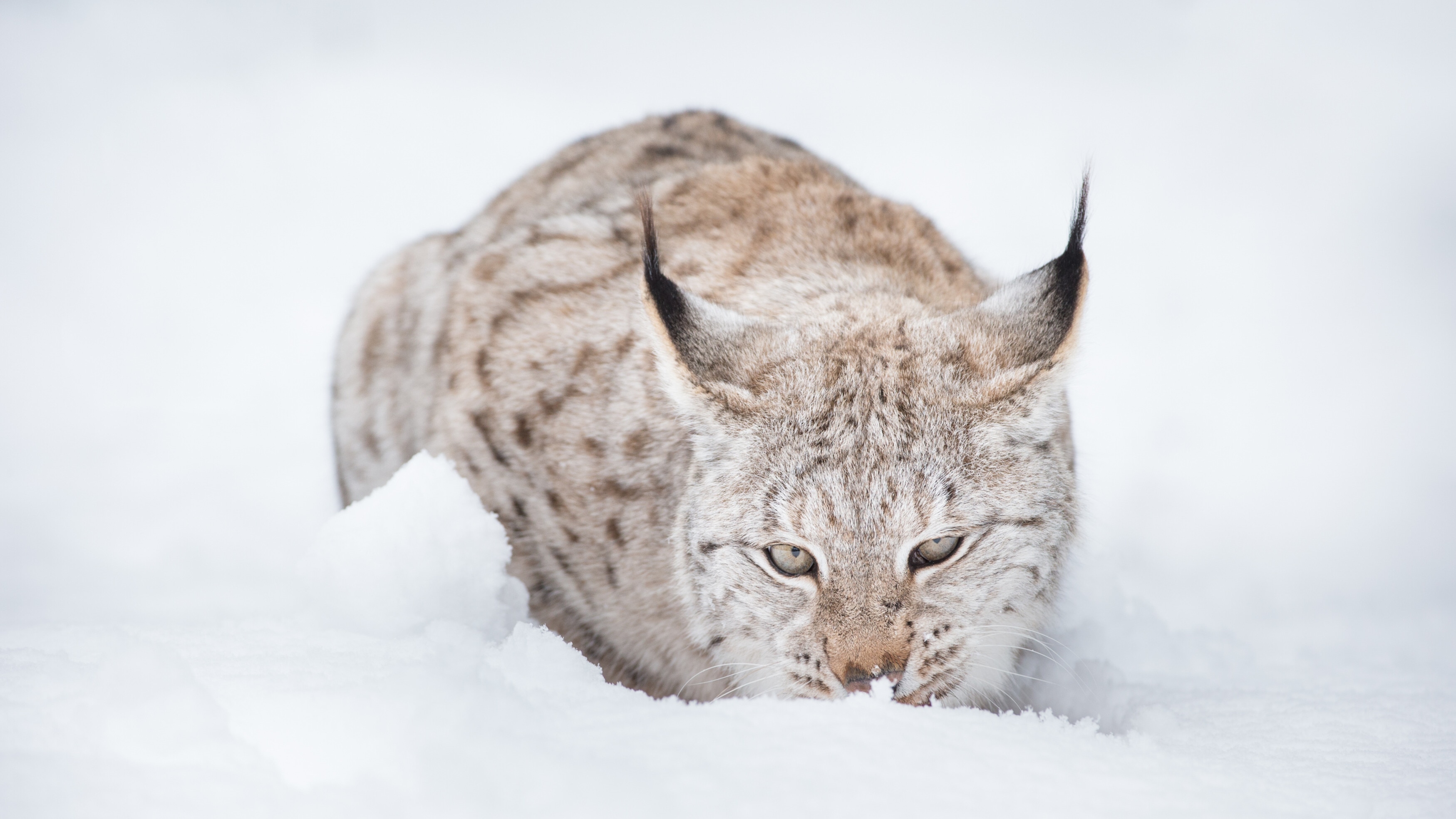
Brave the chill and meet the coolest creatures on Earth! This playlist of 11 frosty video clips from BBC landmark shows like Frozen Planet and Planet Earth explores how animals survive some of the coldest places on the planet. Students will learn about adaptations, seasonal behaviors, and the survival strategies that help bison, foxes, seals, grizzlies, snow monkeys, polar bears, lynx, and more thrive in freezing climates.
They’ll discover how winter weather shapes each animal’s daily life; how they find food, conserve energy, protect themselves from predators; and why these icy habitats play a vital role in Earth’s systems.

Take your class on an exciting journey through Florida’s amazing wildlife and habitats! This playlist explores the warm springs where manatees gather in winter and shows how dolphins team up in Florida Bay to catch their food in clever ways. Along the way, your students will discover what makes Florida’s ecosystems so special and why they’re worth protecting. These clips are perfect for sparking curiosity, starting great classroom discussions, and inspiring kids to think like young scientists and conservationists.

In this lesson, students will collaborate to understand how marine life is affected by human actions. The Dive into this engaging lesson where your students will uncover how human actions affect marine life. Kick things off with a fun game of Three Truths and a Lie about the ocean to spark curiosity and get everyone talking. Then, break into small groups and tackle a jigsaw activity as students watch short, thought-provoking videos about ocean animals and human impact. Together, they’ll share insights, tackle discussion questions, and use their newfound knowledge to create eye-catching infographics. These creations will inspire others to take action and protect our incredible oceans!


The article "Komodo Dragons: Nature’s Giant Venomous Predators" from BBC's Discover Wildlife delves into the biology and ecology of the world's largest lizard. It covers their impressive size, unique venomous bite, dietary habits, reproductive strategies, and the threats leading to their endangered status, including habitat loss and climate change.

The article "Manatees: Gentle Sea Cows of Rivers and Oceans" from BBC's Discover Wildlife is a guide to these slow-moving aquatic mammals. It explains the different types of manatees, their habitats, diet, size, and how they reproduce. It also highlights the threats they face and the conservation efforts underway to protect them from extinction.
Explore the impact of human activity on our oceans with this comprehensive lesson collection. Featuring curated BBC video clips and printable activities, these resources dive into topics like pollution, overfishing, and ocean habitats, helping students understand the challenges facing ocean life and inspiring them to become ocean conservation advocates.
Why did the various wildlife species cross the road? To test the new heathland bridge!
It may look like a bridge that’s just unfinished, but the dirt and grass butting up against the pavement is very intentional.
This heathland bridge separating two commons is the first of its kind to include a network of natural routes that encourage species to reunite for the first time in over 40 years. Man, we would not remember ANYONE’S names! The bridge is home to mosses and vegetative grounds, as well as sand that could be a habitat to species like sand lizards, adders, foxes, deer, and bugs. Lots of bugs.
The bridge connects the heathland on either side, which the Wildlife Trusts are working to restore, so the aim of the bridge is to let wildlife move from side to side, building up the population and their resilience. But, it wasn’t as simple as leaving the bridge half-paved. Crews had to create the heathland by distributing acidic sand before adding areas of ground taken directly from larger heathland sites.
Explore the fascinating world of deserts and discover how plants, animals, and people adapt to survive in some of the hottest and driest places on Earth. From towering cacti and clever nocturnal animals to sudden sandstorms and scarce water sources, students will learn how life continues to thrive in these extreme environments.
This Kahoot investigates the unique features of desert ecosystems, including climate, habitats, food chains, and the special adaptations that help living things conserve water and stay cool. Students will also explore how deserts change over time and why these harsh landscapes are an important part of our planet’s natural systems.
Watch the related BBC videos (below), then invite your Grade 3–8 students to test their knowledge and uncover the surprising diversity and resilience of life in the desert.
Celebrate the incredible work of Sir David Attenborough — a storyteller who has helped millions of students and viewers explore the natural world. On the occasion of his 100th birthday on May 8, 2026, we honor his enormous accomplishments in the field of environmental advocacy and his role in revolutionizing nature documentaries.
This playlist brings together 10 unforgettable clips from landmark BBC series like Planet Earth, Blue Planet, and Frozen Planet. Each video showcases amazing wildlife, powerful storytelling, and moments that spark curiosity and wonder.
Perfect for the classroom or at home, these videos help students connect with nature, understand our planet, and feel inspired to protect it.
This Earth Day (or anytime this month), share this inspiring video playlist designed to spark curiosity and action in students ages 8–14. From incredible wildlife conservation stories to real-world environmental solutions, each clip invites students to explore the beauty of our planet — and the challenges it faces.
Get a closer look at how forests support life on Earth, discover innovative ideas like renewable energy, and meet the people working to protect endangered species and restore habitats. Along the way, students will see how small choices can make a big difference for our world.
Packed with powerful moments and meaningful learning, this playlist encourages students not just to learn about the Earth — but to think about how they can help protect it.
Brave the chill and meet the coolest creatures on Earth! This playlist of 11 frosty video clips from BBC landmark shows like Frozen Planet and Planet Earth explores how animals survive some of the coldest places on the planet. Students will learn about adaptations, seasonal behaviors, and the survival strategies that help bison, foxes, seals, grizzlies, snow monkeys, polar bears, lynx, and more thrive in freezing climates.
They’ll discover how winter weather shapes each animal’s daily life; how they find food, conserve energy, protect themselves from predators; and why these icy habitats play a vital role in Earth’s systems.
Take your class on an exciting journey through Florida’s amazing wildlife and habitats! This playlist explores the warm springs where manatees gather in winter and shows how dolphins team up in Florida Bay to catch their food in clever ways. Along the way, your students will discover what makes Florida’s ecosystems so special and why they’re worth protecting. These clips are perfect for sparking curiosity, starting great classroom discussions, and inspiring kids to think like young scientists and conservationists.
In this lesson, students will collaborate to understand how marine life is affected by human actions. The Dive into this engaging lesson where your students will uncover how human actions affect marine life. Kick things off with a fun game of Three Truths and a Lie about the ocean to spark curiosity and get everyone talking. Then, break into small groups and tackle a jigsaw activity as students watch short, thought-provoking videos about ocean animals and human impact. Together, they’ll share insights, tackle discussion questions, and use their newfound knowledge to create eye-catching infographics. These creations will inspire others to take action and protect our incredible oceans!
The article "Komodo Dragons: Nature’s Giant Venomous Predators" from BBC's Discover Wildlife delves into the biology and ecology of the world's largest lizard. It covers their impressive size, unique venomous bite, dietary habits, reproductive strategies, and the threats leading to their endangered status, including habitat loss and climate change.
The article "Manatees: Gentle Sea Cows of Rivers and Oceans" from BBC's Discover Wildlife is a guide to these slow-moving aquatic mammals. It explains the different types of manatees, their habitats, diet, size, and how they reproduce. It also highlights the threats they face and the conservation efforts underway to protect them from extinction.