12 of 15 results for "feathers"
Video
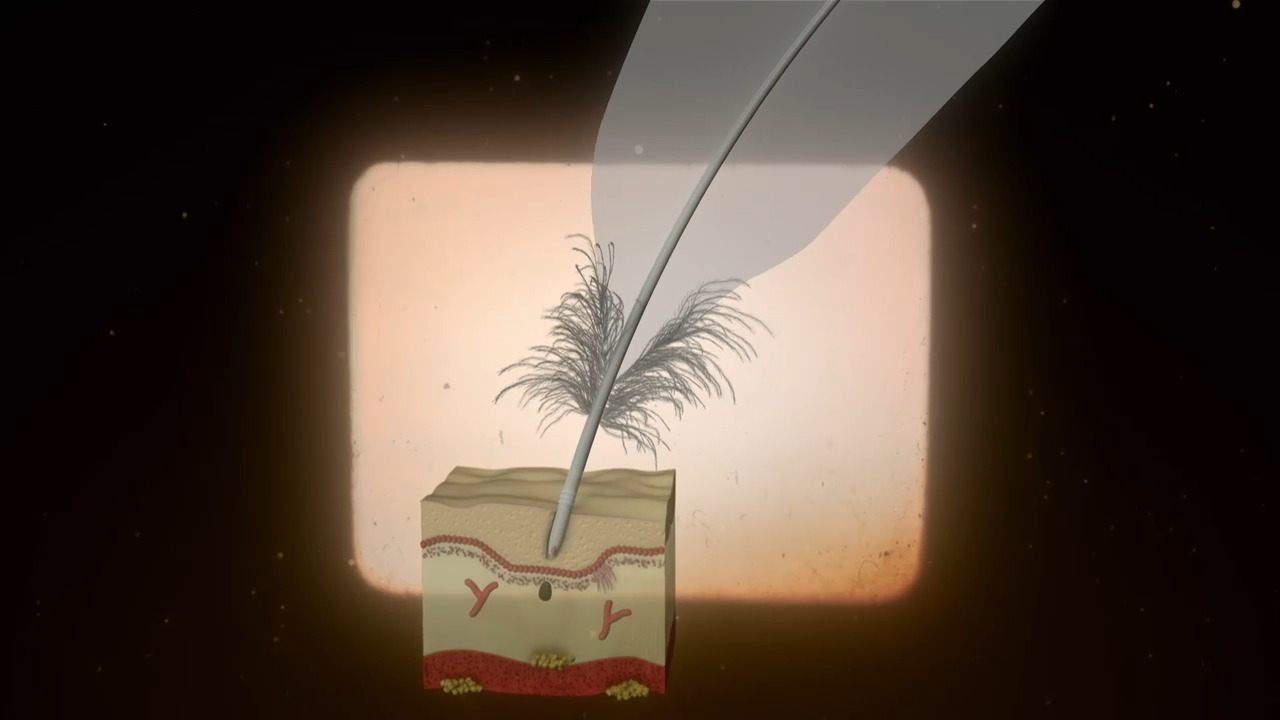
Fabulous Feathers

In Fabulous Feathers, evolutionary biologist Ben Garrod explores the feathers of birds and how they help them to fly. Learn how feathers are primarily made of keratin, a fibrous protein also found in human hair and nails. Feathers are lightweight yet strong and stiff, which allows birds to soar. Discover the unique structure of feathers, with parts such as the vane, barbs, and rachis working together to create the shape and function needed for flight. This video is excerpted from Secrets of Skin, a documentary series exploring the natural history of the body’s largest organ.
Video
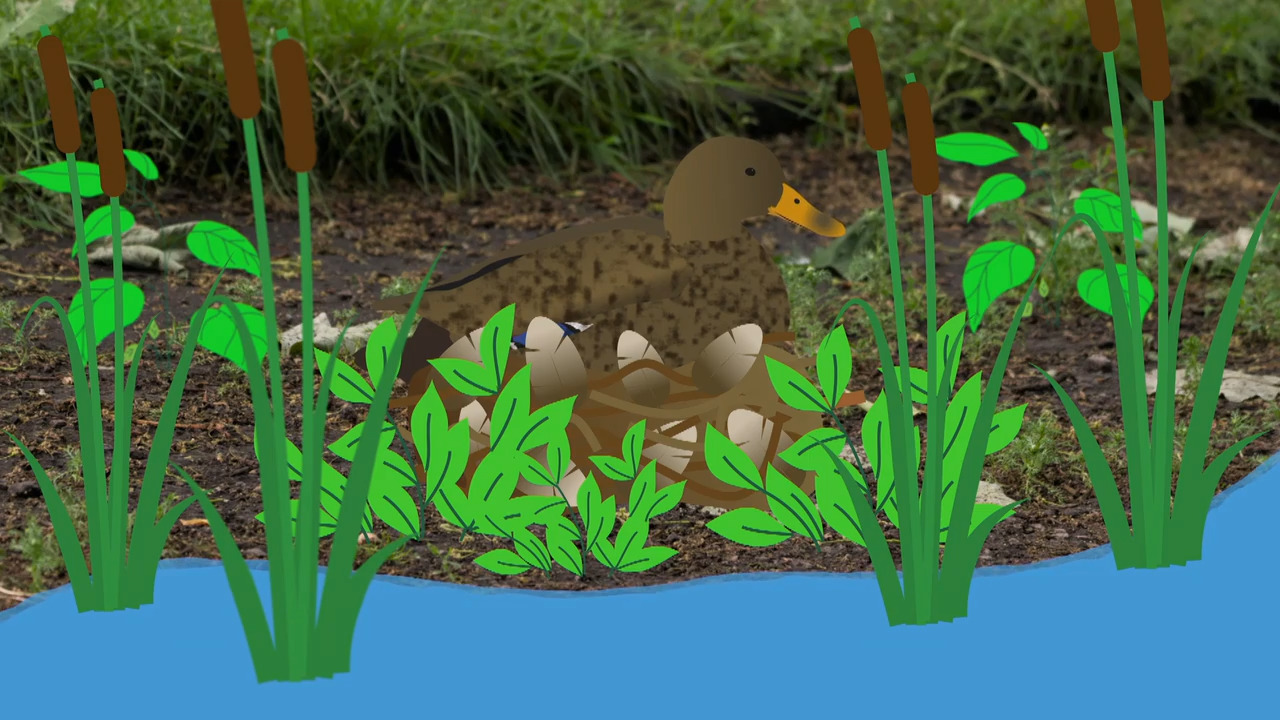
A Close Look at Duck Nests and Down Feathers

In A Close Look at Duck Nests and Down Feathers, Ranger Hamza and the Ramblers have found a duck nest! Tag along as they learn how ducks make nests and take a close look at ducks’ down feathers. This video is excerpted from BBC's Ranger Hamza’s Eco Quest, a nature exploration show in which Ranger Hamza and the Ramblers go on quests to discover nature’s wonders and the important role they play in our environment.

Video
All About Peacocks

In All About Peacocks, host Ferne Corrigan meets one of nature’s flashiest show-offs: the peacock! With over 150 colorful tail feathers, the male birds love to strut and fan out their feathers to impress peahens. These social birds love munching on grains, seeds, and even insects, and while they can fly, they only stay in the air for short bursts because of their size. This video is excerpted from BBC’s My Pet and Me, a children’s show that introduces kids to the rewards and responsibilities involved when having a pet.

Video
The Sage Grouse Mating Show

In The Sage Grouse Mating Show, narrator Sir David Attenborough describes how male sage grouse put on an incredible show to impress nearby females in the grasslands of Wyoming. With their fancy feathers, proud poses, and unique sounds, these males pull out all the stops to prove they’re the best choice. The females, less colorful but very picky, carefully judge the males before deciding who’s worthy! This video is excerpted from BBC's Life, a show that explores the remarkable strategies animals and plants use to ensure their survival.

Video
The Spectacular Dance of Spatuletail Hummingbirds

In The Spectacular Dance of Spatuletail Hummingbirds, narrator Sir David Attenborough introduces the marvelous spatuletail hummingbird, a tiny bird with big challenges! While the females fly with ease thanks to their lightweight bodies, the males have long colorful tail feathers they use to perform amazing dances to impress a mate. These fancy moves are exhausting, but the male pulls out all the stops, hoping his performance will win the female's attention. This video is excerpted from BBC's Life, a show that explores the remarkable strategies animals and plants use to ensure their survival.

Printable
Enter the Icy World of Emperor Penguins With This 'Cool' Worksheet

Bundle up and join Andy for an Antarctic adventure! In this fun emperor penguins worksheet, you'll:

  • Uncover fascinating facts about emperor penguins’ size and survival tricks.
  • Test your memory with quick quiz.
  • Learn fun vocabulary words like “raft” for penguin groups.
  • Draw some fish for the penguins to eat! 
Video
Got Science?: What Geese Can Teach Us About Badminton

In What Geese Can Teach Us About Badminton, host Harith Iskander explores the fascinating science behind the creation of shuttlecocks used in badminton. Did you know that only feathers from the left wings of geese are used to make shuttlecocks? These feathers are important because they spin clockwise, which helps the shuttlecock fly smoothly. This video is excerpted from BBC’s Got Science?, a science magazine series that explores and explains science in everyday life.

Student Article
Flamingo Guide: How to Identify Each Species, Where to See Them — and Why Flamingos Are Pink

The article "Flamingo Guide: How to Identify Each Species, Where to See Them — and Why Flamingos Are Pink" from BBC's Discover Wildlife is a colorful exploration of one of the world’s most striking birds. It explains the six different flamingo species, how diet affects their bright coloring, and where to find them in the wild. The article also highlights flamingo behavior, nesting, communication, and how they feed their chicks pink "milk."

Student Article
Why Small Dinosaurs Could Be a Big Danger to Humans

The article "Why Small Dinosaurs Could Be a Big Danger to Humans" from BBC's Science Focus is a fascinating look at which dinosaurs would be the biggest threat if they lived today. While massive meat-eaters like Tyrannosaurus look scary, the smaller, feathered dinosaurs could be even more dangerous due to their speed, smarts, and sharp claws.

Video
The Swordbill Hummingbird's Specialized Beak

In The Swordbill Hummingbird's Specialized Beak, narrator Sir David Attenborough visits Ecuador, where over 100 species of hummingbirds compete for limited nectar in flowers. Learn about the swordbill hummingbird, which has a beak longer than its body, and can reach nectar in flowers that other hummingbirds can’t. Though it has an exclusive food supply, the long beak is hard to keep clean and makes it difficult for the bird to preen feathers. This video is excerpted from BBC’s Planet Earth II, a breathtaking documentary series that highlights the natural wonders of our planet.

Video
The Nocturnal Migration of Plankton

In The Nocturnal Migration of Plankton, narrator David Attenborough explains how plankton retreats into the ocean depths as the Sun rises. To follow them, we descend in a submarine where pressure increases, and temperatures drop. At 500 meters (1,640 feet) below, strange creatures emerge. Organic particles, known as marine snow, drift down, serving as food for many animals like the sea spider, which uses feathered leg-like appendages to capture it. Meanwhile, the sawtooth eel waits motionless, ready to strike at silhouetted prey swimming near the faint glow from the surface. This video is excerpted from BBC’s Planet Earth, a breathtaking documentary series that highlights the natural wonders of our planet.

Video
Strange Creatures at 500 Meters Below

In Strange Creatures at 500 Meters Below, narrator David Attenborough explains how plankton retreats into the ocean depths as the Sun rises. To follow it, we descend in a submarine where pressure increases, and temperatures drop. At 500 meters (1,640 feet) below, strange creatures emerge. Organic particles, known as marine snow, drift down, serving as food for many animals like the sea spider, which uses feathered leg-like appendages to capture it. Meanwhile, the sawtooth eel waits motionless, ready to strike at silhouetted prey swimming near the faint glow from the surface. This video is excerpted from BBC’s Planet Earth, a breathtaking documentary series that highlights the natural wonders of our planet.