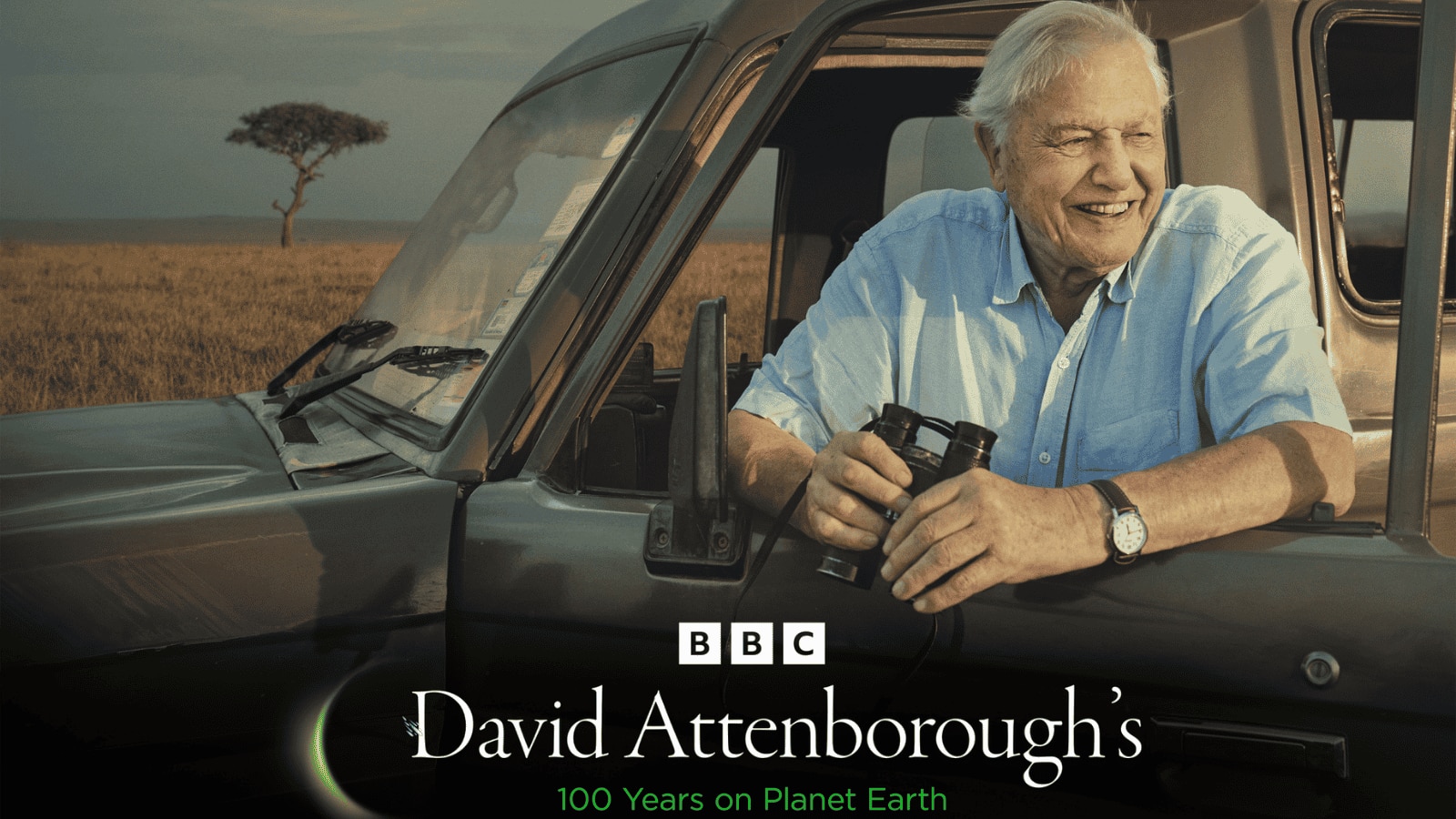
Celebrate the incredible work of Sir David Attenborough — a storyteller who has helped millions of students and viewers explore the natural world. On the occasion of his 100th birthday on May 8, 2026, we honor his enormous accomplishments in the field of environmental advocacy and his role in revolutionizing nature documentaries.
This playlist brings together 10 unforgettable clips from landmark BBC series like Planet Earth, Blue Planet, and Frozen Planet. Each video showcases amazing wildlife, powerful storytelling, and moments that spark curiosity and wonder.
Perfect for the classroom or at home, these videos help students connect with nature, understand our planet, and feel inspired to protect it.
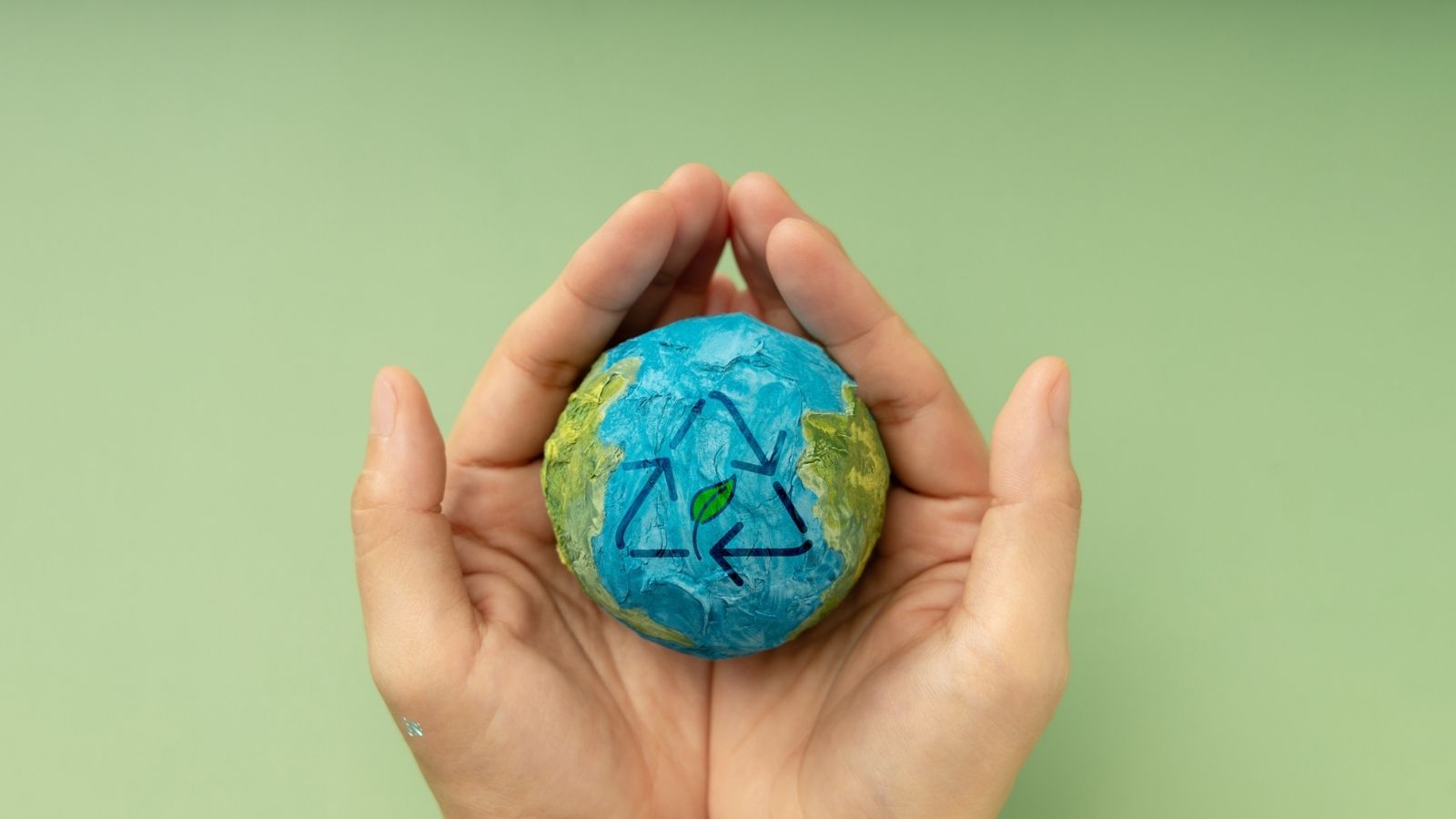
This Earth Day (or anytime this month), share this inspiring video playlist designed to spark curiosity and action in students ages 8–14. From incredible wildlife conservation stories to real-world environmental solutions, each clip invites students to explore the beauty of our planet — and the challenges it faces.
Get a closer look at how forests support life on Earth, discover innovative ideas like renewable energy, and meet the people working to protect endangered species and restore habitats. Along the way, students will see how small choices can make a big difference for our world.
Packed with powerful moments and meaningful learning, this playlist encourages students not just to learn about the Earth — but to think about how they can help protect it.
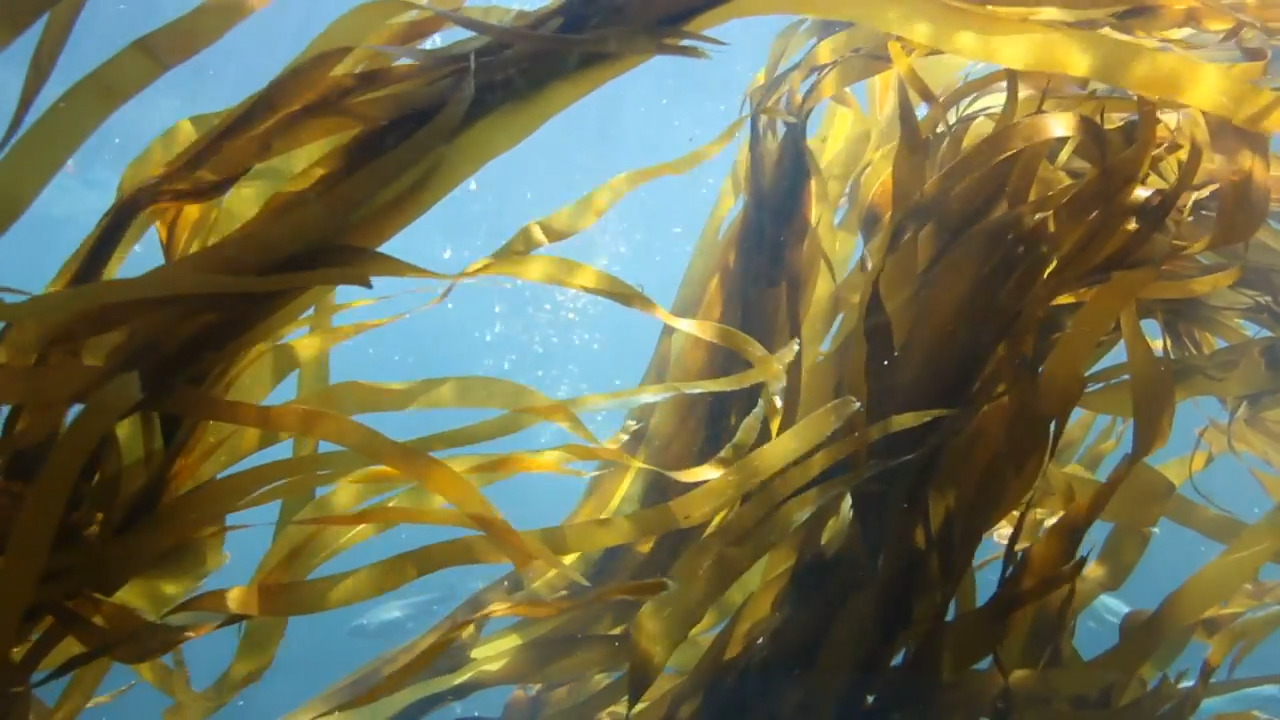
Scientists are exploring an interesting idea: what if we could replace regular plastic with something made from seaweed?
Unlike traditional plastic — which is made from fossil fuels and can take hundreds of years to break down — seaweed-based plastic is designed to decompose naturally over time. That means it could help reduce the amount of plastic waste that ends up in oceans and landfills.
But there are still challenges. Right now, seaweed plastic is expensive to produce — somewhere between two and 10 times more costly than plastic. Scientists are also working on how to grow more seaweed efficiently and make sure large-scale farming doesn’t harm ocean ecosystems.
So while seaweed plastic isn’t widely used yet, it’s a promising idea that could help tackle one of the world’s biggest pollution problems.
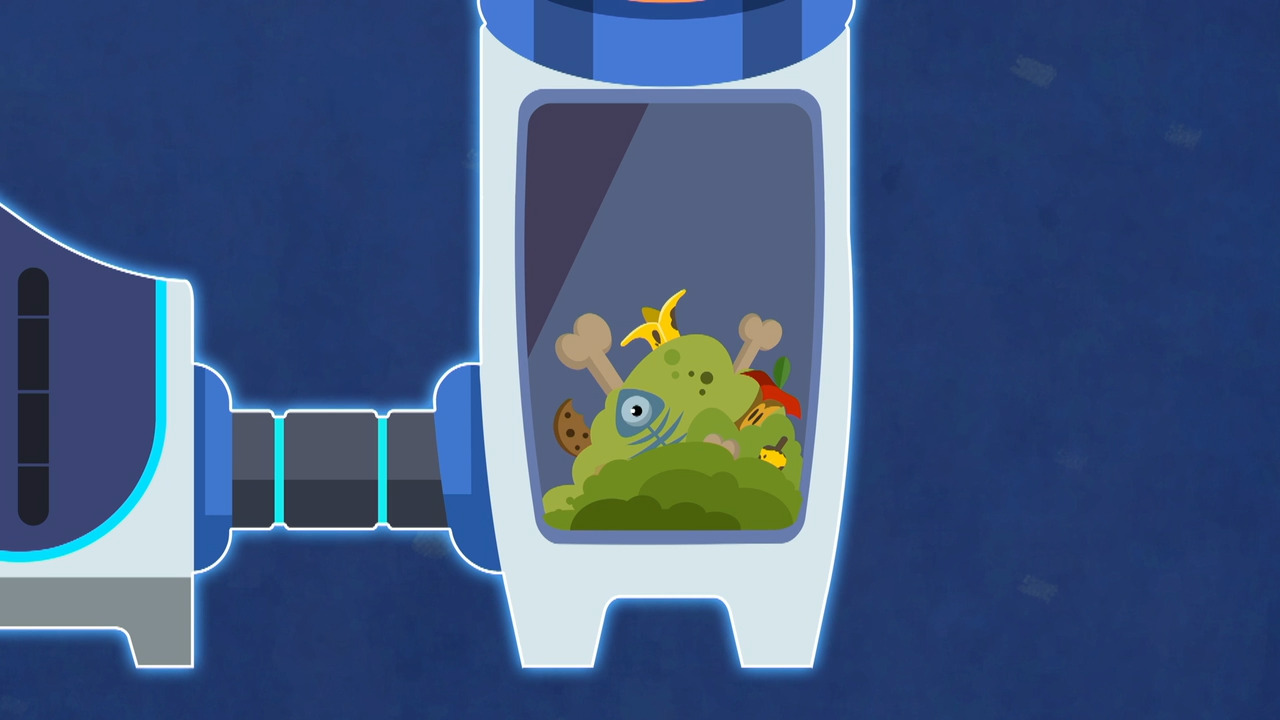
In The Go Jetters Turn Trash Into Energy , the Go Jetters learn how food waste can be recycled back into heating, cooking, and even powering vehicles. Ubercorn shares three funky facts about biogas. This video is excerpted from BBC’s Go Jetters, a series that follows the adventures of four international heroes as they travel the globe visiting landmarks and solving environmental problems with Ubercorn, a disco-dancing unicorn.
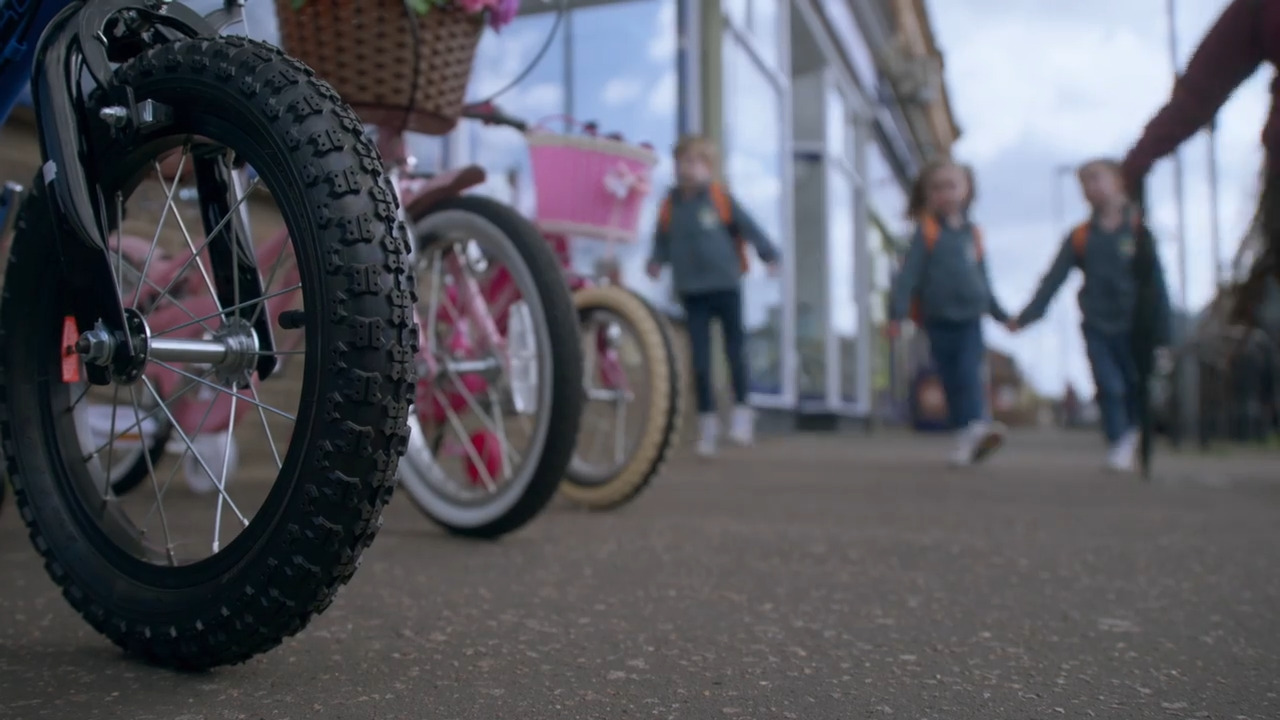
In Sustainable Transportation in the City, Ranger Hamza and the Ramblers brainstorm ways to move around the city without producing pollution. Learn how sustainable transportation helps our environment. This video is excerpted from BBC's Ranger Hamza’s Eco Quest, a nature exploration show in which Ranger Hamza and the Ramblers go on quests to discover nature’s wonders and the important role they play in our environment.
Celebrate the incredible work of Sir David Attenborough — a storyteller who has helped millions of students and viewers explore the natural world. On the occasion of his 100th birthday on May 8, 2026, we honor his enormous accomplishments in the field of environmental advocacy and his role in revolutionizing nature documentaries.
This playlist brings together 10 unforgettable clips from landmark BBC series like Planet Earth, Blue Planet, and Frozen Planet. Each video showcases amazing wildlife, powerful storytelling, and moments that spark curiosity and wonder.
Perfect for the classroom or at home, these videos help students connect with nature, understand our planet, and feel inspired to protect it.
This Earth Day (or anytime this month), share this inspiring video playlist designed to spark curiosity and action in students ages 8–14. From incredible wildlife conservation stories to real-world environmental solutions, each clip invites students to explore the beauty of our planet — and the challenges it faces.
Get a closer look at how forests support life on Earth, discover innovative ideas like renewable energy, and meet the people working to protect endangered species and restore habitats. Along the way, students will see how small choices can make a big difference for our world.
Packed with powerful moments and meaningful learning, this playlist encourages students not just to learn about the Earth — but to think about how they can help protect it.
Scientists are exploring an interesting idea: what if we could replace regular plastic with something made from seaweed?
Unlike traditional plastic — which is made from fossil fuels and can take hundreds of years to break down — seaweed-based plastic is designed to decompose naturally over time. That means it could help reduce the amount of plastic waste that ends up in oceans and landfills.
But there are still challenges. Right now, seaweed plastic is expensive to produce — somewhere between two and 10 times more costly than plastic. Scientists are also working on how to grow more seaweed efficiently and make sure large-scale farming doesn’t harm ocean ecosystems.
So while seaweed plastic isn’t widely used yet, it’s a promising idea that could help tackle one of the world’s biggest pollution problems.
In The Go Jetters Turn Trash Into Energy , the Go Jetters learn how food waste can be recycled back into heating, cooking, and even powering vehicles. Ubercorn shares three funky facts about biogas. This video is excerpted from BBC’s Go Jetters, a series that follows the adventures of four international heroes as they travel the globe visiting landmarks and solving environmental problems with Ubercorn, a disco-dancing unicorn.
In Sustainable Transportation in the City, Ranger Hamza and the Ramblers brainstorm ways to move around the city without producing pollution. Learn how sustainable transportation helps our environment. This video is excerpted from BBC's Ranger Hamza’s Eco Quest, a nature exploration show in which Ranger Hamza and the Ramblers go on quests to discover nature’s wonders and the important role they play in our environment.