
Dive into the wonders of Antarctica with this multi-grade lesson collection! Tailored for K–2, 3–5, 6–8, and 9–12, each unit includes engaging activities, thought-provoking discussions, and hands-on projects to uncover the mysteries of the frozen continent. Enhance your teaching with stunning BBC video clips showcasing Antarctic wildlife, research stations, and breathtaking icy landscapes. Printable resources like animal fact sheets, scientist journal templates, and conservation challenges bring the learning to life for your students. Perfect for science, geography, and environmental lessons!
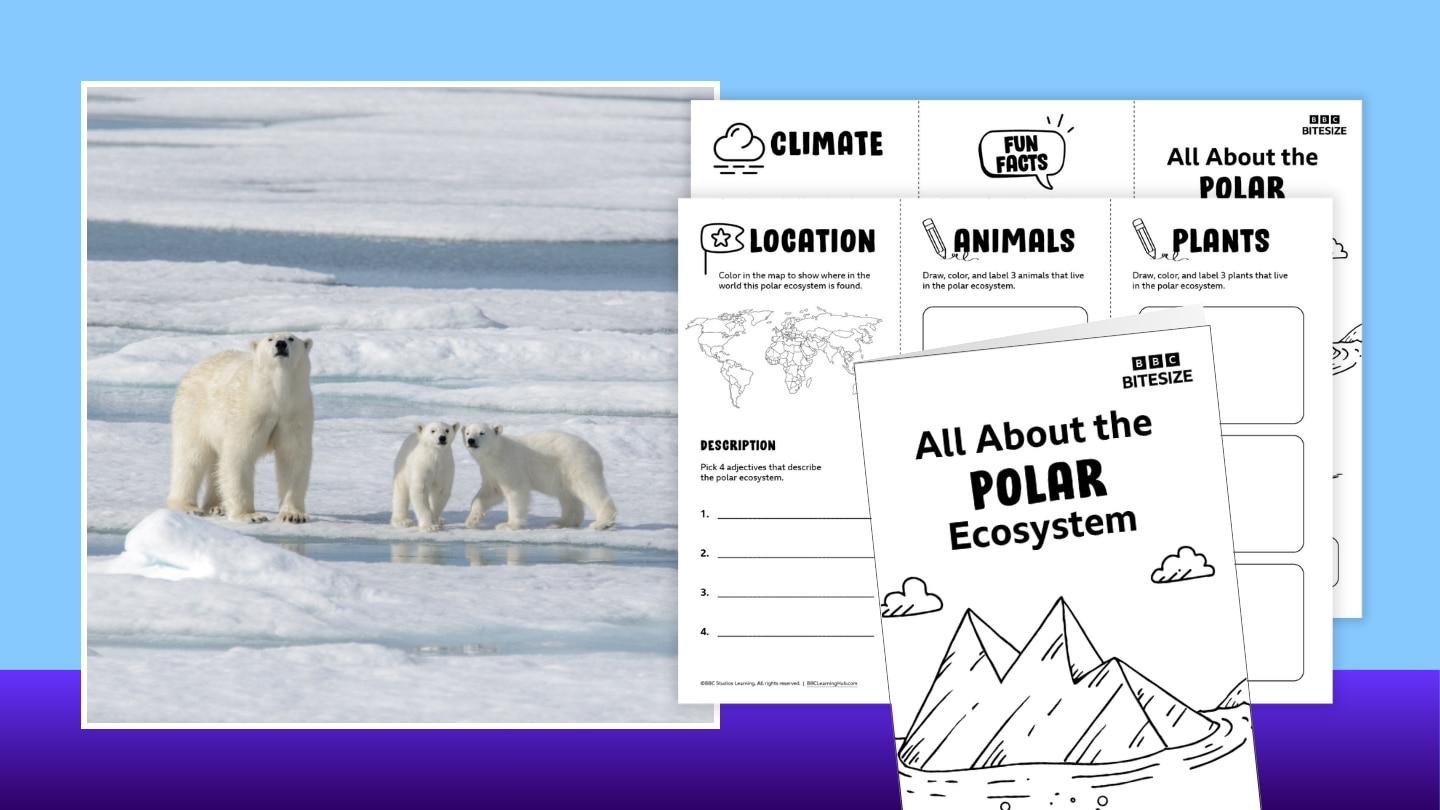
Bring your students on an icy exploration of the polar ecosystem! The Arctic and Antarctica may look frozen and empty at first glance, but they’re full of life perfectly adapted to the cold.
✨ Perfect for grades 3–8, here’s what you need to bring ecosystems to life:
- Iconic BBC Videos: Share the clips on this page to introduce the location, plants, animals, and climate of the polar regions. (Don't miss the narwhals and emperor penguins!) Brought to you by world-class BBC programs like Planet Earth, Frozen Planet, and Seven Worlds, One Planet.
- Free Printable: Use the Polar Brochure Template to help students pull it all together in an ecosystem report with facts they’ve learned (and a little extra research).
It’s everything you need to make ecosystems easy to teach and truly memorable for your students.
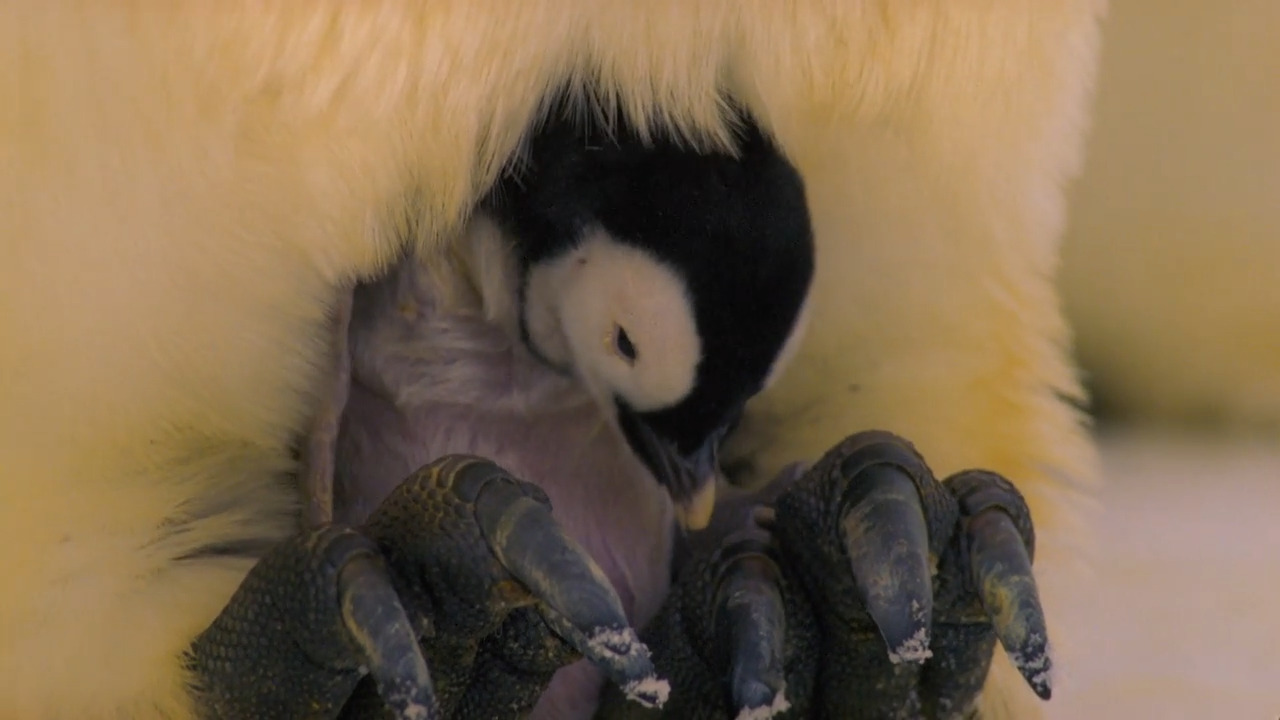
In The Amazing Teamwork of Emperor Penguin Parents, host Andy Day journeys to Antarctica where emperor penguin fathers sit patiently with their egg on their feet for two months while the mothers fish for food. When the penguin parents are reunited, the egg has hatched and the mother takes over babysitting while the father goes to feed. This video is excerpted from BBC’s Andy’s Baby Animals, in which Andy Day explores the lives and experiences of baby animals.
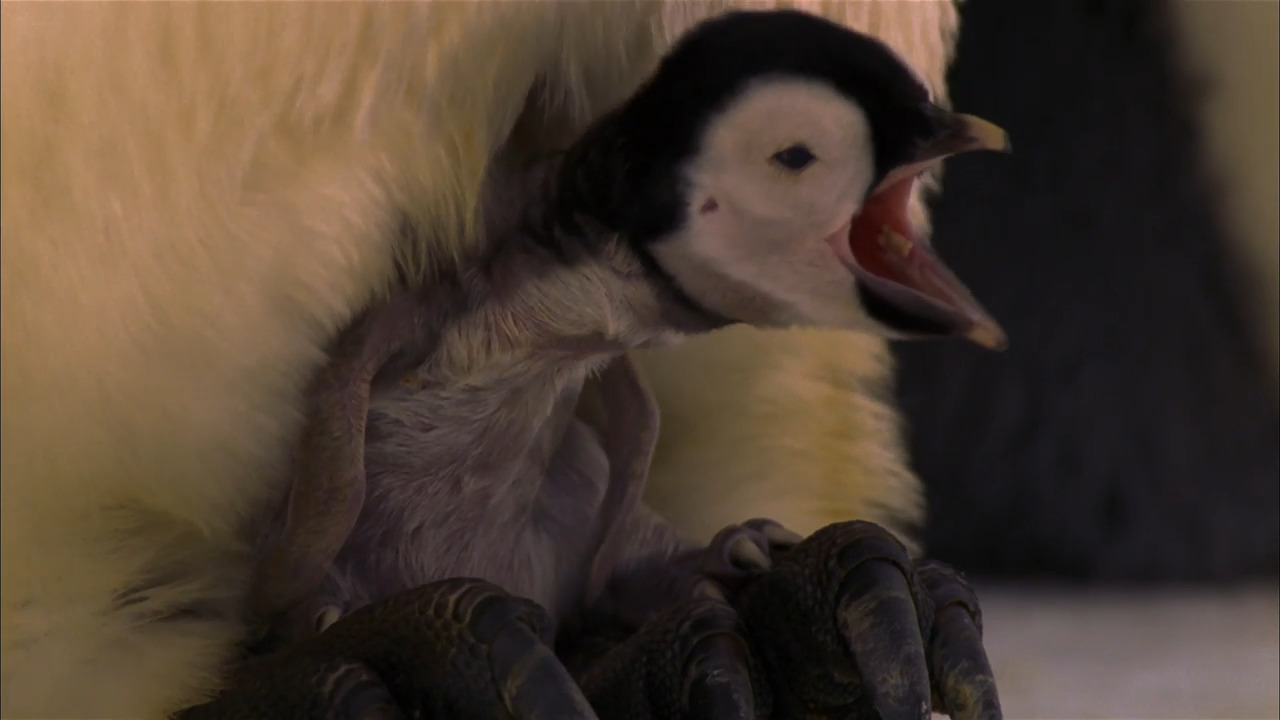
In Hatching Penguin Chicks, narrator Sir David Attenborough visits the southern end of the Earth, where male emperor penguins endure the coldest conditions on the planet while protecting their eggs. The fathers, who have been fasting for months, feed their newly hatched young one last time before the long-awaited return of the females. With bellies full of fish, the mothers call out to identify their mates and reunite with their chicks. The fathers must reluctantly surrender their young, ensuring their survival as the Antarctic winter begins to ease. This video is excerpted from BBC’s Planet Earth, a breathtaking documentary series that highlights the natural wonders of our planet.
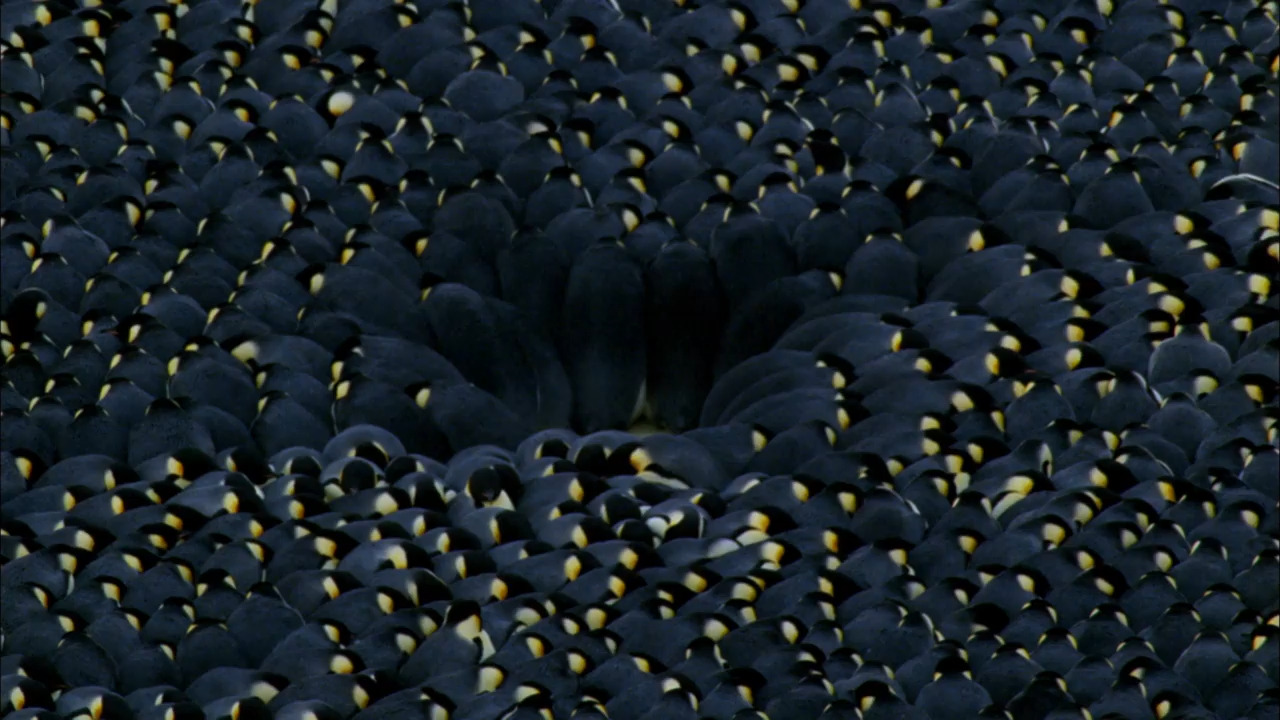
In The Winter Survival Strategies of Male Emperor Penguins, narrator Sir David Attenborough details the incredible survival strategies of male emperor penguins during the harsh Antarctic winter. After the females leave, the males form tightly packed groups to protect their eggs from the extreme cold. Facing brutal conditions, the penguins huddle together, constantly shifting to ensure everyone has a chance to stay warm. This video is excerpted from BBC’s Planet Earth, a breathtaking documentary series that highlights the natural wonders of our planet.
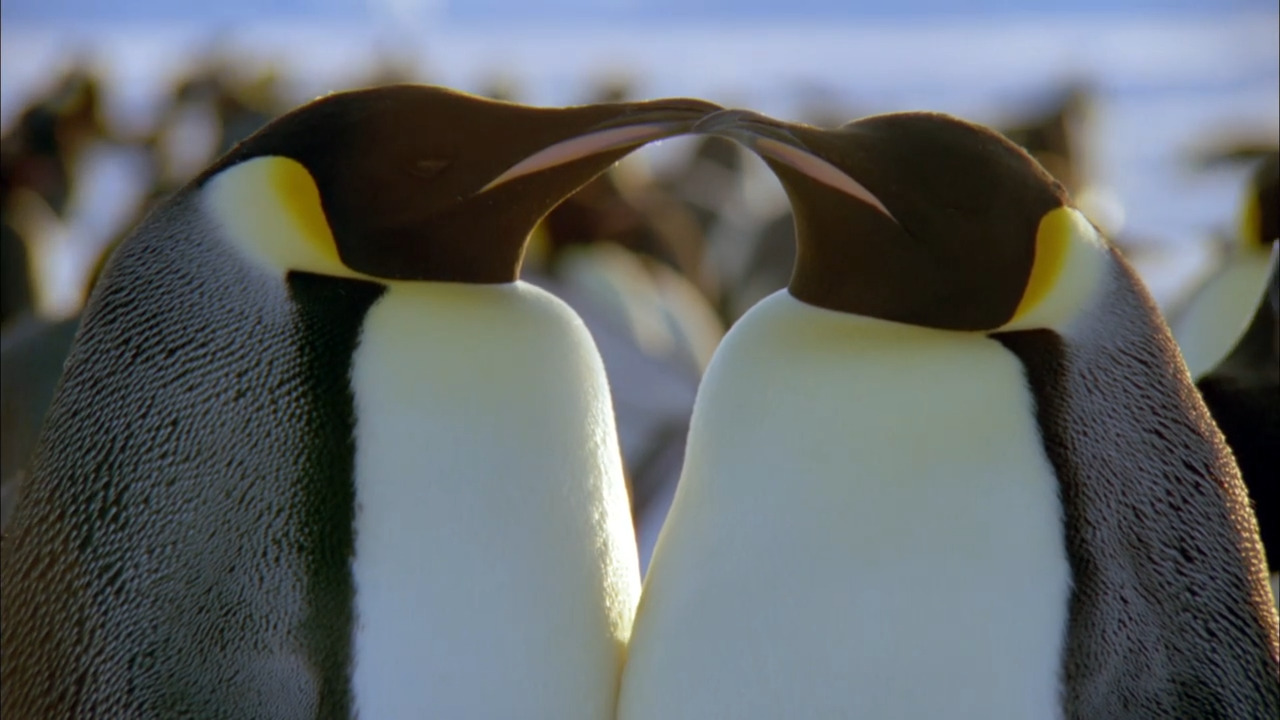
In The Winter Breeding Journey of Emperor Penguins, narrator Sir David Attenborough journeys along with the emperor penguins of Antarctica as they take the long path to their breeding grounds — the same place they were once hatched. Once they arrive, male and female penguins find mates. After the female has produced an egg several weeks later, she must carefully transfer it to the male to keep it warm in his special pouch while she returns to the ocean on her own. This video is excerpted from BBC’s Planet Earth, a breathtaking documentary series that highlights the natural wonders of our planet.
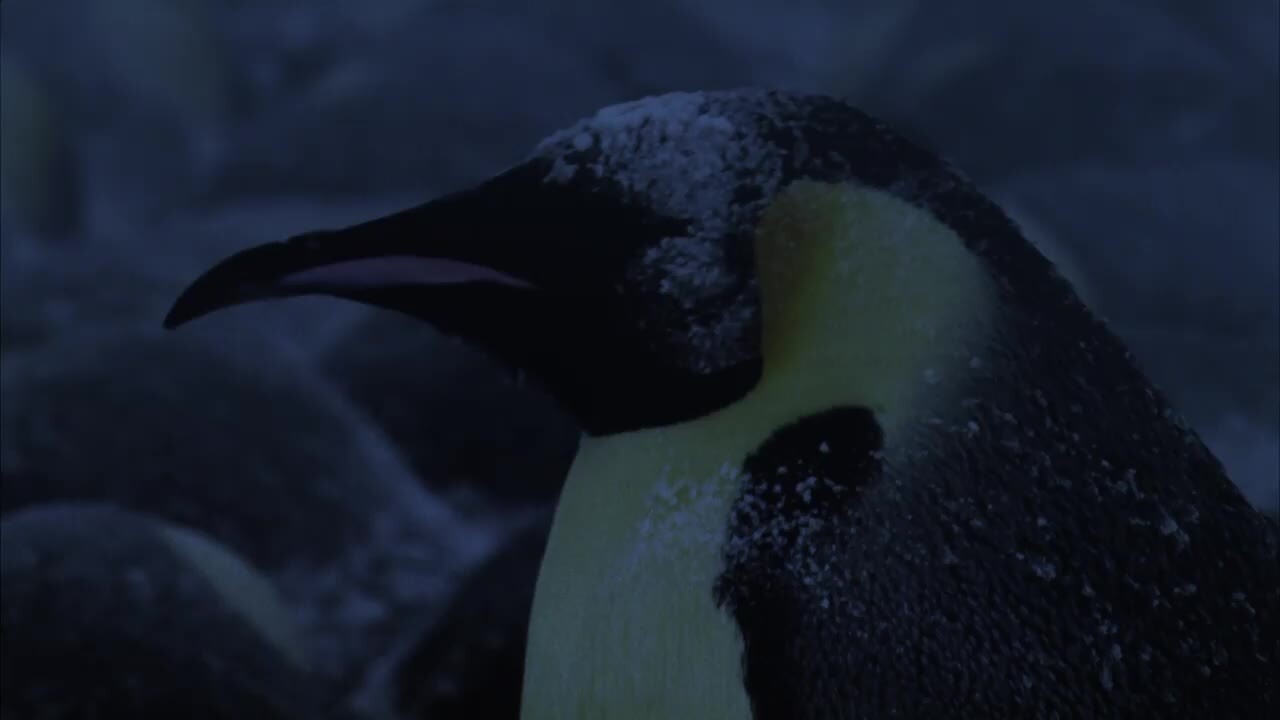
In Male Emperor Penguins Are Fathers of the Year, narrator Sir David Attenborough shares how male penguins endure extreme conditions to care for their eggs. Temperatures plummet, winds whip, and the Sun disappears as these hardy birds huddle for protection. This video is excerpted from BBC's Planet Earth, a breathtaking documentary series that highlights the natural wonders of our planet.
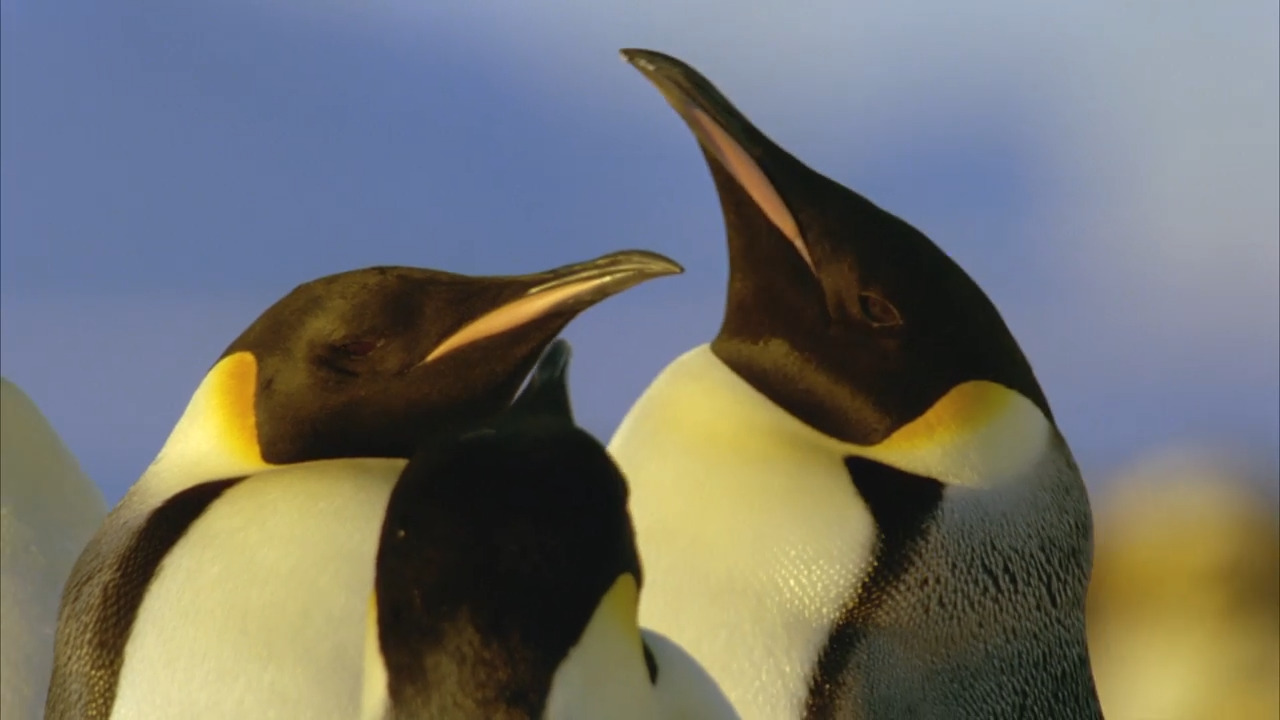
In Emperor Penguins Hatch, narrator Sir David Attenborough describes how the Sun rises for the first time in months when spring arrives in Antarctica. Male emperor penguins leave their winter huddle carrying their precious eggs on their feet. Baby chicks hatch and look to their fathers for food. This video is excerpted from BBC's Planet Earth, a breathtaking documentary series that highlights the natural wonders of our planet.
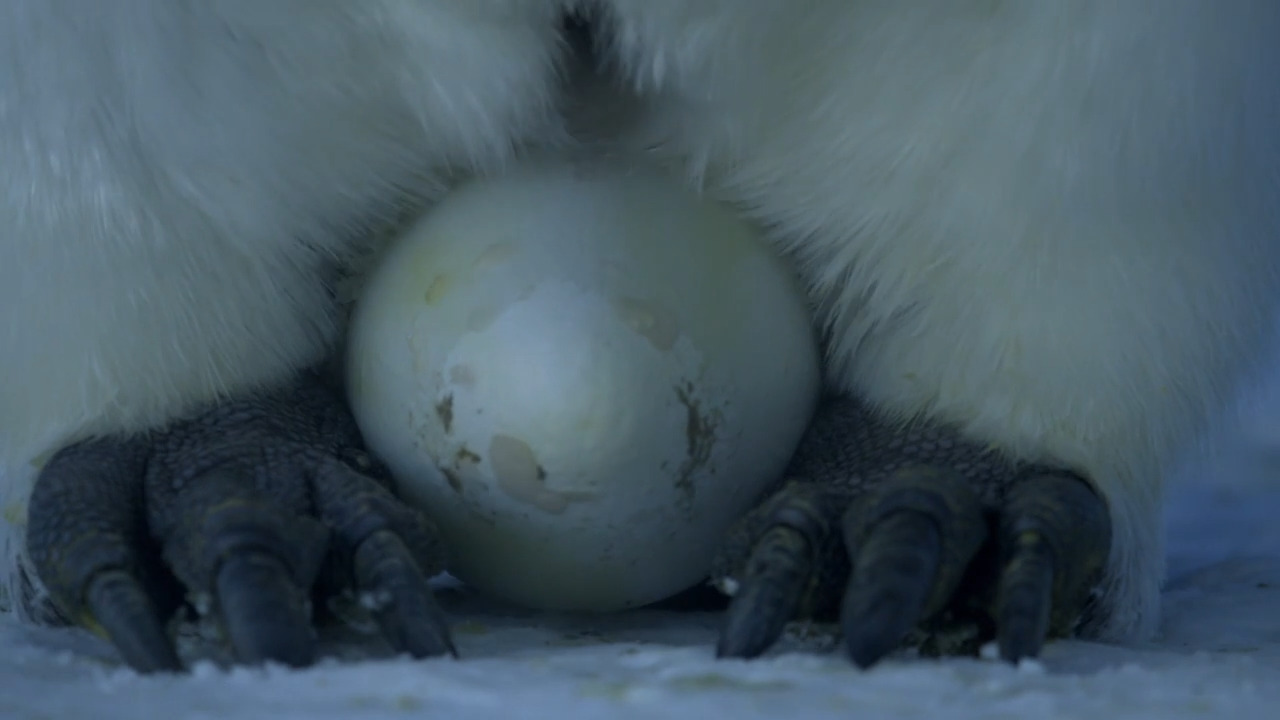
In Emperor Penguins, Arrivals and Departures, narrator Sir David Attenborough describes how a female penguin hatches an egg and transfers it to the male penguin. Learn just how much energy it takes female penguins to create eggs and why they need to leave for the sea immediately after, leaving the eggs with male penguins. This video is excerpted from BBC’s Dynasties, a documentary that follows endangered species fighting for their survival.
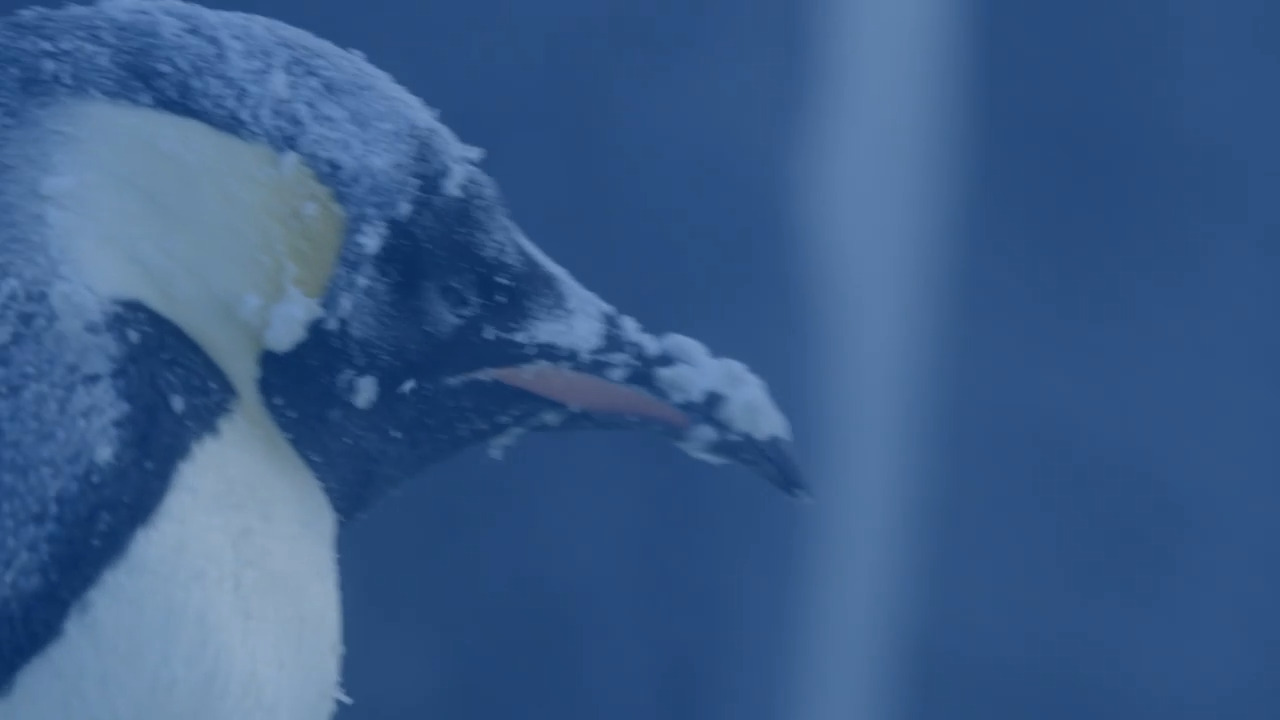
In Inside a Penguin Huddle, narrator Sir David Attenborough describes how male emperor penguins huddle together to keep warm, and to keep their eggs warm. But when a winter blizzard becomes too much for a group of the penguins, the males must move from one side of the huddle to the other without dropping their precious eggs. This video is excerpted from BBC’s Dynasties, a documentary that follows endangered species fighting for their survival.
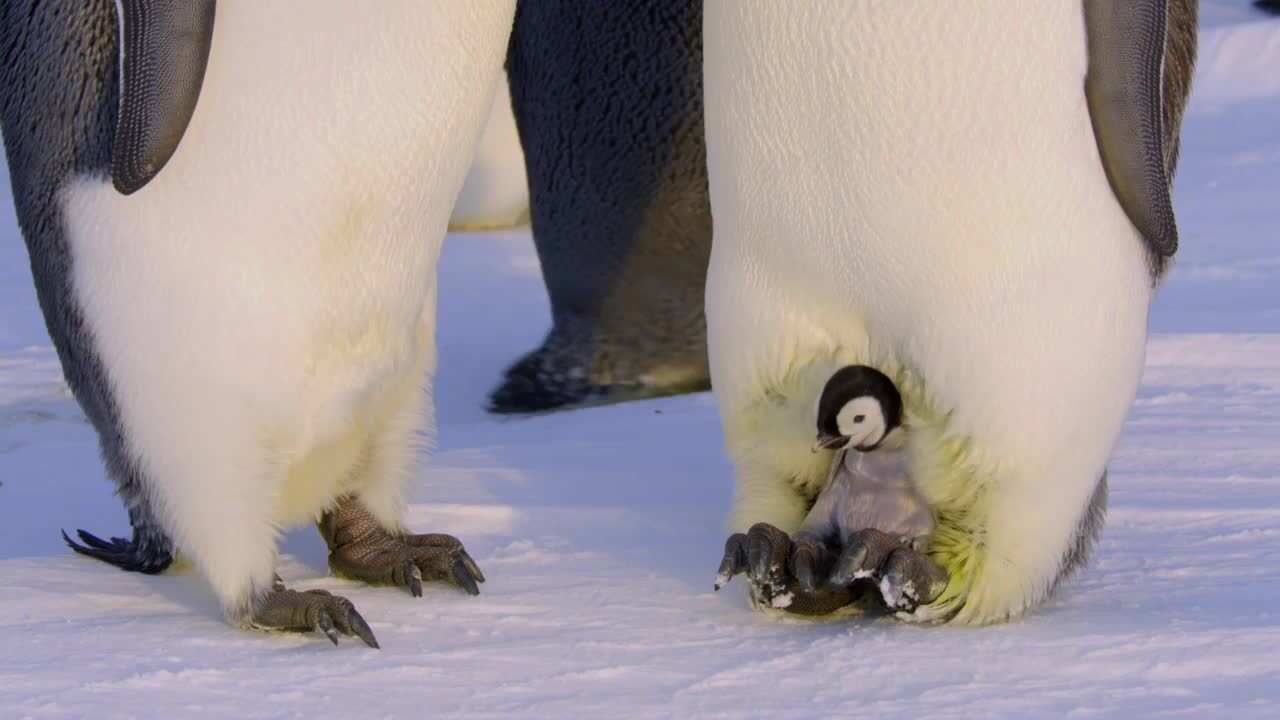
In The Penguin Mothers’ Return, narrator Sir David Attenborough describes how female penguins return from the sea with bellies full of food for their newly hatched chicks. The male penguins pass over the chicks and head to the ocean to fill their bellies, while the chicks get their first taste of food from the sea. This video is excerpted from BBC’s Dynasties, a documentary that follows endangered species fighting for their survival.
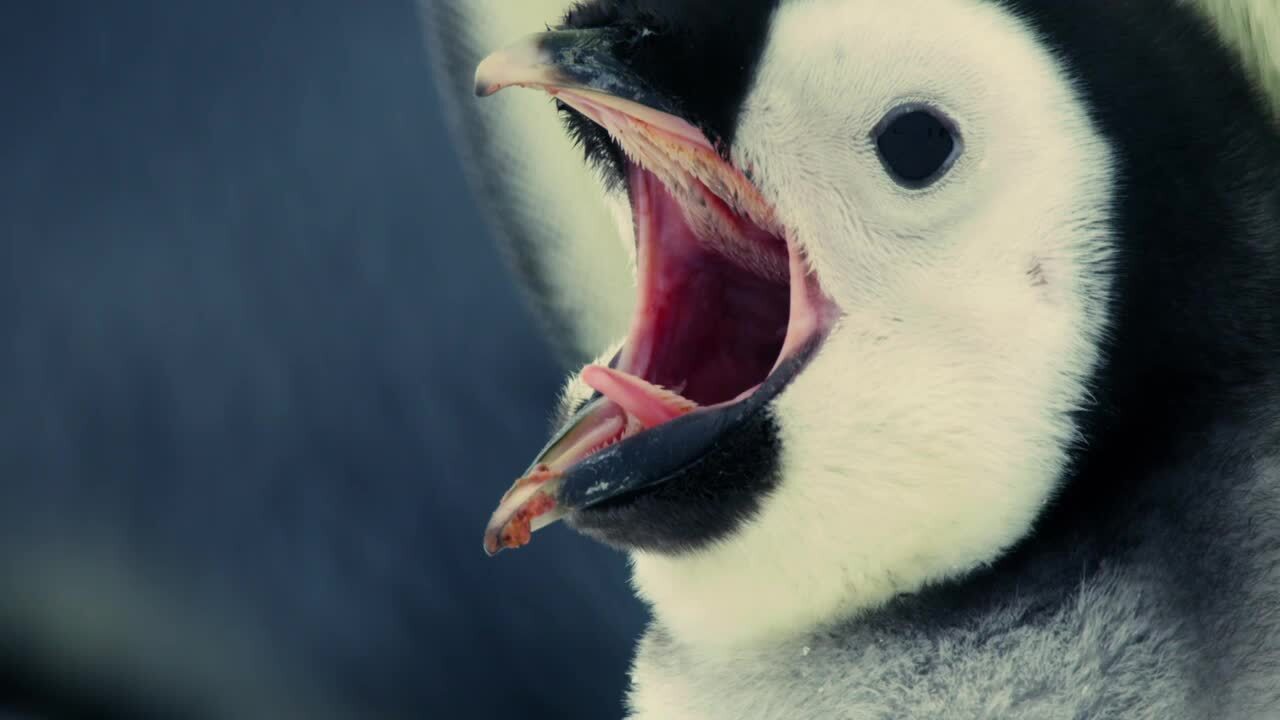
In Penguin Chicks Growing Up, narrator Sir David Attenborough describes how the penguin chick is a month old and growing fast. Both its parents leave to gather food, leaving the chick alone. What instincts will kick in to help it survive when the temperature drops again? This video is excerpted from BBC’s Dynasties, a documentary that follows endangered species fighting for their survival.
Dive into the wonders of Antarctica with this multi-grade lesson collection! Tailored for K–2, 3–5, 6–8, and 9–12, each unit includes engaging activities, thought-provoking discussions, and hands-on projects to uncover the mysteries of the frozen continent. Enhance your teaching with stunning BBC video clips showcasing Antarctic wildlife, research stations, and breathtaking icy landscapes. Printable resources like animal fact sheets, scientist journal templates, and conservation challenges bring the learning to life for your students. Perfect for science, geography, and environmental lessons!
Bring your students on an icy exploration of the polar ecosystem! The Arctic and Antarctica may look frozen and empty at first glance, but they’re full of life perfectly adapted to the cold.
✨ Perfect for grades 3–8, here’s what you need to bring ecosystems to life:
- Iconic BBC Videos: Share the clips on this page to introduce the location, plants, animals, and climate of the polar regions. (Don't miss the narwhals and emperor penguins!) Brought to you by world-class BBC programs like Planet Earth, Frozen Planet, and Seven Worlds, One Planet.
- Free Printable: Use the Polar Brochure Template to help students pull it all together in an ecosystem report with facts they’ve learned (and a little extra research).
It’s everything you need to make ecosystems easy to teach and truly memorable for your students.
In The Amazing Teamwork of Emperor Penguin Parents, host Andy Day journeys to Antarctica where emperor penguin fathers sit patiently with their egg on their feet for two months while the mothers fish for food. When the penguin parents are reunited, the egg has hatched and the mother takes over babysitting while the father goes to feed. This video is excerpted from BBC’s Andy’s Baby Animals, in which Andy Day explores the lives and experiences of baby animals.
In Hatching Penguin Chicks, narrator Sir David Attenborough visits the southern end of the Earth, where male emperor penguins endure the coldest conditions on the planet while protecting their eggs. The fathers, who have been fasting for months, feed their newly hatched young one last time before the long-awaited return of the females. With bellies full of fish, the mothers call out to identify their mates and reunite with their chicks. The fathers must reluctantly surrender their young, ensuring their survival as the Antarctic winter begins to ease. This video is excerpted from BBC’s Planet Earth, a breathtaking documentary series that highlights the natural wonders of our planet.
In The Winter Survival Strategies of Male Emperor Penguins, narrator Sir David Attenborough details the incredible survival strategies of male emperor penguins during the harsh Antarctic winter. After the females leave, the males form tightly packed groups to protect their eggs from the extreme cold. Facing brutal conditions, the penguins huddle together, constantly shifting to ensure everyone has a chance to stay warm. This video is excerpted from BBC’s Planet Earth, a breathtaking documentary series that highlights the natural wonders of our planet.
In The Winter Breeding Journey of Emperor Penguins, narrator Sir David Attenborough journeys along with the emperor penguins of Antarctica as they take the long path to their breeding grounds — the same place they were once hatched. Once they arrive, male and female penguins find mates. After the female has produced an egg several weeks later, she must carefully transfer it to the male to keep it warm in his special pouch while she returns to the ocean on her own. This video is excerpted from BBC’s Planet Earth, a breathtaking documentary series that highlights the natural wonders of our planet.
In Male Emperor Penguins Are Fathers of the Year, narrator Sir David Attenborough shares how male penguins endure extreme conditions to care for their eggs. Temperatures plummet, winds whip, and the Sun disappears as these hardy birds huddle for protection. This video is excerpted from BBC's Planet Earth, a breathtaking documentary series that highlights the natural wonders of our planet.
In Emperor Penguins Hatch, narrator Sir David Attenborough describes how the Sun rises for the first time in months when spring arrives in Antarctica. Male emperor penguins leave their winter huddle carrying their precious eggs on their feet. Baby chicks hatch and look to their fathers for food. This video is excerpted from BBC's Planet Earth, a breathtaking documentary series that highlights the natural wonders of our planet.
In Emperor Penguins, Arrivals and Departures, narrator Sir David Attenborough describes how a female penguin hatches an egg and transfers it to the male penguin. Learn just how much energy it takes female penguins to create eggs and why they need to leave for the sea immediately after, leaving the eggs with male penguins. This video is excerpted from BBC’s Dynasties, a documentary that follows endangered species fighting for their survival.
In Inside a Penguin Huddle, narrator Sir David Attenborough describes how male emperor penguins huddle together to keep warm, and to keep their eggs warm. But when a winter blizzard becomes too much for a group of the penguins, the males must move from one side of the huddle to the other without dropping their precious eggs. This video is excerpted from BBC’s Dynasties, a documentary that follows endangered species fighting for their survival.
In The Penguin Mothers’ Return, narrator Sir David Attenborough describes how female penguins return from the sea with bellies full of food for their newly hatched chicks. The male penguins pass over the chicks and head to the ocean to fill their bellies, while the chicks get their first taste of food from the sea. This video is excerpted from BBC’s Dynasties, a documentary that follows endangered species fighting for their survival.
In Penguin Chicks Growing Up, narrator Sir David Attenborough describes how the penguin chick is a month old and growing fast. Both its parents leave to gather food, leaving the chick alone. What instincts will kick in to help it survive when the temperature drops again? This video is excerpted from BBC’s Dynasties, a documentary that follows endangered species fighting for their survival.