Leveled Articles + BBC Video Clips + Printables + Civil Rights Quiz

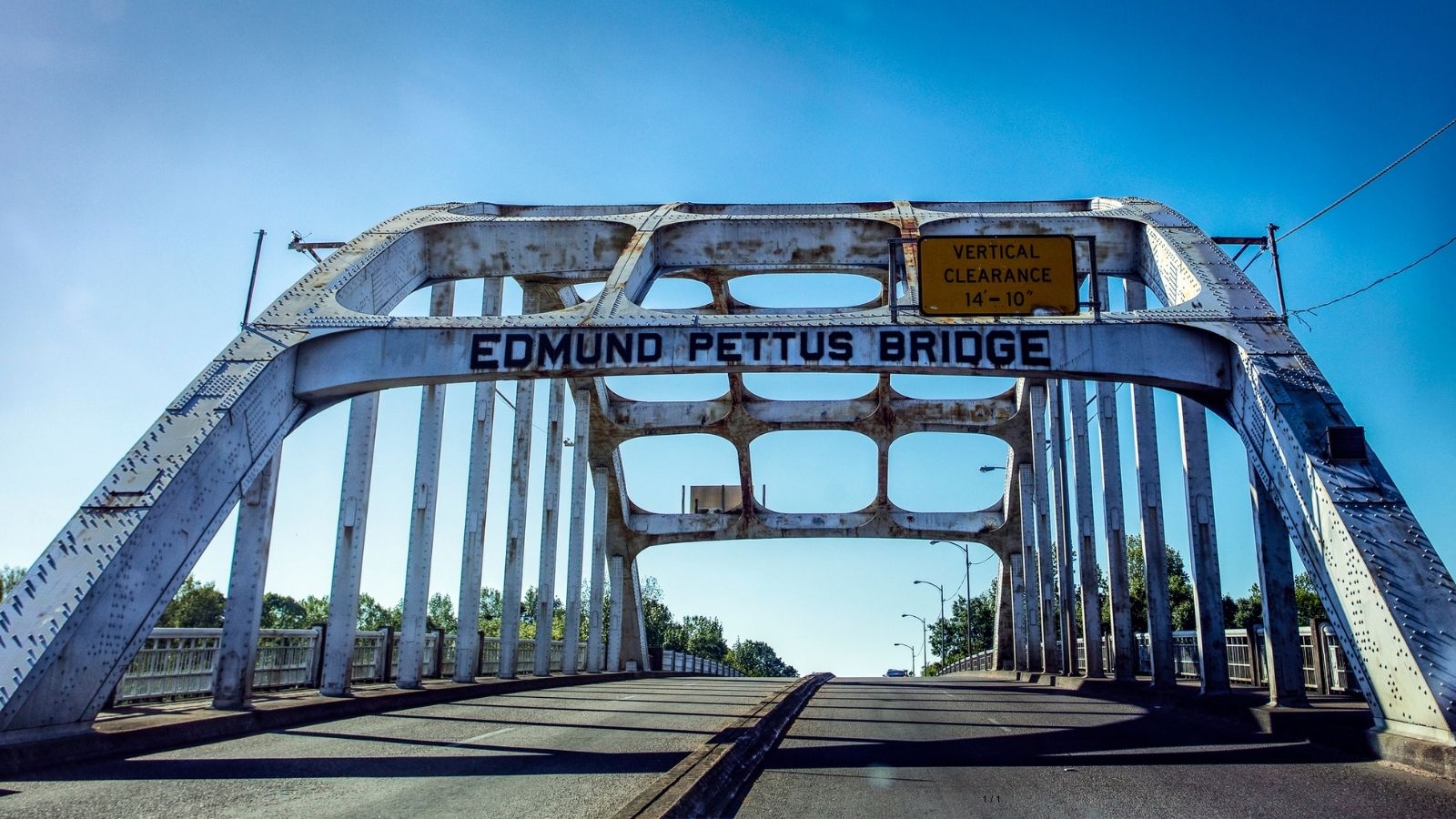
The article "5 Key Events That Changed the U.S. Civil Rights Movement" from BBC's HistoryExtra explores five defining moments that shaped the fight for racial equality in America.

The article "Charlotta Bass: The Civil Rights Fighter Who Ran for U.S. Vice President" from BBC's HistoryExtra is a compelling story about Charlotta Bass, the first Black woman to run for vice president in the U.S. It traces her journey from journalist to political pioneer, highlighting her activism, bravery against the Ku Klux Klan, and surveillance by the FBI during the height of the Civil Rights Movement.
Test Your Knowledge of the Civil Rights Movement
The Civil Rights Movement was a pivotal time in American history, when individuals and communities fought for equality, justice, and the basic rights of all people. From the oppressive Jim Crow laws to brave acts of resistance, this movement reshaped the nation.
This quiz will explore key events, influential leaders, and cultural milestones, including Emmett Till, Rosa Parks and the Montgomery bus boycott, the March on Washington, Bloody Sunday, the Voting Rights Act, Martin Luther King Jr., Charlotta Bass, Malcolm X, John Lewis, and Motown.
See how much you know about the struggle, the leaders, and the victories that helped create a more just society.
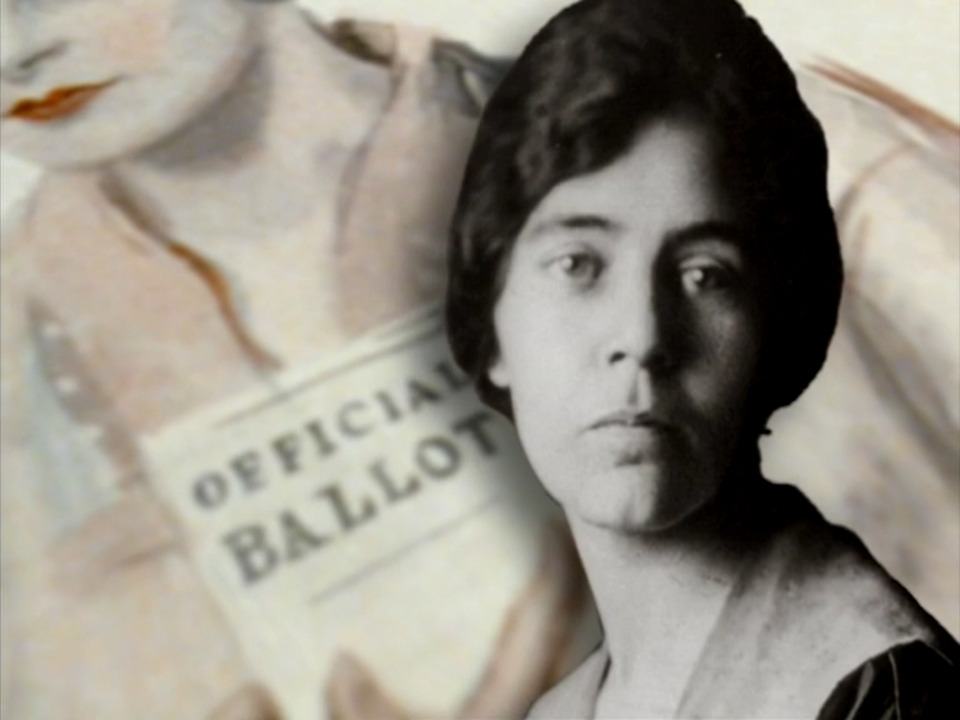
In Alice Paul and the Fight for Women’s Suffrage, activist Alice Paul leads marches and protests to secure women’s right to vote in the United States. Drawing inspiration from the militant suffrage movement in the UK, she organizes the National Woman’s Party, pickets the White House, and helps secure the passage of the 19th Amendment after decades of struggle.
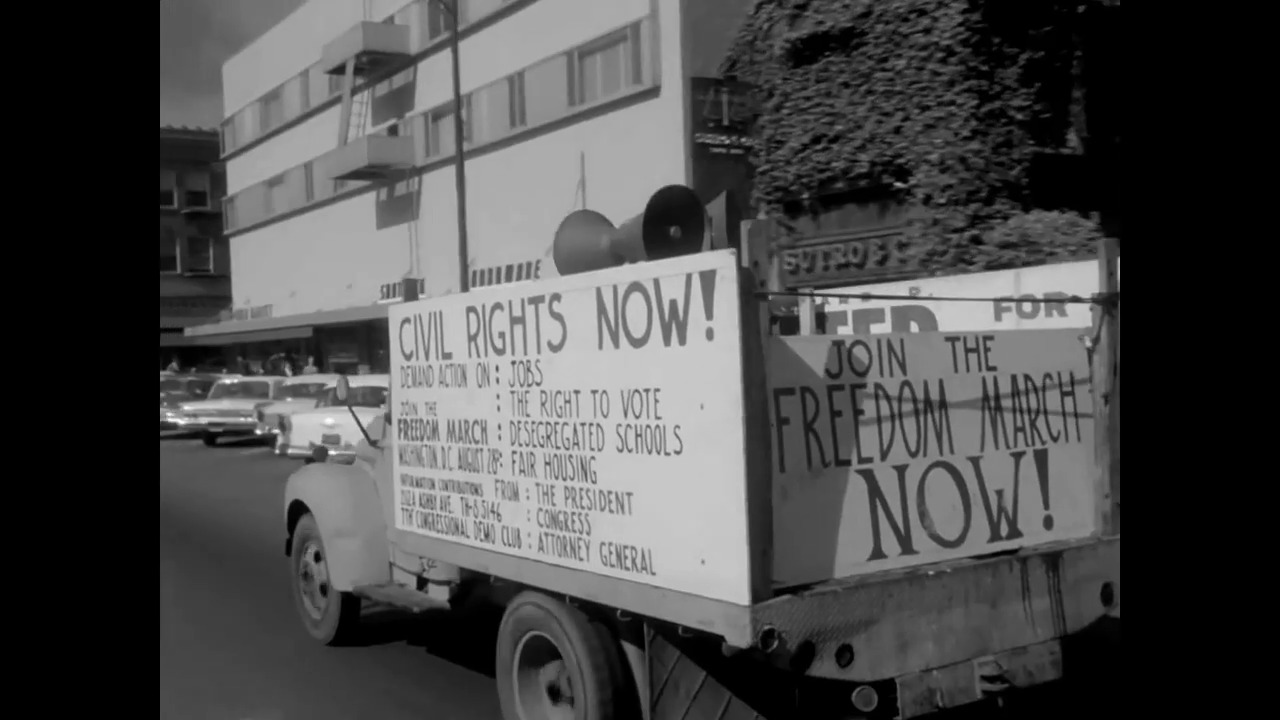
In Martin Luther King Jr.'s Conflicting Politics, historian Lucy Worsley learns that although Martin Luther King Jr. campaigned for Civil Rights, he didn't have the same beliefs of equality for men and women. Women were not allowed to speak at the March in Washington. This video is excerpted from BBC's American History's Biggest Fibs with Lucy Worsley, in which Worsley reveals the myths and manipulations behind American history.

The article "Jim Crow Laws: America’s Era of Racial Segregation" from BBC's HistoryExtra is a guide to how racial segregation shaped American life from the 1870s to the 1960s. It explores the origins of the term "Jim Crow," the laws and court cases that enforced segregation, and the brave individuals and movements that challenged them — leading to major civil rights victories.
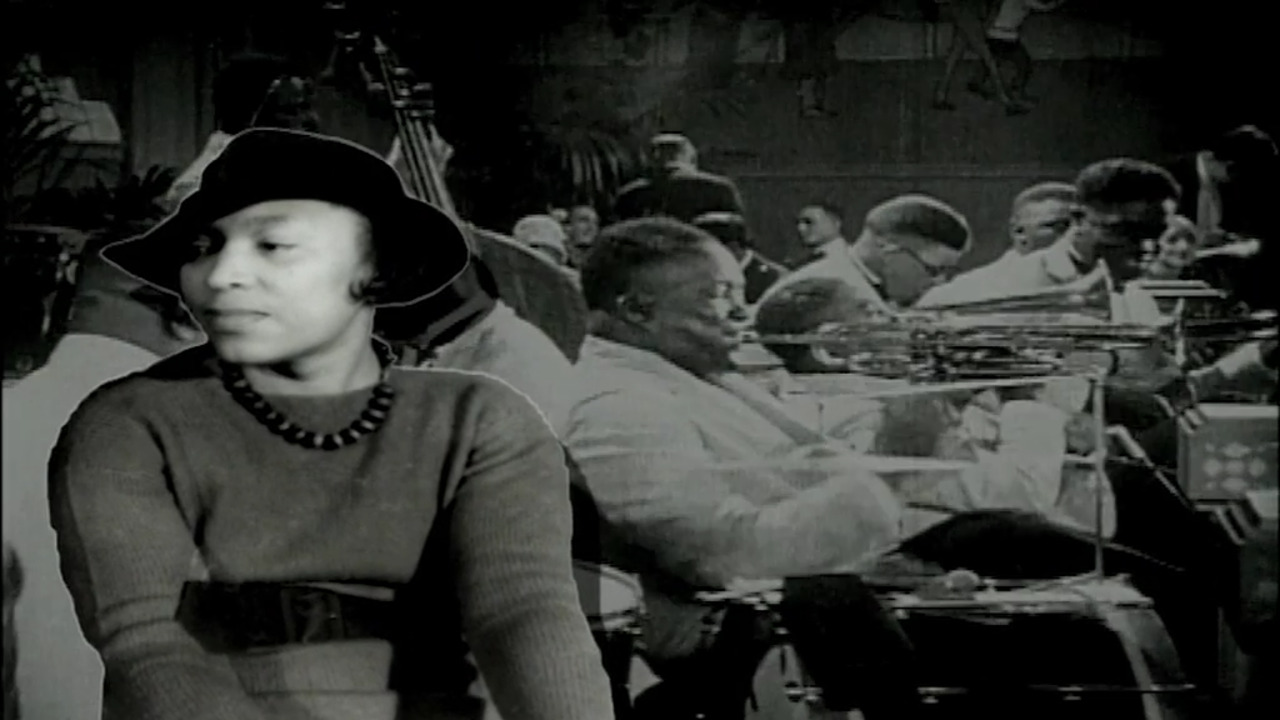
In Zora Neale Hurston and the Harlem Renaissance, explore the life and work of writer and anthropologist Zora Neale Hurston, from her Alabama childhood to her studies of African American folklore and culture. Though she died in obscurity, her legacy was revived by Alice Walker, restoring her place as a key figure in literature and the Harlem Renaissance.
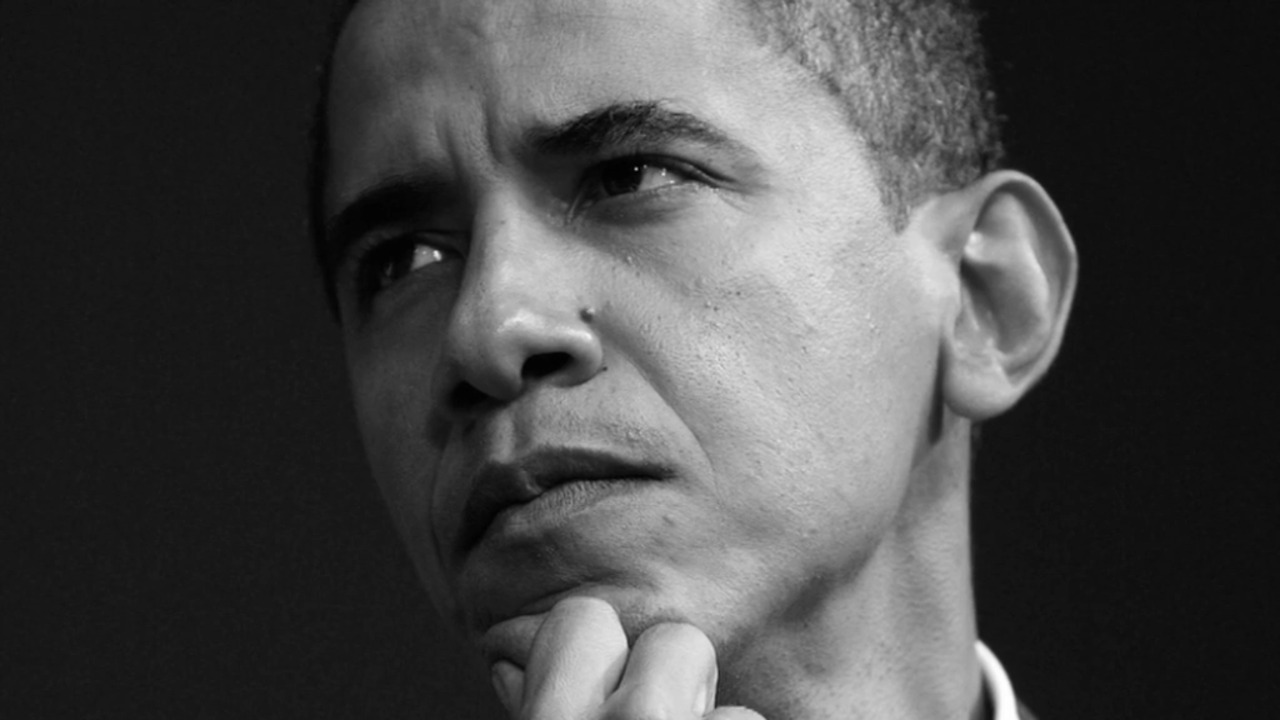
In Obama’s Presidential Victory, journalist Clive Myrie shows Barack Obama’s presidential victory as a historic turning point and the passing of a long-fought baton to a new generation of leadership. Drawing on voices from advisors, supporters, and Rhea McCauley, the niece of Rosa Parks, the video explores themes of dignity, perseverance, hope, and the belief that progress is possible when people reject cynicism and act together. This video is excerpted from BBC’s Obama: His Story, which traces Obama’s extraordinary journey to the presidency and its meaning within the broader African American freedom struggle.
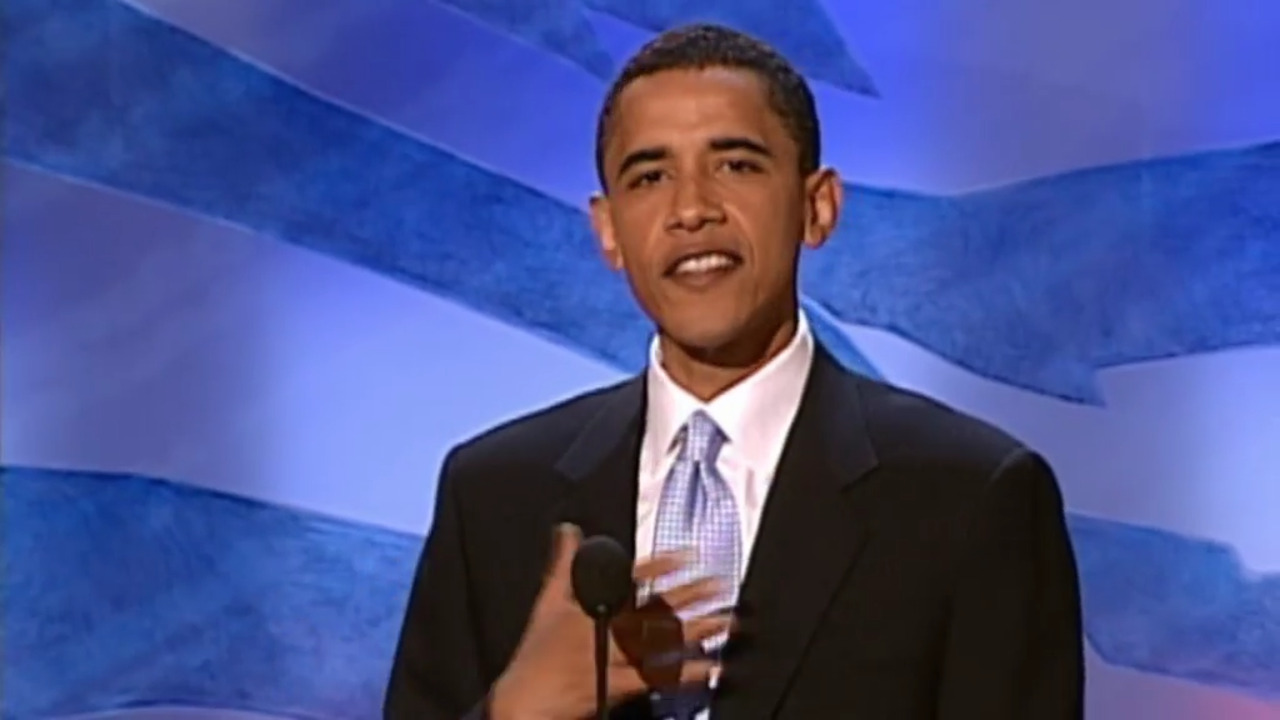
In Obama Takes the National Stage, journalist Clive Myrie covers how Barack Obama delivered the keynote address at the 2004 Democratic National Convention, a moment that would introduce him to the nation. Watch Obama’s early nerves, growing confidence, and the power of a speech that connected personal stories to broader ideas of freedom and justice. This video is excerpted from BBC’s Obama: His Story, which traces Obama’s extraordinary journey to the presidency and its meaning within the broader African American freedom struggle.
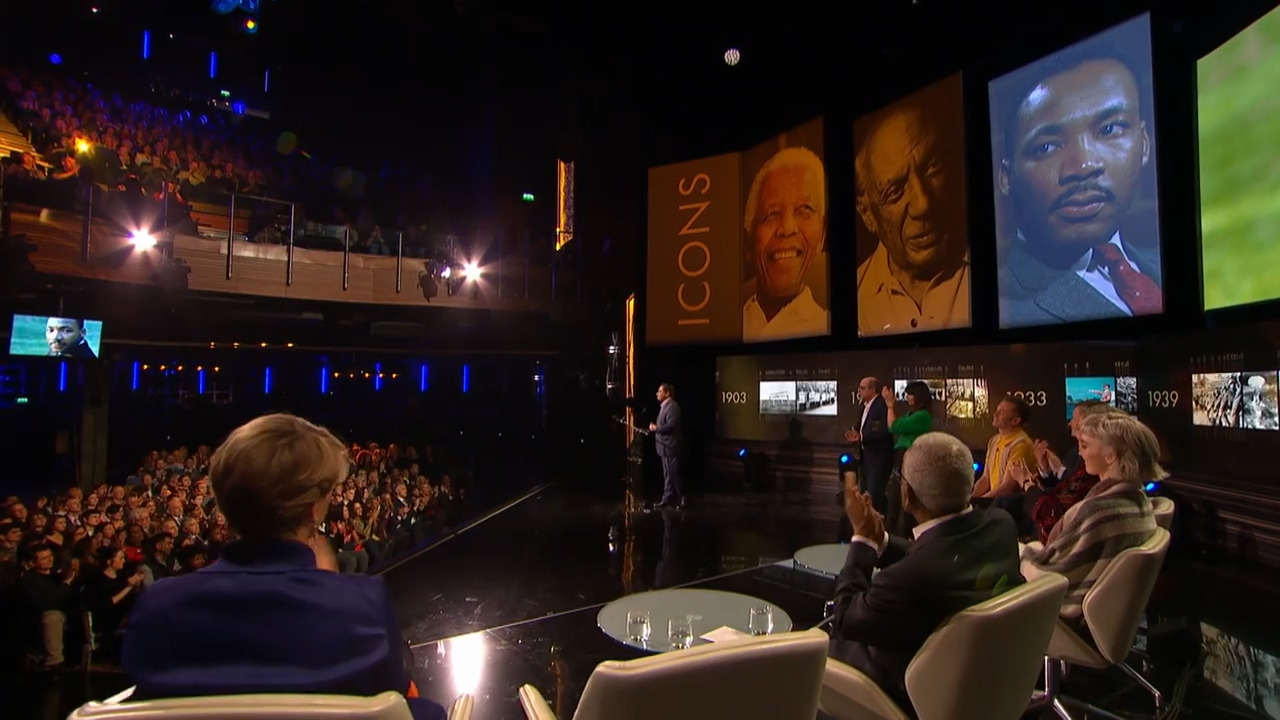
In Martin Luther King Jr., Iconic Activist, host Sanjeev Bhaskar discusses the accomplishments of Martin Luther King Jr. who was deeply committed to non-violent protest and inspired other activists who came after him. This video is excerpted from BBC’s Icons: The Greatest Person of the 20th Century, a documentary series celebrating the achievements of the most influential figures of the era.
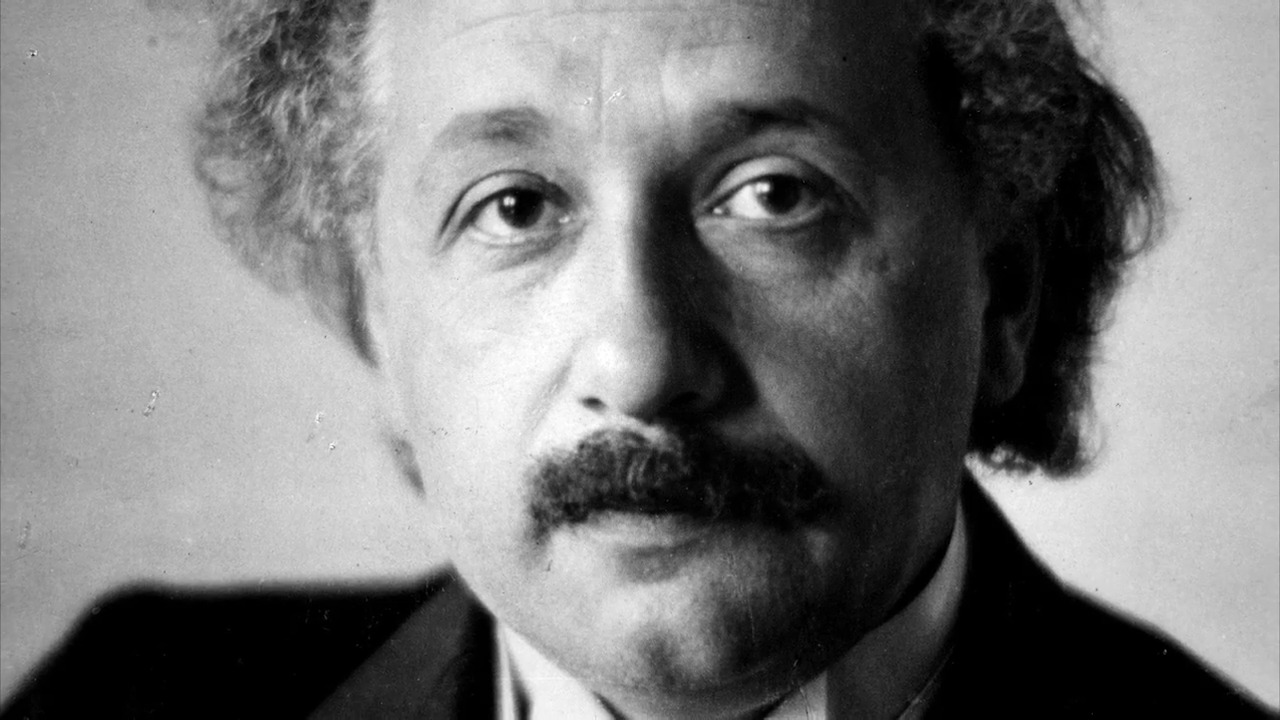
In Albert Einstein's Revolutionary Mind, host Chris Packham explores how Einstein revolutionized physics and defied convention. As a Jewish refugee and devout pacifist, Einstein’s ideas on time, space, and morality inspired both scientific breakthroughs and social justice. This video is excerpted from BBC’s Icons: The Greatest Person of the 20th Century, a documentary series celebrating the achievements of the most influential figures of the era.
Leveled Articles + BBC Video Clips + Printables + Civil Rights Quiz
The article "5 Key Events That Changed the U.S. Civil Rights Movement" from BBC's HistoryExtra explores five defining moments that shaped the fight for racial equality in America.
The article "Charlotta Bass: The Civil Rights Fighter Who Ran for U.S. Vice President" from BBC's HistoryExtra is a compelling story about Charlotta Bass, the first Black woman to run for vice president in the U.S. It traces her journey from journalist to political pioneer, highlighting her activism, bravery against the Ku Klux Klan, and surveillance by the FBI during the height of the Civil Rights Movement.
Test Your Knowledge of the Civil Rights Movement
The Civil Rights Movement was a pivotal time in American history, when individuals and communities fought for equality, justice, and the basic rights of all people. From the oppressive Jim Crow laws to brave acts of resistance, this movement reshaped the nation.
This quiz will explore key events, influential leaders, and cultural milestones, including Emmett Till, Rosa Parks and the Montgomery bus boycott, the March on Washington, Bloody Sunday, the Voting Rights Act, Martin Luther King Jr., Charlotta Bass, Malcolm X, John Lewis, and Motown.
See how much you know about the struggle, the leaders, and the victories that helped create a more just society.
In Alice Paul and the Fight for Women’s Suffrage, activist Alice Paul leads marches and protests to secure women’s right to vote in the United States. Drawing inspiration from the militant suffrage movement in the UK, she organizes the National Woman’s Party, pickets the White House, and helps secure the passage of the 19th Amendment after decades of struggle.
In Martin Luther King Jr.'s Conflicting Politics, historian Lucy Worsley learns that although Martin Luther King Jr. campaigned for Civil Rights, he didn't have the same beliefs of equality for men and women. Women were not allowed to speak at the March in Washington. This video is excerpted from BBC's American History's Biggest Fibs with Lucy Worsley, in which Worsley reveals the myths and manipulations behind American history.
The article "Jim Crow Laws: America’s Era of Racial Segregation" from BBC's HistoryExtra is a guide to how racial segregation shaped American life from the 1870s to the 1960s. It explores the origins of the term "Jim Crow," the laws and court cases that enforced segregation, and the brave individuals and movements that challenged them — leading to major civil rights victories.
In Zora Neale Hurston and the Harlem Renaissance, explore the life and work of writer and anthropologist Zora Neale Hurston, from her Alabama childhood to her studies of African American folklore and culture. Though she died in obscurity, her legacy was revived by Alice Walker, restoring her place as a key figure in literature and the Harlem Renaissance.
In Obama’s Presidential Victory, journalist Clive Myrie shows Barack Obama’s presidential victory as a historic turning point and the passing of a long-fought baton to a new generation of leadership. Drawing on voices from advisors, supporters, and Rhea McCauley, the niece of Rosa Parks, the video explores themes of dignity, perseverance, hope, and the belief that progress is possible when people reject cynicism and act together. This video is excerpted from BBC’s Obama: His Story, which traces Obama’s extraordinary journey to the presidency and its meaning within the broader African American freedom struggle.
In Obama Takes the National Stage, journalist Clive Myrie covers how Barack Obama delivered the keynote address at the 2004 Democratic National Convention, a moment that would introduce him to the nation. Watch Obama’s early nerves, growing confidence, and the power of a speech that connected personal stories to broader ideas of freedom and justice. This video is excerpted from BBC’s Obama: His Story, which traces Obama’s extraordinary journey to the presidency and its meaning within the broader African American freedom struggle.
In Martin Luther King Jr., Iconic Activist, host Sanjeev Bhaskar discusses the accomplishments of Martin Luther King Jr. who was deeply committed to non-violent protest and inspired other activists who came after him. This video is excerpted from BBC’s Icons: The Greatest Person of the 20th Century, a documentary series celebrating the achievements of the most influential figures of the era.
In Albert Einstein's Revolutionary Mind, host Chris Packham explores how Einstein revolutionized physics and defied convention. As a Jewish refugee and devout pacifist, Einstein’s ideas on time, space, and morality inspired both scientific breakthroughs and social justice. This video is excerpted from BBC’s Icons: The Greatest Person of the 20th Century, a documentary series celebrating the achievements of the most influential figures of the era.