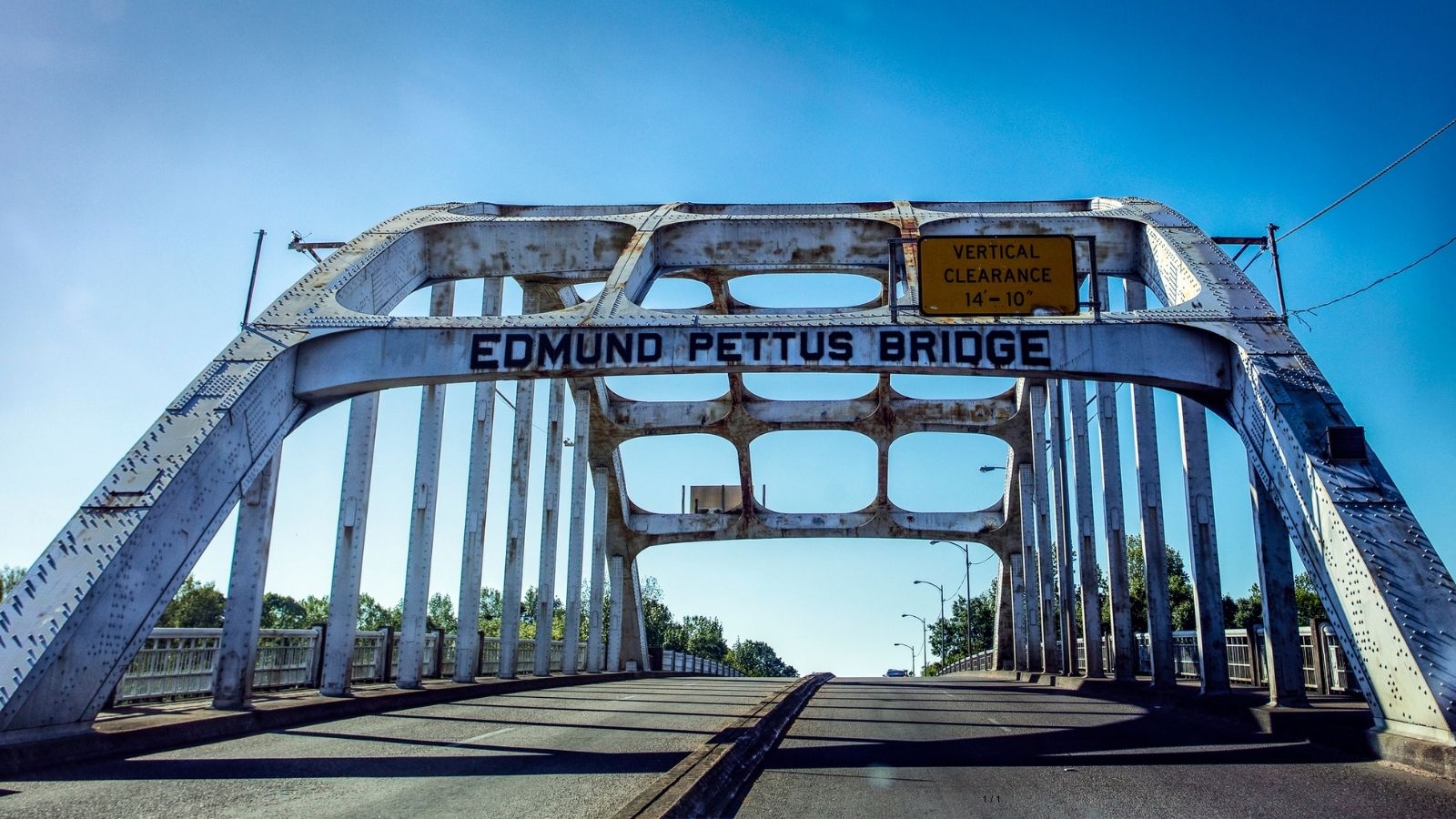
Leveled Articles + BBC Video Clips + Printables + Civil Rights Quiz
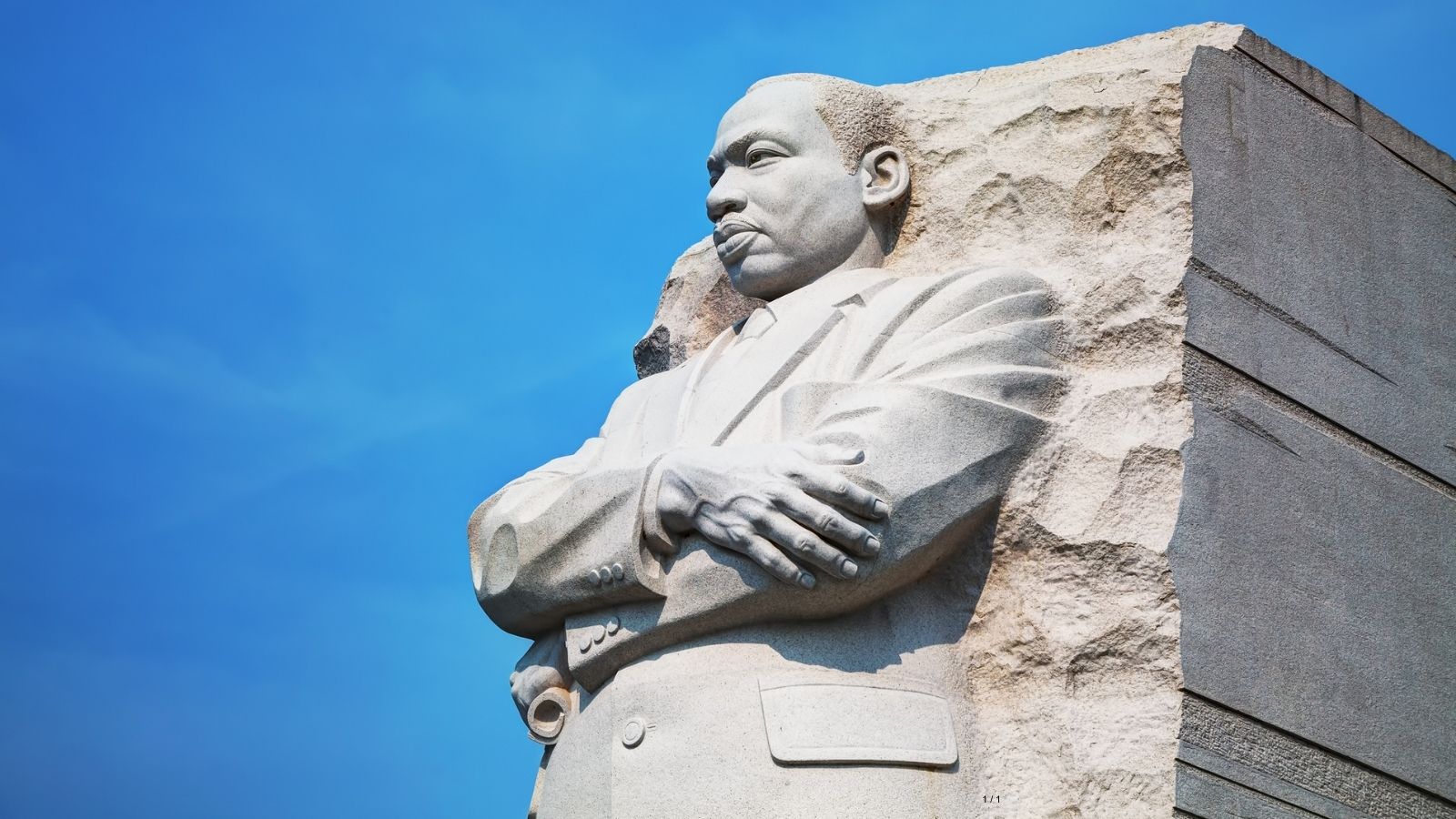
Videos, articles, and printables to help your students engage with MLK's enduring message.

Get your students excited about wildlife with this collection of engaging articles! Covering elephants, polar bears, whales, and even the rarest creatures on Earth, these resources are perfect for sparking curiosity. Each article is available at three reading levels, making it easy for you to share with readers of all abilities in your classroom.
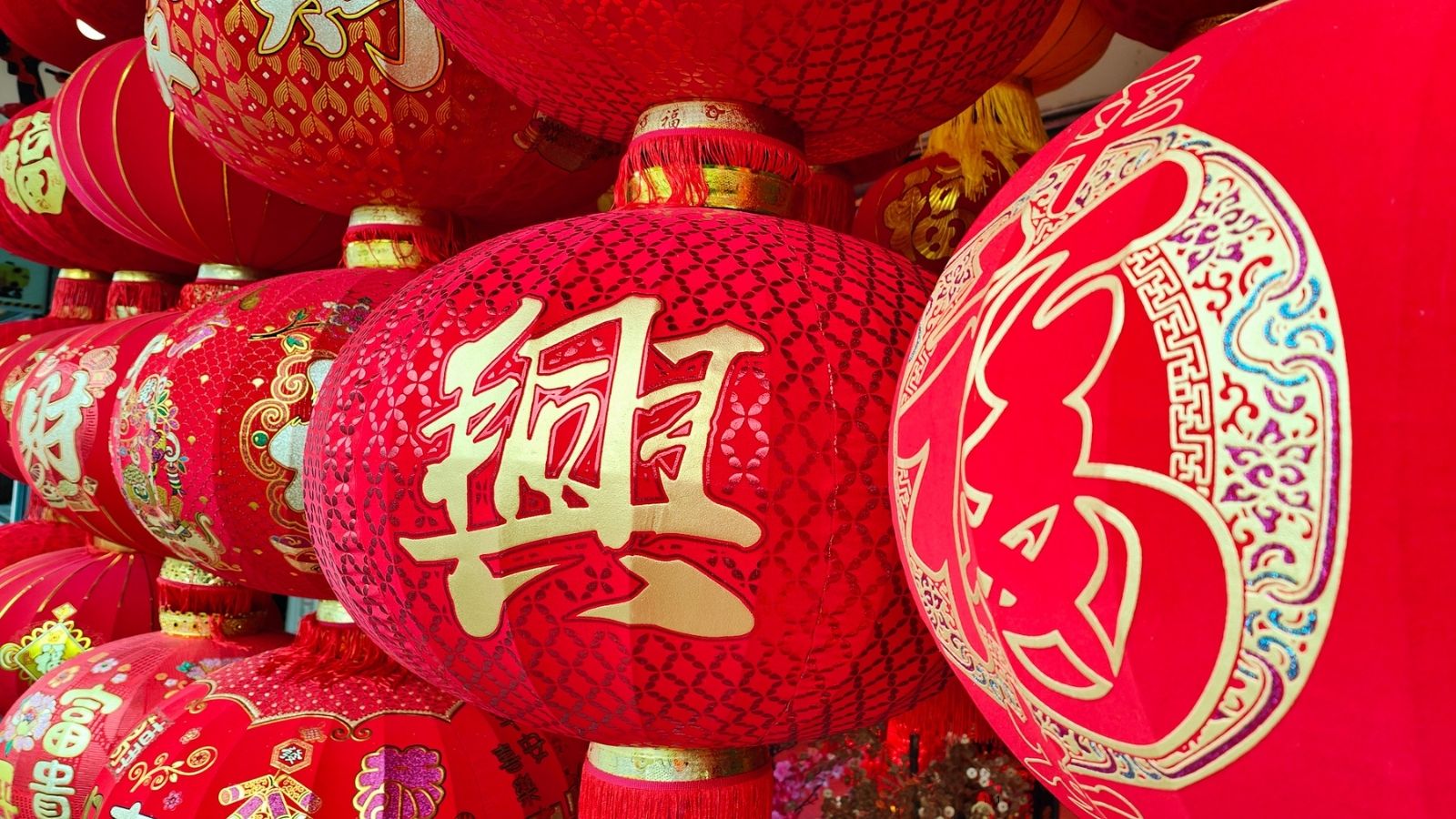
Gung Hei Fat Choy!
Celebrate Lunar New Year with the BBC Learning Hub’s curated resources for students ages 4–14. Through videos, articles, and printables, students can explore the traditions, symbols, and stories that mark this important holiday. From family gatherings and festive foods to lanterns, lion dances, and the Chinese Zodiac, these resources help students understand how Lunar New Year is celebrated across cultures and communities around the world.
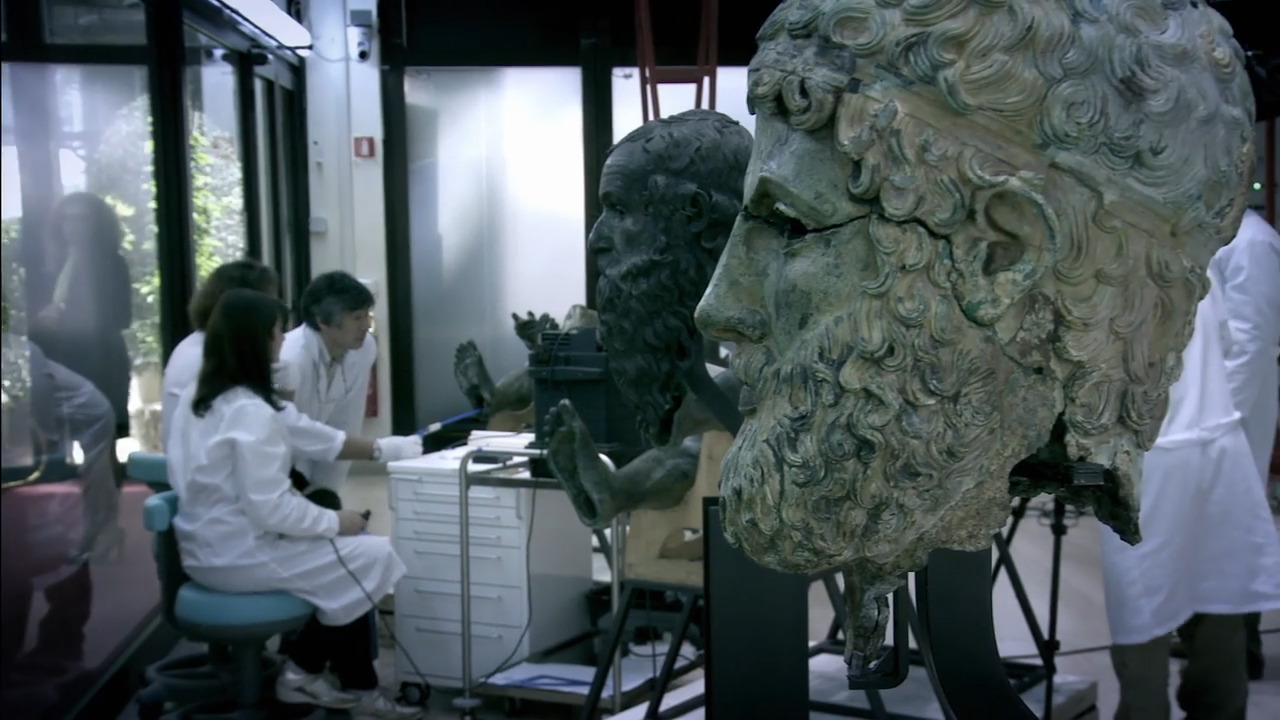
In Democracy and Conflict in Ancient Greece, archaeologist and historian Richard Miles explains the duality of ancient Greece. Advances in philosophy, democracy, and the arts coexisted with political discord, social unrest, and violent power struggles. This video is excerpted from BBC’s Ancient Worlds, an epic series with archaeologist and historian Richard Miles as he explores the roots of civilization from Mesopotamia to the fall of the Roman Empire.
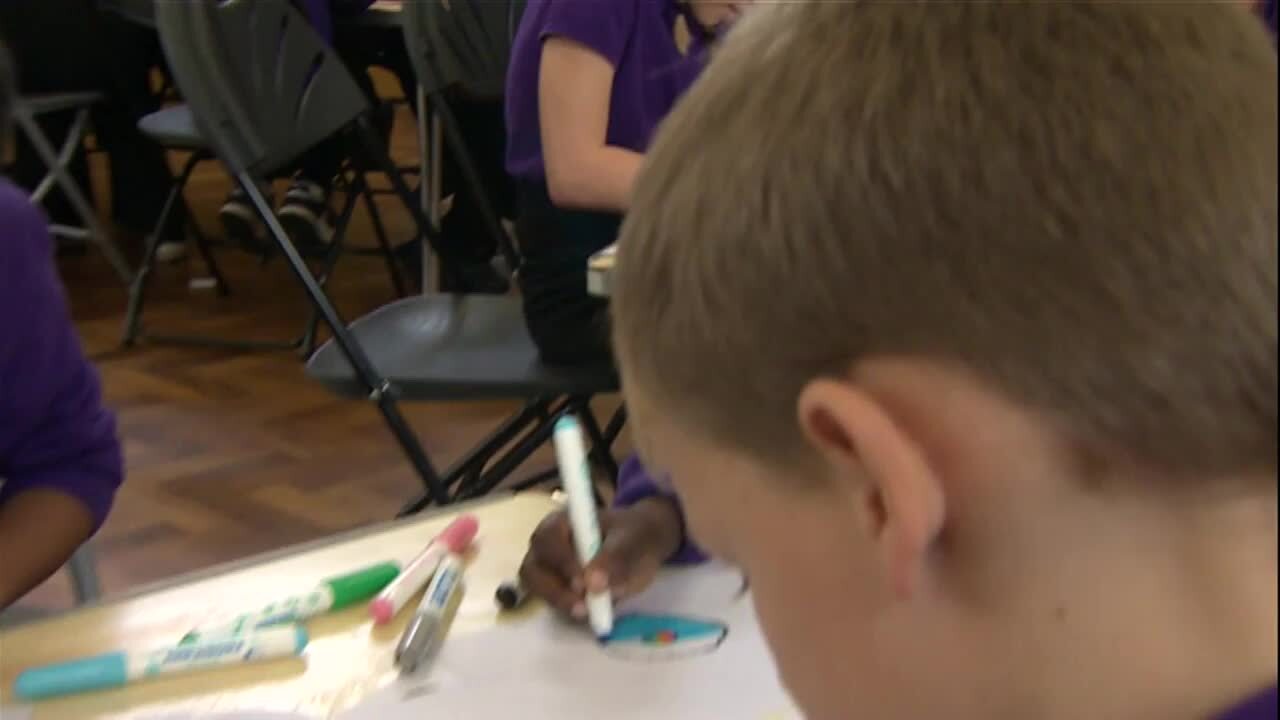
You’ve probably never thought about combining math and art class, but maybe now, you will! This teacher shares his new approach to math, where he uses colors to represent different numbers.
He assigned 10 numbers to 10 different colors — zero is white, one is black, two is red, and so on. That means combinations of numbers become combinations of colors. The result is an equation that’s educational and pretty at the same time!
What starts as multiplication or patterns quickly begins to look more like art class than math class. But behind the colors is real number sense, memory tricks, and a whole new way of thinking about equations. Turns out math might be a lot more visual — and creative — than most people realize.

Crack open your crayons! Follow the steps to draw Bluey:
- Draw a rectangle body and doodle these bits.
- Add the ears, arms, legs, and tail.
- Finish by adding Bluey's markings.
On the next page, use the key to color in a still-life painting. Don't forget to sign your work of art when you're finished. It truly is a masterpiece!
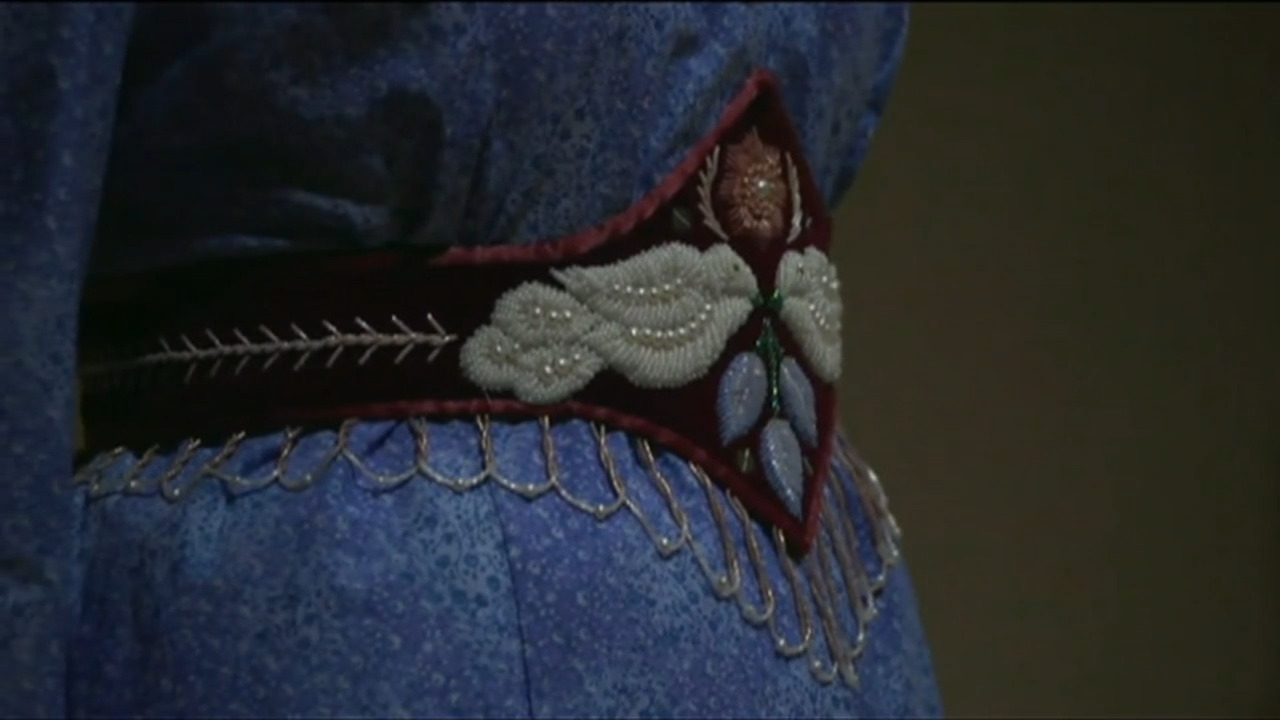
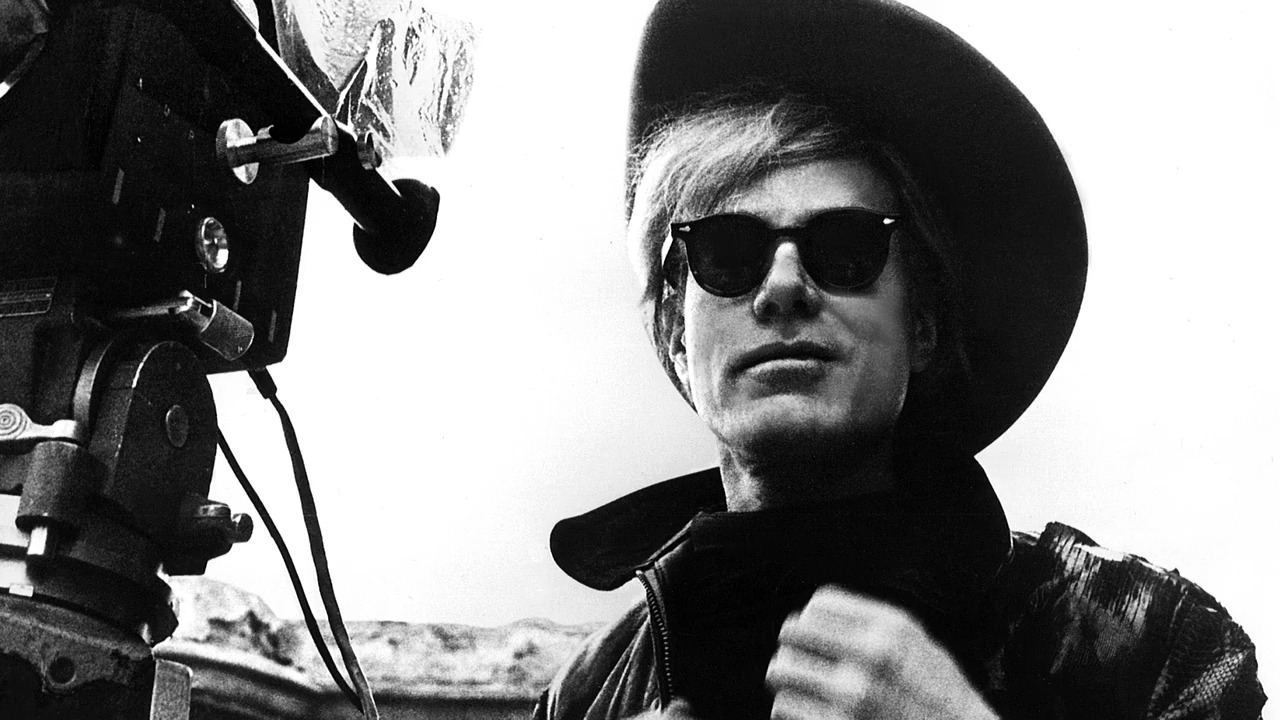
In Andy Warhol, Revolutionary Artist and Icon, host Lily Cole explores the life and lasting influence of Andy Warhol. Warhol was an artist who became famous for his unique perspective on consumerism, fame, and the culture of mass production. This video is excerpted from BBC’s Icons: The Greatest Person of the 20th Century, a documentary series celebrating the achievements of the most influential figures of the era.
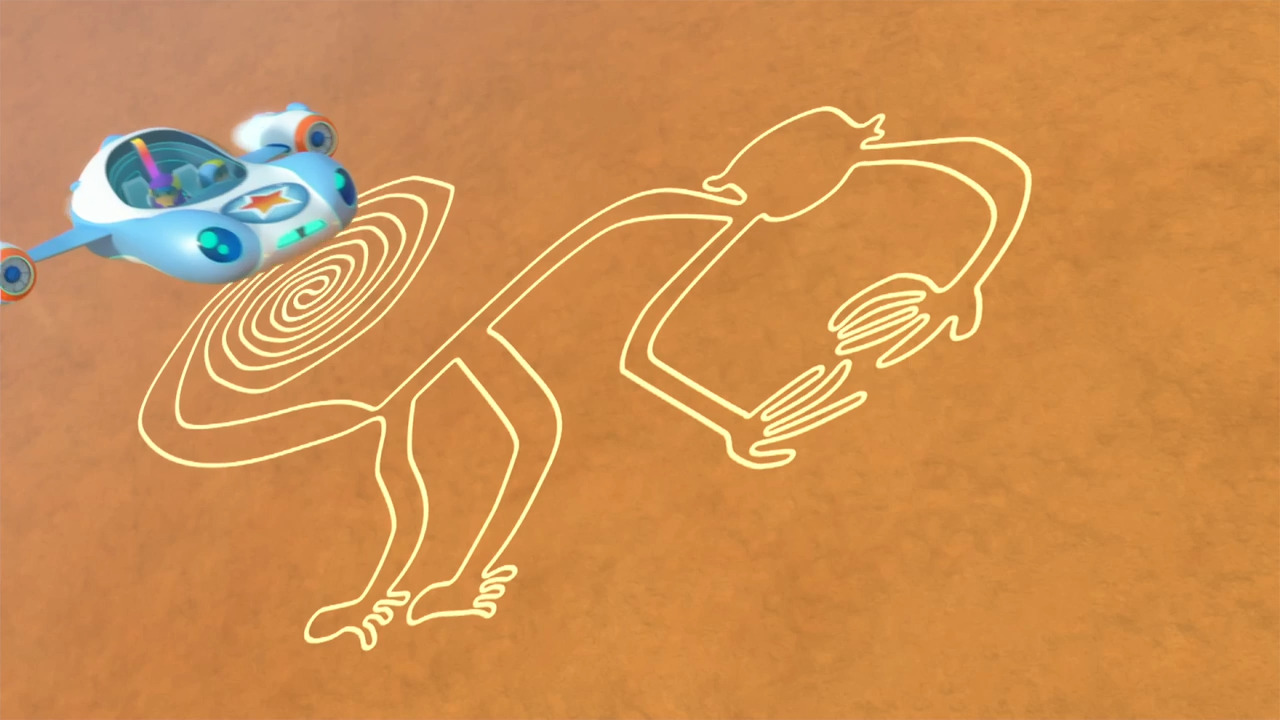
In The Go Jetters Fly High Over the Nazca Lines, the Go Jetters crew is flying high in the sky and sees giant pictures on the ground below. These pictures, called the Nazca lines, are in the Nazca Desert in Peru. The pictures, or "geoglyphs," were made by people long ago who carefully moved stones and sand to reveal lighter-colored sand beneath. Because there is little wind or rain here, the pictures have stayed the same for hundreds of years! This video is excerpted from BBC’s Go Jetters, a series that follows the adventures of four plucky international heroes as they travel the globe visiting the world’s most famous landmarks with their friend and mentor, Ubercorn, a disco-dancing unicorn.
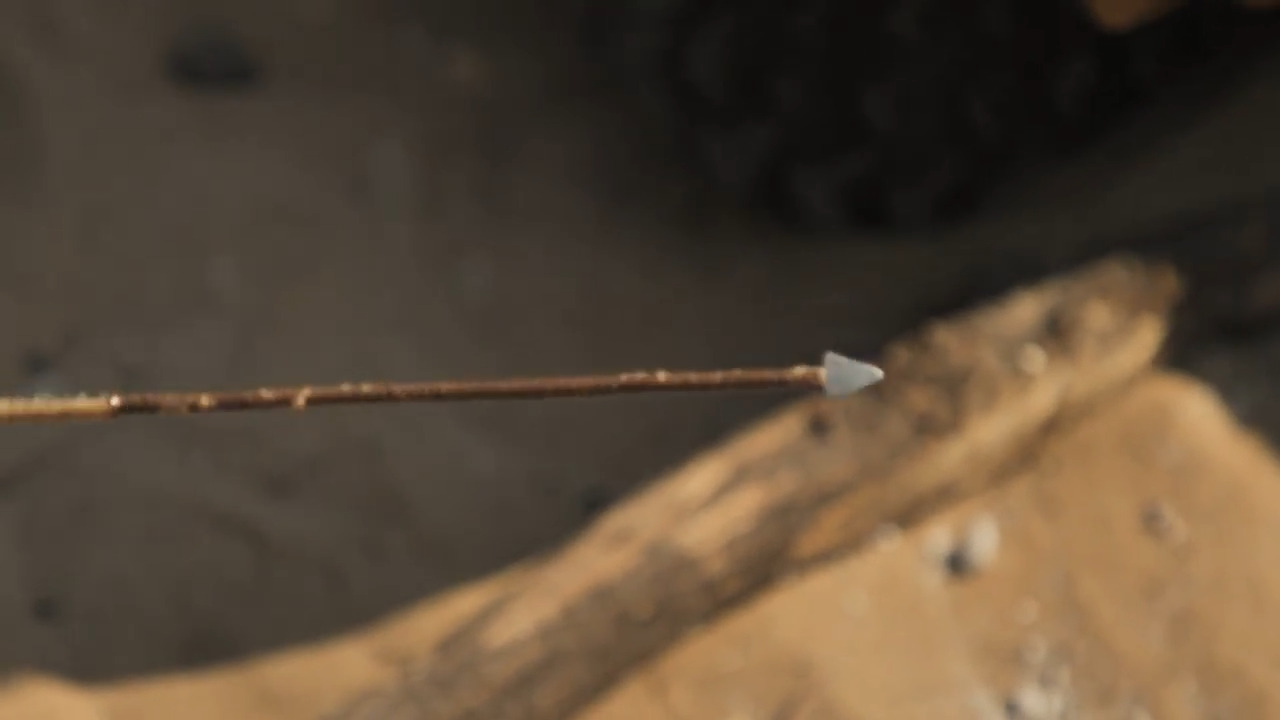
In Hunting With the Masters: The Art of Survival in Deniui, host Simon Reeve visits a remote village in Deniui, Namibia, where some of the world’s last expert wildlife hunters live. The locals welcome Simon and teach him survival skills, like digging deep into the sand to find poisonous beetle larvae. He watches as they craft toxic darts for hunting, a skill passed down to young men as a vital part of providing for their families. This video is excerpted from BBC’s Wilderness With Simon Reeve, an epic adventure into the heart of Earth’s last great wild areas, where nature is at its most beautiful and fragile.
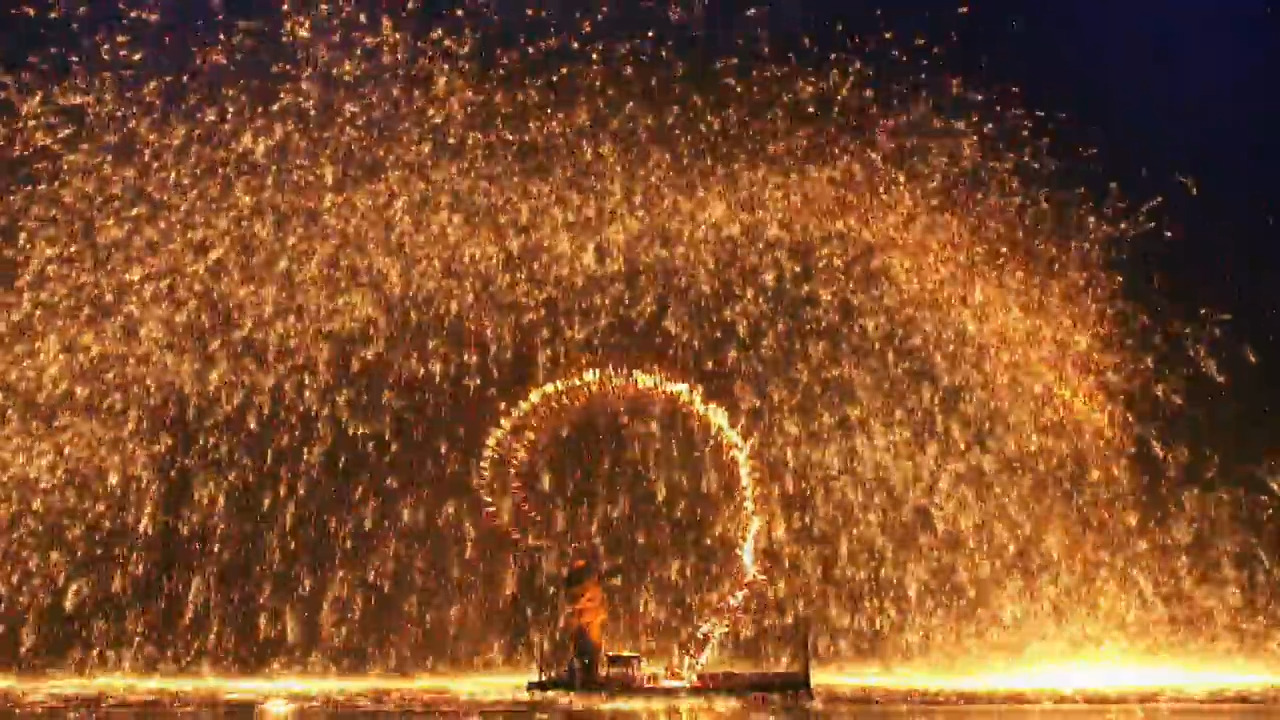
In Throwing Fire for Chinese New Year, iron metal workers in Nanquan, China, create amazing, glowing art with molten metal. Today, they perform nightly, but the tradition goes back hundreds of years. This video is excerpted from BBC’s Chinese New Year: The Biggest Celebration on Earth, a documentary series detailing the world's largest annual human migration (Chunyun), where over 1.5 billion people celebrate the Lunar New Year.
Leveled Articles + BBC Video Clips + Printables + Civil Rights Quiz
Videos, articles, and printables to help your students engage with MLK's enduring message.
Get your students excited about wildlife with this collection of engaging articles! Covering elephants, polar bears, whales, and even the rarest creatures on Earth, these resources are perfect for sparking curiosity. Each article is available at three reading levels, making it easy for you to share with readers of all abilities in your classroom.
Gung Hei Fat Choy!
Celebrate Lunar New Year with the BBC Learning Hub’s curated resources for students ages 4–14. Through videos, articles, and printables, students can explore the traditions, symbols, and stories that mark this important holiday. From family gatherings and festive foods to lanterns, lion dances, and the Chinese Zodiac, these resources help students understand how Lunar New Year is celebrated across cultures and communities around the world.
In Democracy and Conflict in Ancient Greece, archaeologist and historian Richard Miles explains the duality of ancient Greece. Advances in philosophy, democracy, and the arts coexisted with political discord, social unrest, and violent power struggles. This video is excerpted from BBC’s Ancient Worlds, an epic series with archaeologist and historian Richard Miles as he explores the roots of civilization from Mesopotamia to the fall of the Roman Empire.
You’ve probably never thought about combining math and art class, but maybe now, you will! This teacher shares his new approach to math, where he uses colors to represent different numbers.
He assigned 10 numbers to 10 different colors — zero is white, one is black, two is red, and so on. That means combinations of numbers become combinations of colors. The result is an equation that’s educational and pretty at the same time!
What starts as multiplication or patterns quickly begins to look more like art class than math class. But behind the colors is real number sense, memory tricks, and a whole new way of thinking about equations. Turns out math might be a lot more visual — and creative — than most people realize.
Crack open your crayons! Follow the steps to draw Bluey:
- Draw a rectangle body and doodle these bits.
- Add the ears, arms, legs, and tail.
- Finish by adding Bluey's markings.
On the next page, use the key to color in a still-life painting. Don't forget to sign your work of art when you're finished. It truly is a masterpiece!
In Andy Warhol, Revolutionary Artist and Icon, host Lily Cole explores the life and lasting influence of Andy Warhol. Warhol was an artist who became famous for his unique perspective on consumerism, fame, and the culture of mass production. This video is excerpted from BBC’s Icons: The Greatest Person of the 20th Century, a documentary series celebrating the achievements of the most influential figures of the era.
In The Go Jetters Fly High Over the Nazca Lines, the Go Jetters crew is flying high in the sky and sees giant pictures on the ground below. These pictures, called the Nazca lines, are in the Nazca Desert in Peru. The pictures, or "geoglyphs," were made by people long ago who carefully moved stones and sand to reveal lighter-colored sand beneath. Because there is little wind or rain here, the pictures have stayed the same for hundreds of years! This video is excerpted from BBC’s Go Jetters, a series that follows the adventures of four plucky international heroes as they travel the globe visiting the world’s most famous landmarks with their friend and mentor, Ubercorn, a disco-dancing unicorn.
In Hunting With the Masters: The Art of Survival in Deniui, host Simon Reeve visits a remote village in Deniui, Namibia, where some of the world’s last expert wildlife hunters live. The locals welcome Simon and teach him survival skills, like digging deep into the sand to find poisonous beetle larvae. He watches as they craft toxic darts for hunting, a skill passed down to young men as a vital part of providing for their families. This video is excerpted from BBC’s Wilderness With Simon Reeve, an epic adventure into the heart of Earth’s last great wild areas, where nature is at its most beautiful and fragile.
In Throwing Fire for Chinese New Year, iron metal workers in Nanquan, China, create amazing, glowing art with molten metal. Today, they perform nightly, but the tradition goes back hundreds of years. This video is excerpted from BBC’s Chinese New Year: The Biggest Celebration on Earth, a documentary series detailing the world's largest annual human migration (Chunyun), where over 1.5 billion people celebrate the Lunar New Year.