
In Landing Curiosity on a Mission to Mars Professor Brian Cox explains what scientists thought about life on Mars in the 1970s, how that changed, and what we learned from the first landing on Mars, the Curiosity rover. This video is excerpted from BBC’s The Planets, a series that explores the dramatic lives of the eight planets in our Solar System.
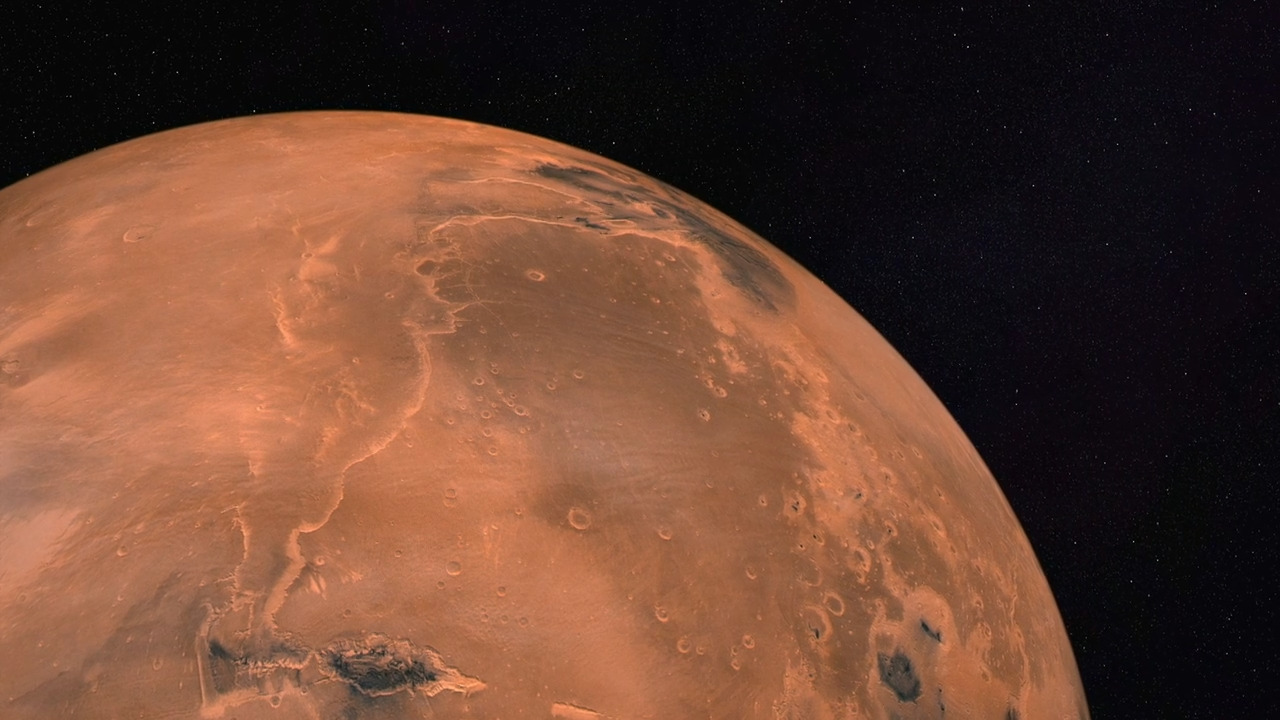
In Evaluating the Challenges of Exploring Mars, experts discuss the potential benefits and challenges of sending humans to Mars. While a human mission to Mars would be significantly more expensive than a robotic one, proponents argue that the human experience and adaptability offer unique value. The explore the risks involved, such as financial costs, ethical concerns, and human safety, alongside the potential benefits for humanity's future survival. This video is excerpted from BBC’s The Big Thinkers, Should We Go to Mars?, where Dr. Kevin Fong explores the complex scientific and technological hurdles of space exploration.
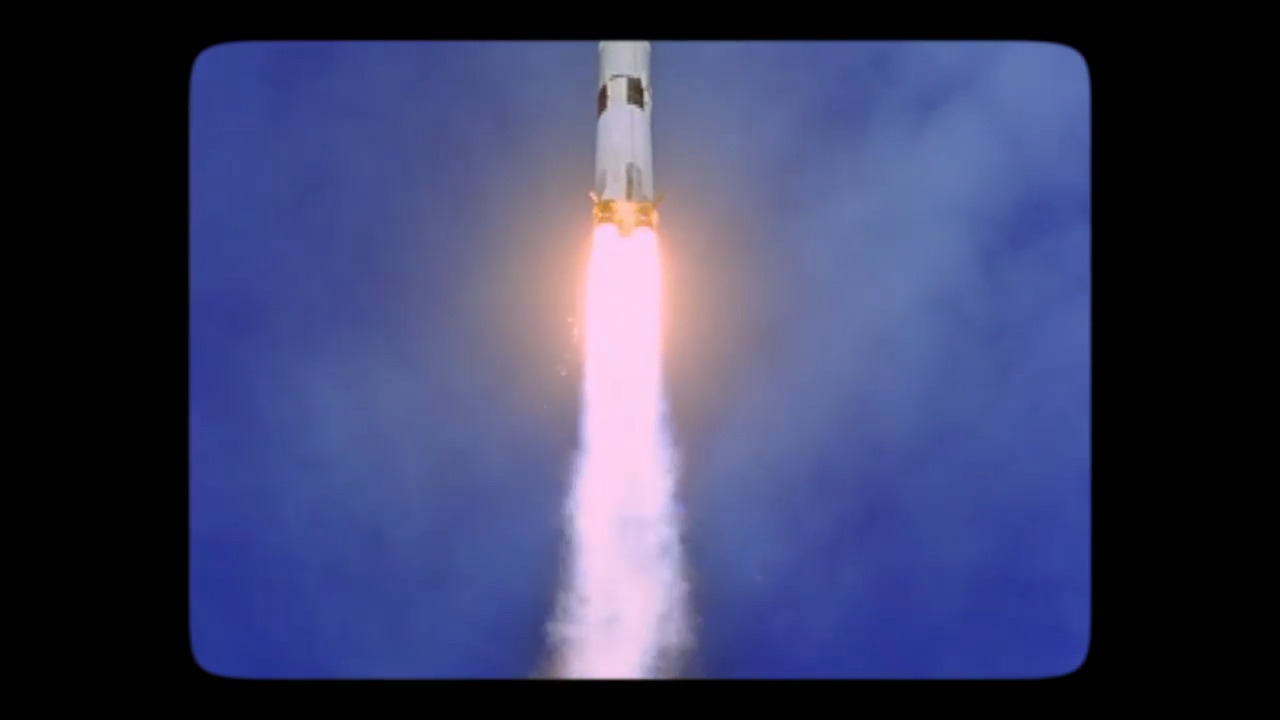
In The Challenges of Sending a Crewed Flight to Mars, learn how sending a crewed flight to Mars requires a large cargo and even larger rocket power. To overcome the difficult initial part of the journey, NASA is building the largest rocket ever. Explore how the challenges of launching a mission to Mars are being addressed by organizations like NASA and SpaceX, including innovative approaches to rocket design and space travel logistics. This video is excerpted from BBC’s The Big Thinkers, Should We Go to Mars?, where Dr. Kevin Fong explores the complex scientific and technological hurdles of space exploration.
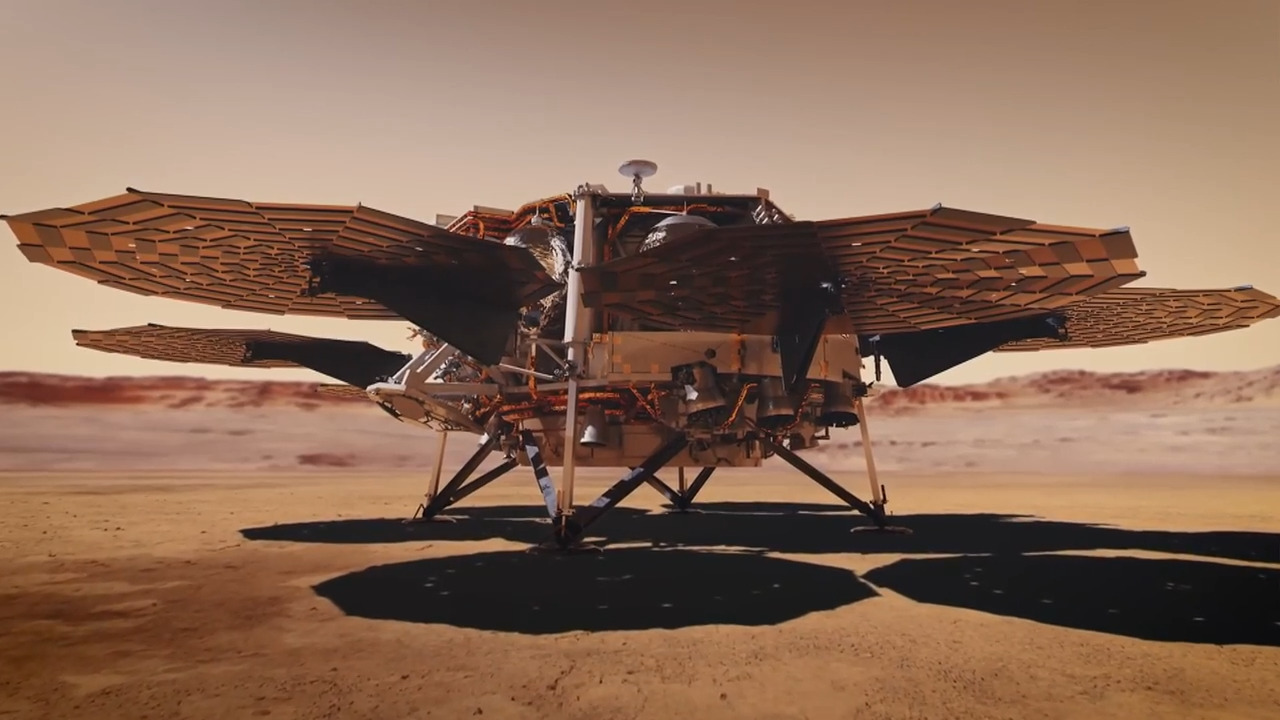
Mars may be cold and barren, but it might have supported life! At least, that’s what scientists think, after finding rocks with some very interesting spots. These markings, nicknamed “leopard spots” and “poppyseeds,” are minerals that could have been made by Martian microbes, early in the planet’s history. They were discovered by the Perseverance Rover, which has been exploring Mars since its 2021 landing.
The rover has been focused on Mars’s Jezero Crater, which used to be a huge lake with a river running into it before drying up billions of years ago. Now, Perseverance collects samples to analyze in its onboard lab! Car Bluetooth is cool but c’mon, it’s no analysis lab…
These rocks aren’t exactly the video diary of an alien’s day in the life on Mars, but they could be the clearest sign of life ever found on Mars, which is thought to be one of the most promising places in our Solar System to look for life outside of Earth. The only way to confirm if the minerals were made by microbes is to get them back to Earth, so NASA and the European Space Agency have proposed a mission to collect them. It’ll be expensive, but this could be the answer to if there was life on other planets!
In Landing Curiosity on a Mission to Mars Professor Brian Cox explains what scientists thought about life on Mars in the 1970s, how that changed, and what we learned from the first landing on Mars, the Curiosity rover. This video is excerpted from BBC’s The Planets, a series that explores the dramatic lives of the eight planets in our Solar System.
In Evaluating the Challenges of Exploring Mars, experts discuss the potential benefits and challenges of sending humans to Mars. While a human mission to Mars would be significantly more expensive than a robotic one, proponents argue that the human experience and adaptability offer unique value. The explore the risks involved, such as financial costs, ethical concerns, and human safety, alongside the potential benefits for humanity's future survival. This video is excerpted from BBC’s The Big Thinkers, Should We Go to Mars?, where Dr. Kevin Fong explores the complex scientific and technological hurdles of space exploration.
In The Challenges of Sending a Crewed Flight to Mars, learn how sending a crewed flight to Mars requires a large cargo and even larger rocket power. To overcome the difficult initial part of the journey, NASA is building the largest rocket ever. Explore how the challenges of launching a mission to Mars are being addressed by organizations like NASA and SpaceX, including innovative approaches to rocket design and space travel logistics. This video is excerpted from BBC’s The Big Thinkers, Should We Go to Mars?, where Dr. Kevin Fong explores the complex scientific and technological hurdles of space exploration.
Mars may be cold and barren, but it might have supported life! At least, that’s what scientists think, after finding rocks with some very interesting spots. These markings, nicknamed “leopard spots” and “poppyseeds,” are minerals that could have been made by Martian microbes, early in the planet’s history. They were discovered by the Perseverance Rover, which has been exploring Mars since its 2021 landing.
The rover has been focused on Mars’s Jezero Crater, which used to be a huge lake with a river running into it before drying up billions of years ago. Now, Perseverance collects samples to analyze in its onboard lab! Car Bluetooth is cool but c’mon, it’s no analysis lab…
These rocks aren’t exactly the video diary of an alien’s day in the life on Mars, but they could be the clearest sign of life ever found on Mars, which is thought to be one of the most promising places in our Solar System to look for life outside of Earth. The only way to confirm if the minerals were made by microbes is to get them back to Earth, so NASA and the European Space Agency have proposed a mission to collect them. It’ll be expensive, but this could be the answer to if there was life on other planets!