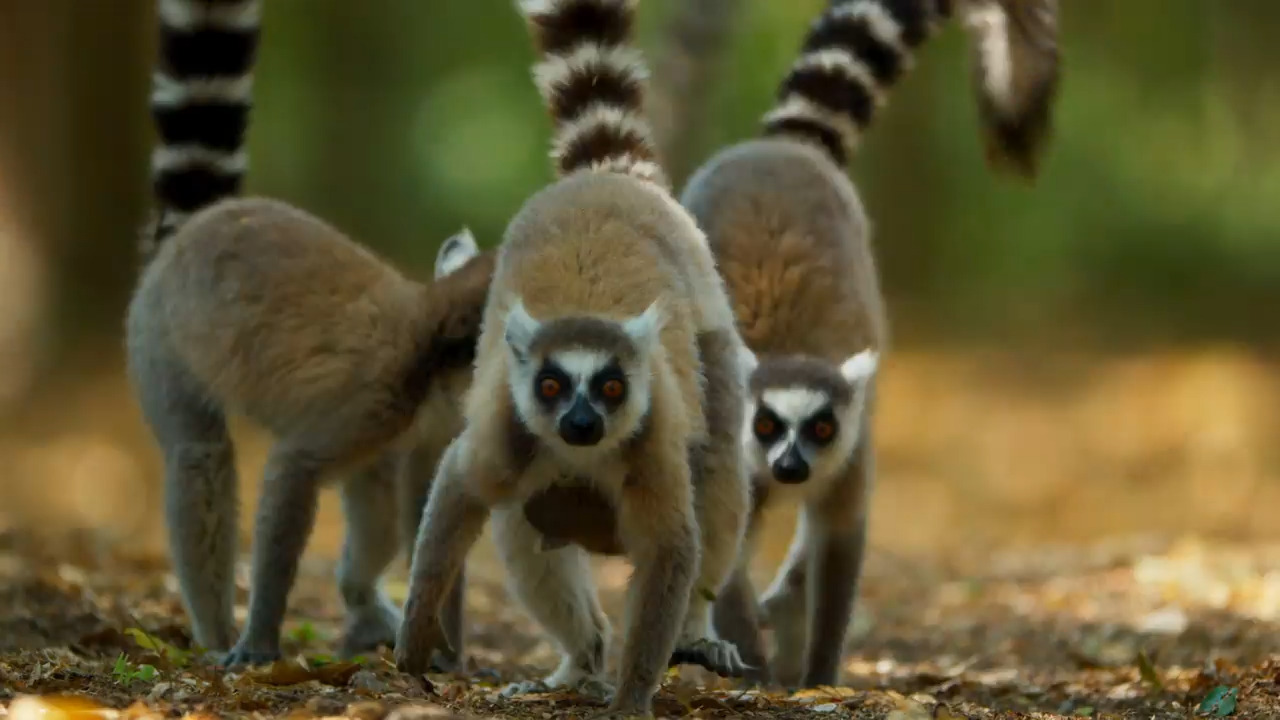
In The Rich Biodiversity of Madagascar, the narrator explains that due to its age and isolation, the island of Madagascar is home to many species that aren’t found anywhere else on Earth. Over 100 different types of lemurs have evolved from a common ancestor. The indri, ringtail, bamboo, and sifaka lemurs have each adapted to different habitats on the island. This video is excerpted from BBC’s Planet Earth II, a breathtaking documentary series that highlights the natural wonders of our planet.

The article "Amazing Animals of Madagascar and Where To Find Them" from BBC's Discover Wildlife is a guide to the extraordinary animals found only on the island of Madagascar. It describes different species like lemurs, aye-ayes, fossas, and giraffe-necked weevils, and the parks and reserves where visitors can see them in their natural homes.

The article "A Cougar-Like Predator Is Attacking Lemurs in Madagascar — Both Are in Jeopardy and Scientists Don't Know What to Do" from BBC's Discover Wildlife explains how researchers in Madagascar discovered that the fossa, a vulnerable predator, is targeting diademed sifaka lemurs, which are critically endangered. Both species urgently need protection, making the situation a complex issue for conservationists.
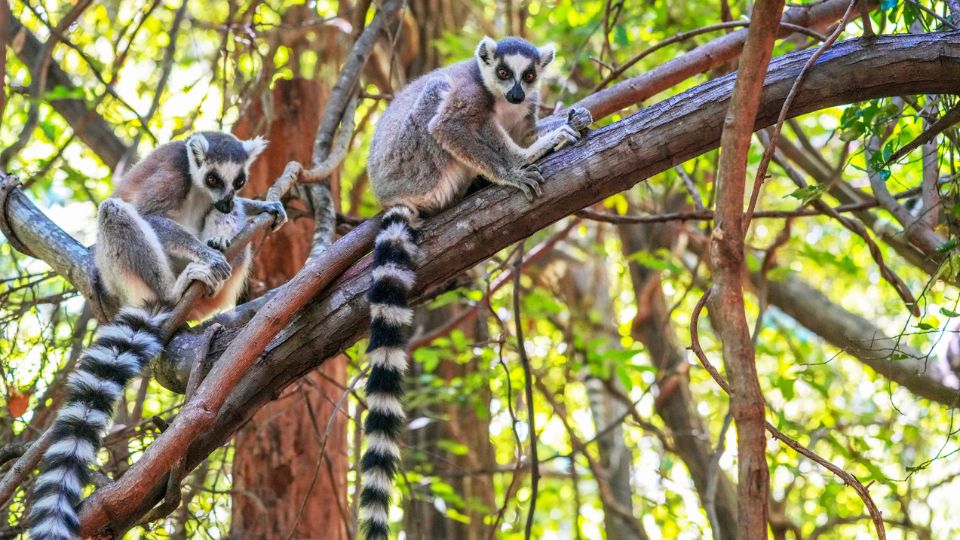
Step into a place like no other. First watch The Biodiversity of Madagascar, a short clip from the award-winning BBC series Planet Earth. Sir David Attenborough takes you into Madagascar, home to many species that aren’t found anywhere else on Earth. Meet indri, ringtail, bamboo, and sifaka lemurs, some of the over 100 different types of lemurs that have evolved from a common ancestor.
Once your students have watched the video, invite them to check for understanding with this quick, 8-question quiz!
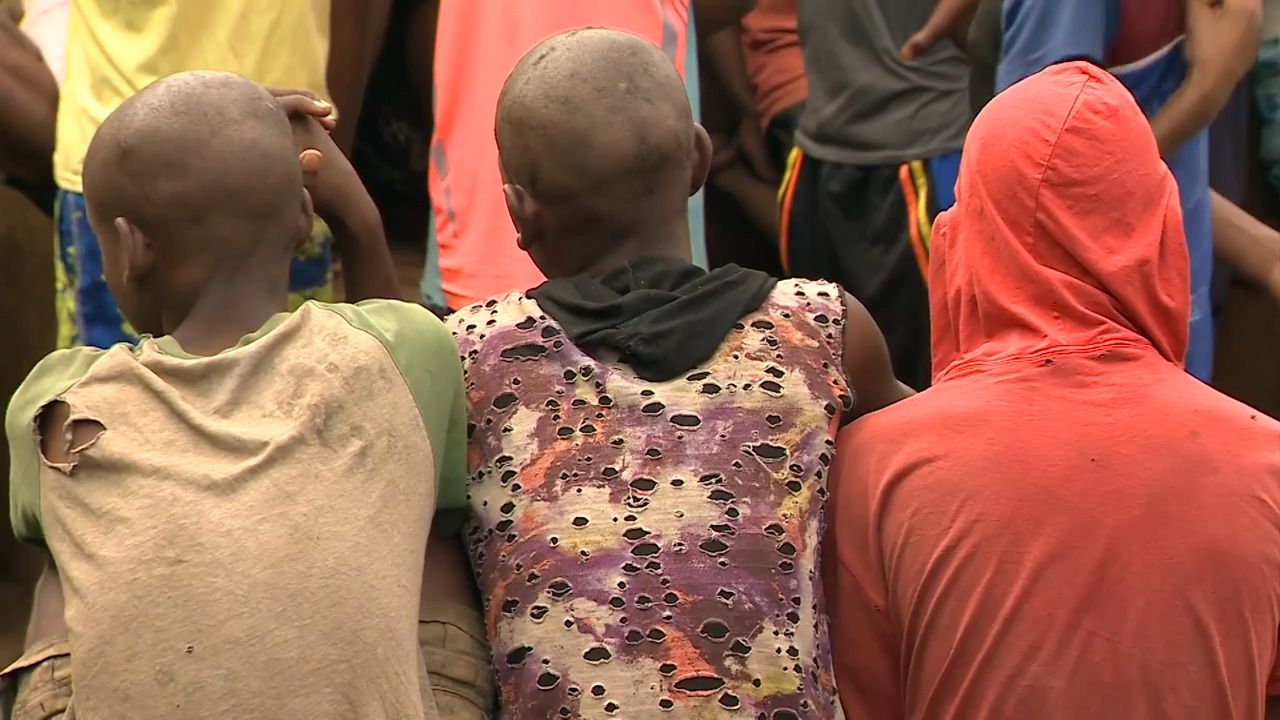
In The World's Incarcerated Children, host Radzi Chinyanganya highlights how child inmates in Madagascar make up part of the 1.5 million children who are currently imprisoned, held in immigration detention, or placed in institutions around the world. The episode delves into the harsh realities these children face and explores how their lack of freedom impacts their lives and futures. It raises important questions about justice, human rights, and the impact of systemic issues on young lives. This video is excerpted from BBC’s My World, a program created for teenagers eager to learn more about the important stories shaping our world.
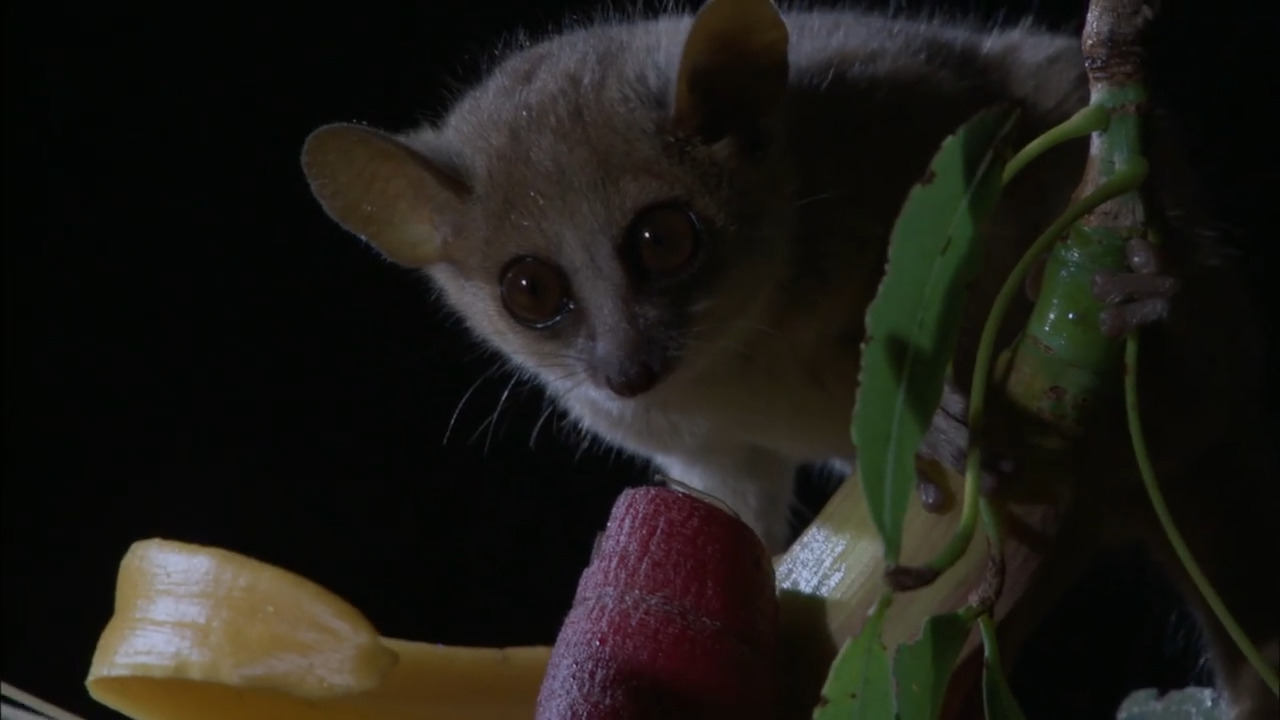
In Mouse Lemurs Are Sneaky Nectar Thieves!, narrator Sir David Attenborough highlights lemurs enjoying a two-course meal in the branches of the baobab tree. First, the lemurs drink nectar meant for pollinating moths; then the lemurs attack the moths! This video is excerpted from BBC's Planet Earth, a breathtaking documentary series that highlights the natural wonders of our planet.
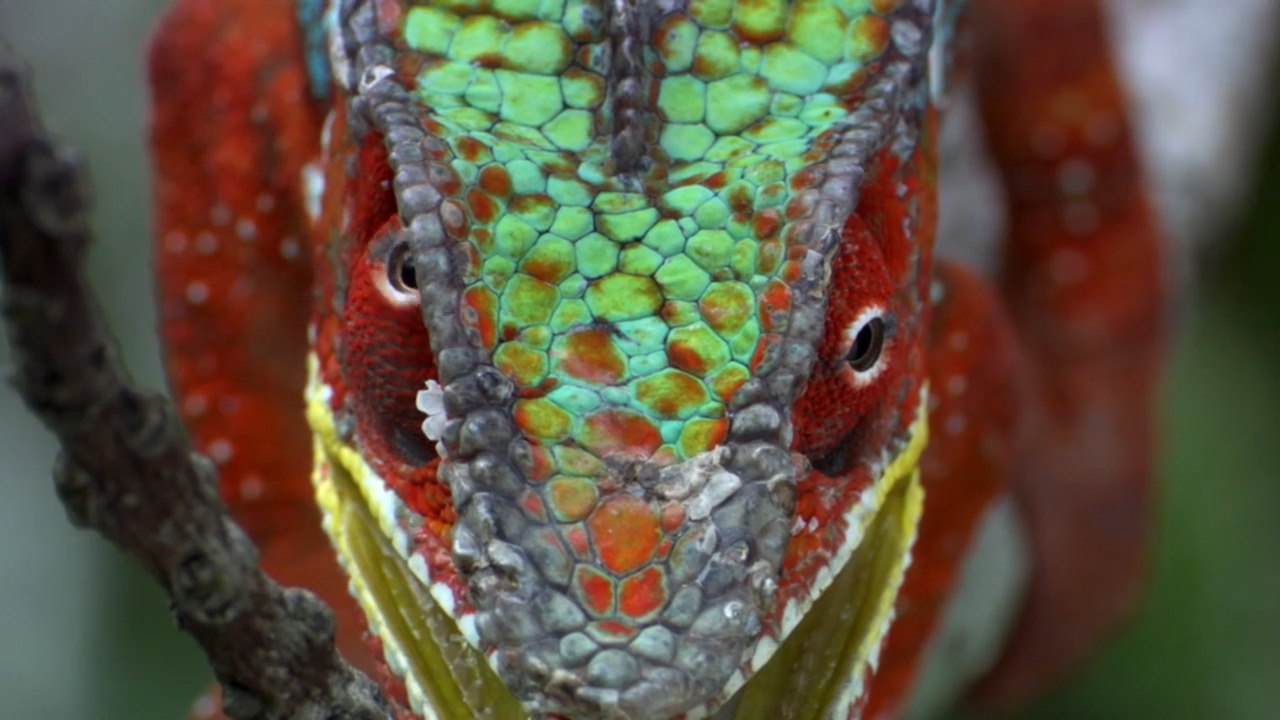
In The Panther Chameleon’s Survival Skills, narrator Sir David Attenborough looks at the amazing panther chameleon and how it has adapted to survive. This chameleon uses its long, fast tongue like a missile to catch insects, and its toes act like pincers to grip branches. Its eyes rotate in all directions, and its skin changes color to blend in with its surroundings, helping it thrive and hunt in the jungles of Madagascar. This video is excerpted from BBC's Life, a show that explores the remarkable strategies animals and plants use to ensure their survival.
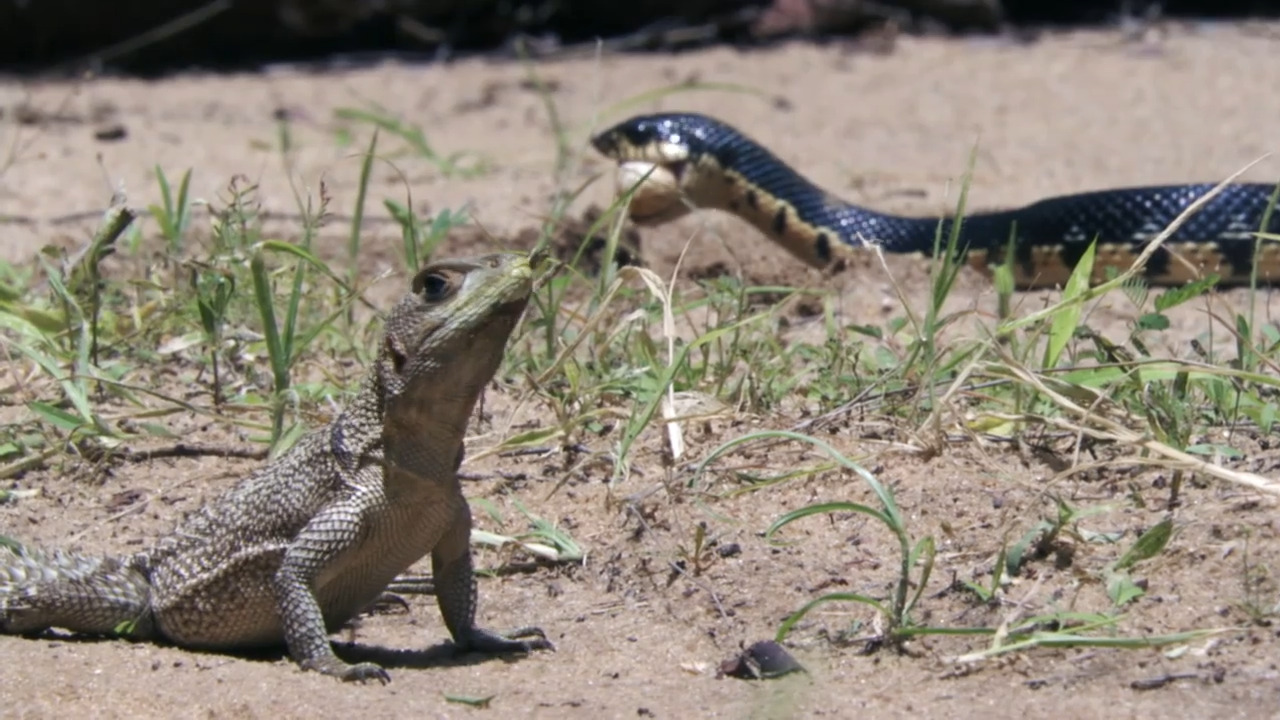
In The Collared Iguana’s Struggle to Lay Eggs, narrator Sir David Attenborough explores Madagascar, where the collared iguana faces a tough challenge when it's time to lay her eggs. She digs a deep hole in the sand to hide them, hoping to keep them safe from predators. However, hognose snakes are experts at finding eggs, even when they're carefully buried. Despite her best efforts, the eggs are eaten, teaching her a valuable lesson for next year’s egg hunt! This video is excerpted from BBC's Life, a show that explores the remarkable strategies animals and plants use to ensure their survival.
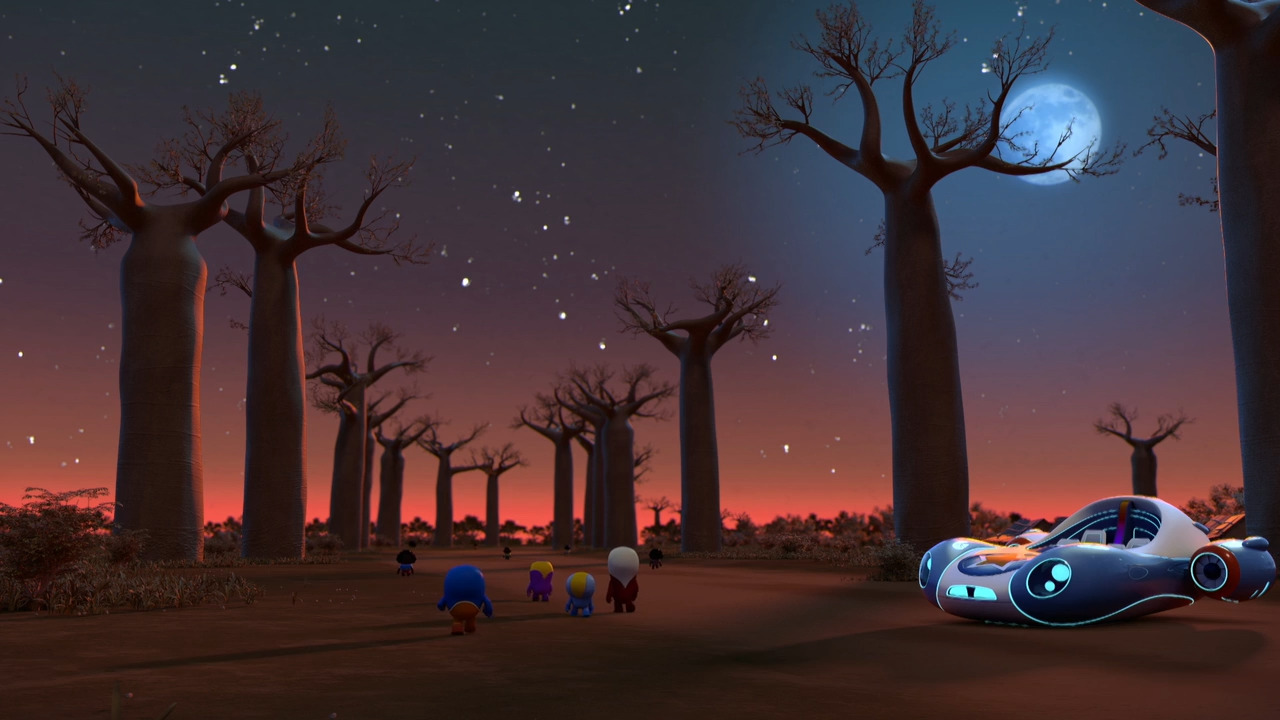
In The Go Jetters Learn About Upside-Down Trees, the Go Jetters crew explores the Avenue of the Baobabs in Madagascar. Ubercorn shares funky facts about these trees, including why they are called the "upside-down tree," and why they are important to nocturnal animals. This video is excerpted from BBC’s Go Jetters, a series that follows the adventures of four international heroes as they travel the globe visiting landmarks and solving environmental problems with Ubercorn, a disco-dancing unicorn.
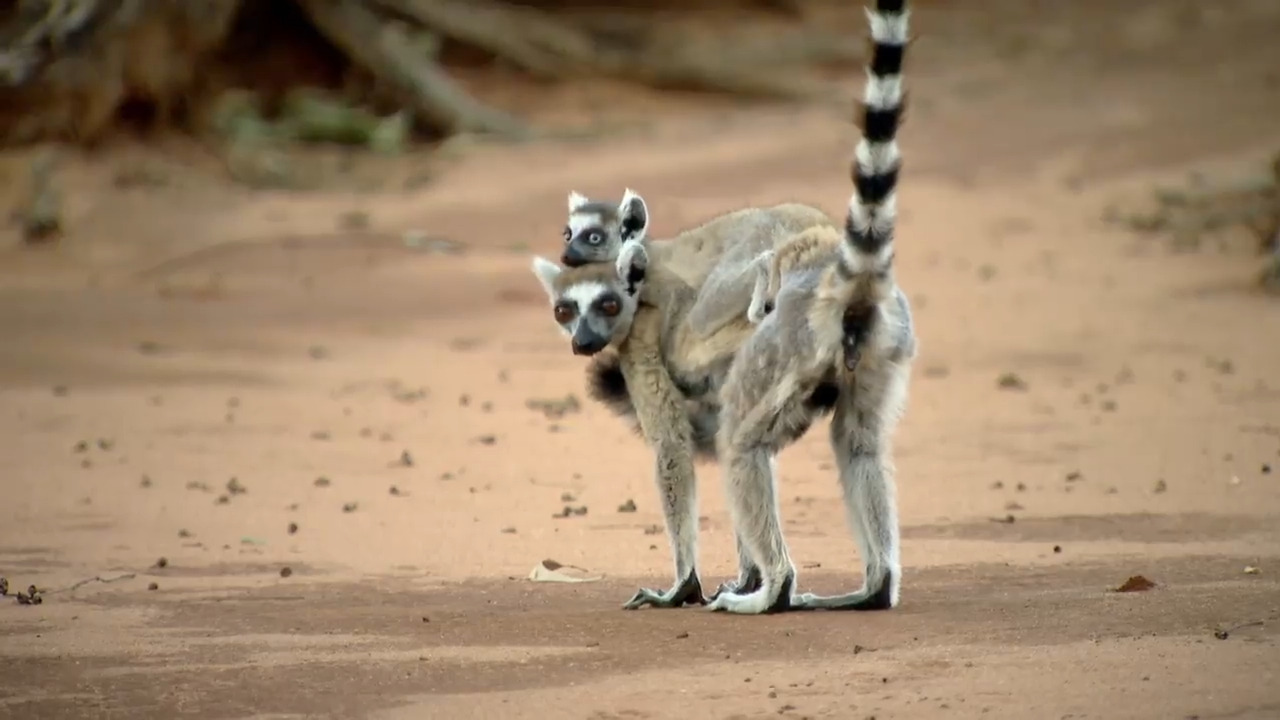
In Losing Land Space for Lemurs in Madagascar, host Simon Reeve travels to the Berenty Reserve, home to the lemur, and a shockingly small area of land where human development continues to encroach upon the lemur’s habitat. This video is excerpted from BBC's Incredible Journeys With Simon Reeve, a series that highlights one journalist’s travels across the globe and the diverse cultures and peoples he meets along the way.
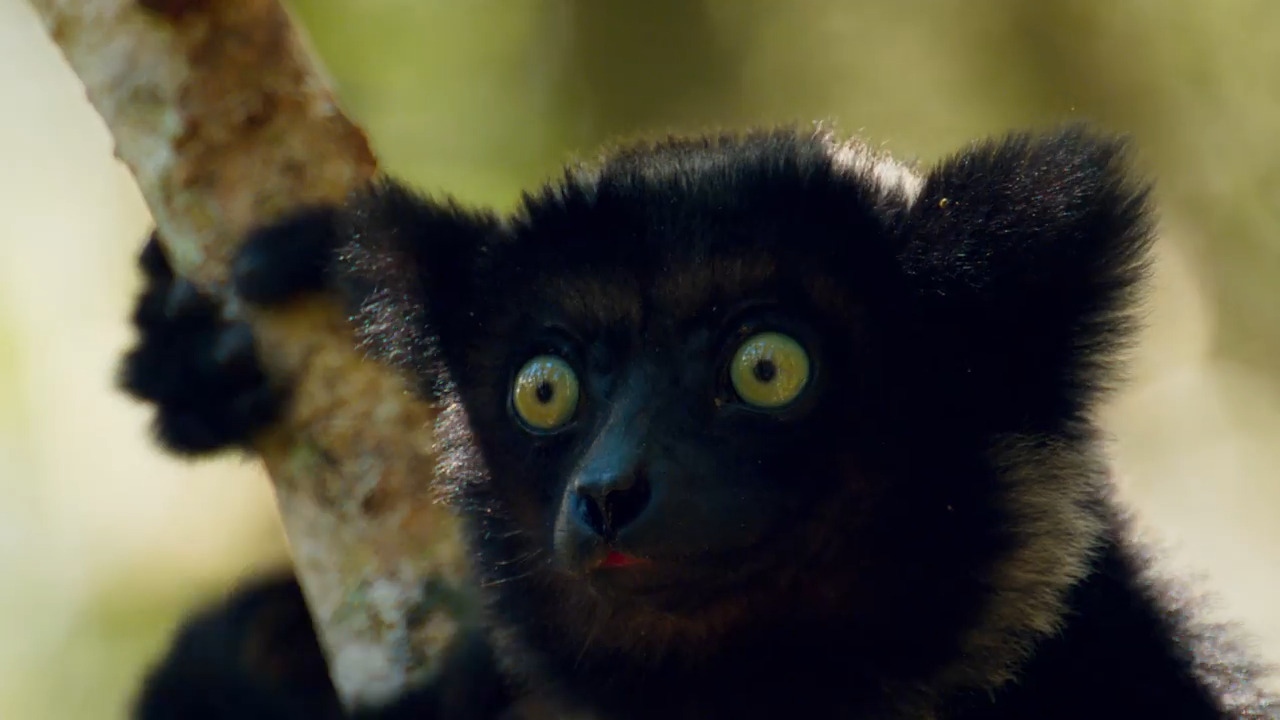
In Protecting Madagascar, narrator Sir David Attenborough presents the incredible biodiversity of Madagascar’s rainforests and the urgent need to protect them. Learn how deforestation and habitat destruction are endangering species like the indri, one of the world’s largest lemurs. This video is excerpted from BBC’s Planet Earth II, a breathtaking documentary series that highlights the natural wonders of our planet.
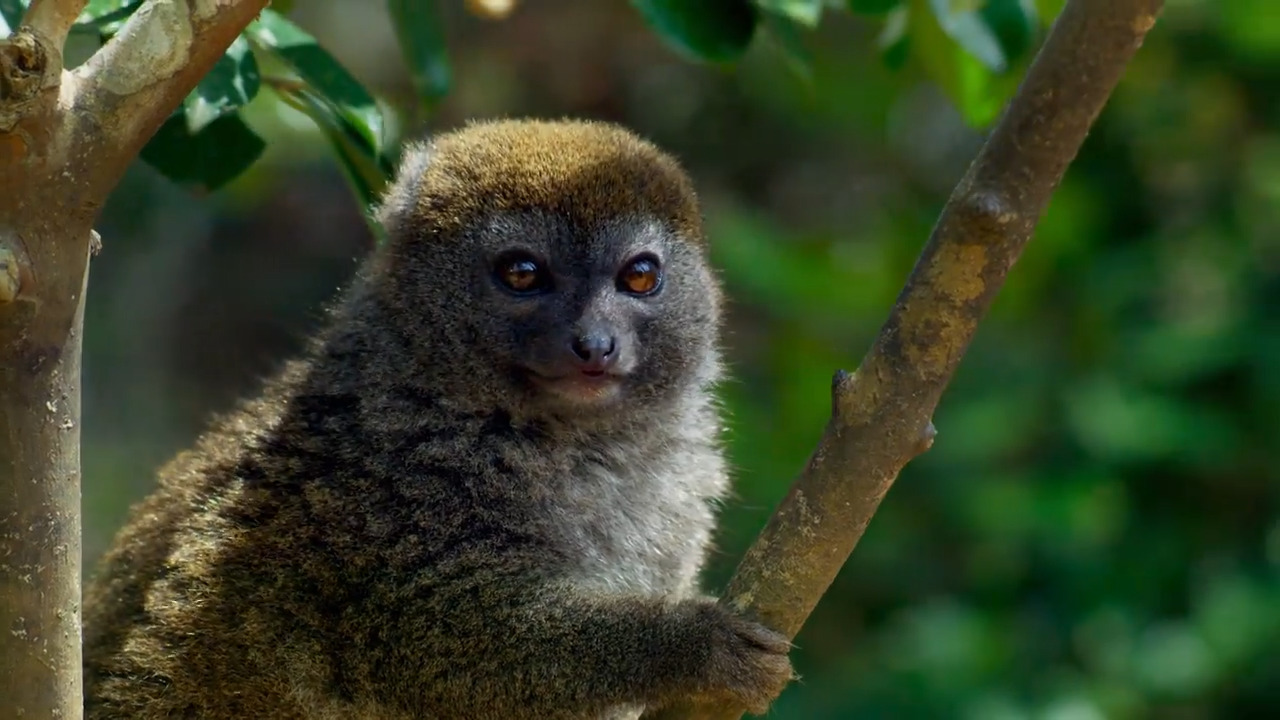
In Finding a Niche in a Crowded Jungle Ecosystem, narrator Sir David Attenborough discovers how animals like the indri — a large lemur native to Madagascar — adapt to survive in one of the most competitive environments on Earth. In the dense jungle, the indri has developed unique strategies to find its place in this crowded ecosystem. This video is excerpted from BBC’s Planet Earth II, a breathtaking documentary series that highlights the natural wonders of our planet.
In The Rich Biodiversity of Madagascar, the narrator explains that due to its age and isolation, the island of Madagascar is home to many species that aren’t found anywhere else on Earth. Over 100 different types of lemurs have evolved from a common ancestor. The indri, ringtail, bamboo, and sifaka lemurs have each adapted to different habitats on the island. This video is excerpted from BBC’s Planet Earth II, a breathtaking documentary series that highlights the natural wonders of our planet.
The article "Amazing Animals of Madagascar and Where To Find Them" from BBC's Discover Wildlife is a guide to the extraordinary animals found only on the island of Madagascar. It describes different species like lemurs, aye-ayes, fossas, and giraffe-necked weevils, and the parks and reserves where visitors can see them in their natural homes.
The article "A Cougar-Like Predator Is Attacking Lemurs in Madagascar — Both Are in Jeopardy and Scientists Don't Know What to Do" from BBC's Discover Wildlife explains how researchers in Madagascar discovered that the fossa, a vulnerable predator, is targeting diademed sifaka lemurs, which are critically endangered. Both species urgently need protection, making the situation a complex issue for conservationists.
Step into a place like no other. First watch The Biodiversity of Madagascar, a short clip from the award-winning BBC series Planet Earth. Sir David Attenborough takes you into Madagascar, home to many species that aren’t found anywhere else on Earth. Meet indri, ringtail, bamboo, and sifaka lemurs, some of the over 100 different types of lemurs that have evolved from a common ancestor.
Once your students have watched the video, invite them to check for understanding with this quick, 8-question quiz!
In The World's Incarcerated Children, host Radzi Chinyanganya highlights how child inmates in Madagascar make up part of the 1.5 million children who are currently imprisoned, held in immigration detention, or placed in institutions around the world. The episode delves into the harsh realities these children face and explores how their lack of freedom impacts their lives and futures. It raises important questions about justice, human rights, and the impact of systemic issues on young lives. This video is excerpted from BBC’s My World, a program created for teenagers eager to learn more about the important stories shaping our world.
In Mouse Lemurs Are Sneaky Nectar Thieves!, narrator Sir David Attenborough highlights lemurs enjoying a two-course meal in the branches of the baobab tree. First, the lemurs drink nectar meant for pollinating moths; then the lemurs attack the moths! This video is excerpted from BBC's Planet Earth, a breathtaking documentary series that highlights the natural wonders of our planet.
In The Panther Chameleon’s Survival Skills, narrator Sir David Attenborough looks at the amazing panther chameleon and how it has adapted to survive. This chameleon uses its long, fast tongue like a missile to catch insects, and its toes act like pincers to grip branches. Its eyes rotate in all directions, and its skin changes color to blend in with its surroundings, helping it thrive and hunt in the jungles of Madagascar. This video is excerpted from BBC's Life, a show that explores the remarkable strategies animals and plants use to ensure their survival.
In The Collared Iguana’s Struggle to Lay Eggs, narrator Sir David Attenborough explores Madagascar, where the collared iguana faces a tough challenge when it's time to lay her eggs. She digs a deep hole in the sand to hide them, hoping to keep them safe from predators. However, hognose snakes are experts at finding eggs, even when they're carefully buried. Despite her best efforts, the eggs are eaten, teaching her a valuable lesson for next year’s egg hunt! This video is excerpted from BBC's Life, a show that explores the remarkable strategies animals and plants use to ensure their survival.
In The Go Jetters Learn About Upside-Down Trees, the Go Jetters crew explores the Avenue of the Baobabs in Madagascar. Ubercorn shares funky facts about these trees, including why they are called the "upside-down tree," and why they are important to nocturnal animals. This video is excerpted from BBC’s Go Jetters, a series that follows the adventures of four international heroes as they travel the globe visiting landmarks and solving environmental problems with Ubercorn, a disco-dancing unicorn.
In Losing Land Space for Lemurs in Madagascar, host Simon Reeve travels to the Berenty Reserve, home to the lemur, and a shockingly small area of land where human development continues to encroach upon the lemur’s habitat. This video is excerpted from BBC's Incredible Journeys With Simon Reeve, a series that highlights one journalist’s travels across the globe and the diverse cultures and peoples he meets along the way.
In Protecting Madagascar, narrator Sir David Attenborough presents the incredible biodiversity of Madagascar’s rainforests and the urgent need to protect them. Learn how deforestation and habitat destruction are endangering species like the indri, one of the world’s largest lemurs. This video is excerpted from BBC’s Planet Earth II, a breathtaking documentary series that highlights the natural wonders of our planet.
In Finding a Niche in a Crowded Jungle Ecosystem, narrator Sir David Attenborough discovers how animals like the indri — a large lemur native to Madagascar — adapt to survive in one of the most competitive environments on Earth. In the dense jungle, the indri has developed unique strategies to find its place in this crowded ecosystem. This video is excerpted from BBC’s Planet Earth II, a breathtaking documentary series that highlights the natural wonders of our planet.