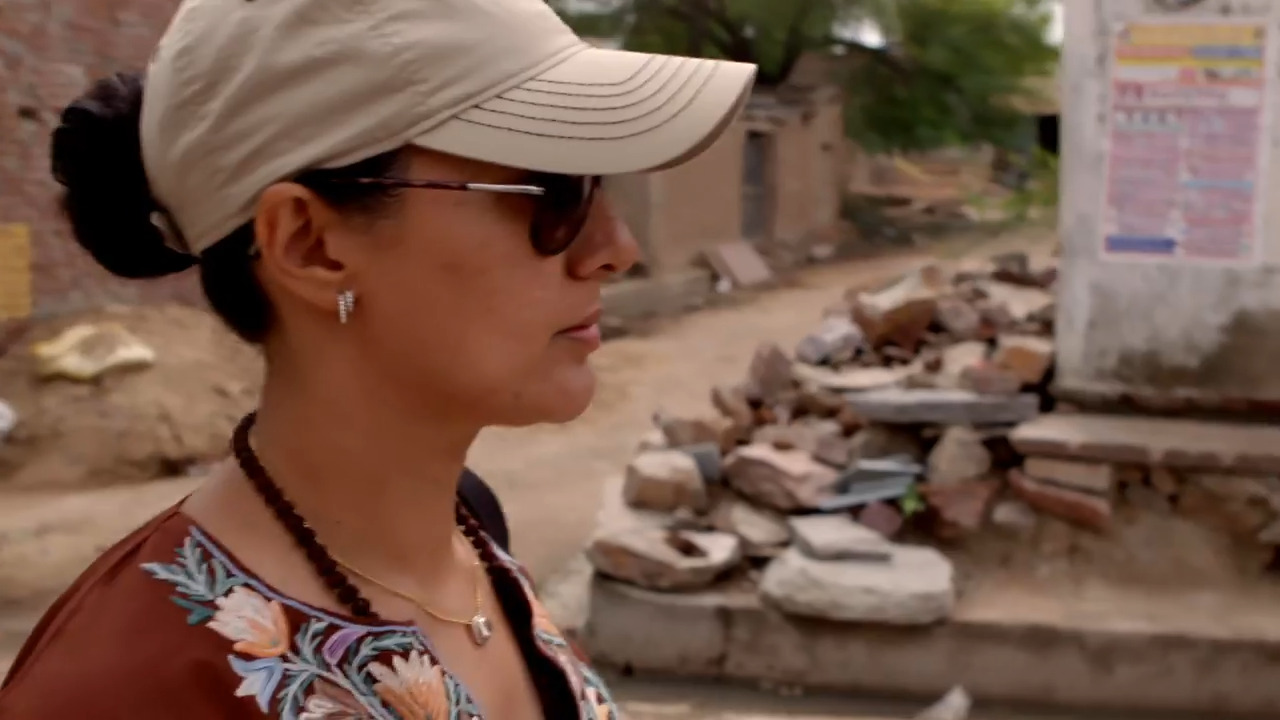
In Chhavi Rajawat, Local Leader in India, learn how Rajawat left her corporate career to serve her rural community in India. After new quotas increased opportunities for women leaders, she took on a mayor-like role to help address poverty and challenges faced by villagers, especially women. This video is excerpted from BBC's Her Story: The Female Revolution, which explores the history and impact of women’s rights movements and achievements of women.
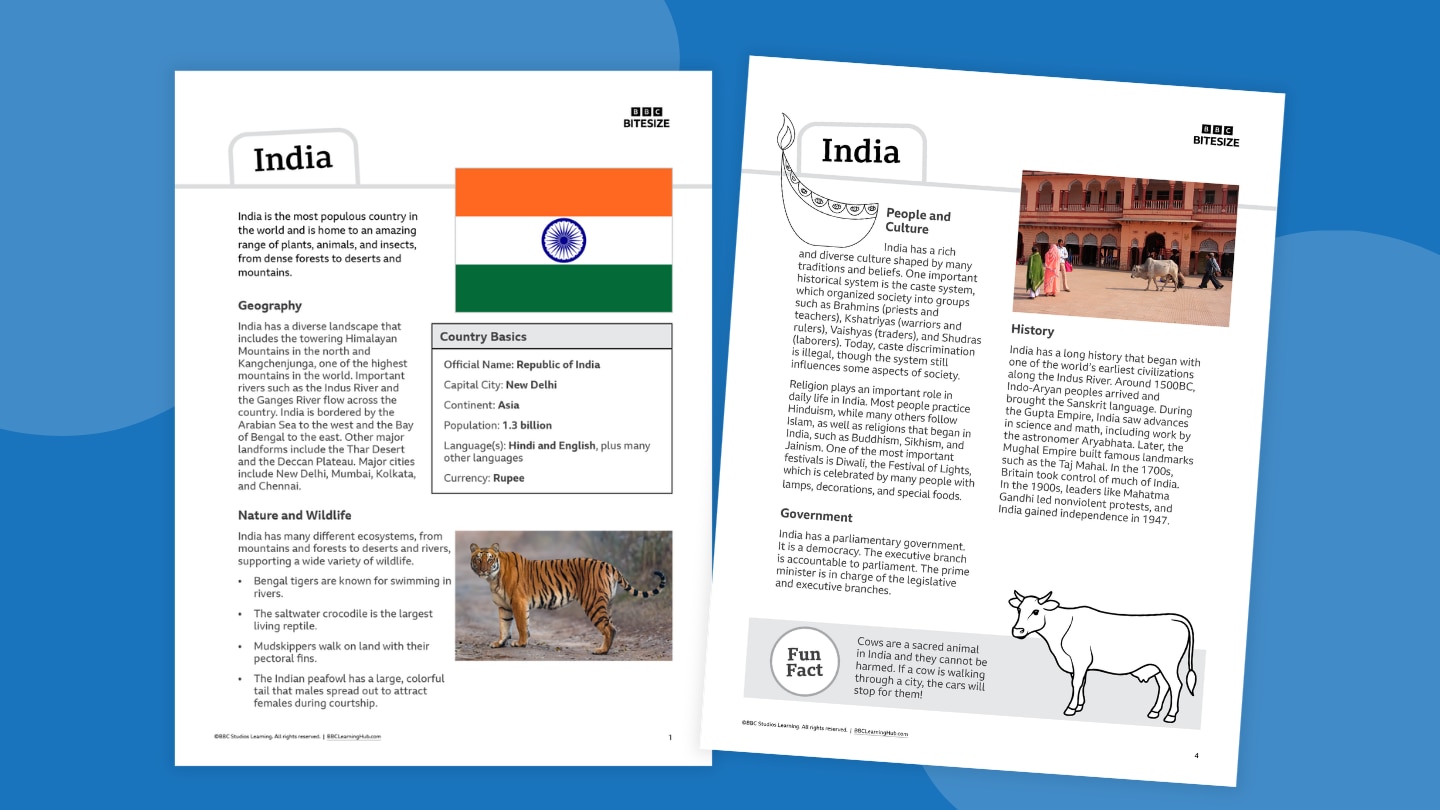
What country is home to more than a billion people, hundreds of languages, the Himalayan Mountains, and some of the world’s most iconic animals? Meet India, a country with an extraordinary mix of landscapes, cultures, religions, and traditions.
From Bengal tigers and colorful peafowl to the Taj Mahal and the mighty Himalayas, India is full of fascinating stories and discoveries. Explore the civilizations and empires that shaped its history, learn about Hinduism and other religions that began there, and discover the foods, festivals, languages, and traditions that make India unique. You’ll also explore the country’s incredible wildlife.
Teachers and parents, you can use this fact file to:
- Introduce a geography or social studies unit
- Support nonfiction reading practice
- Compare countries and cultures
- Complete map and research activities
- Prepare students for projects or presentations (use our country report template!)
- Pair with videos, articles, or other informational texts (see Related Resources below)
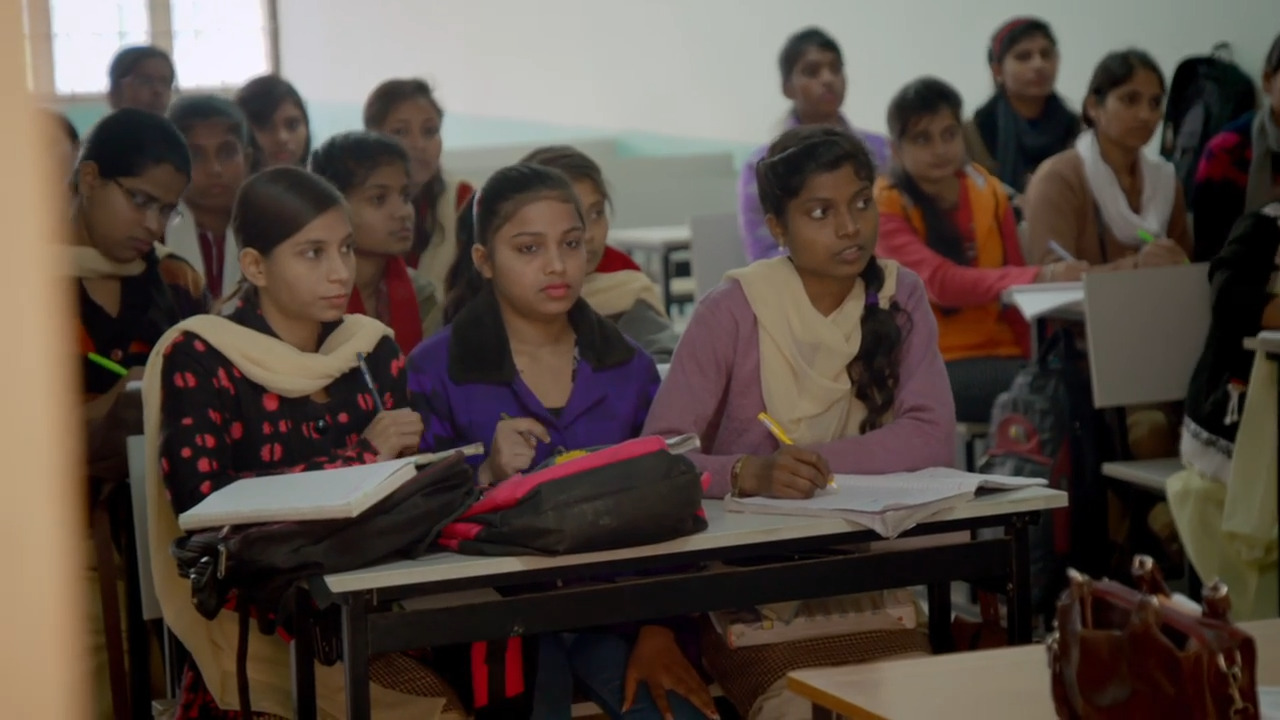
In The Female Future Engineers of India, Sue Perkins travels to Patna, India, where she learns about a school helping girls become engineers. These schools, which have grown from three to 18 in just 20 years, are empowering young women to chase big dreams. While the girls share their hopes for the future, they discuss how, despite their education, their parents still have the final say in who they marry. Sue highlights how, over the past couple of decades, these women have gone from staying at home to gaining powerful skills for their careers. This video is excerpted from BBC’s The Ganges with Sue Perkins, which showcases Sue’s journey along the Ganges River, exploring its cultural and spiritual significance in India.
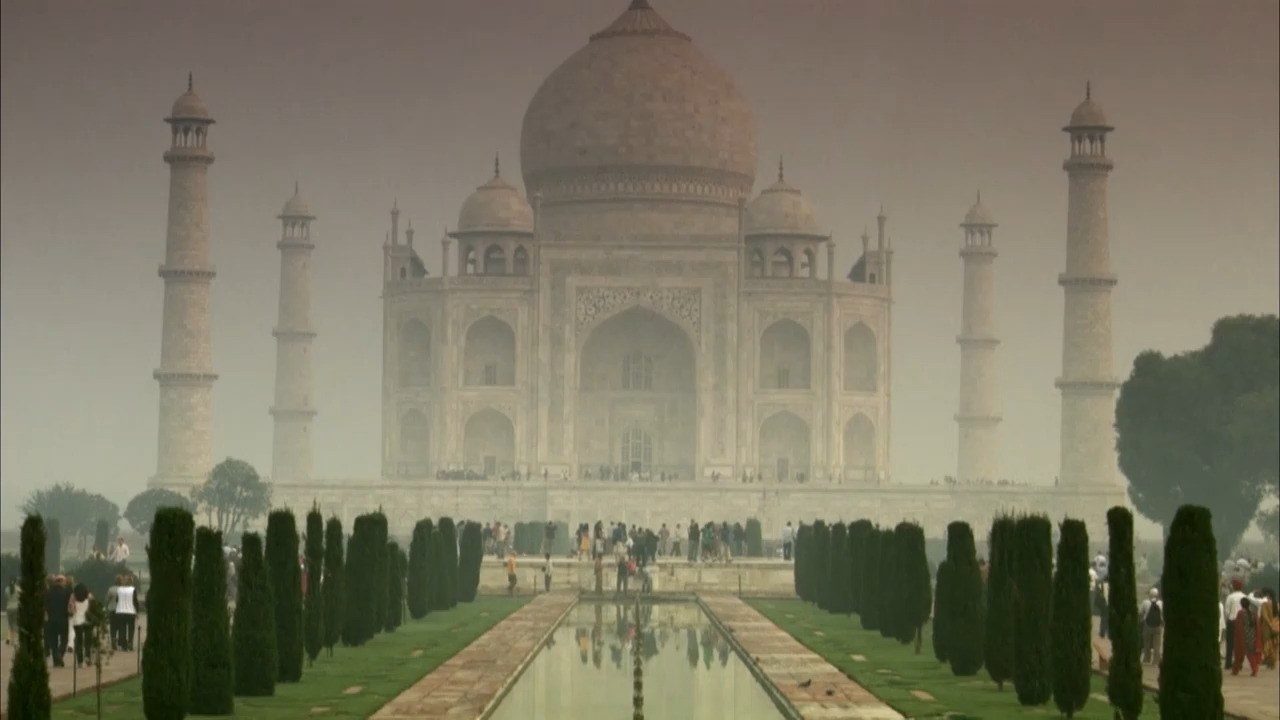
In Aurangzeb's Fight to Lead India in the 17th Century, host Andrew Marr takes us to India in the early 17th Century. It is an open-minded place where ideas thrive and there is intellectual freedom and cultural celebration. But when the ruler, Shah Jahan, falls ill, his two sons fight for the throne. Aurangzeb wins the battle and takes over India. He starts an oppressive regime that undoes the progressive work of his father, taking India along a much different path. This video is excerpted from BBC’s Andrew Marr's History of the World, a story of human history that uses reenactments, modern footage, and storytelling to explain history’s greatest achievements.
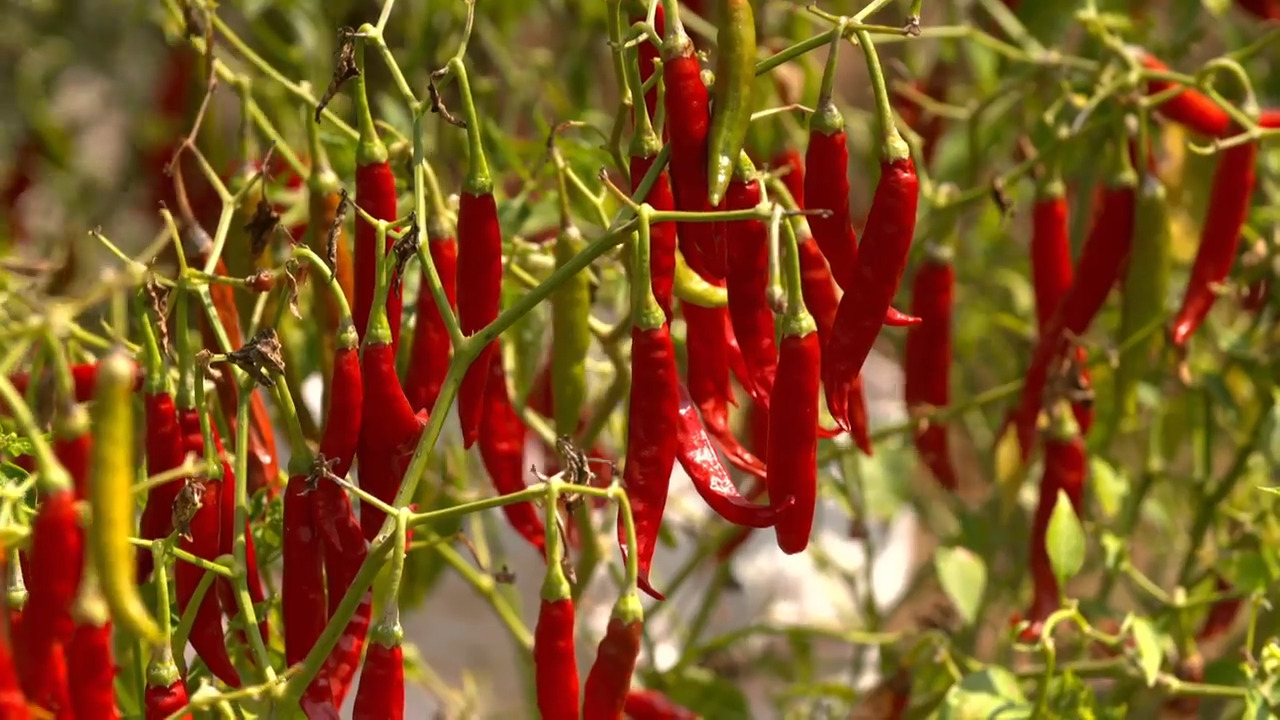
In Chili Production in India, presenter Cherry Healey visits Guntur, India, to explore a chili farm and factory. Her eyes are watering, but that doesn’t stop her from helping pick, process, and grind the chili plants into powder. Learn how chili flakes and powder are made, and how India supplies the entire world with chili. This video is excerpted from BBC’s Inside the Factory, a series that takes viewers behind the scenes in the factories that make our favorite products.
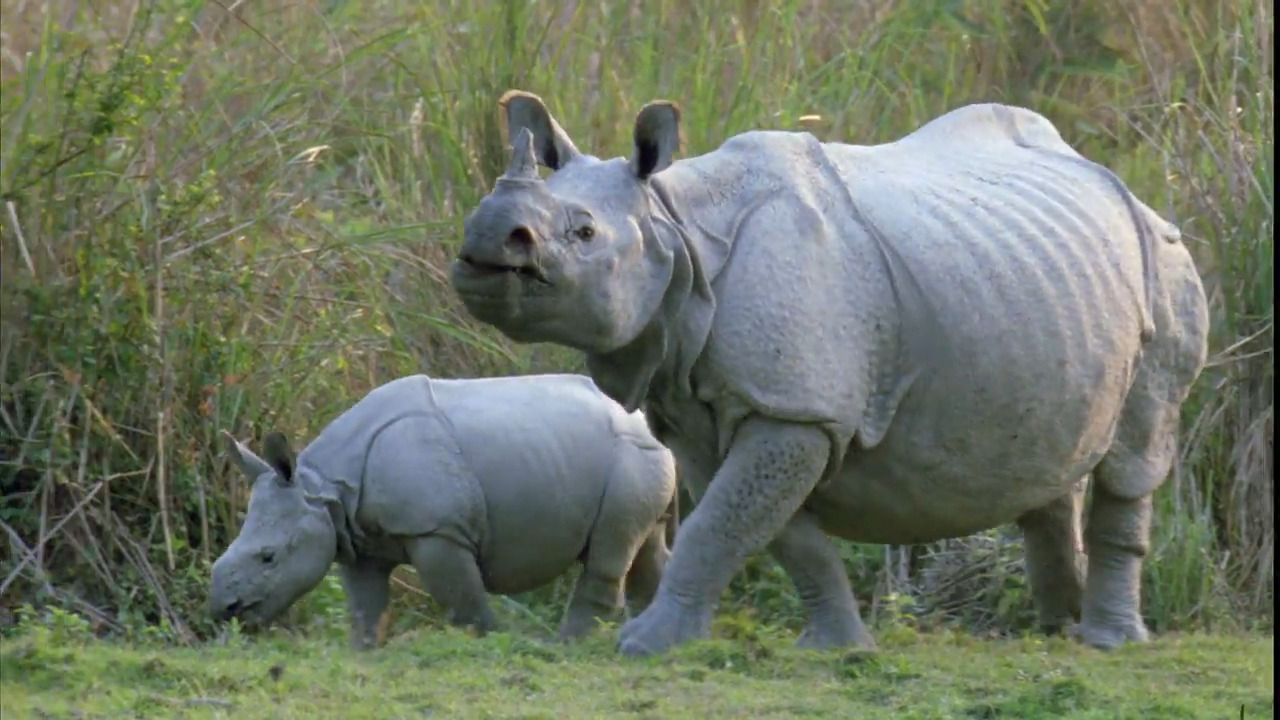
In The Tall Grasses of India, narrator Sir David Attenborough looks at the different animals that live in the tall grasses of India including the female pygmy hogs as they collect elephant grass to build a nest. This video is excerpted from BBC's Planet Earth, a breathtaking documentary series that highlights the natural wonders of our planet.
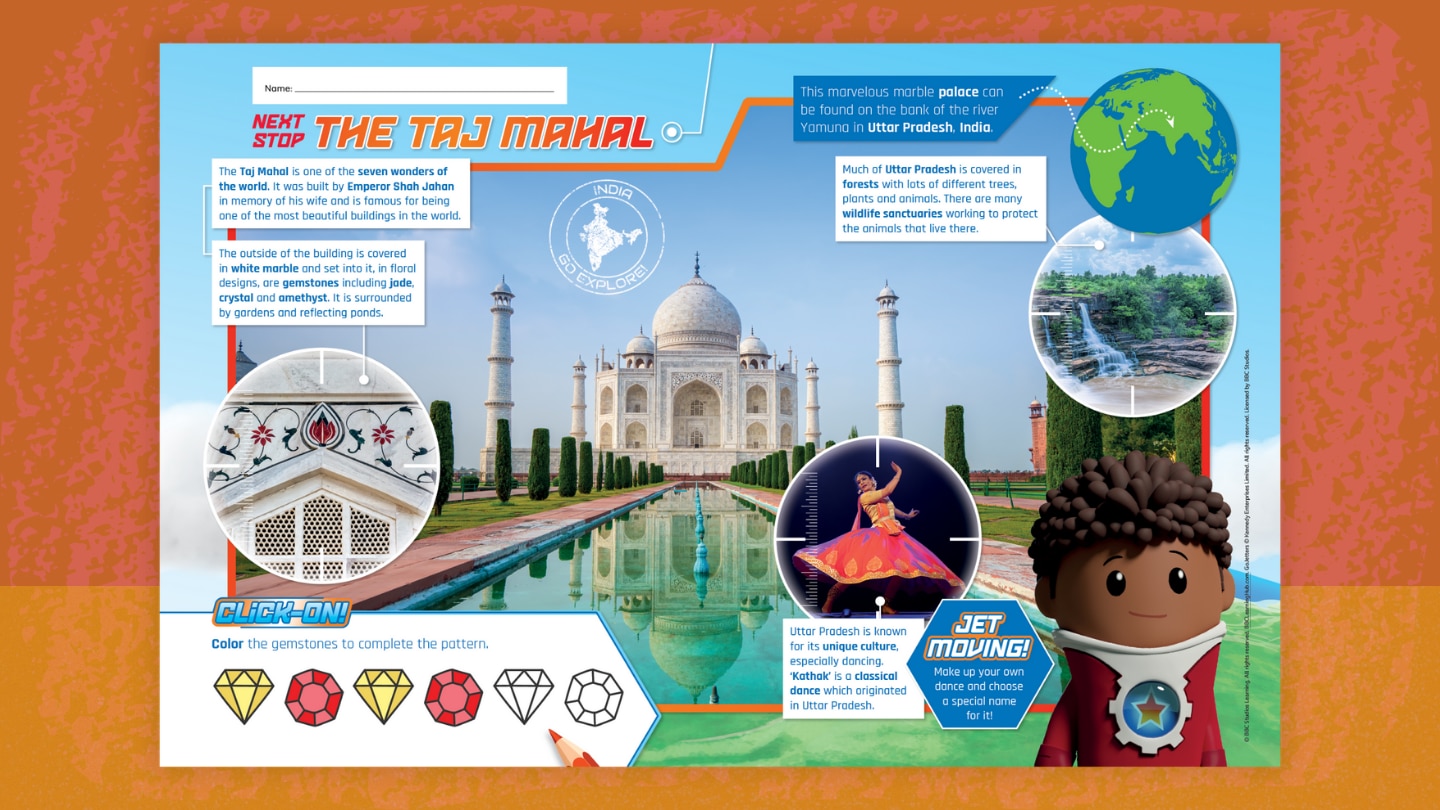
Join the Go Jetters on a journey to India to explore one of the Seven Wonders of the World — the Taj Mahal! In this fun worksheet, you'll:
- Uncover fascinating facts about its marble design, gemstones, and cultural significance.
- Locate the Taj Mahal on a map.
- Color gemstones to finish a pattern.
- Create your own dance inspired by India’s classical Kathak.

Journey through India’s rich landscapes, vibrant cultures, and fascinating history in this captivating video collection. From the majestic Taj Mahal and bustling city streets of Jodhpur to the wild teak forests and flavorful samosa snacks, these videos bring India to life. Explore stories of legendary leaders like Ashoka and Gandhi, encounter curious langur monkeys, and dive into conversations around equality and tradition. Perfect for sparking global curiosity and cultural appreciation in your classroom!
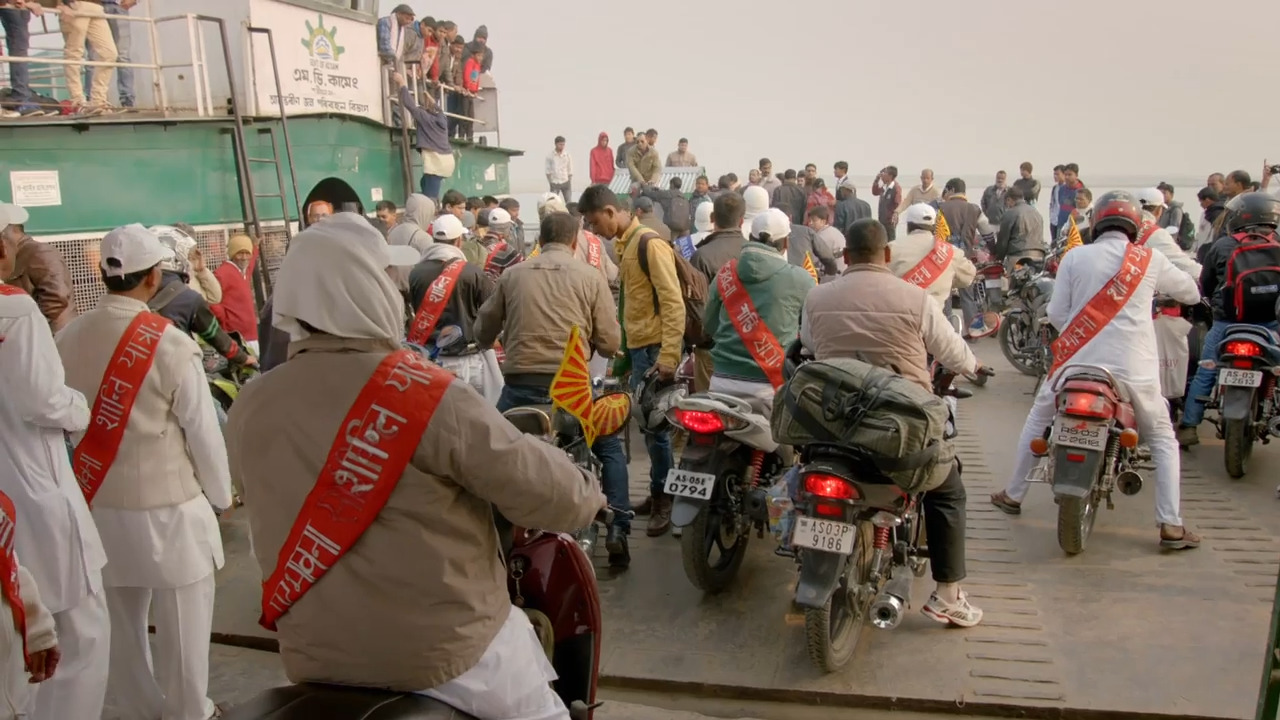
In Majuli: A River Island in India, learn about Majuli, the largest river island in Assam. It’s a busy place that’s an example of how Indian people work with each other and the natural world. This video is from the BBC’s Hidden India, in which presenter Geraldine James explores India’s diverse environments.
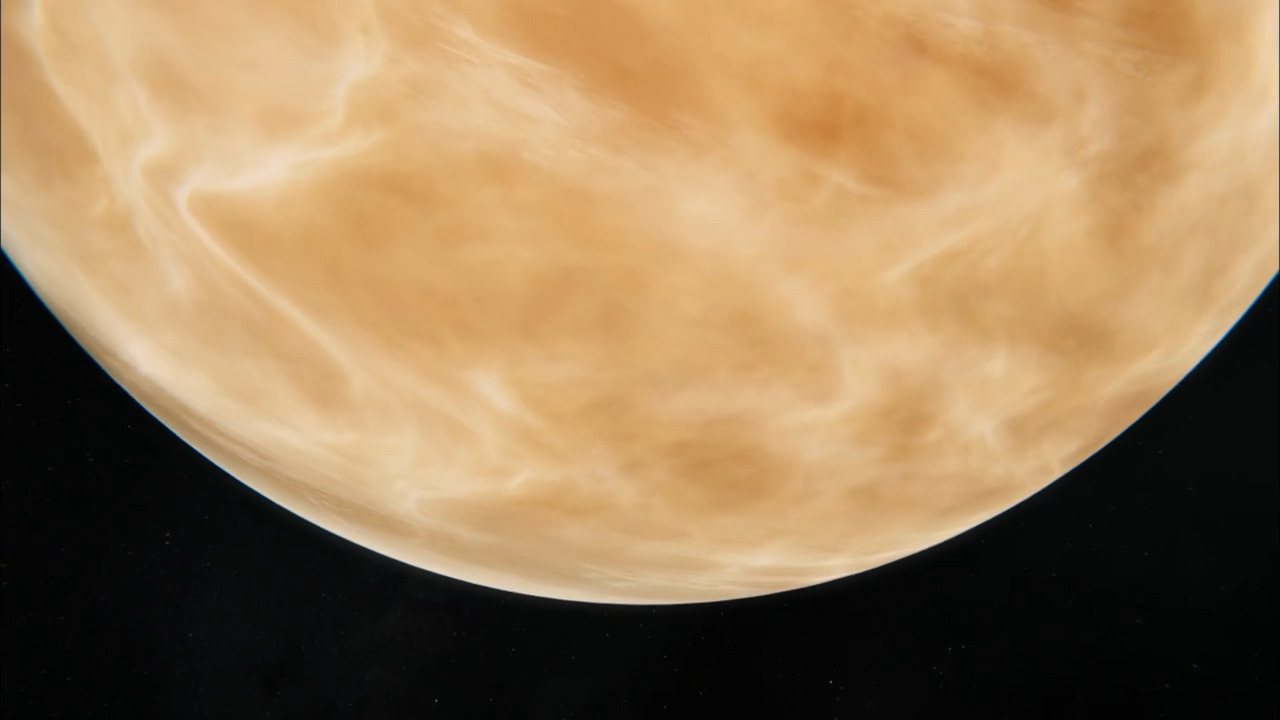
In Venus’s Landscape of Lava, Professor Brian Cox visits India to get a better understanding of how high temperatures helped create the Venus we see today. Venus, often called Earth’s twin, has the hottest average surface temperature besides the Sun in the Solar System, and it's covered in over 50,000 volcanoes. Beneath the green foliage of India, the landscape of lava is very similar to Venus. This video is excerpted from BBC's Wonders of the Solar System, a spellbinding documentary series that explores the most extreme locations on Earth to explain how the laws of physics carved natural wonders across the Solar System.
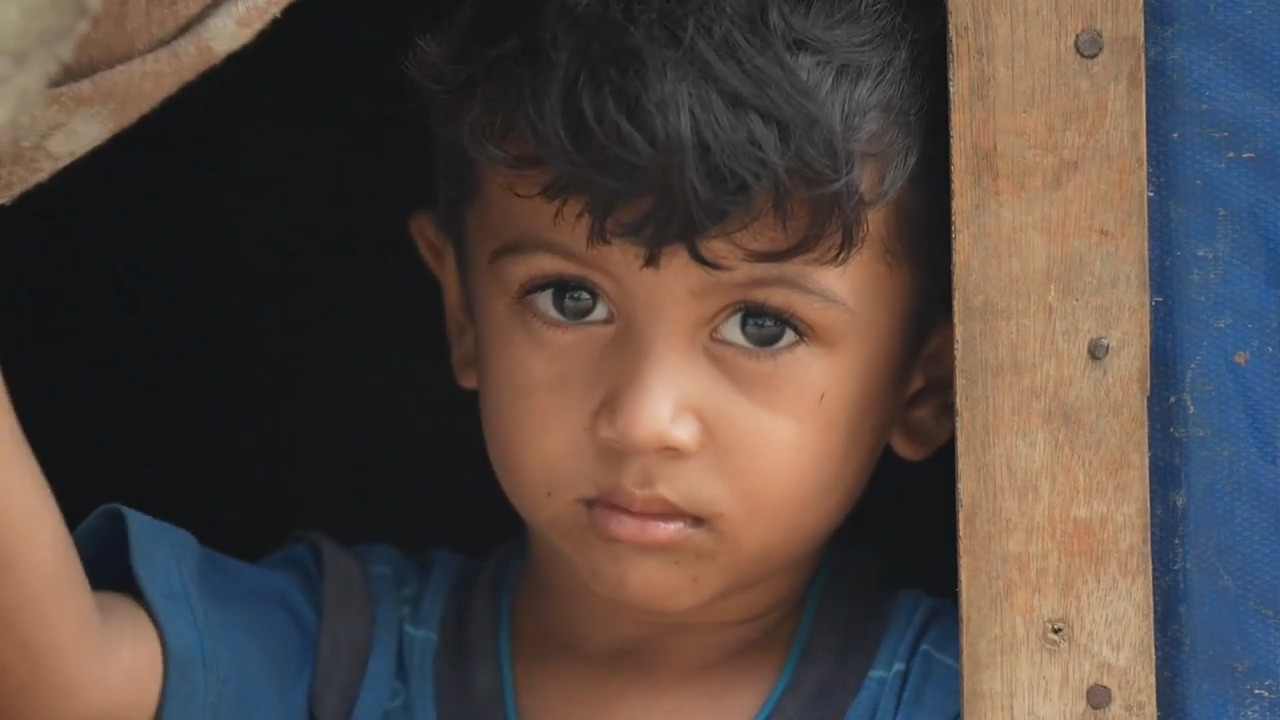
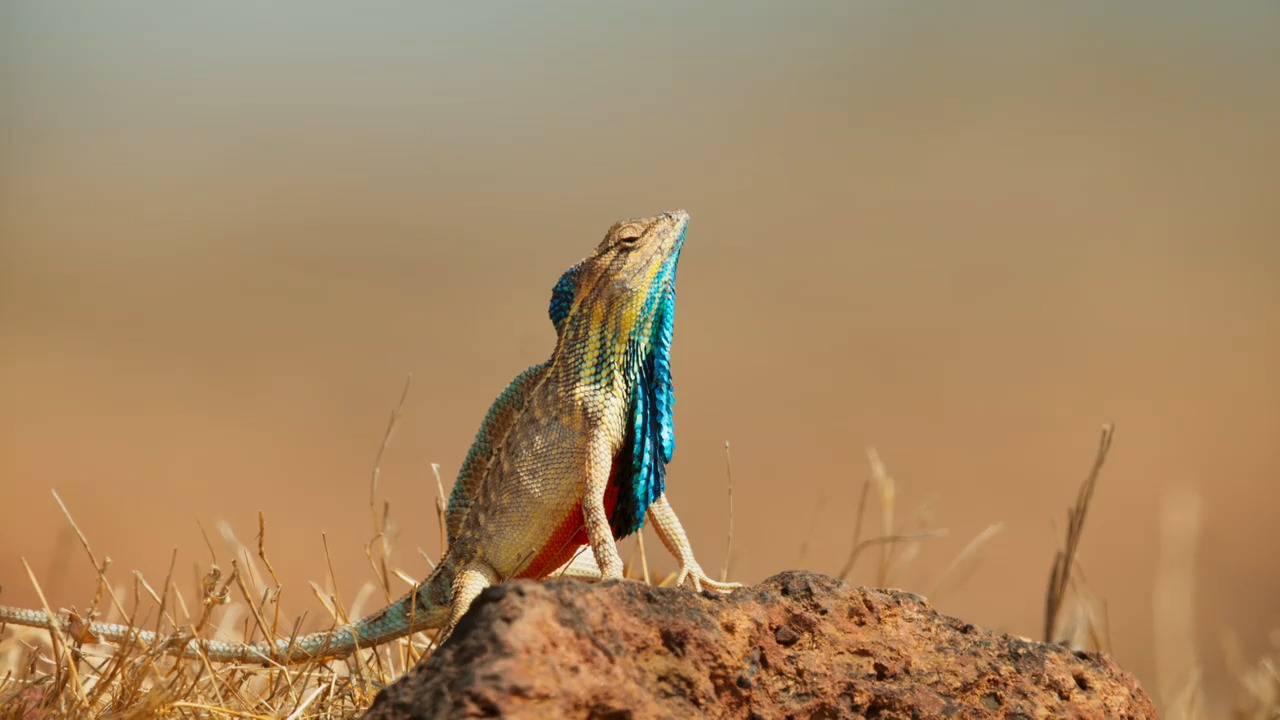
In Sarada Lizards in the Breeding Season, narrator Sir David Attenborough details the competitive world of Sarada lizards in the harsh plains of northern India. Males battle for high perches to display their vibrant colors and attract mates, often risking their lives in the process. This video is excerpted from BBC’s Seven Worlds, One Planet, a series featuring remarkable animal behavior from all seven continents.
In Chhavi Rajawat, Local Leader in India, learn how Rajawat left her corporate career to serve her rural community in India. After new quotas increased opportunities for women leaders, she took on a mayor-like role to help address poverty and challenges faced by villagers, especially women. This video is excerpted from BBC's Her Story: The Female Revolution, which explores the history and impact of women’s rights movements and achievements of women.
What country is home to more than a billion people, hundreds of languages, the Himalayan Mountains, and some of the world’s most iconic animals? Meet India, a country with an extraordinary mix of landscapes, cultures, religions, and traditions.
From Bengal tigers and colorful peafowl to the Taj Mahal and the mighty Himalayas, India is full of fascinating stories and discoveries. Explore the civilizations and empires that shaped its history, learn about Hinduism and other religions that began there, and discover the foods, festivals, languages, and traditions that make India unique. You’ll also explore the country’s incredible wildlife.
Teachers and parents, you can use this fact file to:
- Introduce a geography or social studies unit
- Support nonfiction reading practice
- Compare countries and cultures
- Complete map and research activities
- Prepare students for projects or presentations (use our country report template!)
- Pair with videos, articles, or other informational texts (see Related Resources below)
In The Female Future Engineers of India, Sue Perkins travels to Patna, India, where she learns about a school helping girls become engineers. These schools, which have grown from three to 18 in just 20 years, are empowering young women to chase big dreams. While the girls share their hopes for the future, they discuss how, despite their education, their parents still have the final say in who they marry. Sue highlights how, over the past couple of decades, these women have gone from staying at home to gaining powerful skills for their careers. This video is excerpted from BBC’s The Ganges with Sue Perkins, which showcases Sue’s journey along the Ganges River, exploring its cultural and spiritual significance in India.
In Aurangzeb's Fight to Lead India in the 17th Century, host Andrew Marr takes us to India in the early 17th Century. It is an open-minded place where ideas thrive and there is intellectual freedom and cultural celebration. But when the ruler, Shah Jahan, falls ill, his two sons fight for the throne. Aurangzeb wins the battle and takes over India. He starts an oppressive regime that undoes the progressive work of his father, taking India along a much different path. This video is excerpted from BBC’s Andrew Marr's History of the World, a story of human history that uses reenactments, modern footage, and storytelling to explain history’s greatest achievements.
In Chili Production in India, presenter Cherry Healey visits Guntur, India, to explore a chili farm and factory. Her eyes are watering, but that doesn’t stop her from helping pick, process, and grind the chili plants into powder. Learn how chili flakes and powder are made, and how India supplies the entire world with chili. This video is excerpted from BBC’s Inside the Factory, a series that takes viewers behind the scenes in the factories that make our favorite products.
In The Tall Grasses of India, narrator Sir David Attenborough looks at the different animals that live in the tall grasses of India including the female pygmy hogs as they collect elephant grass to build a nest. This video is excerpted from BBC's Planet Earth, a breathtaking documentary series that highlights the natural wonders of our planet.
Join the Go Jetters on a journey to India to explore one of the Seven Wonders of the World — the Taj Mahal! In this fun worksheet, you'll:
- Uncover fascinating facts about its marble design, gemstones, and cultural significance.
- Locate the Taj Mahal on a map.
- Color gemstones to finish a pattern.
- Create your own dance inspired by India’s classical Kathak.
Journey through India’s rich landscapes, vibrant cultures, and fascinating history in this captivating video collection. From the majestic Taj Mahal and bustling city streets of Jodhpur to the wild teak forests and flavorful samosa snacks, these videos bring India to life. Explore stories of legendary leaders like Ashoka and Gandhi, encounter curious langur monkeys, and dive into conversations around equality and tradition. Perfect for sparking global curiosity and cultural appreciation in your classroom!
In Majuli: A River Island in India, learn about Majuli, the largest river island in Assam. It’s a busy place that’s an example of how Indian people work with each other and the natural world. This video is from the BBC’s Hidden India, in which presenter Geraldine James explores India’s diverse environments.
In Venus’s Landscape of Lava, Professor Brian Cox visits India to get a better understanding of how high temperatures helped create the Venus we see today. Venus, often called Earth’s twin, has the hottest average surface temperature besides the Sun in the Solar System, and it's covered in over 50,000 volcanoes. Beneath the green foliage of India, the landscape of lava is very similar to Venus. This video is excerpted from BBC's Wonders of the Solar System, a spellbinding documentary series that explores the most extreme locations on Earth to explain how the laws of physics carved natural wonders across the Solar System.
In Sarada Lizards in the Breeding Season, narrator Sir David Attenborough details the competitive world of Sarada lizards in the harsh plains of northern India. Males battle for high perches to display their vibrant colors and attract mates, often risking their lives in the process. This video is excerpted from BBC’s Seven Worlds, One Planet, a series featuring remarkable animal behavior from all seven continents.