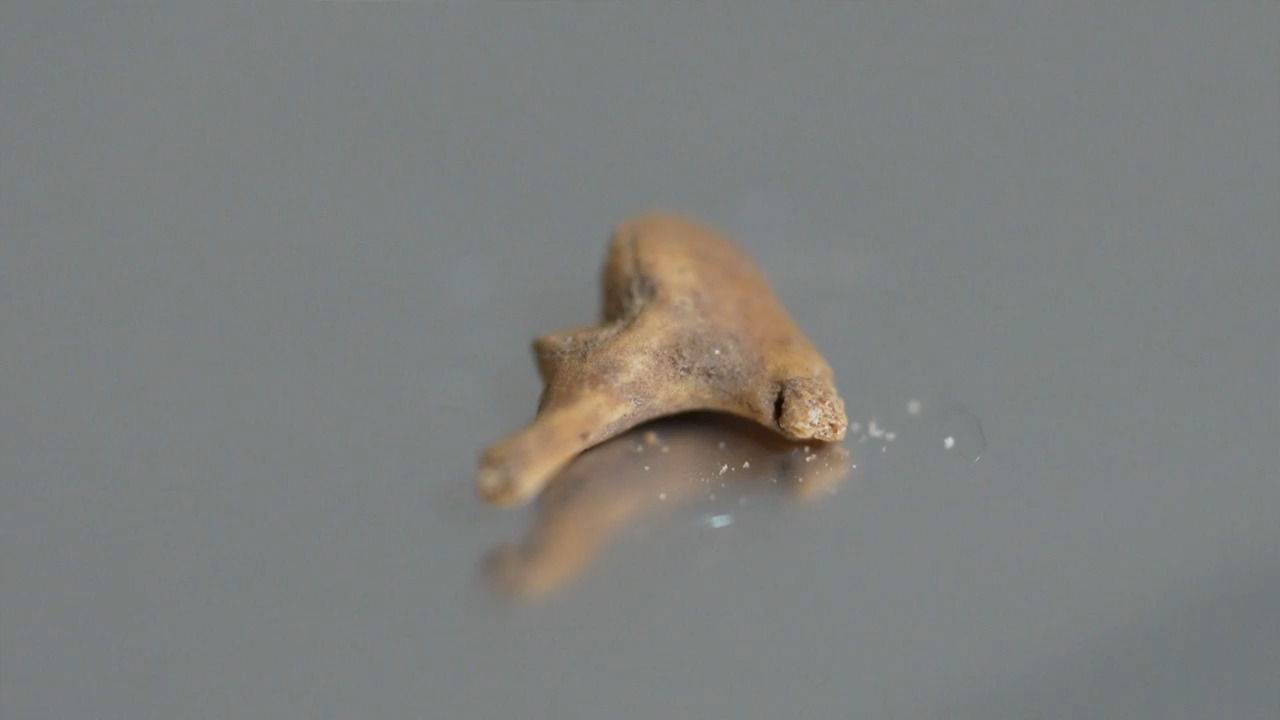
Scientists use a revolutionary technique to better study the DNA of bones from burial sites over a thousand years old. Highlighting gradual changes in the DNA is unlocking Britain’s history, providing information on human migration and the interaction between different populations from the Romans to the Anglo-Saxons. This video is excerpted from BBC News.
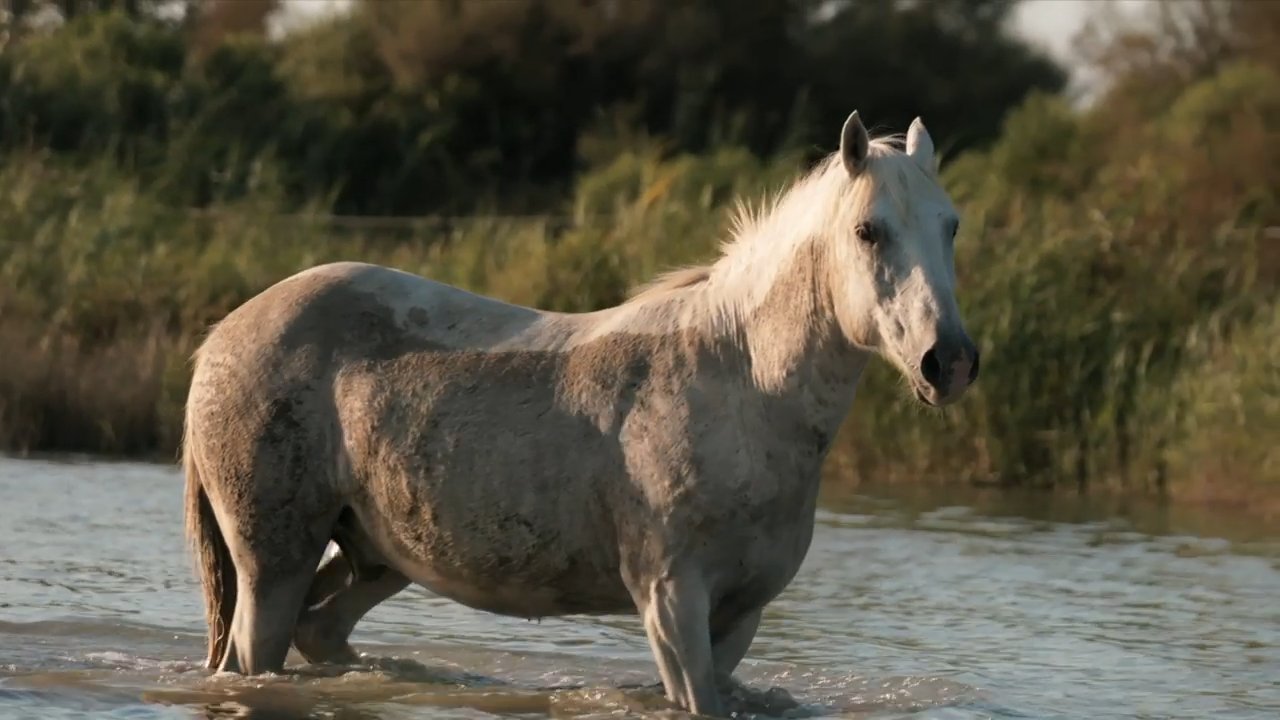
The history of the horse is closely intertwined with our own, and its DNA preserves evidence of how that relationship changed. In this clip from BBC’s Evolution episode "The Horse," scientists examine ancient horse DNA to trace how wild horse populations changed as humans began to domesticate and selectively breed them.
Genetic evidence reveals changes associated with traits such as docility and a body shape better suited to carrying humans. Over generations, human choices favored these characteristics, helping transform wild horses into the domestic horse and demonstrating how selective breeding can influence the course of evolution.

The article "The Last Days of the Neanderthals: When and Why Our Ancient Cousins Disappeared" from BBC's HistoryExtra explores how and why Neanderthals vanished from the Earth. Archaeological evidence and genetic studies point to multiple factors, including climate change, competition with Homo sapiens, and interbreeding. Despite their extinction, Neanderthal DNA still lives on in modern humans.
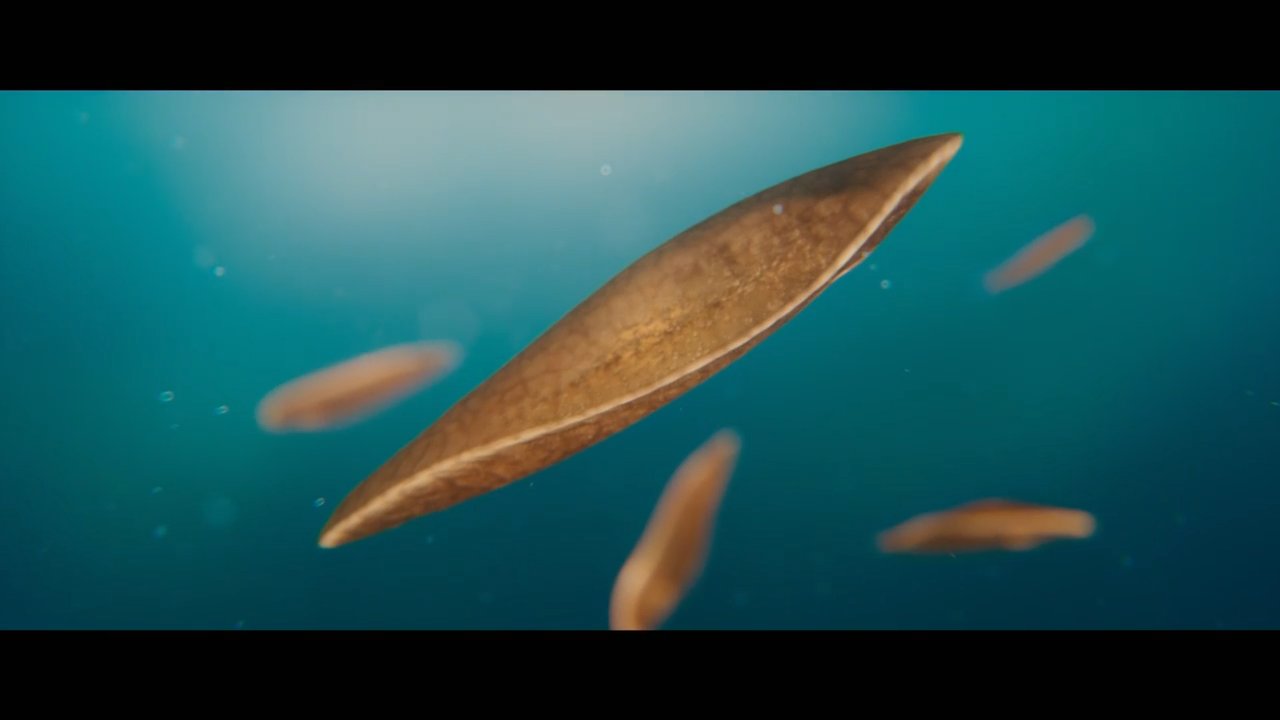
The Ediacaran Garden was home to some of the earliest and strangest animals on Earth, living among vast microbial mats that provided an almost endless food supply. This clip from BBC’s Evolution episode "The Bat" explores the mysterious world of these ancient creatures and follows a tiny, soft-bodied organism thought to be a distant ancestor of bats and humans.
With no hard parts to leave fossils behind, this creature’s story must be pieced together from clues about modern animals and the evolutionary changes that followed. Mutations gradually transformed a simple gut into a continuous digestive tube with a separate opening for waste — a seemingly simple innovation that allowed animals to eat continuously and digest food far more efficiently.

The article "Mysterious Borg DNA Can Copy Genes From Other Cells!" from BBC's Science Focus explores the discovery of unique DNA entities. Found in wetland soil, these strands merge with archaeal host cells, enhancing their metabolism and gene capacity. Scientists believe Borgs could inspire CRISPR-like gene-editing tools and aid in combating climate change by boosting methane-eating microbes.
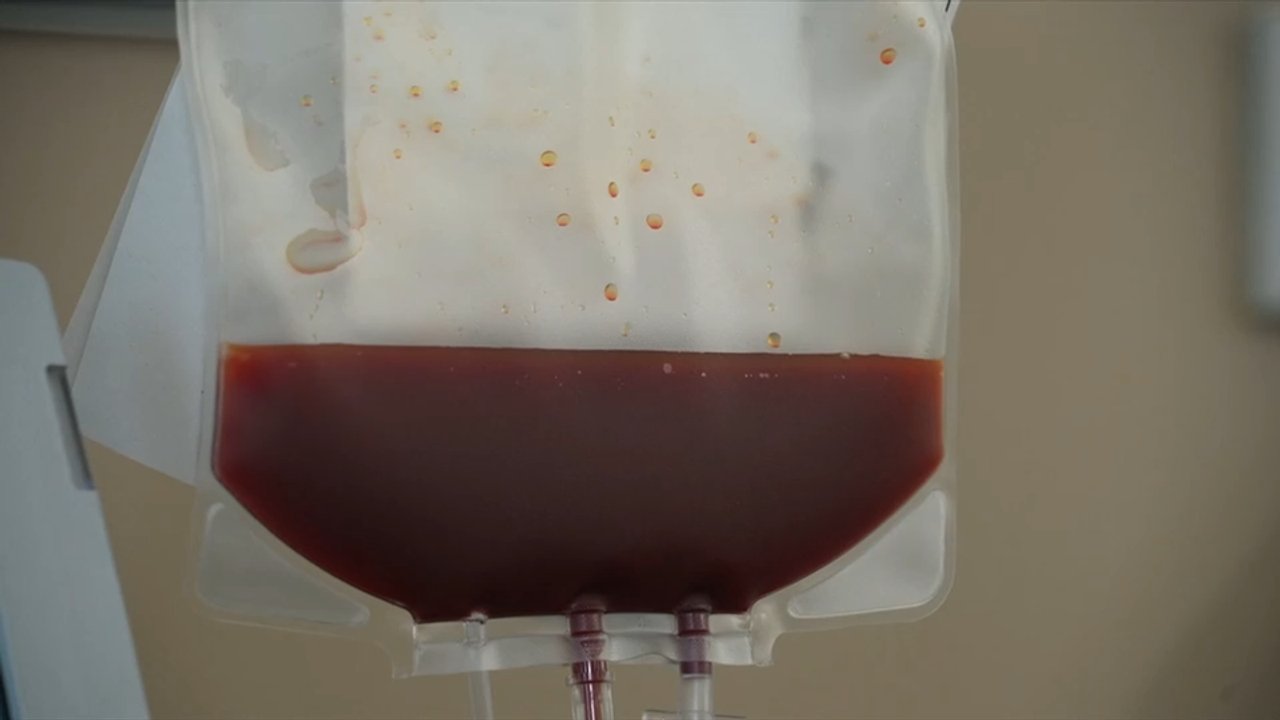
Most of us don’t think much about our blood until we get a paper cut or a scraped knee. 16-year-old Vianne has had to think about hers for most of her life. She has thalassemia, a serious blood disorder. Her body couldn’t make enough healthy hemoglobin, the protein in red blood cells that carries oxygen around the body. She needed blood transfusions every month, and she was often exhausted.
Then she received a new gene-editing treatment.
First, doctors collected some of her stem cells. These are cells that haven’t yet become a particular type, so they can copy themselves and turn into other kinds of cells. In a laboratory, scientists edited the cells’ DNA so they would make more fetal hemoglobin, the kind babies make before they’re born. This extra hemoglobin makes up for the faulty kind that causes thalassemia. Months later, the edited cells were put back into Vianne’s body.
Doctors call the result a “functional cure.” Vianne still has the genetic condition, but its main symptoms have eased so much that she no longer needs transfusions. That means fewer hospital visits and much more energy.
The same treatment is also being used for sickle cell disease. 14-year-old Joel is just starting the process. It isn’t easy: patients need chemotherapy first, to clear space in their bone marrow for the edited cells. But Vianne says it was worth it.
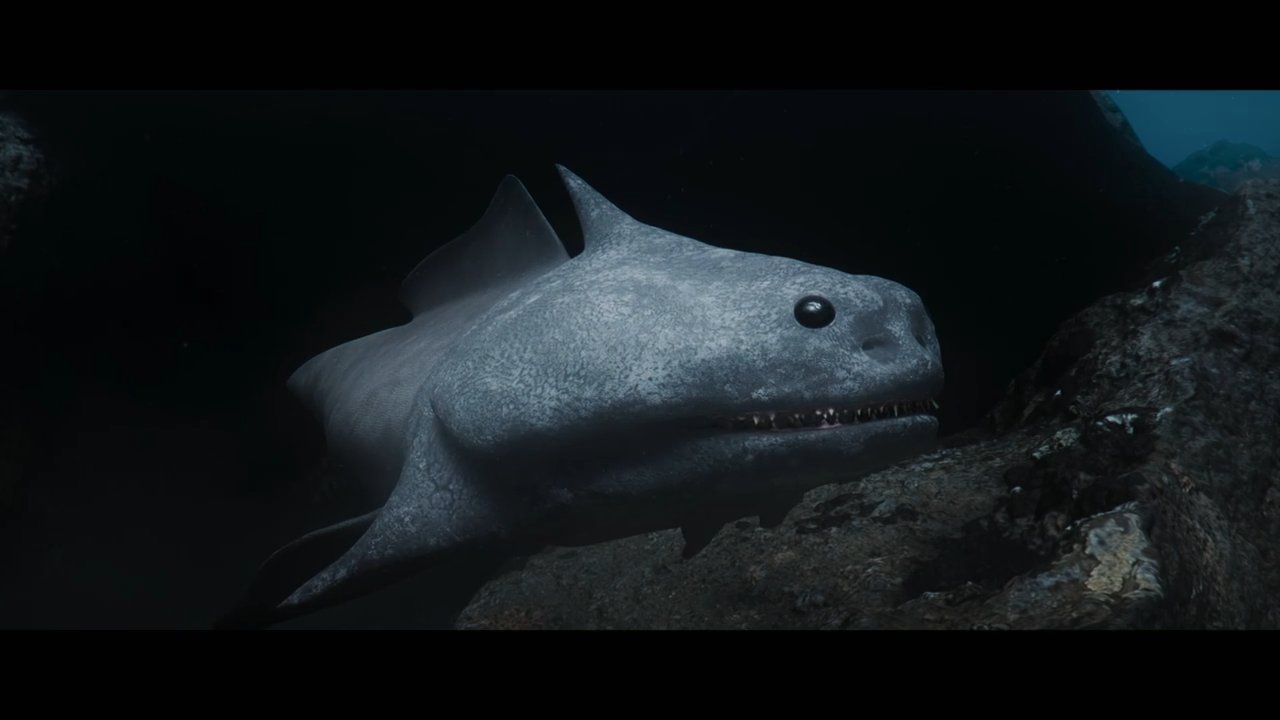
As the predator-prey arms race intensified in the ancient oceans, fish evolved stronger defenses — and increasingly sophisticated brains. This clip from BBC’s Evolution episode "The Dolphin" examines the armored placoderms, whose fossilized skulls reveal surprisingly complex brains for animals that lived around 400 million years ago. CT scans allow scientists to reconstruct these ancient brains and explore structures involved in movement, balance, and processing information.
The video also explores a remarkable theory about the evolution of myelin, the insulating material that allows nerve signals to travel much faster along neurons. Retroviral DNA may have played a role in triggering the development of myelin in early vertebrates, helping their brains process information more rapidly while freeing them from the need for enormous nerve fibers. This evolutionary innovation helped pave the way for increasingly sophisticated vertebrate brains.
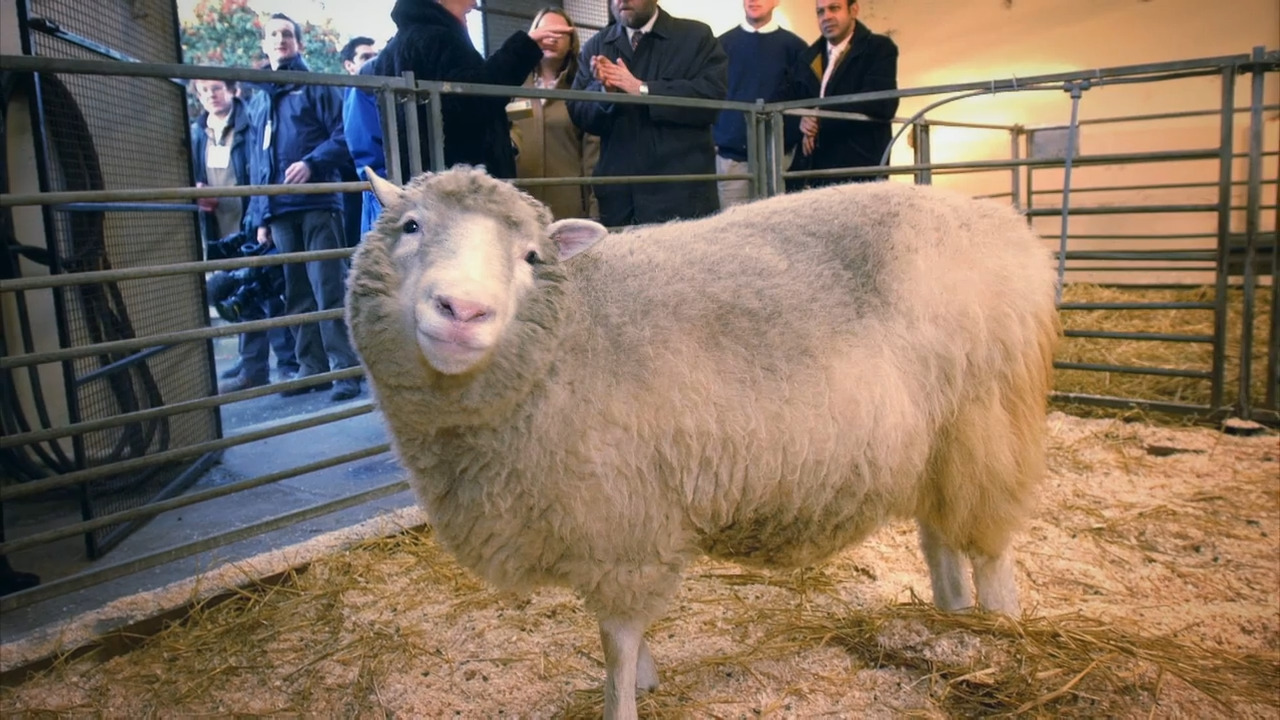
In Tu Youyou's Malaria Breakthrough, host Chris Packham tells the story of Tu Youyou’s groundbreaking discovery of artemisinin, a drug that transformed the fight against malaria. Her extraordinary courage, including volunteering as the first test subject, went unnoticed as she was never named on the research papers that led to the breakthrough. This video is excerpted from BBC’s Icons: The Greatest Person of the 20th Century, a documentary series celebrating the achievements of the most influential figures of the era.
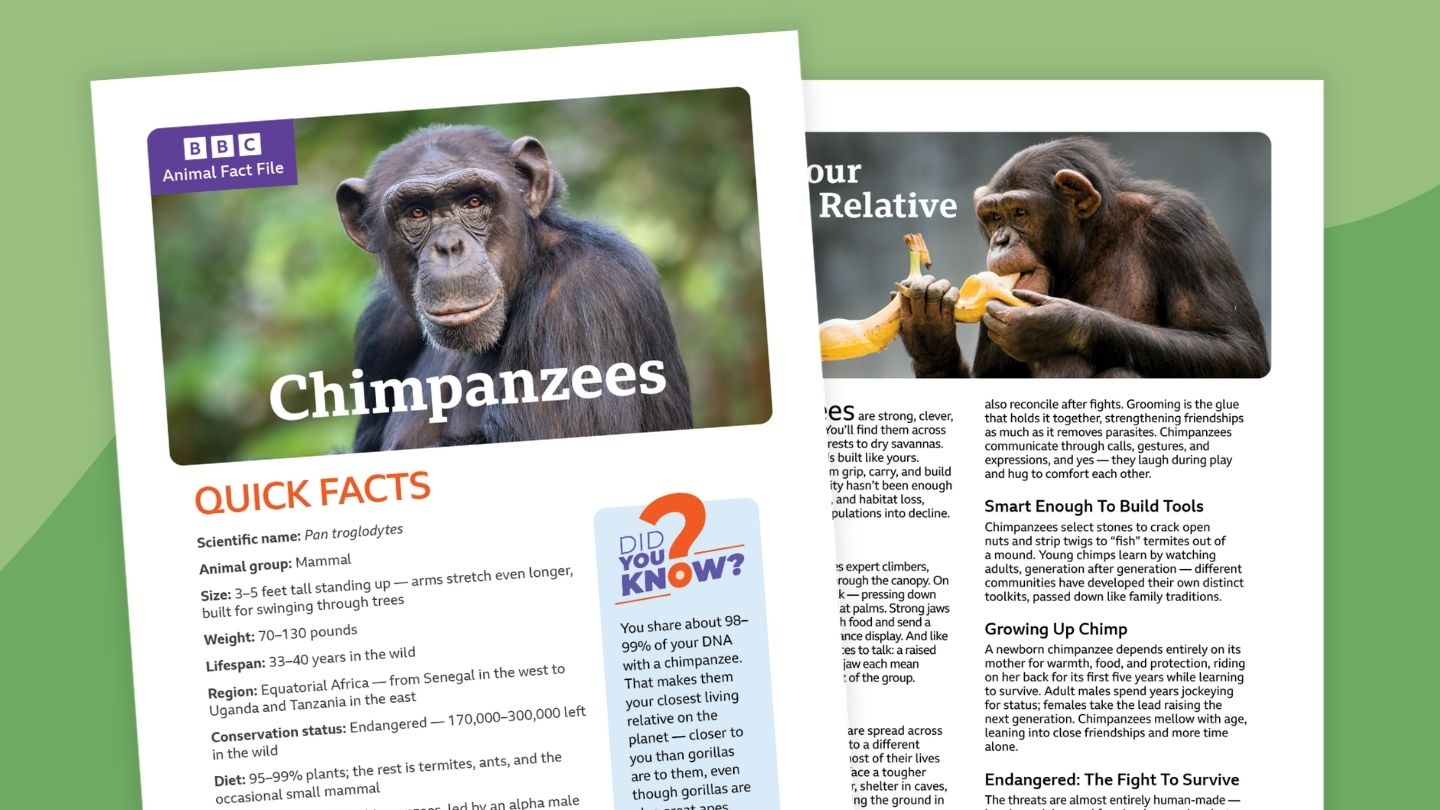
What animal laughs during play, uses tools to solve problems, and shares nearly 99% of its DNA with you? Meet the chimpanzee — one of the smartest and most fascinating animals on Earth.
This fact file takes you on a journey into the world of chimpanzees, from the rainforests and savannas they call home to the remarkable ways they communicate, work together, and care for their families. Along the way, discover how chimpanzees use tools, build friendships, raise their young, and face challenges in the wild.
Teachers and parents, you can use this fact file to:
- Introduce an animal, wildlife, or life science unit
- Support nonfiction reading and vocabulary practice
- Explore animal adaptations, behaviors, and habitats
- Compare animals and the ecosystems they live in
- Practice finding and organizing information from nonfiction texts
- Prepare students for animal research projects or presentations (use our animal report templates!)
- Connect science learning to conservation and environmental issues
- Pair with videos, articles, or other informational texts (see Related Resources below)
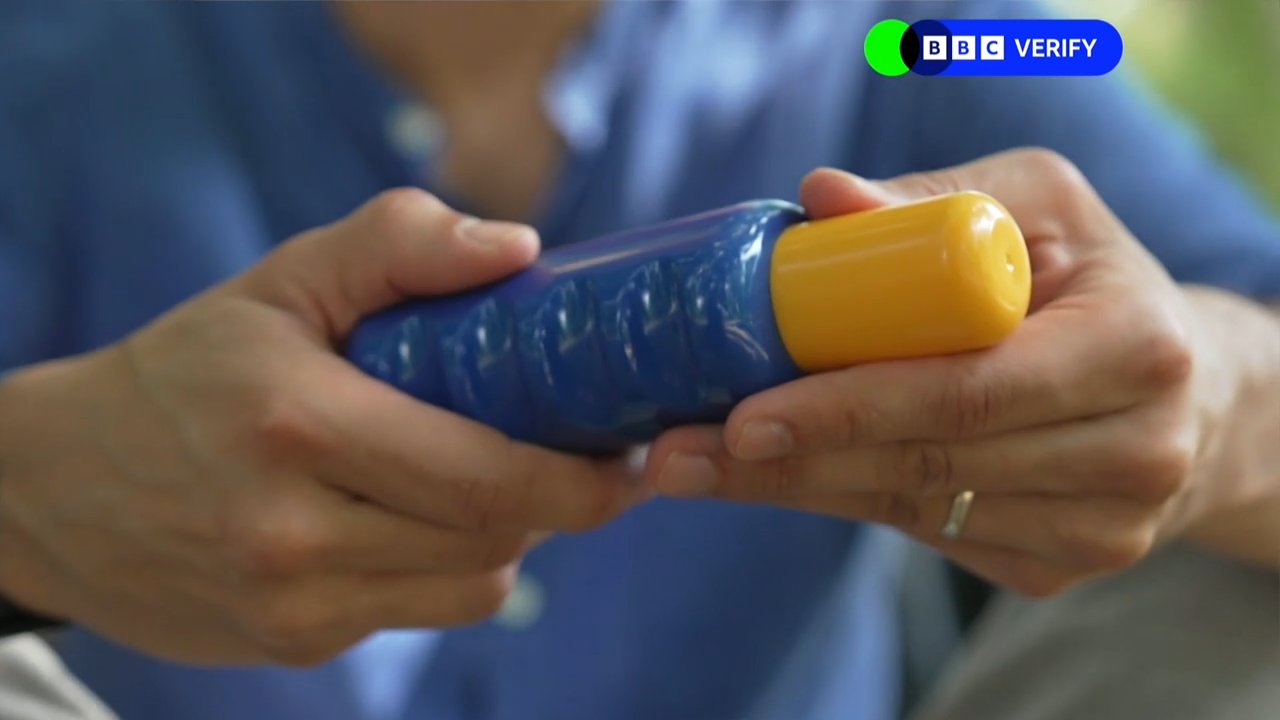
Every summer, the days get longer and the temperatures rise. And every summer, social media posts claiming that sunscreen causes cancer, or is a scam, start spreading again.
Some of these posts point to real scientific research but leave out important context. That twists what the study actually found.
One example is a 2023 study that found people who used sunscreen more often were also more likely to develop melanoma, a dangerous type of skin cancer. That sounds scary, but it doesn't mean sunscreen caused the cancer. When two things happen together, one isn't necessarily causing the other.
The researchers point to something called the "sunscreen paradox." People who use sunscreen a lot may also spend more time in strong sunlight. They may also not put on enough sunscreen or reapply it often enough. So the extra sun exposure, not the sunscreen, is likely what raises their risk.
Sun exposure is a balancing act. A little sunshine helps your body make vitamin D, which you need. Too much can damage the DNA in your skin cells. Sunscreen cuts down on the ultraviolet (UV) rays that reach your skin. These are the invisible rays from the sun that cause sunburns. Experts recommend using sunscreen along with shade and protective clothing. It takes a little more planning before a beach day, but it's worth it.
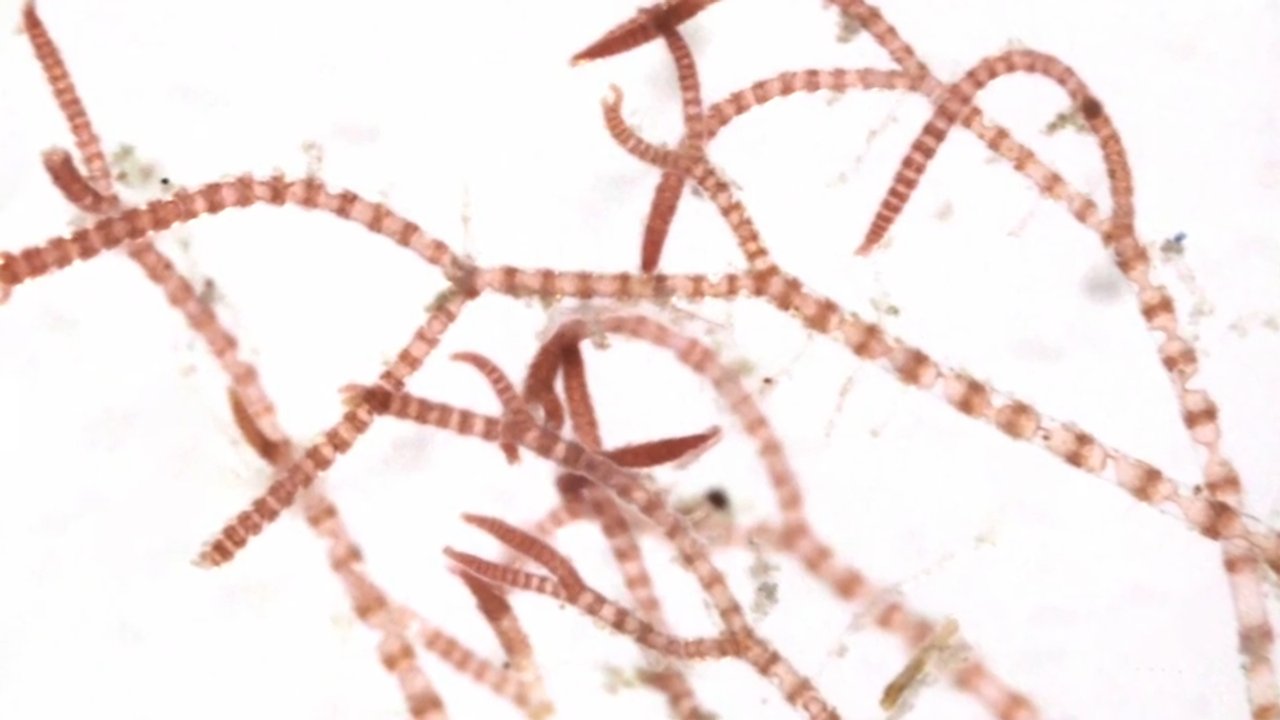
It's not often you see people really excited about seaweed (unless it's wrapped around all-you-can-eat sushi), but a tiny seaweed growing off the coast of Cornwall — a rugged coastal region in southwest England — has got scientists buzzing.
Divers found a new type of seaweed growing on a larger, coral-like seaweed called maerl. Well, it's not really "new" in the sense of just appearing — Professor Christine Maggs had been using it to try to solve a scientific puzzle for about 40 years. Four decades! It took so long because the seaweed was so small that it was difficult to collect a large enough sample to gather molecular data and sequence its DNA, which was necessary to confirm exactly what it was.
Once the DNA work was finally complete, the seaweed was accepted into the collection at London's Natural History Museum — one of the world's leading scientific institutions, similar in scale to the Smithsonian in the U.S. — and officially recognized in scientific literature as an entirely new species. Professor Maggs probably took a long overdue celebratory nap.
But the discovery is about more than naming one tiny organism. Researchers say maerl beds support a lot of biodiversity, and seaweeds can provide nursery habitats for economically important fish. That means protecting these underwater ecosystems could also help protect the other species that depend on them. The best kind of two-for-one deal.
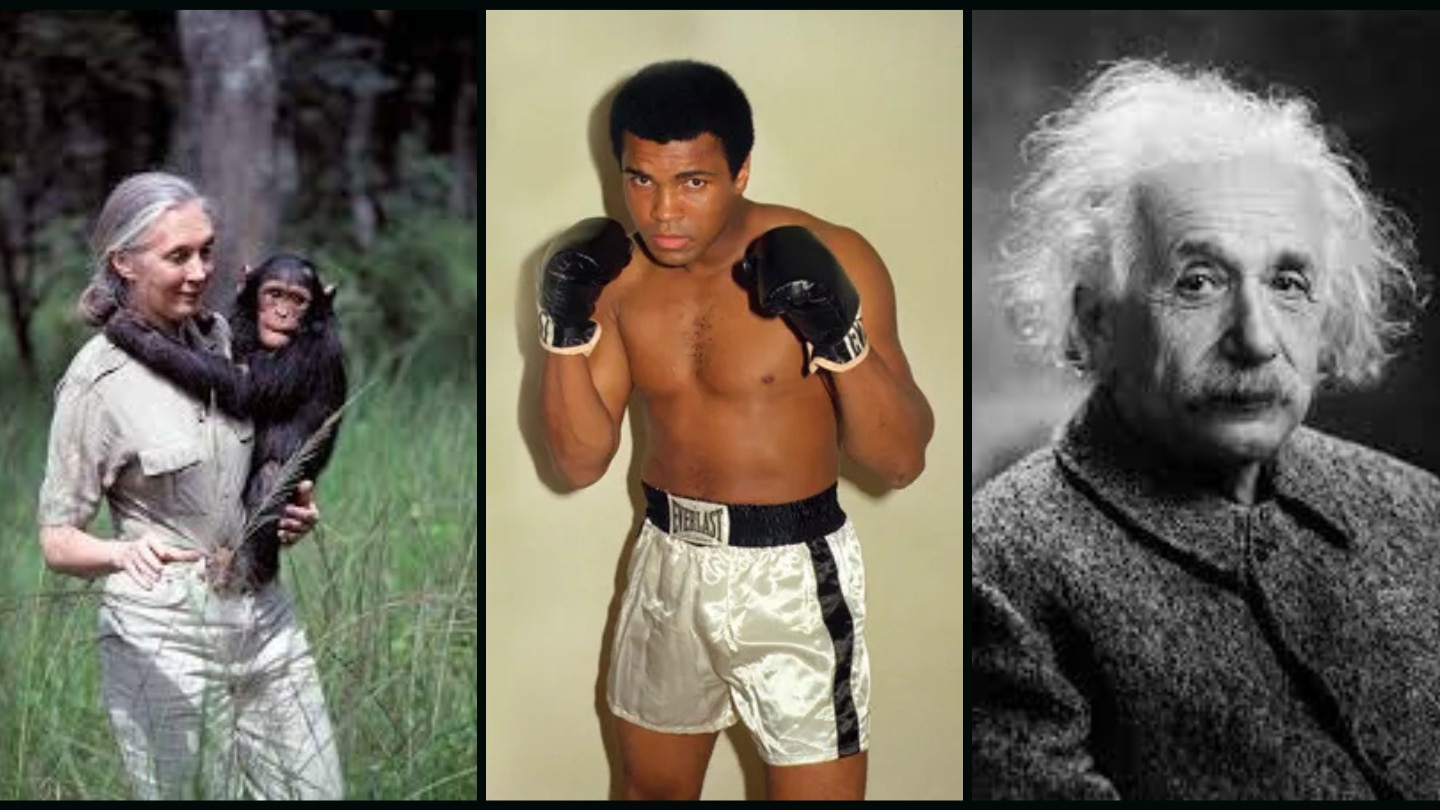
Drawn from the BBC series Icons: The Greatest Person of the 20th Century, this video playlist introduces influential figures from science, politics, civil rights, sports, art, music, exploration, and more. Meet Muhammad Ali, Helen Keller, Albert Einstein, Martin Luther King Jr., Jane Goodall, Pelé, and others whose work challenged conventions, broke barriers, or changed how people understood the world.
Explore the discoveries and ideas that transformed science, the movements that pushed societies toward change, and the creative achievements that reshaped art and culture. Along the way, consider the historical circumstances these figures lived through, the obstacles they faced, and the choices that shaped their public legacies.
What makes someone an icon? Is it achievement, influence, courage, originality — or something more complicated? These BBC videos invite viewers to look beyond famous names and consider how individuals can shape history, as well as how history shapes the way we remember them.
Scientists use a revolutionary technique to better study the DNA of bones from burial sites over a thousand years old. Highlighting gradual changes in the DNA is unlocking Britain’s history, providing information on human migration and the interaction between different populations from the Romans to the Anglo-Saxons. This video is excerpted from BBC News.
The history of the horse is closely intertwined with our own, and its DNA preserves evidence of how that relationship changed. In this clip from BBC’s Evolution episode "The Horse," scientists examine ancient horse DNA to trace how wild horse populations changed as humans began to domesticate and selectively breed them.
Genetic evidence reveals changes associated with traits such as docility and a body shape better suited to carrying humans. Over generations, human choices favored these characteristics, helping transform wild horses into the domestic horse and demonstrating how selective breeding can influence the course of evolution.
The article "The Last Days of the Neanderthals: When and Why Our Ancient Cousins Disappeared" from BBC's HistoryExtra explores how and why Neanderthals vanished from the Earth. Archaeological evidence and genetic studies point to multiple factors, including climate change, competition with Homo sapiens, and interbreeding. Despite their extinction, Neanderthal DNA still lives on in modern humans.
The Ediacaran Garden was home to some of the earliest and strangest animals on Earth, living among vast microbial mats that provided an almost endless food supply. This clip from BBC’s Evolution episode "The Bat" explores the mysterious world of these ancient creatures and follows a tiny, soft-bodied organism thought to be a distant ancestor of bats and humans.
With no hard parts to leave fossils behind, this creature’s story must be pieced together from clues about modern animals and the evolutionary changes that followed. Mutations gradually transformed a simple gut into a continuous digestive tube with a separate opening for waste — a seemingly simple innovation that allowed animals to eat continuously and digest food far more efficiently.
The article "Mysterious Borg DNA Can Copy Genes From Other Cells!" from BBC's Science Focus explores the discovery of unique DNA entities. Found in wetland soil, these strands merge with archaeal host cells, enhancing their metabolism and gene capacity. Scientists believe Borgs could inspire CRISPR-like gene-editing tools and aid in combating climate change by boosting methane-eating microbes.
Most of us don’t think much about our blood until we get a paper cut or a scraped knee. 16-year-old Vianne has had to think about hers for most of her life. She has thalassemia, a serious blood disorder. Her body couldn’t make enough healthy hemoglobin, the protein in red blood cells that carries oxygen around the body. She needed blood transfusions every month, and she was often exhausted.
Then she received a new gene-editing treatment.
First, doctors collected some of her stem cells. These are cells that haven’t yet become a particular type, so they can copy themselves and turn into other kinds of cells. In a laboratory, scientists edited the cells’ DNA so they would make more fetal hemoglobin, the kind babies make before they’re born. This extra hemoglobin makes up for the faulty kind that causes thalassemia. Months later, the edited cells were put back into Vianne’s body.
Doctors call the result a “functional cure.” Vianne still has the genetic condition, but its main symptoms have eased so much that she no longer needs transfusions. That means fewer hospital visits and much more energy.
The same treatment is also being used for sickle cell disease. 14-year-old Joel is just starting the process. It isn’t easy: patients need chemotherapy first, to clear space in their bone marrow for the edited cells. But Vianne says it was worth it.
As the predator-prey arms race intensified in the ancient oceans, fish evolved stronger defenses — and increasingly sophisticated brains. This clip from BBC’s Evolution episode "The Dolphin" examines the armored placoderms, whose fossilized skulls reveal surprisingly complex brains for animals that lived around 400 million years ago. CT scans allow scientists to reconstruct these ancient brains and explore structures involved in movement, balance, and processing information.
The video also explores a remarkable theory about the evolution of myelin, the insulating material that allows nerve signals to travel much faster along neurons. Retroviral DNA may have played a role in triggering the development of myelin in early vertebrates, helping their brains process information more rapidly while freeing them from the need for enormous nerve fibers. This evolutionary innovation helped pave the way for increasingly sophisticated vertebrate brains.
In Tu Youyou's Malaria Breakthrough, host Chris Packham tells the story of Tu Youyou’s groundbreaking discovery of artemisinin, a drug that transformed the fight against malaria. Her extraordinary courage, including volunteering as the first test subject, went unnoticed as she was never named on the research papers that led to the breakthrough. This video is excerpted from BBC’s Icons: The Greatest Person of the 20th Century, a documentary series celebrating the achievements of the most influential figures of the era.
What animal laughs during play, uses tools to solve problems, and shares nearly 99% of its DNA with you? Meet the chimpanzee — one of the smartest and most fascinating animals on Earth.
This fact file takes you on a journey into the world of chimpanzees, from the rainforests and savannas they call home to the remarkable ways they communicate, work together, and care for their families. Along the way, discover how chimpanzees use tools, build friendships, raise their young, and face challenges in the wild.
Teachers and parents, you can use this fact file to:
- Introduce an animal, wildlife, or life science unit
- Support nonfiction reading and vocabulary practice
- Explore animal adaptations, behaviors, and habitats
- Compare animals and the ecosystems they live in
- Practice finding and organizing information from nonfiction texts
- Prepare students for animal research projects or presentations (use our animal report templates!)
- Connect science learning to conservation and environmental issues
- Pair with videos, articles, or other informational texts (see Related Resources below)
Every summer, the days get longer and the temperatures rise. And every summer, social media posts claiming that sunscreen causes cancer, or is a scam, start spreading again.
Some of these posts point to real scientific research but leave out important context. That twists what the study actually found.
One example is a 2023 study that found people who used sunscreen more often were also more likely to develop melanoma, a dangerous type of skin cancer. That sounds scary, but it doesn't mean sunscreen caused the cancer. When two things happen together, one isn't necessarily causing the other.
The researchers point to something called the "sunscreen paradox." People who use sunscreen a lot may also spend more time in strong sunlight. They may also not put on enough sunscreen or reapply it often enough. So the extra sun exposure, not the sunscreen, is likely what raises their risk.
Sun exposure is a balancing act. A little sunshine helps your body make vitamin D, which you need. Too much can damage the DNA in your skin cells. Sunscreen cuts down on the ultraviolet (UV) rays that reach your skin. These are the invisible rays from the sun that cause sunburns. Experts recommend using sunscreen along with shade and protective clothing. It takes a little more planning before a beach day, but it's worth it.
It's not often you see people really excited about seaweed (unless it's wrapped around all-you-can-eat sushi), but a tiny seaweed growing off the coast of Cornwall — a rugged coastal region in southwest England — has got scientists buzzing.
Divers found a new type of seaweed growing on a larger, coral-like seaweed called maerl. Well, it's not really "new" in the sense of just appearing — Professor Christine Maggs had been using it to try to solve a scientific puzzle for about 40 years. Four decades! It took so long because the seaweed was so small that it was difficult to collect a large enough sample to gather molecular data and sequence its DNA, which was necessary to confirm exactly what it was.
Once the DNA work was finally complete, the seaweed was accepted into the collection at London's Natural History Museum — one of the world's leading scientific institutions, similar in scale to the Smithsonian in the U.S. — and officially recognized in scientific literature as an entirely new species. Professor Maggs probably took a long overdue celebratory nap.
But the discovery is about more than naming one tiny organism. Researchers say maerl beds support a lot of biodiversity, and seaweeds can provide nursery habitats for economically important fish. That means protecting these underwater ecosystems could also help protect the other species that depend on them. The best kind of two-for-one deal.
Drawn from the BBC series Icons: The Greatest Person of the 20th Century, this video playlist introduces influential figures from science, politics, civil rights, sports, art, music, exploration, and more. Meet Muhammad Ali, Helen Keller, Albert Einstein, Martin Luther King Jr., Jane Goodall, Pelé, and others whose work challenged conventions, broke barriers, or changed how people understood the world.
Explore the discoveries and ideas that transformed science, the movements that pushed societies toward change, and the creative achievements that reshaped art and culture. Along the way, consider the historical circumstances these figures lived through, the obstacles they faced, and the choices that shaped their public legacies.
What makes someone an icon? Is it achievement, influence, courage, originality — or something more complicated? These BBC videos invite viewers to look beyond famous names and consider how individuals can shape history, as well as how history shapes the way we remember them.