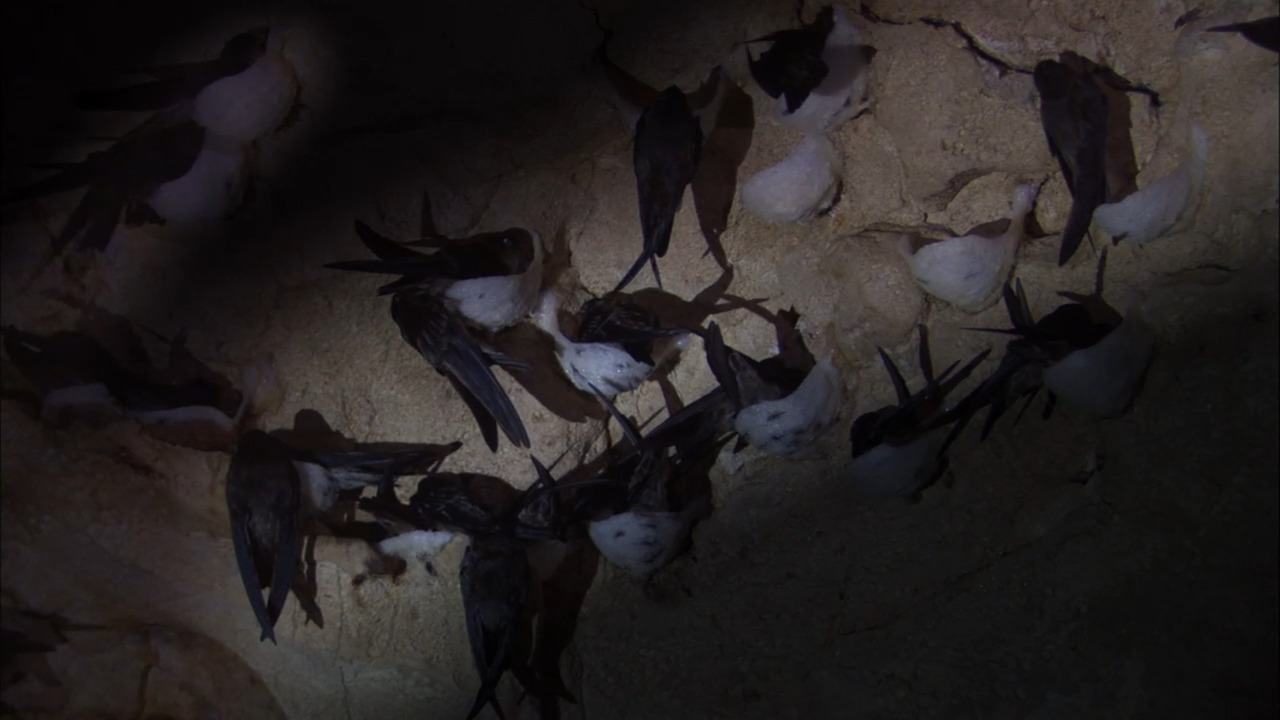
In Cave Swiftlets: Masters of Echolocation, narrator Sir David Attenborough introduces cave swiftlets, birds that, like bats, use echolocation to navigate the dark caves of Borneo. Cave swiftlets rely on clicks to find their way through pitch-black cave passages and locate their small nesting sites. Their nests, made entirely of saliva, take 30 days to build. For centuries, people have harvested these nests, which are the key ingredient in the valuable delicacy, bird’s nest soup. This video is excerpted from BBC’s Planet Earth, a breathtaking documentary series that highlights the natural wonders of our planet.
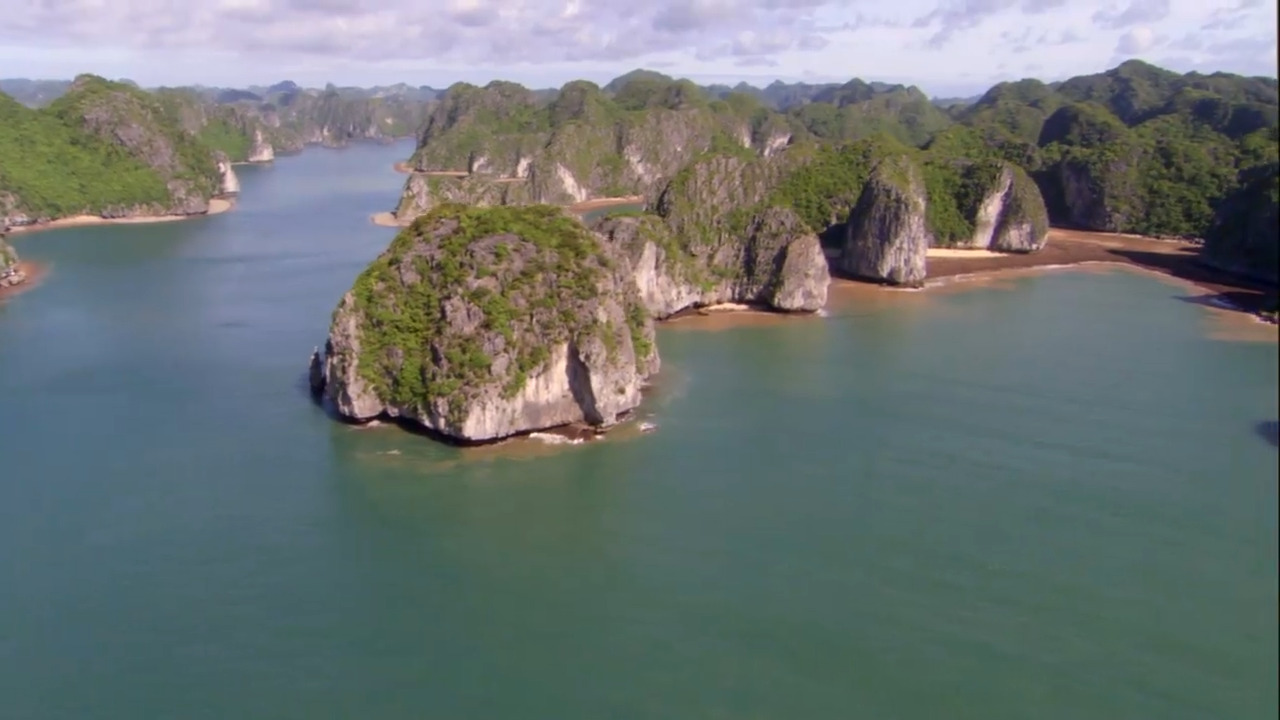
In The Power of Limestone, narrator Sir David Attenborough takes students on a journey through the fascinating world of limestone, revealing how this rock plays a critical role in shaping Earth's caves and landscapes. Limestone, which makes up nearly 10% of Earth's surface, forms from the mineral remains of marine shells and corals. Over millions of years, tectonic movements have lifted limestone from below sea level, creating towering formations, like those found in Vietnam, and sharp pinnacles in Borneo. This video is excerpted from BBC’s Planet Earth, a breathtaking documentary series that highlights the natural wonders of our planet.
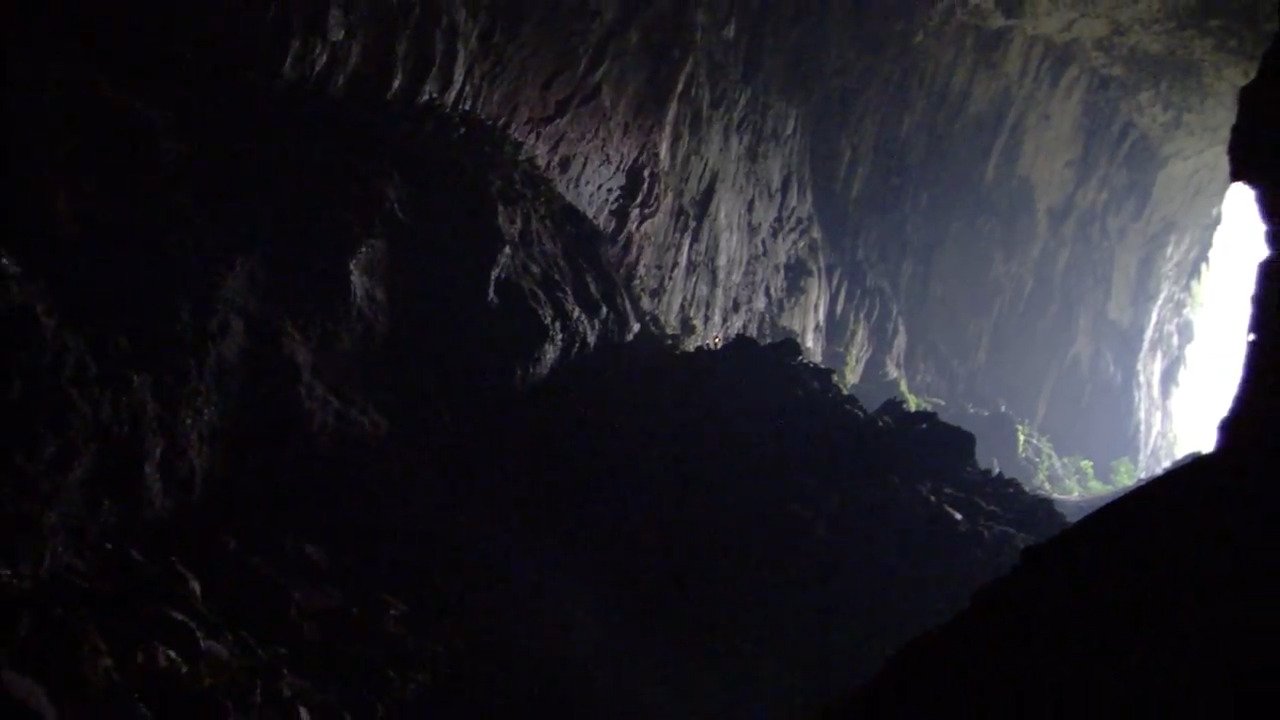
In Life Inside the Sunless Ecosystem of Deer Cave, narrator Sir David Attenborough explores Deer Cave in Borneo, the largest river passage in the world — so vast that a jumbo jet could fly through it. The cave is home to an astonishing 3 million wrinkle-lipped bats, which roost high on the cave walls and ceilings, away from predators. The bats' droppings (guano) form the foundation of a unique food chain within the cave, supporting massive populations of cockroaches, giant cave centipedes, and even crabs. This video is excerpted from BBC’s Planet Earth, a breathtaking documentary series that highlights the natural wonders of our planet.
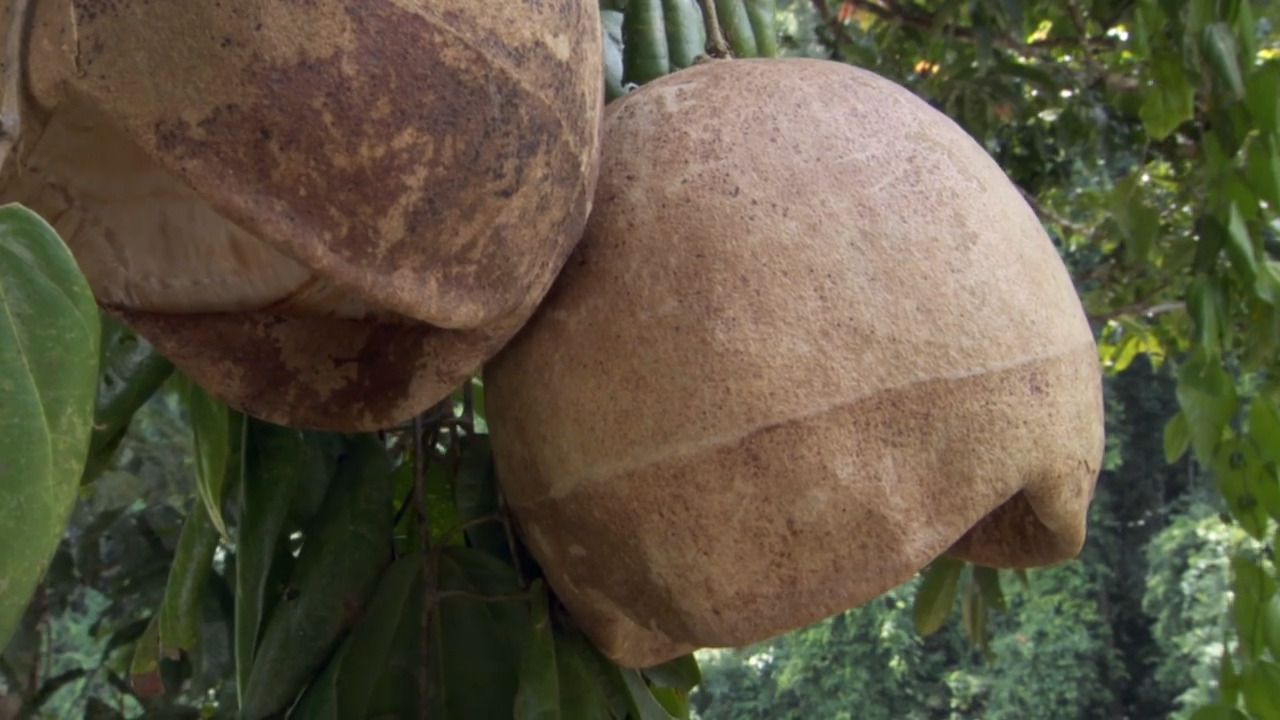
In How Plants Travel and Grow, narrator Sir David Attenborough discovers how plants spread their seeds, even though they can’t move! Deep in the Borneo forests, plants use wind to give their seeds wings — like the Alsomitra vine’s gliding seeds that soar hundreds of meters on a gentle breeze. In Arizona, the saguaro cactus relies on bats to pollinate its flowers, which bloom for just one cool night before fading. This video is excerpted from BBC's Life, a show that explores the remarkable strategies animals and plants use to ensure their survival.
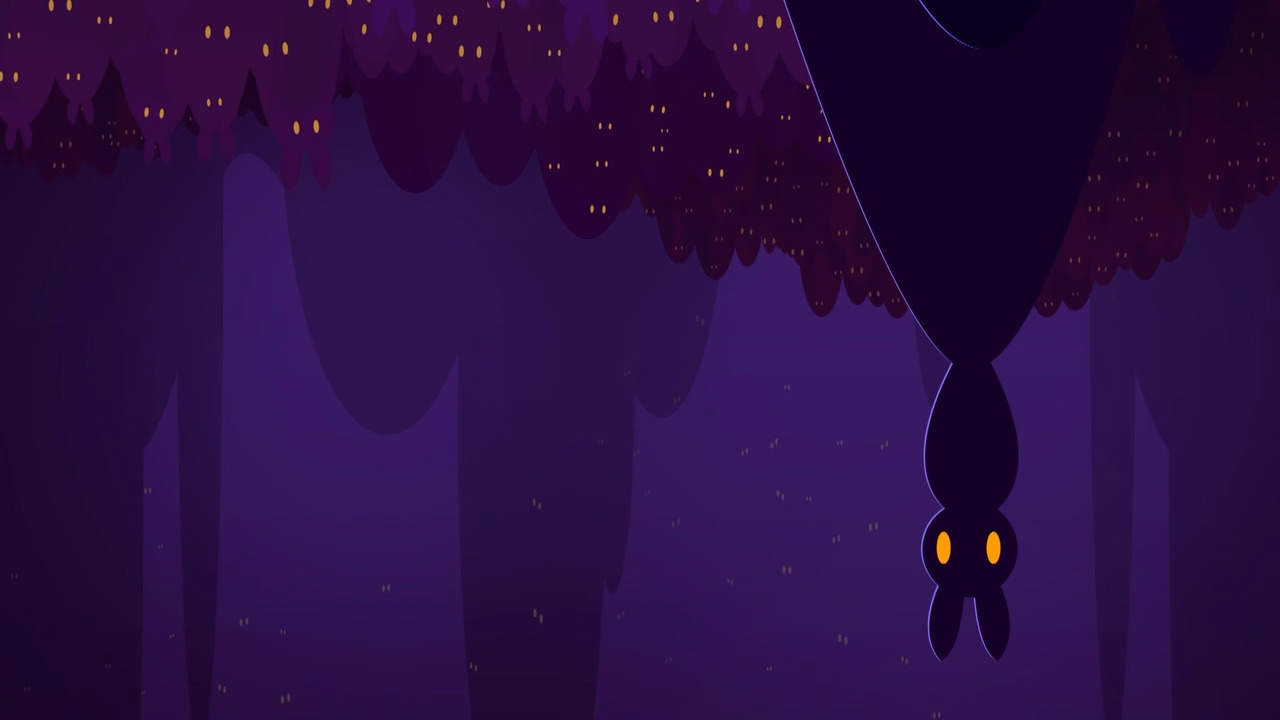
In The Go Jetters and Bats in Borneo's Deer Cave, the Go Jetters crew visits the Gua Rusa or Deer Cave in Borneo. Approximately 3 million bats and over 30 species live inside this huge cave. The guano they produce can be used as fertilizer to help plants grow larger and faster. This video is excerpted from BBC’s Go Jetters, a series that follows the adventures of four international heroes as they travel the globe visiting landmarks and solving environmental problems with Ubercorn, a disco-dancing unicorn.
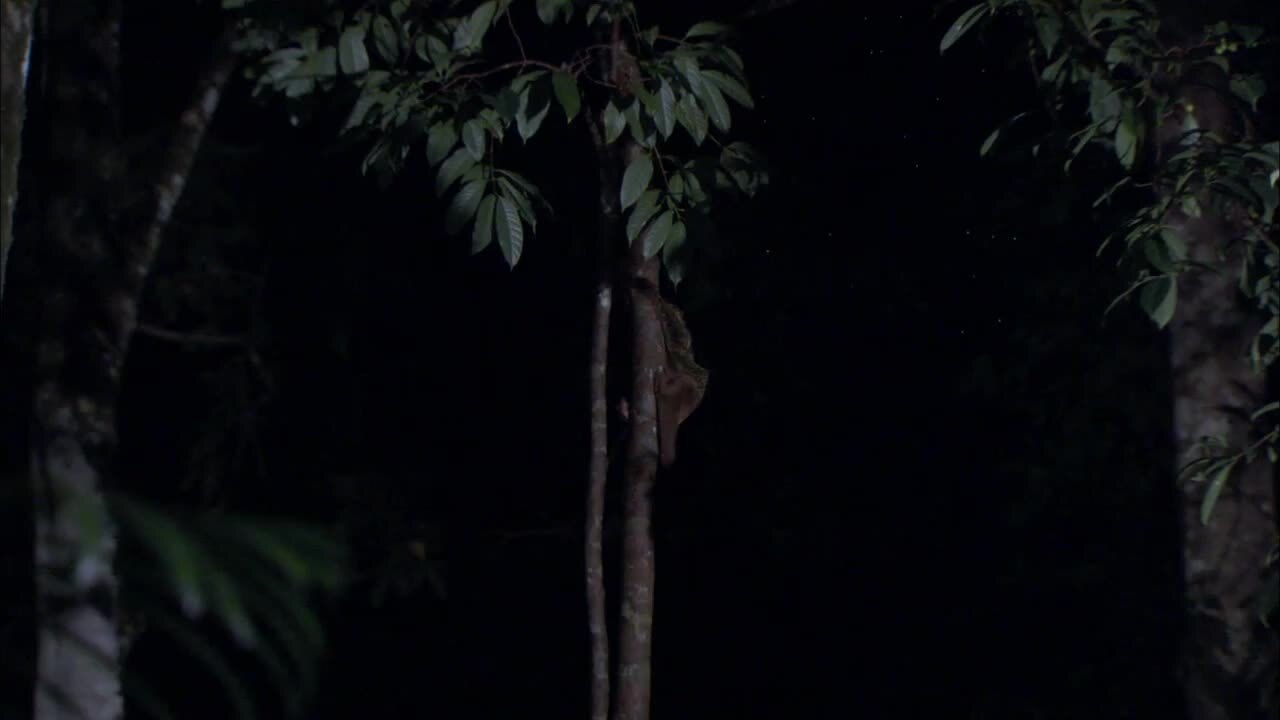
In The Colugo Glides From Tree to Tree, narrator Sir David Attenborough explores how colugos survive on the island of Borneo by traveling great distances and gliding through the sky to find food. This video is excerpted from BBC's Planet Earth, a breathtaking documentary series that highlights the natural wonders of our planet.
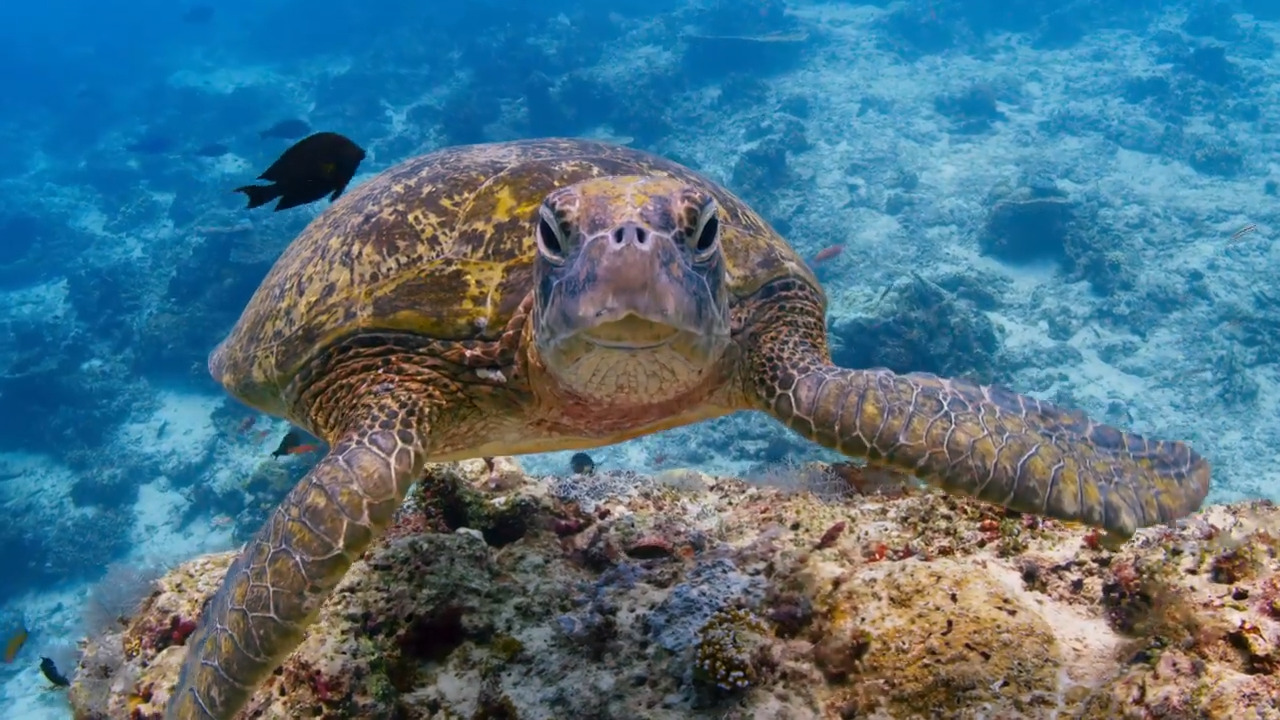
In On Turtle Rock, narrator Sir David Attenborough visits Turtle Rock, a special place in the tropical waters near Borneo. So many turtles have visited the rock over the years, they have created a hollow at the top of the rock. This video is excerpted from BBC’s Blue Planet II, a natural history series that explores the world's oceans, the animals that live in them, and the threats they face, using modern filming techniques and equipment to capture previously unseen areas of the ocean.
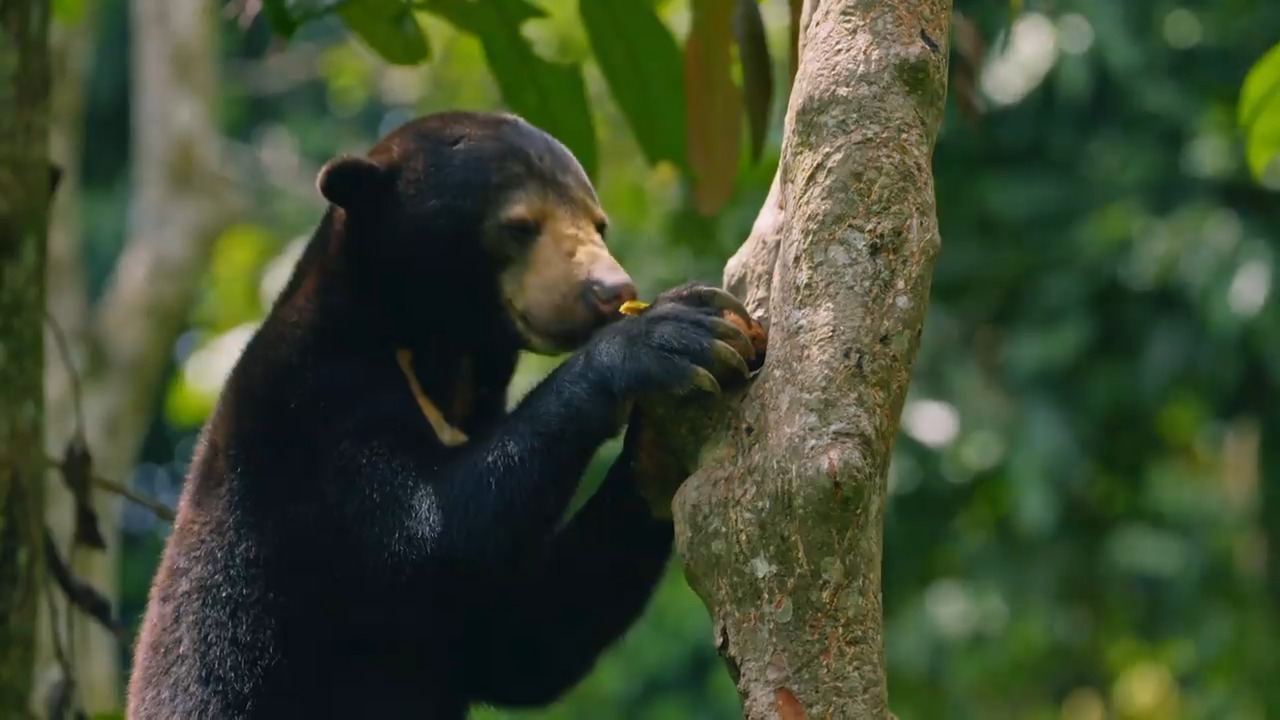
In The Very Hungry Sun Bear, naturalist Steve Backshall visits a conservation center in Borneo where sun bears are given a home as their habitat disappears due to deforestation. This video is excerpted from BBC's Deadly 60, an award-winning nature and adventure show for kids in which narrator Steve Backshall has one mission: to travel the globe in search of 60 of the world's deadliest animals.
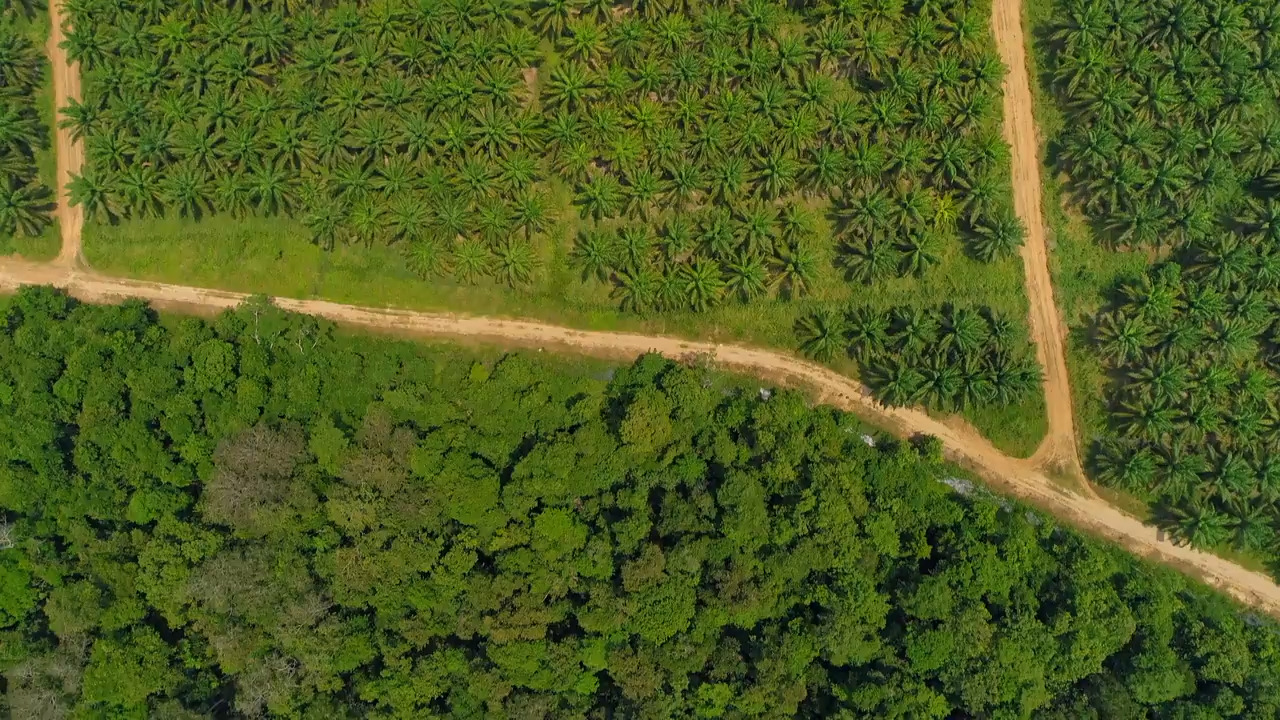
In Forest Loss in Borneo, naturalist Steve Backshall walks through the jungle to the edges of a palm oil farm to showcase the difference between diverse jungle and monoculture. This video is excerpted from BBC's Deadly 60, an award-winning nature and adventure show for kids in which narrator Steve Backshall has one mission: to travel the globe in search of 60 of the world's deadliest animals.

In The Sumatran Rhinoceros Faces Extinction, narrator Sir David Attenborough highlights the dire situation of the Sumatran rhinoceros, with fewer than 70 individuals left. The rapid destruction of South East Asia’s forests, driven by deforestation for timber and agriculture, has led to the loss of habitats for many species, including the rhino. This video is excerpted from BBC’s Seven Worlds, One Planet, a series featuring remarkable animal behavior from all seven continents.
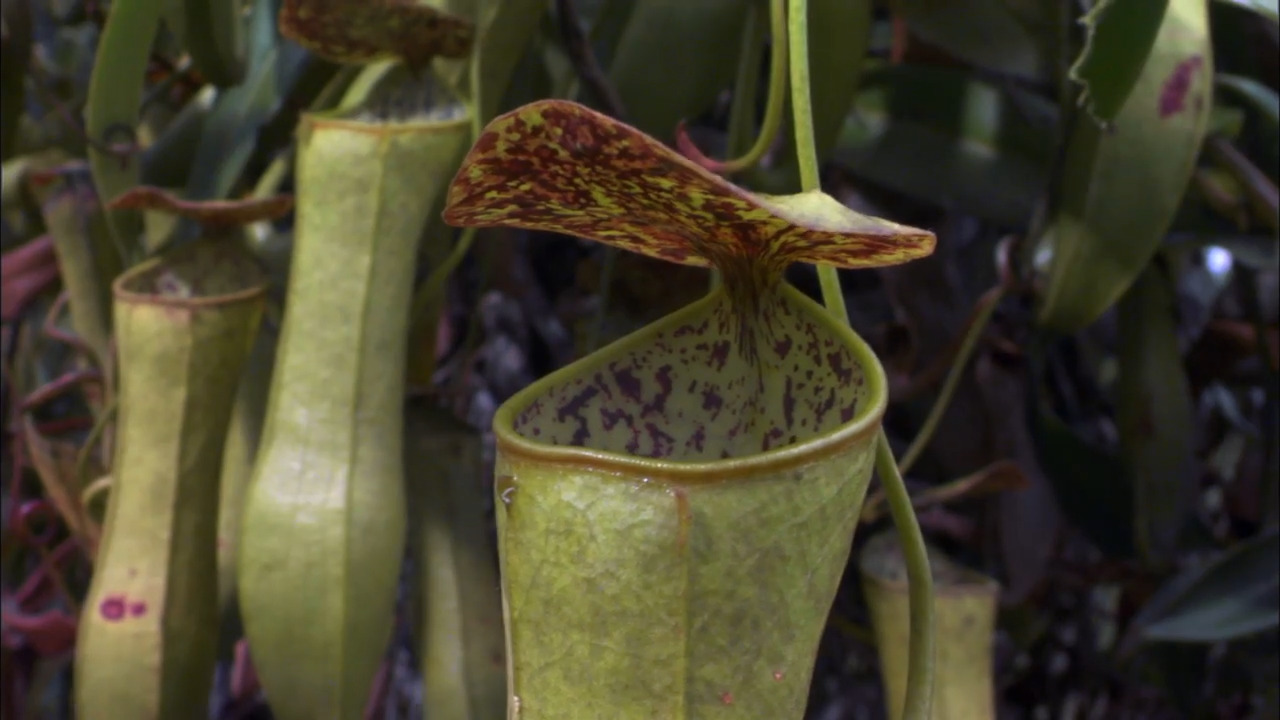
In Meet the Pitcher Plant, narrator Sir David Attenborough explores the pitcher plant. The pitcher plant gets most of its nutrients from insects, which it traps using its waxy sides to prevent insects from escaping. Learn how the red crab spider spends its entire life inside pitcher plants, and can dive down to the bottom of the pitcher by creating a bubble of air around itself. This video is excerpted from BBC's Planet Earth, a breathtaking documentary series that highlights the natural wonders of our planet.
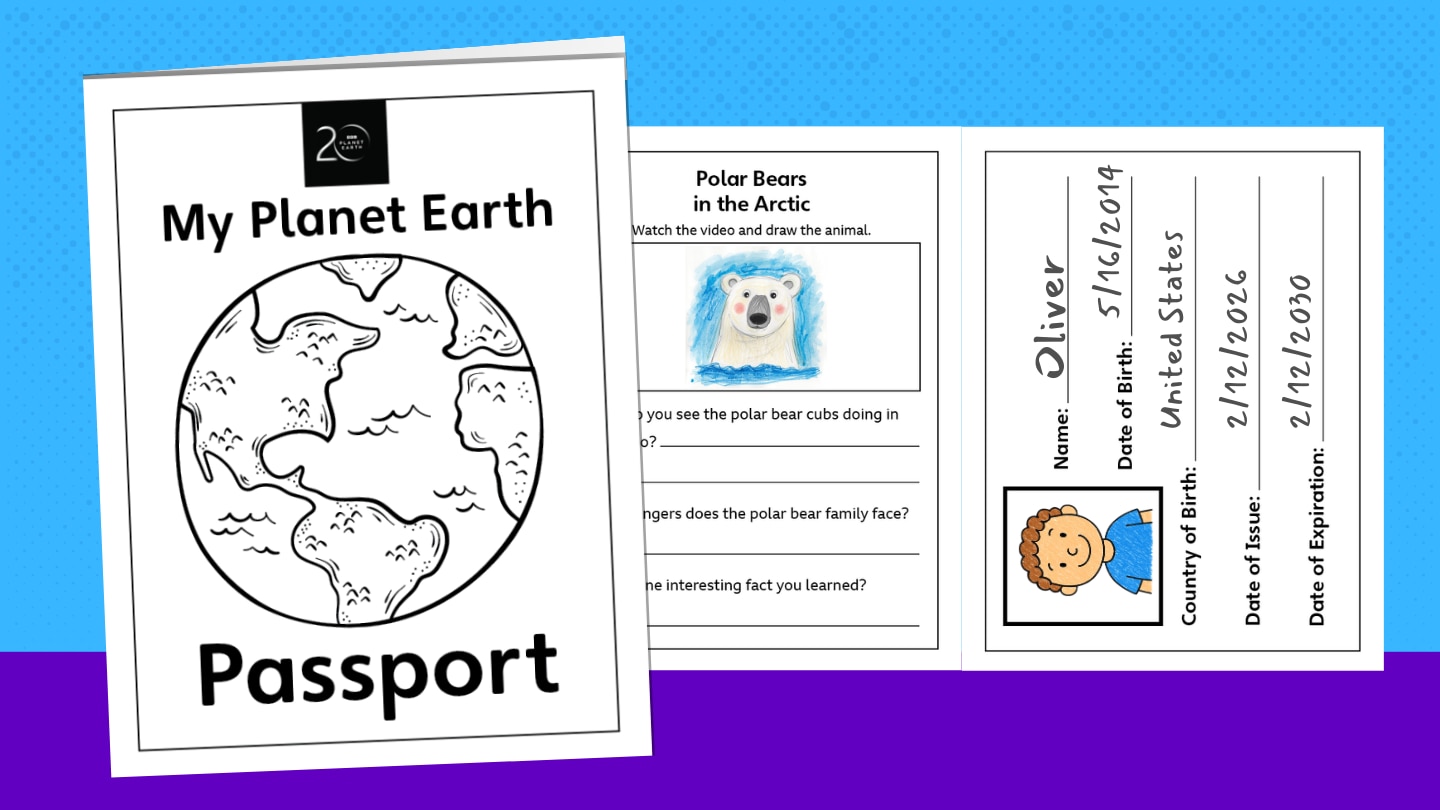
This Planet Earth Passport is your students' perfect guide (just right for ages 8–11) to exploring some of the most-watched videos clips from the iconic BBC series Planet Earth. And it's right in time for Earth Day on April 22!
You can take part by showing your class our playlist of eight amazing animal videos and using our passport as a companion. Students will follow the map to each location and answer questions at each stop. They'll explore:
- Polar Bears in Antarctica
- Bobcats in the Rocky Mountains
- Catfish in France
- Marine Iguanas in the Galápagos
- Cave Swiftlets in Borneo
- Mouse Lemurs in Madagascar
- Dolphins in Western Australia
- Emperor Penguins in Antarctica
To make copies of the passport, print on both sides flipped on the long edge. Make sure you collate and then cut them in half (there are two passports per set).
In Cave Swiftlets: Masters of Echolocation, narrator Sir David Attenborough introduces cave swiftlets, birds that, like bats, use echolocation to navigate the dark caves of Borneo. Cave swiftlets rely on clicks to find their way through pitch-black cave passages and locate their small nesting sites. Their nests, made entirely of saliva, take 30 days to build. For centuries, people have harvested these nests, which are the key ingredient in the valuable delicacy, bird’s nest soup. This video is excerpted from BBC’s Planet Earth, a breathtaking documentary series that highlights the natural wonders of our planet.
In The Power of Limestone, narrator Sir David Attenborough takes students on a journey through the fascinating world of limestone, revealing how this rock plays a critical role in shaping Earth's caves and landscapes. Limestone, which makes up nearly 10% of Earth's surface, forms from the mineral remains of marine shells and corals. Over millions of years, tectonic movements have lifted limestone from below sea level, creating towering formations, like those found in Vietnam, and sharp pinnacles in Borneo. This video is excerpted from BBC’s Planet Earth, a breathtaking documentary series that highlights the natural wonders of our planet.
In Life Inside the Sunless Ecosystem of Deer Cave, narrator Sir David Attenborough explores Deer Cave in Borneo, the largest river passage in the world — so vast that a jumbo jet could fly through it. The cave is home to an astonishing 3 million wrinkle-lipped bats, which roost high on the cave walls and ceilings, away from predators. The bats' droppings (guano) form the foundation of a unique food chain within the cave, supporting massive populations of cockroaches, giant cave centipedes, and even crabs. This video is excerpted from BBC’s Planet Earth, a breathtaking documentary series that highlights the natural wonders of our planet.
In How Plants Travel and Grow, narrator Sir David Attenborough discovers how plants spread their seeds, even though they can’t move! Deep in the Borneo forests, plants use wind to give their seeds wings — like the Alsomitra vine’s gliding seeds that soar hundreds of meters on a gentle breeze. In Arizona, the saguaro cactus relies on bats to pollinate its flowers, which bloom for just one cool night before fading. This video is excerpted from BBC's Life, a show that explores the remarkable strategies animals and plants use to ensure their survival.
In The Go Jetters and Bats in Borneo's Deer Cave, the Go Jetters crew visits the Gua Rusa or Deer Cave in Borneo. Approximately 3 million bats and over 30 species live inside this huge cave. The guano they produce can be used as fertilizer to help plants grow larger and faster. This video is excerpted from BBC’s Go Jetters, a series that follows the adventures of four international heroes as they travel the globe visiting landmarks and solving environmental problems with Ubercorn, a disco-dancing unicorn.
In The Colugo Glides From Tree to Tree, narrator Sir David Attenborough explores how colugos survive on the island of Borneo by traveling great distances and gliding through the sky to find food. This video is excerpted from BBC's Planet Earth, a breathtaking documentary series that highlights the natural wonders of our planet.
In On Turtle Rock, narrator Sir David Attenborough visits Turtle Rock, a special place in the tropical waters near Borneo. So many turtles have visited the rock over the years, they have created a hollow at the top of the rock. This video is excerpted from BBC’s Blue Planet II, a natural history series that explores the world's oceans, the animals that live in them, and the threats they face, using modern filming techniques and equipment to capture previously unseen areas of the ocean.
In The Very Hungry Sun Bear, naturalist Steve Backshall visits a conservation center in Borneo where sun bears are given a home as their habitat disappears due to deforestation. This video is excerpted from BBC's Deadly 60, an award-winning nature and adventure show for kids in which narrator Steve Backshall has one mission: to travel the globe in search of 60 of the world's deadliest animals.
In Forest Loss in Borneo, naturalist Steve Backshall walks through the jungle to the edges of a palm oil farm to showcase the difference between diverse jungle and monoculture. This video is excerpted from BBC's Deadly 60, an award-winning nature and adventure show for kids in which narrator Steve Backshall has one mission: to travel the globe in search of 60 of the world's deadliest animals.
In The Sumatran Rhinoceros Faces Extinction, narrator Sir David Attenborough highlights the dire situation of the Sumatran rhinoceros, with fewer than 70 individuals left. The rapid destruction of South East Asia’s forests, driven by deforestation for timber and agriculture, has led to the loss of habitats for many species, including the rhino. This video is excerpted from BBC’s Seven Worlds, One Planet, a series featuring remarkable animal behavior from all seven continents.
In Meet the Pitcher Plant, narrator Sir David Attenborough explores the pitcher plant. The pitcher plant gets most of its nutrients from insects, which it traps using its waxy sides to prevent insects from escaping. Learn how the red crab spider spends its entire life inside pitcher plants, and can dive down to the bottom of the pitcher by creating a bubble of air around itself. This video is excerpted from BBC's Planet Earth, a breathtaking documentary series that highlights the natural wonders of our planet.
This Planet Earth Passport is your students' perfect guide (just right for ages 8–11) to exploring some of the most-watched videos clips from the iconic BBC series Planet Earth. And it's right in time for Earth Day on April 22!
You can take part by showing your class our playlist of eight amazing animal videos and using our passport as a companion. Students will follow the map to each location and answer questions at each stop. They'll explore:
- Polar Bears in Antarctica
- Bobcats in the Rocky Mountains
- Catfish in France
- Marine Iguanas in the Galápagos
- Cave Swiftlets in Borneo
- Mouse Lemurs in Madagascar
- Dolphins in Western Australia
- Emperor Penguins in Antarctica
To make copies of the passport, print on both sides flipped on the long edge. Make sure you collate and then cut them in half (there are two passports per set).