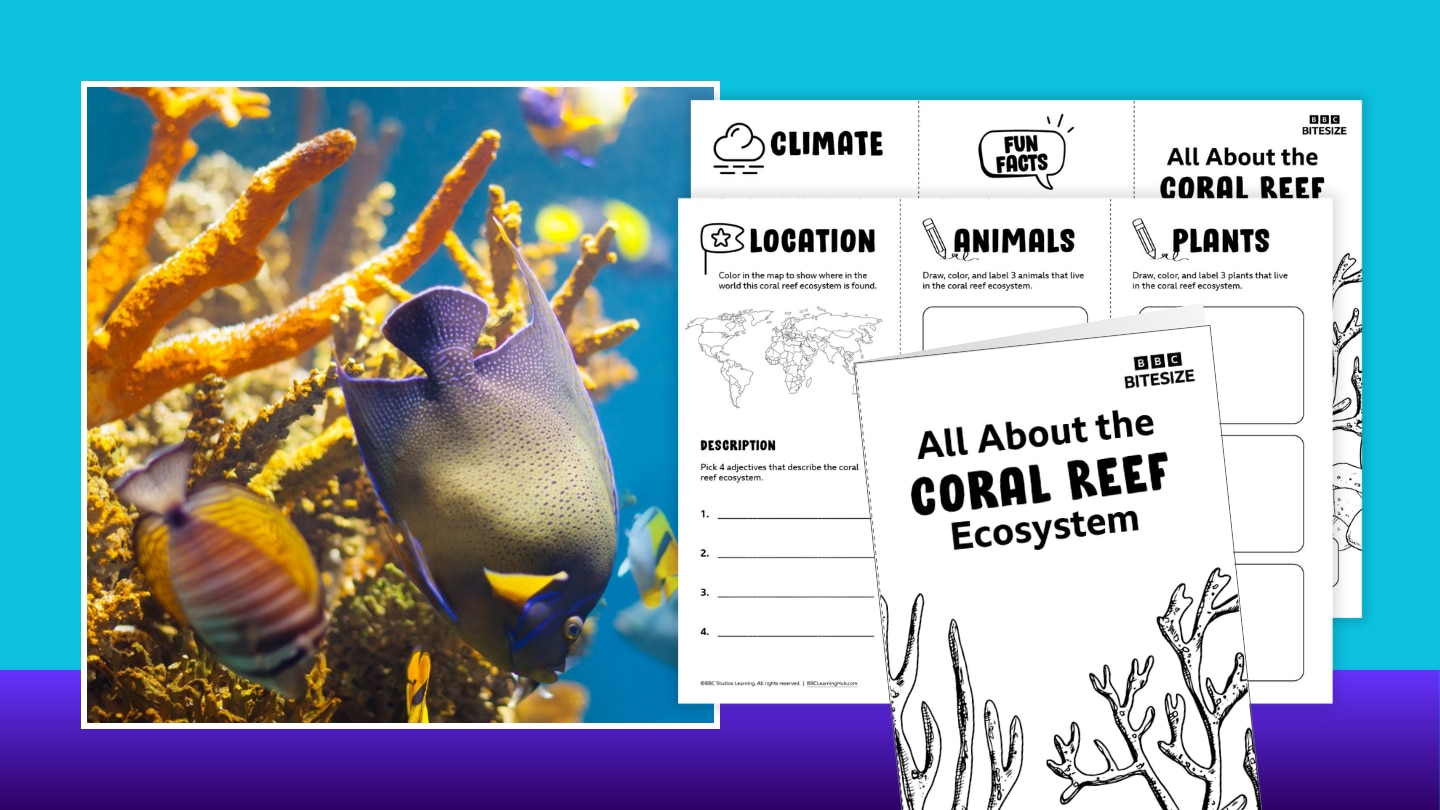
Bring your students on an underwater adventure into the coral reef ecosystem! Whether you're exploring the vast beauty of the Great Barrier Reef in Australia or diving into the rich, biodiverse waters of Indonesia, coral reefs are some of the most vibrant and important ecosystems on Earth.
✨ Perfect for grades 3–8, here’s what you need to bring ecosystems to life:
- Iconic BBC Videos: Share the clips on this page to introduce the location, plants, animals, and climate of the coral reefs. (Don't miss the tusk fish and octopuses!) Brought to you by world-class BBC programs like Planet Earth, Blue Planet, Animal Babies, and Life.
- Free Printable: Use the Coral Reef Brochure Template to help students pull it all together in an ecosystem report with facts they’ve learned (and a little extra research).
It’s everything you need to make ecosystems easy to teach and truly memorable for your students.
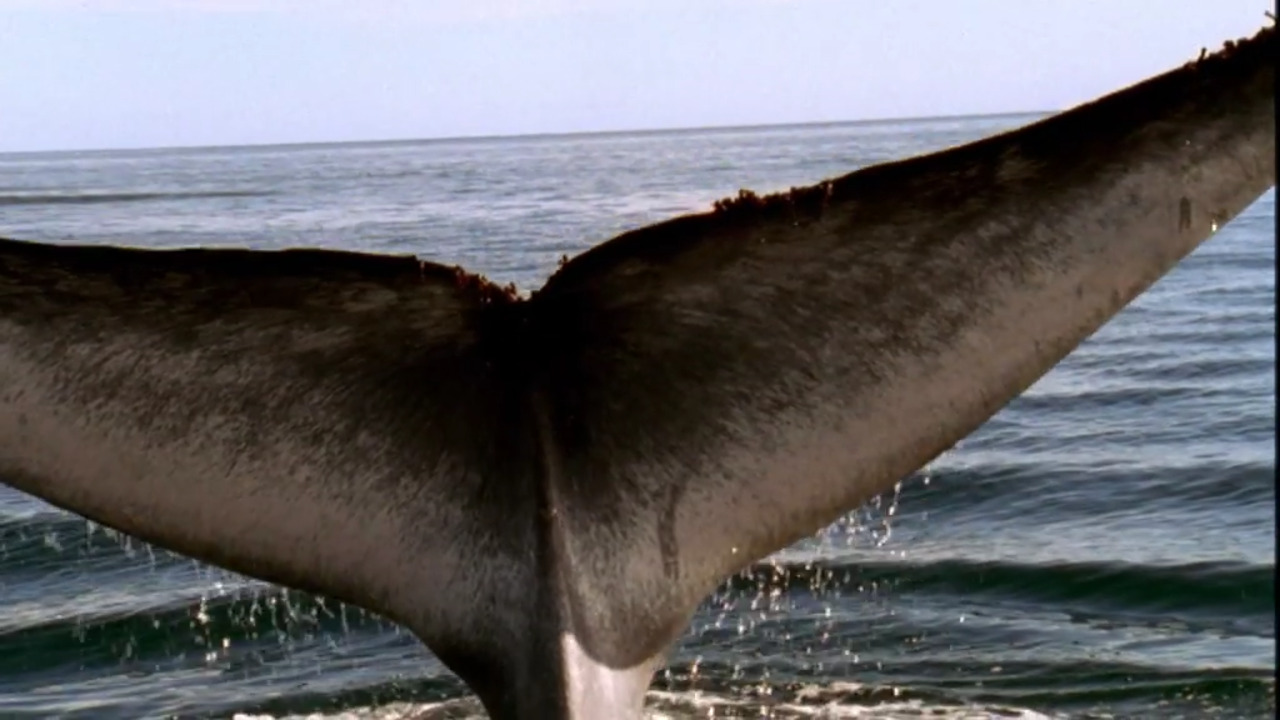
In The Blue Whale is The Biggest Animal That Has Ever Lived, narrator Sir David Attenborough investigates the largest animal on Earth, the blue whale, and what it reminds us about the oceans. This video is excerpted from BBC’s Blue Planet, a definitive documentary series diving into the mysterious depths of the sea to discover the natural history of the world’s oceans and the rarely seen marine life that reside there.
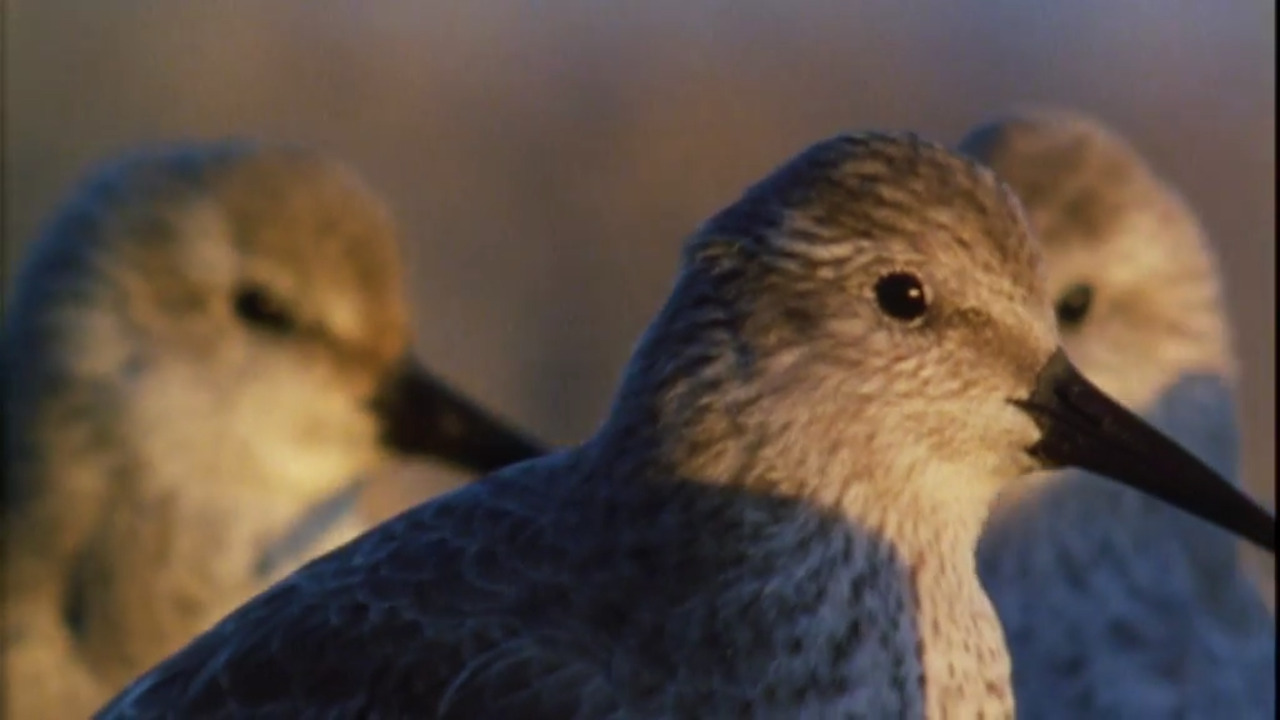
In Animal Adaptations Due to Receding Tides, narrator Sir David Attenborough explains how invertebrates in the mud are impacted by the receding tide, how flounder use the currents, and how ospreys hunt. Observe animal adaptations in the wading birds and the flounder. This video is excerpted from BBC’s Blue Planet, a definitive documentary series diving into the mysterious depths of the sea to discover the natural history of the world’s oceans and the rarely seen marine life that reside there.
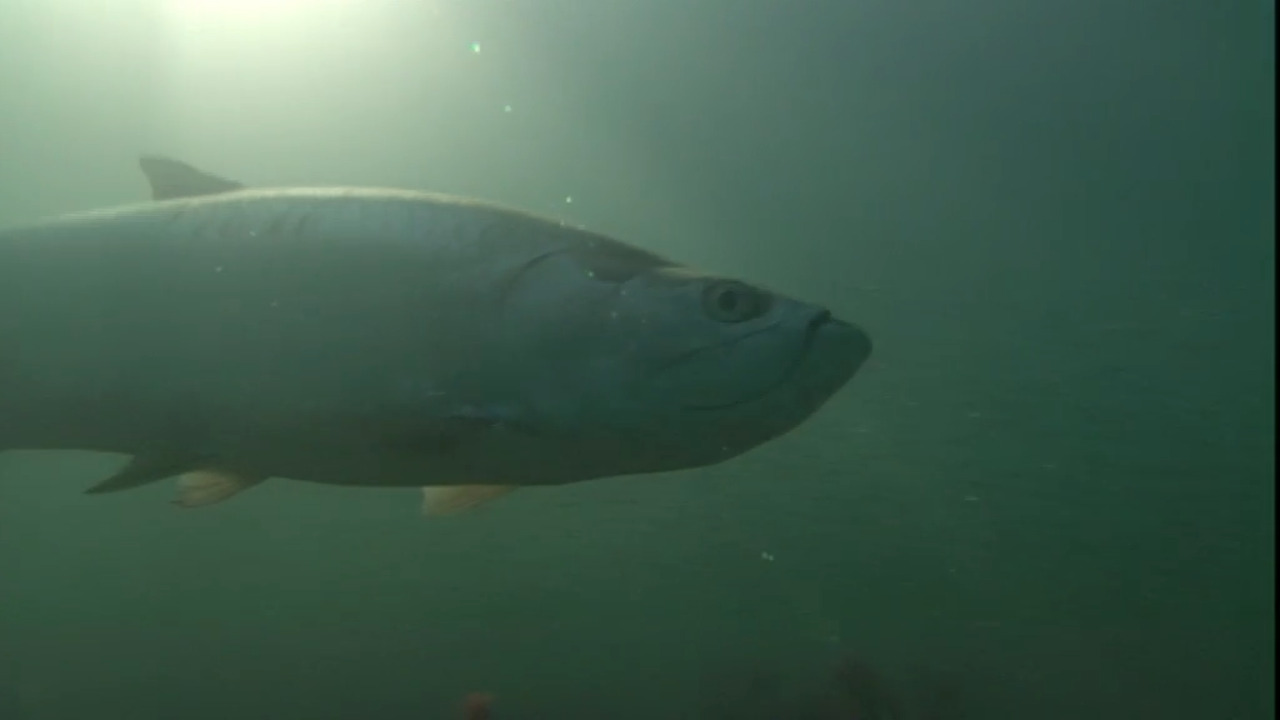
In Life in the Mangroves During Spring Tides, narrator Sir David Attenborough examines what happens in the sea-grass bed and mangrove forest when a large tide comes in. Learn how one animal, the tarpon, has adapted to living in an ecosystem that has low levels of oxygen. This video is excerpted from BBC’s Blue Planet, a definitive documentary series diving into the mysterious depths of the sea to discover the natural history of the world’s oceans and the rarely seen marine life that reside there.
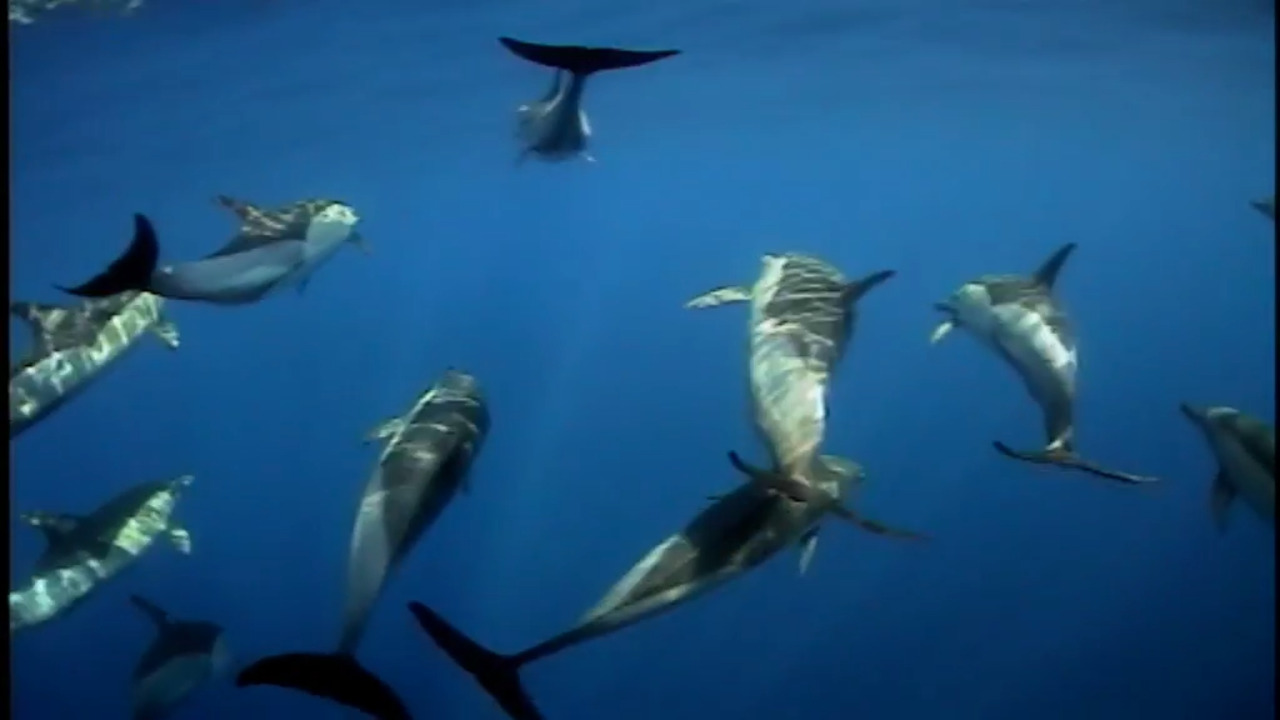
In Dolphin Superpods Travel Together, narrator Sir David Attenborough follows a superpod of dolphins on their way to the Azores. This video is excerpted from BBC’s Blue Planet, a definitive documentary series diving into the mysterious depths of the sea to discover the natural history of the world’s oceans and the rarely seen marine life that reside there.
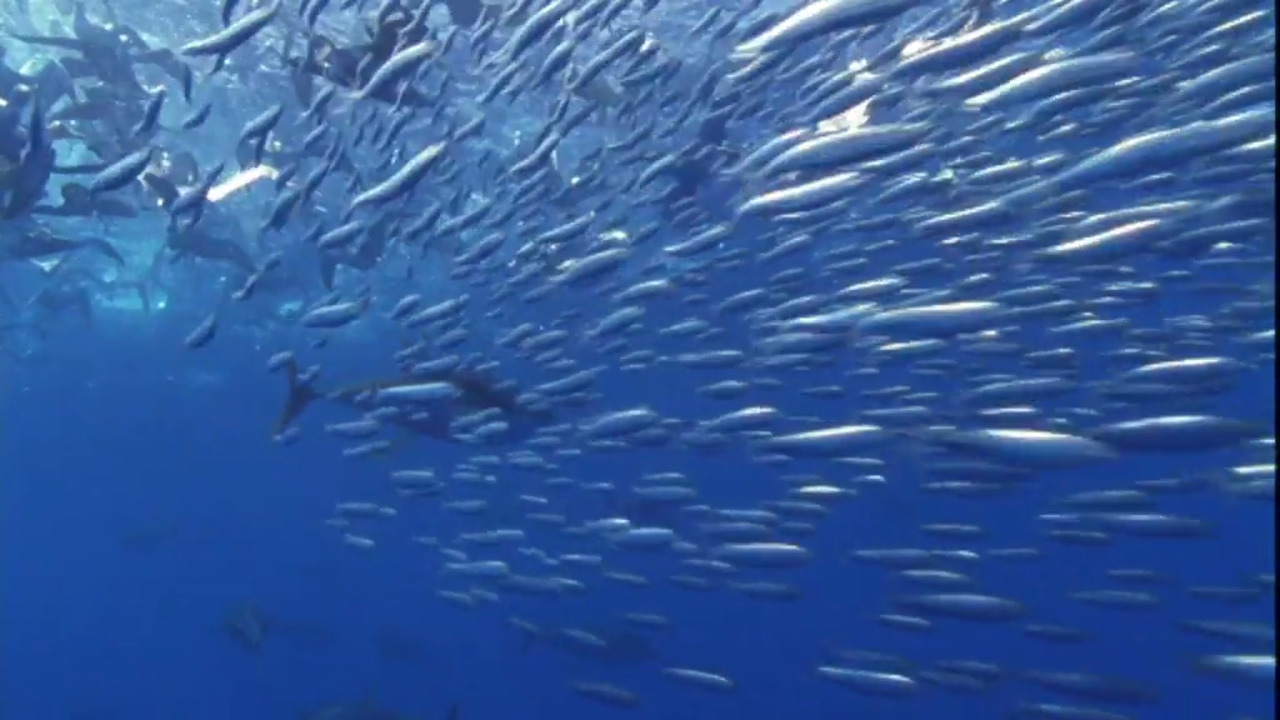
In Why Sea Life Loves to Eat Mackerel!, narrator Sir David Attenborough explains how dolphin, shearwaters, and tuna all engage in a feeding frenzy with mackerel and how the animals work together. This video is excerpted from BBC’s Blue Planet, a definitive documentary series diving into the mysterious depths of the sea to discover the natural history of the world’s oceans and the rarely seen marine life that resides there.
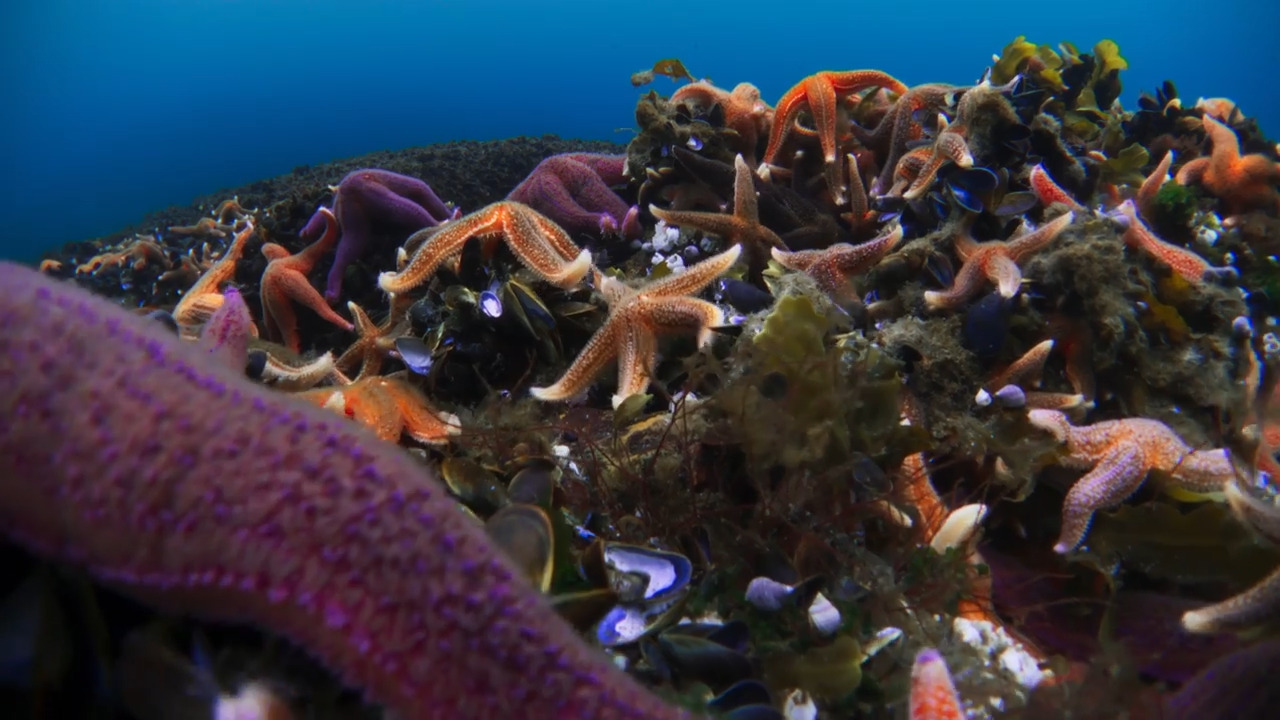
In Climate Change and Warming Seas, Sir David Attenborough highlights what researchers are learning about warming seas and its impact on the health of our planet. This video is excerpted from BBC’s Blue Planet II, a natural history series that explores the world's oceans, the animals that live in them, and the threats they face, using modern filming techniques and equipment to capture previously unseen areas of the ocean.
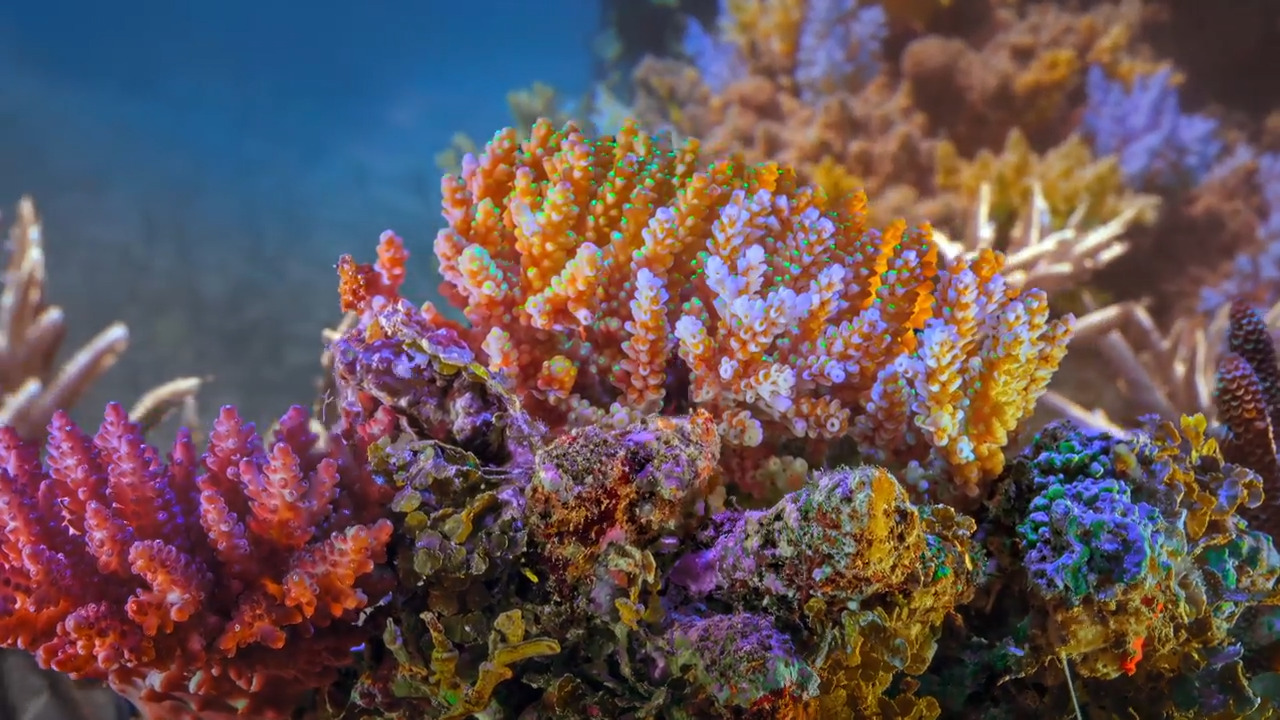
In Changes in the Coral Reef, narrator Sir David Attenborough describes how one diver is capturing the coral bleaching around Lizard Island in Australia. This video is excerpted from BBC’s Blue Planet II, a natural history series that explores the world's oceans, the animals that live in them, and the threats they face, using modern filming techniques and equipment to capture previously unseen areas of the ocean.
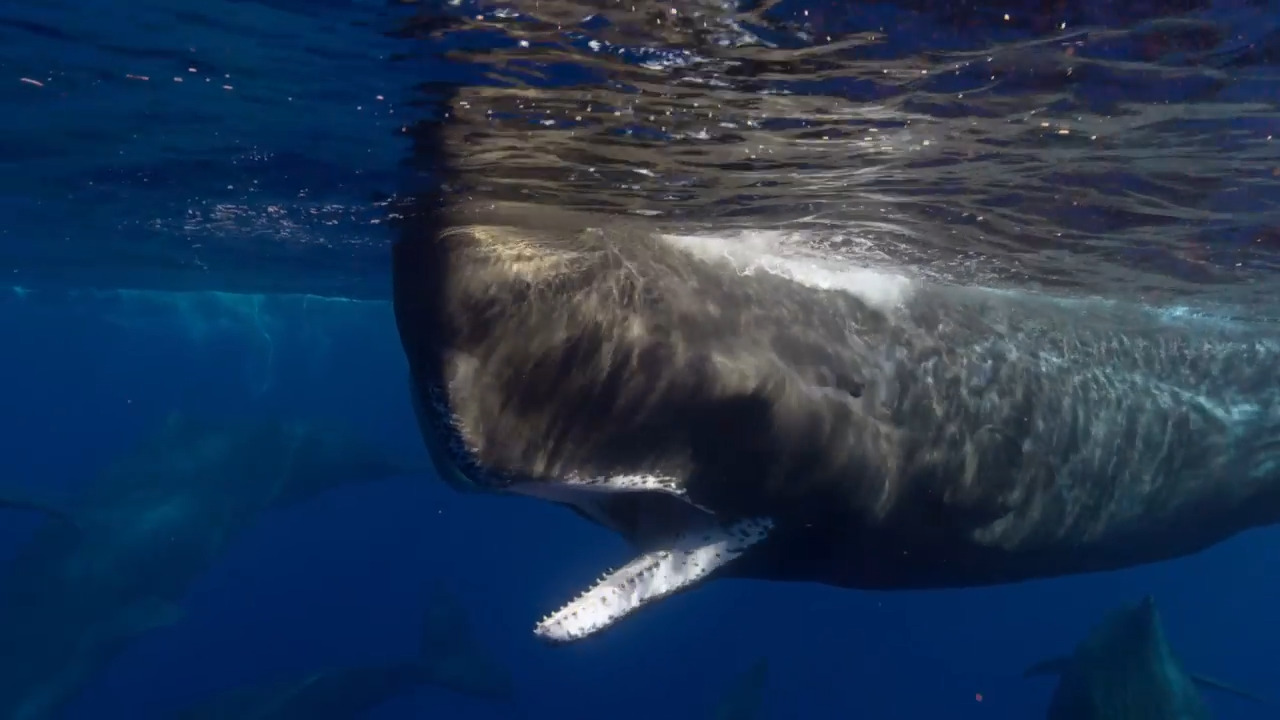
In A Resurgence of Sperm Whales, narrator Sir David Attenborough explains how sperm whales, once on the brink of extinction, now swim in the hundreds off the coast of Sri Lanka. This video is excerpted from BBC’s Blue Planet II, a natural history series that explores the world's oceans, the animals that live in them, and the threats they face, using modern filming techniques and equipment to capture previously unseen areas of the ocean.
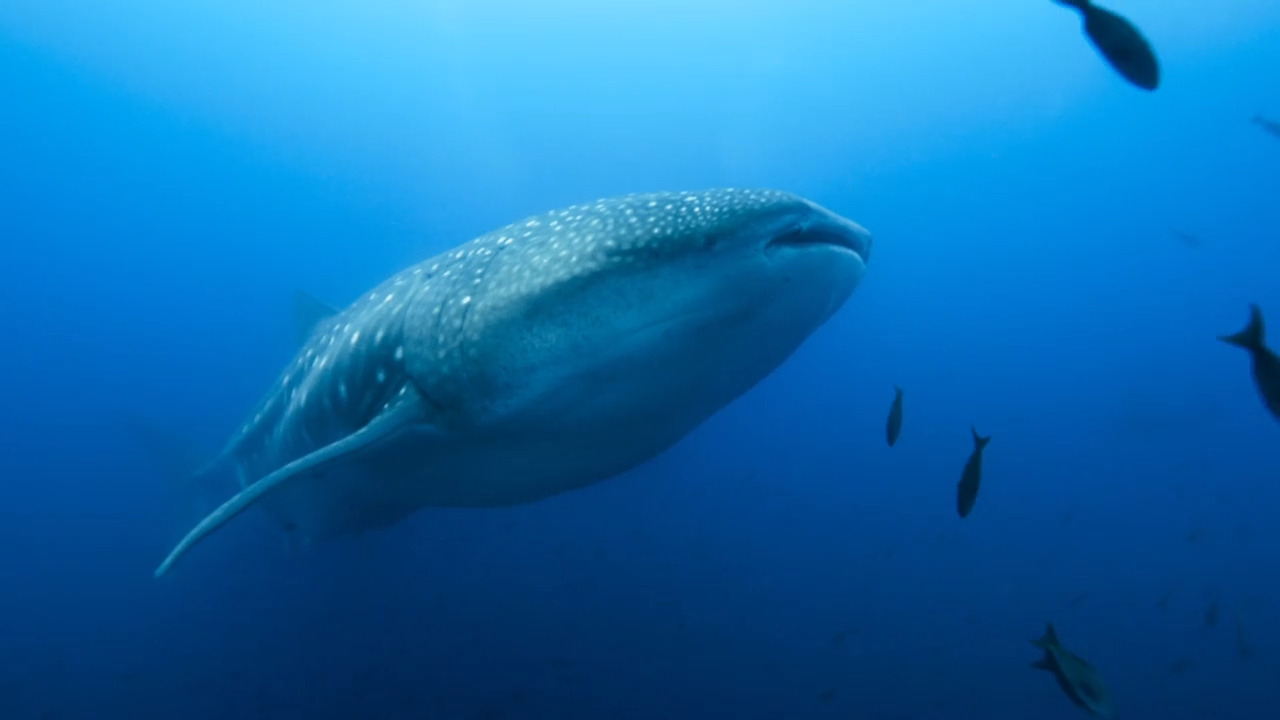
In Saving the Whale Shark, the World's Largest Fish, narrator Sir David Attenborough shares how one scientist is trying to learn exactly where whale shark nurseries are in order to protect them. This video is excerpted from BBC’s Blue Planet II, a natural history series that explores the world's oceans, the animals that live in them, and the threats they face, using modern filming techniques and equipment to capture previously unseen areas of the ocean.
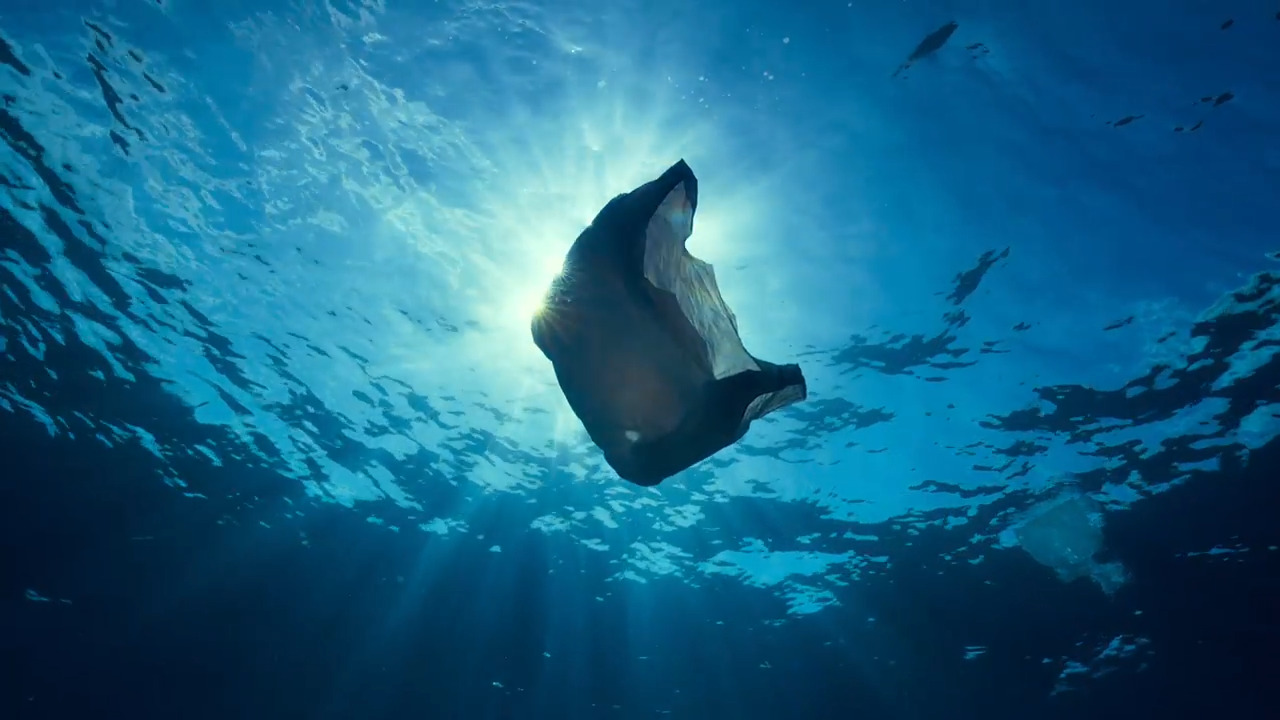
In A Plastic Problem for the Albatross, narrator Sir David Attenborough highlights what one researcher is learning about how plastic in the ocean impacts the albatross. This video is excerpted from BBC’s Blue Planet II, a natural history series that explores the world's oceans, the animals that live in them, and the threats they face, using modern filming techniques and equipment to capture previously unseen areas of the ocean.
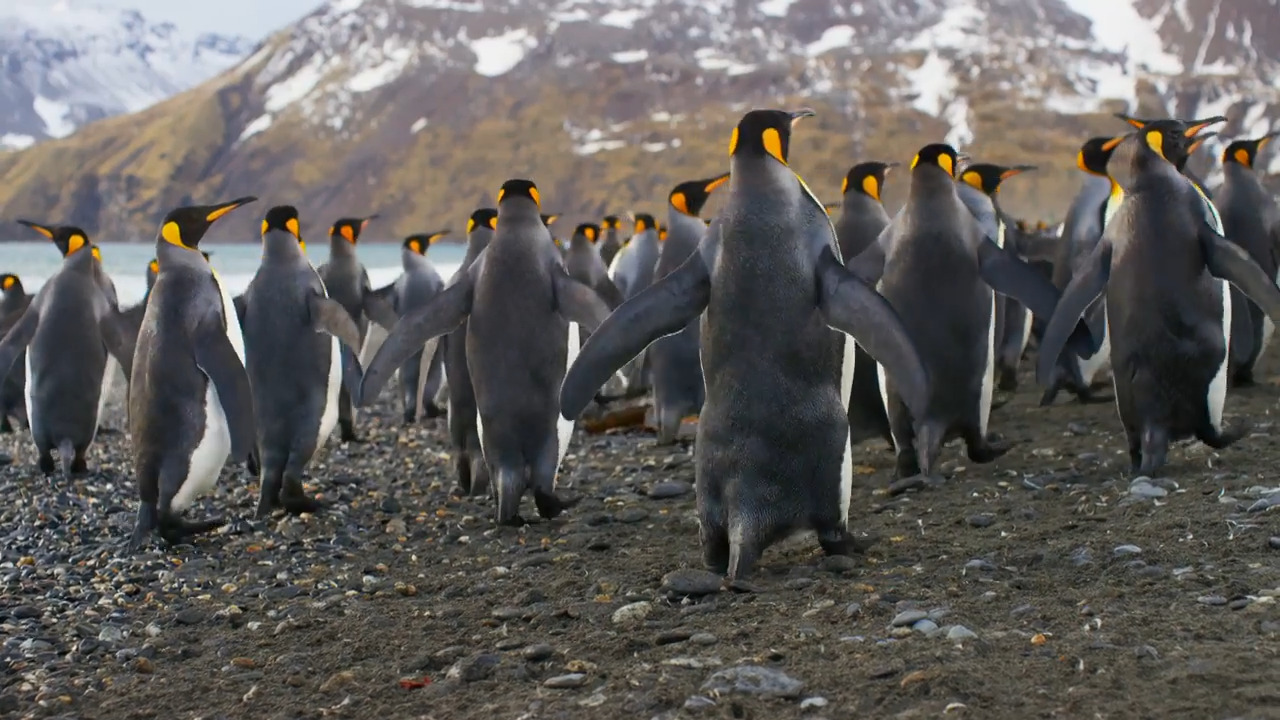
In King Penguins and Their Survival Suits, narrator Sir David Attenborough highlights how king penguins go through a dramatic change on the remote South Georgia island. This video is excerpted from BBC’s Blue Planet II, a natural history series that explores the world's oceans, the animals that live in them, and the threats they face, using modern filming techniques and equipment to capture previously unseen areas of the ocean.
Bring your students on an underwater adventure into the coral reef ecosystem! Whether you're exploring the vast beauty of the Great Barrier Reef in Australia or diving into the rich, biodiverse waters of Indonesia, coral reefs are some of the most vibrant and important ecosystems on Earth.
✨ Perfect for grades 3–8, here’s what you need to bring ecosystems to life:
- Iconic BBC Videos: Share the clips on this page to introduce the location, plants, animals, and climate of the coral reefs. (Don't miss the tusk fish and octopuses!) Brought to you by world-class BBC programs like Planet Earth, Blue Planet, Animal Babies, and Life.
- Free Printable: Use the Coral Reef Brochure Template to help students pull it all together in an ecosystem report with facts they’ve learned (and a little extra research).
It’s everything you need to make ecosystems easy to teach and truly memorable for your students.
In The Blue Whale is The Biggest Animal That Has Ever Lived, narrator Sir David Attenborough investigates the largest animal on Earth, the blue whale, and what it reminds us about the oceans. This video is excerpted from BBC’s Blue Planet, a definitive documentary series diving into the mysterious depths of the sea to discover the natural history of the world’s oceans and the rarely seen marine life that reside there.
In Animal Adaptations Due to Receding Tides, narrator Sir David Attenborough explains how invertebrates in the mud are impacted by the receding tide, how flounder use the currents, and how ospreys hunt. Observe animal adaptations in the wading birds and the flounder. This video is excerpted from BBC’s Blue Planet, a definitive documentary series diving into the mysterious depths of the sea to discover the natural history of the world’s oceans and the rarely seen marine life that reside there.
In Life in the Mangroves During Spring Tides, narrator Sir David Attenborough examines what happens in the sea-grass bed and mangrove forest when a large tide comes in. Learn how one animal, the tarpon, has adapted to living in an ecosystem that has low levels of oxygen. This video is excerpted from BBC’s Blue Planet, a definitive documentary series diving into the mysterious depths of the sea to discover the natural history of the world’s oceans and the rarely seen marine life that reside there.
In Dolphin Superpods Travel Together, narrator Sir David Attenborough follows a superpod of dolphins on their way to the Azores. This video is excerpted from BBC’s Blue Planet, a definitive documentary series diving into the mysterious depths of the sea to discover the natural history of the world’s oceans and the rarely seen marine life that reside there.
In Why Sea Life Loves to Eat Mackerel!, narrator Sir David Attenborough explains how dolphin, shearwaters, and tuna all engage in a feeding frenzy with mackerel and how the animals work together. This video is excerpted from BBC’s Blue Planet, a definitive documentary series diving into the mysterious depths of the sea to discover the natural history of the world’s oceans and the rarely seen marine life that resides there.
In Climate Change and Warming Seas, Sir David Attenborough highlights what researchers are learning about warming seas and its impact on the health of our planet. This video is excerpted from BBC’s Blue Planet II, a natural history series that explores the world's oceans, the animals that live in them, and the threats they face, using modern filming techniques and equipment to capture previously unseen areas of the ocean.
In Changes in the Coral Reef, narrator Sir David Attenborough describes how one diver is capturing the coral bleaching around Lizard Island in Australia. This video is excerpted from BBC’s Blue Planet II, a natural history series that explores the world's oceans, the animals that live in them, and the threats they face, using modern filming techniques and equipment to capture previously unseen areas of the ocean.
In A Resurgence of Sperm Whales, narrator Sir David Attenborough explains how sperm whales, once on the brink of extinction, now swim in the hundreds off the coast of Sri Lanka. This video is excerpted from BBC’s Blue Planet II, a natural history series that explores the world's oceans, the animals that live in them, and the threats they face, using modern filming techniques and equipment to capture previously unseen areas of the ocean.
In Saving the Whale Shark, the World's Largest Fish, narrator Sir David Attenborough shares how one scientist is trying to learn exactly where whale shark nurseries are in order to protect them. This video is excerpted from BBC’s Blue Planet II, a natural history series that explores the world's oceans, the animals that live in them, and the threats they face, using modern filming techniques and equipment to capture previously unseen areas of the ocean.
In A Plastic Problem for the Albatross, narrator Sir David Attenborough highlights what one researcher is learning about how plastic in the ocean impacts the albatross. This video is excerpted from BBC’s Blue Planet II, a natural history series that explores the world's oceans, the animals that live in them, and the threats they face, using modern filming techniques and equipment to capture previously unseen areas of the ocean.
In King Penguins and Their Survival Suits, narrator Sir David Attenborough highlights how king penguins go through a dramatic change on the remote South Georgia island. This video is excerpted from BBC’s Blue Planet II, a natural history series that explores the world's oceans, the animals that live in them, and the threats they face, using modern filming techniques and equipment to capture previously unseen areas of the ocean.