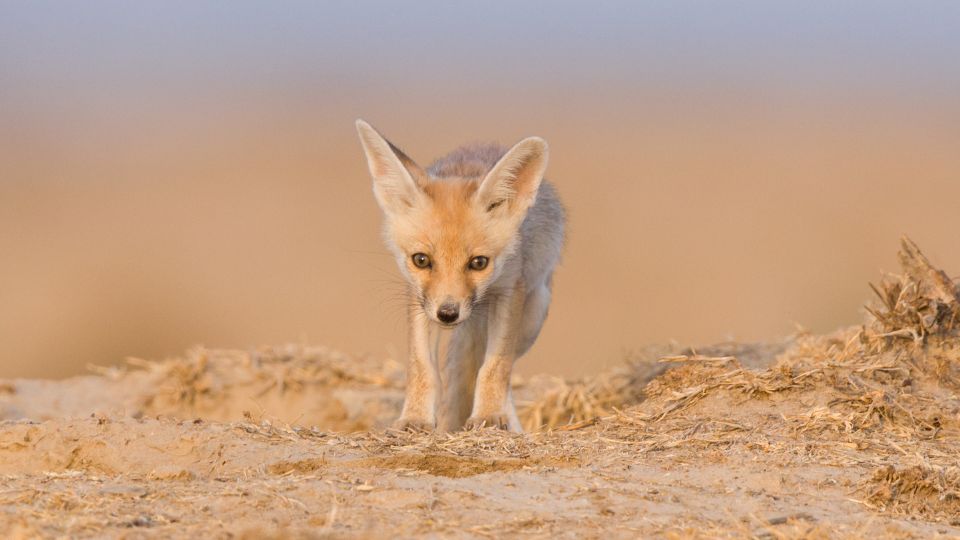
Explore the fascinating world of deserts and discover how plants, animals, and people adapt to survive in some of the hottest and driest places on Earth. From towering cacti and clever nocturnal animals to sudden sandstorms and scarce water sources, students will learn how life continues to thrive in these extreme environments.
This Kahoot investigates the unique features of desert ecosystems, including climate, habitats, food chains, and the special adaptations that help living things conserve water and stay cool. Students will also explore how deserts change over time and why these harsh landscapes are an important part of our planet’s natural systems.
Watch the related BBC videos (below), then invite your Grade 3–8 students to test their knowledge and uncover the surprising diversity and resilience of life in the desert.
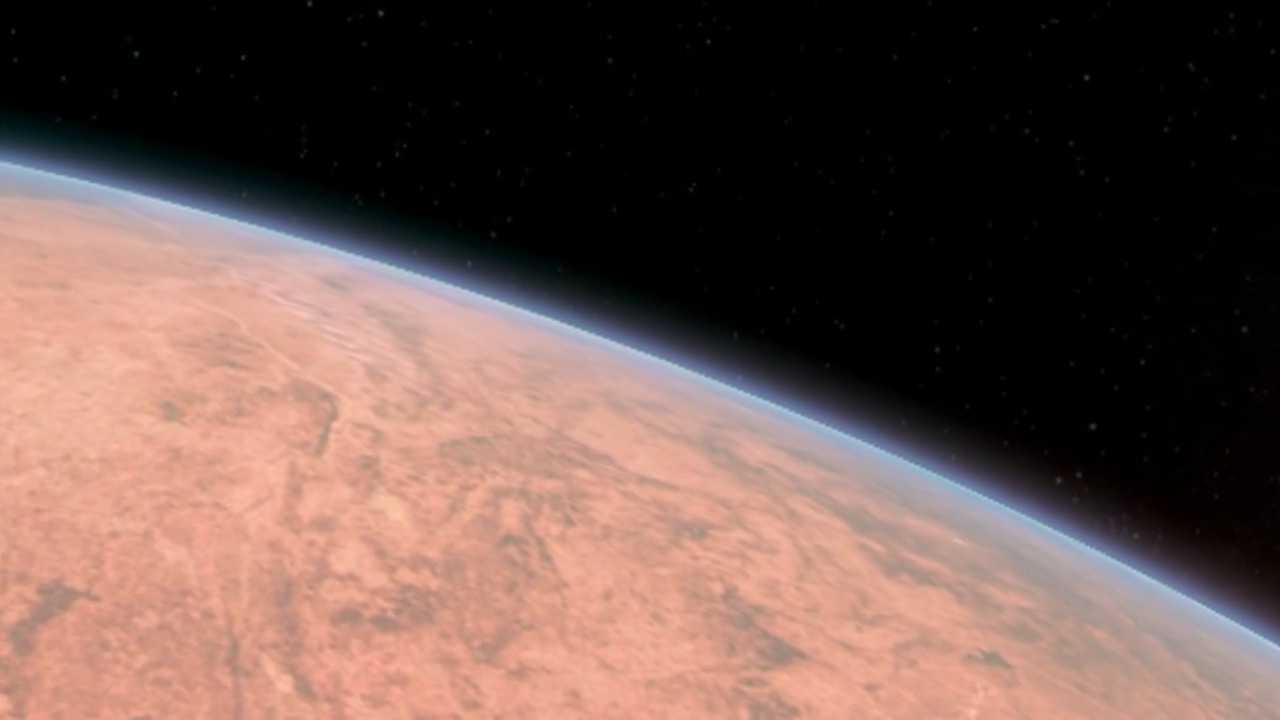
In Exploring a New Planet and Its Atmosphere, Dr. Lynn Rothschild ventures into the Atacama Desert to explore the environmental conditions of Gliese 581c, the smallest and most Earth-like exoplanet detected so far. Despite some similarities to Earth, this exoplanet is much closer to its star, which leads to significant differences in its conditions. This video is excerpted from BBC’s Earth: The Power of the Planet, a documentary that explores the fascinating geology on planet Earth.
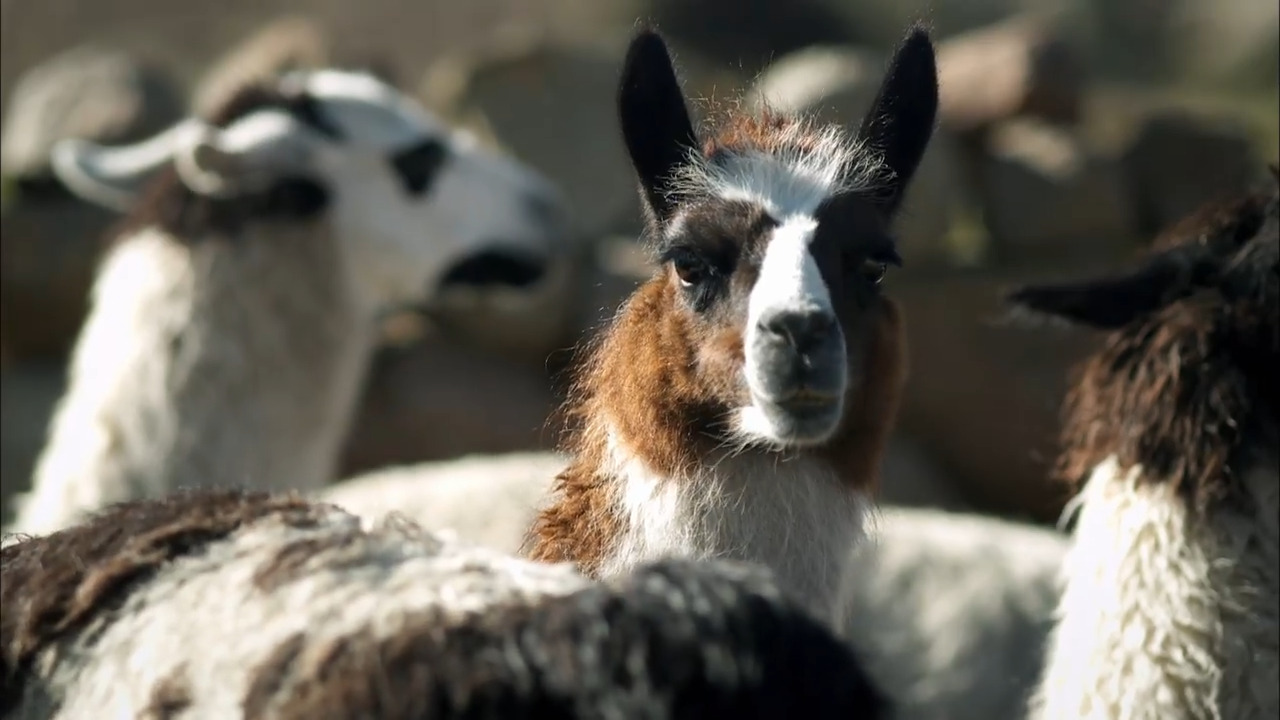
In How the Andes Shaped Life in South America, narrator Iain Stewart explains how the Andes have shaped South America in incredible ways, creating the Amazon River and its rainforest. One of the Andes’ most amazing residents is the llama, built for high-altitude life. But llamas didn’t originate in South America — they came from North America and crossed over millions of years ago when the continents connected. Today, just like the llamas once did, people bring new foods, technology, and ideas to the Andes, showing the world is more connected than ever! This video is excerpted from BBC’s Rise of the Continents, which uncovers how Earth’s continents formed and shaped life over millions of years.
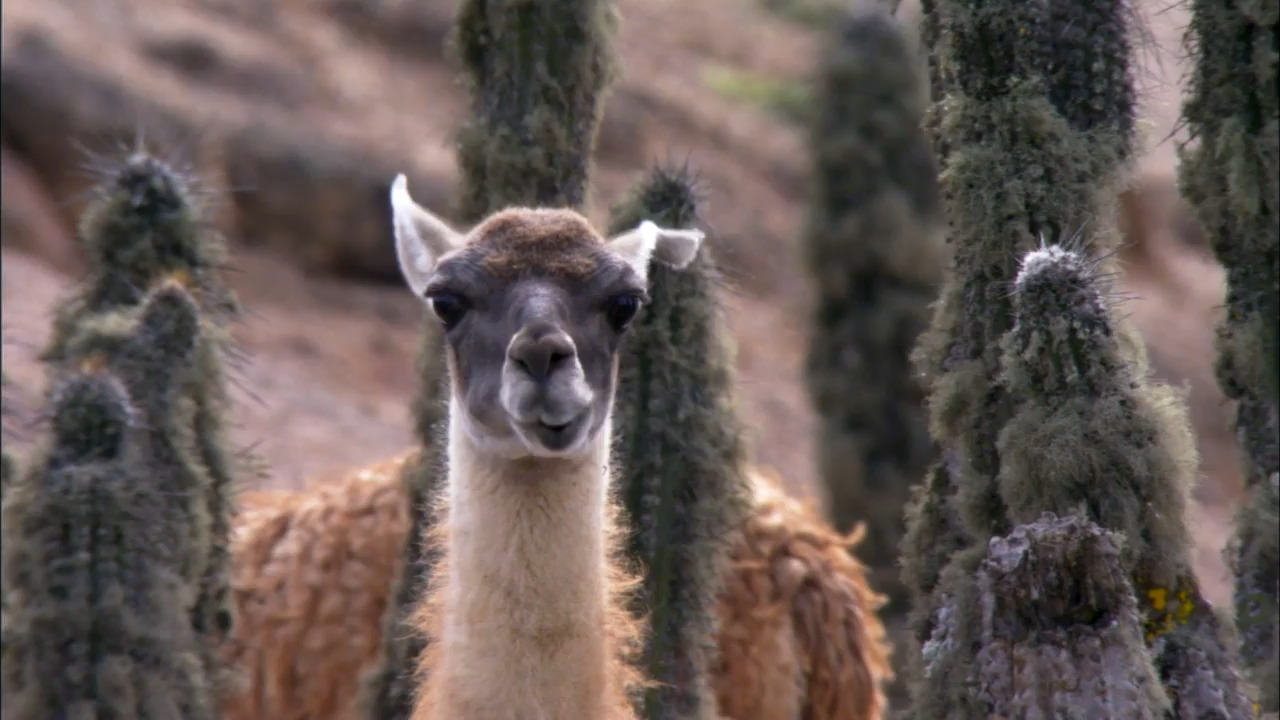
In The Atacama Desert: A Secret Water Supply, narrator Sir David Attenborough explores The Atacama, the driest desert in the world. Learn about the guanaco that live there and the desert mist, created when cold water from the ocean cools the moist, warm air above it. This video is excerpted from BBC's Planet Earth, a breathtaking documentary series that highlights the natural wonders of our planet.
Explore the fascinating world of deserts and discover how plants, animals, and people adapt to survive in some of the hottest and driest places on Earth. From towering cacti and clever nocturnal animals to sudden sandstorms and scarce water sources, students will learn how life continues to thrive in these extreme environments.
This Kahoot investigates the unique features of desert ecosystems, including climate, habitats, food chains, and the special adaptations that help living things conserve water and stay cool. Students will also explore how deserts change over time and why these harsh landscapes are an important part of our planet’s natural systems.
Watch the related BBC videos (below), then invite your Grade 3–8 students to test their knowledge and uncover the surprising diversity and resilience of life in the desert.
In Exploring a New Planet and Its Atmosphere, Dr. Lynn Rothschild ventures into the Atacama Desert to explore the environmental conditions of Gliese 581c, the smallest and most Earth-like exoplanet detected so far. Despite some similarities to Earth, this exoplanet is much closer to its star, which leads to significant differences in its conditions. This video is excerpted from BBC’s Earth: The Power of the Planet, a documentary that explores the fascinating geology on planet Earth.
In How the Andes Shaped Life in South America, narrator Iain Stewart explains how the Andes have shaped South America in incredible ways, creating the Amazon River and its rainforest. One of the Andes’ most amazing residents is the llama, built for high-altitude life. But llamas didn’t originate in South America — they came from North America and crossed over millions of years ago when the continents connected. Today, just like the llamas once did, people bring new foods, technology, and ideas to the Andes, showing the world is more connected than ever! This video is excerpted from BBC’s Rise of the Continents, which uncovers how Earth’s continents formed and shaped life over millions of years.
In The Atacama Desert: A Secret Water Supply, narrator Sir David Attenborough explores The Atacama, the driest desert in the world. Learn about the guanaco that live there and the desert mist, created when cold water from the ocean cools the moist, warm air above it. This video is excerpted from BBC's Planet Earth, a breathtaking documentary series that highlights the natural wonders of our planet.