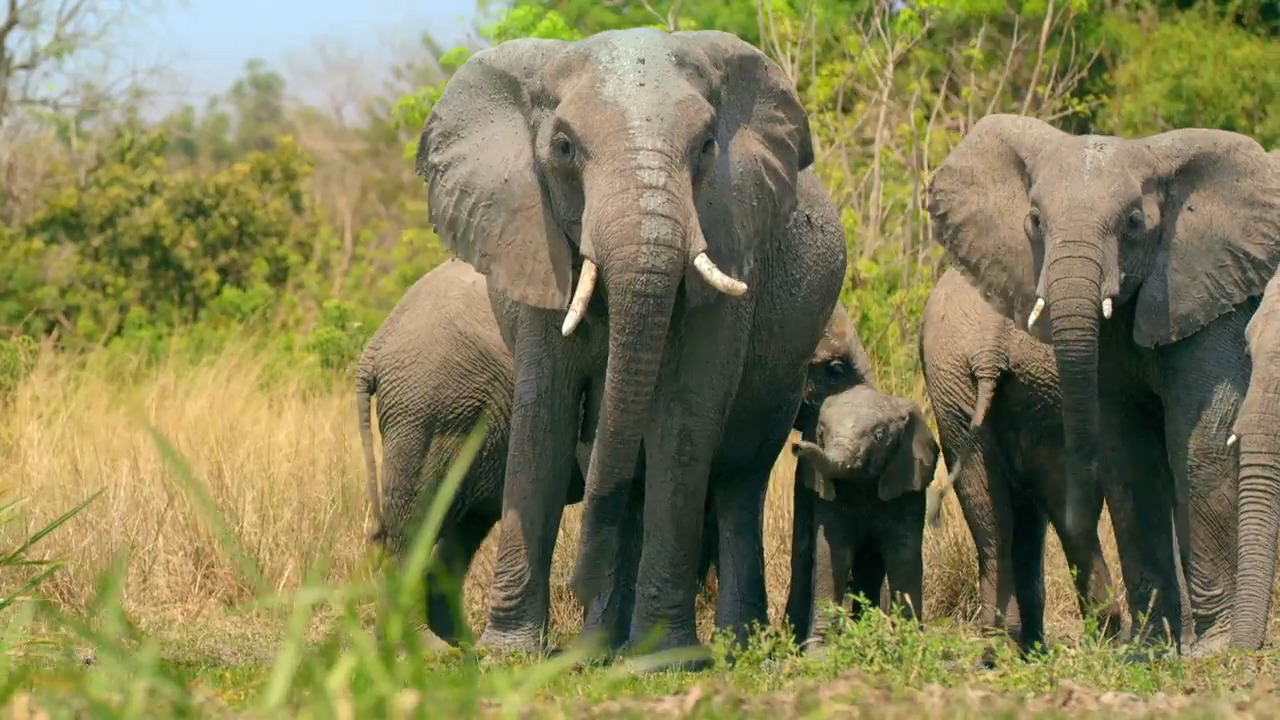
In African Elephant River Crossing, host Andy Day spies a family of African elephants. They’re about to cross a river. Will the elephants, including the baby of the herd, make it through the deep, predator-infested water? This video is excerpted from BBC’s Andy's Aquatic Adventures, in which Andy Day jets all over the world to meet amazing animals living in and nearby water.
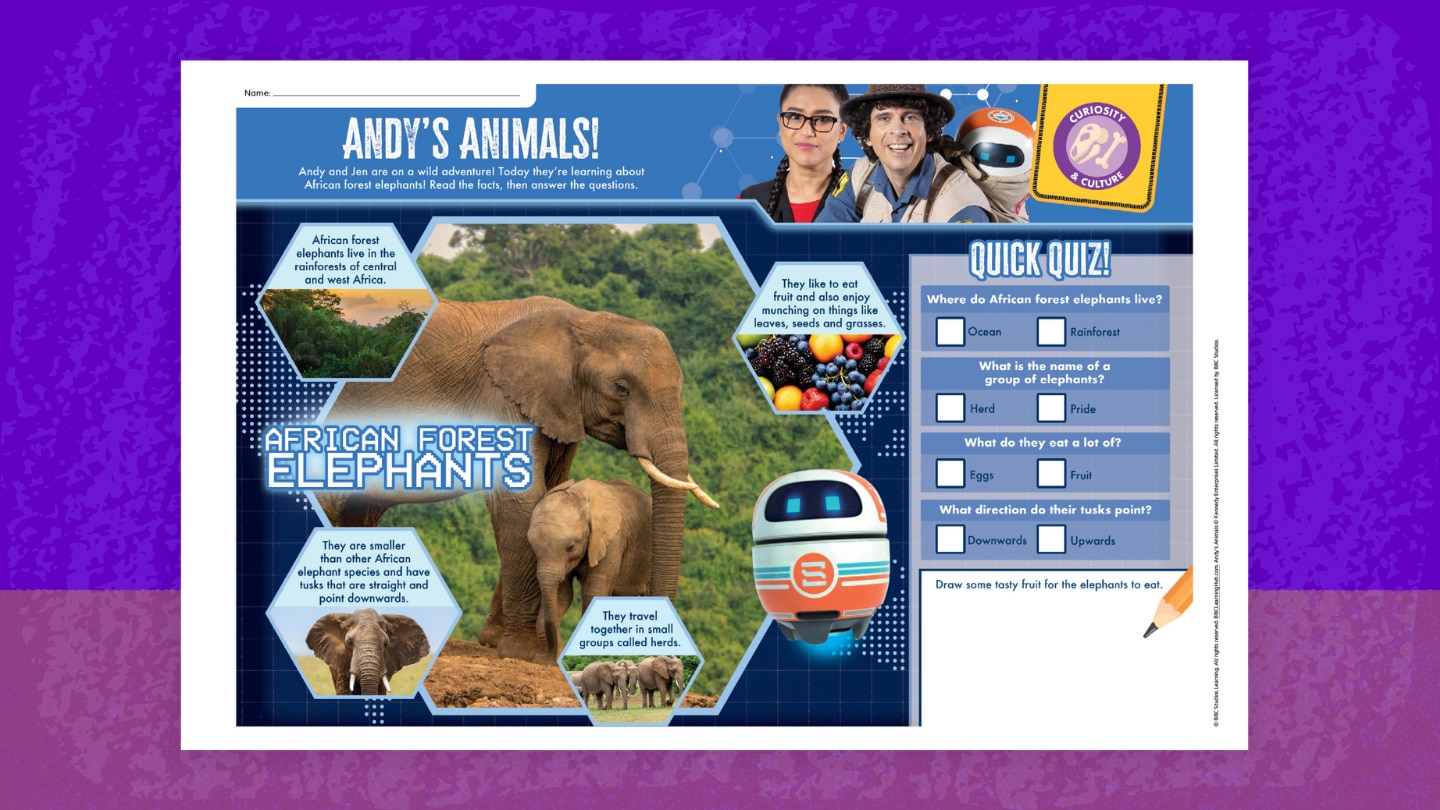
Journey into the rainforest with Andy! In this fun African forest elephants worksheet, you'll:
- Learn fascinating facts about African forest elephants, including where they live, what they love to eat, and all about their unique downward-pointing tusks.
- Test your memory with a quick quiz.
- Draw some tasty fruit for these gentle giants.
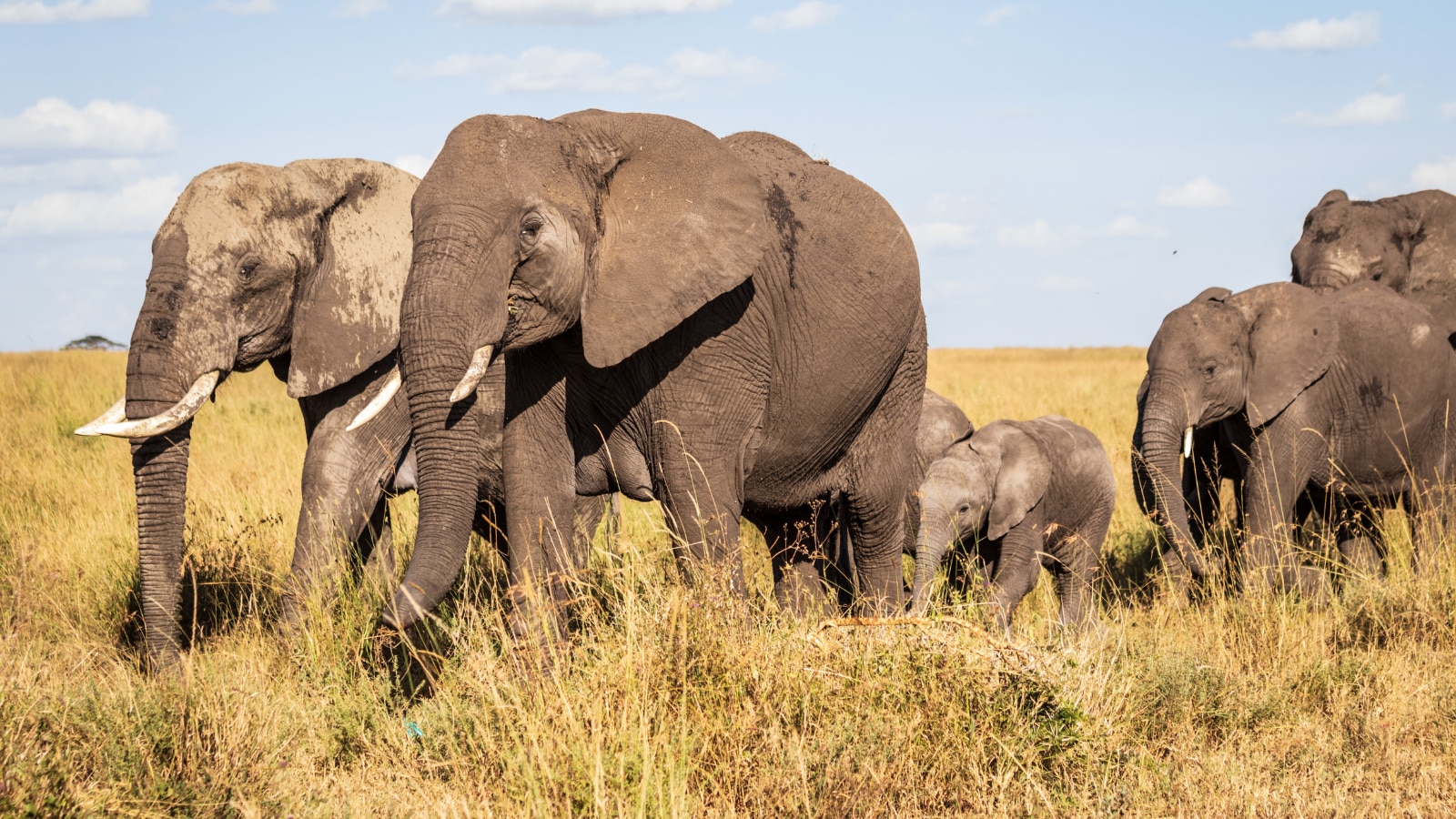
Step into the (very large) footsteps of Earth’s gentle giants. This playlist of eight video clips from BBC programs Planet Earth; Seven Worlds, One Planet; and Animal Babies follows elephants as they search for water, navigate Congo forests, communicate, and rely on the matriarch to stay safe. Learn how elephant families work together, adapt to challenges, and shape their ecosystems. Perfect for sparking curiosity about wildlife and habitats.
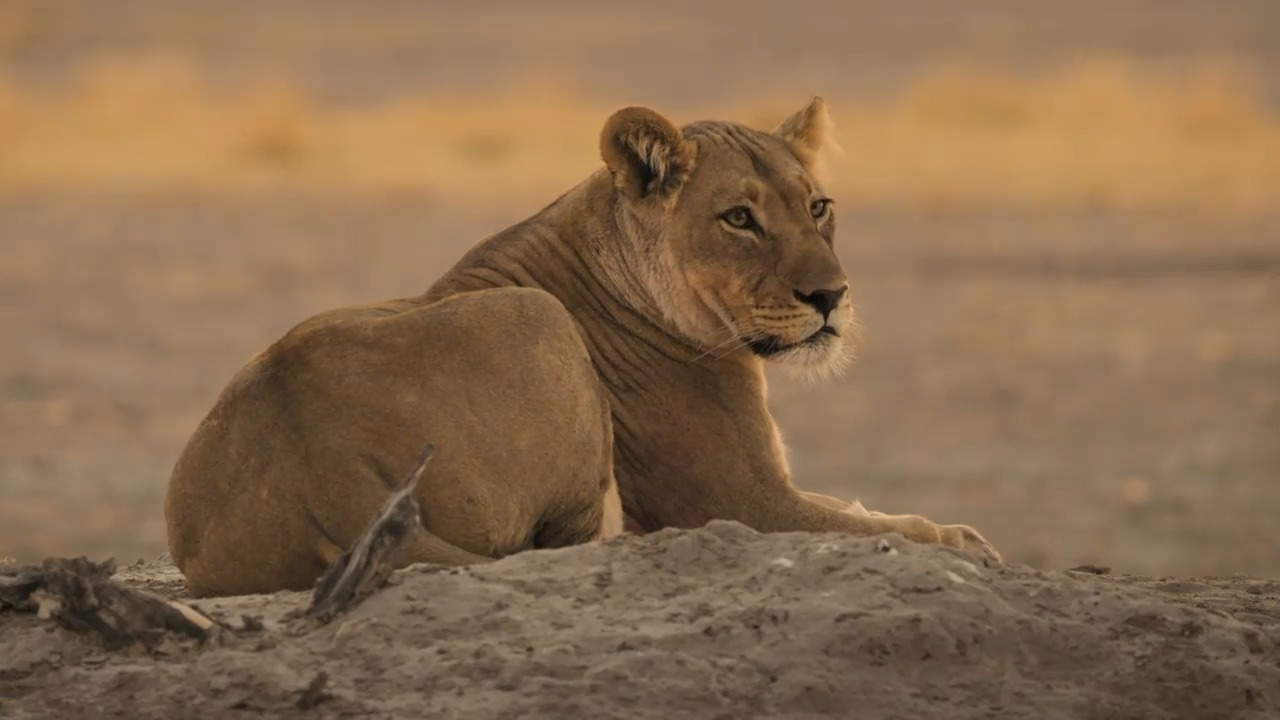
In The Animals That Rule the Desert, host Simon Reeve journeys through the Kalahari in Botswana, where he encounters lions, elephants, and jackals. Botswana has become a safe haven for African elephants, holding nearly a third of the population after decades of poaching and habitat destruction. With only 400,000 elephants left from an original 25 million, Simon emphasizes the urgency to protect these majestic creatures. This video is excerpted from BBC’s Wilderness With Simon Reeve, an epic adventure into the heart of Earth’s last great wild areas, where nature is at its most beautiful and fragile.
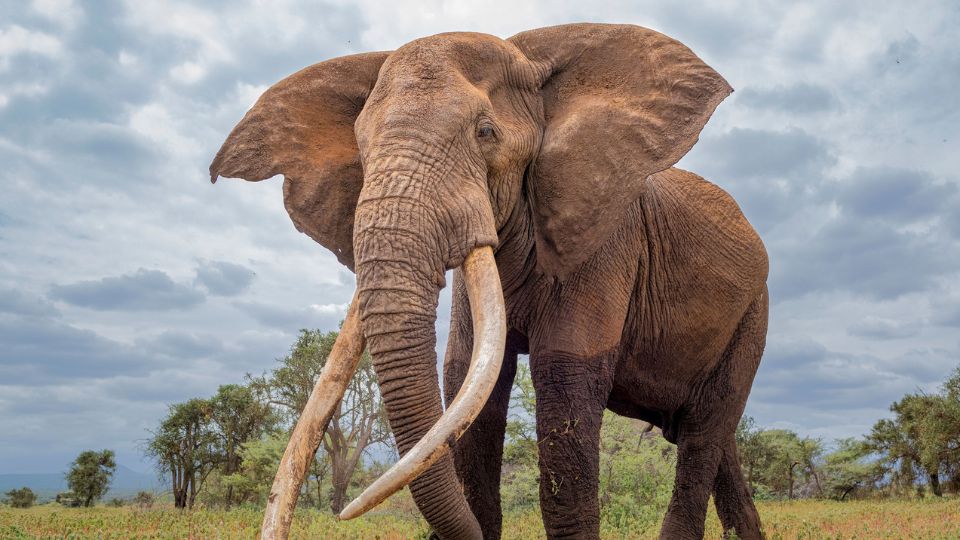
Explore the wide-open world of grasslands and discover the amazing animals that live in one of Earth’s largest biomes. From enormous elephants and powerful buffalo to towering Kori bustards, hardworking leafcutter ants, and rare Saiga antelope, students will learn how animals survive and thrive in these vast landscapes of grasses and few trees.
This Kahoot explores the unique features of grassland ecosystems, including climate, food chains, migration, and the special adaptations that help animals find food, avoid predators, and survive changing seasons. Students will also discover the differences between tropical savannas and temperate grasslands and the incredible diversity of life found in each.
Watch the related BBC videos (below), then invite your Grade 3–8 students to test their knowledge and uncover the wonders of life on the grasslands.
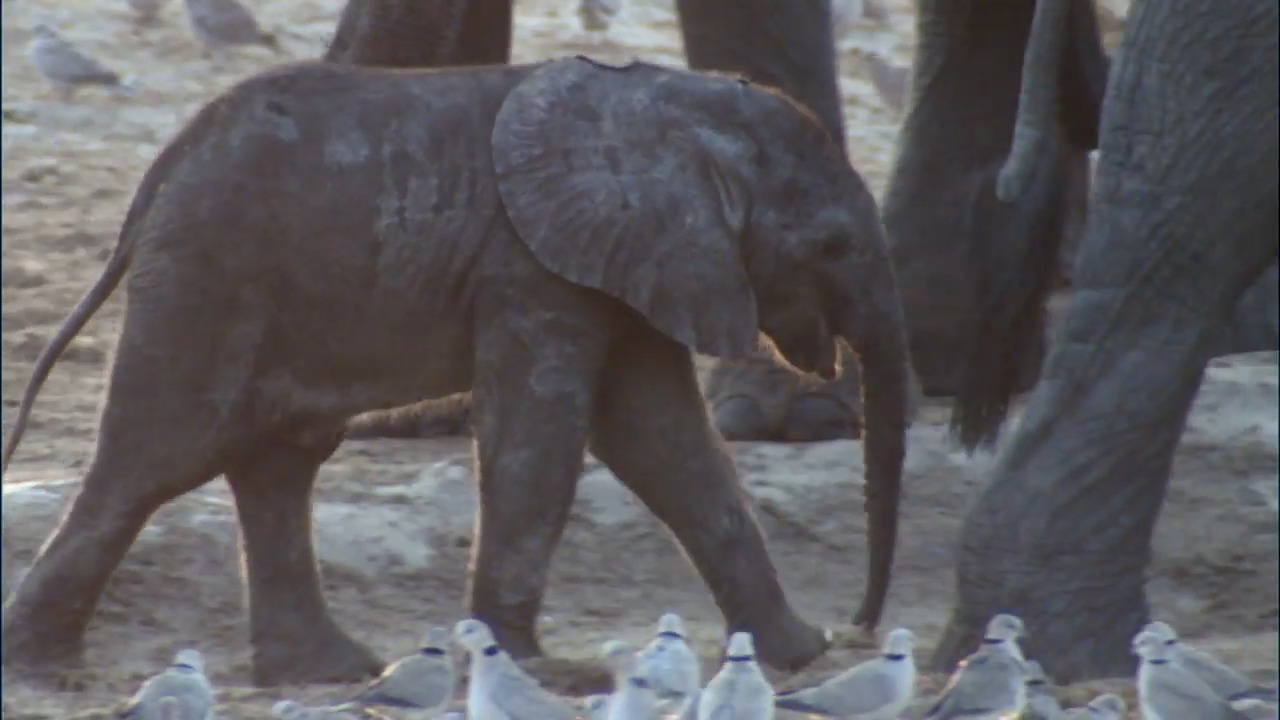
In The African Elephant Marches Towards Water, narrator Sir David Attenborough investigates how African elephants use their memories to find waterholes. The elephants gather in groups and travel during the night, when temperatures are cooler. This video is excerpted from BBC's Planet Earth, a breathtaking documentary series that highlights the natural wonders of our planet.
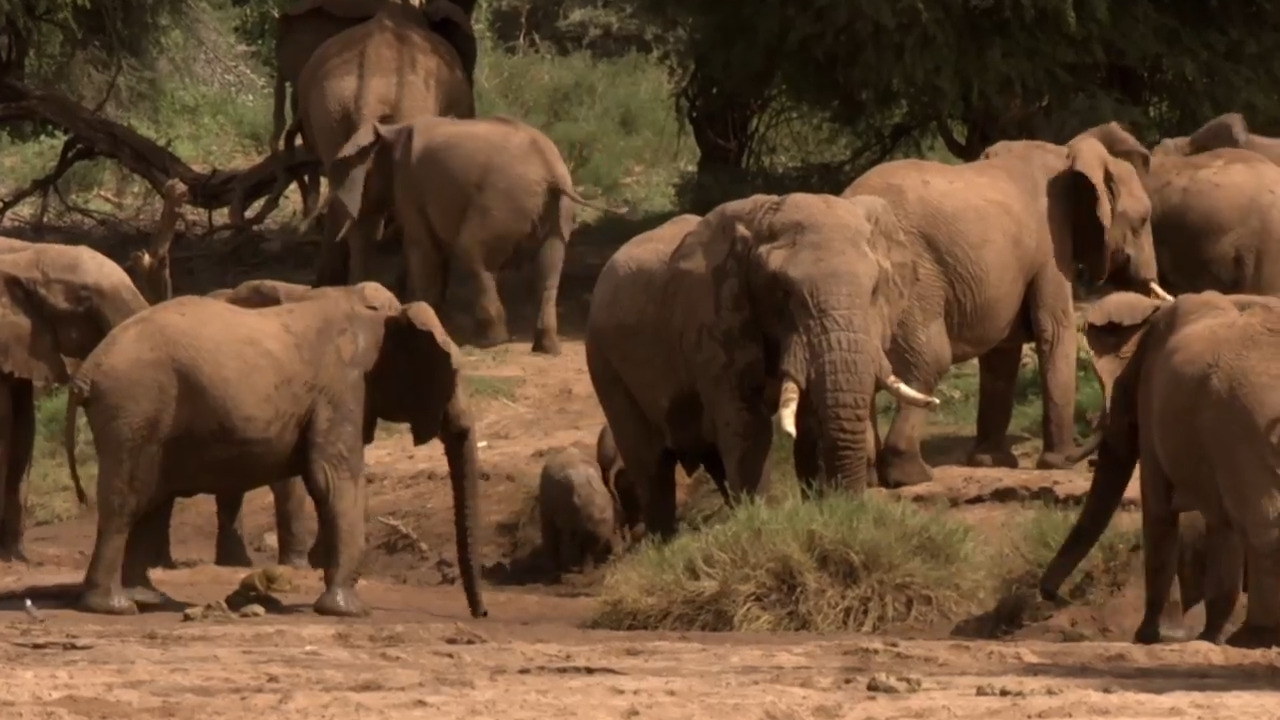
In Elephants Guided by the Matriarch, narrator Gordon Buchanan describes the challenges that African elephants face as they travel over the savannas. Baby elephants have to learn where to go and how to navigate potentially dangerous water crossings as they move from place to place. Since elephants travel great distances, the expertise of the elephant matriarch is critical to their survival. This video is excerpted from BBC's Animal Babies, a heartwarming show that follows the first breaths, first steps and first feeds of some adorable baby animals, revealing the challenges they face to survive in some of the toughest but most beautiful places on the planet.

The article "Elephants Call Each Other by Name, Study Finds" from BBC's Discover Wildlife reveals that wild African elephants may use special sounds like names to call one another. Researchers found that elephants respond more when their name is called, suggesting they recognize and understand it. This discovery shows elephants may be capable of abstract thinking, like humans.
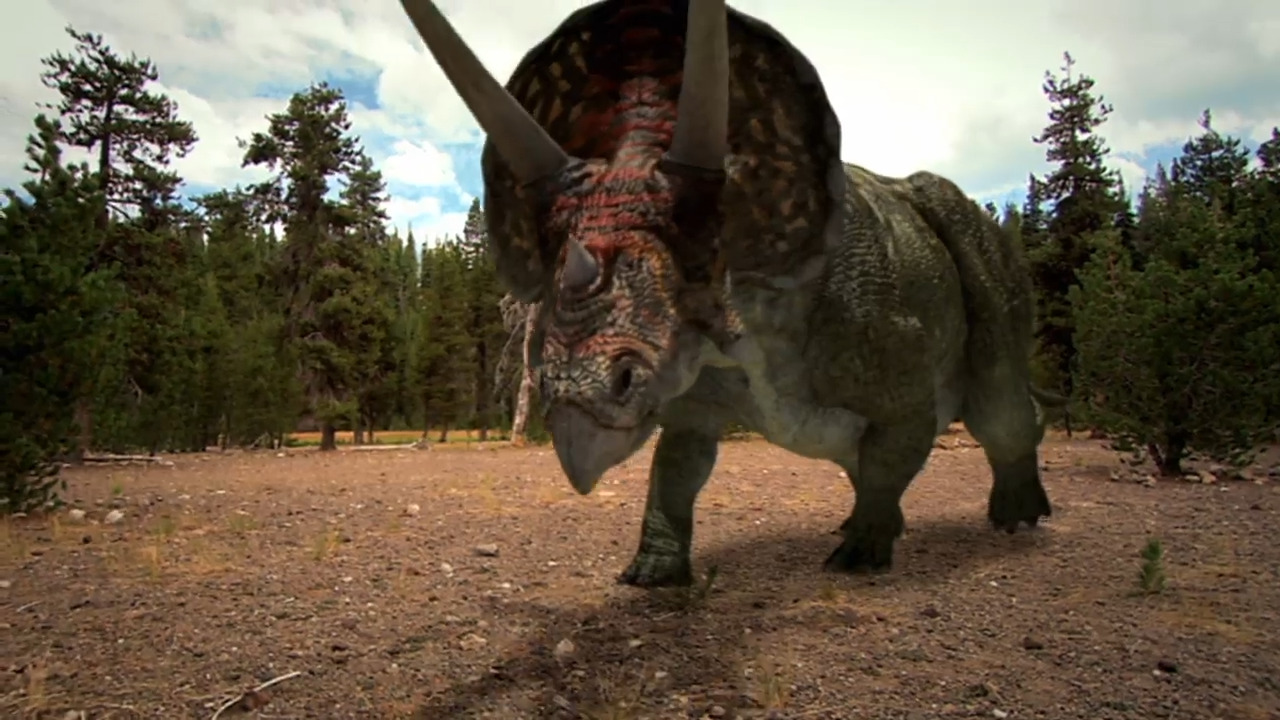
In The Deadly Horned Triceratops, naturalist Steve Backshall explains how one of the most well-known dinosaurs used its physical features to attack its predators and defend itself. Fun fact: it weighed in at almost twice as much as an African elephant! This video is excerpted from BBC’s Deadly Dinosaurs, a documentary series in which host Steve Backshall is on the hunt for the deadliest animals to have walked the Earth — dinosaurs — exploring features of several species and putting their abilities to the test to reveal the raw power of these creatures.
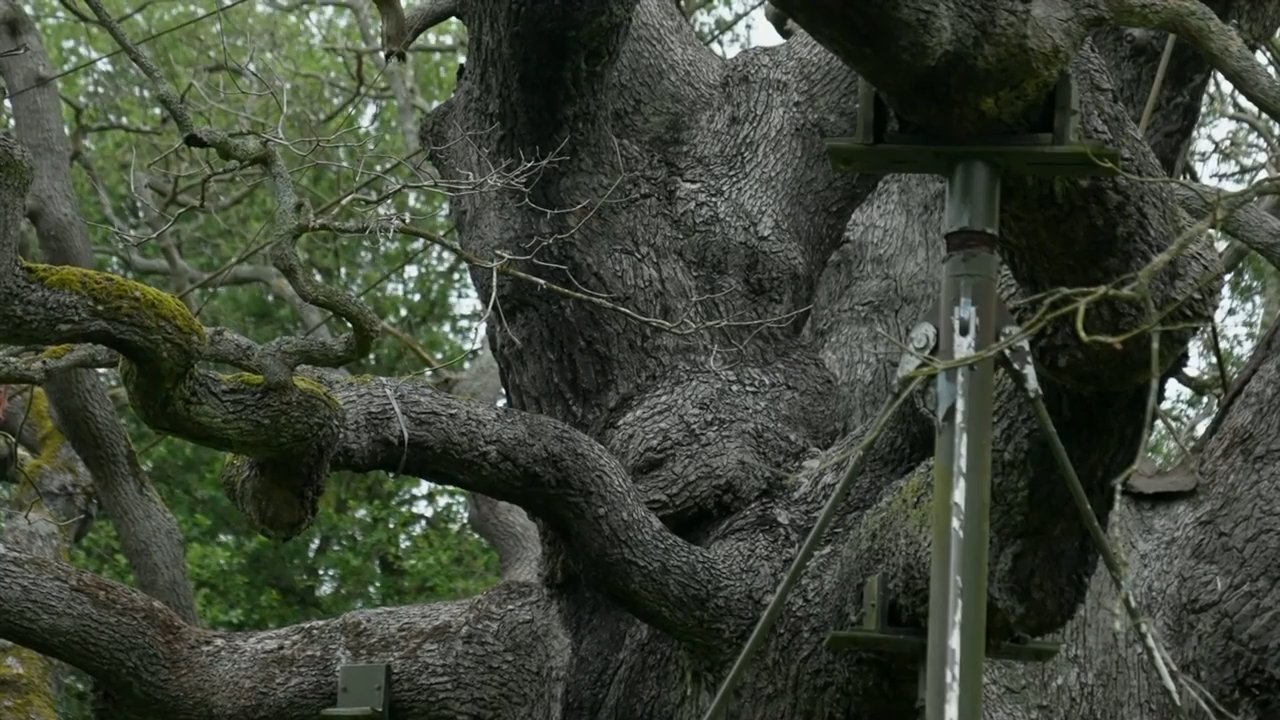
The Major Oak has finally fallen. Figuratively. The famous tree still technically stands, but has been pronounced dead after a long life of as many as 1,200 years. The massive oak tree was well-known for being central to Robin Hood folklore, but it also stood out with its formidable trunk circumference of 11 meters, or 33 feet. That’s big enough for a large African elephant to hula hoop with.
The huge tree still stands tall, looking majestic with its craggly branches and massive reach, but it’s been in decline for years. This year is the first that it hasn’t put any leaves out, so experts deemed it deceased.
While it was certainly old, its demise was likely quickened by climate change, heat waves, and damage to the surrounding soil from people coming to admire the tree. Admirers may have meant well, but decades of foot traffic compacted the soil around the tree's roots, making it harder for the tree to absorb the water, nutrients, and minerals it needed.
It may not produce lush, green leaves anymore, but fans can still pay homage to The Major Oak. It will remain in its spot to decompose (which could take more than 100 years), and the legacy of the tree lives on in the form of saplings that have been grown from acorns and cuttings.
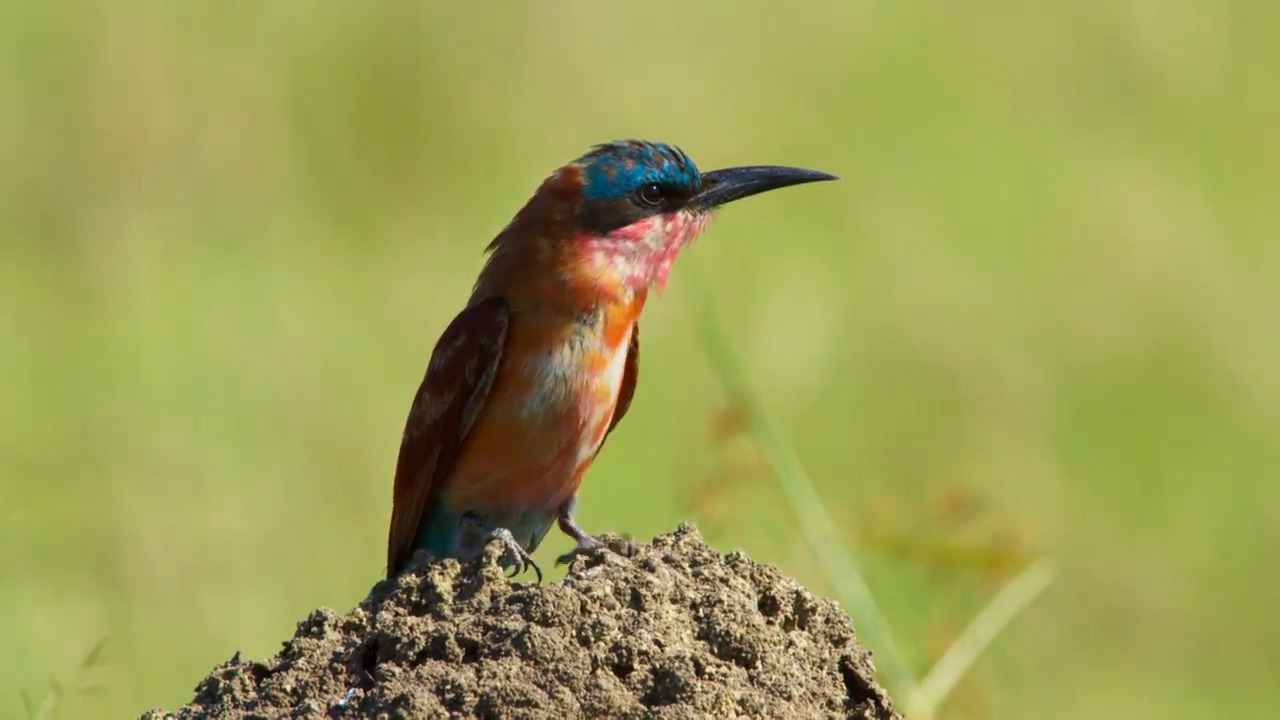
In Insect Hunting with Africa's Giants, narrator Sir David Attenborough explains a unique partnership between carmine bee-eaters and elephants. These birds follow elephants across the African savanna to catch insects stirred up by the elephants' movements. This fascinating collaboration is a perfect example of how different species can work together to survive. This video is excerpted from BBC’s Planet Earth II, a breathtaking documentary series that highlights the natural wonders of our planet.
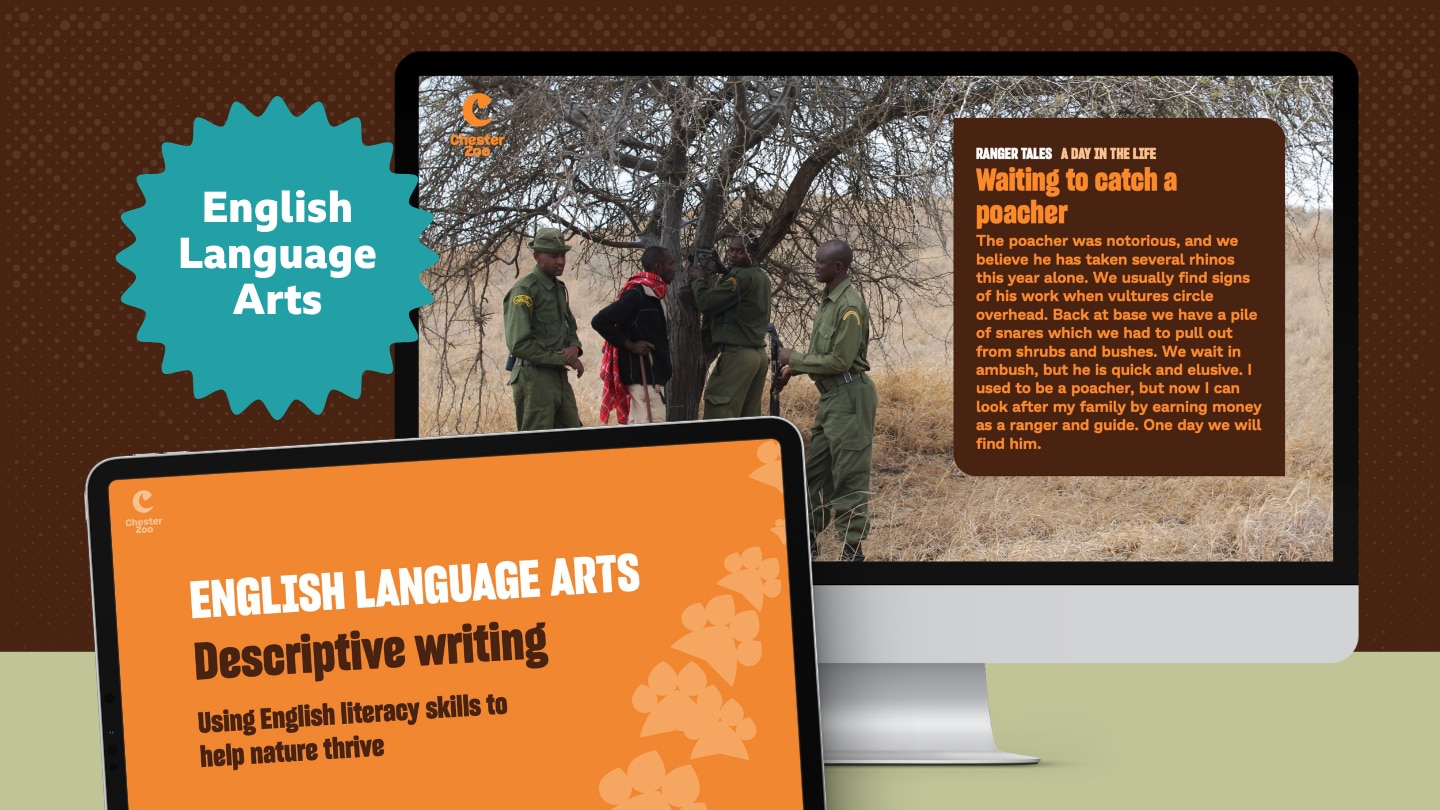
What can English language skills teach us about protecting wildlife? Head to the African savanna with Chester Zoo and discover the lives of the people working on the front lines of conservation. Start with a close-up look at a rhino, then explore real-life stories from rangers who protect animals and their habitats.
Read about the challenges rangers face and the incredible encounters they have, from tracking poachers and finding snares to caring for newborn animals and following the clues left behind by elephants. Along the way, you'll discover how vivid, descriptive language can help readers picture a place, understand an experience, and connect with the people and animals at the heart of a story.
Then it's your turn! Use the African savanna as inspiration to experiment with descriptive language, imagine what happens next, and create your own account of an encounter in the wild.
Don't miss the descriptive writing worksheets that go with this lesson!
In African Elephant River Crossing, host Andy Day spies a family of African elephants. They’re about to cross a river. Will the elephants, including the baby of the herd, make it through the deep, predator-infested water? This video is excerpted from BBC’s Andy's Aquatic Adventures, in which Andy Day jets all over the world to meet amazing animals living in and nearby water.
Journey into the rainforest with Andy! In this fun African forest elephants worksheet, you'll:
- Learn fascinating facts about African forest elephants, including where they live, what they love to eat, and all about their unique downward-pointing tusks.
- Test your memory with a quick quiz.
- Draw some tasty fruit for these gentle giants.
Step into the (very large) footsteps of Earth’s gentle giants. This playlist of eight video clips from BBC programs Planet Earth; Seven Worlds, One Planet; and Animal Babies follows elephants as they search for water, navigate Congo forests, communicate, and rely on the matriarch to stay safe. Learn how elephant families work together, adapt to challenges, and shape their ecosystems. Perfect for sparking curiosity about wildlife and habitats.
In The Animals That Rule the Desert, host Simon Reeve journeys through the Kalahari in Botswana, where he encounters lions, elephants, and jackals. Botswana has become a safe haven for African elephants, holding nearly a third of the population after decades of poaching and habitat destruction. With only 400,000 elephants left from an original 25 million, Simon emphasizes the urgency to protect these majestic creatures. This video is excerpted from BBC’s Wilderness With Simon Reeve, an epic adventure into the heart of Earth’s last great wild areas, where nature is at its most beautiful and fragile.
Explore the wide-open world of grasslands and discover the amazing animals that live in one of Earth’s largest biomes. From enormous elephants and powerful buffalo to towering Kori bustards, hardworking leafcutter ants, and rare Saiga antelope, students will learn how animals survive and thrive in these vast landscapes of grasses and few trees.
This Kahoot explores the unique features of grassland ecosystems, including climate, food chains, migration, and the special adaptations that help animals find food, avoid predators, and survive changing seasons. Students will also discover the differences between tropical savannas and temperate grasslands and the incredible diversity of life found in each.
Watch the related BBC videos (below), then invite your Grade 3–8 students to test their knowledge and uncover the wonders of life on the grasslands.
In The African Elephant Marches Towards Water, narrator Sir David Attenborough investigates how African elephants use their memories to find waterholes. The elephants gather in groups and travel during the night, when temperatures are cooler. This video is excerpted from BBC's Planet Earth, a breathtaking documentary series that highlights the natural wonders of our planet.
In Elephants Guided by the Matriarch, narrator Gordon Buchanan describes the challenges that African elephants face as they travel over the savannas. Baby elephants have to learn where to go and how to navigate potentially dangerous water crossings as they move from place to place. Since elephants travel great distances, the expertise of the elephant matriarch is critical to their survival. This video is excerpted from BBC's Animal Babies, a heartwarming show that follows the first breaths, first steps and first feeds of some adorable baby animals, revealing the challenges they face to survive in some of the toughest but most beautiful places on the planet.
The article "Elephants Call Each Other by Name, Study Finds" from BBC's Discover Wildlife reveals that wild African elephants may use special sounds like names to call one another. Researchers found that elephants respond more when their name is called, suggesting they recognize and understand it. This discovery shows elephants may be capable of abstract thinking, like humans.
In The Deadly Horned Triceratops, naturalist Steve Backshall explains how one of the most well-known dinosaurs used its physical features to attack its predators and defend itself. Fun fact: it weighed in at almost twice as much as an African elephant! This video is excerpted from BBC’s Deadly Dinosaurs, a documentary series in which host Steve Backshall is on the hunt for the deadliest animals to have walked the Earth — dinosaurs — exploring features of several species and putting their abilities to the test to reveal the raw power of these creatures.
The Major Oak has finally fallen. Figuratively. The famous tree still technically stands, but has been pronounced dead after a long life of as many as 1,200 years. The massive oak tree was well-known for being central to Robin Hood folklore, but it also stood out with its formidable trunk circumference of 11 meters, or 33 feet. That’s big enough for a large African elephant to hula hoop with.
The huge tree still stands tall, looking majestic with its craggly branches and massive reach, but it’s been in decline for years. This year is the first that it hasn’t put any leaves out, so experts deemed it deceased.
While it was certainly old, its demise was likely quickened by climate change, heat waves, and damage to the surrounding soil from people coming to admire the tree. Admirers may have meant well, but decades of foot traffic compacted the soil around the tree's roots, making it harder for the tree to absorb the water, nutrients, and minerals it needed.
It may not produce lush, green leaves anymore, but fans can still pay homage to The Major Oak. It will remain in its spot to decompose (which could take more than 100 years), and the legacy of the tree lives on in the form of saplings that have been grown from acorns and cuttings.
In Insect Hunting with Africa's Giants, narrator Sir David Attenborough explains a unique partnership between carmine bee-eaters and elephants. These birds follow elephants across the African savanna to catch insects stirred up by the elephants' movements. This fascinating collaboration is a perfect example of how different species can work together to survive. This video is excerpted from BBC’s Planet Earth II, a breathtaking documentary series that highlights the natural wonders of our planet.
What can English language skills teach us about protecting wildlife? Head to the African savanna with Chester Zoo and discover the lives of the people working on the front lines of conservation. Start with a close-up look at a rhino, then explore real-life stories from rangers who protect animals and their habitats.
Read about the challenges rangers face and the incredible encounters they have, from tracking poachers and finding snares to caring for newborn animals and following the clues left behind by elephants. Along the way, you'll discover how vivid, descriptive language can help readers picture a place, understand an experience, and connect with the people and animals at the heart of a story.
Then it's your turn! Use the African savanna as inspiration to experiment with descriptive language, imagine what happens next, and create your own account of an encounter in the wild.
Don't miss the descriptive writing worksheets that go with this lesson!