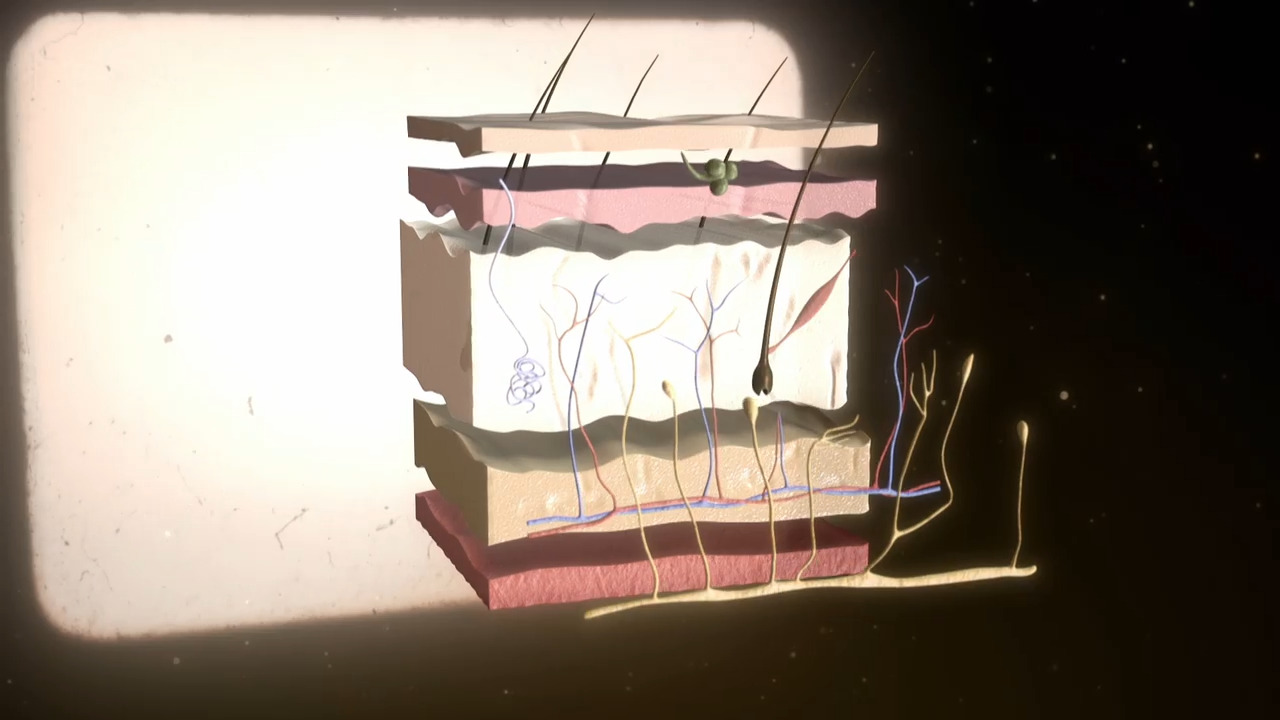
In Layers of the Skin, evolutionary biologist Ben Garrod explores the fascinating science of skin and how mammals, amphibians, fish, reptiles, and birds share a similar basic skin structure, despite differences in appearance and function. Learn about the three main layers of skin: the epidermis, dermis, and subcutaneous fat layer. Each layer plays an important role in helping animals adapt to their environment, providing protection, flexibility, and sensitivity. See how skin can be tough, flexible, colorful, and capable of growing feathers, hair, and even teeth. This video is excerpted from BBC’s Secrets of Skin, a documentary series exploring the natural history of the body's largest organ.
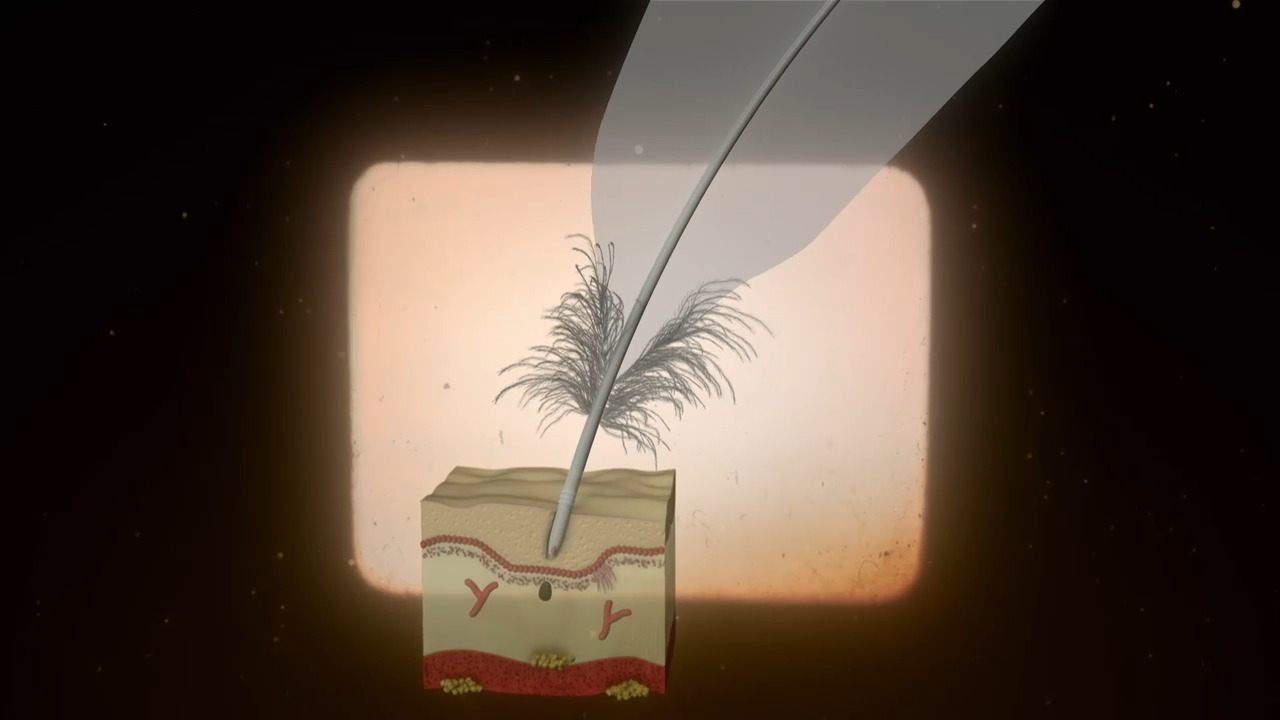
In Fabulous Feathers, evolutionary biologist Ben Garrod explores the feathers of birds and how they help them to fly. Learn how feathers are primarily made of keratin, a fibrous protein also found in human hair and nails. Feathers are lightweight yet strong and stiff, which allows birds to soar. Discover the unique structure of feathers, with parts such as the vane, barbs, and rachis working together to create the shape and function needed for flight. This video is excerpted from Secrets of Skin, a documentary series exploring the natural history of the body’s largest organ.
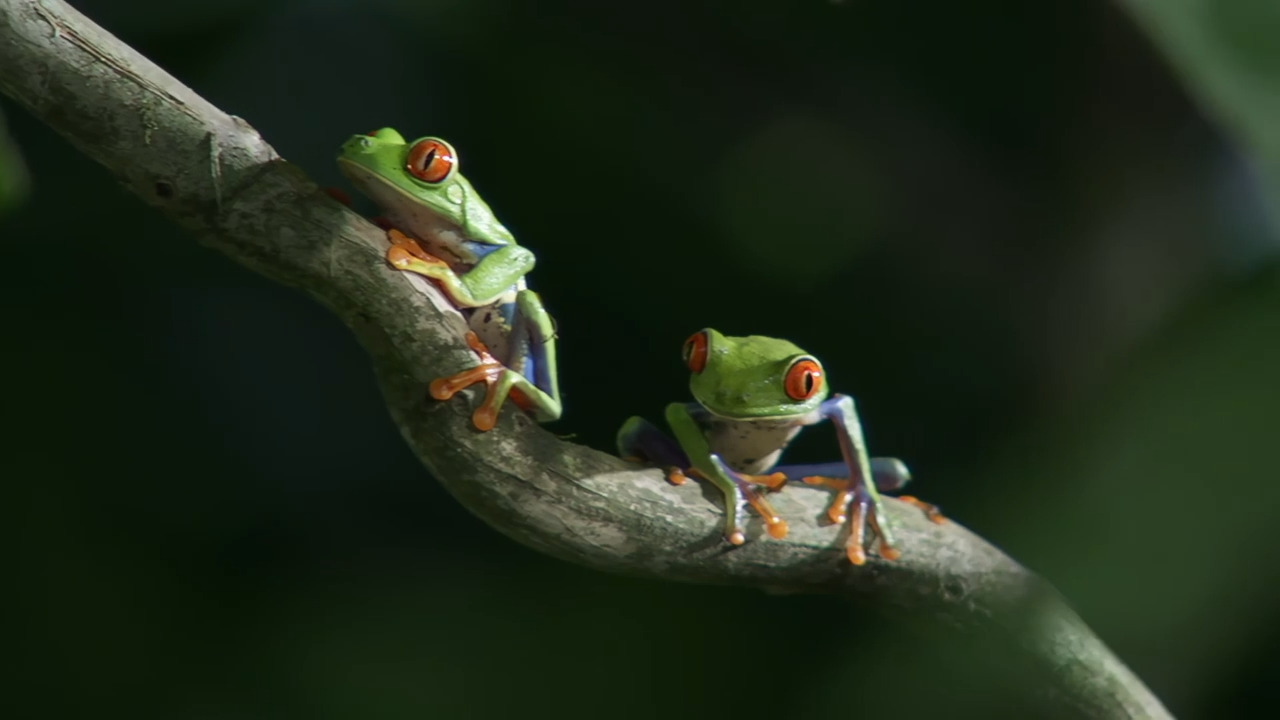
In How Amphibians Have Mastered Both Land and Water, evolutionary biologist Ben Garrod explains how frogs’ skin has adapted to help them survive in different environments. Specifically, frogs' skin helps them breathe both on land and in water. Learn how frogs can absorb oxygen through their skin, which is essential for their survival, especially for species like the Titicaca frog that never needs to surface to breathe. See how the structure of a frog's skin serves other functions, such as keeping out harmful microbes, and how different species of frogs have unique adaptations that help them thrive in their habitats. This video is excerpted from Secrets of Skin, a documentary series exploring the natural history of the body’s largest organ.
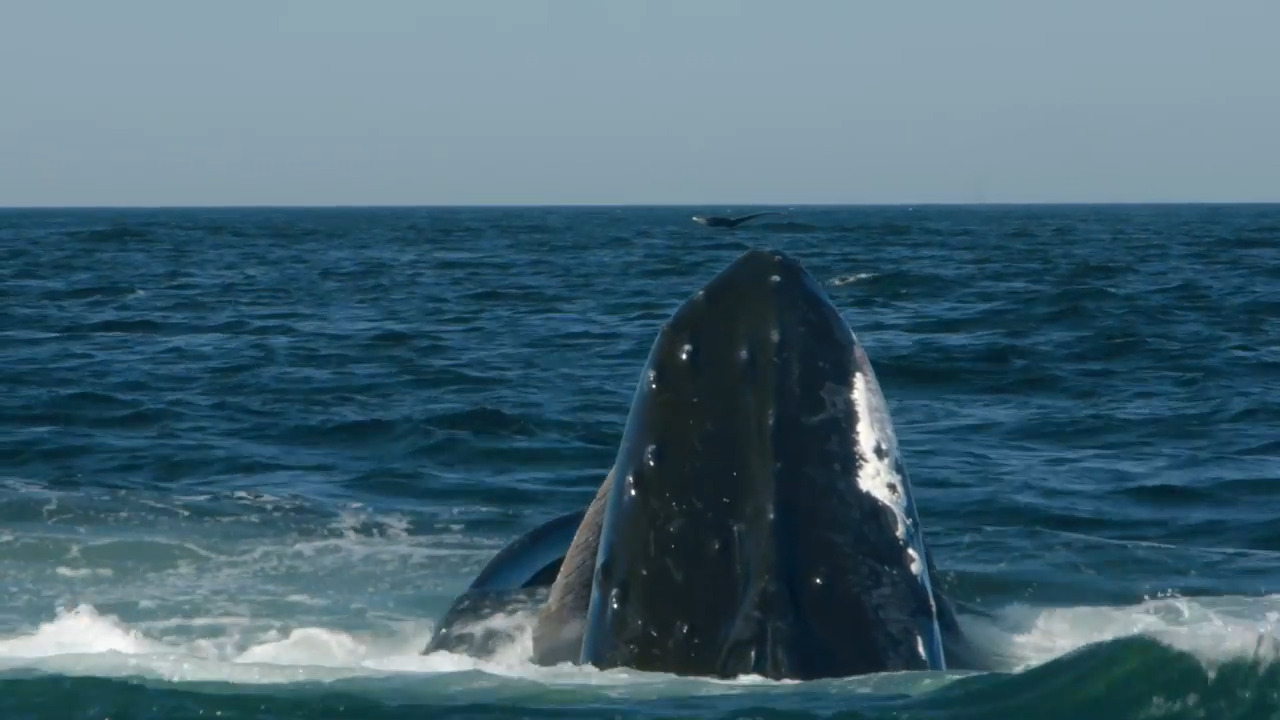
In How Blubber Keeps Whales Warm, evolutionary biologist Ben Garrod shows how the blubber of different types of whales is uniquely suited to keep them warm in cold ocean waters. Discover the specific adaptations of three whale species: the minke, humpback, and bowhead, and how their blubber thickness correlates with the cold environments they inhabit. Understand the importance of these adaptations in whale survival and how blubber functions as both an insulator and an energy store. This video is excerpted from Secrets of Skin, a documentary series exploring the natural history of the body’s largest organ.
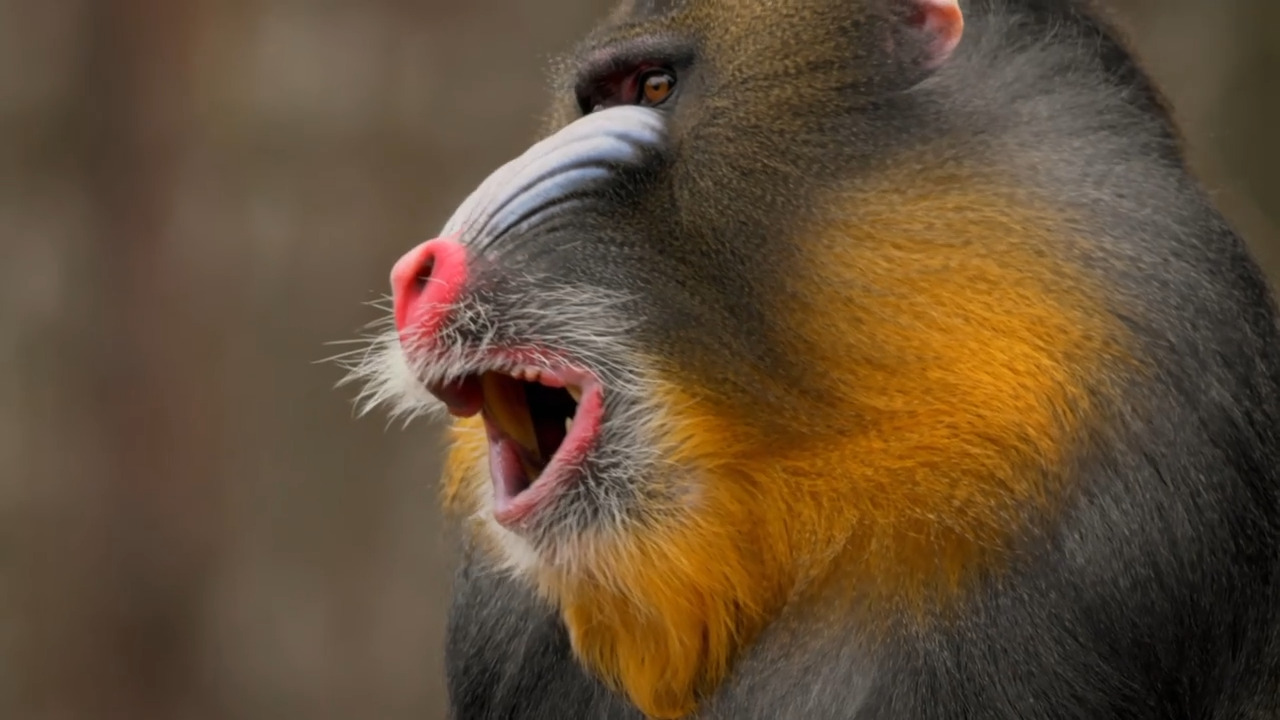
In The Mandrill and Its Bright Red Nose, evolutionary biologist Ben Garrod learns all about the mandrill, focusing on the bright red nose of the species. Find out how this nose helps the mandrill communicate and why it is so important for survival. This video is excerpted from Secrets of Skin, a documentary series exploring the natural history of the body’s largest organ.
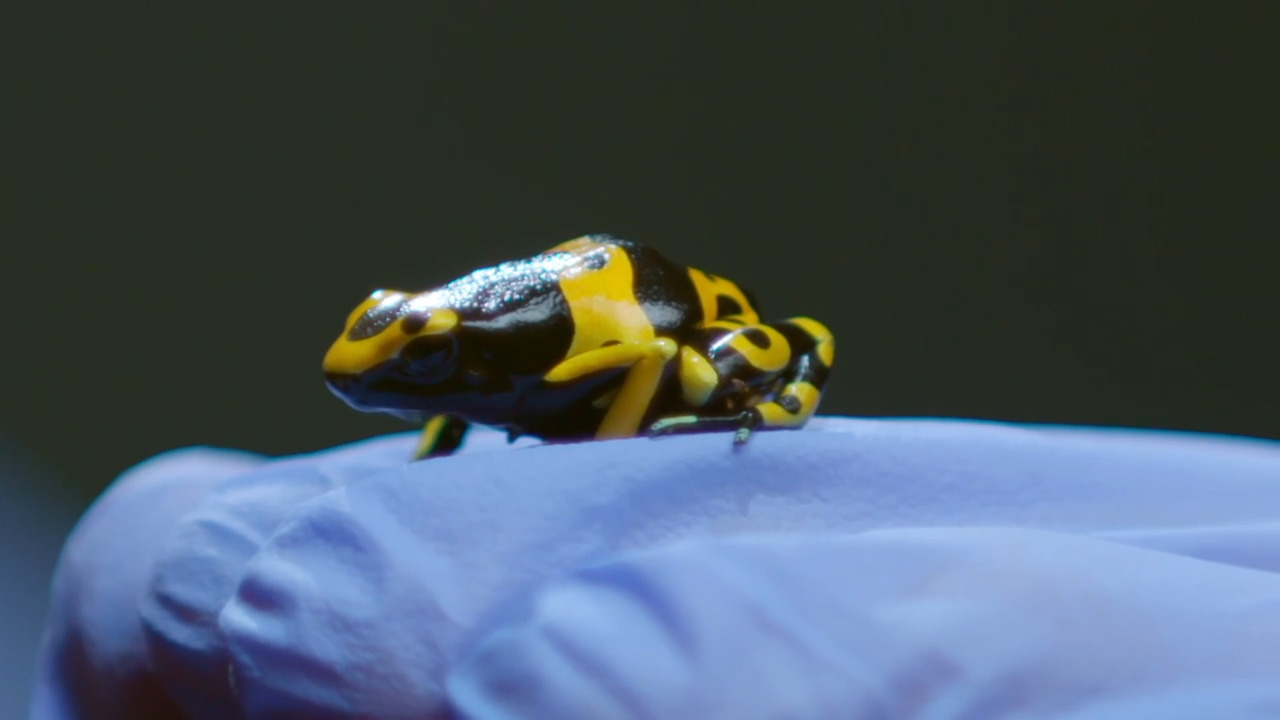
In What Makes Poison Dart Frogs Toxic?, evolutionary biologist Ben Garrod discusses how poison dart frogs produce their toxins. Learn how these frogs derive their toxicity from alkaloids found in their diet, how they use their poison for defense, and why scientists are studying these toxins for potential medical uses. This video is excerpted from Secrets of Skin, a documentary series exploring the natural history of the body’s largest organ.
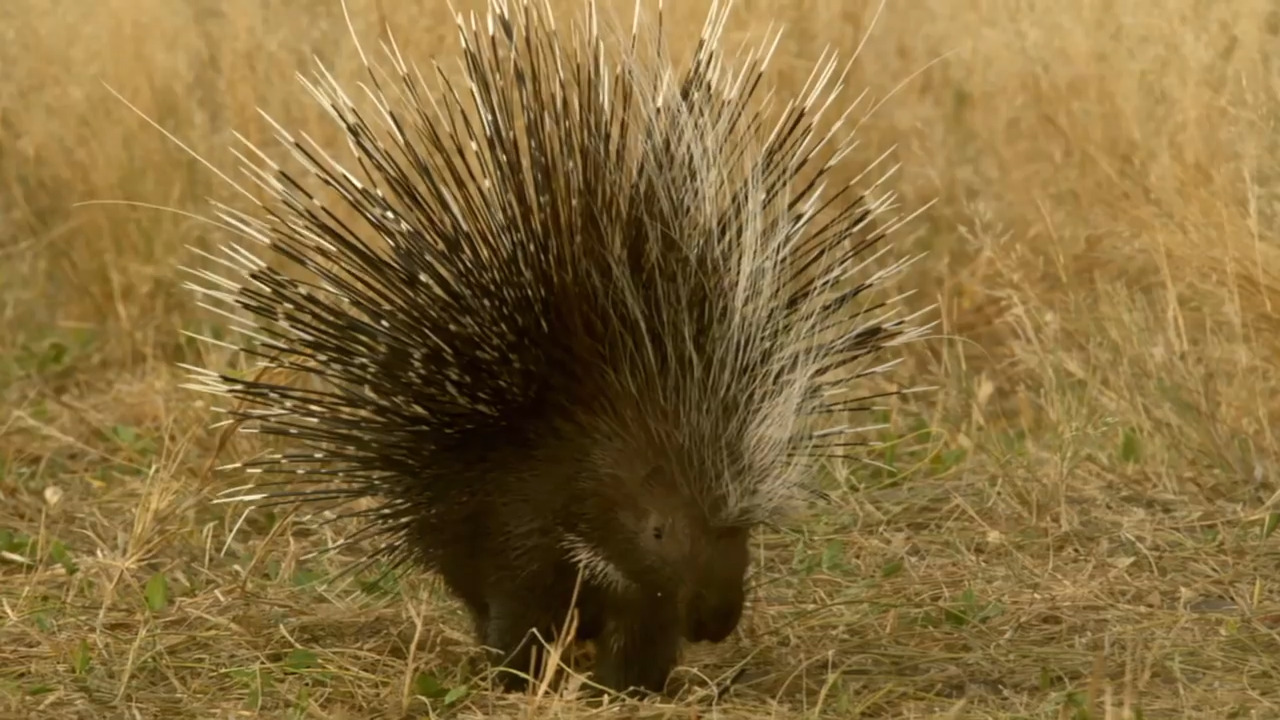
In Animals With Spines, evolutionary biologist Ben Garrod presents porcupines and how their quills have evolved as a defense mechanism. Learn how these animals, with their distinctive spines and quills, have adapted to survive in the wild as you discover how porcupines’ quills have evolved to detach and protect them from predators. This video is excerpted from Secrets of Skin, a documentary series exploring the natural history of the body’s largest organ.
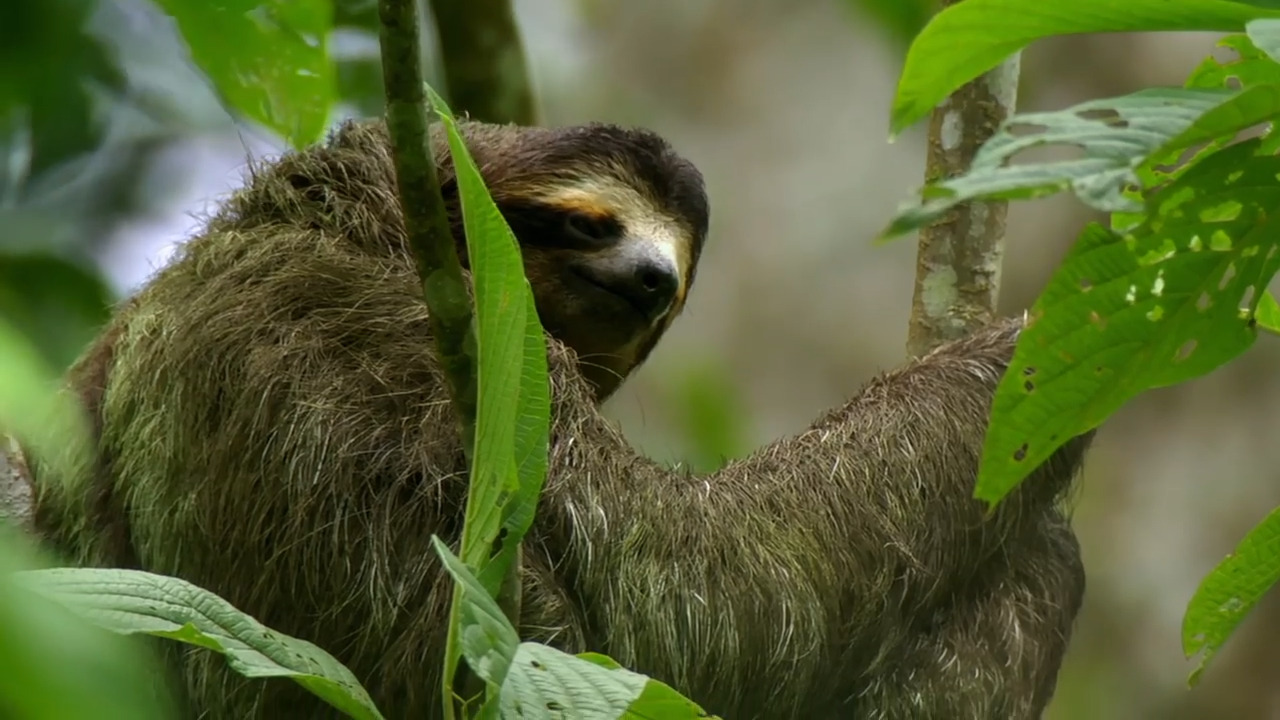
In Sloths, Masters of Slow and Steady, evolutionary biologist Ben Garrod describes how a sloth's skin provides unique camouflage, helping it blend into its environment for protection. Discover the symbiotic relationship between sloths and algae, which grows on their fur and gives them a greenish tint. This algae offers camouflage while also supporting moths that help fertilize the algae. Through this fascinating example of nature’s design, see how animals and plants can depend on each other in unexpected ways. This video is excerpted from Secrets of Skin, a documentary series exploring the natural history of the body’s largest organ.
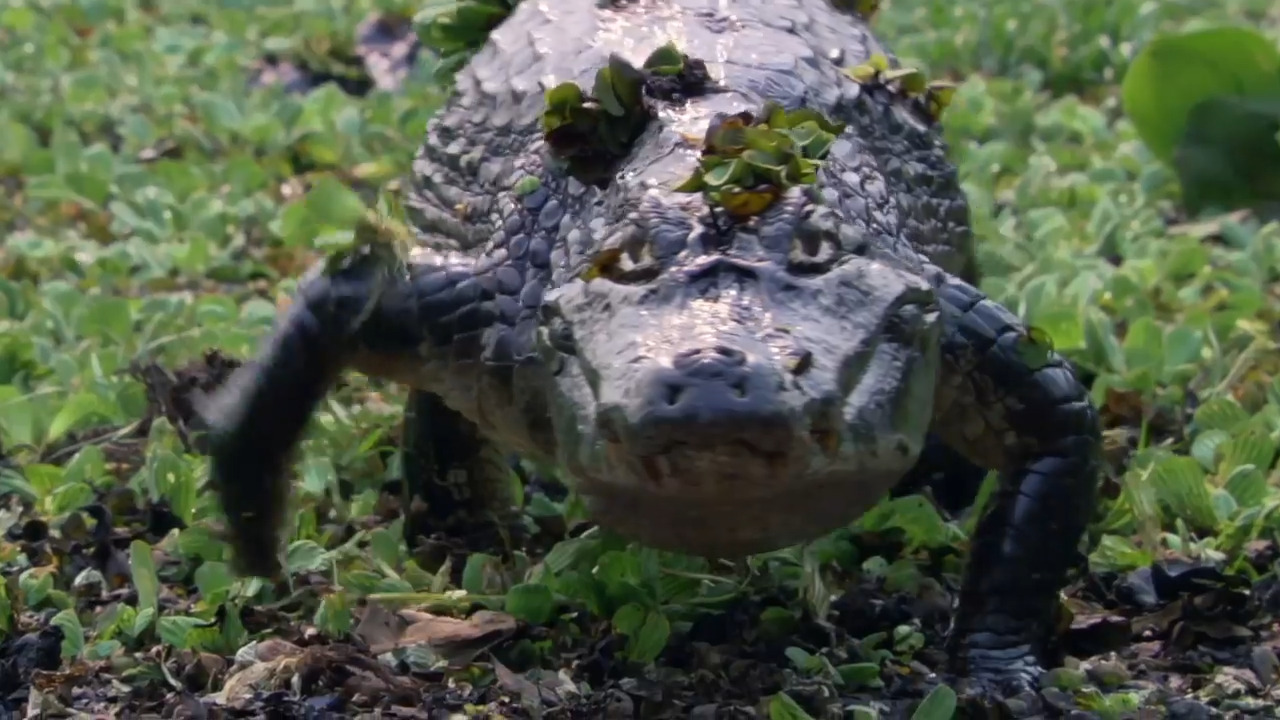
In Crocodilians, Ancient Apex Predators, evolutionary biologist Ben Garrod meets some crocodilians. This category includes crocodiles, alligators, and other similar species that use their sensitive skin to detect pressure and vibrations, especially in murky waters where their vision is limited. This unique adaptation helps them hunt and survive as an apex predator. This video is excerpted from Secrets of Skin, a documentary series exploring the natural history of the body’s largest organ.

In How Sunscreen Works, evolutionary biologist Ben Garrod explains why pale skin needs extra protection from the Sun because it doesn't have much melanin, which helps block harmful UV rays. He uses a special UV camera to see how much protection his skin naturally has and discovers he needs sunscreen to stay safe from sunburn. After applying sunscreen to one side of his face, the camera shows that the sunscreen makes his skin much darker, proving it's protecting him from the Sun’s harmful rays. This video is excerpted from BBC’s Secrets of Skin, a documentary series exploring the natural history of the body's largest organ.
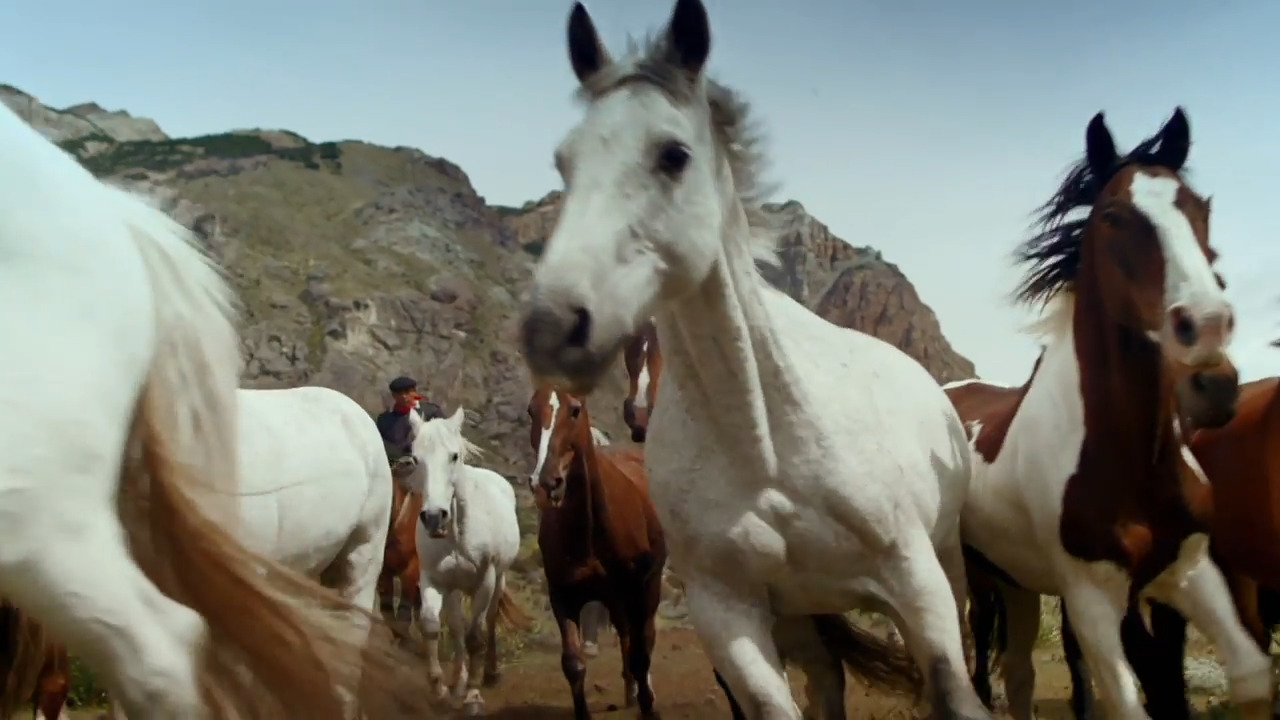
In Keratin, the Protective Protein, evolutionary biologist Ben Garrod discusses the importance of keratin, a protein that plays a vital role in the survival of many animals. Keratin is found in skin, hair, and nails and serves protective functions. Learn how keratin is present in different forms across various animals, such as the tough keratin in a horse's hoof, which is similar to a toenail, and the scales of a pangolin, which act like armor. This video is excerpted from BBC’s Secrets of Skin, a documentary series exploring the natural history of the body's largest organ.
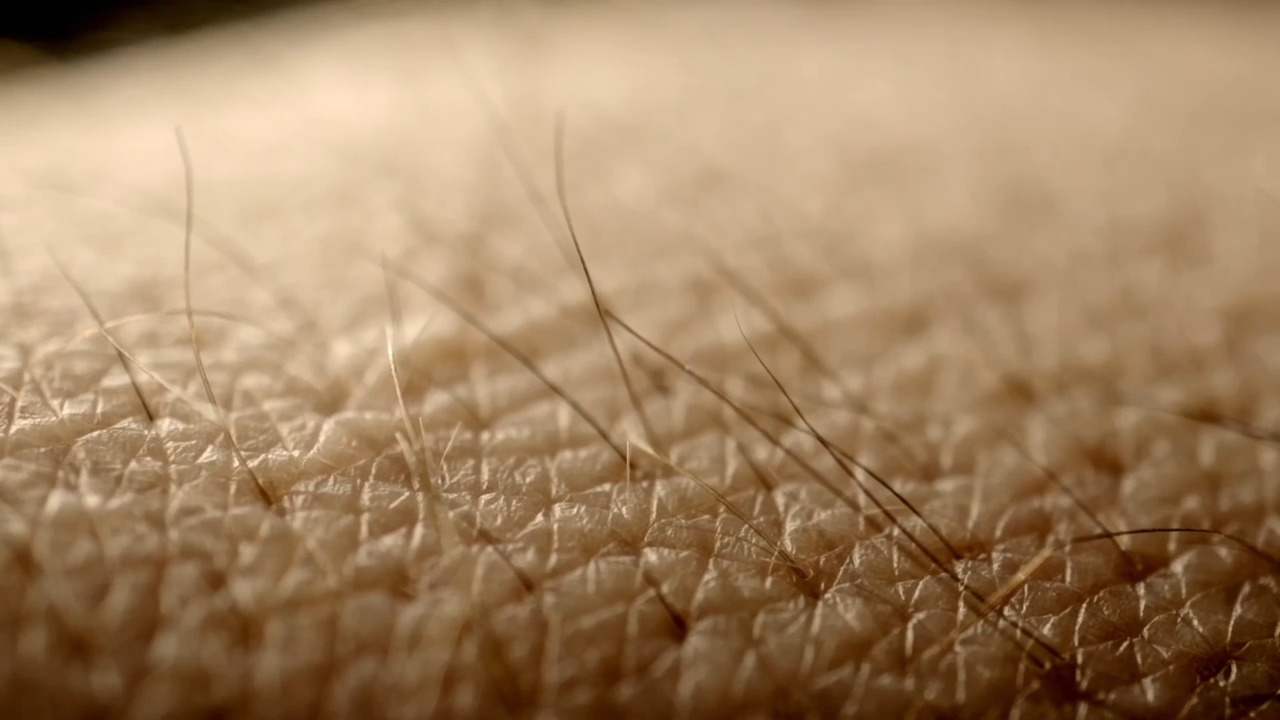
In Microscopic Creatures on Your Skin, evolutionary biologist Ben Garrod introduces some microscopic creatures known as skin mites. Scientists demonstrate how to collect skin samples from a person’s forehead using superglue and examine them under a microscope to find these organisms. The video explores how skin mites live on human skin, particularly on areas like the forehead and cheeks, and how magnification reveals these tiny creatures in great detail. This video is excerpted from BBC’s Secrets of Skin, a documentary series exploring the natural history of the body's largest organ.
In Layers of the Skin, evolutionary biologist Ben Garrod explores the fascinating science of skin and how mammals, amphibians, fish, reptiles, and birds share a similar basic skin structure, despite differences in appearance and function. Learn about the three main layers of skin: the epidermis, dermis, and subcutaneous fat layer. Each layer plays an important role in helping animals adapt to their environment, providing protection, flexibility, and sensitivity. See how skin can be tough, flexible, colorful, and capable of growing feathers, hair, and even teeth. This video is excerpted from BBC’s Secrets of Skin, a documentary series exploring the natural history of the body's largest organ.
In Fabulous Feathers, evolutionary biologist Ben Garrod explores the feathers of birds and how they help them to fly. Learn how feathers are primarily made of keratin, a fibrous protein also found in human hair and nails. Feathers are lightweight yet strong and stiff, which allows birds to soar. Discover the unique structure of feathers, with parts such as the vane, barbs, and rachis working together to create the shape and function needed for flight. This video is excerpted from Secrets of Skin, a documentary series exploring the natural history of the body’s largest organ.
In How Amphibians Have Mastered Both Land and Water, evolutionary biologist Ben Garrod explains how frogs’ skin has adapted to help them survive in different environments. Specifically, frogs' skin helps them breathe both on land and in water. Learn how frogs can absorb oxygen through their skin, which is essential for their survival, especially for species like the Titicaca frog that never needs to surface to breathe. See how the structure of a frog's skin serves other functions, such as keeping out harmful microbes, and how different species of frogs have unique adaptations that help them thrive in their habitats. This video is excerpted from Secrets of Skin, a documentary series exploring the natural history of the body’s largest organ.
In How Blubber Keeps Whales Warm, evolutionary biologist Ben Garrod shows how the blubber of different types of whales is uniquely suited to keep them warm in cold ocean waters. Discover the specific adaptations of three whale species: the minke, humpback, and bowhead, and how their blubber thickness correlates with the cold environments they inhabit. Understand the importance of these adaptations in whale survival and how blubber functions as both an insulator and an energy store. This video is excerpted from Secrets of Skin, a documentary series exploring the natural history of the body’s largest organ.
In The Mandrill and Its Bright Red Nose, evolutionary biologist Ben Garrod learns all about the mandrill, focusing on the bright red nose of the species. Find out how this nose helps the mandrill communicate and why it is so important for survival. This video is excerpted from Secrets of Skin, a documentary series exploring the natural history of the body’s largest organ.
In What Makes Poison Dart Frogs Toxic?, evolutionary biologist Ben Garrod discusses how poison dart frogs produce their toxins. Learn how these frogs derive their toxicity from alkaloids found in their diet, how they use their poison for defense, and why scientists are studying these toxins for potential medical uses. This video is excerpted from Secrets of Skin, a documentary series exploring the natural history of the body’s largest organ.
In Animals With Spines, evolutionary biologist Ben Garrod presents porcupines and how their quills have evolved as a defense mechanism. Learn how these animals, with their distinctive spines and quills, have adapted to survive in the wild as you discover how porcupines’ quills have evolved to detach and protect them from predators. This video is excerpted from Secrets of Skin, a documentary series exploring the natural history of the body’s largest organ.
In Sloths, Masters of Slow and Steady, evolutionary biologist Ben Garrod describes how a sloth's skin provides unique camouflage, helping it blend into its environment for protection. Discover the symbiotic relationship between sloths and algae, which grows on their fur and gives them a greenish tint. This algae offers camouflage while also supporting moths that help fertilize the algae. Through this fascinating example of nature’s design, see how animals and plants can depend on each other in unexpected ways. This video is excerpted from Secrets of Skin, a documentary series exploring the natural history of the body’s largest organ.
In Crocodilians, Ancient Apex Predators, evolutionary biologist Ben Garrod meets some crocodilians. This category includes crocodiles, alligators, and other similar species that use their sensitive skin to detect pressure and vibrations, especially in murky waters where their vision is limited. This unique adaptation helps them hunt and survive as an apex predator. This video is excerpted from Secrets of Skin, a documentary series exploring the natural history of the body’s largest organ.
In How Sunscreen Works, evolutionary biologist Ben Garrod explains why pale skin needs extra protection from the Sun because it doesn't have much melanin, which helps block harmful UV rays. He uses a special UV camera to see how much protection his skin naturally has and discovers he needs sunscreen to stay safe from sunburn. After applying sunscreen to one side of his face, the camera shows that the sunscreen makes his skin much darker, proving it's protecting him from the Sun’s harmful rays. This video is excerpted from BBC’s Secrets of Skin, a documentary series exploring the natural history of the body's largest organ.
In Keratin, the Protective Protein, evolutionary biologist Ben Garrod discusses the importance of keratin, a protein that plays a vital role in the survival of many animals. Keratin is found in skin, hair, and nails and serves protective functions. Learn how keratin is present in different forms across various animals, such as the tough keratin in a horse's hoof, which is similar to a toenail, and the scales of a pangolin, which act like armor. This video is excerpted from BBC’s Secrets of Skin, a documentary series exploring the natural history of the body's largest organ.
In Microscopic Creatures on Your Skin, evolutionary biologist Ben Garrod introduces some microscopic creatures known as skin mites. Scientists demonstrate how to collect skin samples from a person’s forehead using superglue and examine them under a microscope to find these organisms. The video explores how skin mites live on human skin, particularly on areas like the forehead and cheeks, and how magnification reveals these tiny creatures in great detail. This video is excerpted from BBC’s Secrets of Skin, a documentary series exploring the natural history of the body's largest organ.