The Silk Road and Disease
In The Silk Road and Disease, host Joanna Lumley shares how, along with valuable goods like silk and spices, diseases like the bubonic plague spread along the Silk Road. Discover the impact of the plague on Venice, where it arrived three times most notably in 1629, causing the deaths of about one-third of the city’s population. This video is excerpted from BBC’s Joanna Lumley’s Silk Road Adventure, a documentary series uncovering the rich history and cultural treasures of the Silk Road.
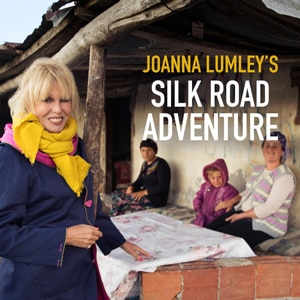
Joanna Lumley embarks on a grand and challenging journey into the heart of the Silk Road. Learn more.
Lesson Express
Q: What types of goods were commonly traded along the Silk Road, and why were they significant?
A: Items like silk, glass, medicines, and exotic plants were highly valued for their rarity and usefulness, making them important for cultural exchange and economic growth along the Silk Road.
Q: How did the Silk Road contribute to the spread of the bubonic plague?
A: The Silk Road facilitated the movement of people and goods, which allowed infected fleas on rats to travel long distances, spreading the disease across regions and contributing to outbreaks of the bubonic plague.
Q: What factors contributed to Venice being severely impacted by the plague in 1629?
A: Venice was severely impacted by the plague in 1629 due to its role as a major trade hub on the Silk Road. Additionally, high population density, poor sanitation, and delayed quarantine measures further enabled the disease to spread rapidly and claim many lives.
More Like This
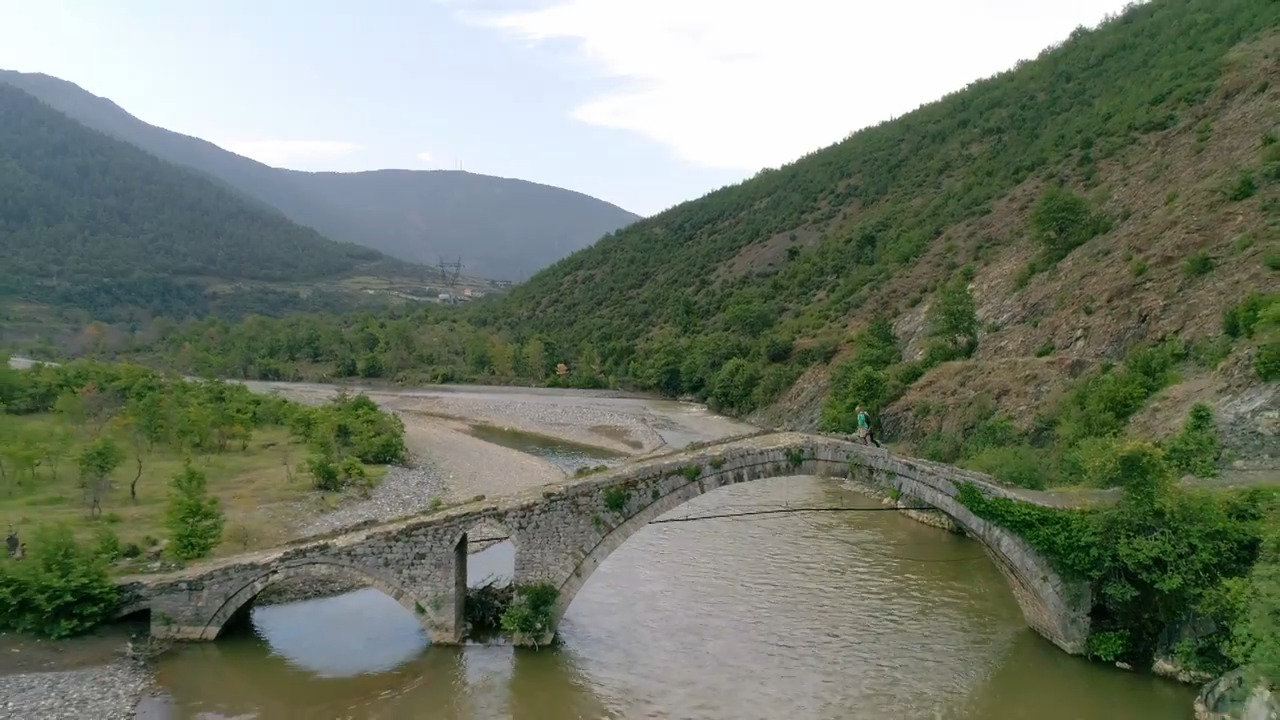
In The Via Egnatia, host Joanna Lumley explores the remains of an ancient Roman road stretching from Durres in Albania to Istanbul in Turkey. Though much of the road has disappeared over time, sections are still visible today. Joanna embarks on a journey to find the original path, uncovering the history and significance of this ancient route. This video is excerpted from BBC’s Joanna Lumley’s Silk Road Adventure, a documentary series uncovering the rich history and cultural treasures of the Silk Road.
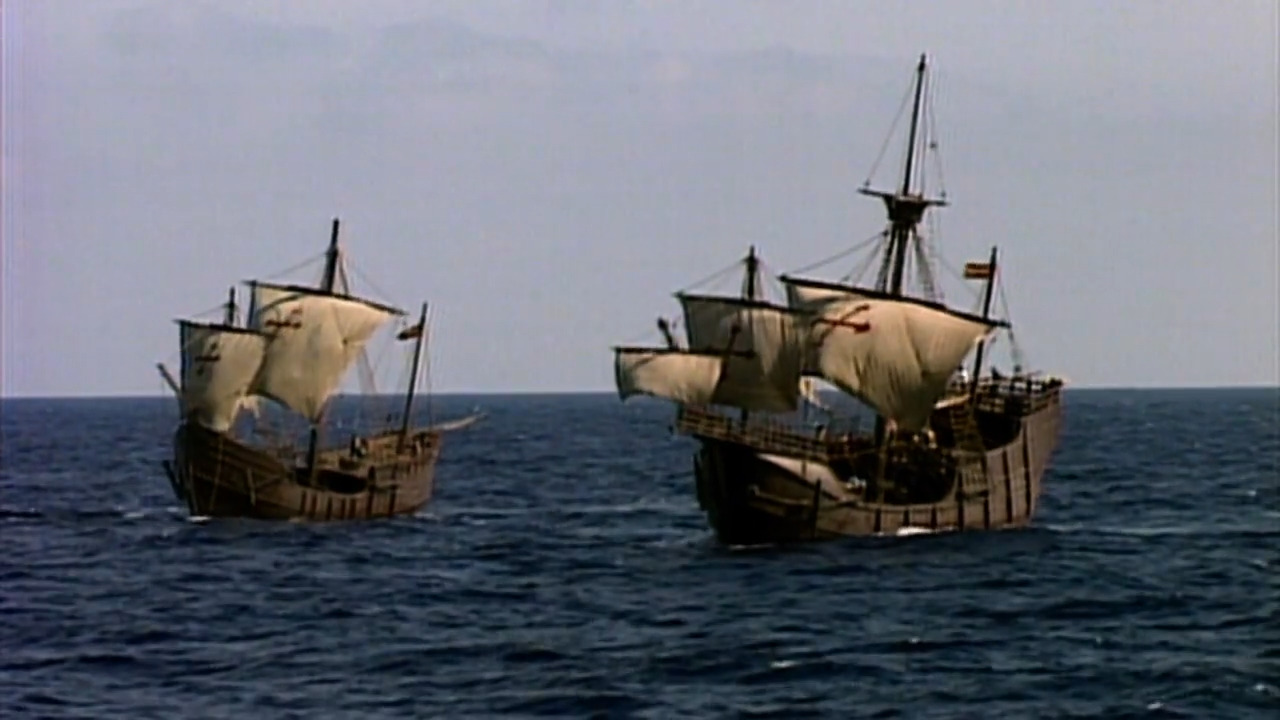
In Setting Sail With Columbus, host Andrew Marr introduces Columbus and the men who sailed with him on one of the first expeditions to find a trading route to Asia. The queen declared a reward for the first person to spot land, which ended up being what Columbus called the “New World.” This video is excerpted from BBC’s Andrew Marr's History of the World, a story of human history that uses reenactments, modern footage, and storytelling to explain history’s greatest achievements.
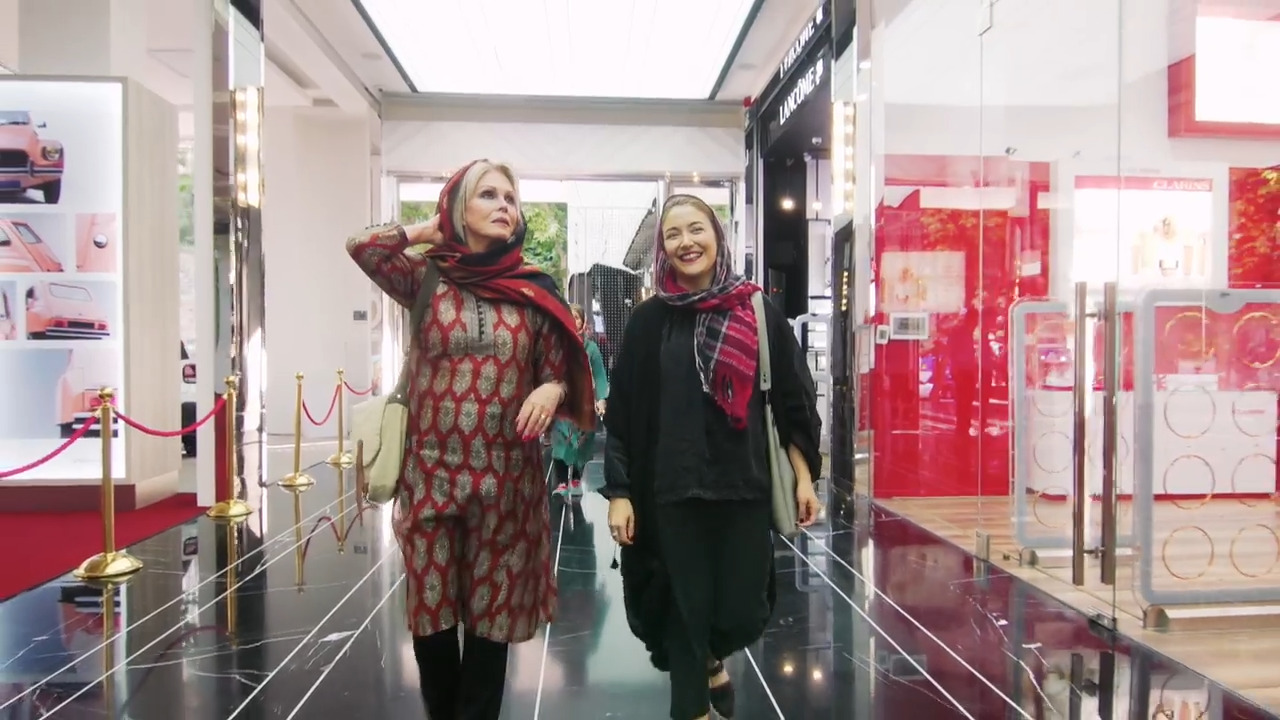
In Challenging Preconceptions of Iran, host Joanna Lumley visits a shopping mall in Tehran. As she explores the mall, her guide explains how the use of social media by young people in Iran is helping to connect individuals and shift some attitudes about life in the country. Through this experience, Joanna gains a deeper understanding of the evolving social landscape of Iran, highlighting how modern technology and cultural traditions intersect in the lives of its people. This video is excerpted from BBC’s Joanna Lumley’s Silk Road Adventure, a documentary series uncovering the rich history and cultural treasures of the Silk Road.
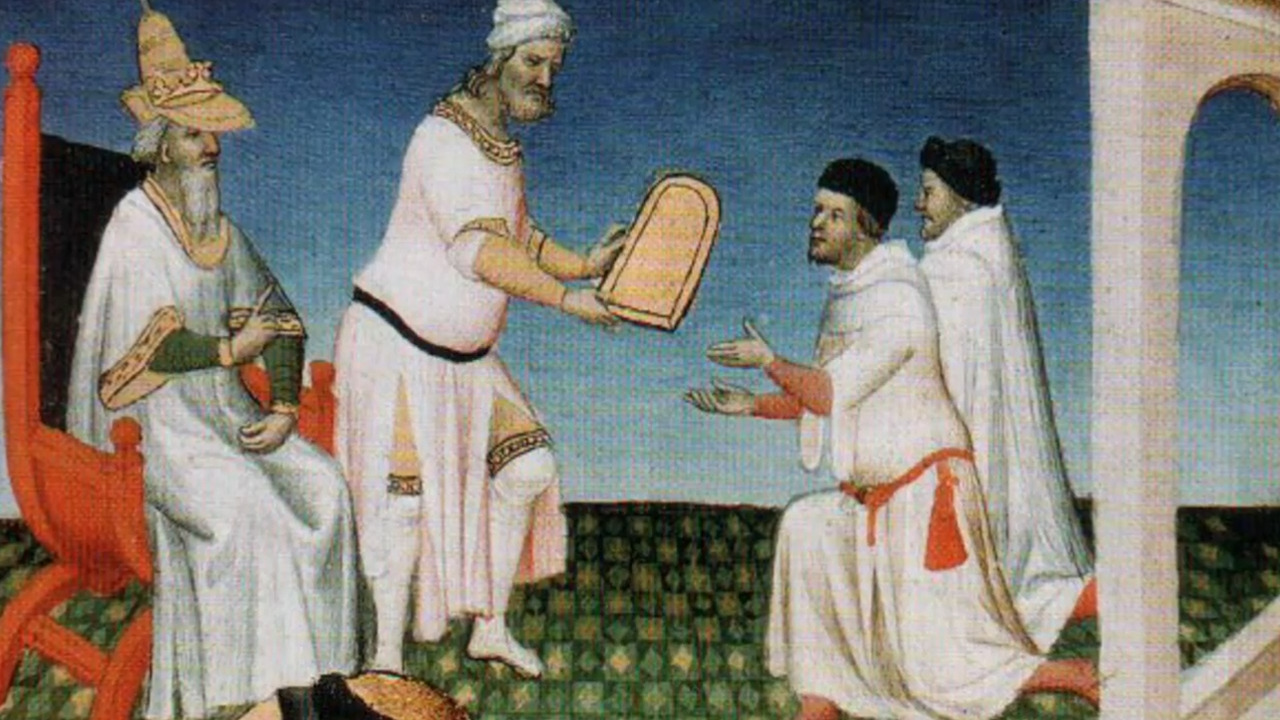
In Marco Polo, host Joanna Lumley introduces the remarkable journey of Marco Polo, who traveled for 17 years across Asia. Marco, along with his father and uncle, were trusted envoys of the 13th-Century Mongolian emperor Kublai Khan. They were given a tablet guaranteeing their safe passage through Khan's empire. During this time, spices were highly prized, making the Silk Road an essential trade route for connecting Asia to Europe. This video is excerpted from BBC’s Joanna Lumley’s Silk Road Adventure, a documentary series uncovering the rich history and cultural treasures of the Silk Road.
In The Via Egnatia, host Joanna Lumley explores the remains of an ancient Roman road stretching from Durres in Albania to Istanbul in Turkey. Though much of the road has disappeared over time, sections are still visible today. Joanna embarks on a journey to find the original path, uncovering the history and significance of this ancient route. This video is excerpted from BBC’s Joanna Lumley’s Silk Road Adventure, a documentary series uncovering the rich history and cultural treasures of the Silk Road.
In Setting Sail With Columbus, host Andrew Marr introduces Columbus and the men who sailed with him on one of the first expeditions to find a trading route to Asia. The queen declared a reward for the first person to spot land, which ended up being what Columbus called the “New World.” This video is excerpted from BBC’s Andrew Marr's History of the World, a story of human history that uses reenactments, modern footage, and storytelling to explain history’s greatest achievements.
In Challenging Preconceptions of Iran, host Joanna Lumley visits a shopping mall in Tehran. As she explores the mall, her guide explains how the use of social media by young people in Iran is helping to connect individuals and shift some attitudes about life in the country. Through this experience, Joanna gains a deeper understanding of the evolving social landscape of Iran, highlighting how modern technology and cultural traditions intersect in the lives of its people. This video is excerpted from BBC’s Joanna Lumley’s Silk Road Adventure, a documentary series uncovering the rich history and cultural treasures of the Silk Road.
In Marco Polo, host Joanna Lumley introduces the remarkable journey of Marco Polo, who traveled for 17 years across Asia. Marco, along with his father and uncle, were trusted envoys of the 13th-Century Mongolian emperor Kublai Khan. They were given a tablet guaranteeing their safe passage through Khan's empire. During this time, spices were highly prized, making the Silk Road an essential trade route for connecting Asia to Europe. This video is excerpted from BBC’s Joanna Lumley’s Silk Road Adventure, a documentary series uncovering the rich history and cultural treasures of the Silk Road.