
The article "Amelia Earhart’s Final Flight: The Mystery of the Missing Aviator" from BBC's HistoryExtra is a gripping look at Earhart’s adventurous life and her mysterious disappearance.

The article "Hummingbirds: Tiny Birds With Big Abilities" from BBC's Discover Wildlife is a detailed guide to the world of hummingbirds. It explores their unique flight skills, diet, habitats, and how their fast metabolism drives their daily routines. With over 350 species, these birds face threats from predators and habitat loss, but they continue to amaze scientists and birdwatchers alike.

50,000 air miles. That's enough to circle the entire planet twice — and it's how far a private jet reportedly linked to FIFA President Gianni Infantino flew during the 2026 World Cup. In just over a month, Infantino attended 41 matches across North America, sometimes appearing at games in cities hundreds of miles apart on the same day. No, he didn't discover teleportation, and he definitely didn't outrun Messi or Mbappé. The real answer is a lot simpler — and a lot more expensive for the planet.
FIFA wouldn't confirm Infantino was on board, but BBC Verify tracked flight data from a private jet reportedly linked to him. The plane's movements lined up with Infantino's appearances in host cities. Over about a month, that jet flew 46 times — sometimes three flights in a single day.
All that flying comes at a real cost to the climate. Experts estimate the jet's emissions were roughly equal to one year's carbon footprint for 135 average people. That's a striking number, especially since FIFA had made environmental promises for the tournament, including grouping teams regionally — specifically to cut down on long-distance travel.
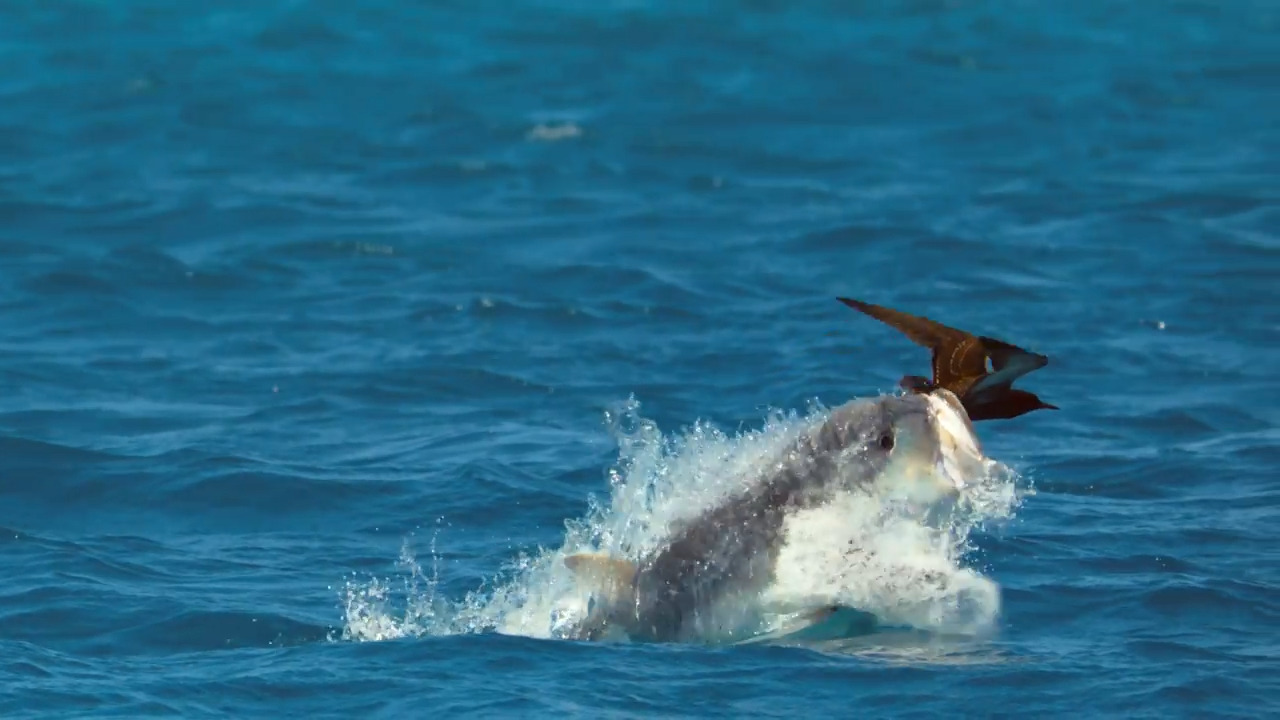
In Terns and the Giant Trevally Fish, narrator Sir David Attenborough explores the relationship between terns, a type of seabird, and the giant trevally fish. As the terns beginning to take flight, the trevally fish display their ability to rise above the water’s surface, in a battle of survival. This video is excerpted from BBC’s Blue Planet II, a natural history series that explores the world's oceans, the animals that live in them, and the threats they face, using modern filming techniques and equipment to capture previously unseen areas of the ocean.
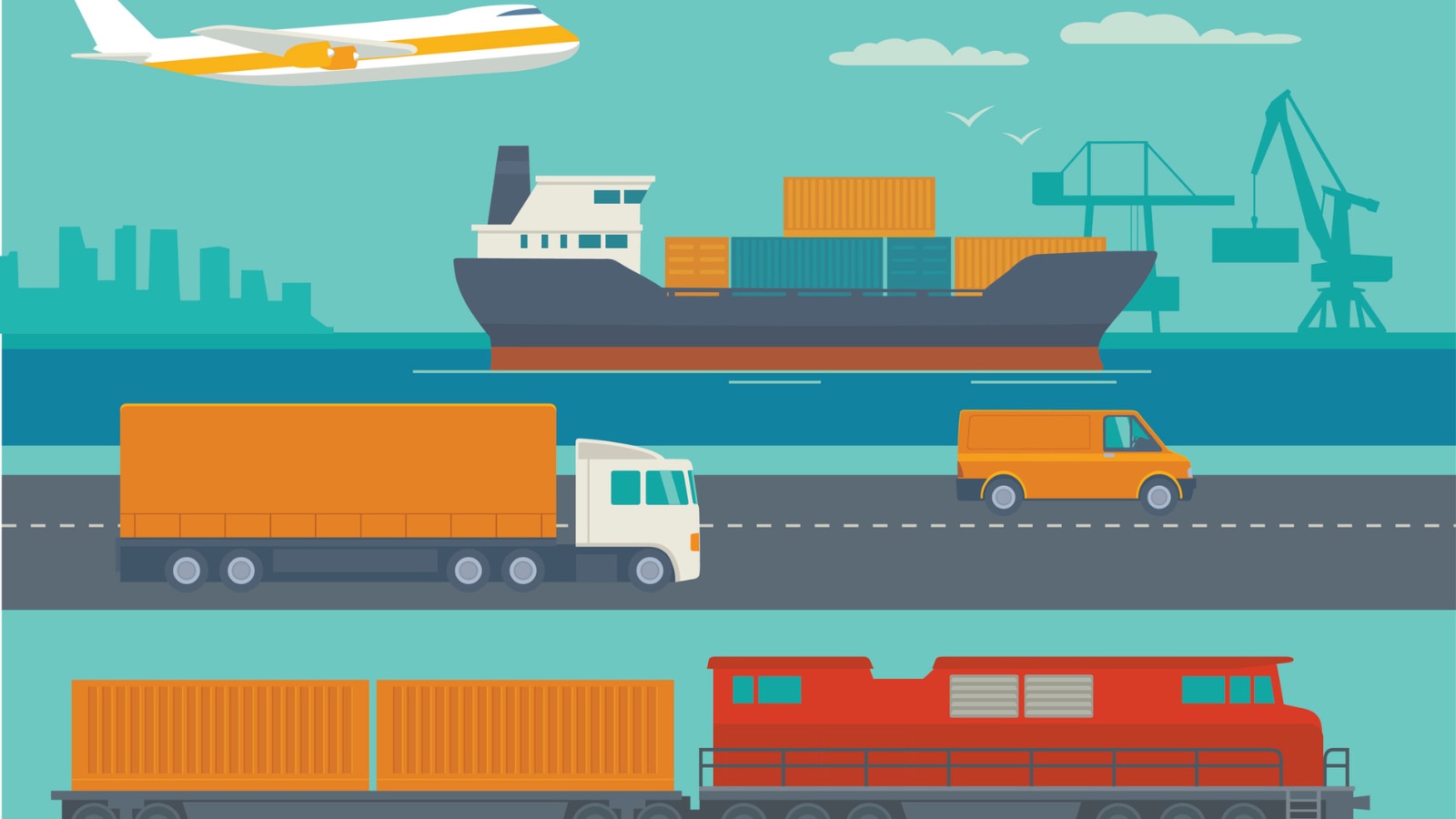
Get ready for a speedy adventure! This BBC Learning Hub playlist, packed with clips from Grace’s Amazing Machines, takes students on a high-octane journey through land, sea, and sky. From gyrocopters and tugboats to superbikes and supercars, each video introduces a powerful machine — and the science that makes it move.
Perfect for teaching concepts like forces and motion, energy, friction, and transportation technology, these clips are a fun, fast-paced way to explore how things go, glide, float, and fly. Each video comes with discussion questions, hands-on activities, and more to help kids think, tinker, and learn like real engineers. Buckle up — it’s going to be a wild ride!
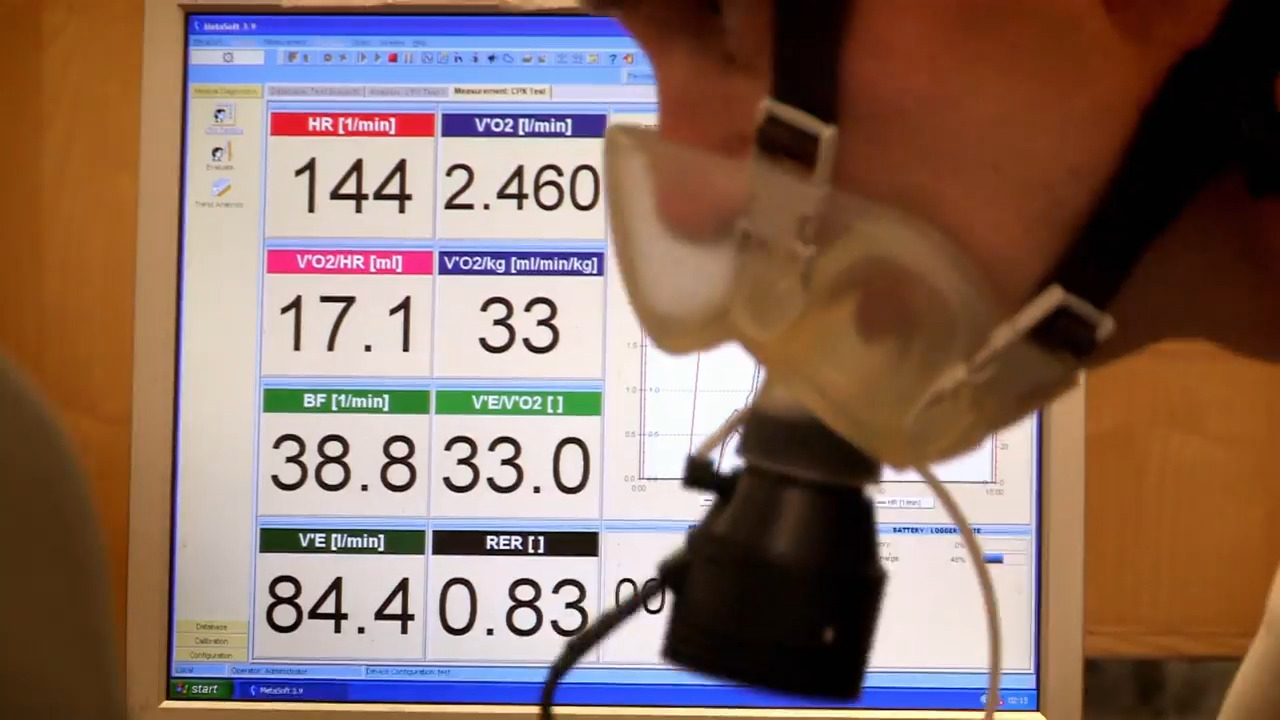
In A Pedal Power Test, Jem is building a small plane powered by pedaling, but he needs to generate 350 watts to get it off the ground. After testing with Dr. Brickley, he discovers he can only produce 275 watts. The doctor believes with some training, Jem can increase his wattage and make his flying dream possible! This video is excerpted from BBC’s Bang Goes the Theory, a series that delves into the ways science impacts our lives and shapes the world we experience every day.
The article "Amelia Earhart’s Final Flight: The Mystery of the Missing Aviator" from BBC's HistoryExtra is a gripping look at Earhart’s adventurous life and her mysterious disappearance.
The article "Hummingbirds: Tiny Birds With Big Abilities" from BBC's Discover Wildlife is a detailed guide to the world of hummingbirds. It explores their unique flight skills, diet, habitats, and how their fast metabolism drives their daily routines. With over 350 species, these birds face threats from predators and habitat loss, but they continue to amaze scientists and birdwatchers alike.
50,000 air miles. That's enough to circle the entire planet twice — and it's how far a private jet reportedly linked to FIFA President Gianni Infantino flew during the 2026 World Cup. In just over a month, Infantino attended 41 matches across North America, sometimes appearing at games in cities hundreds of miles apart on the same day. No, he didn't discover teleportation, and he definitely didn't outrun Messi or Mbappé. The real answer is a lot simpler — and a lot more expensive for the planet.
FIFA wouldn't confirm Infantino was on board, but BBC Verify tracked flight data from a private jet reportedly linked to him. The plane's movements lined up with Infantino's appearances in host cities. Over about a month, that jet flew 46 times — sometimes three flights in a single day.
All that flying comes at a real cost to the climate. Experts estimate the jet's emissions were roughly equal to one year's carbon footprint for 135 average people. That's a striking number, especially since FIFA had made environmental promises for the tournament, including grouping teams regionally — specifically to cut down on long-distance travel.
In Terns and the Giant Trevally Fish, narrator Sir David Attenborough explores the relationship between terns, a type of seabird, and the giant trevally fish. As the terns beginning to take flight, the trevally fish display their ability to rise above the water’s surface, in a battle of survival. This video is excerpted from BBC’s Blue Planet II, a natural history series that explores the world's oceans, the animals that live in them, and the threats they face, using modern filming techniques and equipment to capture previously unseen areas of the ocean.
Get ready for a speedy adventure! This BBC Learning Hub playlist, packed with clips from Grace’s Amazing Machines, takes students on a high-octane journey through land, sea, and sky. From gyrocopters and tugboats to superbikes and supercars, each video introduces a powerful machine — and the science that makes it move.
Perfect for teaching concepts like forces and motion, energy, friction, and transportation technology, these clips are a fun, fast-paced way to explore how things go, glide, float, and fly. Each video comes with discussion questions, hands-on activities, and more to help kids think, tinker, and learn like real engineers. Buckle up — it’s going to be a wild ride!
In A Pedal Power Test, Jem is building a small plane powered by pedaling, but he needs to generate 350 watts to get it off the ground. After testing with Dr. Brickley, he discovers he can only produce 275 watts. The doctor believes with some training, Jem can increase his wattage and make his flying dream possible! This video is excerpted from BBC’s Bang Goes the Theory, a series that delves into the ways science impacts our lives and shapes the world we experience every day.