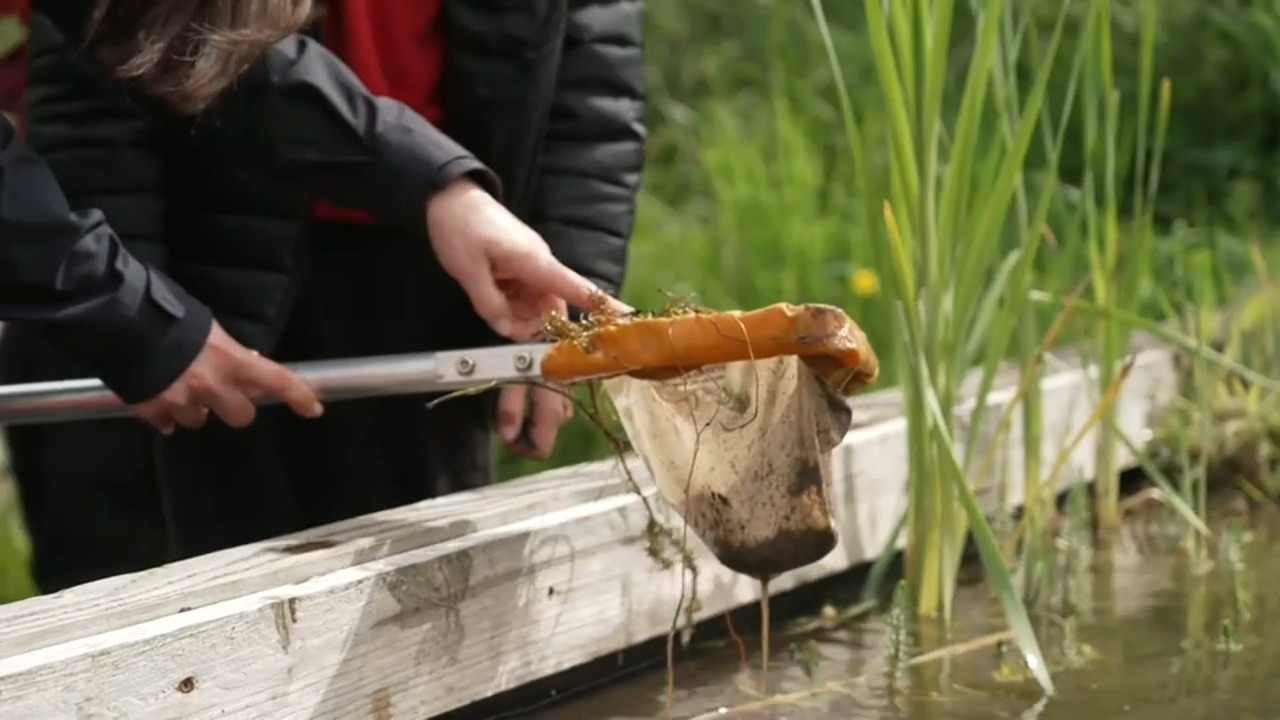
Your parents or grandparents probably talk about growing up outside — riding bikes, climbing trees, scraping up knees. Turns out, they were onto something.
The Wildlife Trusts, a UK conservation group, just wrapped up "30 Days Wild," the UK's biggest nature challenge. Millions of people, including tens of thousands of schools, took part by doing one "wild" activity a day — noticing, appreciating, or exploring nature. The Lancashire Wildlife Trust runs a similar effort called The Greenhouse Project, where people learn to grow food and care for nature together.
The idea: the more connected people feel to nature, the more likely they are to protect it. But a recent poll found that while almost all adults have fond memories of playing outside as kids, nearly half now spend just three hours outside per week — less than 30 minutes a day.
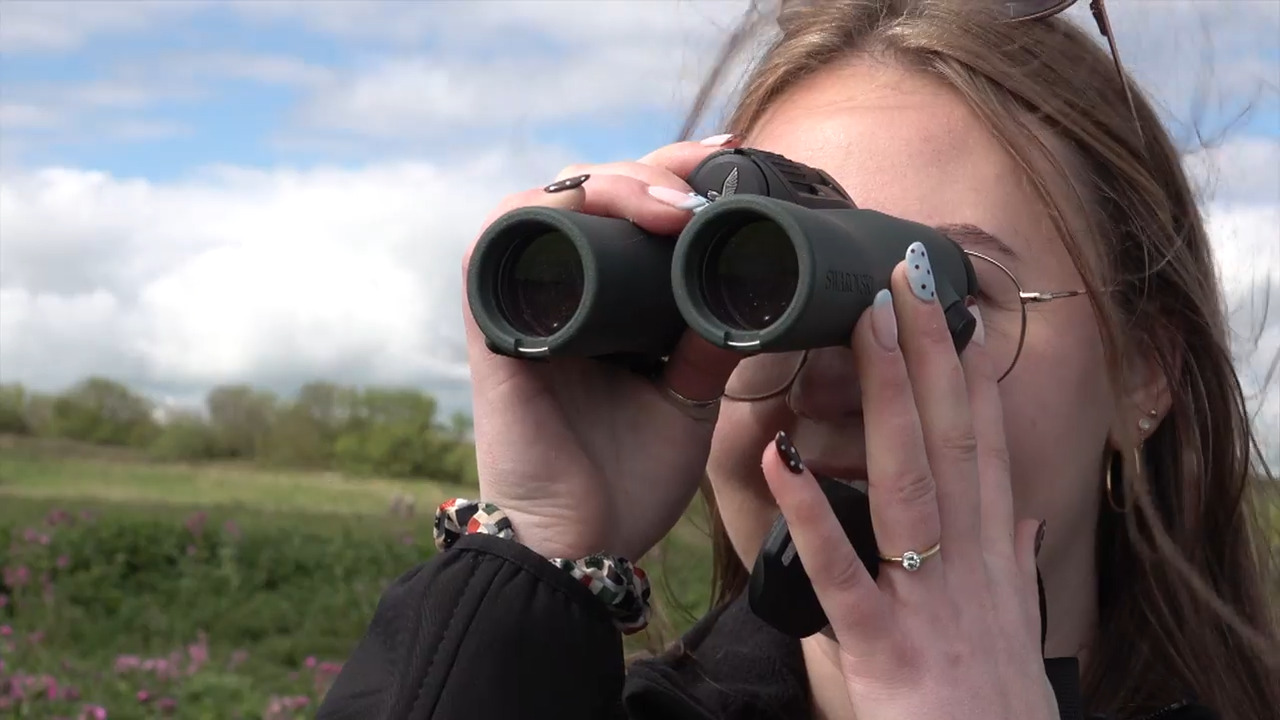
Birdwatching is taking off in a big way among young people. Reports say that around 750,000 people aged 16–29 in the UK and millions in the U.S. now regularly go birdwatching — turning what was once seen as a “quiet” hobby into a fast-growing trend.
Part of the appeal is how simple it is to start. You don’t need expensive gear or special training — just curiosity and a bit of time outdoors. It’s a low-pressure way to take a break from screens, notice what’s around you, and actually tune into sounds and spaces most people scroll past.
Ironically, social media is helping drive the trend. Birdwatching accounts, short videos, and identification apps are making it easier than ever to learn bird calls, spot species, and share discoveries with others. Instead of pulling people away from nature, platforms like TikTok and Instagram are often pushing people back into it.
Conservationists are especially excited because this kind of interest helps more people connect with wildlife and care about protecting it. Birdwatching is becoming less about binoculars and notebooks — and more about curiosity, community, and noticing the world a little differently.
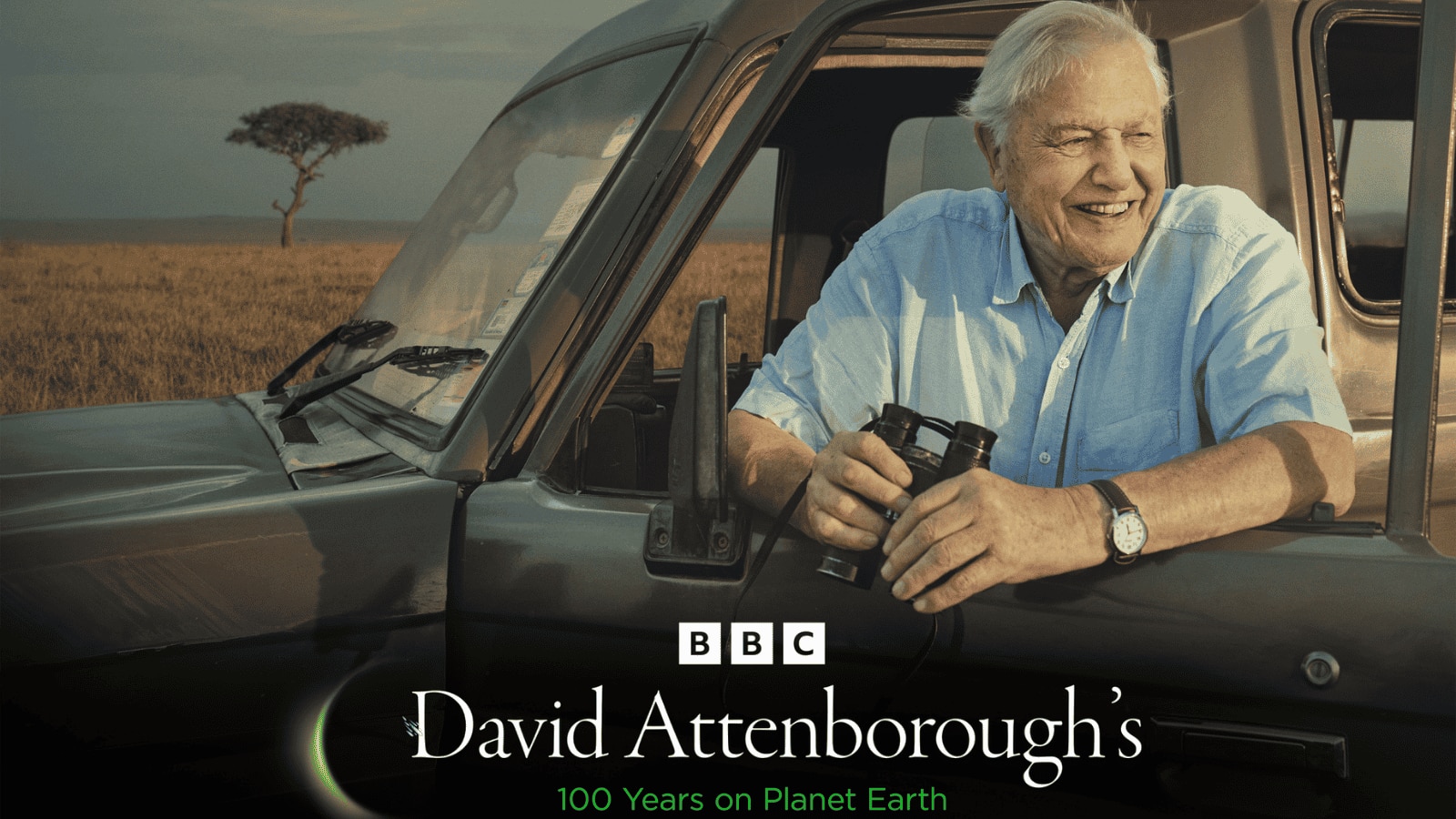
Celebrate the incredible work of Sir David Attenborough — a storyteller who has helped millions of students and viewers explore the natural world. On the occasion of his 100th birthday on May 8, 2026, we honor his enormous accomplishments in the field of environmental advocacy and his role in revolutionizing nature documentaries.
This playlist brings together 10 unforgettable clips from landmark BBC series like Planet Earth, Blue Planet, and Frozen Planet. Each video showcases amazing wildlife, powerful storytelling, and moments that spark curiosity and wonder.
Perfect for the classroom or at home, these videos help students connect with nature, understand our planet, and feel inspired to protect it.
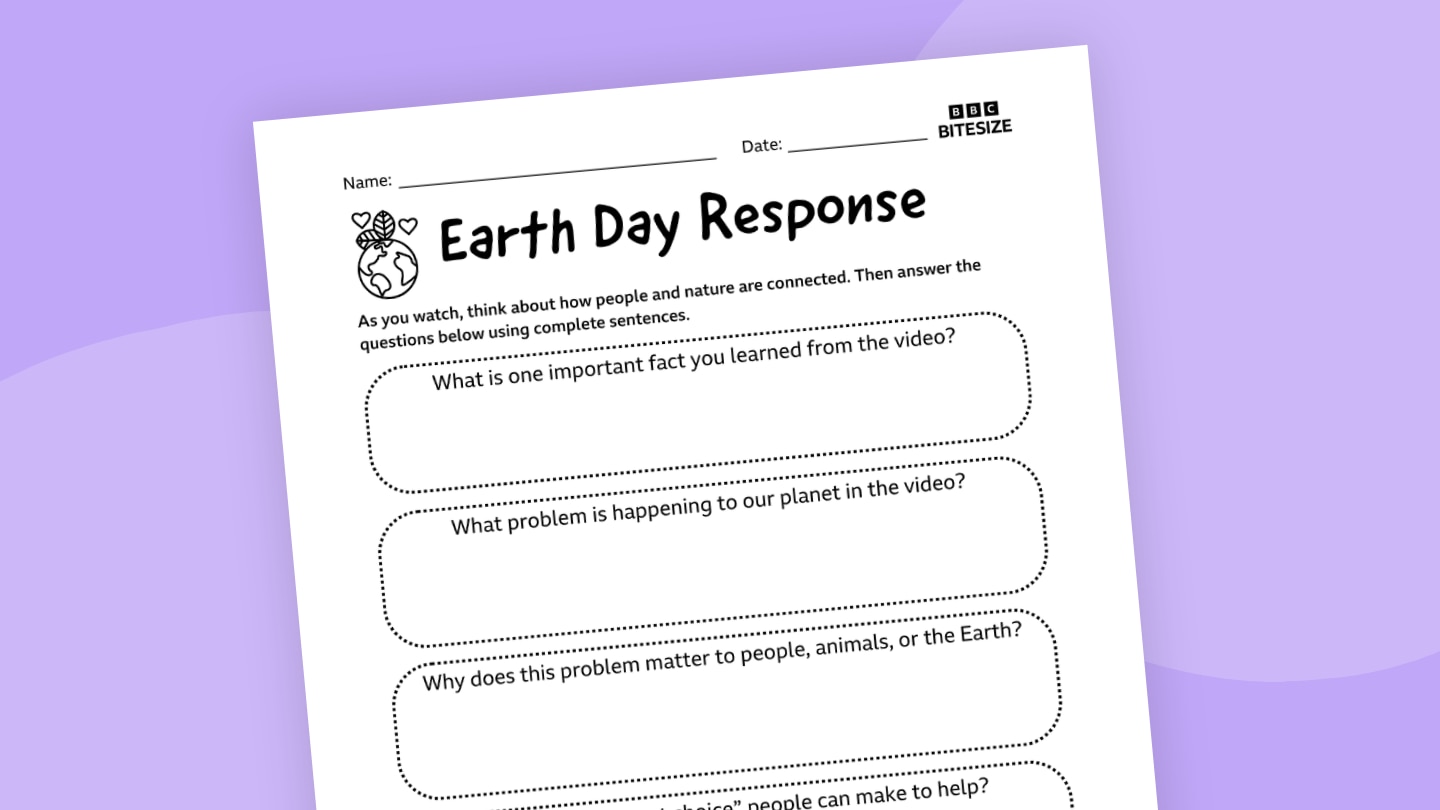
Earth Day is April 20, and we’re celebrating all month long with engaging activities — like our Earth Day video response worksheet! Start by choosing one of the incredible BBC videos from our Earth Day Collection, featuring topics like protecting our planet, innovative ideas for a better future, and inspiring conservation stories.
After watching, have your Grade 3–8 students complete the worksheet questions. You can also give students the option to choose their own video — either from the collection or another relevant clip in our extensive library — since the worksheet is designed to work with any selection.
It’s a simple, meaningful way to spark curiosity and help students connect with real-world environmental issues.

This Earth Day (or anytime this month), share this inspiring video playlist designed to spark curiosity and action in students ages 8–14. From incredible wildlife conservation stories to real-world environmental solutions, each clip invites students to explore the beauty of our planet — and the challenges it faces.
Get a closer look at how forests support life on Earth, discover innovative ideas like renewable energy, and meet the people working to protect endangered species and restore habitats. Along the way, students will see how small choices can make a big difference for our world.
Packed with powerful moments and meaningful learning, this playlist encourages students not just to learn about the Earth — but to think about how they can help protect it.
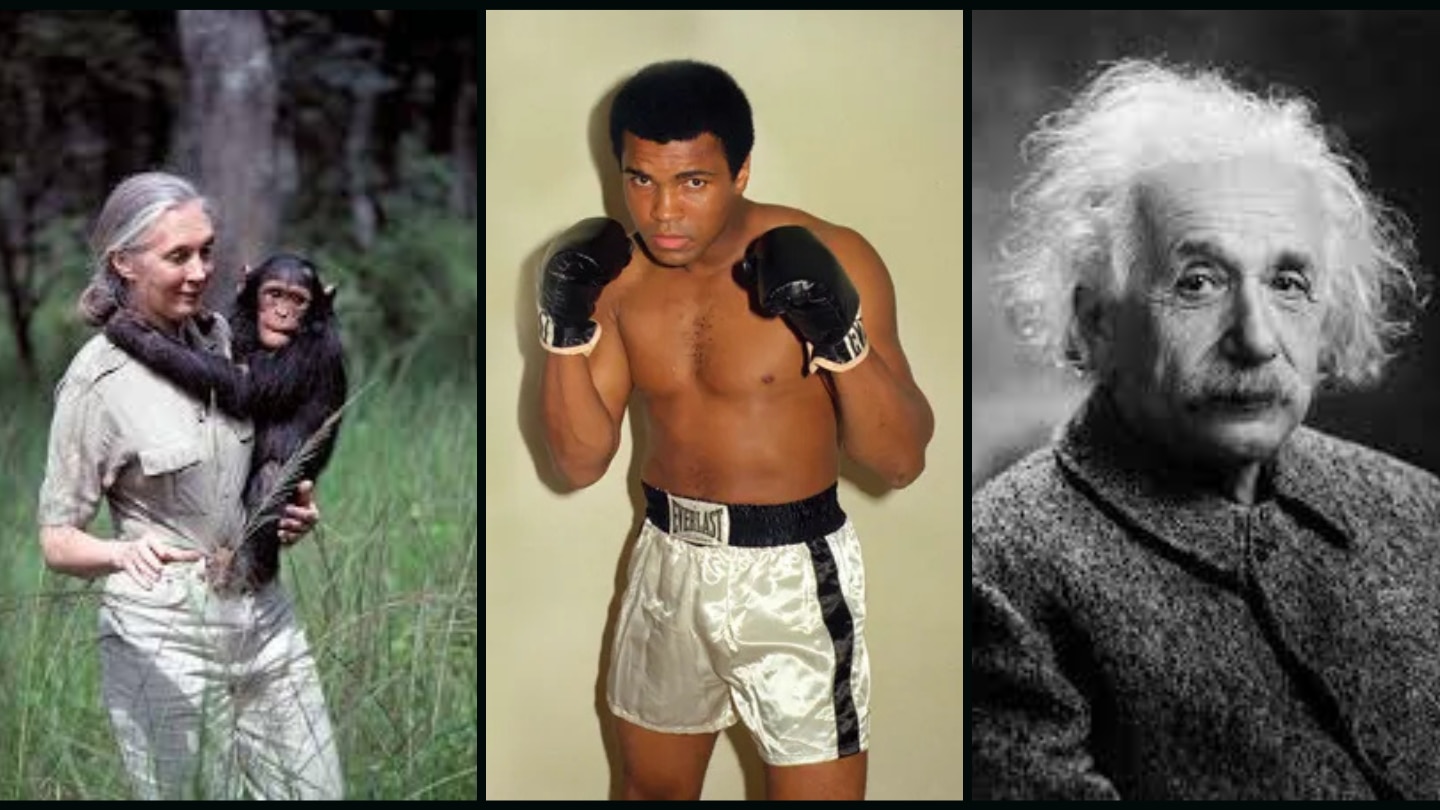
Meet the Icons of the 20th Century. From brilliant scientists and inspiring activists to legendary athletes and artists, these remarkable individuals changed the world in powerful ways. In this video playlist of clips from BBC's Icons: The Greatest Person of the 20th Century, meet Muhammad Ali, Helen Keller, Albert Einstein, Martin Luther King Jr., Pablo Picasso, Jane Goodall, Pelé, Billie Holiday and others — each a trailblazer who shaped history through courage, creativity, and conviction. A perfect playlist to inspire young minds to think big and act boldly!

Take your class on an exciting journey through Florida’s amazing wildlife and habitats! This playlist explores the warm springs where manatees gather in winter and shows how dolphins team up in Florida Bay to catch their food in clever ways. Along the way, your students will discover what makes Florida’s ecosystems so special and why they’re worth protecting. These clips are perfect for sparking curiosity, starting great classroom discussions, and inspiring kids to think like young scientists and conservationists.
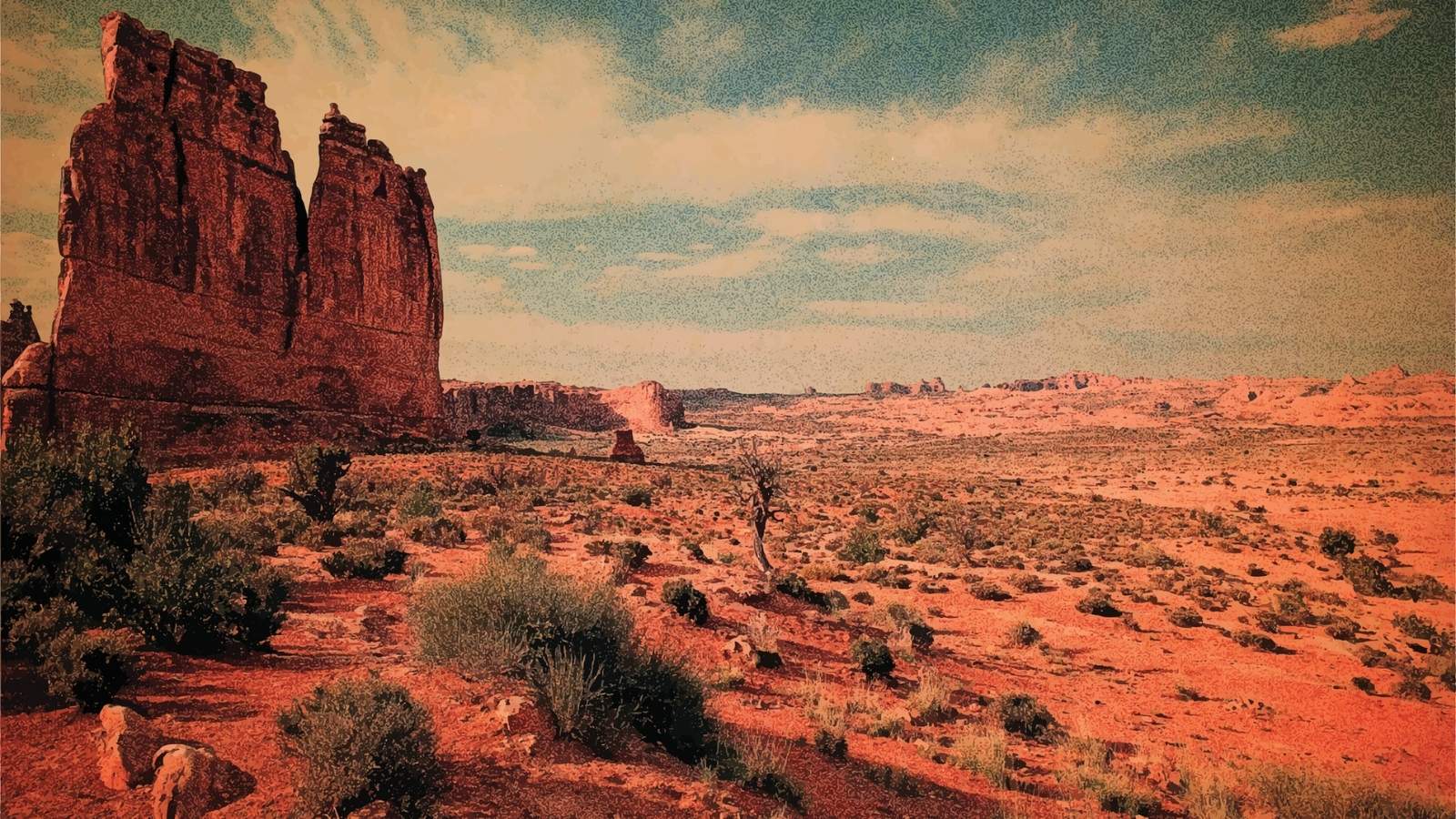
From the iconic Red Rock formations of Arches National Park in Utah and the majestic peaks of the Rocky Mountains, to the unique wetlands of the Everglades, journey through incredible landscapes. Encounter amazing animals like grizzly bears and bobcats, learn about the vital work of protecting ancient redwood forests, and discover how climate change is reshaping these precious wild spaces.

The article "Eleven of the Rarest Animals in the World at Risk of Extinction" from BBC's Discover Wildlife highlights critically endangered species, including the vaquita porpoise and the black and chestnut eagle. It explores conservation efforts and the urgent need to protect these species from habitat loss, pollution, and poaching.
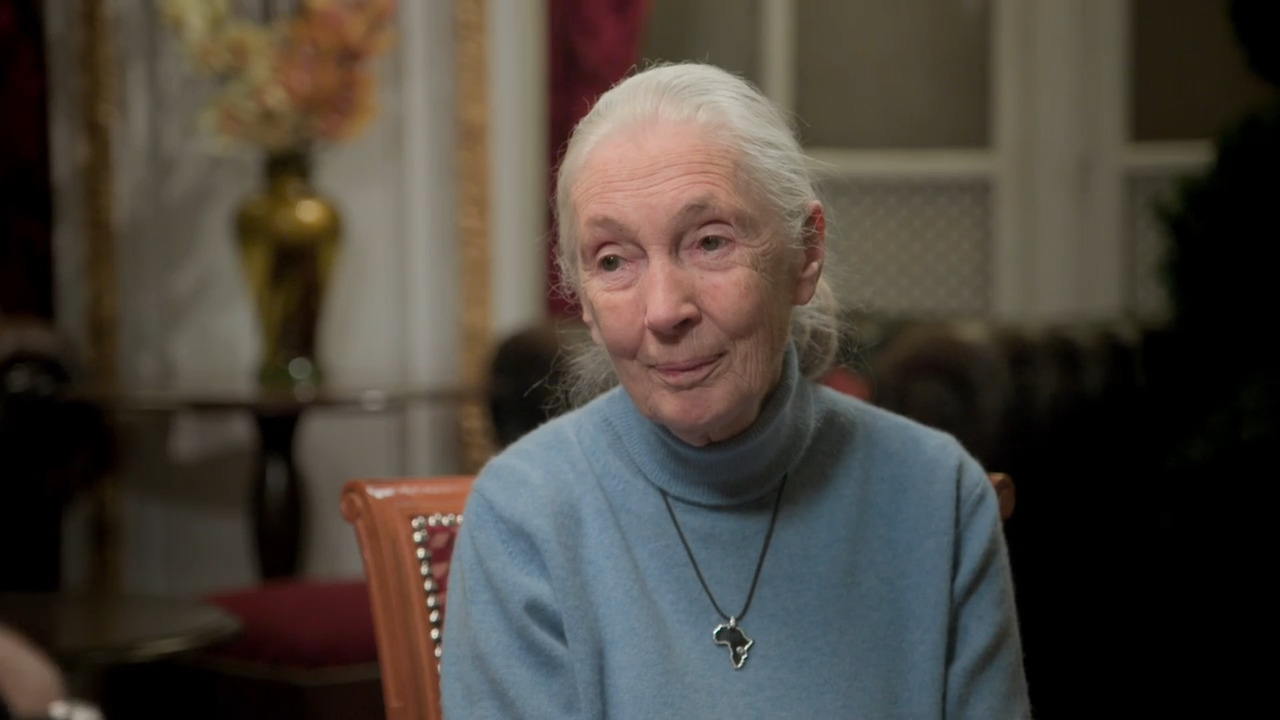
In Jane Goodall and the Fight for Chimpanzees, host Dermot O'Leary hears a powerful message from Jane Goodall about the importance of preserving chimpanzees and their habitats. Goodall emphasizes that individual actions matter, and that hope is essential in tackling seemingly impossible challenges. This video is excerpted from BBC’s Icons: The Greatest Person of the 20th Century, a documentary series celebrating the achievements of the most influential figures of the era.
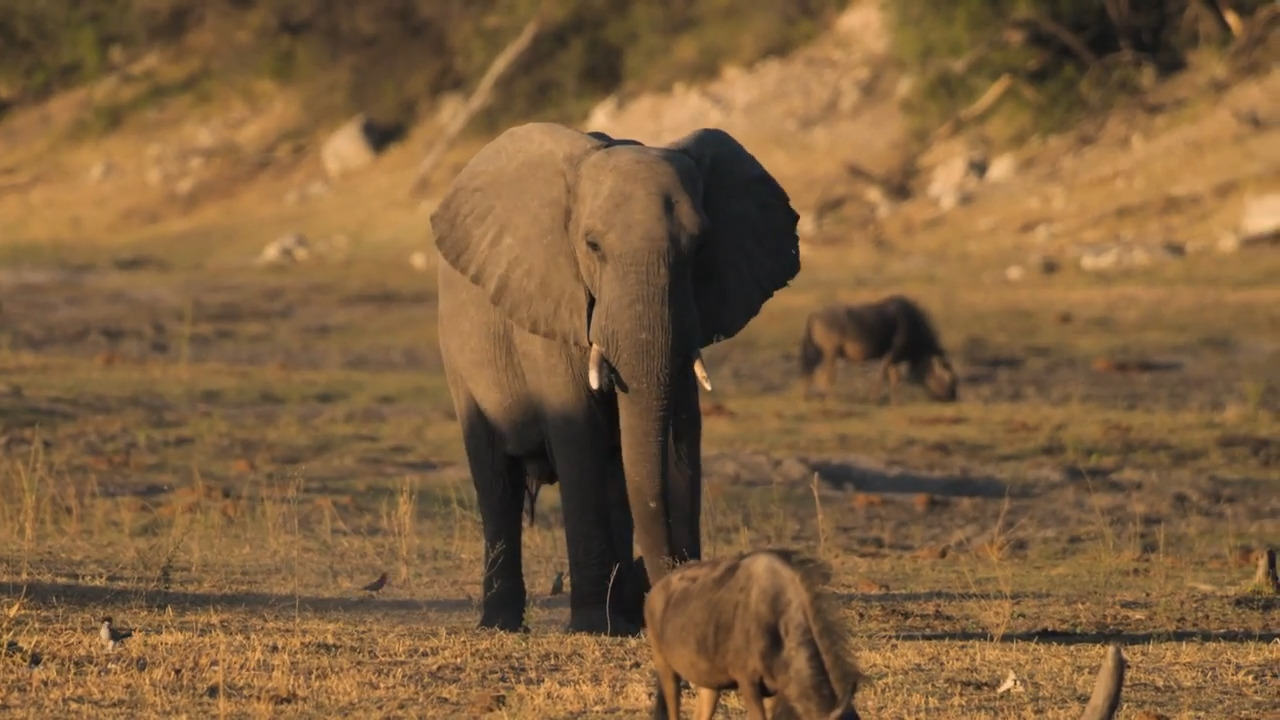
In Can People and Wildlife Coexist? host Simon Reeve sits with Tatah, who shares his experiences living alongside elephants, including the potential dangers when they are startled or protecting their young. Despite witnessing tragic elephant encounters, he emphasizes the importance of coexistence, as people and wildlife must share the same space here. This video is excerpted from BBC’s Wilderness With Simon Reeve, an epic adventure into the heart of Earth’s last great wild areas, where nature is at its most beautiful and fragile.
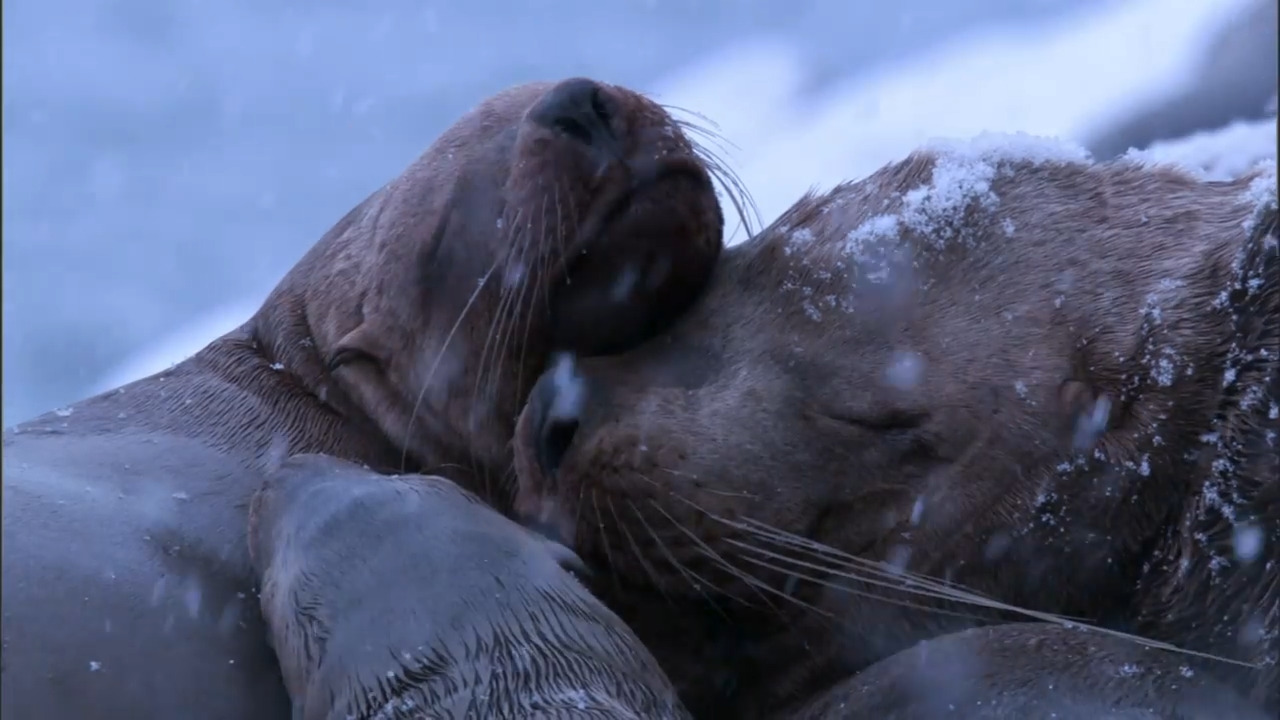
In A Harsh Winter for Sea Lions, narrator Sir David Attenborough shows how these animals endure freezing temperatures and protect their young in an unforgiving environment. This video is an excerpt from BBC’s Nature's Great Events, a documentary series that showcases some of the most dramatic wildlife spectacles on Earth, exploring how life adapts to natural events that can transform entire landscapes.
Your parents or grandparents probably talk about growing up outside — riding bikes, climbing trees, scraping up knees. Turns out, they were onto something.
The Wildlife Trusts, a UK conservation group, just wrapped up "30 Days Wild," the UK's biggest nature challenge. Millions of people, including tens of thousands of schools, took part by doing one "wild" activity a day — noticing, appreciating, or exploring nature. The Lancashire Wildlife Trust runs a similar effort called The Greenhouse Project, where people learn to grow food and care for nature together.
The idea: the more connected people feel to nature, the more likely they are to protect it. But a recent poll found that while almost all adults have fond memories of playing outside as kids, nearly half now spend just three hours outside per week — less than 30 minutes a day.
Birdwatching is taking off in a big way among young people. Reports say that around 750,000 people aged 16–29 in the UK and millions in the U.S. now regularly go birdwatching — turning what was once seen as a “quiet” hobby into a fast-growing trend.
Part of the appeal is how simple it is to start. You don’t need expensive gear or special training — just curiosity and a bit of time outdoors. It’s a low-pressure way to take a break from screens, notice what’s around you, and actually tune into sounds and spaces most people scroll past.
Ironically, social media is helping drive the trend. Birdwatching accounts, short videos, and identification apps are making it easier than ever to learn bird calls, spot species, and share discoveries with others. Instead of pulling people away from nature, platforms like TikTok and Instagram are often pushing people back into it.
Conservationists are especially excited because this kind of interest helps more people connect with wildlife and care about protecting it. Birdwatching is becoming less about binoculars and notebooks — and more about curiosity, community, and noticing the world a little differently.
Celebrate the incredible work of Sir David Attenborough — a storyteller who has helped millions of students and viewers explore the natural world. On the occasion of his 100th birthday on May 8, 2026, we honor his enormous accomplishments in the field of environmental advocacy and his role in revolutionizing nature documentaries.
This playlist brings together 10 unforgettable clips from landmark BBC series like Planet Earth, Blue Planet, and Frozen Planet. Each video showcases amazing wildlife, powerful storytelling, and moments that spark curiosity and wonder.
Perfect for the classroom or at home, these videos help students connect with nature, understand our planet, and feel inspired to protect it.
Earth Day is April 20, and we’re celebrating all month long with engaging activities — like our Earth Day video response worksheet! Start by choosing one of the incredible BBC videos from our Earth Day Collection, featuring topics like protecting our planet, innovative ideas for a better future, and inspiring conservation stories.
After watching, have your Grade 3–8 students complete the worksheet questions. You can also give students the option to choose their own video — either from the collection or another relevant clip in our extensive library — since the worksheet is designed to work with any selection.
It’s a simple, meaningful way to spark curiosity and help students connect with real-world environmental issues.
This Earth Day (or anytime this month), share this inspiring video playlist designed to spark curiosity and action in students ages 8–14. From incredible wildlife conservation stories to real-world environmental solutions, each clip invites students to explore the beauty of our planet — and the challenges it faces.
Get a closer look at how forests support life on Earth, discover innovative ideas like renewable energy, and meet the people working to protect endangered species and restore habitats. Along the way, students will see how small choices can make a big difference for our world.
Packed with powerful moments and meaningful learning, this playlist encourages students not just to learn about the Earth — but to think about how they can help protect it.
Meet the Icons of the 20th Century. From brilliant scientists and inspiring activists to legendary athletes and artists, these remarkable individuals changed the world in powerful ways. In this video playlist of clips from BBC's Icons: The Greatest Person of the 20th Century, meet Muhammad Ali, Helen Keller, Albert Einstein, Martin Luther King Jr., Pablo Picasso, Jane Goodall, Pelé, Billie Holiday and others — each a trailblazer who shaped history through courage, creativity, and conviction. A perfect playlist to inspire young minds to think big and act boldly!
Take your class on an exciting journey through Florida’s amazing wildlife and habitats! This playlist explores the warm springs where manatees gather in winter and shows how dolphins team up in Florida Bay to catch their food in clever ways. Along the way, your students will discover what makes Florida’s ecosystems so special and why they’re worth protecting. These clips are perfect for sparking curiosity, starting great classroom discussions, and inspiring kids to think like young scientists and conservationists.
From the iconic Red Rock formations of Arches National Park in Utah and the majestic peaks of the Rocky Mountains, to the unique wetlands of the Everglades, journey through incredible landscapes. Encounter amazing animals like grizzly bears and bobcats, learn about the vital work of protecting ancient redwood forests, and discover how climate change is reshaping these precious wild spaces.
The article "Eleven of the Rarest Animals in the World at Risk of Extinction" from BBC's Discover Wildlife highlights critically endangered species, including the vaquita porpoise and the black and chestnut eagle. It explores conservation efforts and the urgent need to protect these species from habitat loss, pollution, and poaching.
In Jane Goodall and the Fight for Chimpanzees, host Dermot O'Leary hears a powerful message from Jane Goodall about the importance of preserving chimpanzees and their habitats. Goodall emphasizes that individual actions matter, and that hope is essential in tackling seemingly impossible challenges. This video is excerpted from BBC’s Icons: The Greatest Person of the 20th Century, a documentary series celebrating the achievements of the most influential figures of the era.
In Can People and Wildlife Coexist? host Simon Reeve sits with Tatah, who shares his experiences living alongside elephants, including the potential dangers when they are startled or protecting their young. Despite witnessing tragic elephant encounters, he emphasizes the importance of coexistence, as people and wildlife must share the same space here. This video is excerpted from BBC’s Wilderness With Simon Reeve, an epic adventure into the heart of Earth’s last great wild areas, where nature is at its most beautiful and fragile.
In A Harsh Winter for Sea Lions, narrator Sir David Attenborough shows how these animals endure freezing temperatures and protect their young in an unforgiving environment. This video is an excerpt from BBC’s Nature's Great Events, a documentary series that showcases some of the most dramatic wildlife spectacles on Earth, exploring how life adapts to natural events that can transform entire landscapes.