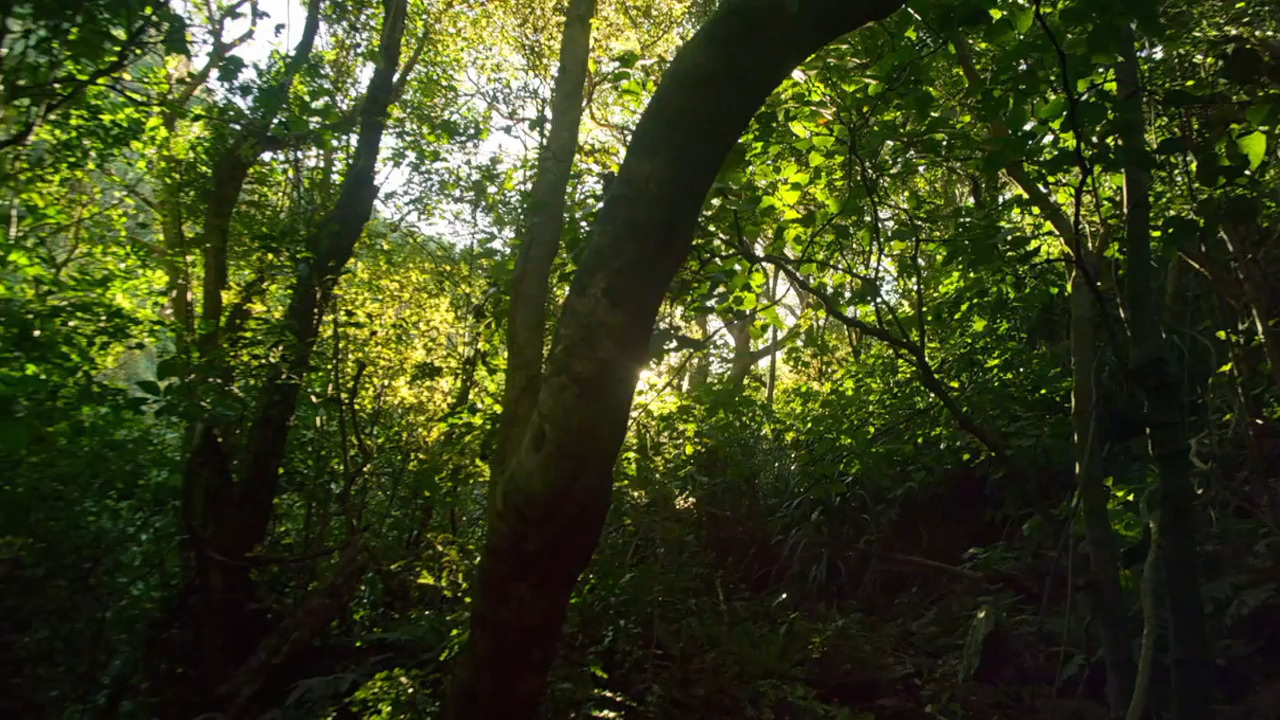
In Climate Change and the Impact of Wildfires, learn how climate change has made the possibility of wildfires more likely and more widespread. Now wildfires are happening around the world, including in colder countries. Wildfires in the western United States have become particularly devastating and dangerous for the people who live there. This video is excerpted from BBC’s Climate Change - The Facts, a documentary that delves into the science of climate change and its far-reaching consequences.
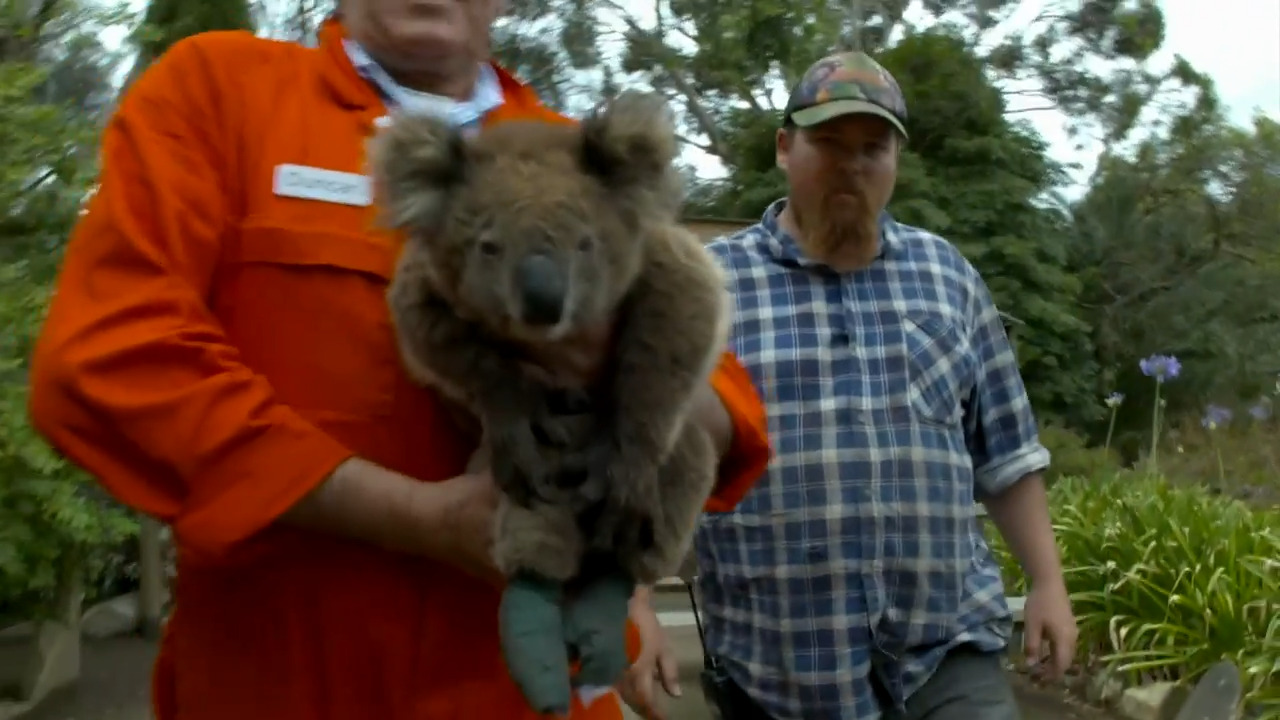
In Wildfires: A Growing Threat, host Radzi Chinyanganya highlights the devastating impact of wildfires around the globe, with a focus on Australia. The segment provides an in-depth look at the causes, local impact, and the global spread of wildfires, highlighting how changes in weather patterns, human activity, and environmental factors are exacerbating this crisis. The episode also covers how the Indian Ocean Dipole (IOD) contributes to the conditions that make wildfires more likely in regions like Australia. This video is excerpted from BBC’s My World, a program created for teenagers eager to learn more about the important stories shaping our world.
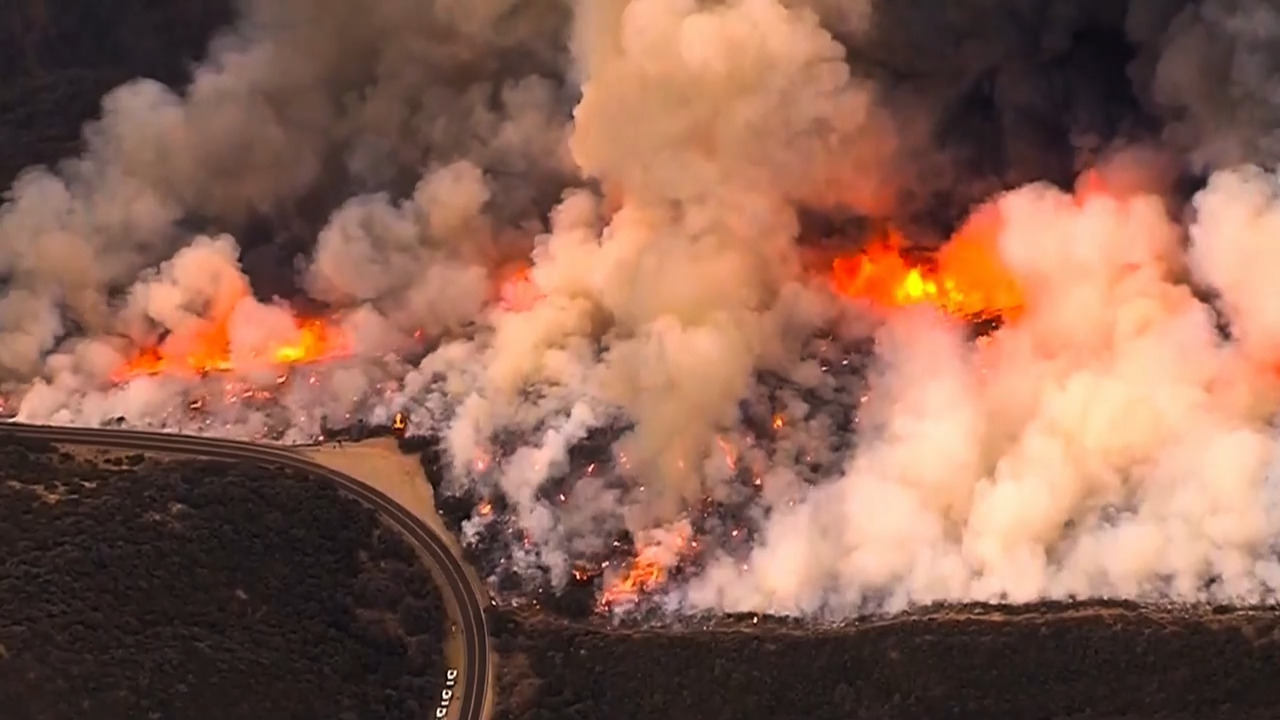
In Climate Change Wildfires and a Change in Weather, a father and son share their harrowing experience of barely escaping a wildfire in Montana. The video highlights the increasing frequency of extreme weather events, such as heat waves, rainstorms, flooding, and storms, driven by climate change. This video is excerpted from BBC’s Climate Change - The Facts, a documentary that delves into the science of climate change and its far-reaching consequences.

The article "How science and technology help prevent and predict wildfires" from BBC's Science Focus explores how researchers are using cutting-edge technology to monitor and analyze controlled forest fires. Through computer models, drones, and laser scanning, scientists gather valuable data to improve wildfire predictions and create safer, more effective fire prevention strategies.
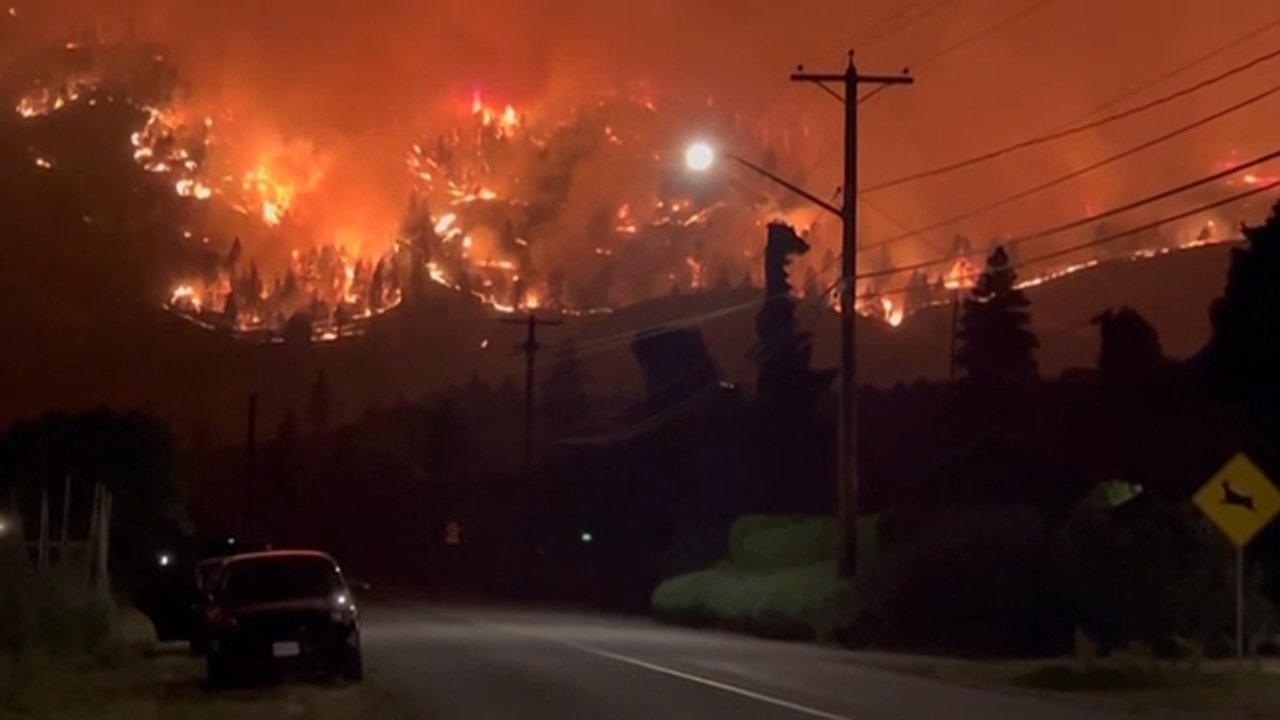
It’s been a summer of fires all over the world, and Canada is no exception, as wildfires swept through western Canada, officials say some of them spread with frightening speed.
Thousands have been forced to leave their homes as fires move through remote areas. One resident described watching a fire grow from about 50 hectares to 5,000 hectares — that’s about 0.2 to 20 square miles — in only two to three hours. Think about something growing to 100 times its size in the time it takes to watch a movie!
Of course, these are scary by themselves, but they're part of an even larger problem. Earlier in the summer, about 200 fires burned around Ontario, and smoke traveled hundreds of miles, affecting places as far south as Minnesota and New York. In British Columbia alone, officials said there had been 70 new fires in seven days and 105 active wildfires across the province.
The fires triggered a massive response — more than 2,000 people across many different jobs, including firefighters, aviation teams, heavy-equipment crews, and people protecting buildings — have been working to help contain the damage. It’s great there are brave individuals helping, but they may not have so much time to rest. Wildfires aren’t new, but they are becoming more common and more severe as the climate changes.
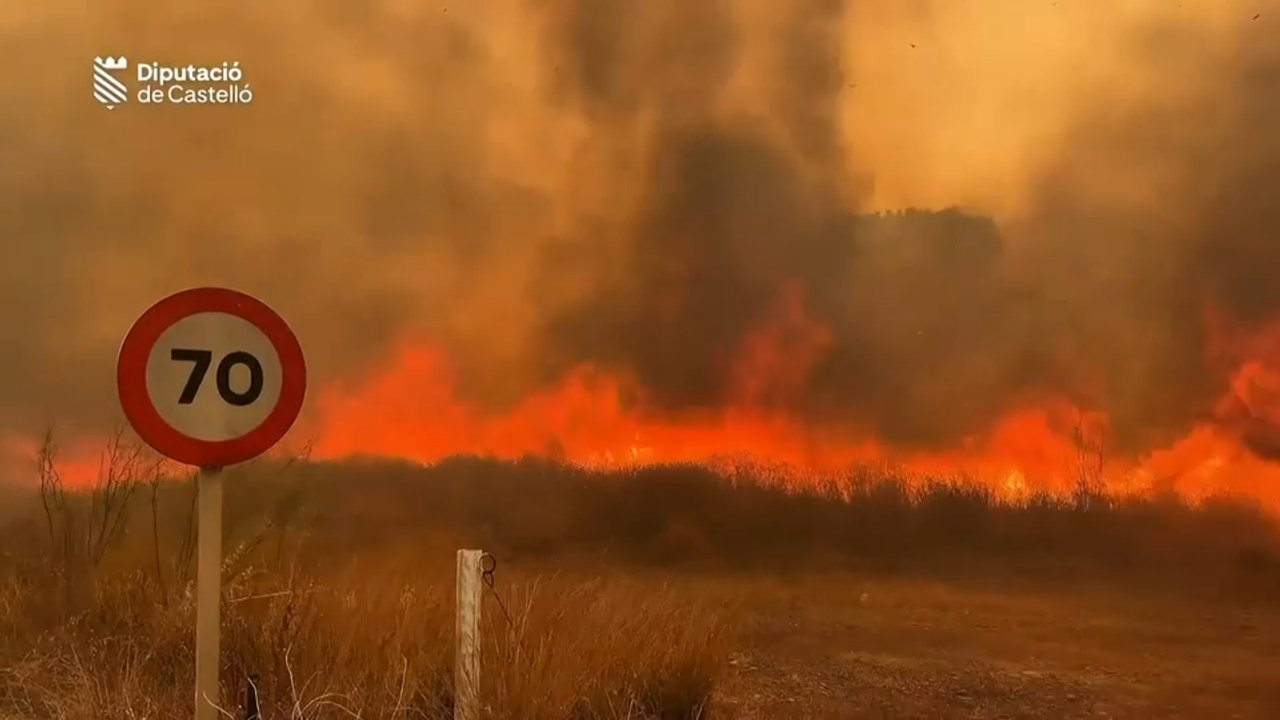
This summer has been brutal in parts of France and Spain due to raging fires.
Near Bordeaux, France is experiencing its worst wildfires in decades. Despite the efforts of hundreds of firefighters working day and night, changing winds have kept changing the direction of the fires, making them hard to contain. Fields and forests have burned, villages have been evacuated, businesses have closed, and traffic has been diverted to keep people away from the danger.
Bordeaux’s mayor says the city itself is not being evacuated. That’s a good sign, but that doesn’t mean everything is all better. Tens of thousands of displaced people are staying in temporary shelters, such as schools and sports centers, while tourists are being urged to stay away until the fires can be contained.
Spain is also fighting to contain its blazes. One fire near Madrid was described by Spain’s Interior Ministry as “the most aggressive that Spain has ever seen.” The fires drove people to flee, abandoning their homes and even their pets (some of whom have been found and fed by rescuers.) Spain's prime minister described the situation as a “climate emergency” — six times more land burned during the hot, dry summer than during the previous year.
In Climate Change and the Impact of Wildfires, learn how climate change has made the possibility of wildfires more likely and more widespread. Now wildfires are happening around the world, including in colder countries. Wildfires in the western United States have become particularly devastating and dangerous for the people who live there. This video is excerpted from BBC’s Climate Change - The Facts, a documentary that delves into the science of climate change and its far-reaching consequences.
In Wildfires: A Growing Threat, host Radzi Chinyanganya highlights the devastating impact of wildfires around the globe, with a focus on Australia. The segment provides an in-depth look at the causes, local impact, and the global spread of wildfires, highlighting how changes in weather patterns, human activity, and environmental factors are exacerbating this crisis. The episode also covers how the Indian Ocean Dipole (IOD) contributes to the conditions that make wildfires more likely in regions like Australia. This video is excerpted from BBC’s My World, a program created for teenagers eager to learn more about the important stories shaping our world.
In Climate Change Wildfires and a Change in Weather, a father and son share their harrowing experience of barely escaping a wildfire in Montana. The video highlights the increasing frequency of extreme weather events, such as heat waves, rainstorms, flooding, and storms, driven by climate change. This video is excerpted from BBC’s Climate Change - The Facts, a documentary that delves into the science of climate change and its far-reaching consequences.
The article "How science and technology help prevent and predict wildfires" from BBC's Science Focus explores how researchers are using cutting-edge technology to monitor and analyze controlled forest fires. Through computer models, drones, and laser scanning, scientists gather valuable data to improve wildfire predictions and create safer, more effective fire prevention strategies.
It’s been a summer of fires all over the world, and Canada is no exception, as wildfires swept through western Canada, officials say some of them spread with frightening speed.
Thousands have been forced to leave their homes as fires move through remote areas. One resident described watching a fire grow from about 50 hectares to 5,000 hectares — that’s about 0.2 to 20 square miles — in only two to three hours. Think about something growing to 100 times its size in the time it takes to watch a movie!
Of course, these are scary by themselves, but they're part of an even larger problem. Earlier in the summer, about 200 fires burned around Ontario, and smoke traveled hundreds of miles, affecting places as far south as Minnesota and New York. In British Columbia alone, officials said there had been 70 new fires in seven days and 105 active wildfires across the province.
The fires triggered a massive response — more than 2,000 people across many different jobs, including firefighters, aviation teams, heavy-equipment crews, and people protecting buildings — have been working to help contain the damage. It’s great there are brave individuals helping, but they may not have so much time to rest. Wildfires aren’t new, but they are becoming more common and more severe as the climate changes.
This summer has been brutal in parts of France and Spain due to raging fires.
Near Bordeaux, France is experiencing its worst wildfires in decades. Despite the efforts of hundreds of firefighters working day and night, changing winds have kept changing the direction of the fires, making them hard to contain. Fields and forests have burned, villages have been evacuated, businesses have closed, and traffic has been diverted to keep people away from the danger.
Bordeaux’s mayor says the city itself is not being evacuated. That’s a good sign, but that doesn’t mean everything is all better. Tens of thousands of displaced people are staying in temporary shelters, such as schools and sports centers, while tourists are being urged to stay away until the fires can be contained.
Spain is also fighting to contain its blazes. One fire near Madrid was described by Spain’s Interior Ministry as “the most aggressive that Spain has ever seen.” The fires drove people to flee, abandoning their homes and even their pets (some of whom have been found and fed by rescuers.) Spain's prime minister described the situation as a “climate emergency” — six times more land burned during the hot, dry summer than during the previous year.