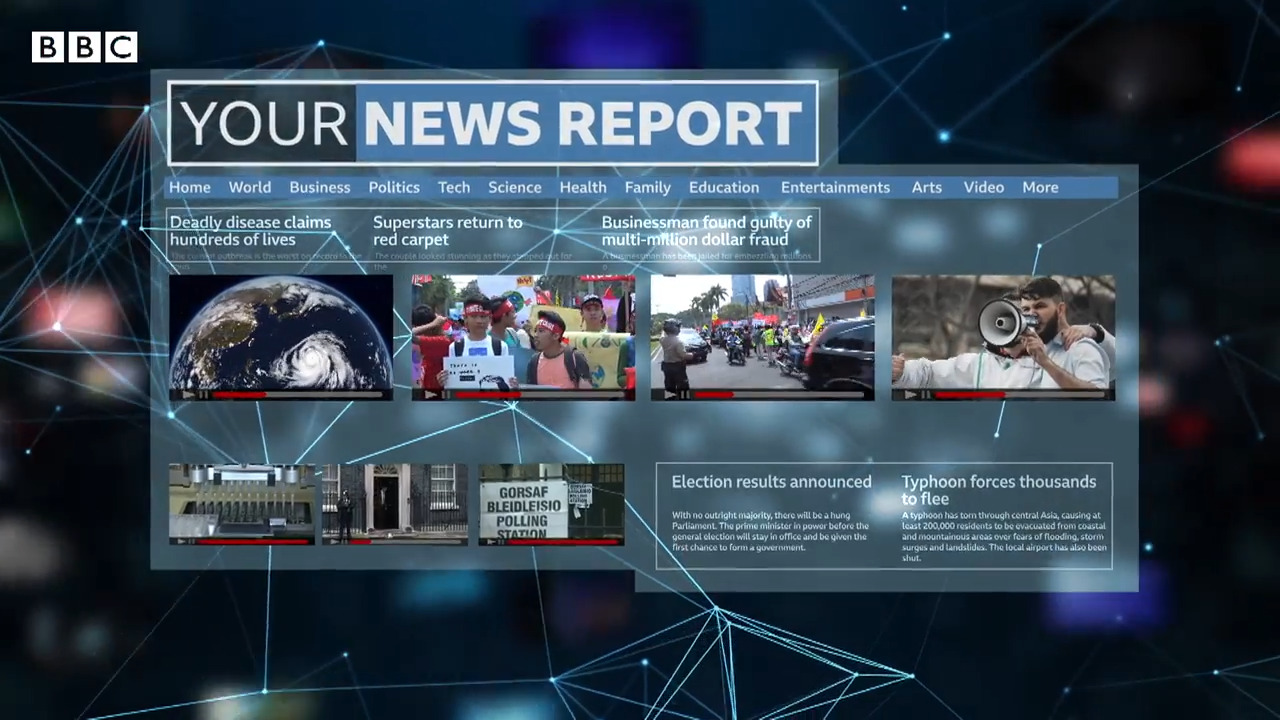
In Who Decides?, host Radzi Chinyanganya discovers who decides what people see, read, and hear in the news. Because there are so many events and limited space to report the news, all news is filtered. In journalism, editors decide which stories are worth telling. The companies that run apps, social media, and websites, use computer programs called algorithms to decide which content individuals see. They might try to influence consumers’ views or emotions. Getting news from varied sources is the only way to ensure you’re seeing the complete picture. This video is excerpted from BBC’s My World, a program created for teenagers eager to learn more about the important stories shaping our world.

We’re live from the newsroom! Introduce your students to jobs, workflows, and decision-making processes of newsrooms. In this lesson, they’ll take on various roles and learn what makes up a functioning newsroom.
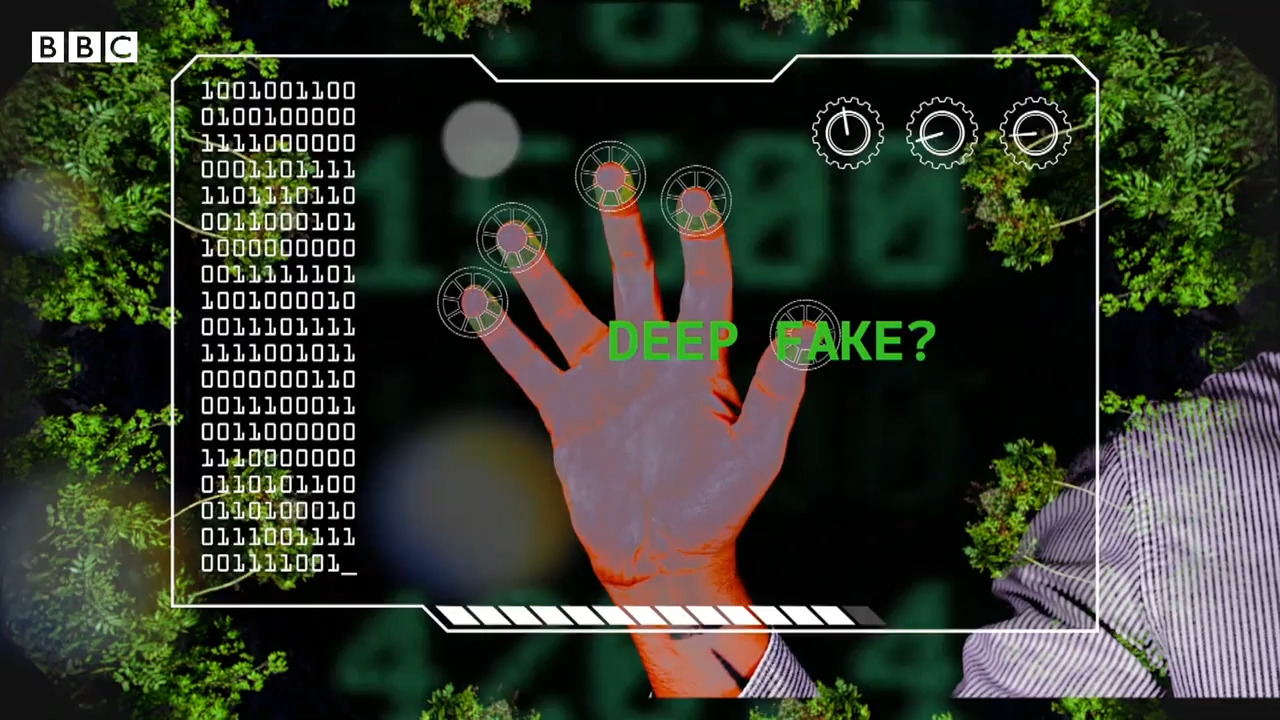
In What About Social Media?, host Radzi Chinyanganya looks at what makes a story go viral, and explains how to evaluate whether or not the story is real before sharing it. Stories can be evaluated by asking if they’ve been reported elsewhere, if the organization that published it is reputable, and if the website the story was on is official. Deep fake videos that use AI to alter faces allow people to create realistic digital versions of themselves. The ability to swap faces has creative possibilities, but it can also be used to mislead people, so it’s crucial to look for clues that something might be false. This video is excerpted from BBC’s My World, a program created for teenagers eager to learn more about the important stories shaping our world.

These days, youth tech knowledge goes way beyond helping parents get out of their front-facing camera. Around the world, teenagers are being arrested in connection to serious cyberattacks that have disrupted everywhere from supermarkets to transport systems to healthcare companies, and even individuals.
But it’s not like these teens want to rob everyone of their crypto, or change all the supermarket barcodes to get free cookies. A young man named Lucas, for example, was caught twice hacking into his school computers so he could play games and access blocked websites. But he wasn’t expelled or arrested. Instead, he was enrolled in Cyber Choices, a nationwide program designed to steer young people away from illegal hacking.
The program teaches participants what is legal and illegal while encouraging them to use their technical skills for good instead of evil through training, qualifications, and future careers. So far, around 1,000 young people have gone through the program.
Cyber Choices is a voluntary program that’s hopefully appealing enough to tempt participants to join willingly, but that’s not always the case. Owen Flowers, for example, was offered the program as a teenager but refused to participate. He was later sentenced to five and a half years in prison for hacking.
Cyber Choices may be a helpful intervention, but schools are still taking preemptive action by having police do regular visits to teach students about cybercrime.
In Who Decides?, host Radzi Chinyanganya discovers who decides what people see, read, and hear in the news. Because there are so many events and limited space to report the news, all news is filtered. In journalism, editors decide which stories are worth telling. The companies that run apps, social media, and websites, use computer programs called algorithms to decide which content individuals see. They might try to influence consumers’ views or emotions. Getting news from varied sources is the only way to ensure you’re seeing the complete picture. This video is excerpted from BBC’s My World, a program created for teenagers eager to learn more about the important stories shaping our world.
We’re live from the newsroom! Introduce your students to jobs, workflows, and decision-making processes of newsrooms. In this lesson, they’ll take on various roles and learn what makes up a functioning newsroom.
In What About Social Media?, host Radzi Chinyanganya looks at what makes a story go viral, and explains how to evaluate whether or not the story is real before sharing it. Stories can be evaluated by asking if they’ve been reported elsewhere, if the organization that published it is reputable, and if the website the story was on is official. Deep fake videos that use AI to alter faces allow people to create realistic digital versions of themselves. The ability to swap faces has creative possibilities, but it can also be used to mislead people, so it’s crucial to look for clues that something might be false. This video is excerpted from BBC’s My World, a program created for teenagers eager to learn more about the important stories shaping our world.
These days, youth tech knowledge goes way beyond helping parents get out of their front-facing camera. Around the world, teenagers are being arrested in connection to serious cyberattacks that have disrupted everywhere from supermarkets to transport systems to healthcare companies, and even individuals.
But it’s not like these teens want to rob everyone of their crypto, or change all the supermarket barcodes to get free cookies. A young man named Lucas, for example, was caught twice hacking into his school computers so he could play games and access blocked websites. But he wasn’t expelled or arrested. Instead, he was enrolled in Cyber Choices, a nationwide program designed to steer young people away from illegal hacking.
The program teaches participants what is legal and illegal while encouraging them to use their technical skills for good instead of evil through training, qualifications, and future careers. So far, around 1,000 young people have gone through the program.
Cyber Choices is a voluntary program that’s hopefully appealing enough to tempt participants to join willingly, but that’s not always the case. Owen Flowers, for example, was offered the program as a teenager but refused to participate. He was later sentenced to five and a half years in prison for hacking.
Cyber Choices may be a helpful intervention, but schools are still taking preemptive action by having police do regular visits to teach students about cybercrime.