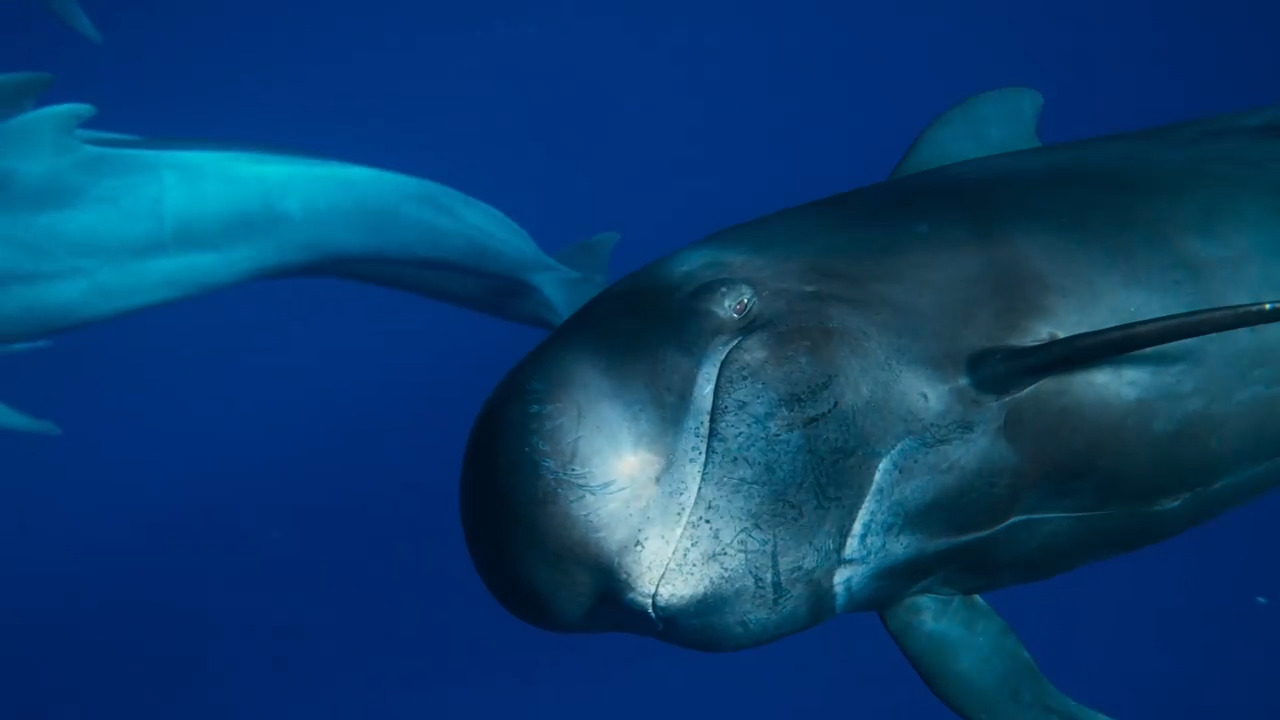
In A Plastic Problem for Pilot Whales, narrator Sir David Attenborough describes the grim effects plastic pollution has had on short-finned pilot whales. Because this species lives in tight-knit families, the negative effects of pollution on one whale is felt by the others. This video is excerpted from BBC’s Blue Planet II, a natural history series that explores the world's oceans, the animals that live in them, and the threats they face, using modern filming techniques and equipment to capture previously unseen areas of the ocean.


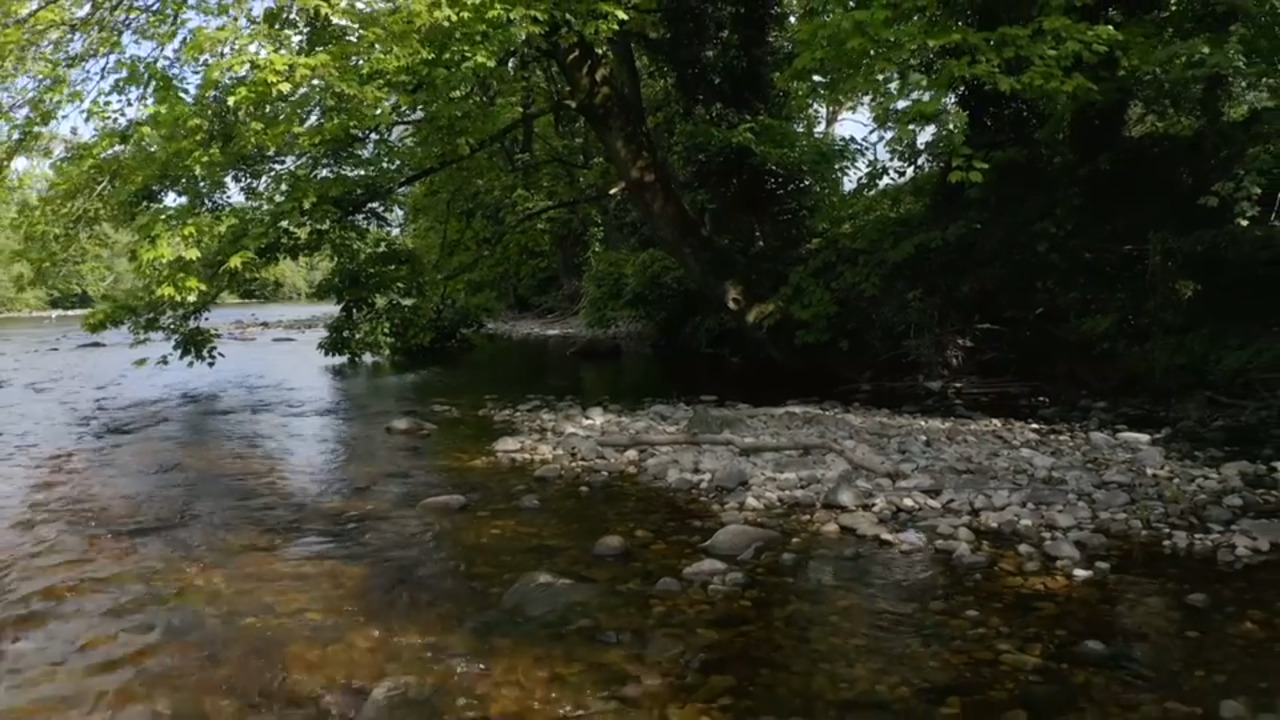
When it comes to gathering water data, the “employee of the month” may look a little on the “green and cubical” side. Alongside Yorkshire rivers, there are multiple green boxes working hard to gather data on river quality that should, in a couple years, be available for river users and potential swimmers to access through an app that tracks pollution.
Though there are currently apps that show pollution data, that information is old and outdated. This upcoming app is special, because it will use live data from an on-site sensor to provide real-time pollution levels in the water. It’s not meant to tell people “safe” or “not safe” or “swim” or “don’t swim,” but it can give people what they need to make an informed decision... mostly.
The green boxes have a big shortcoming: they’re unable to detect some really nasty bacteria like E.coli, which can only be measured in a lab. But don’t worry, old-school scientists are on the case, manually taking samples to send away for analysis. These findings will be used to build a data set that will be combined with green box data, and AI learning will infer when E.coli (and other bugs) are present in the river.
So, today, we celebrate a beautiful marriage — one of traditional testing, new technology, and AI. It may not be the pairing you’re rooting for on Love Island, but it shows great promise for water safety!
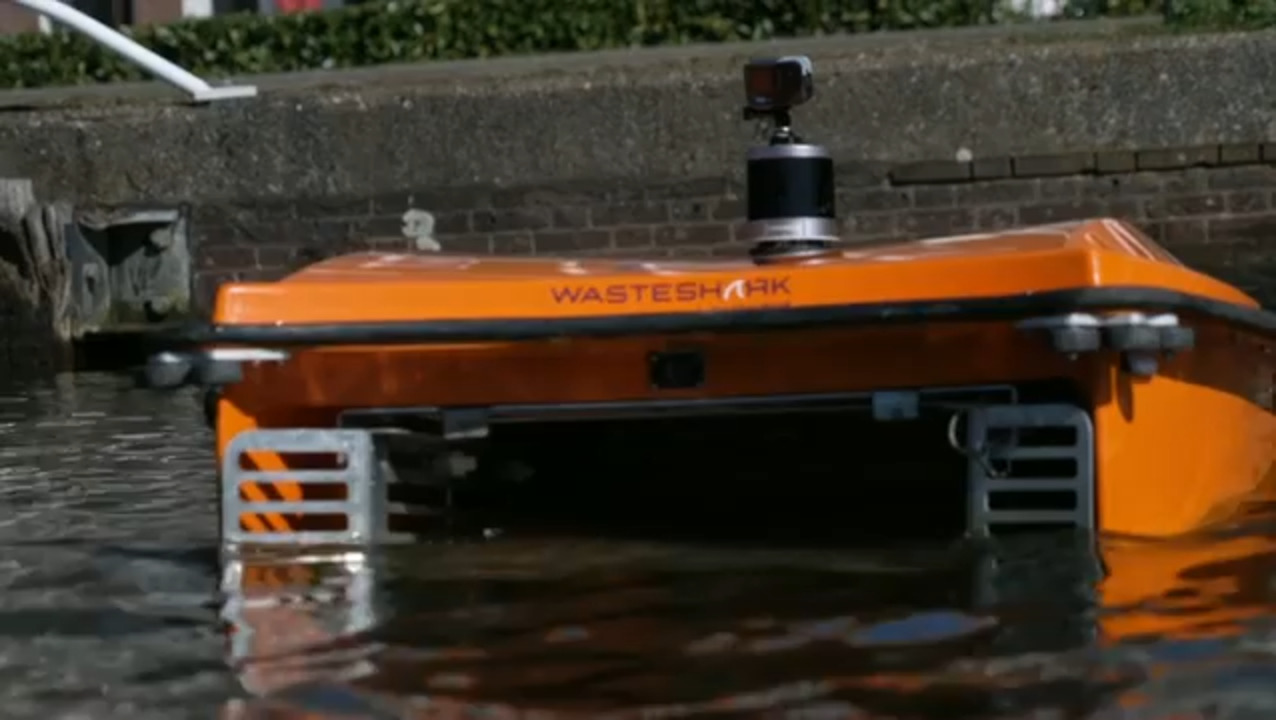
There’s a shark in the water! No, no, it’s good — we promise! The WasteShark is not actually a shark, but an autonomous robot that was built to tackle a big problem: plastic pollution in the water. Some estimates put the amount of plastic waste in the hundreds of millions of metric tons. Between canals, rivers, and oceans, waterways around the world are affected.
To make things worse, marine plastic is a relatively new problem, so the solutions haven’t caught up to the issue. The old methods of putting people in boats to fish out plastic isn’t enough, so Richard Hardiman, CEO of RanMarine Technology, took to the drawing board and built a robot.
The WasteShark is basically a vacuum that cruises around the water and sucks up trash, without needing a person to sit and drive it. It can be controlled remotely or put in autonomous mode, because of its sophisticated addition: software that helps it identify and avoid sucking up items that are not trash. The ducks and fish are very grateful. Despite its sophistication, there are still challenges with developing the robot, since scientists have to figure out how to program it to recognize and act on reflections, currents, and wind.
The shark can gather up to a ton of trash over a 24 hour period, which is just the beginning of what needs to be done to reverse the pollution issue. Luckily, the next step is already in the works: the MegaShark.
In A Plastic Problem for Pilot Whales, narrator Sir David Attenborough describes the grim effects plastic pollution has had on short-finned pilot whales. Because this species lives in tight-knit families, the negative effects of pollution on one whale is felt by the others. This video is excerpted from BBC’s Blue Planet II, a natural history series that explores the world's oceans, the animals that live in them, and the threats they face, using modern filming techniques and equipment to capture previously unseen areas of the ocean.
When it comes to gathering water data, the “employee of the month” may look a little on the “green and cubical” side. Alongside Yorkshire rivers, there are multiple green boxes working hard to gather data on river quality that should, in a couple years, be available for river users and potential swimmers to access through an app that tracks pollution.
Though there are currently apps that show pollution data, that information is old and outdated. This upcoming app is special, because it will use live data from an on-site sensor to provide real-time pollution levels in the water. It’s not meant to tell people “safe” or “not safe” or “swim” or “don’t swim,” but it can give people what they need to make an informed decision... mostly.
The green boxes have a big shortcoming: they’re unable to detect some really nasty bacteria like E.coli, which can only be measured in a lab. But don’t worry, old-school scientists are on the case, manually taking samples to send away for analysis. These findings will be used to build a data set that will be combined with green box data, and AI learning will infer when E.coli (and other bugs) are present in the river.
So, today, we celebrate a beautiful marriage — one of traditional testing, new technology, and AI. It may not be the pairing you’re rooting for on Love Island, but it shows great promise for water safety!
There’s a shark in the water! No, no, it’s good — we promise! The WasteShark is not actually a shark, but an autonomous robot that was built to tackle a big problem: plastic pollution in the water. Some estimates put the amount of plastic waste in the hundreds of millions of metric tons. Between canals, rivers, and oceans, waterways around the world are affected.
To make things worse, marine plastic is a relatively new problem, so the solutions haven’t caught up to the issue. The old methods of putting people in boats to fish out plastic isn’t enough, so Richard Hardiman, CEO of RanMarine Technology, took to the drawing board and built a robot.
The WasteShark is basically a vacuum that cruises around the water and sucks up trash, without needing a person to sit and drive it. It can be controlled remotely or put in autonomous mode, because of its sophisticated addition: software that helps it identify and avoid sucking up items that are not trash. The ducks and fish are very grateful. Despite its sophistication, there are still challenges with developing the robot, since scientists have to figure out how to program it to recognize and act on reflections, currents, and wind.
The shark can gather up to a ton of trash over a 24 hour period, which is just the beginning of what needs to be done to reverse the pollution issue. Luckily, the next step is already in the works: the MegaShark.