Underwater volcanoes are some of the least visible — but most important — geological features on Earth. Scientist Dr. Isobel Yeo studies these deep-sea volcanoes near the Greek island of Santorini using remotely-operated underwater robots. These robotic tools allow researchers to safely explore volcanic regions and locate hydrothermal vents, where hot gases and fluids escape from cracks in Earth’s crust.
Her team is focused on understanding how underwater eruptions behave differently from those on land. The surrounding water pressure, temperature, and ocean currents can all influence how magma and gases move during an eruption. By studying these systems, scientists can improve predictions of volcanic activity and better understand potential risks.
Although an eruption is not expected soon, this research is important for improving early warning systems and helping nearby coastal communities prepare for future volcanic events.
The article "New Computer Model Helps Predict Volcano Eruptions More Accurately" from BBC's Science Focus details how scientists have created a model that improves eruption forecasts. By analyzing historical data from Italy’s Campi Flegrei, the model enhances predictions and helps in disaster preparedness.
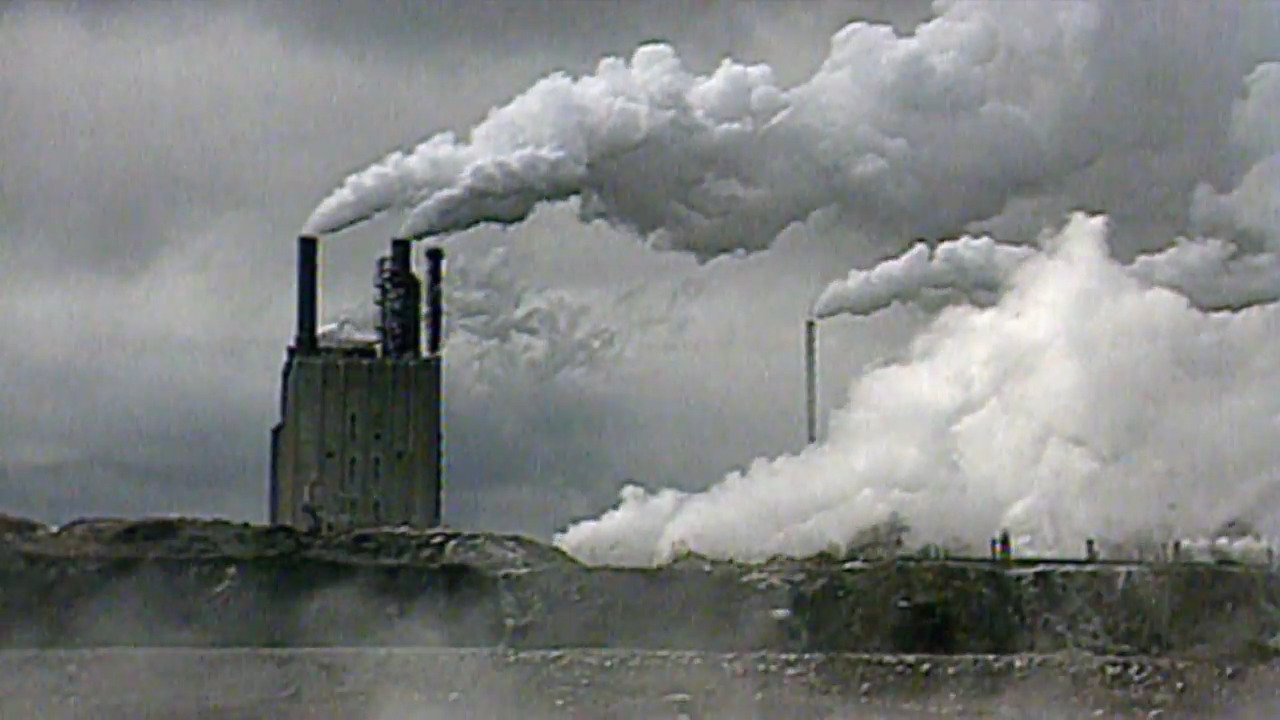
In The Power of Carbon Dioxide, geologist Iain Stewart explores how volcanoes play a vital role in releasing carbon dioxide, a gas that helps trap heat and keeps Earth warm enough for life. Without it, our planet would be a frozen wasteland, but too much of it can cause rapid climate changes. Scientists are now studying Siberia, one of the coldest places on the planet, to understand how melting permafrost could be a predictor of Earth’s future climate. This video is excerpted from BBC’s Earth: The Power of the Planet, a documentary series in which Dr. Iain Stewart discovers how Earth's forces can shape nature, species, and even the climate.
Underwater volcanoes are some of the least visible — but most important — geological features on Earth. Scientist Dr. Isobel Yeo studies these deep-sea volcanoes near the Greek island of Santorini using remotely-operated underwater robots. These robotic tools allow researchers to safely explore volcanic regions and locate hydrothermal vents, where hot gases and fluids escape from cracks in Earth’s crust.
Her team is focused on understanding how underwater eruptions behave differently from those on land. The surrounding water pressure, temperature, and ocean currents can all influence how magma and gases move during an eruption. By studying these systems, scientists can improve predictions of volcanic activity and better understand potential risks.
Although an eruption is not expected soon, this research is important for improving early warning systems and helping nearby coastal communities prepare for future volcanic events.
The article "New Computer Model Helps Predict Volcano Eruptions More Accurately" from BBC's Science Focus details how scientists have created a model that improves eruption forecasts. By analyzing historical data from Italy’s Campi Flegrei, the model enhances predictions and helps in disaster preparedness.
In The Power of Carbon Dioxide, geologist Iain Stewart explores how volcanoes play a vital role in releasing carbon dioxide, a gas that helps trap heat and keeps Earth warm enough for life. Without it, our planet would be a frozen wasteland, but too much of it can cause rapid climate changes. Scientists are now studying Siberia, one of the coldest places on the planet, to understand how melting permafrost could be a predictor of Earth’s future climate. This video is excerpted from BBC’s Earth: The Power of the Planet, a documentary series in which Dr. Iain Stewart discovers how Earth's forces can shape nature, species, and even the climate.