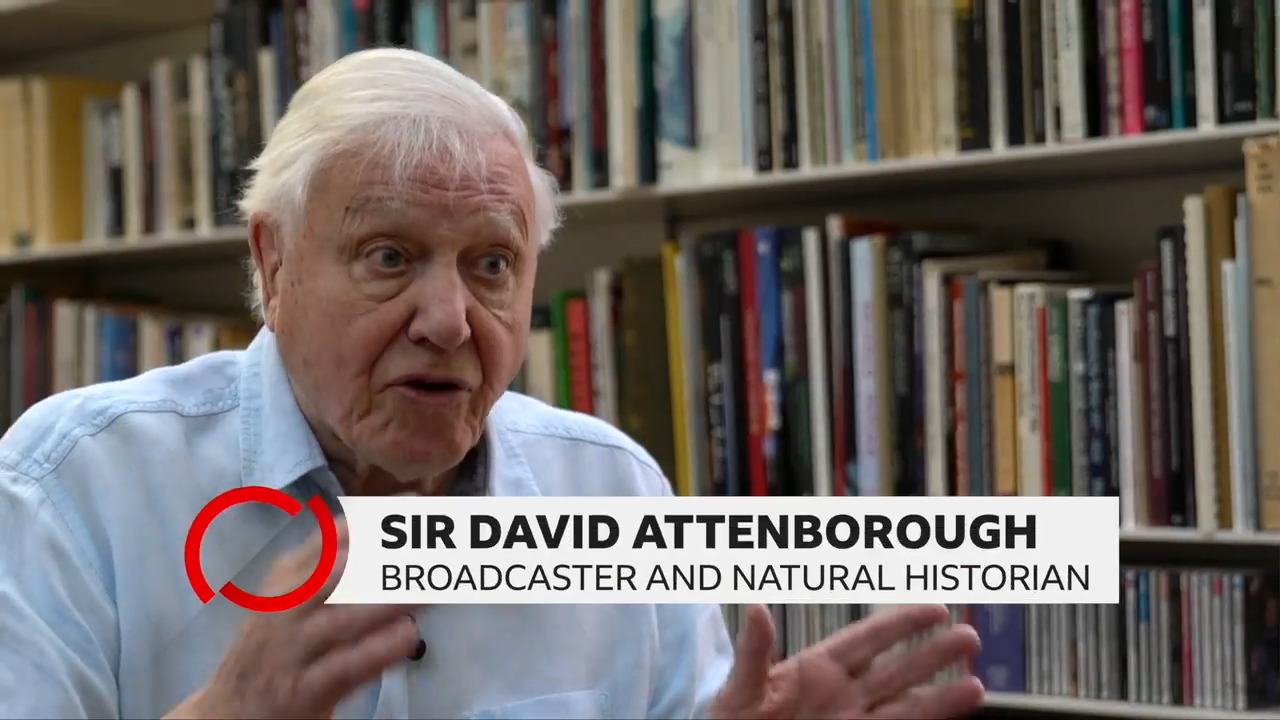
In Why Does News Keep Changing?, host Radzi Chinyanganya explores the way news stories develop and change over time. For example, the Australian bushfires became an international news story in 2019 and 2020. While the initial stories highlighted the destruction and death of people and animals, the media later looked at the impact of climate change as a cause of the fires. Disinformation also spread as the story developed. Some rumors said that the fires were started by environmentalists to bring awareness, but journalists were able to disprove these claims. As coverage expands, journalists must update their stories and correct any statements that were previously wrong. This video is excerpted from BBC’s My World, a program created for teenagers eager to learn more about the important stories shaping our world.

We live in a time where we can get up-to-the-minute updates. So how do we make sure we’re getting the most current and most accurate news? Introduce your students to the concept of developing news stories. In this lesson, they’ll explore what can cause the news to change and how to distinguish changing information from corrected information.
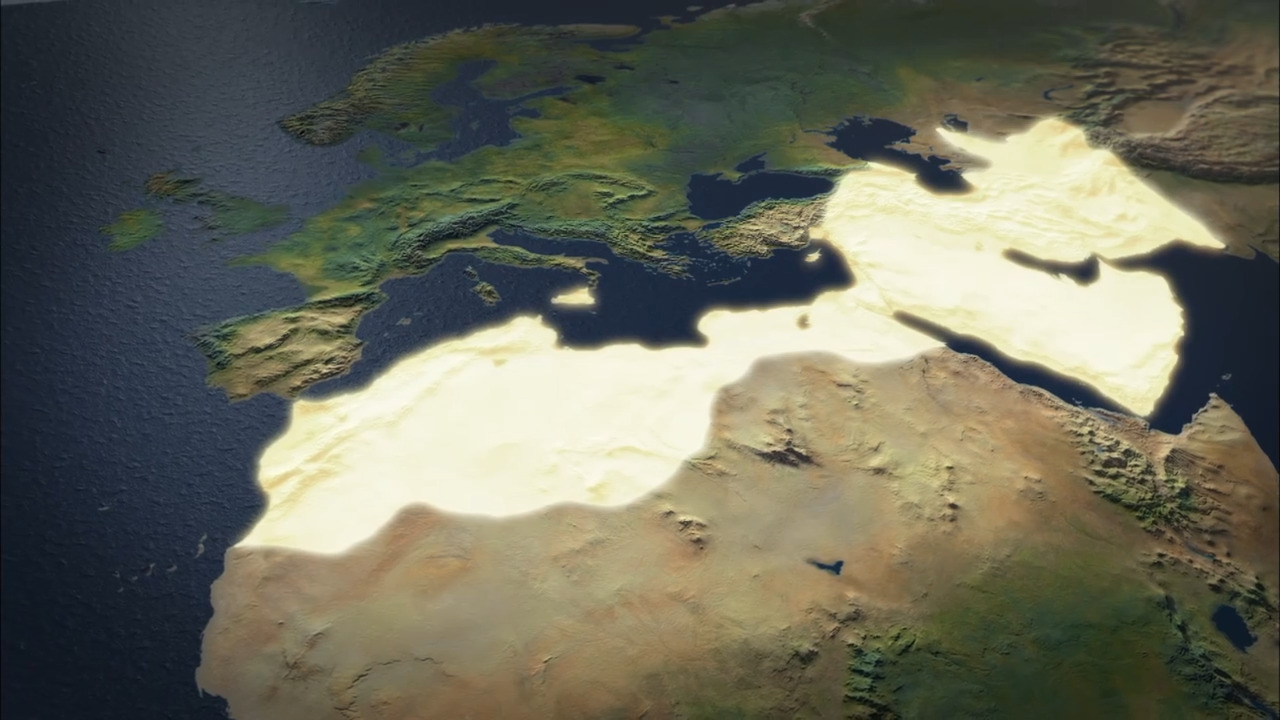
In Islamic Advances in Math and Science Helped Update the Math of the World, host Andrew Marr takes us back to the 9th Century. The Islamic scholar Muhammad al-Khwarizmi and other scholars are using measurements and calculations to calculate the Earth’s circumference and create an updated map the Earth. Learn how the work of the Islamic scholars impacts today’s technology and mathematics. This video is excerpted from BBC’s Andrew Marr's History of the World, a story of human history that uses reenactments, modern footage, and storytelling to explain history’s greatest achievements.
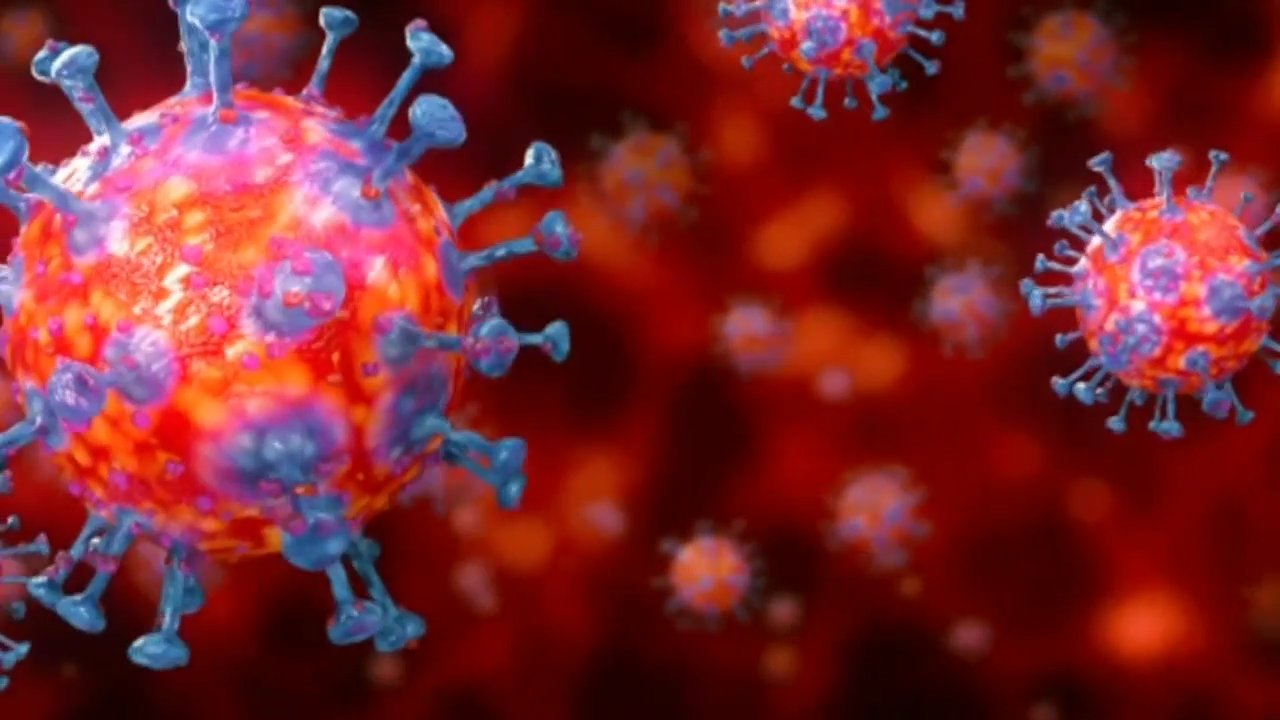
Okay, ChatGPT can't cure COVID, but using AI to develop vaccines has shown promising results.
Even though COVID vaccines ultimately saved lives, many were lost in the early days of the disease because scientists couldn’t develop the vaccine faster than the virus spread, and they had to update it when the virus mutated. Now, a team at the University of Cambridge has a way to get ahead of things.
They took the genetic blueprint of multiple coronaviruses related to the one that caused COVID-19 (think: the guest list to the worst family reunion ever) and are using artificial intelligence to work on a vaccine that would protect against a range of the viruses. It’s the first time a vaccine’s key component has been designed by AI and tested on people, but the trial’s work could open up a world of possibilities. Success would signify that we can use an AI antigen that’s safe and, importantly, can represent a whole group of viruses. That would mean we could move away from chasing a particular infection when it happens and towards preventing a whole family of viruses.
It’s too soon to know for sure, but scientists are hopeful that this technology can be implemented to replace the flu vaccine, prepare for bird flu, or protect against hemorrhagic fevers like Ebola.
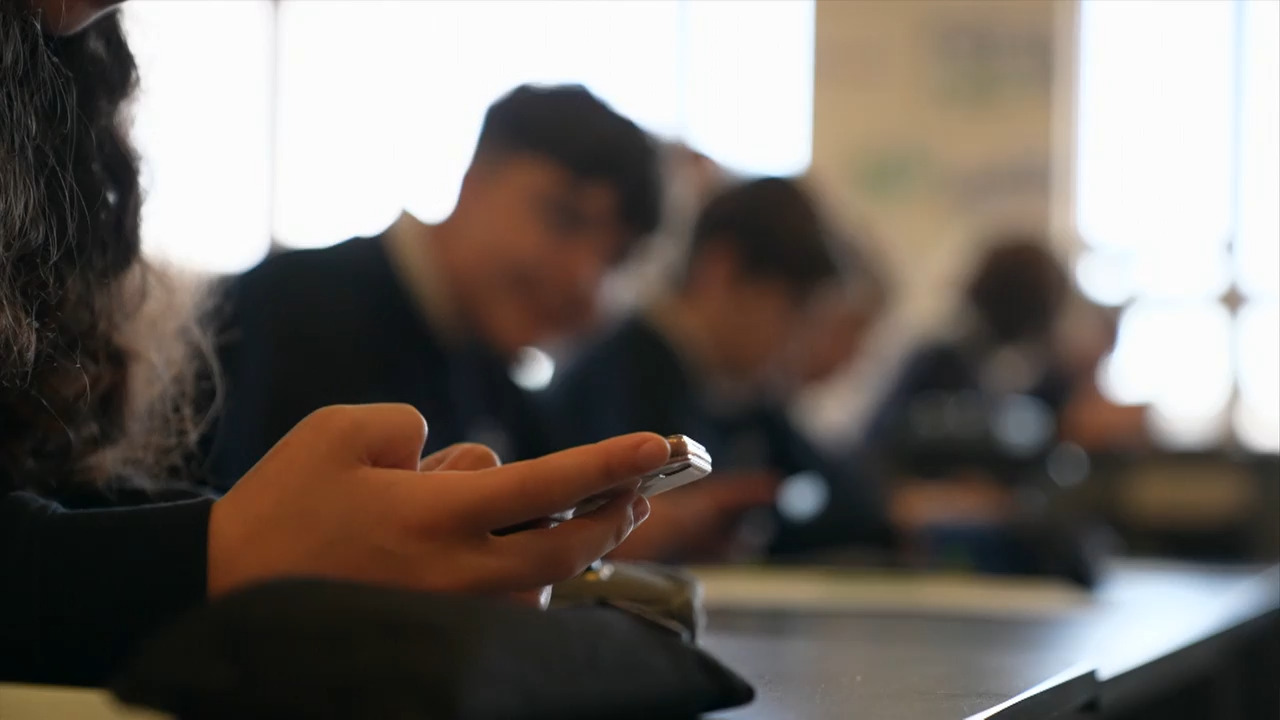
More schools are asking students to put smartphones away during the school day—and while many teens were not happy about it at first, some are now seeing the benefits. Without constant messages, notifications, and social media updates, students say school feels calmer and less stressful. Many are talking more face-to-face, making stronger friendships, and feeling less pressure to keep checking their phones. Teachers also report fewer interruptions in class and less bullying. The phones may be out of sight at school, but many students still spend hours on them at home, keeping the screen-time debate going.
In Why Does News Keep Changing?, host Radzi Chinyanganya explores the way news stories develop and change over time. For example, the Australian bushfires became an international news story in 2019 and 2020. While the initial stories highlighted the destruction and death of people and animals, the media later looked at the impact of climate change as a cause of the fires. Disinformation also spread as the story developed. Some rumors said that the fires were started by environmentalists to bring awareness, but journalists were able to disprove these claims. As coverage expands, journalists must update their stories and correct any statements that were previously wrong. This video is excerpted from BBC’s My World, a program created for teenagers eager to learn more about the important stories shaping our world.
We live in a time where we can get up-to-the-minute updates. So how do we make sure we’re getting the most current and most accurate news? Introduce your students to the concept of developing news stories. In this lesson, they’ll explore what can cause the news to change and how to distinguish changing information from corrected information.
In Islamic Advances in Math and Science Helped Update the Math of the World, host Andrew Marr takes us back to the 9th Century. The Islamic scholar Muhammad al-Khwarizmi and other scholars are using measurements and calculations to calculate the Earth’s circumference and create an updated map the Earth. Learn how the work of the Islamic scholars impacts today’s technology and mathematics. This video is excerpted from BBC’s Andrew Marr's History of the World, a story of human history that uses reenactments, modern footage, and storytelling to explain history’s greatest achievements.
Okay, ChatGPT can't cure COVID, but using AI to develop vaccines has shown promising results.
Even though COVID vaccines ultimately saved lives, many were lost in the early days of the disease because scientists couldn’t develop the vaccine faster than the virus spread, and they had to update it when the virus mutated. Now, a team at the University of Cambridge has a way to get ahead of things.
They took the genetic blueprint of multiple coronaviruses related to the one that caused COVID-19 (think: the guest list to the worst family reunion ever) and are using artificial intelligence to work on a vaccine that would protect against a range of the viruses. It’s the first time a vaccine’s key component has been designed by AI and tested on people, but the trial’s work could open up a world of possibilities. Success would signify that we can use an AI antigen that’s safe and, importantly, can represent a whole group of viruses. That would mean we could move away from chasing a particular infection when it happens and towards preventing a whole family of viruses.
It’s too soon to know for sure, but scientists are hopeful that this technology can be implemented to replace the flu vaccine, prepare for bird flu, or protect against hemorrhagic fevers like Ebola.
More schools are asking students to put smartphones away during the school day—and while many teens were not happy about it at first, some are now seeing the benefits. Without constant messages, notifications, and social media updates, students say school feels calmer and less stressful. Many are talking more face-to-face, making stronger friendships, and feeling less pressure to keep checking their phones. Teachers also report fewer interruptions in class and less bullying. The phones may be out of sight at school, but many students still spend hours on them at home, keeping the screen-time debate going.