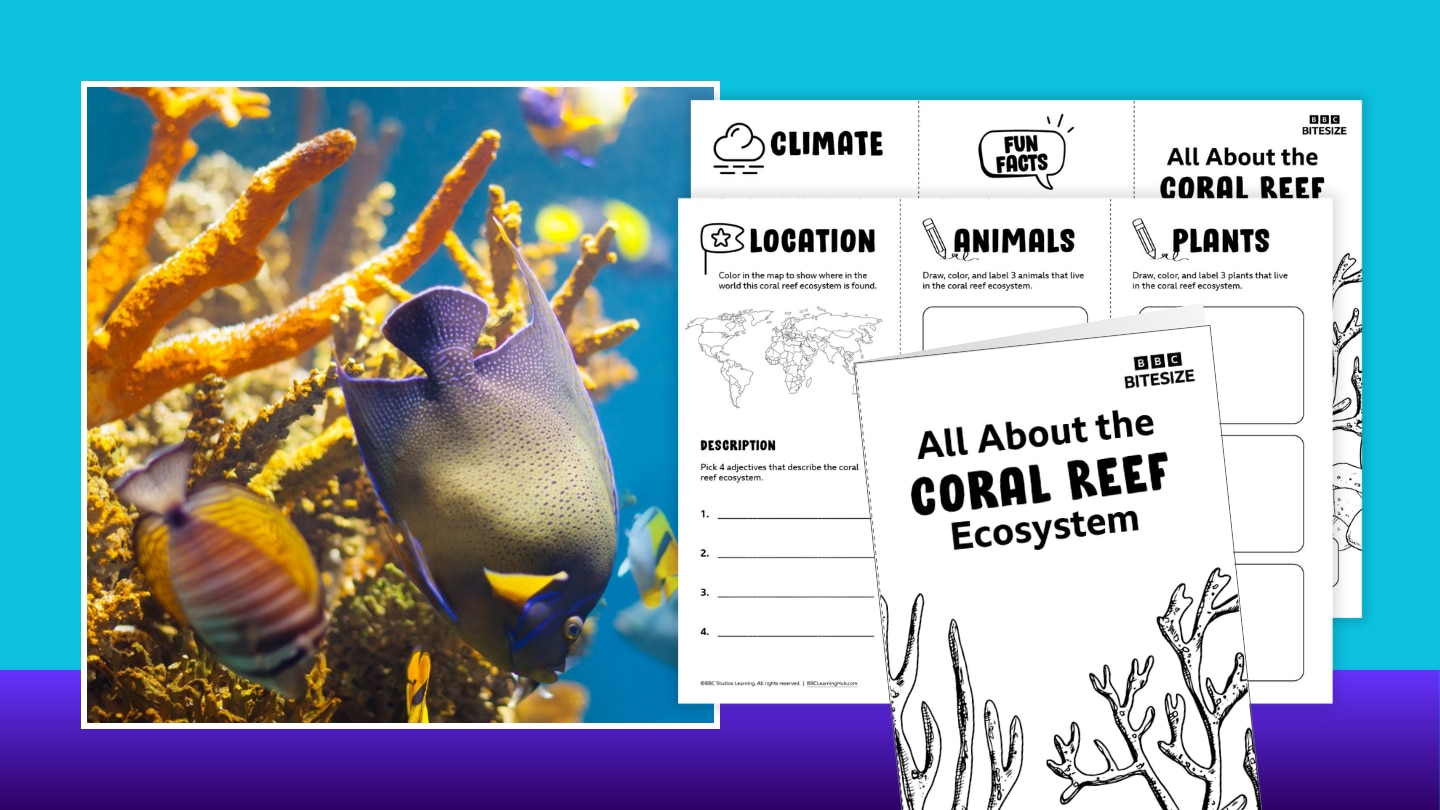
Bring your students on an underwater adventure into the coral reef ecosystem! Whether you're exploring the vast beauty of the Great Barrier Reef in Australia or diving into the rich, biodiverse waters of Indonesia, coral reefs are some of the most vibrant and important ecosystems on Earth.
✨ Perfect for grades 3–8, here’s what you need to bring ecosystems to life:
- Iconic BBC Videos: Share the clips on this page to introduce the location, plants, animals, and climate of the coral reefs. (Don't miss the tusk fish and octopuses!) Brought to you by world-class BBC programs like Planet Earth, Blue Planet, Animal Babies, and Life.
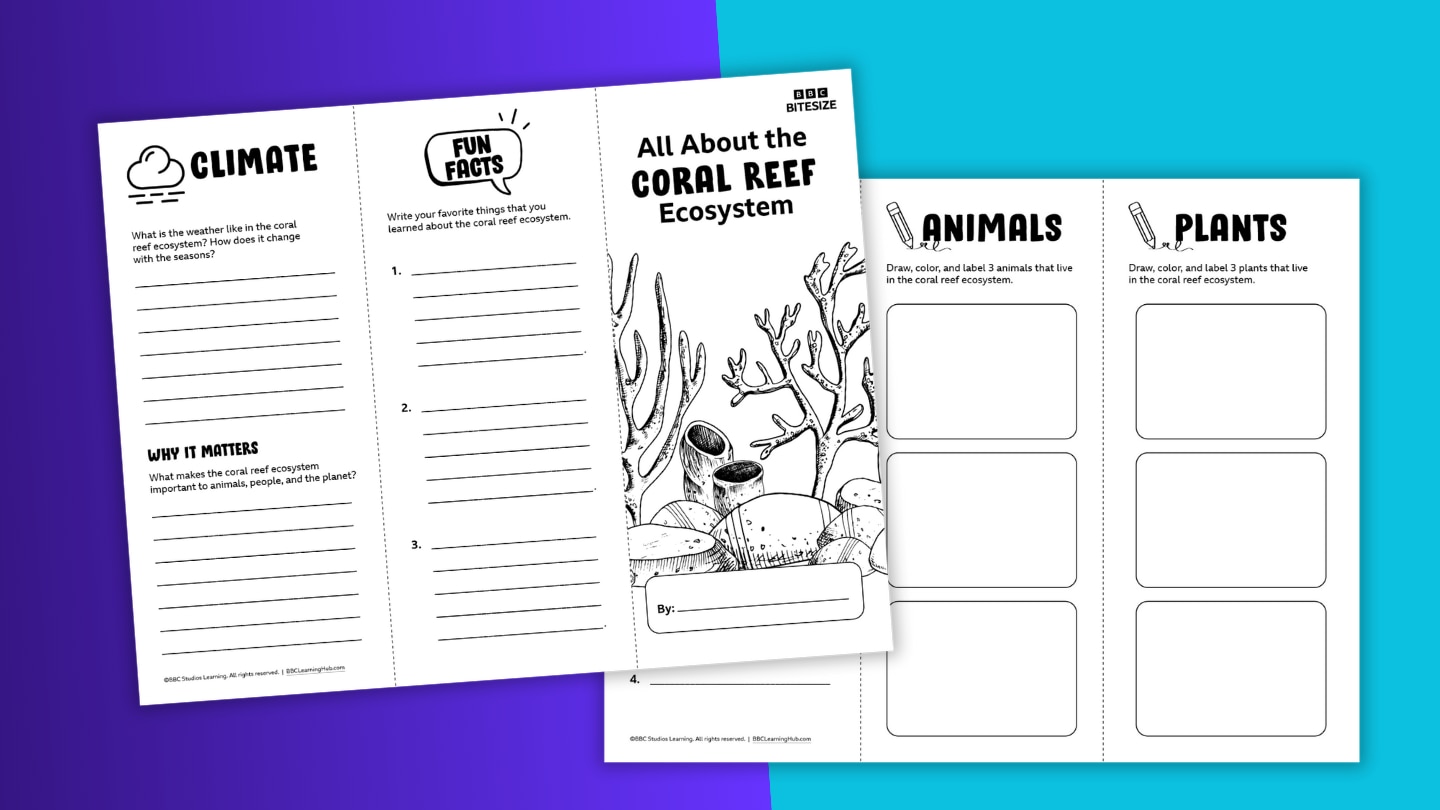
- Free Printable: Use the Coral Reef Brochure Template to help students pull it all together in an ecosystem report with facts they’ve learned (and a little extra research).
It’s everything you need to make ecosystems easy to teach and truly memorable for your students.
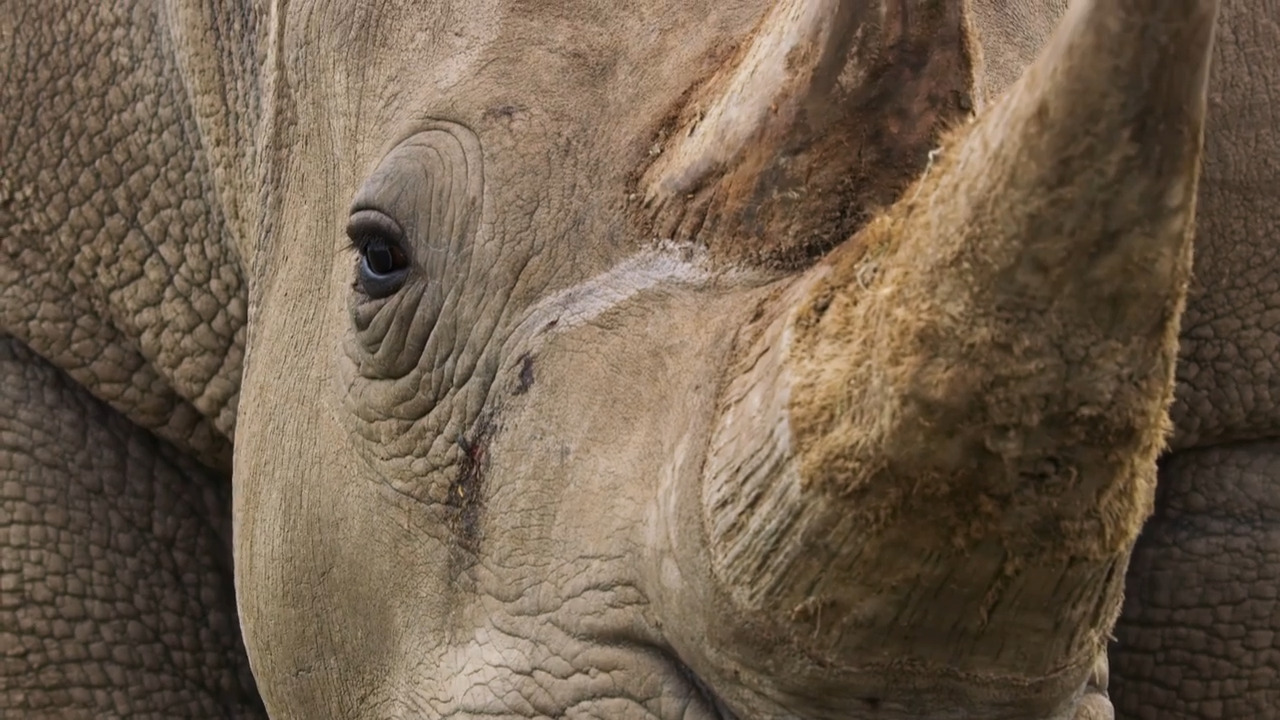
In The White Rhino Faces Extinction, narrator Sir David Attenborough tells the sad tale of how elephants and rhinos are killed for their tusks and horns. The northern white rhinoceros is now facing extinction. This video is excerpted from BBC’s Seven Worlds, One Planet, a series featuring remarkable animal behavior from all seven continents.
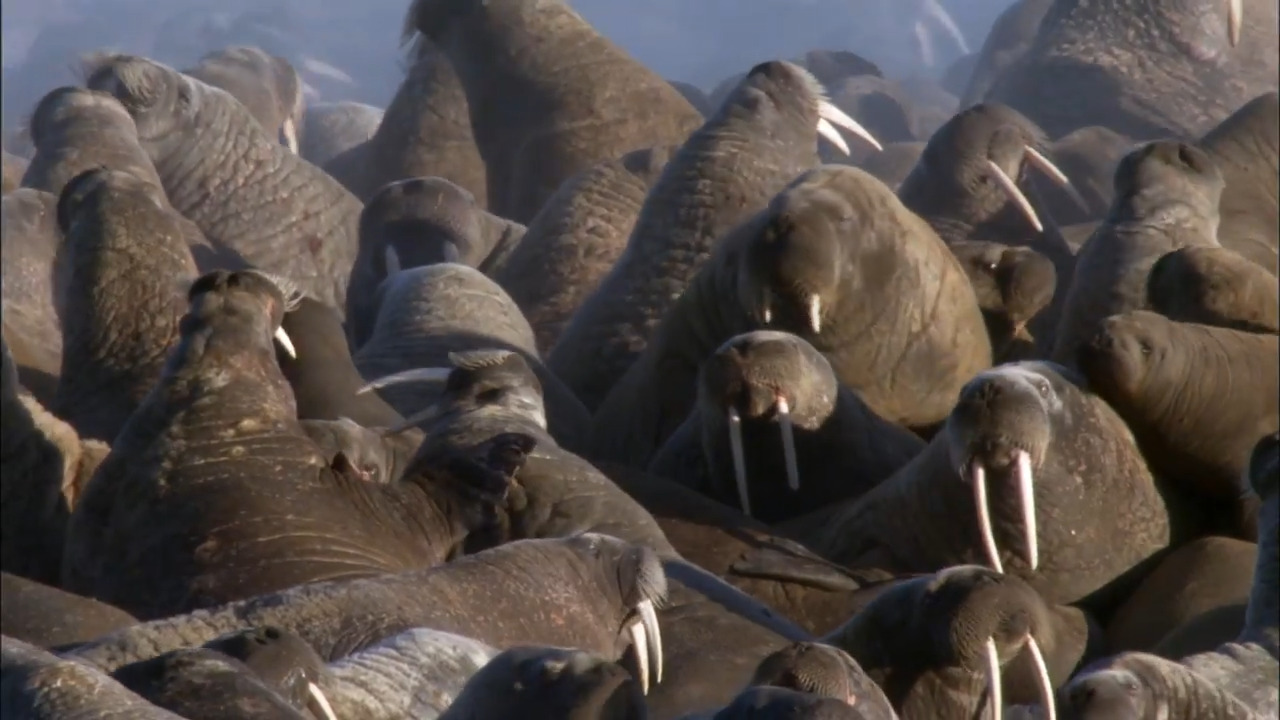
In How Walruses and Polar Bears Survive in the Arctic, narrator Sir David Attenborough shows walruses gathered on low-lying islands, where they nurse their young after giving birth on sea ice. Meanwhile, a male polar bear, weakened after seven days at sea and having lost half his weight over the summer, swims ashore in search of food. However, the massive walruses, the largest seals in the world with tusks over 3 feet (1 meter) long, prove to be a tough challenge. This video is excerpted from BBC’s Planet Earth, a breathtaking documentary series that highlights the natural wonders of our planet.
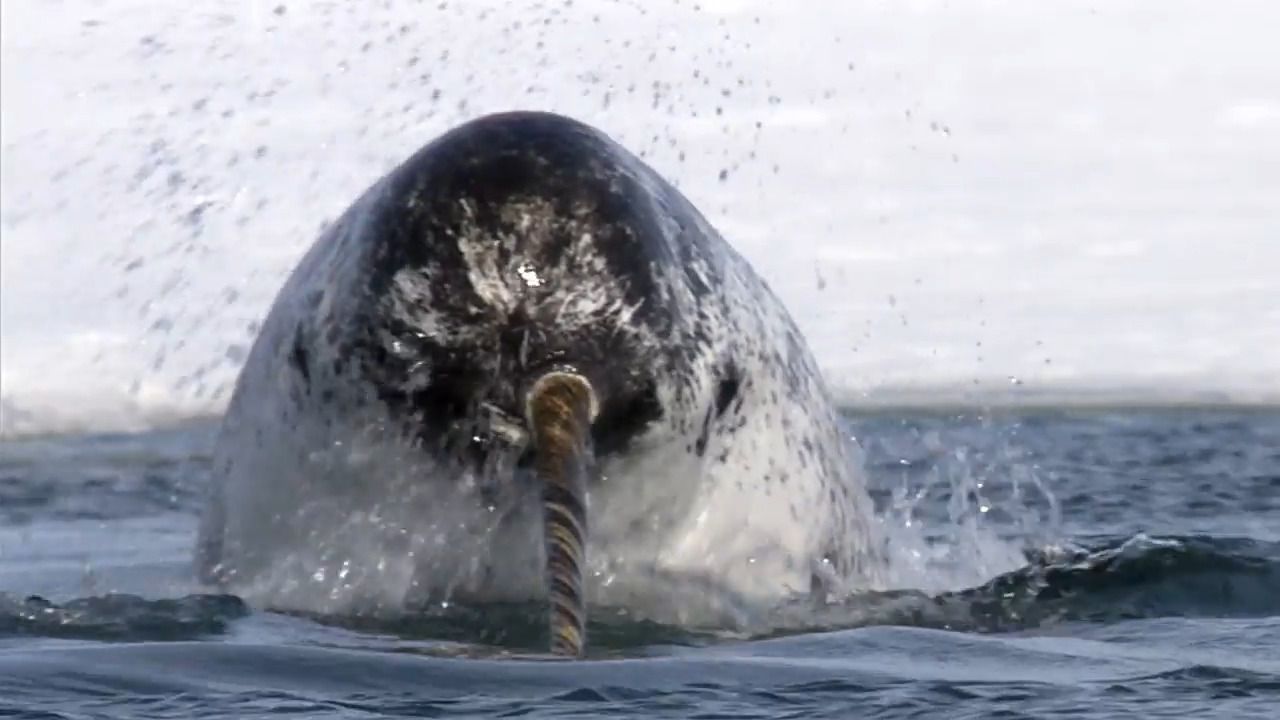
In Narwhals — Unicorns of the North, narrator Sir David Attenborough describes how a group of narwhals heads into the bay to find food when it runs into another group of narwhals traveling in the other direction. After a stand-off, they all swim back into the bay. Then learn about the mystery of the narwhal’s tusk. This video is excerpted from BBC’s Frozen Planet, a series that shows a fragile world of beauty and hostility, where nature finds a way to survive and thrive in frigid conditions.
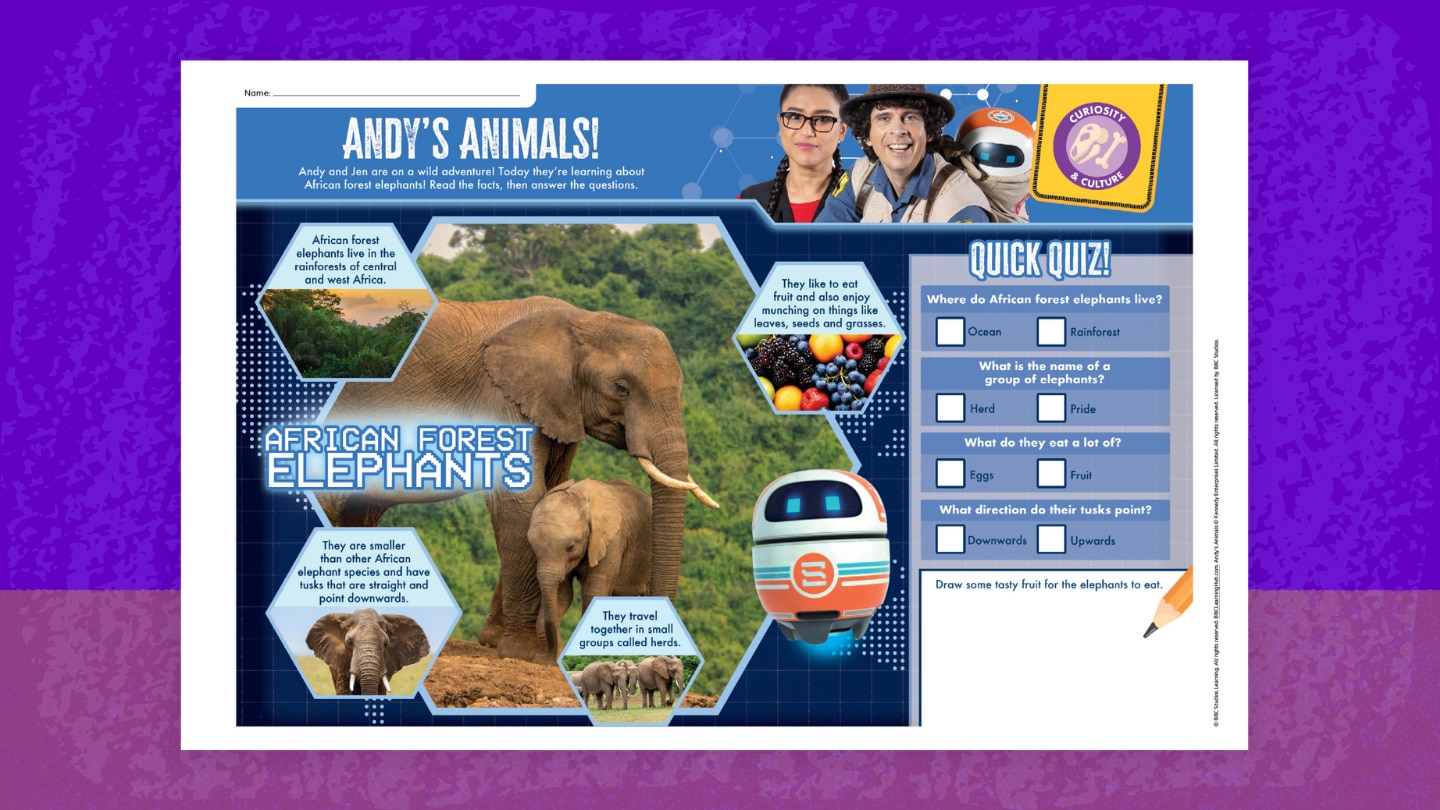
Journey into the rainforest with Andy! In this fun African forest elephants worksheet, you'll:
- Learn fascinating facts about African forest elephants, including where they live, what they love to eat, and all about their unique downward-pointing tusks.
- Test your memory with a quick quiz.
- Draw some tasty fruit for these gentle giants.
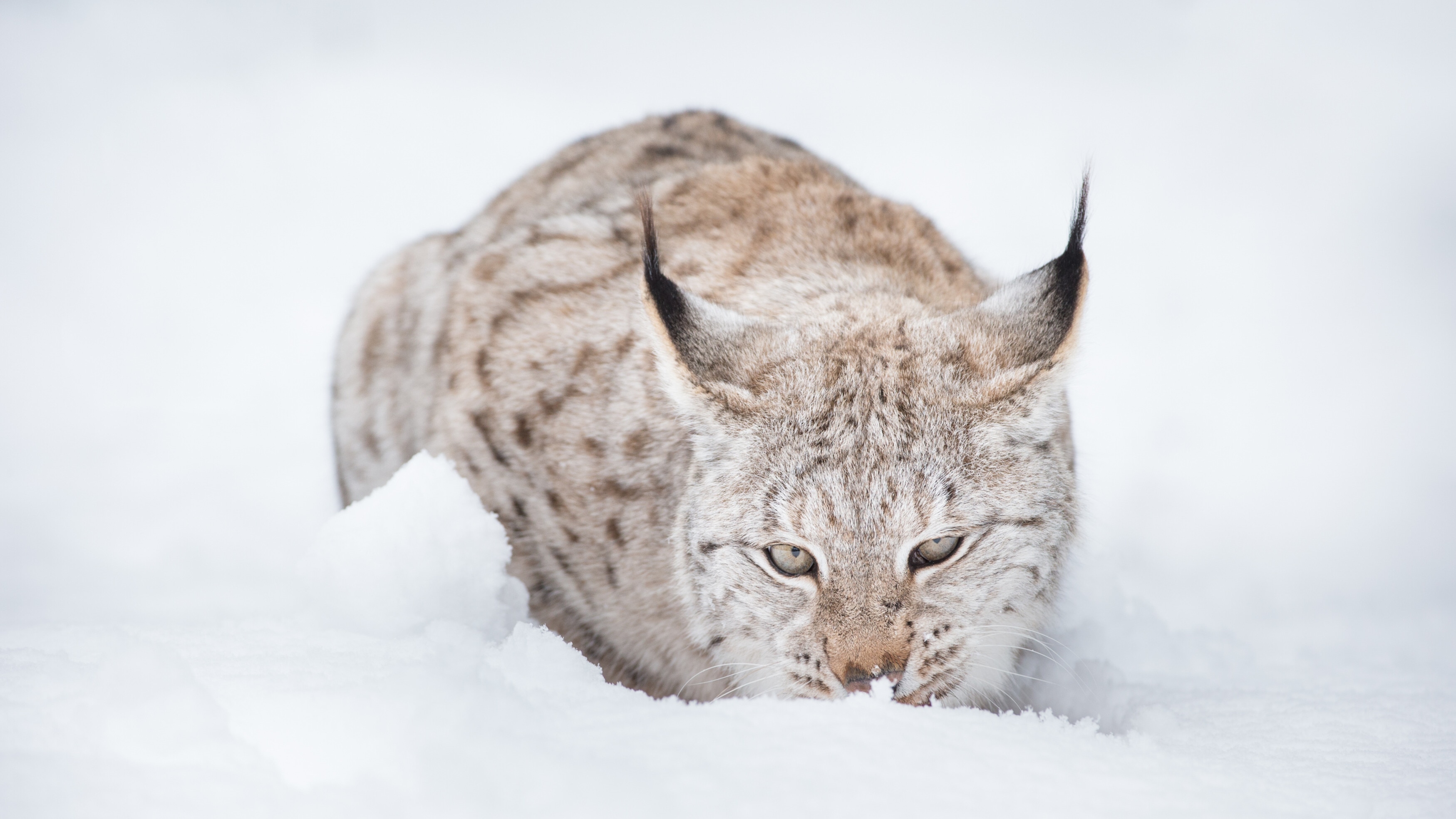
Brave the chill and meet the coolest creatures on Earth! This playlist of 11 frosty video clips from BBC landmark shows like Frozen Planet and Planet Earth explores how animals survive some of the coldest places on the planet. Students will learn about adaptations, seasonal behaviors, and the survival strategies that help bison, foxes, seals, grizzlies, snow monkeys, polar bears, lynx, and more thrive in freezing climates.
They’ll discover how winter weather shapes each animal’s daily life; how they find food, conserve energy, protect themselves from predators; and why these icy habitats play a vital role in Earth’s systems.
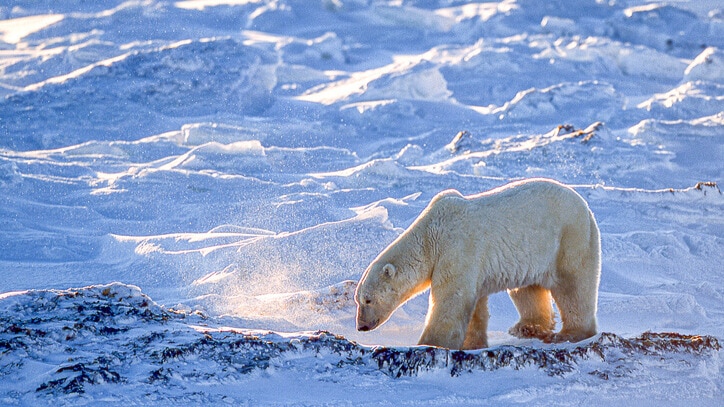
Dive into the incredible world in Arctic with this thrilling BBC Learning Hub playlist! Discover how polar bears, musk oxen, and belugas survive in icy worlds, learn about changing seasons, and see how wildlife and ecosystems adapt to extreme environments and modern challenges.
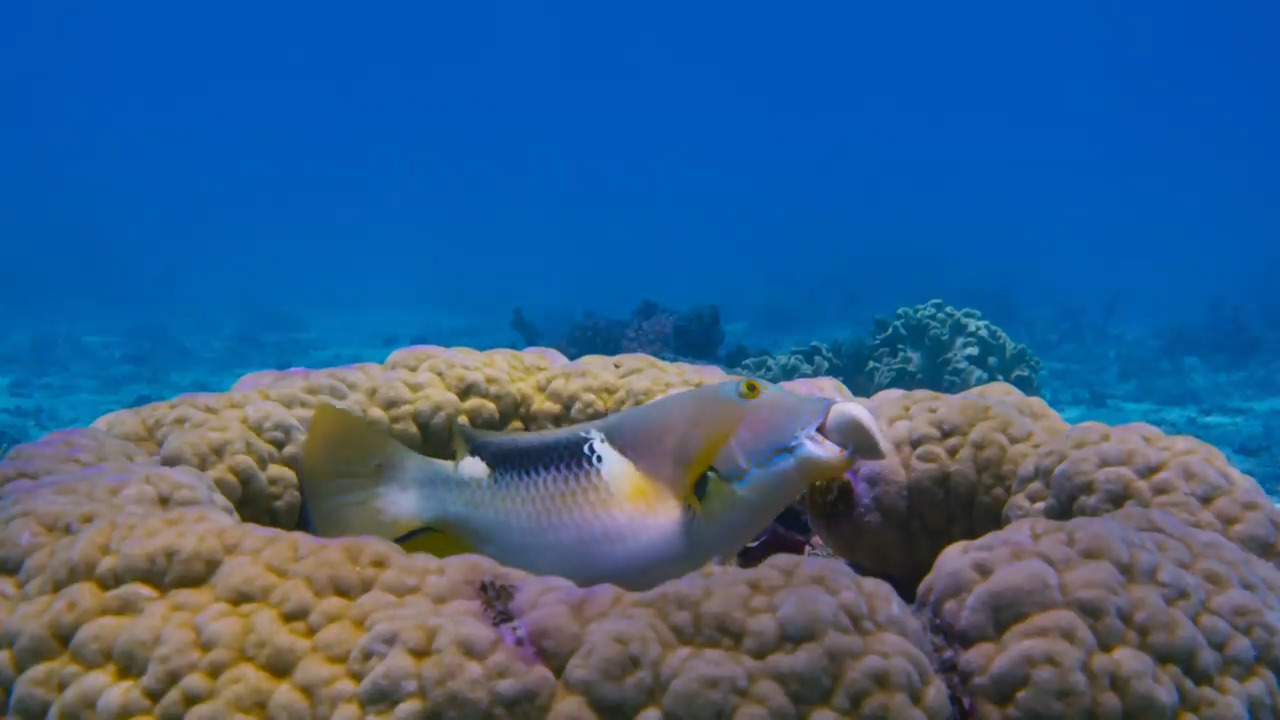
In The Tool-Using Tusk Fish, narrator Sir David Attenborough suggests that tusk fish, and perhaps other fish species, may be more intelligent than people ever thought possible. When the tusk fish finds food, such as a clam, it uses coral as a tool to crack open the clam and feed itself. This video is excerpted from BBC’s Blue Planet II, a natural history series that explores the world's oceans, the animals that live in them, and the threats they face, using modern filming techniques and equipment to capture previously unseen areas of the ocean.

Play Three Truths and a Lie about oceans and answer questions about human impact on whales, tusk fish, and the Great Barrier Reef. Plus, complete an infographic activity on how to reduce human impact on our oceans.

These printable activity sheets are used with lessons in the BBC Learning Hub Oceans Collection.
Three Truths and a Lie: Play this quick game with students to activate their prior knowledge about the ocean biome. What do they know?
Activity Sheets: The activity sheets are intended to be shared after students watch the three related video clips about whales, tusk fish, and the Great Barrier Reef.

The article "Here Are 11 Arctic Animals That Not Only Survive, But Also Thrive in the Freezing Polar Landscape" from BBC's Discover Wildlife explores how various animals have adapted to endure the Arctic's extreme conditions. From the mighty polar bear and tusked walrus to the resilient Arctic fox and long-lived Greenland shark, the piece highlights their unique physical traits and survival behaviors.
Coral reefs are some of the most crowded, colorful real estate on the planet — underwater cities built by tiny animals and packed with life. From Australia's Great Barrier Reef to the reefs of Indonesia, students will find no shortage of strange, striking creatures to study.
After watching coral reef videos, have students dig deeper with their own research and build a brochure covering:
- Location of the ecosystem on a world map
- Adjectives that describe the ecosystem
- Three animals that live there
- Three plants that grow there
- The climate
- Why the ecosystem matters
- Their favorite fun facts
Students summarize in their own words, which means they're practicing a real skill: pulling information from multiple sources and deciding what's worth keeping.
Bring your students on an underwater adventure into the coral reef ecosystem! Whether you're exploring the vast beauty of the Great Barrier Reef in Australia or diving into the rich, biodiverse waters of Indonesia, coral reefs are some of the most vibrant and important ecosystems on Earth.
✨ Perfect for grades 3–8, here’s what you need to bring ecosystems to life:
- Iconic BBC Videos: Share the clips on this page to introduce the location, plants, animals, and climate of the coral reefs. (Don't miss the tusk fish and octopuses!) Brought to you by world-class BBC programs like Planet Earth, Blue Planet, Animal Babies, and Life.
- Free Printable: Use the Coral Reef Brochure Template to help students pull it all together in an ecosystem report with facts they’ve learned (and a little extra research).
It’s everything you need to make ecosystems easy to teach and truly memorable for your students.
In The White Rhino Faces Extinction, narrator Sir David Attenborough tells the sad tale of how elephants and rhinos are killed for their tusks and horns. The northern white rhinoceros is now facing extinction. This video is excerpted from BBC’s Seven Worlds, One Planet, a series featuring remarkable animal behavior from all seven continents.
In How Walruses and Polar Bears Survive in the Arctic, narrator Sir David Attenborough shows walruses gathered on low-lying islands, where they nurse their young after giving birth on sea ice. Meanwhile, a male polar bear, weakened after seven days at sea and having lost half his weight over the summer, swims ashore in search of food. However, the massive walruses, the largest seals in the world with tusks over 3 feet (1 meter) long, prove to be a tough challenge. This video is excerpted from BBC’s Planet Earth, a breathtaking documentary series that highlights the natural wonders of our planet.
In Narwhals — Unicorns of the North, narrator Sir David Attenborough describes how a group of narwhals heads into the bay to find food when it runs into another group of narwhals traveling in the other direction. After a stand-off, they all swim back into the bay. Then learn about the mystery of the narwhal’s tusk. This video is excerpted from BBC’s Frozen Planet, a series that shows a fragile world of beauty and hostility, where nature finds a way to survive and thrive in frigid conditions.
Journey into the rainforest with Andy! In this fun African forest elephants worksheet, you'll:
- Learn fascinating facts about African forest elephants, including where they live, what they love to eat, and all about their unique downward-pointing tusks.
- Test your memory with a quick quiz.
- Draw some tasty fruit for these gentle giants.
Brave the chill and meet the coolest creatures on Earth! This playlist of 11 frosty video clips from BBC landmark shows like Frozen Planet and Planet Earth explores how animals survive some of the coldest places on the planet. Students will learn about adaptations, seasonal behaviors, and the survival strategies that help bison, foxes, seals, grizzlies, snow monkeys, polar bears, lynx, and more thrive in freezing climates.
They’ll discover how winter weather shapes each animal’s daily life; how they find food, conserve energy, protect themselves from predators; and why these icy habitats play a vital role in Earth’s systems.
Dive into the incredible world in Arctic with this thrilling BBC Learning Hub playlist! Discover how polar bears, musk oxen, and belugas survive in icy worlds, learn about changing seasons, and see how wildlife and ecosystems adapt to extreme environments and modern challenges.
In The Tool-Using Tusk Fish, narrator Sir David Attenborough suggests that tusk fish, and perhaps other fish species, may be more intelligent than people ever thought possible. When the tusk fish finds food, such as a clam, it uses coral as a tool to crack open the clam and feed itself. This video is excerpted from BBC’s Blue Planet II, a natural history series that explores the world's oceans, the animals that live in them, and the threats they face, using modern filming techniques and equipment to capture previously unseen areas of the ocean.
Play Three Truths and a Lie about oceans and answer questions about human impact on whales, tusk fish, and the Great Barrier Reef. Plus, complete an infographic activity on how to reduce human impact on our oceans.
These printable activity sheets are used with lessons in the BBC Learning Hub Oceans Collection.
Three Truths and a Lie: Play this quick game with students to activate their prior knowledge about the ocean biome. What do they know?
Activity Sheets: The activity sheets are intended to be shared after students watch the three related video clips about whales, tusk fish, and the Great Barrier Reef.
The article "Here Are 11 Arctic Animals That Not Only Survive, But Also Thrive in the Freezing Polar Landscape" from BBC's Discover Wildlife explores how various animals have adapted to endure the Arctic's extreme conditions. From the mighty polar bear and tusked walrus to the resilient Arctic fox and long-lived Greenland shark, the piece highlights their unique physical traits and survival behaviors.
Coral reefs are some of the most crowded, colorful real estate on the planet — underwater cities built by tiny animals and packed with life. From Australia's Great Barrier Reef to the reefs of Indonesia, students will find no shortage of strange, striking creatures to study.
After watching coral reef videos, have students dig deeper with their own research and build a brochure covering:
- Location of the ecosystem on a world map
- Adjectives that describe the ecosystem
- Three animals that live there
- Three plants that grow there
- The climate
- Why the ecosystem matters
- Their favorite fun facts
Students summarize in their own words, which means they're practicing a real skill: pulling information from multiple sources and deciding what's worth keeping.