
At the start of 2026, Tokyo’s Ueno Zoo said goodbye to two of its most famous residents: twin giant pandas Xiao Xiao and Lei Lei.
The twins were born at the zoo in 2021 and quickly became stars. In their final weeks in Japan, so many families wanted to see them that visitors were picked by lottery.
The pandas were always meant to go back to China. China doesn’t sell or give away its giant pandas. It lends them to other countries, and the loans often depend on how well the two governments get along. This is known as “panda diplomacy.”
The twins left at a tense moment. Relations between China and Japan worsened after Japan’s new prime minister made comments about Taiwan, an island that governs itself but that China claims as part of its territory.
Now, for the first time since 1972, Japan has no giant pandas. That date matters. 1972 was the year Japan and China restored official relations, and China marked it by sending Japan its first pair of pandas. Japan would like more pandas, but officials say a new loan looks unlikely for now.
So the pandas are home in China, and Japan is waiting for a reply.
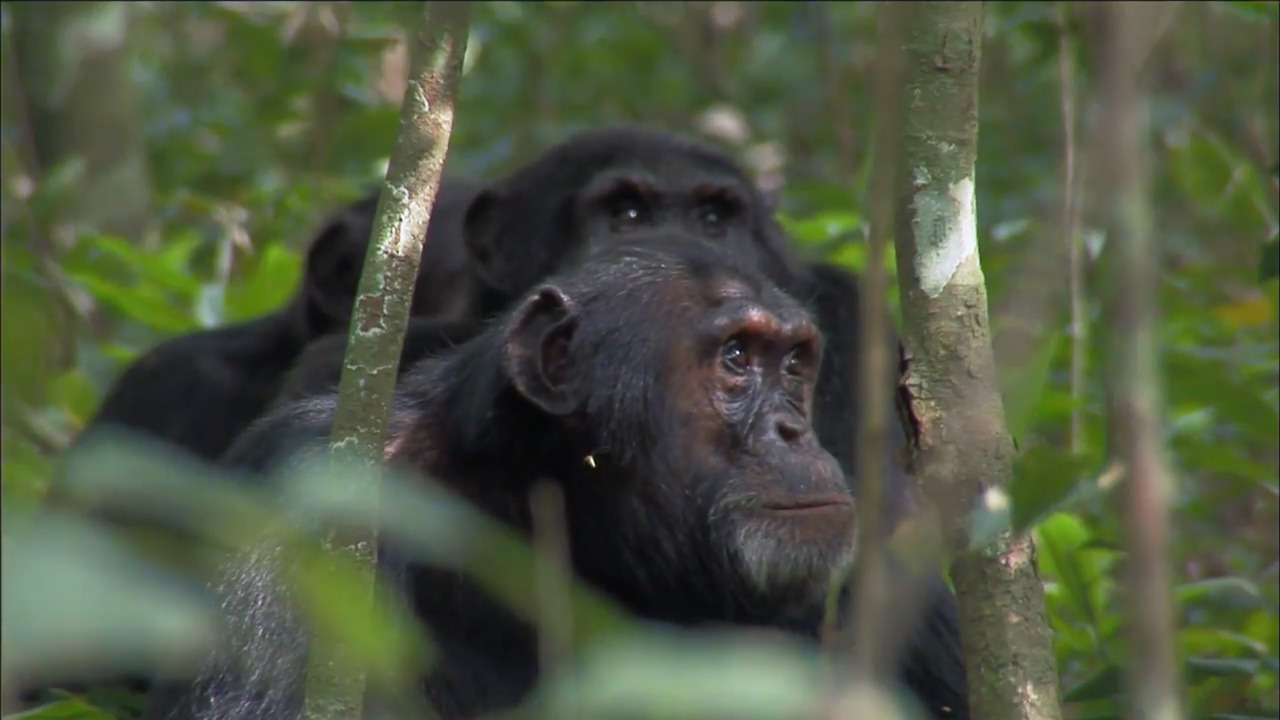
A troop of 150 chimpanzees. That's not a typo — it's the largest chimp community ever recorded in Africa, and they all live in one stretch of forest in Uganda. Sir David Attenborough takes you inside their world in this clip from BBC's Planet Earth, and it's not exactly peaceful. Chimps are unusual among jungle animals — they move just as easily through the treetops as they do on the ground, which comes in handy when your diet depends on finding enough fig trees to feed 150 mouths. But a community this size needs serious territory to sustain it, and that means defending it.
Watch as the troop uses coordinated calls to launch a raid into a rival group's land. Once they cross into enemy territory, everything changes: the calls stop, the pace slows, and every chimp is on high alert, listening for signs of who — and how many — they're up against.
It's a side of chimpanzees you don't usually see: strategic, tense, and surprisingly military in style. Great conversation starter for anything on animal behavior, group dynamics, or how intelligence shows up in unexpected ways.
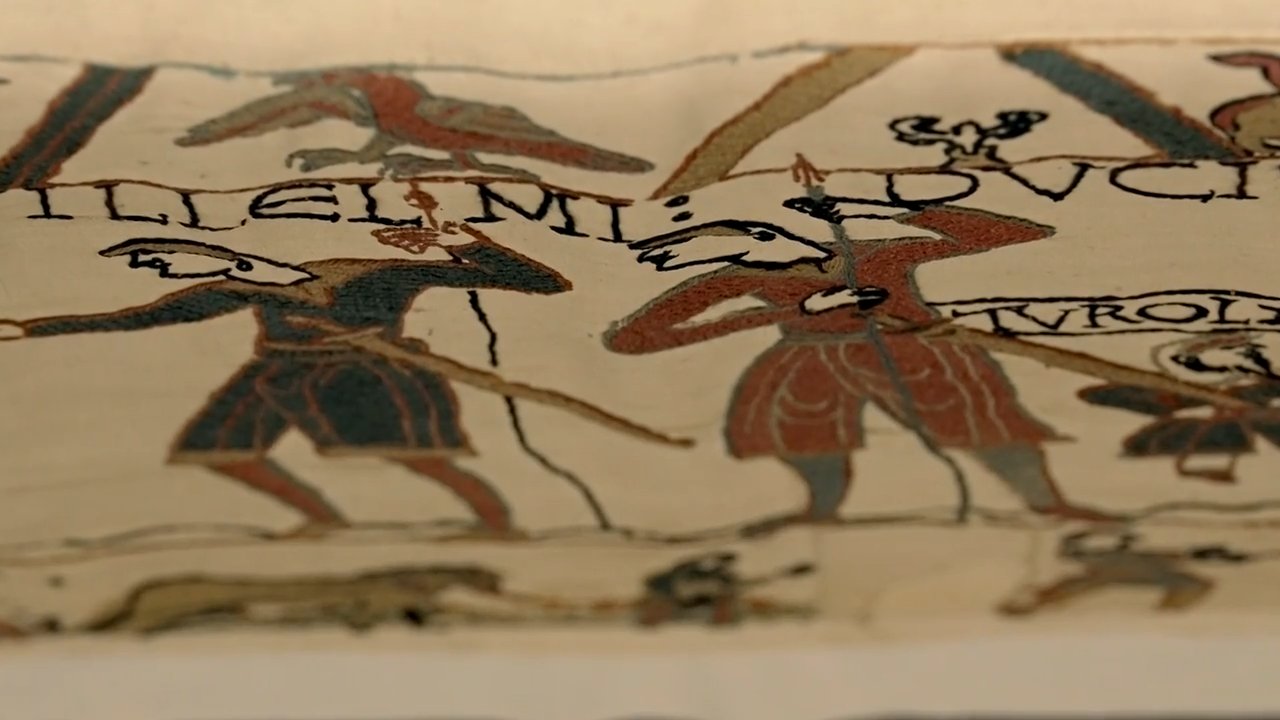
After almost 1,000 years, the historic Bayeux Tapestry is back where it began.
The 11th Century artwork is thought to have been made in Britain, and it's now on display at the British Museum — one of the UK's largest national museums, located in London — while on loan from France until summer 2027. Think of it as the original comic strip: instead of panels, it uses a continuous, nearly 70-meter-long strip of embroidered fabric (about the length of a football field) to tell the story frame by frame, image after image, all the way across.
The story it tells is the Norman Conquest of 1066: the year William the Conqueror, a duke from Normandy in modern-day France, invaded England and took the throne. Like a comic laid end to end, the tapestry shows the buildup, the battle, and the aftermath — soldiers, ships, horses, and even Halley's Comet all stitched into the sequence. That invasion permanently changed England's ruling family, language, and culture, and is often seen as the starting point of the modern British monarchy.
Moving the tapestry took hours of extremely careful work, since it's so old and delicate. Even people standing near it had to wear protective clothing so stray fibers wouldn't end up on the fabric. It's now displayed flat, inside a protective glass case. Safe to say, it may look like a large piece of fabric, but it's definitely not something you'd want to wipe your hands on if you're missing a napkin.
The loan is also part of a bigger cultural exchange between France and Britain — two neighboring countries separated by the narrow English Channel, with a long and sometimes tense shared history. In exchange for the tapestry, Britain is lending important historical objects of its own back to France.
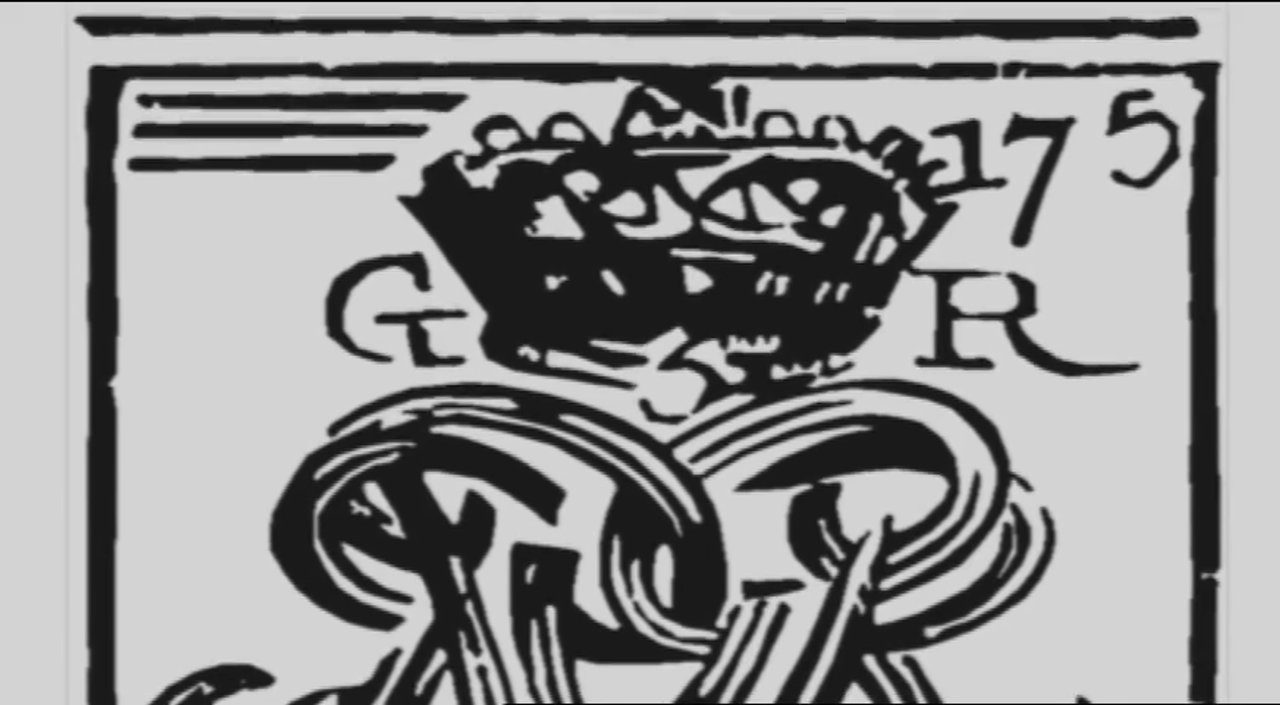
The Stamp Act of 1765 deepened tensions between Britain and its American colonies. After the French and Indian War left Britain with heavy debts, Parliament passed a tax on printed materials, including newspapers, legal documents, and playing cards. Colonists objected not only to the tax itself but to Parliament imposing it without colonial representation.
Protests spread across the colonies, with groups like the Sons of Liberty targeting stamp agents and shipments. Delegates from nine colonies met at the Stamp Act Congress and declared that only colonial assemblies had the right to impose taxes. Parliament repealed the Stamp Act the following year, but the resistance had exposed a growing divide over colonial rights and British authority — one that would help set the stage for the American Revolution.
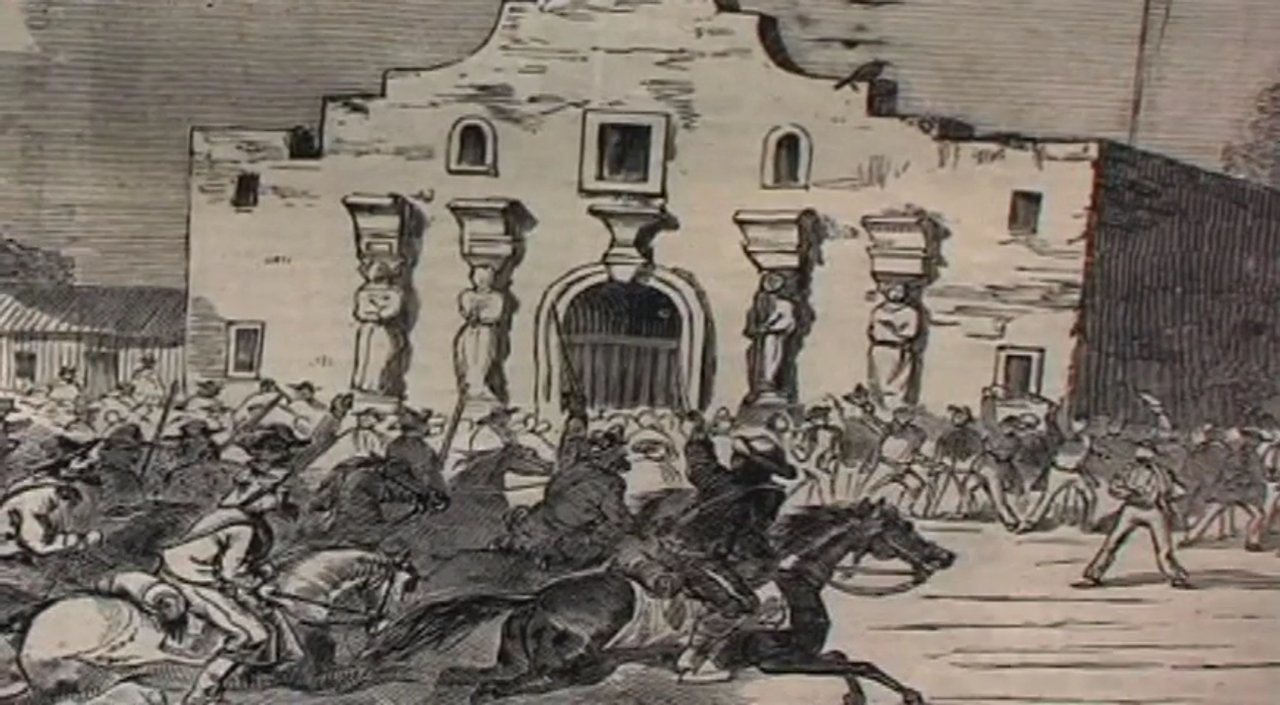
In the 1820s, Texas was part of Mexico, which invited settlers from the United States to move to the region. Disagreements over Mexican laws, cultural differences, and political control contributed to growing tensions. In 1835, the Texas Revolution began, as Texan rebels fought Mexican forces led by President and General Antonio López de Santa Anna. The Battle of the Alamo became a defining moment in the conflict, as a small group of Texan defenders held out for 13 days before Mexican troops captured the mission-fortress on March 6, 1836.
Weeks later, Mexican forces executed hundreds of Texan prisoners at Goliad. On April 21, 1836, General Sam Houston led a surprise attack against Santa Anna’s army at the Battle of San Jacinto. The Texan forces defeated the Mexican army and captured Santa Anna, helping secure Texas independence. Houston later became the first president of the Republic of Texas. The revolution shaped the region’s future, though the conflict also reflected competing claims to land, political authority, and national identity that had lasting consequences for both Texans and Mexico.
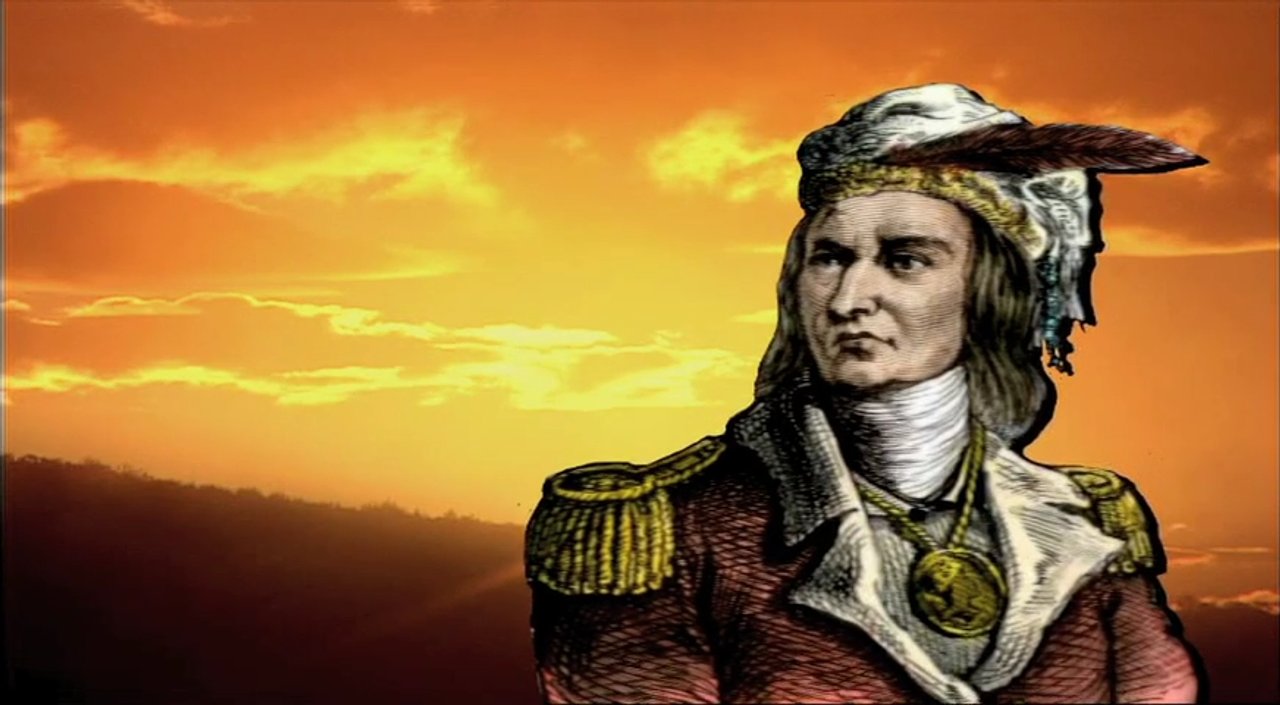
Tecumseh was a Shawnee leader who worked to unite Native American nations to resist the loss of their ancestral lands to American expansion. Born around 1768 in what is now Ohio, he believed that Native nations needed to stand together to protect their territories and independence. Alongside his younger brother, Tenskwatawa, known as the Prophet, Tecumseh helped establish Prophetstown in 1808 as a center for Native American resistance and cultural renewal.
In 1811, U.S. forces led by William Henry Harrison attacked and destroyed Prophetstown during the Battle of Tippecanoe while Tecumseh was away seeking support from other Native nations. During the War of 1812, Tecumseh allied with the British, hoping to prevent further American expansion into Native lands. He was killed at the Battle of the Thames in 1813, weakening the confederacy he had worked to build. Tecumseh remains an important historical figure for his leadership, his efforts to unite Native nations, and his resistance to the loss of Indigenous lands and sovereignty.
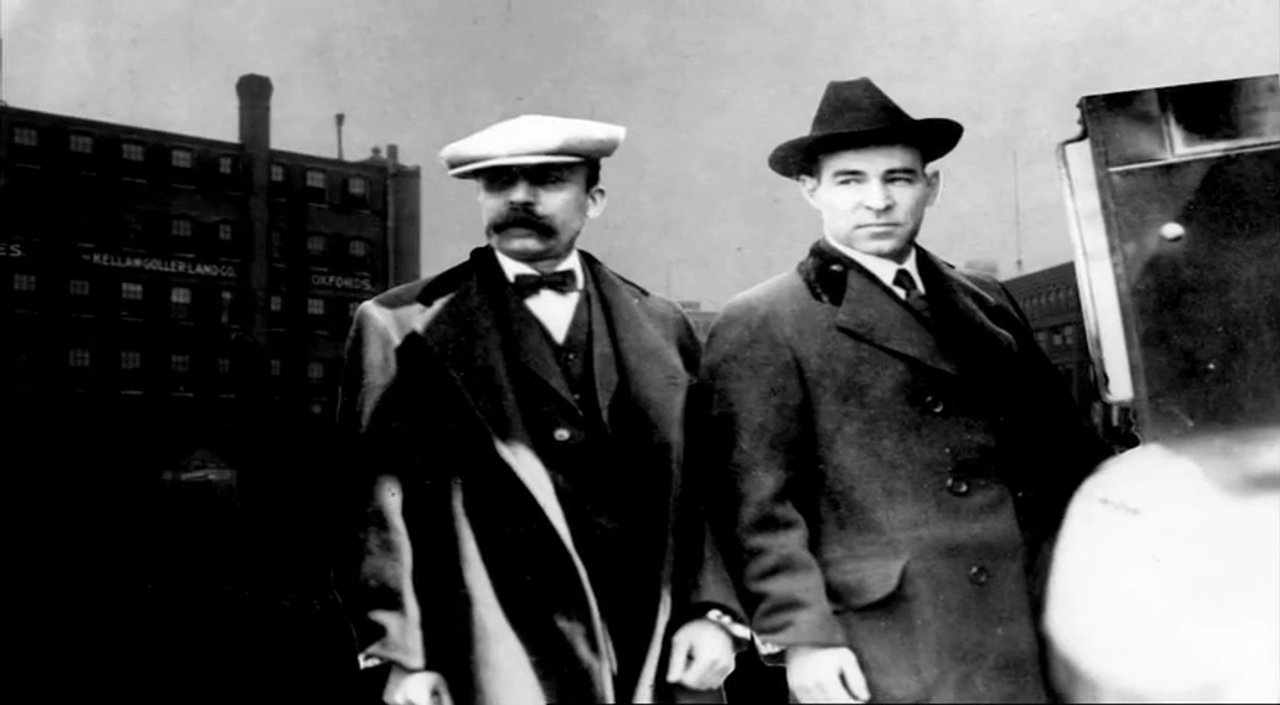
In 1920, Italian immigrants and self-proclaimed anarchists Nicola Sacco and Bartolomeo Vanzetti were arrested for the robbery and murder of two employees at a Massachusetts shoe factory. Their trial took place during the Red Scare, a period of intense fear of radical political movements that fueled suspicion of immigrants and anarchists. Questions about the evidence and fairness of the trial, along with concerns about anti-immigrant prejudice, made the case a national and international controversy.
Despite protests and appeals from prominent writers and intellectuals, Sacco and Vanzetti were executed in 1927. Their deaths sparked demonstrations around the world, and debate over their guilt continued for decades. The case highlighted the tensions between immigration, political radicalism, and the American justice system during the 1920s, raising lasting questions about how prejudice and public opinion can influence criminal trials.
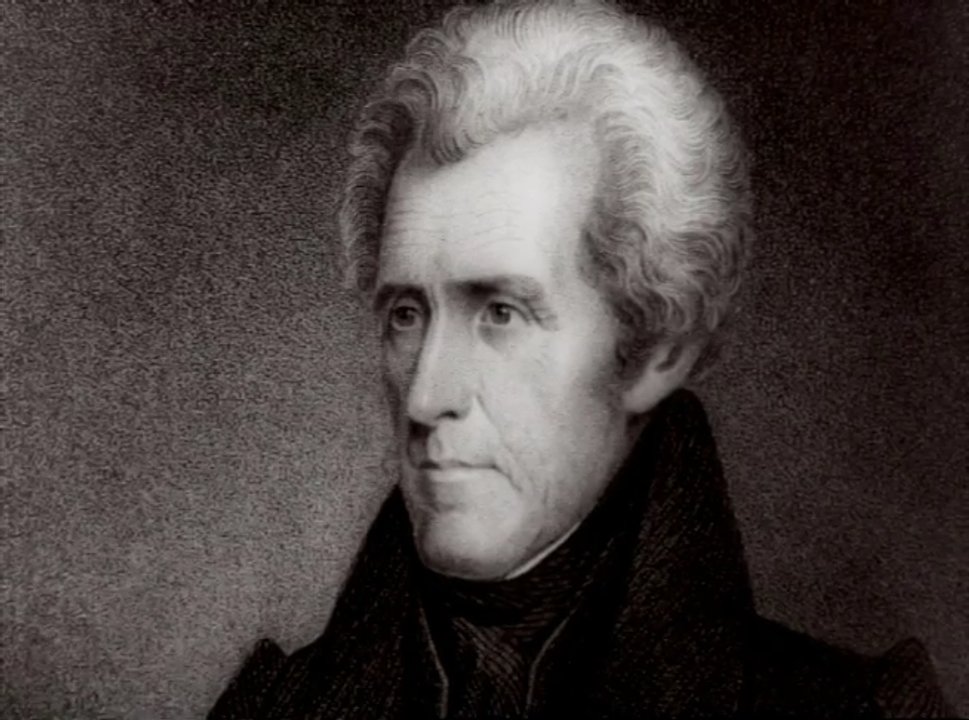
In the 1820s, disagreements over slavery, regional interests, and political power deepened divisions in the United States. The Missouri Compromise of 1820 attempted to maintain the balance between free and slave states by admitting Missouri as a slave state and Maine as a free state, while restricting slavery in parts of the Louisiana Purchase. These debates revealed growing tensions between Northern and Southern leaders over the future of slavery.
The presidential election of 1824 further divided the nation when the House of Representatives selected John Quincy Adams despite Andrew Jackson winning the most popular and electoral votes, though not an electoral majority. Jackson’s supporters accused Adams and Henry Clay of making a “corrupt bargain.” The dispute helped create a new party system, with Jackson’s Democrats opposing Adams’s National Republicans. Jackson’s victory in 1828 ushered in the era known as the Age of Jackson, marked by expanded political participation for many white men and continued conflict over the nation’s direction.
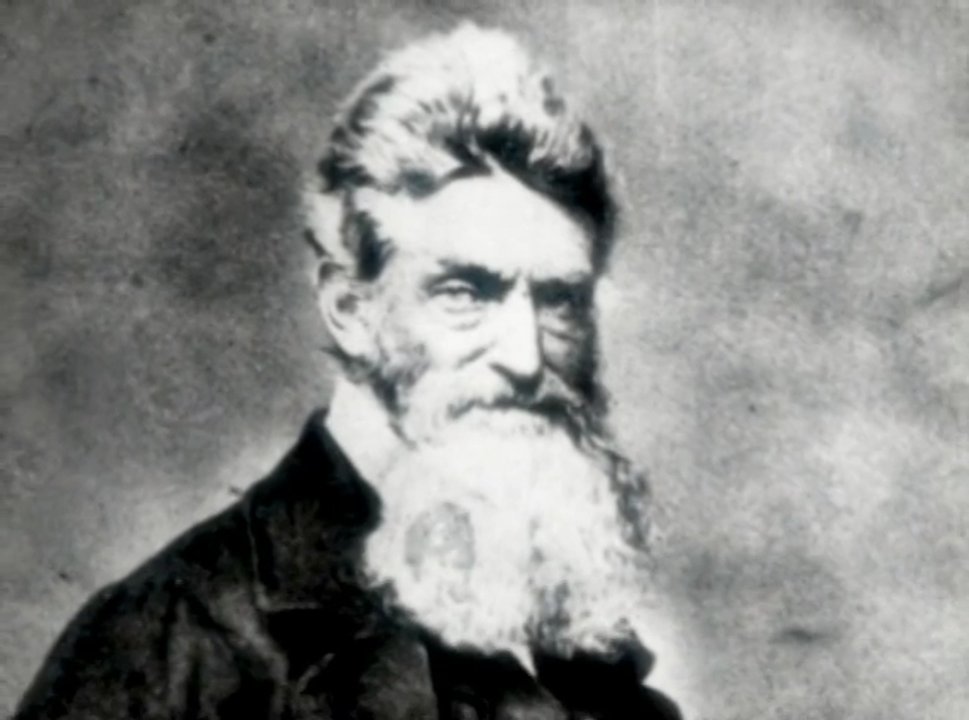
John Brown was a radical abolitionist who believed armed rebellion was necessary to end slavery. He gained national attention in 1856 when he and his followers killed five pro-slavery settlers during the violence in Kansas. In October 1859, Brown led a raid on the federal arsenal at Harpers Ferry, Virginia, intending to seize weapons and spark an uprising among enslaved people. The raid failed, and Brown was captured, tried for treason, and executed.
Although Brown failed to launch the uprising he envisioned, his raid intensified the national debate over slavery and deepened divisions between North and South. His actions remain controversial, with interpretations of his legacy ranging from condemnation of his use of violence to recognition of his commitment to ending slavery. His story illustrates the growing tensions that brought the United States closer to the Civil War.
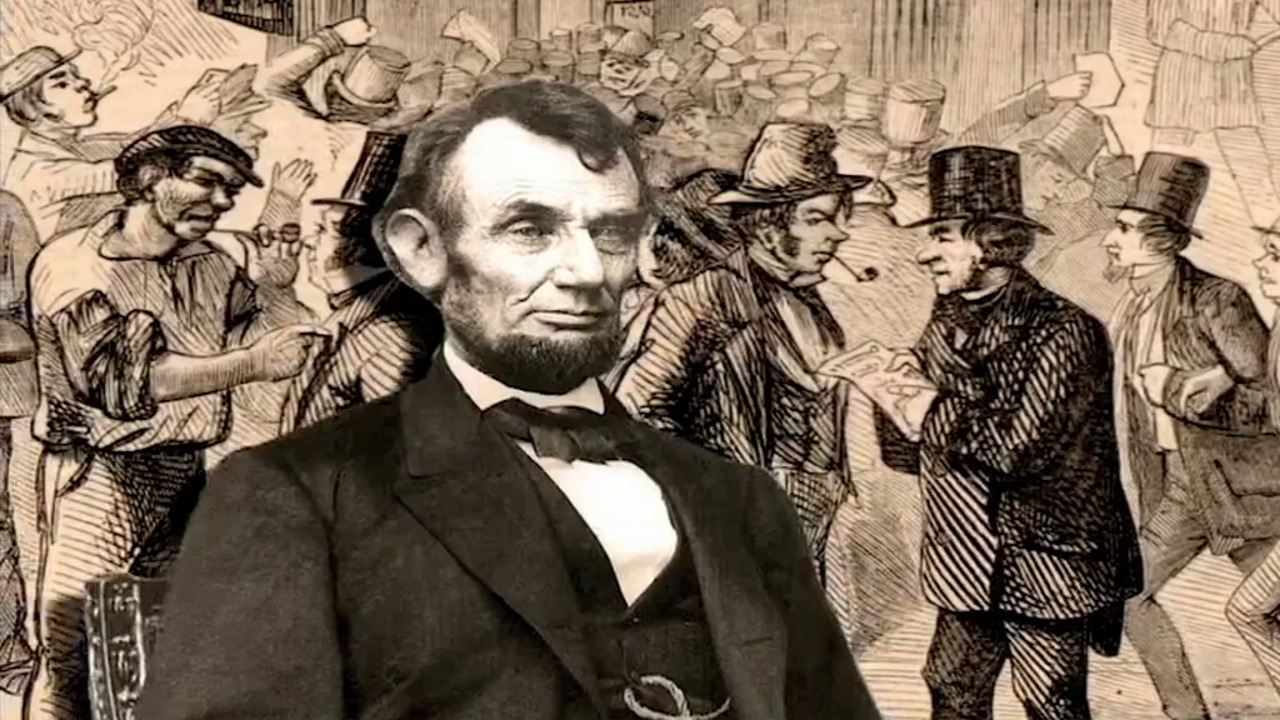
In Abraham Lincoln, the Road to the Confederacy, and the Civil War , learn how growing sectional divisions over slavery and politics led southern states to secede from the Union. After Abraham Lincoln’s election in 1860, seven states left the Union before he even took office, forming the Confederate States of America with Jefferson Davis as their president. Tensions erupted on April 12, 1861, when Confederate forces attacked Fort Sumter, officially beginning the Civil War.
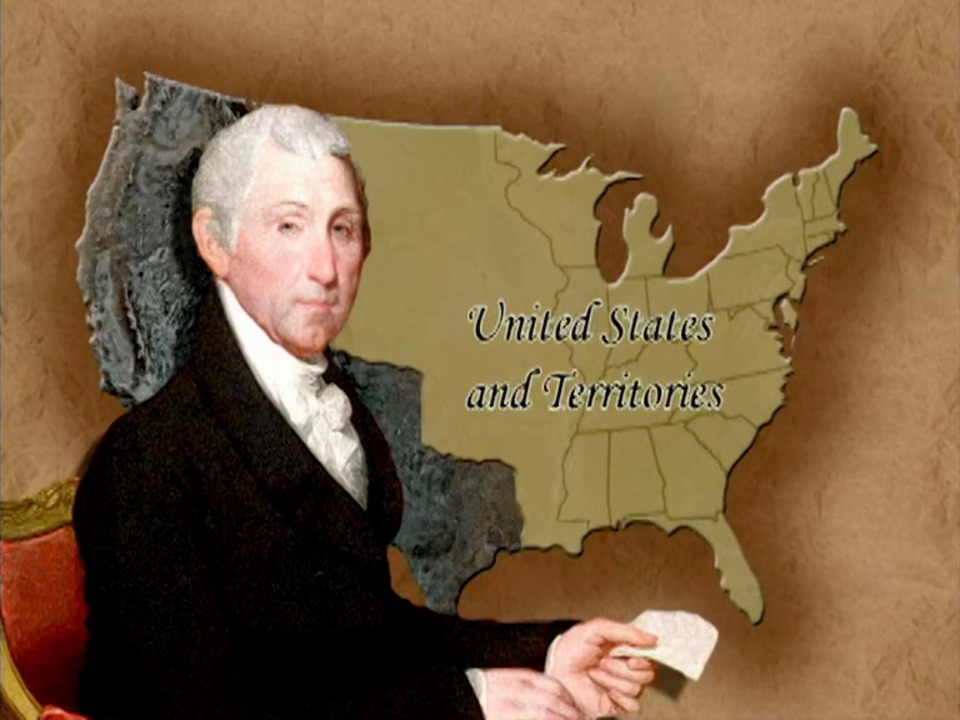
In James Monroe, the Monroe Doctrine, and a Growing Nation, learn how President James Monroe led the United States during a period of rising national pride and optimism after the War of 1812. His administration obtained Florida from Spain, and in 1823, Monroe issued the Monroe Doctrine, declaring the Western Hemisphere closed to new European colonies while pledging U.S. neutrality in European conflicts. These actions helped establish the United States as a full-fledged nation, though the "Era of Good Feelings" would eventually come to a bitter end as political and sectional tensions resurfaced.

The article "From Tea to Treaty: A Timeline of the American Revolution" from BBC's HistoryExtra is a detailed journey through the pivotal moments of the American Revolution. It explores the tensions between Britain and its American colonies — from unfair taxes to the outbreak of war — culminating in the formation of the United States and the signing of the Constitution.
At the start of 2026, Tokyo’s Ueno Zoo said goodbye to two of its most famous residents: twin giant pandas Xiao Xiao and Lei Lei.
The twins were born at the zoo in 2021 and quickly became stars. In their final weeks in Japan, so many families wanted to see them that visitors were picked by lottery.
The pandas were always meant to go back to China. China doesn’t sell or give away its giant pandas. It lends them to other countries, and the loans often depend on how well the two governments get along. This is known as “panda diplomacy.”
The twins left at a tense moment. Relations between China and Japan worsened after Japan’s new prime minister made comments about Taiwan, an island that governs itself but that China claims as part of its territory.
Now, for the first time since 1972, Japan has no giant pandas. That date matters. 1972 was the year Japan and China restored official relations, and China marked it by sending Japan its first pair of pandas. Japan would like more pandas, but officials say a new loan looks unlikely for now.
So the pandas are home in China, and Japan is waiting for a reply.
A troop of 150 chimpanzees. That's not a typo — it's the largest chimp community ever recorded in Africa, and they all live in one stretch of forest in Uganda. Sir David Attenborough takes you inside their world in this clip from BBC's Planet Earth, and it's not exactly peaceful. Chimps are unusual among jungle animals — they move just as easily through the treetops as they do on the ground, which comes in handy when your diet depends on finding enough fig trees to feed 150 mouths. But a community this size needs serious territory to sustain it, and that means defending it.
Watch as the troop uses coordinated calls to launch a raid into a rival group's land. Once they cross into enemy territory, everything changes: the calls stop, the pace slows, and every chimp is on high alert, listening for signs of who — and how many — they're up against.
It's a side of chimpanzees you don't usually see: strategic, tense, and surprisingly military in style. Great conversation starter for anything on animal behavior, group dynamics, or how intelligence shows up in unexpected ways.
After almost 1,000 years, the historic Bayeux Tapestry is back where it began.
The 11th Century artwork is thought to have been made in Britain, and it's now on display at the British Museum — one of the UK's largest national museums, located in London — while on loan from France until summer 2027. Think of it as the original comic strip: instead of panels, it uses a continuous, nearly 70-meter-long strip of embroidered fabric (about the length of a football field) to tell the story frame by frame, image after image, all the way across.
The story it tells is the Norman Conquest of 1066: the year William the Conqueror, a duke from Normandy in modern-day France, invaded England and took the throne. Like a comic laid end to end, the tapestry shows the buildup, the battle, and the aftermath — soldiers, ships, horses, and even Halley's Comet all stitched into the sequence. That invasion permanently changed England's ruling family, language, and culture, and is often seen as the starting point of the modern British monarchy.
Moving the tapestry took hours of extremely careful work, since it's so old and delicate. Even people standing near it had to wear protective clothing so stray fibers wouldn't end up on the fabric. It's now displayed flat, inside a protective glass case. Safe to say, it may look like a large piece of fabric, but it's definitely not something you'd want to wipe your hands on if you're missing a napkin.
The loan is also part of a bigger cultural exchange between France and Britain — two neighboring countries separated by the narrow English Channel, with a long and sometimes tense shared history. In exchange for the tapestry, Britain is lending important historical objects of its own back to France.
The Stamp Act of 1765 deepened tensions between Britain and its American colonies. After the French and Indian War left Britain with heavy debts, Parliament passed a tax on printed materials, including newspapers, legal documents, and playing cards. Colonists objected not only to the tax itself but to Parliament imposing it without colonial representation.
Protests spread across the colonies, with groups like the Sons of Liberty targeting stamp agents and shipments. Delegates from nine colonies met at the Stamp Act Congress and declared that only colonial assemblies had the right to impose taxes. Parliament repealed the Stamp Act the following year, but the resistance had exposed a growing divide over colonial rights and British authority — one that would help set the stage for the American Revolution.
In the 1820s, Texas was part of Mexico, which invited settlers from the United States to move to the region. Disagreements over Mexican laws, cultural differences, and political control contributed to growing tensions. In 1835, the Texas Revolution began, as Texan rebels fought Mexican forces led by President and General Antonio López de Santa Anna. The Battle of the Alamo became a defining moment in the conflict, as a small group of Texan defenders held out for 13 days before Mexican troops captured the mission-fortress on March 6, 1836.
Weeks later, Mexican forces executed hundreds of Texan prisoners at Goliad. On April 21, 1836, General Sam Houston led a surprise attack against Santa Anna’s army at the Battle of San Jacinto. The Texan forces defeated the Mexican army and captured Santa Anna, helping secure Texas independence. Houston later became the first president of the Republic of Texas. The revolution shaped the region’s future, though the conflict also reflected competing claims to land, political authority, and national identity that had lasting consequences for both Texans and Mexico.
Tecumseh was a Shawnee leader who worked to unite Native American nations to resist the loss of their ancestral lands to American expansion. Born around 1768 in what is now Ohio, he believed that Native nations needed to stand together to protect their territories and independence. Alongside his younger brother, Tenskwatawa, known as the Prophet, Tecumseh helped establish Prophetstown in 1808 as a center for Native American resistance and cultural renewal.
In 1811, U.S. forces led by William Henry Harrison attacked and destroyed Prophetstown during the Battle of Tippecanoe while Tecumseh was away seeking support from other Native nations. During the War of 1812, Tecumseh allied with the British, hoping to prevent further American expansion into Native lands. He was killed at the Battle of the Thames in 1813, weakening the confederacy he had worked to build. Tecumseh remains an important historical figure for his leadership, his efforts to unite Native nations, and his resistance to the loss of Indigenous lands and sovereignty.
In 1920, Italian immigrants and self-proclaimed anarchists Nicola Sacco and Bartolomeo Vanzetti were arrested for the robbery and murder of two employees at a Massachusetts shoe factory. Their trial took place during the Red Scare, a period of intense fear of radical political movements that fueled suspicion of immigrants and anarchists. Questions about the evidence and fairness of the trial, along with concerns about anti-immigrant prejudice, made the case a national and international controversy.
Despite protests and appeals from prominent writers and intellectuals, Sacco and Vanzetti were executed in 1927. Their deaths sparked demonstrations around the world, and debate over their guilt continued for decades. The case highlighted the tensions between immigration, political radicalism, and the American justice system during the 1920s, raising lasting questions about how prejudice and public opinion can influence criminal trials.
In the 1820s, disagreements over slavery, regional interests, and political power deepened divisions in the United States. The Missouri Compromise of 1820 attempted to maintain the balance between free and slave states by admitting Missouri as a slave state and Maine as a free state, while restricting slavery in parts of the Louisiana Purchase. These debates revealed growing tensions between Northern and Southern leaders over the future of slavery.
The presidential election of 1824 further divided the nation when the House of Representatives selected John Quincy Adams despite Andrew Jackson winning the most popular and electoral votes, though not an electoral majority. Jackson’s supporters accused Adams and Henry Clay of making a “corrupt bargain.” The dispute helped create a new party system, with Jackson’s Democrats opposing Adams’s National Republicans. Jackson’s victory in 1828 ushered in the era known as the Age of Jackson, marked by expanded political participation for many white men and continued conflict over the nation’s direction.
John Brown was a radical abolitionist who believed armed rebellion was necessary to end slavery. He gained national attention in 1856 when he and his followers killed five pro-slavery settlers during the violence in Kansas. In October 1859, Brown led a raid on the federal arsenal at Harpers Ferry, Virginia, intending to seize weapons and spark an uprising among enslaved people. The raid failed, and Brown was captured, tried for treason, and executed.
Although Brown failed to launch the uprising he envisioned, his raid intensified the national debate over slavery and deepened divisions between North and South. His actions remain controversial, with interpretations of his legacy ranging from condemnation of his use of violence to recognition of his commitment to ending slavery. His story illustrates the growing tensions that brought the United States closer to the Civil War.
In Abraham Lincoln, the Road to the Confederacy, and the Civil War , learn how growing sectional divisions over slavery and politics led southern states to secede from the Union. After Abraham Lincoln’s election in 1860, seven states left the Union before he even took office, forming the Confederate States of America with Jefferson Davis as their president. Tensions erupted on April 12, 1861, when Confederate forces attacked Fort Sumter, officially beginning the Civil War.
In James Monroe, the Monroe Doctrine, and a Growing Nation, learn how President James Monroe led the United States during a period of rising national pride and optimism after the War of 1812. His administration obtained Florida from Spain, and in 1823, Monroe issued the Monroe Doctrine, declaring the Western Hemisphere closed to new European colonies while pledging U.S. neutrality in European conflicts. These actions helped establish the United States as a full-fledged nation, though the "Era of Good Feelings" would eventually come to a bitter end as political and sectional tensions resurfaced.
The article "From Tea to Treaty: A Timeline of the American Revolution" from BBC's HistoryExtra is a detailed journey through the pivotal moments of the American Revolution. It explores the tensions between Britain and its American colonies — from unfair taxes to the outbreak of war — culminating in the formation of the United States and the signing of the Constitution.