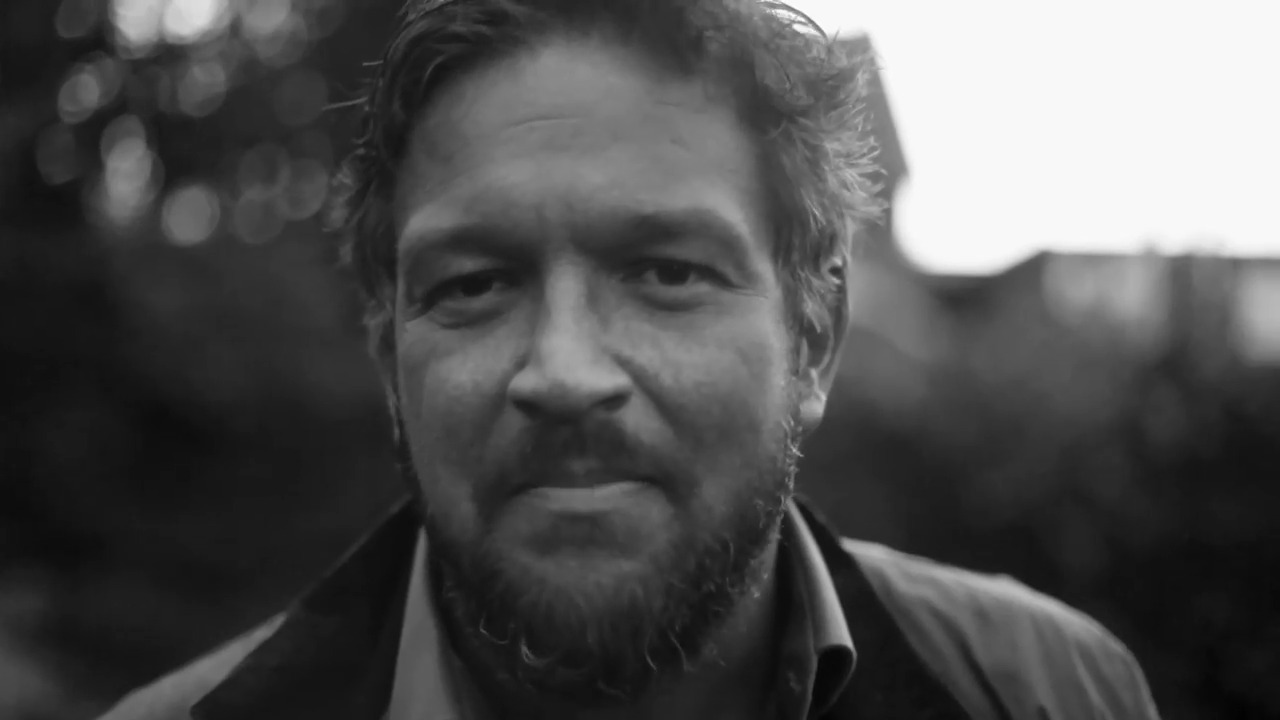
In How Sunscreen Works, evolutionary biologist Ben Garrod explains why pale skin needs extra protection from the Sun because it doesn't have much melanin, which helps block harmful UV rays. He uses a special UV camera to see how much protection his skin naturally has and discovers he needs sunscreen to stay safe from sunburn. After applying sunscreen to one side of his face, the camera shows that the sunscreen makes his skin much darker, proving it's protecting him from the Sun’s harmful rays. This video is excerpted from BBC’s Secrets of Skin, a documentary series exploring the natural history of the body's largest organ.
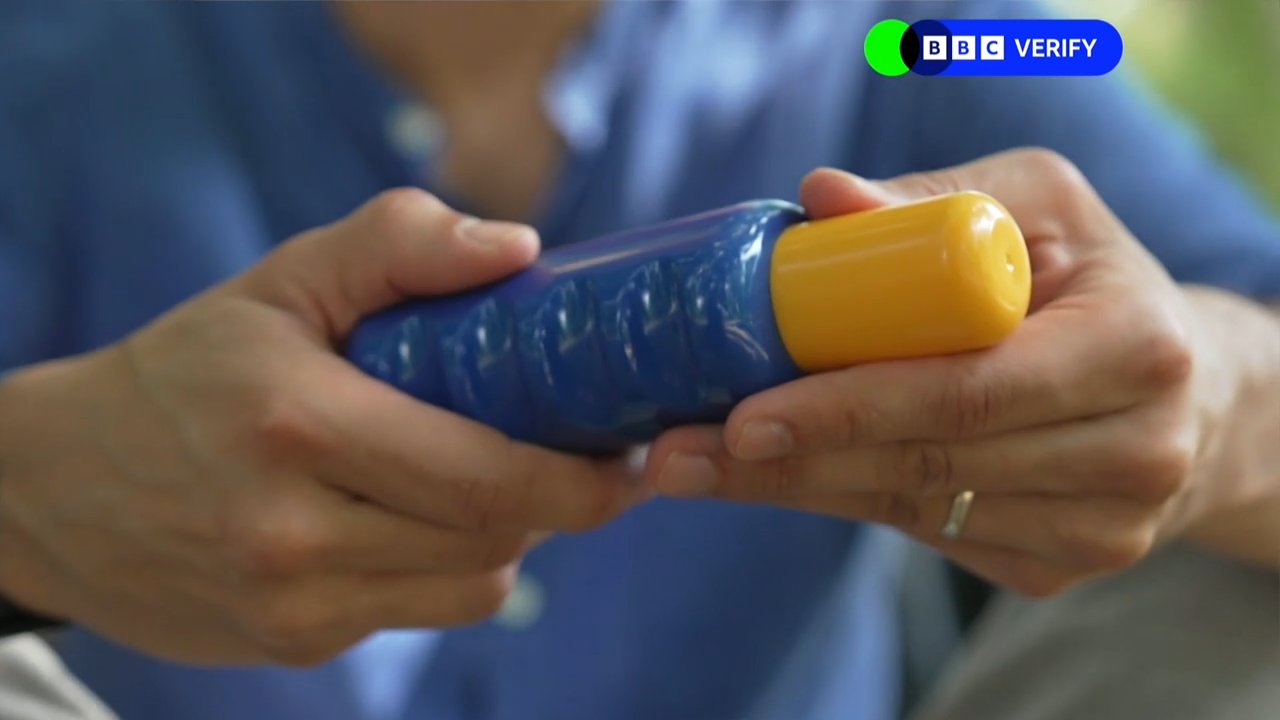
Every summer, the days get longer and the temperatures rise. And every summer, social media posts claiming that sunscreen causes cancer, or is a scam, start spreading again.
Some of these posts point to real scientific research but leave out important context. That twists what the study actually found.
One example is a 2023 study that found people who used sunscreen more often were also more likely to develop melanoma, a dangerous type of skin cancer. That sounds scary, but it doesn't mean sunscreen caused the cancer. When two things happen together, one isn't necessarily causing the other.
The researchers point to something called the "sunscreen paradox." People who use sunscreen a lot may also spend more time in strong sunlight. They may also not put on enough sunscreen or reapply it often enough. So the extra sun exposure, not the sunscreen, is likely what raises their risk.
Sun exposure is a balancing act. A little sunshine helps your body make vitamin D, which you need. Too much can damage the DNA in your skin cells. Sunscreen cuts down on the ultraviolet (UV) rays that reach your skin. These are the invisible rays from the sun that cause sunburns. Experts recommend using sunscreen along with shade and protective clothing. It takes a little more planning before a beach day, but it's worth it.
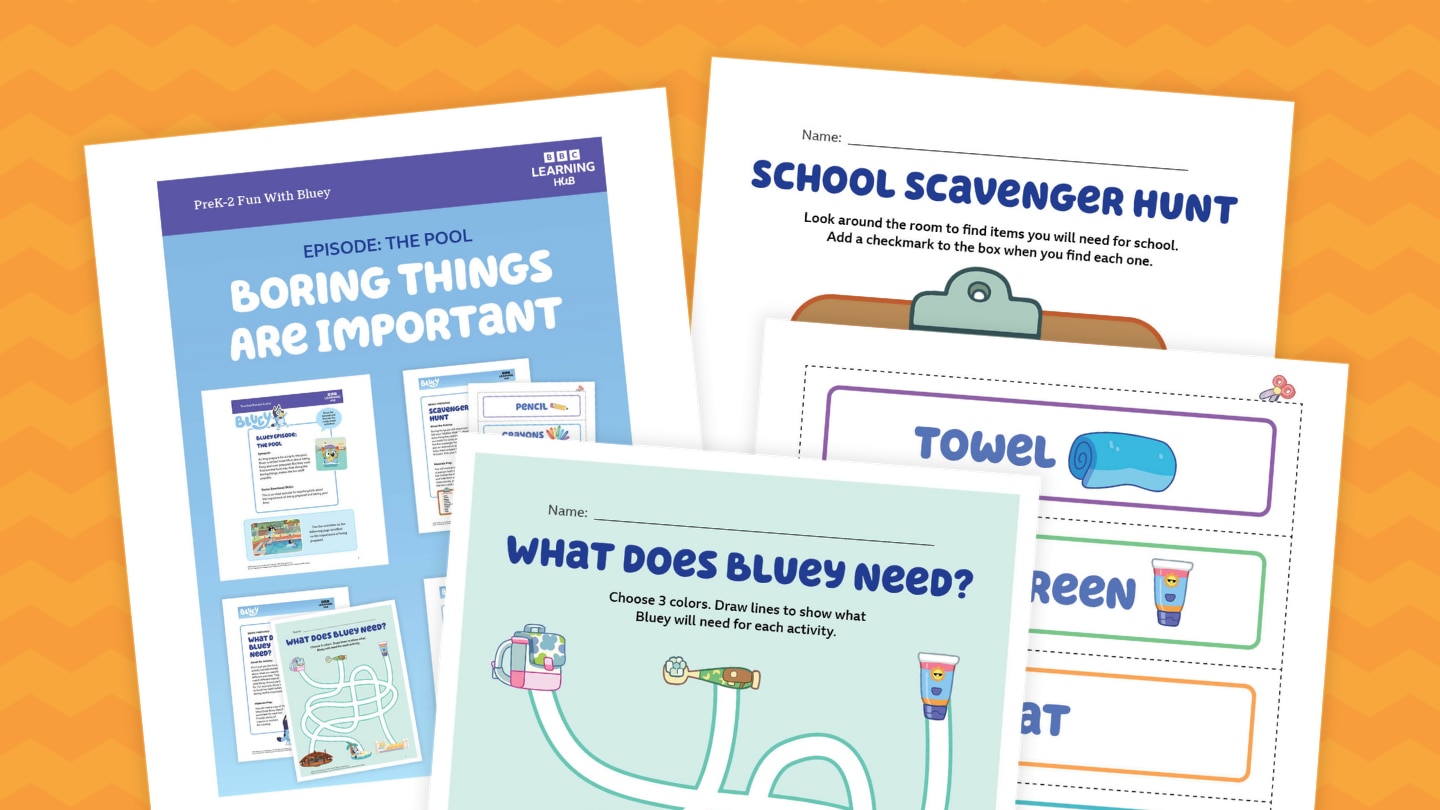
From brushing your teeth to packing the floaties, boring things are important! Try this lesson, which uses the Bluey episode "The Pool" as the kickoff to a classroom conversation about the importance of being prepared. The lesson includes printables for three activities in which kids go on a scavenger hunt to find everything they need to be successful for a day at school or the pool, complete a maze to match different objects to what Bluey should use them for, and figure out where Bluey and her family are going based on what they’ve packed.
The Pool Episode Summary: As they prepare for a trip to the pool, Bluey and Dad tease Mum about being fussy and over-prepared. But they soon find out the hard way that doing the boring things makes the fun stuff possible.
Watch the episode here! (Click here to watch in Australia.)
Did you put on sunscreen today? Yes? Go put on some more.
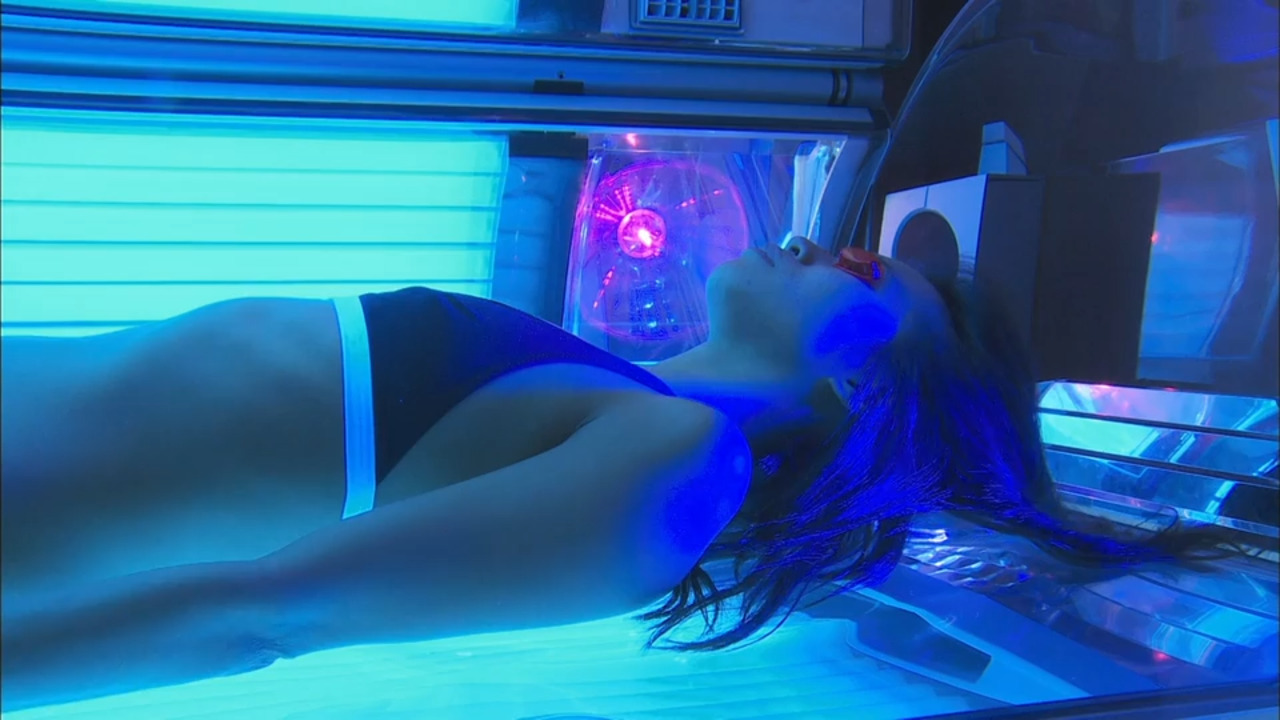
Tans may be fashionable, but the risks that come with sun damage are anything but — and they can last a lifetime. That's why England banned tanning beds for anyone under 18 back in 2011. Even so, people as young as 14 have found ways to use them illegally. Now, the rules are getting stricter: businesses will be legally required to check ID before letting anyone near a sunbed, and salons will need to post clear health warnings — including dropping any misleading claims that certain beds can prevent sunburn or help with weight loss.
Even with stronger laws, misinformation is still a problem. Rumors about tanning beds offering benefits like vitamin D have a way of spreading while the risks get quietly ignored. Experts say that even a single tanning bed session before the age of 35 increases the risk of skin cancer by nearly 60% — and young skin is especially vulnerable. Skin cancer is already the most common cancer in the world. The tan isn't worth it.
In How Sunscreen Works, evolutionary biologist Ben Garrod explains why pale skin needs extra protection from the Sun because it doesn't have much melanin, which helps block harmful UV rays. He uses a special UV camera to see how much protection his skin naturally has and discovers he needs sunscreen to stay safe from sunburn. After applying sunscreen to one side of his face, the camera shows that the sunscreen makes his skin much darker, proving it's protecting him from the Sun’s harmful rays. This video is excerpted from BBC’s Secrets of Skin, a documentary series exploring the natural history of the body's largest organ.
Every summer, the days get longer and the temperatures rise. And every summer, social media posts claiming that sunscreen causes cancer, or is a scam, start spreading again.
Some of these posts point to real scientific research but leave out important context. That twists what the study actually found.
One example is a 2023 study that found people who used sunscreen more often were also more likely to develop melanoma, a dangerous type of skin cancer. That sounds scary, but it doesn't mean sunscreen caused the cancer. When two things happen together, one isn't necessarily causing the other.
The researchers point to something called the "sunscreen paradox." People who use sunscreen a lot may also spend more time in strong sunlight. They may also not put on enough sunscreen or reapply it often enough. So the extra sun exposure, not the sunscreen, is likely what raises their risk.
Sun exposure is a balancing act. A little sunshine helps your body make vitamin D, which you need. Too much can damage the DNA in your skin cells. Sunscreen cuts down on the ultraviolet (UV) rays that reach your skin. These are the invisible rays from the sun that cause sunburns. Experts recommend using sunscreen along with shade and protective clothing. It takes a little more planning before a beach day, but it's worth it.
From brushing your teeth to packing the floaties, boring things are important! Try this lesson, which uses the Bluey episode "The Pool" as the kickoff to a classroom conversation about the importance of being prepared. The lesson includes printables for three activities in which kids go on a scavenger hunt to find everything they need to be successful for a day at school or the pool, complete a maze to match different objects to what Bluey should use them for, and figure out where Bluey and her family are going based on what they’ve packed.
The Pool Episode Summary: As they prepare for a trip to the pool, Bluey and Dad tease Mum about being fussy and over-prepared. But they soon find out the hard way that doing the boring things makes the fun stuff possible.
Watch the episode here! (Click here to watch in Australia.)
Did you put on sunscreen today? Yes? Go put on some more.
Tans may be fashionable, but the risks that come with sun damage are anything but — and they can last a lifetime. That's why England banned tanning beds for anyone under 18 back in 2011. Even so, people as young as 14 have found ways to use them illegally. Now, the rules are getting stricter: businesses will be legally required to check ID before letting anyone near a sunbed, and salons will need to post clear health warnings — including dropping any misleading claims that certain beds can prevent sunburn or help with weight loss.
Even with stronger laws, misinformation is still a problem. Rumors about tanning beds offering benefits like vitamin D have a way of spreading while the risks get quietly ignored. Experts say that even a single tanning bed session before the age of 35 increases the risk of skin cancer by nearly 60% — and young skin is especially vulnerable. Skin cancer is already the most common cancer in the world. The tan isn't worth it.