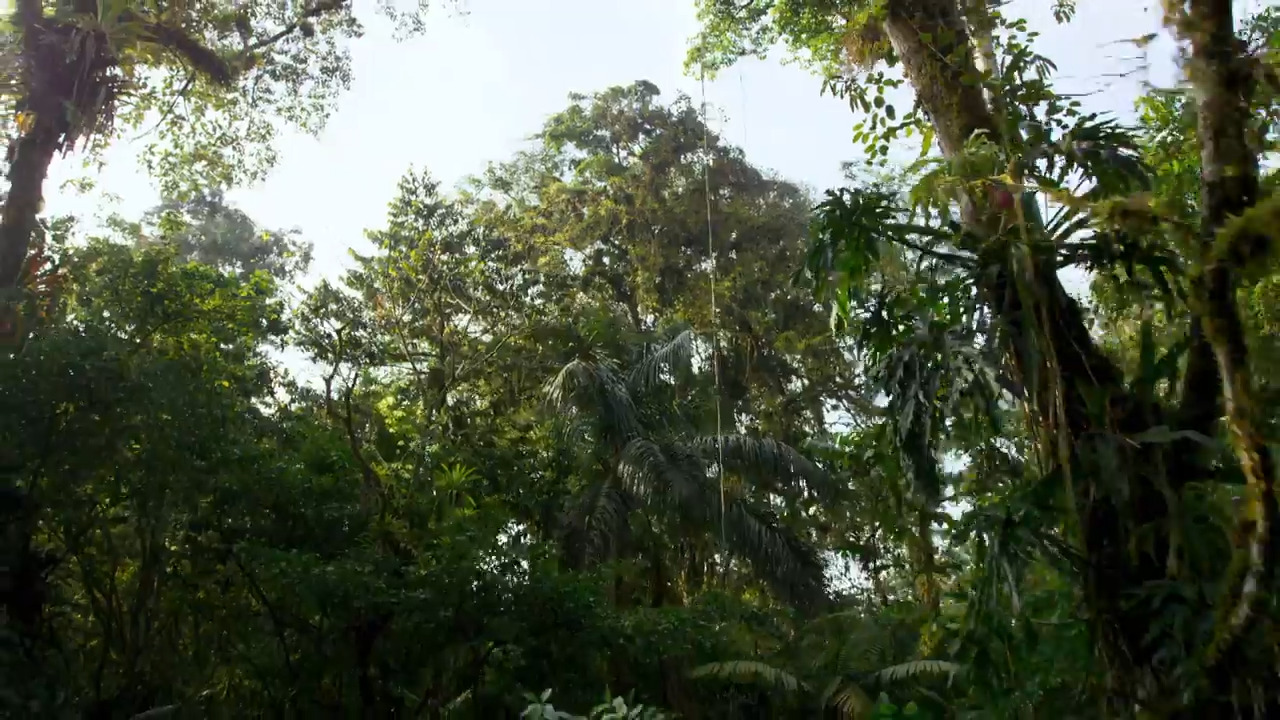
In A Battle for Sunlight in the Jungle, narrator Sir David Attenborough presents the fierce competition for sunlight amongst jungle plants and how the 300-year-old Hura tree has thrived, supporting a diverse range of wildlife. This video is excerpted from BBC’s Planet Earth II, a breathtaking documentary series that highlights the natural wonders of our planet.
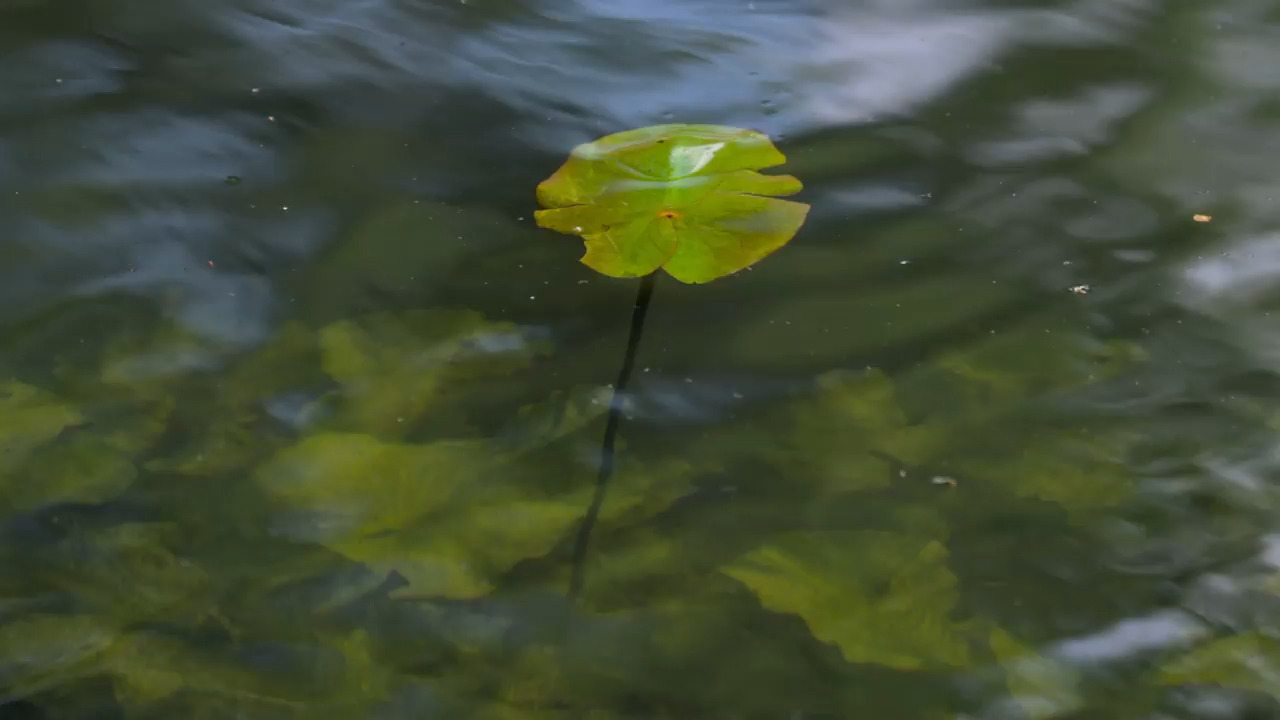
In Water Lilies, Nature’s Solar Panels, Ranger Hamza and the Ramblers come upon a tree and a garden of water lilies. Join them and learn how the roots and leaves of a tree and water lily are similar, and how water lilies are like nature’s solar panels, capturing sunlight and using it for energy. This video is excerpted from BBC's Ranger Hamza’s Eco Quest, a nature exploration show in which Ranger Hamza and the Ramblers go on quests to discover nature’s wonders and the important role they play in our environment.
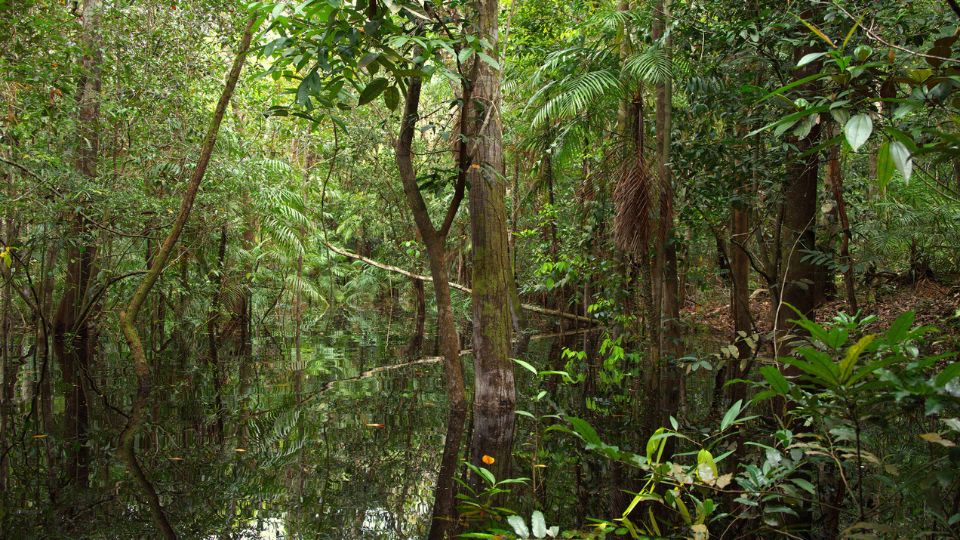
Journey into the heart of the rainforest and explore the four amazing layers that make this ecosystem so unique. From the sunlit emergent layer high above the trees to the dark and humid forest floor below, students will discover how different plants and animals survive and thrive in each part of the rainforest.
This Kahoot examines the rainforest’s distinct layers — the emergent layer, canopy, understory, and forest floor — and the important roles they play in supporting biodiversity. Students will learn how animals adapt to life at different heights, how plants compete for sunlight and water, and how all the layers work together to create one of the richest ecosystems on Earth.
Watch the related BBC videos (below), then invite your Grade 3–8 students to test their knowledge and uncover the wonders hidden within each layer of the rainforest.
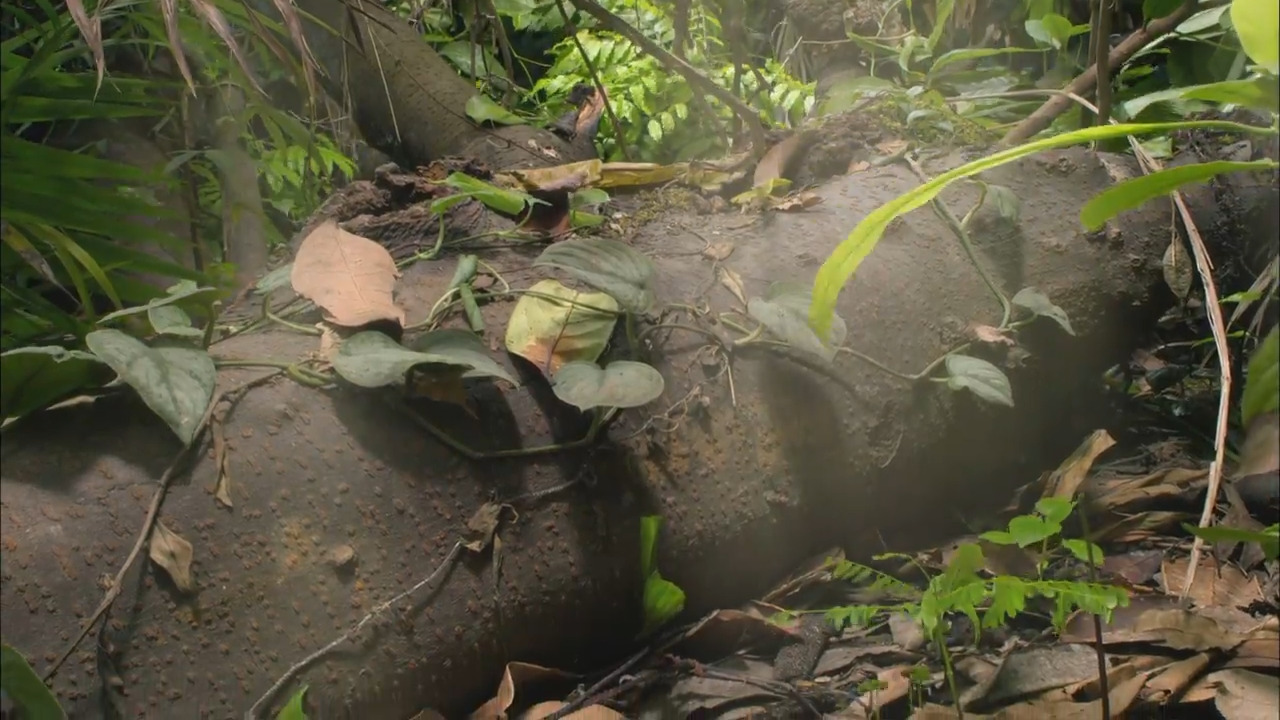
In New Guinea Rainforests, narrator Sir David Attenborough details the different species that live in the rainforests of New Guinea, which has 12 hours of daylight for 365 days a year. This video is excerpted from BBC's Planet Earth, a breathtaking documentary series that highlights the natural wonders of our planet.
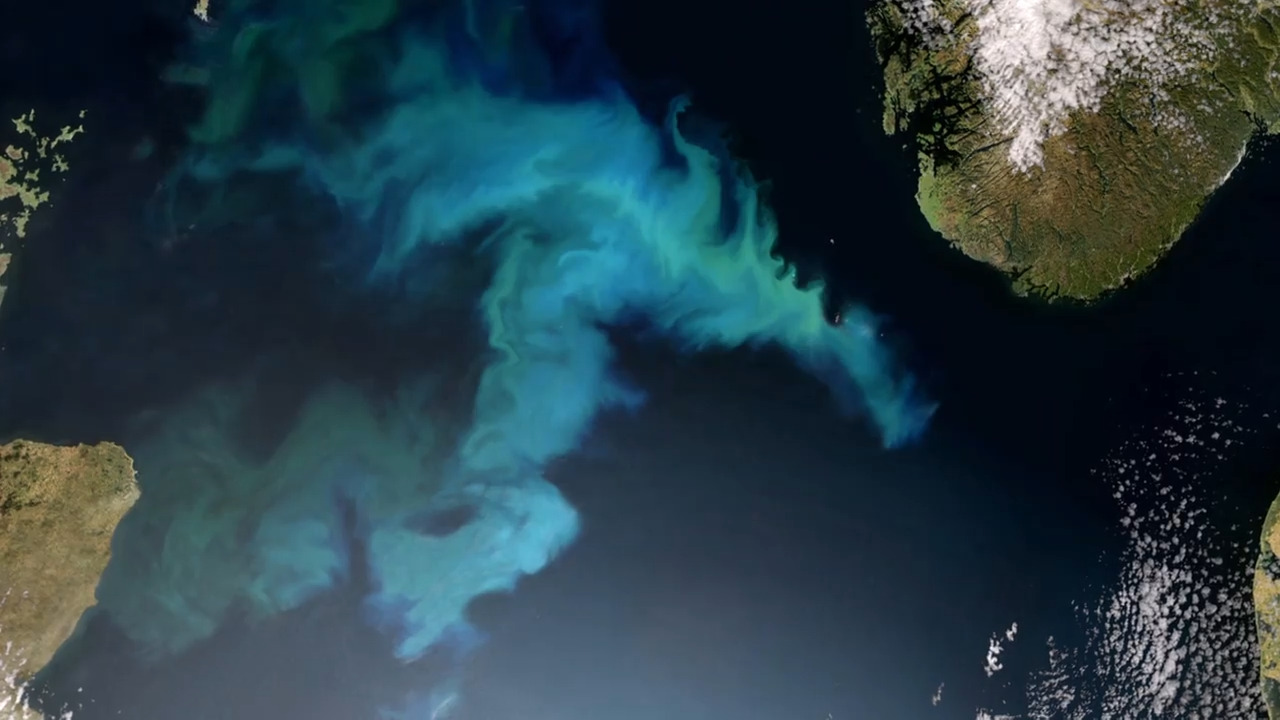
In Phytoplankton, the Life-Giving Force Beneath the Waves, geologist Iain Stewart explains how oceans are vital to life on Earth, especially because of tiny phytoplankton which produce 50% of the oxygen we breathe! These microscopic organisms feed sea creatures and help turn sunlight and carbon dioxide into energy. Oceans also have a vast network of currents that connect all the seas, proven when 29,000 rubber ducks drifted across the world, showing how these currents link every ocean. This video is excerpted from BBC’s Earth: The Power of the Planet, a documentary series in which Dr. Iain Stewart discovers how Earth's forces can shape nature, species, and even the climate.
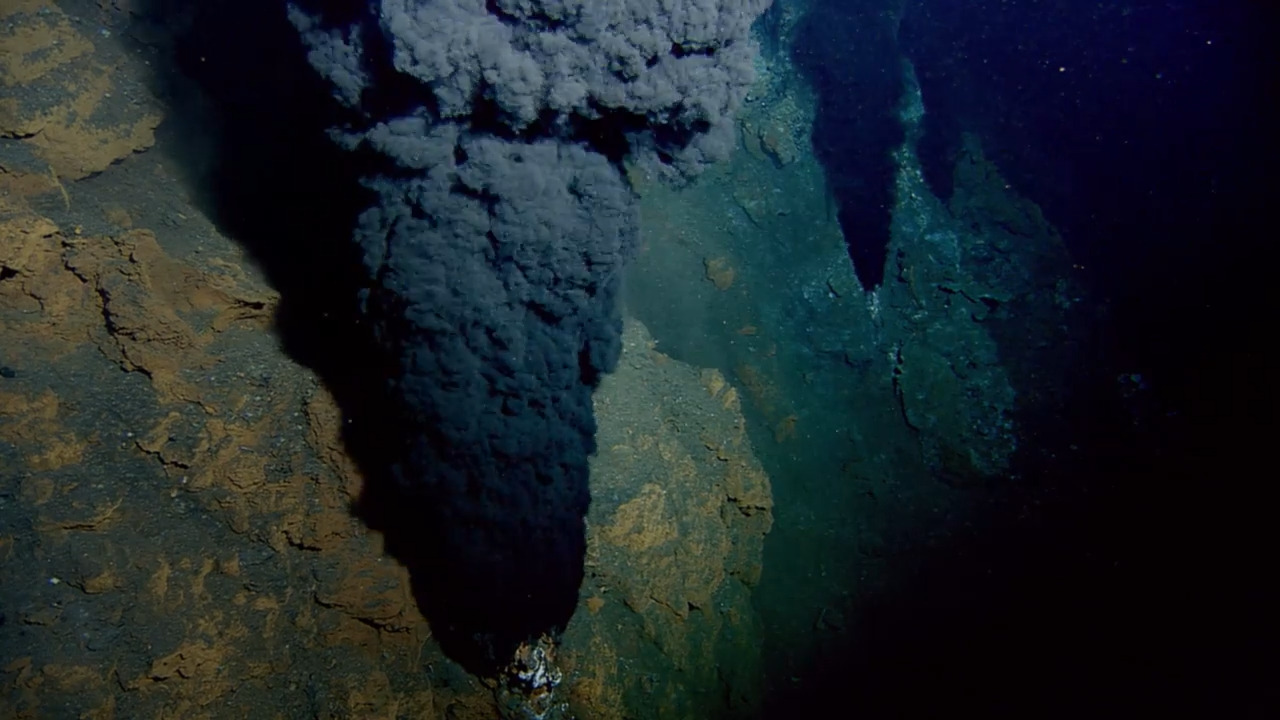
In Volcanic Activity Shapes Life on the Seafloor narrator David Attenborough showcases volcanic activity beneath the ocean. The Atlantic Ocean is split by an immense volcanic mountain chain stretching 45,000 miles. In some places, fissures release superheated, mineral-rich water, forming towering chimneys called hydrothermal vents. Despite extreme temperatures and toxic chemicals, bacteria thrive here, forming the base of an ecosystem independent of sunlight. Shrimp and other crustaceans graze on these bacteria, creating a unique deep-sea community. Similar vents exist in the Pacific Ocean, where different species have adapted to similar conditions. This video is excerpted from BBC’s Planet Earth, a breathtaking documentary series that highlights the natural wonders of our planet.
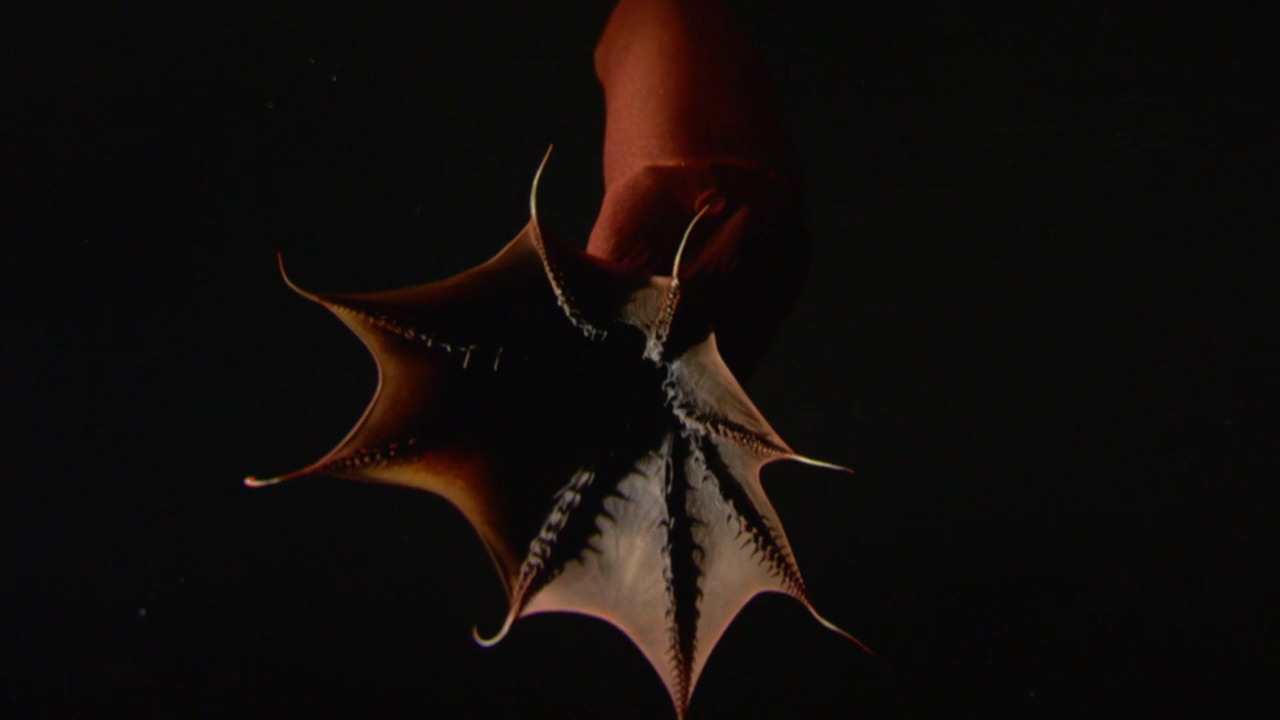
In Navigating the Dark Depths of the Ocean, narrator David Attenborough highlights the deep ocean, where no sunlight reaches, and animals have adapted to survive in total darkness with minimal food. The Dumbo octopus glides effortlessly through the water, conserving energy. The vampire squid uses bioluminescent bacteria to create light patterns that confuse predators. In this extreme environment, creatures must rely on special adaptations to detect food, avoid danger, and navigate the dark depths. This video is excerpted from BBC’s Planet Earth, a breathtaking documentary series that highlights the natural wonders of our planet.
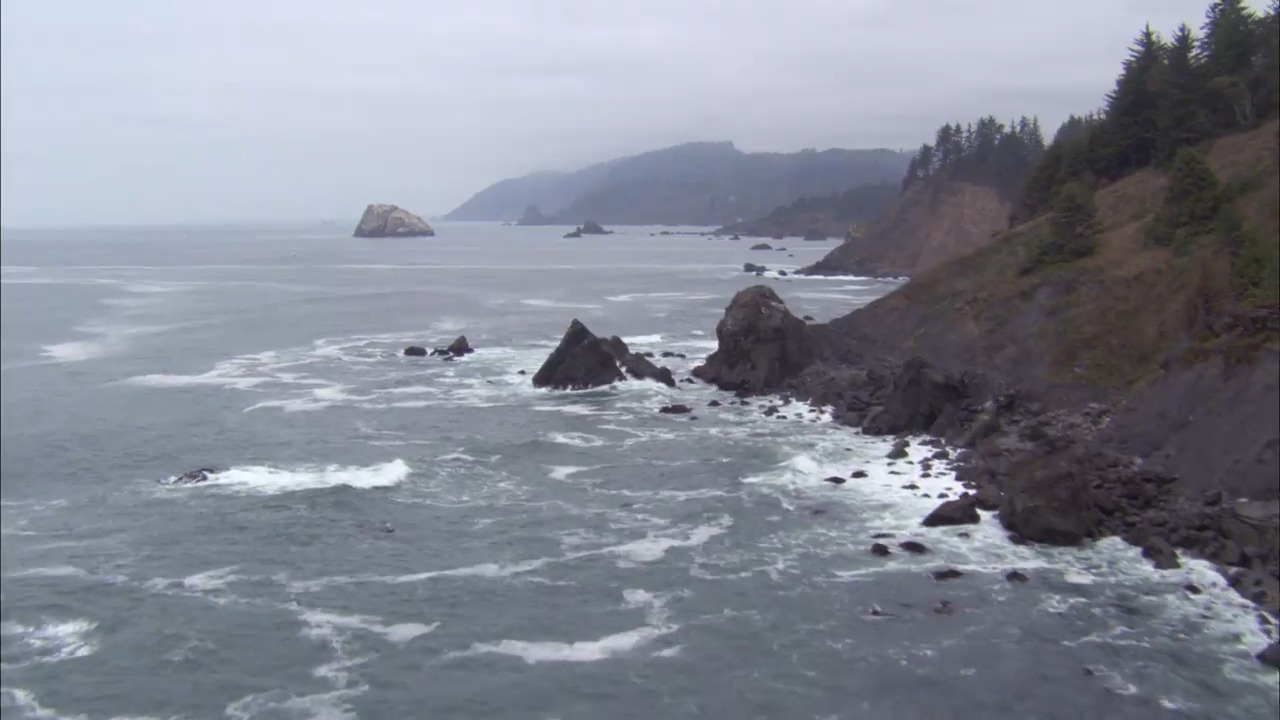
In The Giant Conifers of the Pacific Coast of North America, narrator Sir David Attenborough explains how time and sunlight have resulted in some of the largest and oldest living things on Earth. Giant conifers can absorb moisture from fog to survive dry times and thrive here. This video is excerpted from BBC's Planet Earth, a breathtaking documentary series that highlights the natural wonders of our planet.
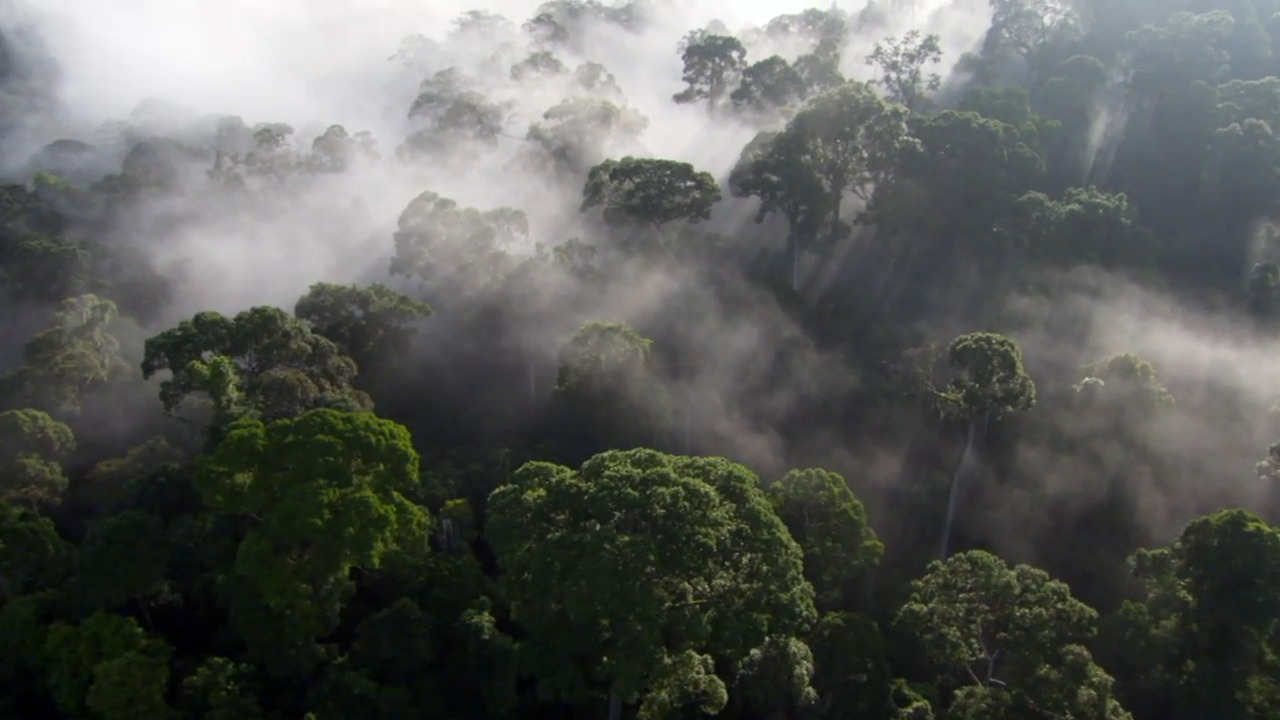
In The Tropics Cause Abundant Life and Broken Hearts, narrator Sir David Attenborough explains how constant direct sunlight allows plant and animal life to flourish. A male bird of paradise takes elaborate steps to attract a mate but is ultimately rejected. This video is excerpted from BBC's Planet Earth, a breathtaking documentary series that highlights the natural wonders of our planet.
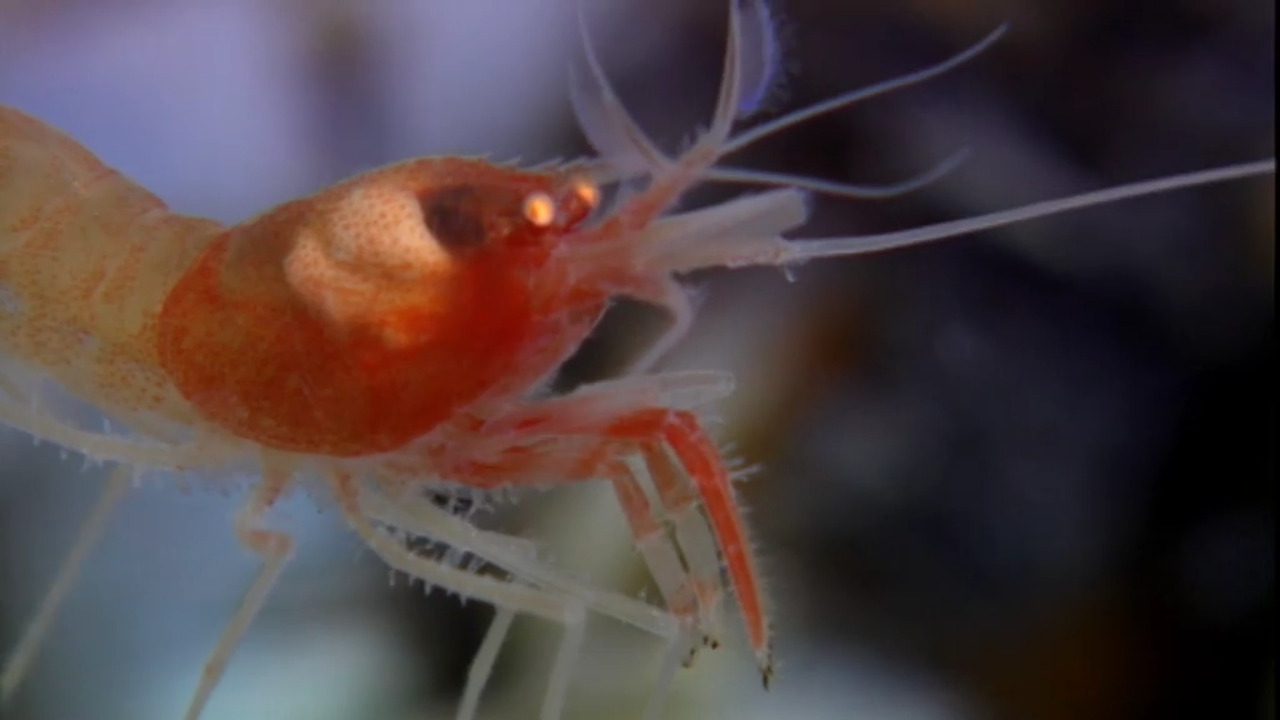
In Life Around the Mid-Ocean Ridges, narrator Sir David Attenborough showcases the animals that live around vents deep in the ocean, far from sunlight. Learn about tube-worms, crabs, and other animals that are densely packed and live on bacteria. This video is excerpted from BBC’s Blue Planet, a definitive documentary series diving into the mysterious depths of the sea to discover the natural history of the world’s oceans and the rarely seen marine life that reside there.

In The Mystery of Severe Allergic Reactions, explore the story of a woman with severe allergic reactions triggered by common substances such as certain foods and sunlight. Her condition, which includes life-threatening anaphylaxis, has baffled doctors, leading to groundbreaking research into mast cells and their role in inflammation and allergic responses. Discover how these cells function and the challenges of diagnosing and managing complex immune conditions. This video is excerpted from BBC’s The World’s Most Extraordinary People, a documentary series revealing how rare medical conditions inspire groundbreaking scientific discoveries.

In Soy Sauce and Skin Color, host Harith Iskander explains the science behind tyrosine, a compound found in soy sauce and certain tanning products. Tyrosine can convert into melanin, the pigment that colors and protects skin, but this reaction requires UV exposure. Without sunlight, the tyrosine in soy sauce won’t change skin color. This video is excerpted from BBC’s Got Science?, a science magazine series that explores and explains science in everyday life.
In A Battle for Sunlight in the Jungle, narrator Sir David Attenborough presents the fierce competition for sunlight amongst jungle plants and how the 300-year-old Hura tree has thrived, supporting a diverse range of wildlife. This video is excerpted from BBC’s Planet Earth II, a breathtaking documentary series that highlights the natural wonders of our planet.
In Water Lilies, Nature’s Solar Panels, Ranger Hamza and the Ramblers come upon a tree and a garden of water lilies. Join them and learn how the roots and leaves of a tree and water lily are similar, and how water lilies are like nature’s solar panels, capturing sunlight and using it for energy. This video is excerpted from BBC's Ranger Hamza’s Eco Quest, a nature exploration show in which Ranger Hamza and the Ramblers go on quests to discover nature’s wonders and the important role they play in our environment.
Journey into the heart of the rainforest and explore the four amazing layers that make this ecosystem so unique. From the sunlit emergent layer high above the trees to the dark and humid forest floor below, students will discover how different plants and animals survive and thrive in each part of the rainforest.
This Kahoot examines the rainforest’s distinct layers — the emergent layer, canopy, understory, and forest floor — and the important roles they play in supporting biodiversity. Students will learn how animals adapt to life at different heights, how plants compete for sunlight and water, and how all the layers work together to create one of the richest ecosystems on Earth.
Watch the related BBC videos (below), then invite your Grade 3–8 students to test their knowledge and uncover the wonders hidden within each layer of the rainforest.
In New Guinea Rainforests, narrator Sir David Attenborough details the different species that live in the rainforests of New Guinea, which has 12 hours of daylight for 365 days a year. This video is excerpted from BBC's Planet Earth, a breathtaking documentary series that highlights the natural wonders of our planet.
In Phytoplankton, the Life-Giving Force Beneath the Waves, geologist Iain Stewart explains how oceans are vital to life on Earth, especially because of tiny phytoplankton which produce 50% of the oxygen we breathe! These microscopic organisms feed sea creatures and help turn sunlight and carbon dioxide into energy. Oceans also have a vast network of currents that connect all the seas, proven when 29,000 rubber ducks drifted across the world, showing how these currents link every ocean. This video is excerpted from BBC’s Earth: The Power of the Planet, a documentary series in which Dr. Iain Stewart discovers how Earth's forces can shape nature, species, and even the climate.
In Volcanic Activity Shapes Life on the Seafloor narrator David Attenborough showcases volcanic activity beneath the ocean. The Atlantic Ocean is split by an immense volcanic mountain chain stretching 45,000 miles. In some places, fissures release superheated, mineral-rich water, forming towering chimneys called hydrothermal vents. Despite extreme temperatures and toxic chemicals, bacteria thrive here, forming the base of an ecosystem independent of sunlight. Shrimp and other crustaceans graze on these bacteria, creating a unique deep-sea community. Similar vents exist in the Pacific Ocean, where different species have adapted to similar conditions. This video is excerpted from BBC’s Planet Earth, a breathtaking documentary series that highlights the natural wonders of our planet.
In Navigating the Dark Depths of the Ocean, narrator David Attenborough highlights the deep ocean, where no sunlight reaches, and animals have adapted to survive in total darkness with minimal food. The Dumbo octopus glides effortlessly through the water, conserving energy. The vampire squid uses bioluminescent bacteria to create light patterns that confuse predators. In this extreme environment, creatures must rely on special adaptations to detect food, avoid danger, and navigate the dark depths. This video is excerpted from BBC’s Planet Earth, a breathtaking documentary series that highlights the natural wonders of our planet.
In The Giant Conifers of the Pacific Coast of North America, narrator Sir David Attenborough explains how time and sunlight have resulted in some of the largest and oldest living things on Earth. Giant conifers can absorb moisture from fog to survive dry times and thrive here. This video is excerpted from BBC's Planet Earth, a breathtaking documentary series that highlights the natural wonders of our planet.
In The Tropics Cause Abundant Life and Broken Hearts, narrator Sir David Attenborough explains how constant direct sunlight allows plant and animal life to flourish. A male bird of paradise takes elaborate steps to attract a mate but is ultimately rejected. This video is excerpted from BBC's Planet Earth, a breathtaking documentary series that highlights the natural wonders of our planet.
In Life Around the Mid-Ocean Ridges, narrator Sir David Attenborough showcases the animals that live around vents deep in the ocean, far from sunlight. Learn about tube-worms, crabs, and other animals that are densely packed and live on bacteria. This video is excerpted from BBC’s Blue Planet, a definitive documentary series diving into the mysterious depths of the sea to discover the natural history of the world’s oceans and the rarely seen marine life that reside there.
In The Mystery of Severe Allergic Reactions, explore the story of a woman with severe allergic reactions triggered by common substances such as certain foods and sunlight. Her condition, which includes life-threatening anaphylaxis, has baffled doctors, leading to groundbreaking research into mast cells and their role in inflammation and allergic responses. Discover how these cells function and the challenges of diagnosing and managing complex immune conditions. This video is excerpted from BBC’s The World’s Most Extraordinary People, a documentary series revealing how rare medical conditions inspire groundbreaking scientific discoveries.
In Soy Sauce and Skin Color, host Harith Iskander explains the science behind tyrosine, a compound found in soy sauce and certain tanning products. Tyrosine can convert into melanin, the pigment that colors and protects skin, but this reaction requires UV exposure. Without sunlight, the tyrosine in soy sauce won’t change skin color. This video is excerpted from BBC’s Got Science?, a science magazine series that explores and explains science in everyday life.