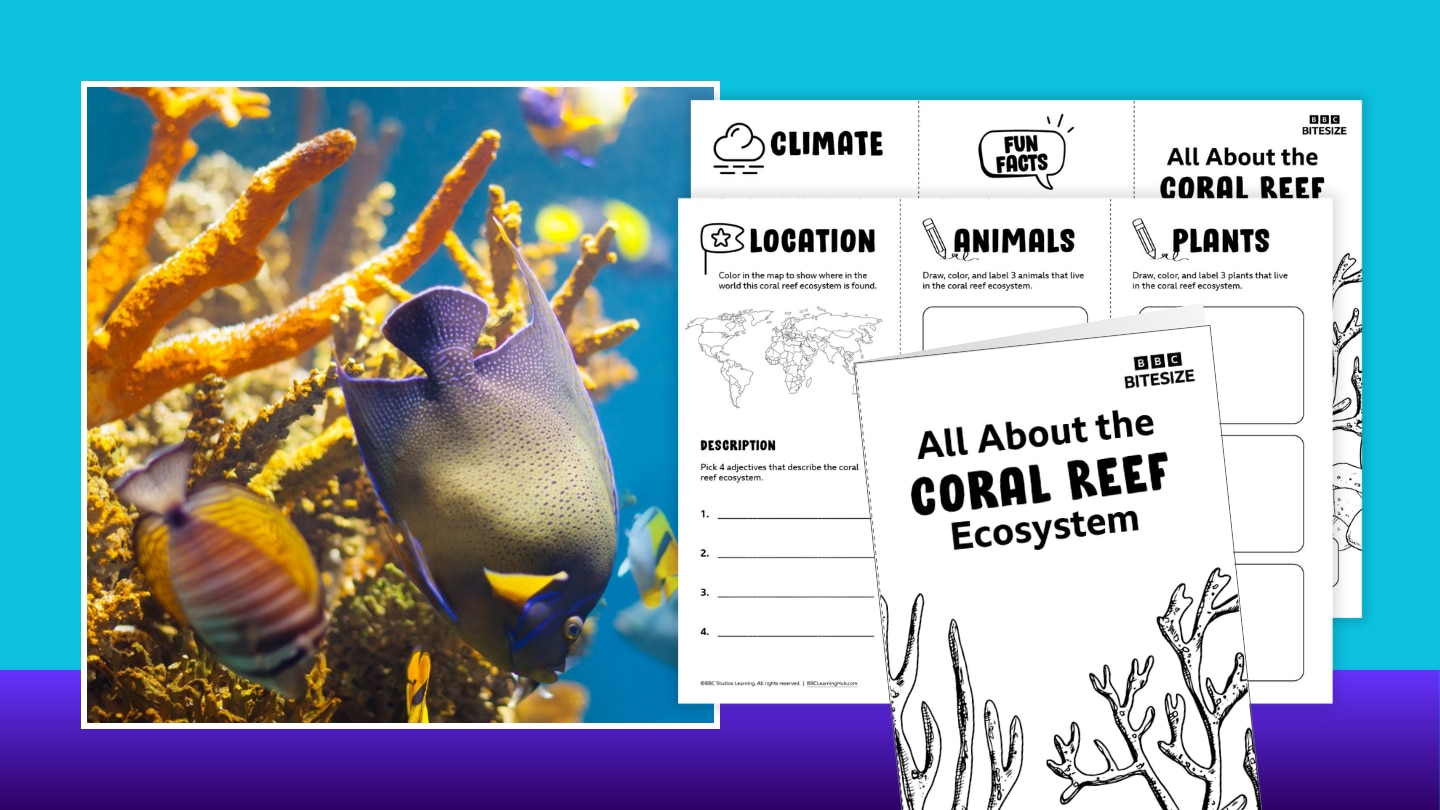
Bring your students on an underwater adventure into the coral reef ecosystem! Whether you're exploring the vast beauty of the Great Barrier Reef in Australia or diving into the rich, biodiverse waters of Indonesia, coral reefs are some of the most vibrant and important ecosystems on Earth.
✨ Perfect for grades 3–8, here’s what you need to bring ecosystems to life:
- Iconic BBC Videos: Share the clips on this page to introduce the location, plants, animals, and climate of the coral reefs. (Don't miss the tusk fish and octopuses!) Brought to you by world-class BBC programs like Planet Earth, Blue Planet, Animal Babies, and Life.
- Free Printable: Use the Coral Reef Brochure Template to help students pull it all together in an ecosystem report with facts they’ve learned (and a little extra research).
It’s everything you need to make ecosystems easy to teach and truly memorable for your students.
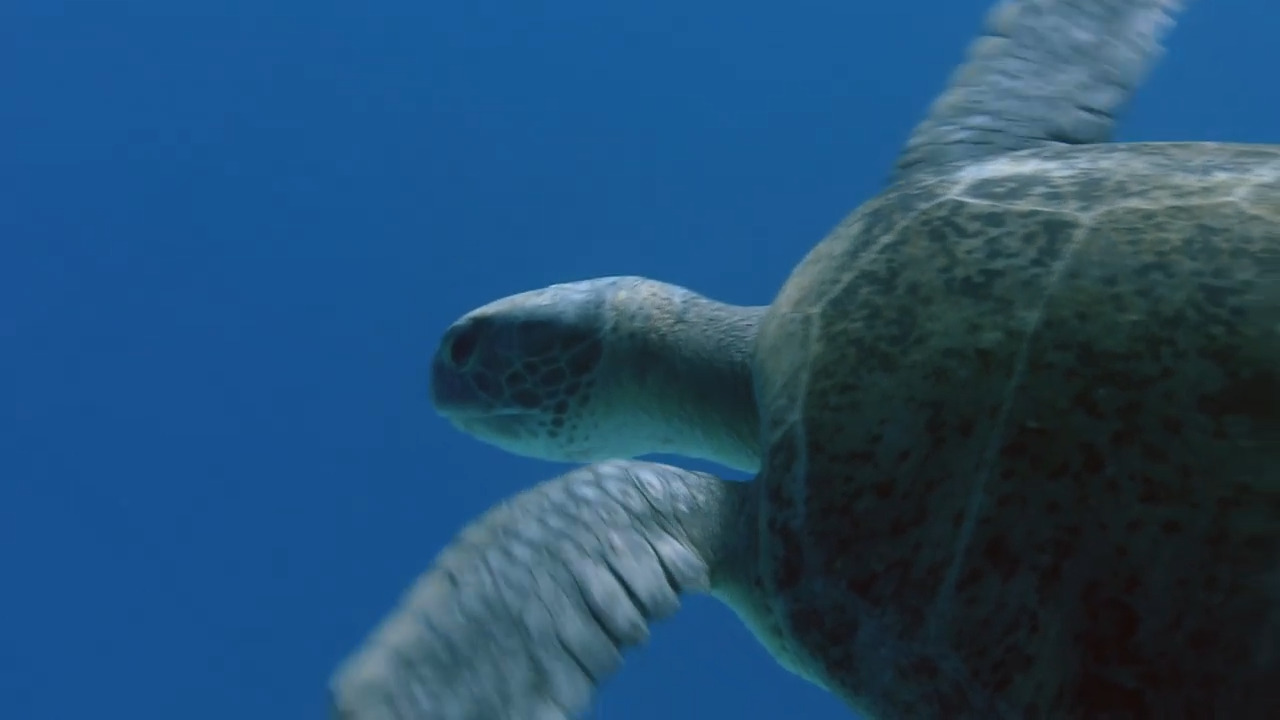
In Turtles on Ascension Island, narrator David Attenborough highlights the green sea turtles that travel incredible distances to lay their eggs on the beaches of Ascension Island. A female turtle may swim over 1,000 miles from her feeding grounds without eating for two months. At night, female turtles come ashore to nest, while eggs laid earlier in the season begin to hatch. Newly hatched turtles must quickly reach the ocean to avoid predators. However, their journey is just beginning — most will not survive the next 20 years. Yet, those that do will return to the same beach where they were born, guided by an instinct that scientists still do not fully understand. This video is excerpted from BBC’s Planet Earth, a breathtaking documentary series that highlights the natural wonders of our planet.
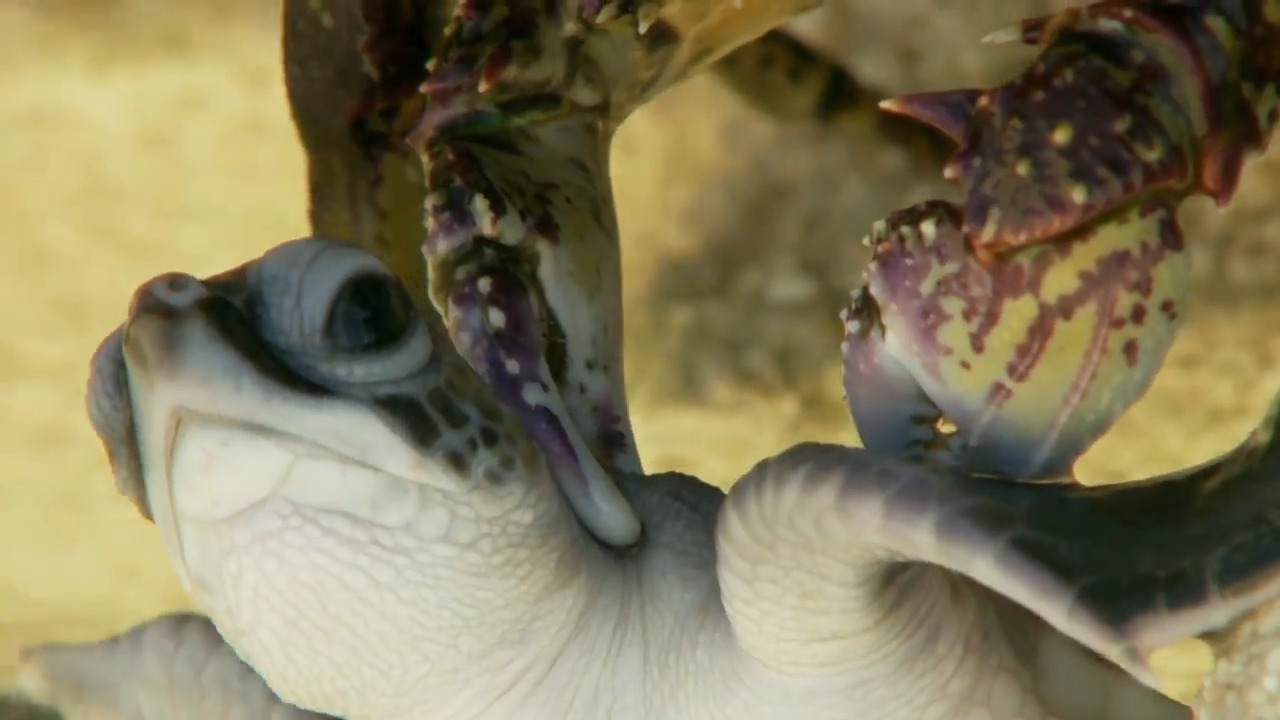
In Green Turtle Hatchlings Off to Sea, narrator Gordon Buchanan describes some of the challenges faced by Australian green turtles as they travel through the water near the Great Barrier Reef areas. As the young hatchlings move through the water, they must combat predators as well as the possibility of strong and treacherous currents. This video is excerpted from BBC's Animal Babies, a heartwarming show that follows the first breaths, first steps and first feeds of some adorable baby animals, revealing the challenges they face to survive in some of the toughest but most beautiful places on the planet.
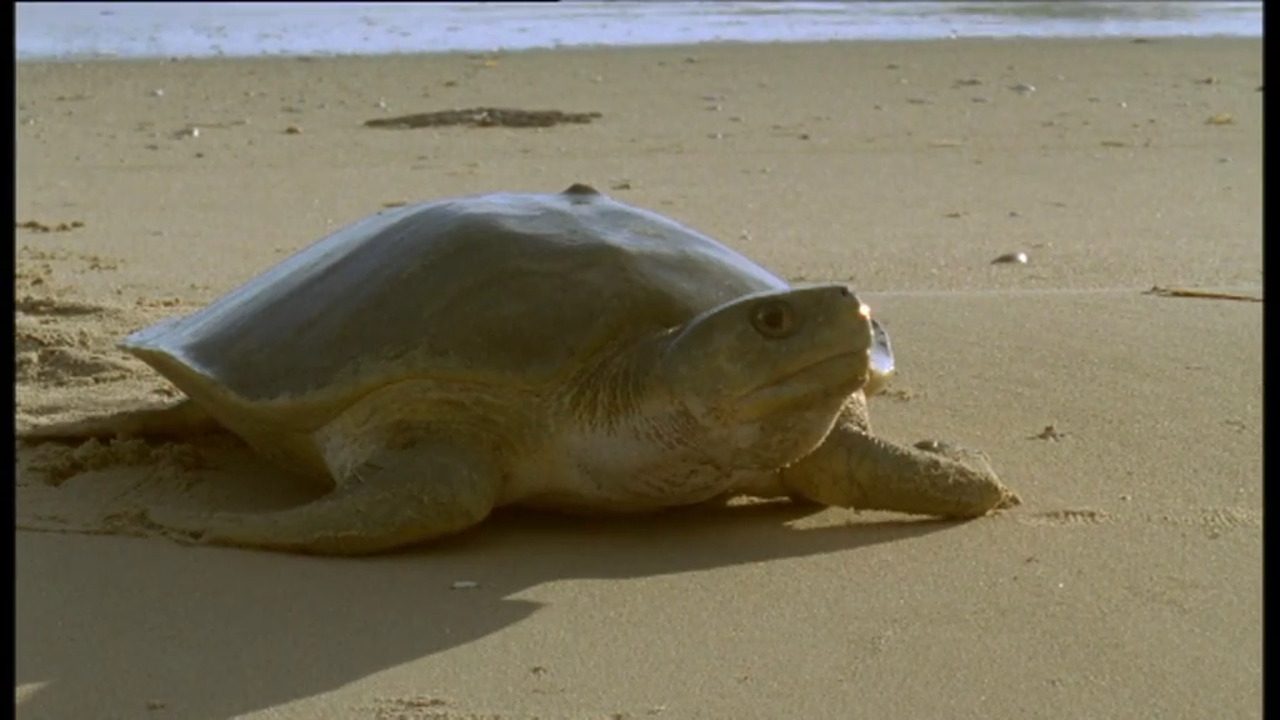
In Two Types of Turtles, narrator Sir David Attenborough explores two types of sea turtles — flatback and Ridley turtles. Both lay their eggs in the sand on the coast, but their strategies and survival rates differ. This video is excerpted from BBC’s Blue Planet, a definitive documentary series diving into the mysterious depths of the sea to discover the natural history of the world’s oceans and the rarely seen marine life that reside there.
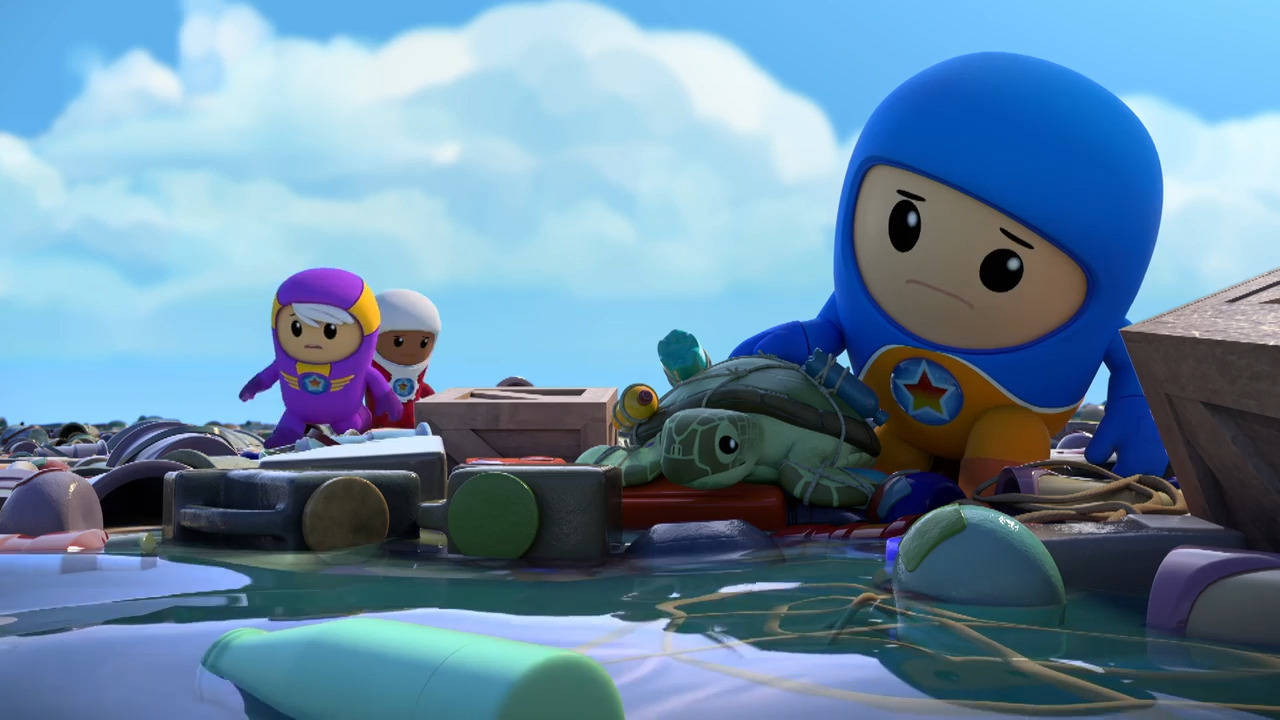
In The Go Jetters' Sea Turtle Rescue, the Go Jetters crew finds a sea turtle that is trapped on the Great Pacific Garbage Patch, a mass of plastic pollution floating in the ocean. They work together to free the sea turtle. This video is excerpted from BBC’s Go Jetters, a series that follows the adventures of four international heroes as they travel the globe visiting landmarks and solving environmental problems with Ubercorn, a disco-dancing unicorn.
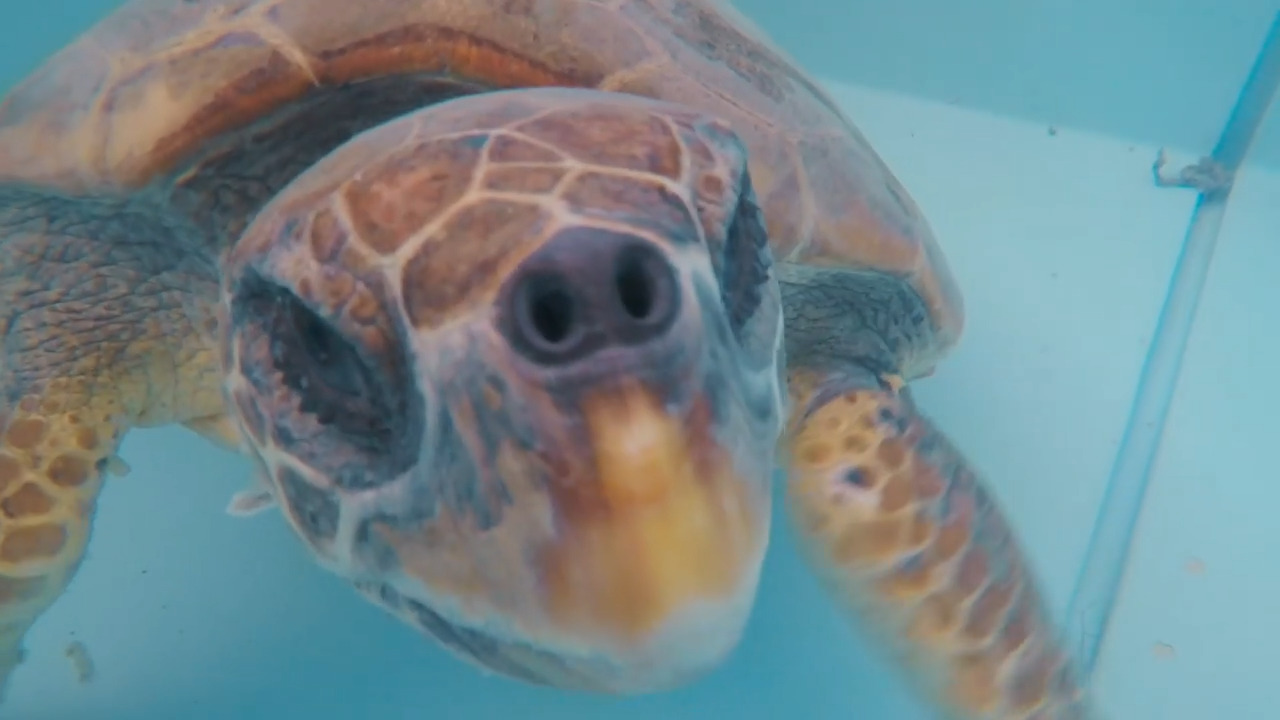
In Turtles and the Problem With Plastic, host Simon Reeve visits a turtle rescue center and observes the devastating ways plastic is harming marine wildlife. This video is excerpted from BBC's Incredible Journeys With Simon Reeve, a series that highlights one journalist’s travels across the globe and the diverse cultures and peoples he meets along the way.
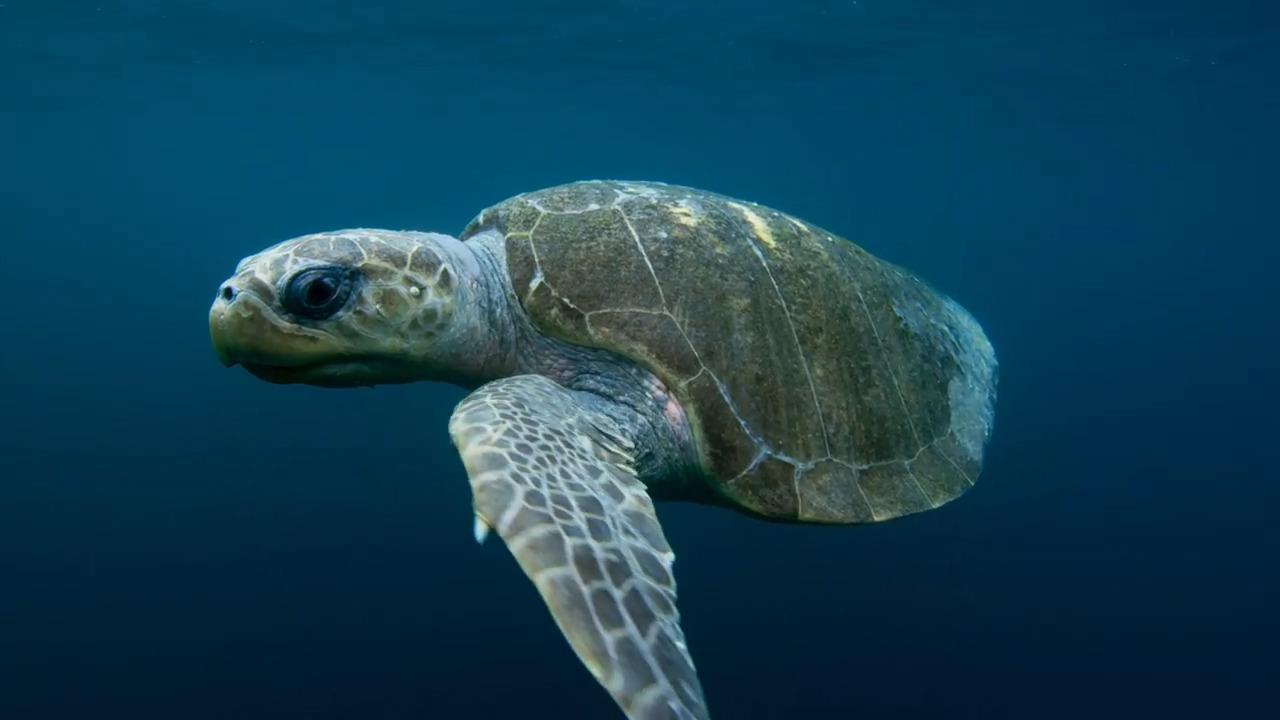
In The Olive Ridley Turtle on Land and Sea, narrator Sir David Attenborough follows a sea turtle off the coast of Costa Rica, resting after a 1,500-mile journey to lay her eggs. She comes to rest on the same beach where she herself hatched many years before. This video is excerpted from BBC’s Blue Planet II, a natural history series that explores the world's oceans, the animals that live in them, and the threats they face, using modern filming techniques and equipment to capture previously unseen areas of the ocean.
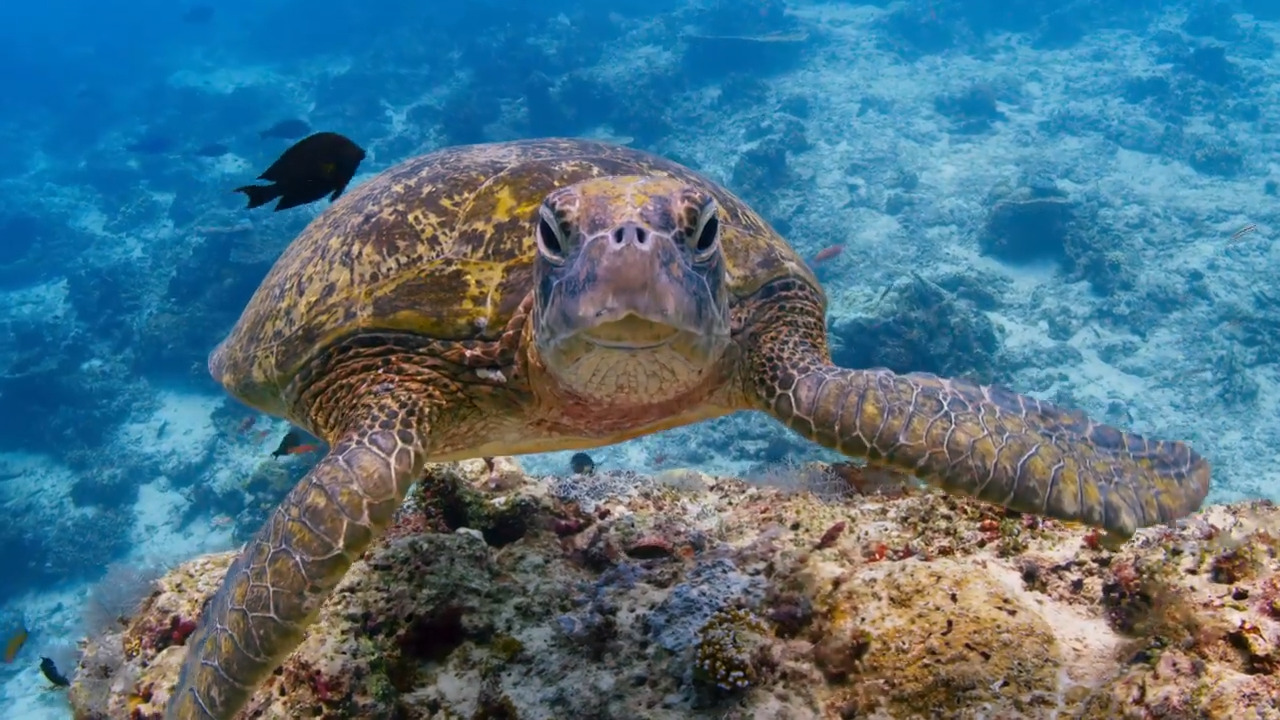
In On Turtle Rock, narrator Sir David Attenborough visits Turtle Rock, a special place in the tropical waters near Borneo. So many turtles have visited the rock over the years, they have created a hollow at the top of the rock. This video is excerpted from BBC’s Blue Planet II, a natural history series that explores the world's oceans, the animals that live in them, and the threats they face, using modern filming techniques and equipment to capture previously unseen areas of the ocean.
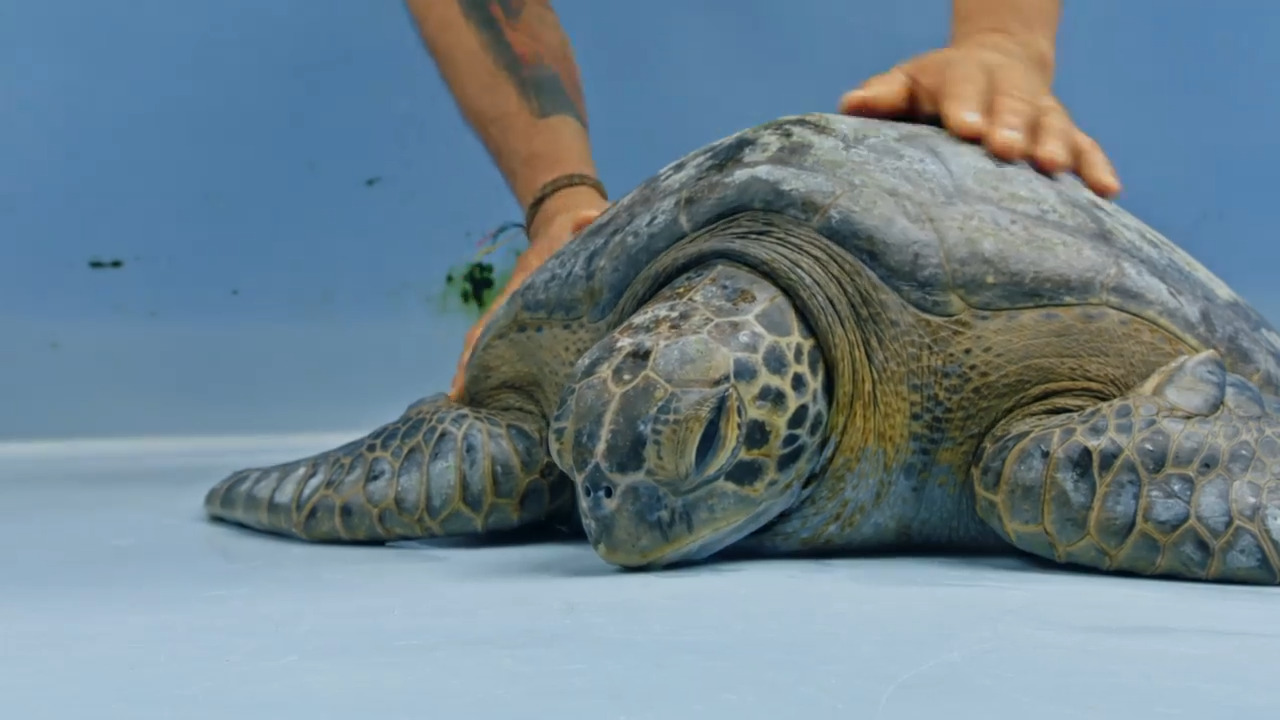
In The Great Turtle Rescue, naturalist Steve Backshall visits a turtle rescue center and introduces us to turtles that have been injured and are recuperating. Then we join the team as Steve releases one turtle back into the wild. This video is excerpted from BBC's Deadly 60, an award-winning nature and adventure show for kids in which narrator Steve Backshall has one mission: to travel the globe in search of 60 of the world's deadliest animals.
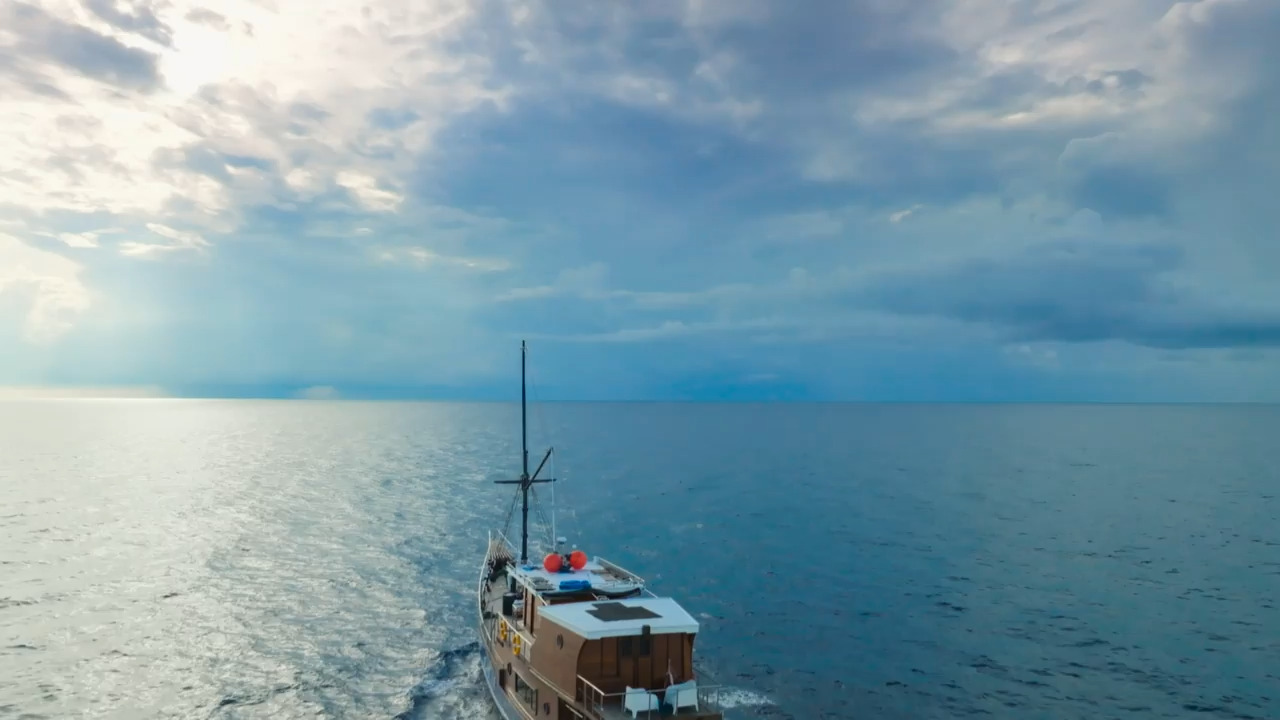
In Protecting Raja Ampat’s Ecosystem, Simon explores Raja Ampat, a marine paradise with over 2,000 fish species and coral reefs. While exploring, marine rangers board Simon’s boat to check permits and ensure no one is breaking the law in this protected area. The rangers share their vital work, like stopping illegal fishing of sea turtles and baby sharks which harms the ecosystem. New laws are a game-changer, saving Raja Ampat from the devastation caused by overfishing just a few decades ago. This video is excerpted from BBC’s Wilderness With Simon Reeve, an epic adventure into the heart of Earth’s last great wild areas, where nature is at its most beautiful and fragile.
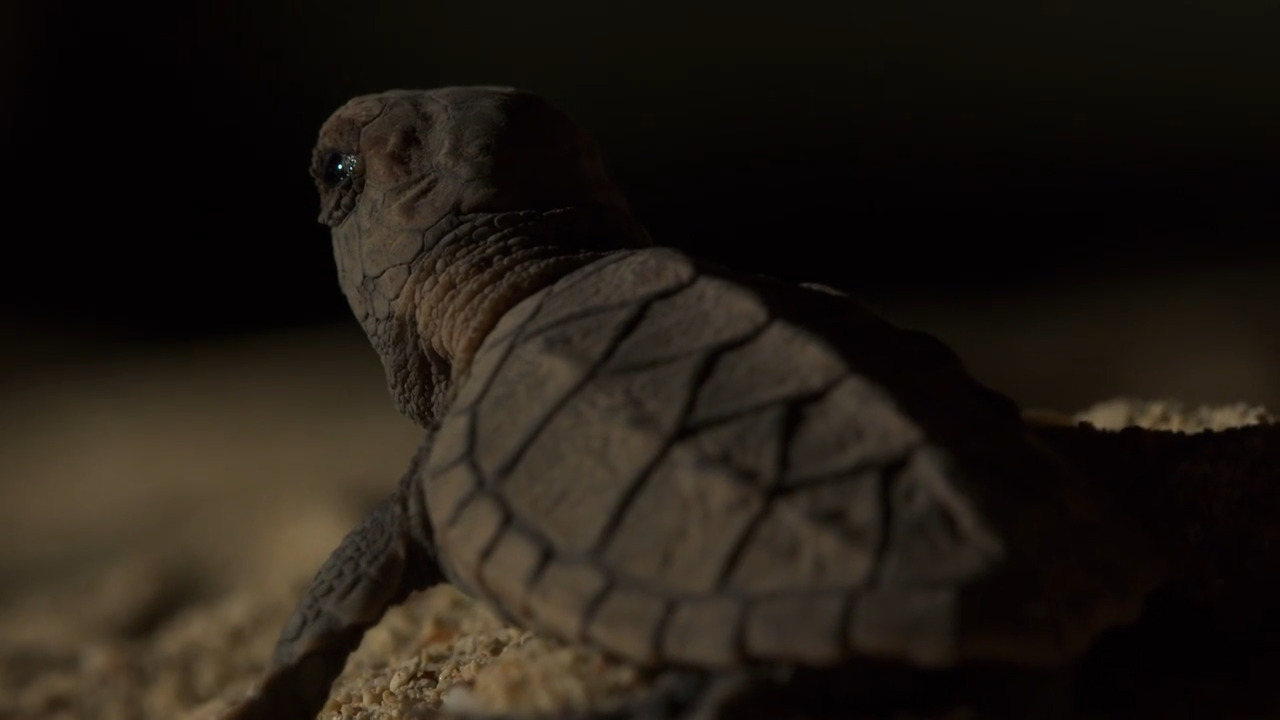
In Impact of City Lights on Wildlife, narrator Sir David Attenborough explores how artificial lighting disrupts the natural instincts of sea turtle hatchlings. Instead of heading toward the ocean, they are drawn to the bright lights of urban areas, putting them in danger. This video is excerpted from BBC’s Planet Earth II, a breathtaking documentary series that highlights the natural wonders of our planet.

Get ready to meet the cold-blooded superstars of the animal kingdom! This BBC playlist slinks, scuttles, and snaps through the fascinating lives of cobras, turtles, lizards, and alligators. Whether it's the mesmerizing hood dance of a cobra or the alligator's toothy grin, these clips are perfect for sparking curiosity (and maybe a little squeamishness) in your classroom. Warning: May cause students to say "Whoa!" and "Ew!" in equal measure.
Bring your students on an underwater adventure into the coral reef ecosystem! Whether you're exploring the vast beauty of the Great Barrier Reef in Australia or diving into the rich, biodiverse waters of Indonesia, coral reefs are some of the most vibrant and important ecosystems on Earth.
✨ Perfect for grades 3–8, here’s what you need to bring ecosystems to life:
- Iconic BBC Videos: Share the clips on this page to introduce the location, plants, animals, and climate of the coral reefs. (Don't miss the tusk fish and octopuses!) Brought to you by world-class BBC programs like Planet Earth, Blue Planet, Animal Babies, and Life.
- Free Printable: Use the Coral Reef Brochure Template to help students pull it all together in an ecosystem report with facts they’ve learned (and a little extra research).
It’s everything you need to make ecosystems easy to teach and truly memorable for your students.
In Turtles on Ascension Island, narrator David Attenborough highlights the green sea turtles that travel incredible distances to lay their eggs on the beaches of Ascension Island. A female turtle may swim over 1,000 miles from her feeding grounds without eating for two months. At night, female turtles come ashore to nest, while eggs laid earlier in the season begin to hatch. Newly hatched turtles must quickly reach the ocean to avoid predators. However, their journey is just beginning — most will not survive the next 20 years. Yet, those that do will return to the same beach where they were born, guided by an instinct that scientists still do not fully understand. This video is excerpted from BBC’s Planet Earth, a breathtaking documentary series that highlights the natural wonders of our planet.
In Green Turtle Hatchlings Off to Sea, narrator Gordon Buchanan describes some of the challenges faced by Australian green turtles as they travel through the water near the Great Barrier Reef areas. As the young hatchlings move through the water, they must combat predators as well as the possibility of strong and treacherous currents. This video is excerpted from BBC's Animal Babies, a heartwarming show that follows the first breaths, first steps and first feeds of some adorable baby animals, revealing the challenges they face to survive in some of the toughest but most beautiful places on the planet.
In Two Types of Turtles, narrator Sir David Attenborough explores two types of sea turtles — flatback and Ridley turtles. Both lay their eggs in the sand on the coast, but their strategies and survival rates differ. This video is excerpted from BBC’s Blue Planet, a definitive documentary series diving into the mysterious depths of the sea to discover the natural history of the world’s oceans and the rarely seen marine life that reside there.
In The Go Jetters' Sea Turtle Rescue, the Go Jetters crew finds a sea turtle that is trapped on the Great Pacific Garbage Patch, a mass of plastic pollution floating in the ocean. They work together to free the sea turtle. This video is excerpted from BBC’s Go Jetters, a series that follows the adventures of four international heroes as they travel the globe visiting landmarks and solving environmental problems with Ubercorn, a disco-dancing unicorn.
In Turtles and the Problem With Plastic, host Simon Reeve visits a turtle rescue center and observes the devastating ways plastic is harming marine wildlife. This video is excerpted from BBC's Incredible Journeys With Simon Reeve, a series that highlights one journalist’s travels across the globe and the diverse cultures and peoples he meets along the way.
In The Olive Ridley Turtle on Land and Sea, narrator Sir David Attenborough follows a sea turtle off the coast of Costa Rica, resting after a 1,500-mile journey to lay her eggs. She comes to rest on the same beach where she herself hatched many years before. This video is excerpted from BBC’s Blue Planet II, a natural history series that explores the world's oceans, the animals that live in them, and the threats they face, using modern filming techniques and equipment to capture previously unseen areas of the ocean.
In On Turtle Rock, narrator Sir David Attenborough visits Turtle Rock, a special place in the tropical waters near Borneo. So many turtles have visited the rock over the years, they have created a hollow at the top of the rock. This video is excerpted from BBC’s Blue Planet II, a natural history series that explores the world's oceans, the animals that live in them, and the threats they face, using modern filming techniques and equipment to capture previously unseen areas of the ocean.
In The Great Turtle Rescue, naturalist Steve Backshall visits a turtle rescue center and introduces us to turtles that have been injured and are recuperating. Then we join the team as Steve releases one turtle back into the wild. This video is excerpted from BBC's Deadly 60, an award-winning nature and adventure show for kids in which narrator Steve Backshall has one mission: to travel the globe in search of 60 of the world's deadliest animals.
In Protecting Raja Ampat’s Ecosystem, Simon explores Raja Ampat, a marine paradise with over 2,000 fish species and coral reefs. While exploring, marine rangers board Simon’s boat to check permits and ensure no one is breaking the law in this protected area. The rangers share their vital work, like stopping illegal fishing of sea turtles and baby sharks which harms the ecosystem. New laws are a game-changer, saving Raja Ampat from the devastation caused by overfishing just a few decades ago. This video is excerpted from BBC’s Wilderness With Simon Reeve, an epic adventure into the heart of Earth’s last great wild areas, where nature is at its most beautiful and fragile.
In Impact of City Lights on Wildlife, narrator Sir David Attenborough explores how artificial lighting disrupts the natural instincts of sea turtle hatchlings. Instead of heading toward the ocean, they are drawn to the bright lights of urban areas, putting them in danger. This video is excerpted from BBC’s Planet Earth II, a breathtaking documentary series that highlights the natural wonders of our planet.
Get ready to meet the cold-blooded superstars of the animal kingdom! This BBC playlist slinks, scuttles, and snaps through the fascinating lives of cobras, turtles, lizards, and alligators. Whether it's the mesmerizing hood dance of a cobra or the alligator's toothy grin, these clips are perfect for sparking curiosity (and maybe a little squeamishness) in your classroom. Warning: May cause students to say "Whoa!" and "Ew!" in equal measure.