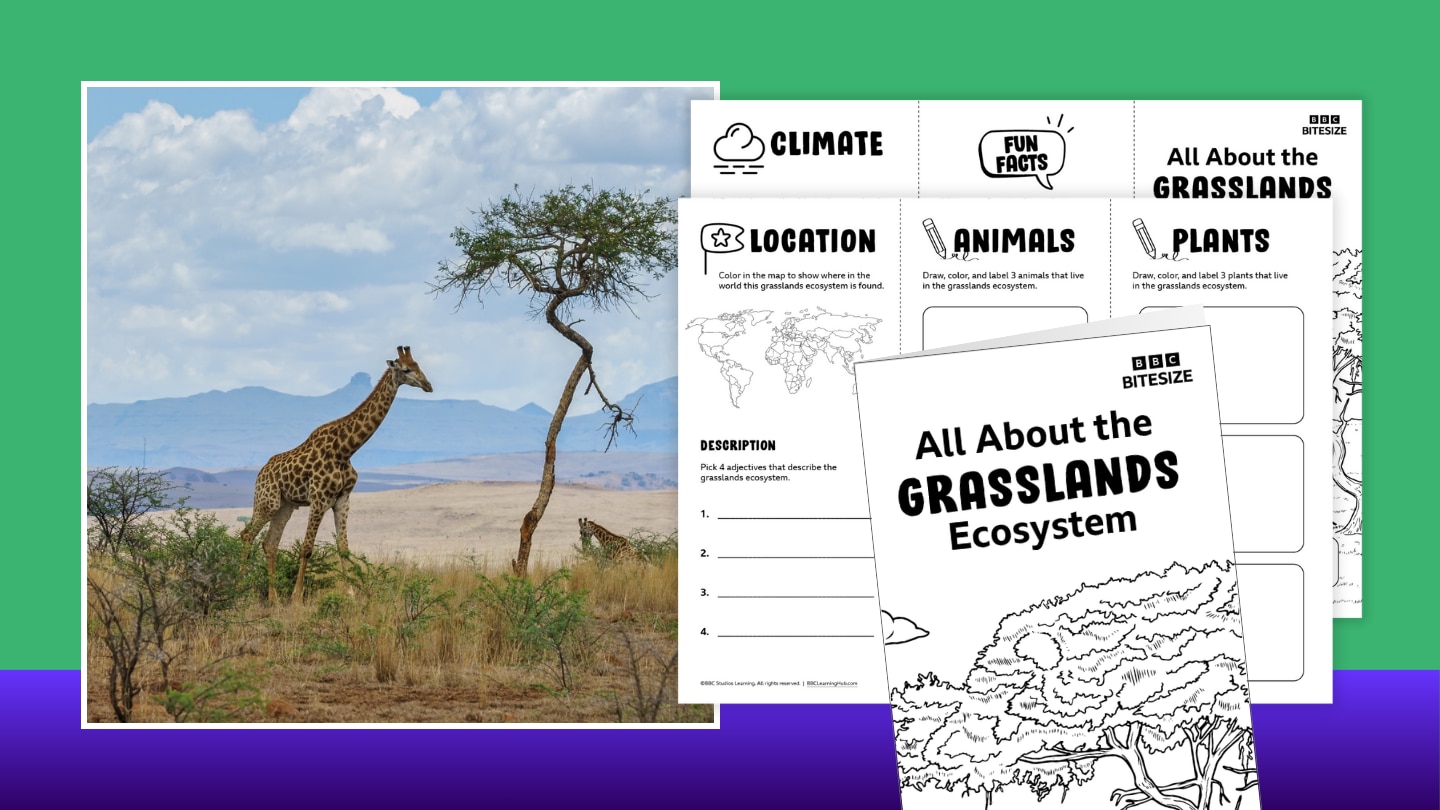
Take your students on a romp through the grasslands! From the African savanna to the Great Plains of North America grasslands are nature’s wide-open playground.
✨ Perfect for grades 3–8, here’s what you need to bring ecosystems to life:
- Iconic BBC Videos: Share the clips on this page to introduce the location, plants, animals, and climate of the grasslands. (Don't miss the giraffes and bison!) Brought to you by world-class BBC programs such as Planet Earth, The Americas With Simon Reeve, and Seven Worlds, One Planet.
- Free Printable: Use the Grasslands Brochure Template to help students pull it all together in an ecosystem report with facts they’ve learned (and a little extra research).
It’s everything you need to make ecosystems easy to teach and truly memorable for your students.
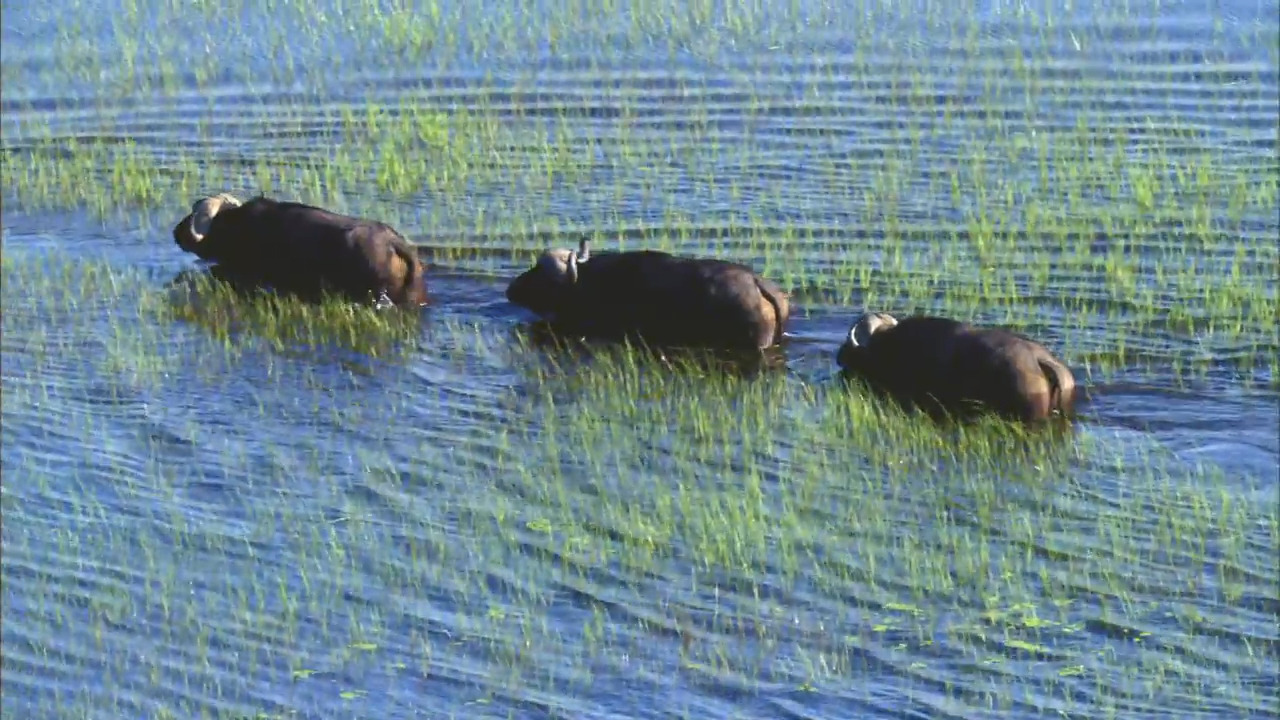
In The Wet Season Comes to the Savanna, narrator Sir David Attenborough explores what happens when the dry season comes to an end across the African savanna and the herds return to the plains. When submerged by seasonal floods, the grass of the African savanna can still grow. Watch as a young baboon climbs on top of an adult to avoid the water. This video is excerpted from BBC's Planet Earth, a breathtaking documentary series that highlights the natural wonders of our planet.
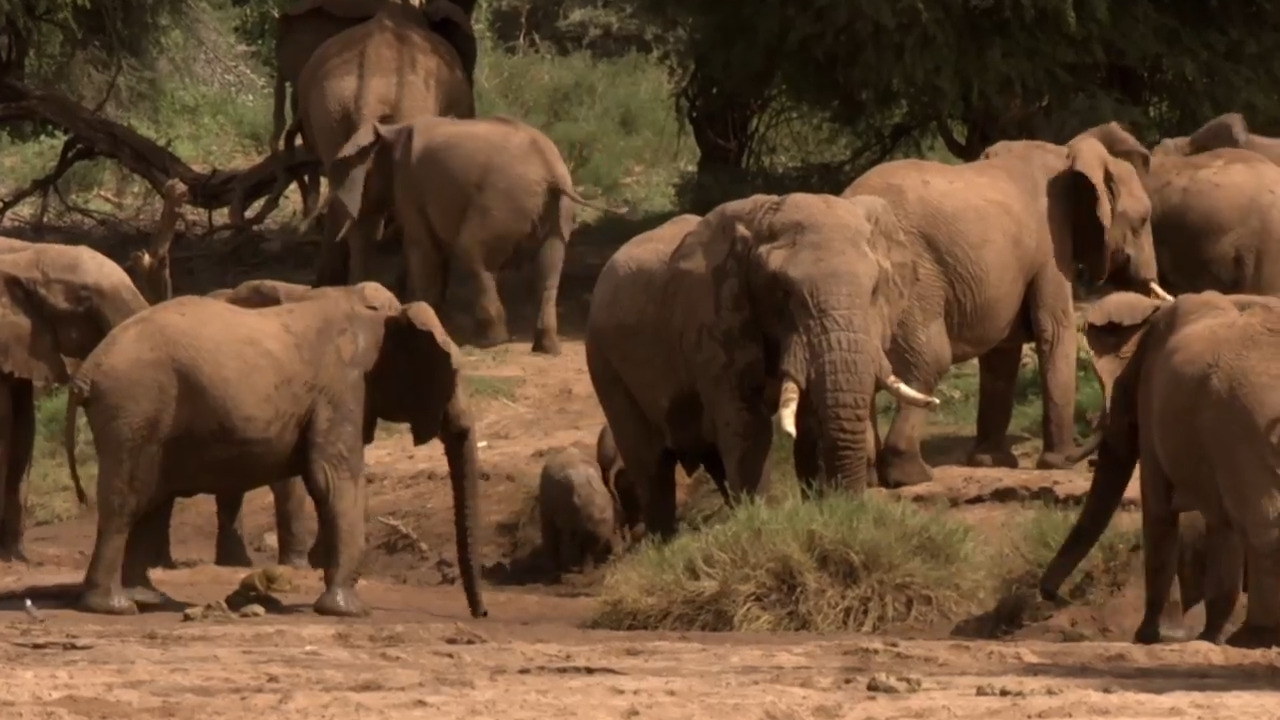
In Elephants Guided by the Matriarch, narrator Gordon Buchanan describes the challenges that African elephants face as they travel over the savannas. Baby elephants have to learn where to go and how to navigate potentially dangerous water crossings as they move from place to place. Since elephants travel great distances, the expertise of the elephant matriarch is critical to their survival. This video is excerpted from BBC's Animal Babies, a heartwarming show that follows the first breaths, first steps and first feeds of some adorable baby animals, revealing the challenges they face to survive in some of the toughest but most beautiful places on the planet.
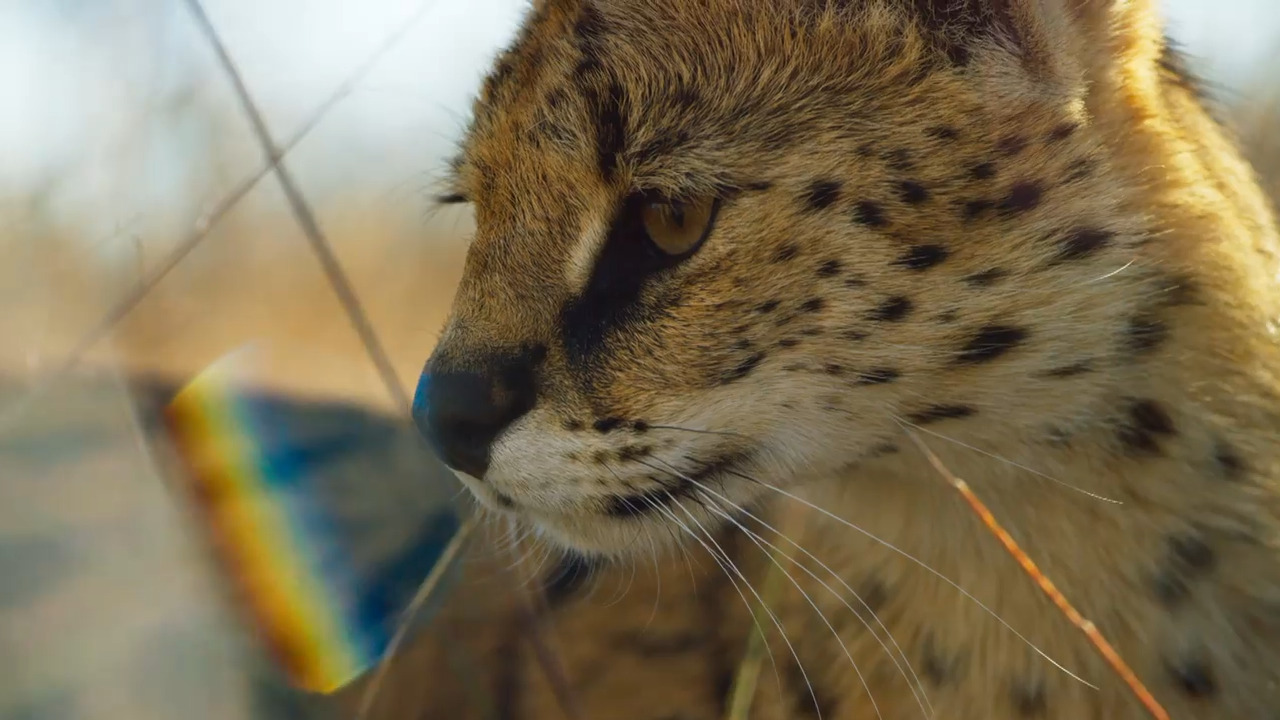
In The Serval's Hunt, narrator Sir David Attenborough shows how the serval cat uses its long legs and radarlike ears to hunt with precision in the African savanna. The serval’s ability to hear the smallest sounds helps it track its prey, like the vlei rat, even in tall grass. This video is excerpted from BBC’s Planet Earth II, a breathtaking documentary series that highlights the natural wonders of our planet.
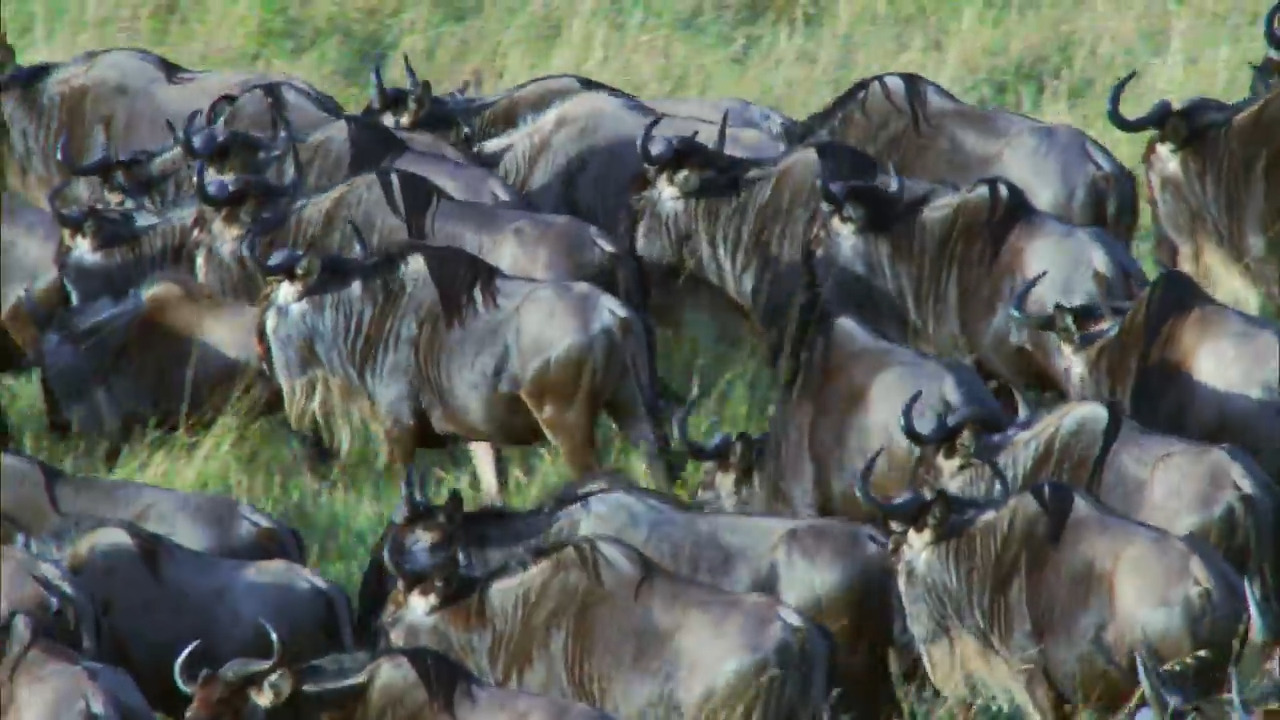
In African Grasslands Provide Food for Millions, narrator Sir David Attenborough teaches about how some animals eat grass and grass seeds. The East African savannas supports a population of 1.5 million red-billed quelea, and nearly 2 million wildebeest. This video is excerpted from BBC's Planet Earth, a breathtaking documentary series that highlights the natural wonders of our planet.
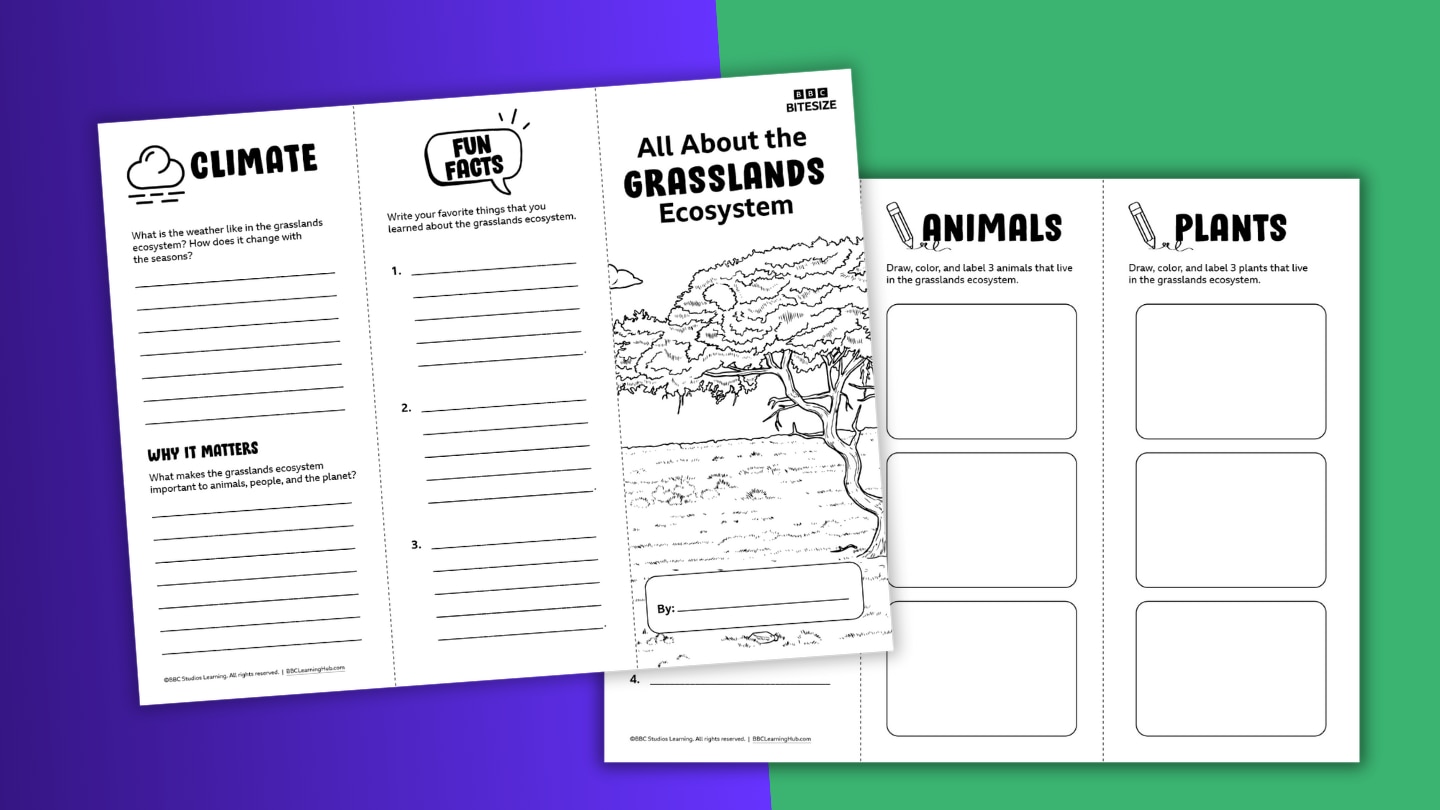
Invite your students on an adventure across the world’s amazing grasslands! From the roaring lions of the African savanna to the thundering bison of the Great Plains, these ecosystems are bursting with life. After watching our videos, challenge your students to become ecosystem experts by creating their own colorful report filled with fascinating facts. (They’ll need to dig deeper with extra research, too!) Inside the brochure, students will uncover and share:
- Location of the ecosystem on a world map
- Adjectives that describe the ecosystem
- Three animals that live in the ecosystem
- Three plants that grow in the ecosystem
- The climate of the ecosystem
- What makes the ecosystem important
- Their favorite fun facts
Your students will summarize the most important details in their own words while keeping it clear and easy to understand. As they choose what to include, they’ll sharpen their ability to evaluate and combine information from different sources. Best of all, they’ll show off their creativity and communication skills by designing a brochure that’s as fun to read as it is informative!
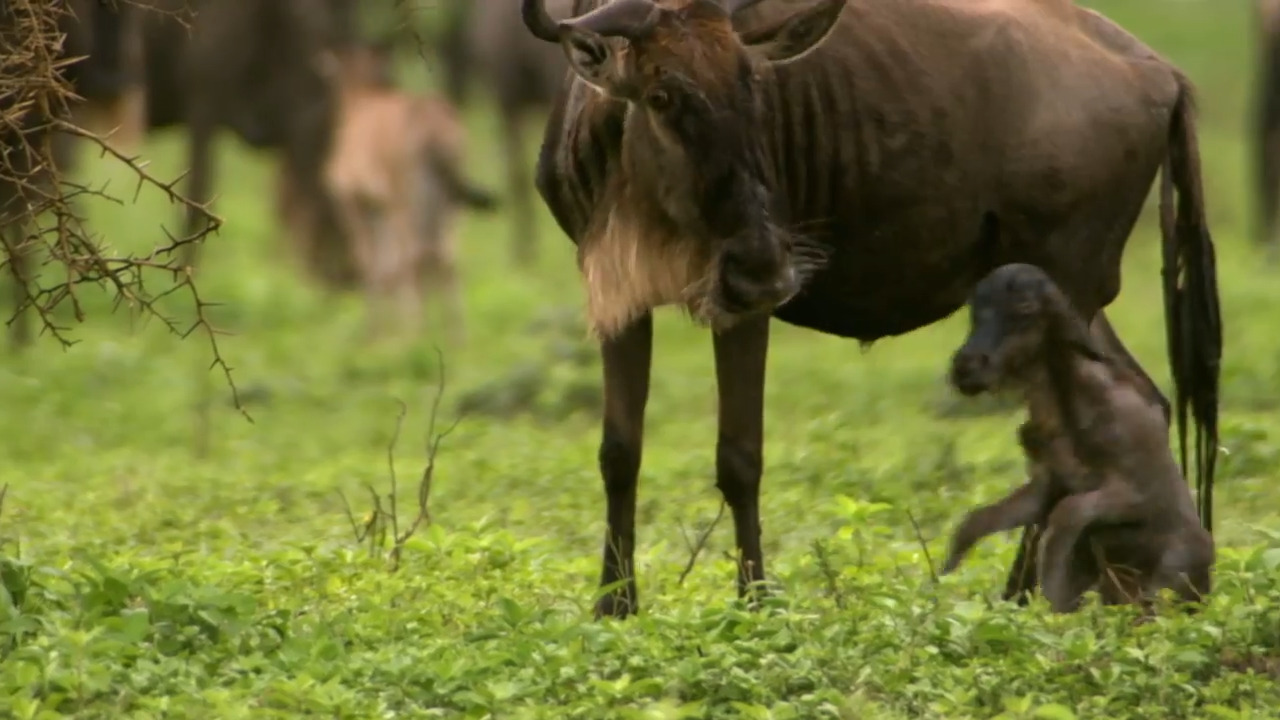
In A Baby Wildebeest's First Steps, narrator Gordon Buchanan describes how a wildebeest is born on the savanna, which stretches across almost half of Africa and is home to millions of animals. The baby wildebeest immediately begins learning to walk. By the end of the day, it is one of the fastest land animals. The wildebeest uses speed, constant movement, and safety in numbers to avoid predators. This video is excerpted from BBC's Animal Babies, a heartwarming show that follows the first breaths, first steps, and first feeds of some adorable baby animals, revealing the challenges they face to survive in some of the toughest but most beautiful places on the planet.
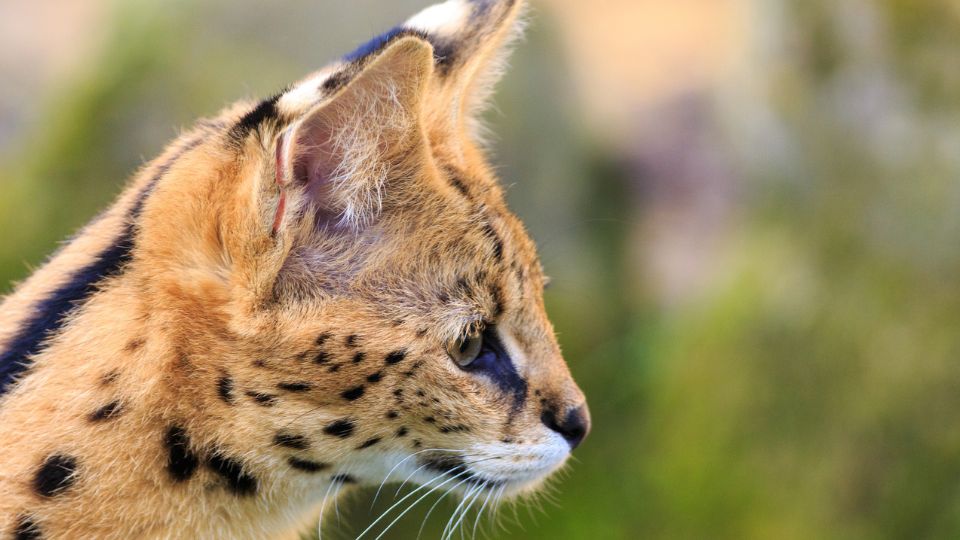
Introducing the grassland's small but mighty hunter! First watch The Serval's Hunt, a short clip from the award-winning BBC series Planet Earth. Sir David Attenborough takes you up close and personal with the serval which uses its long legs and radarlike ears to hunt with precision in the African savanna. The serval’s ability to hear the smallest sounds helps it track its prey, like the vlei rat, even in tall grass.
Once your students have watched the video, invite them to check for understanding with this quick, 8-question quiz!
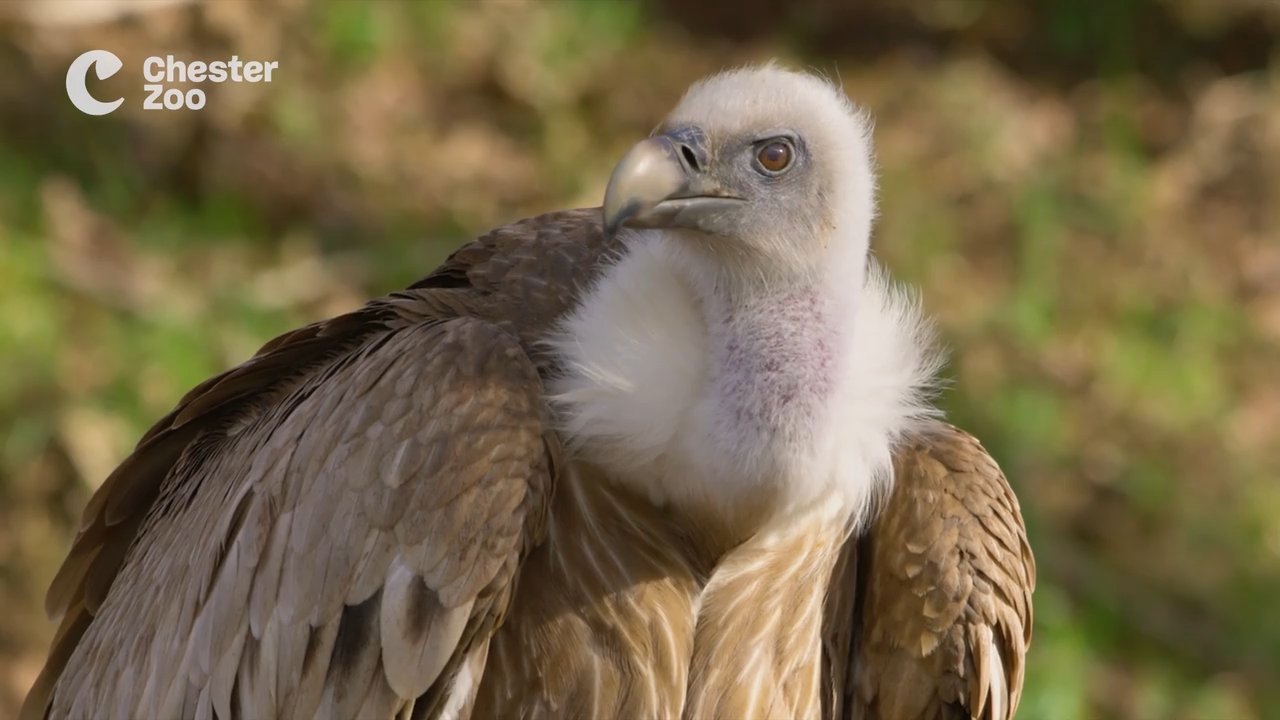
Vultures are the unsung heroes of Africa's ecosystems, playing a vital role in keeping the environment clean and healthy. With their incredible eyesight, enormous wingspans, and remarkably powerful digestive systems, these expert scavengers help prevent the spread of disease by safely consuming animal carcasses that other animals avoid.
In this fact file video from Chester Zoo, discover the amazing adaptations that make vultures so important to the natural world, learn about the critically endangered hooded vulture and how it raises its young, and explore the challenges these remarkable birds face in the wild. You'll also see why protecting vultures is essential for healthy ecosystems and how conservation efforts are helping safeguard their future.
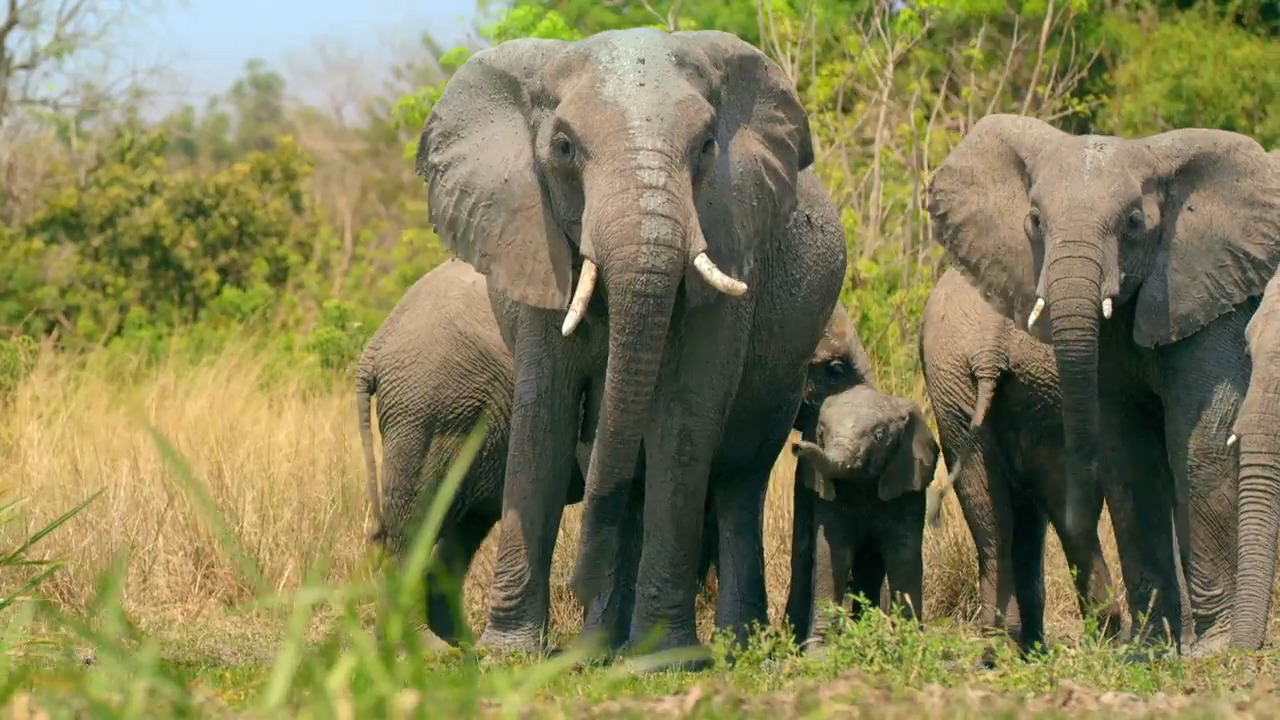
In African Elephant River Crossing, host Andy Day spies a family of African elephants. They’re about to cross a river. Will the elephants, including the baby of the herd, make it through the deep, predator-infested water? This video is excerpted from BBC’s Andy's Aquatic Adventures, in which Andy Day jets all over the world to meet amazing animals living in and nearby water.
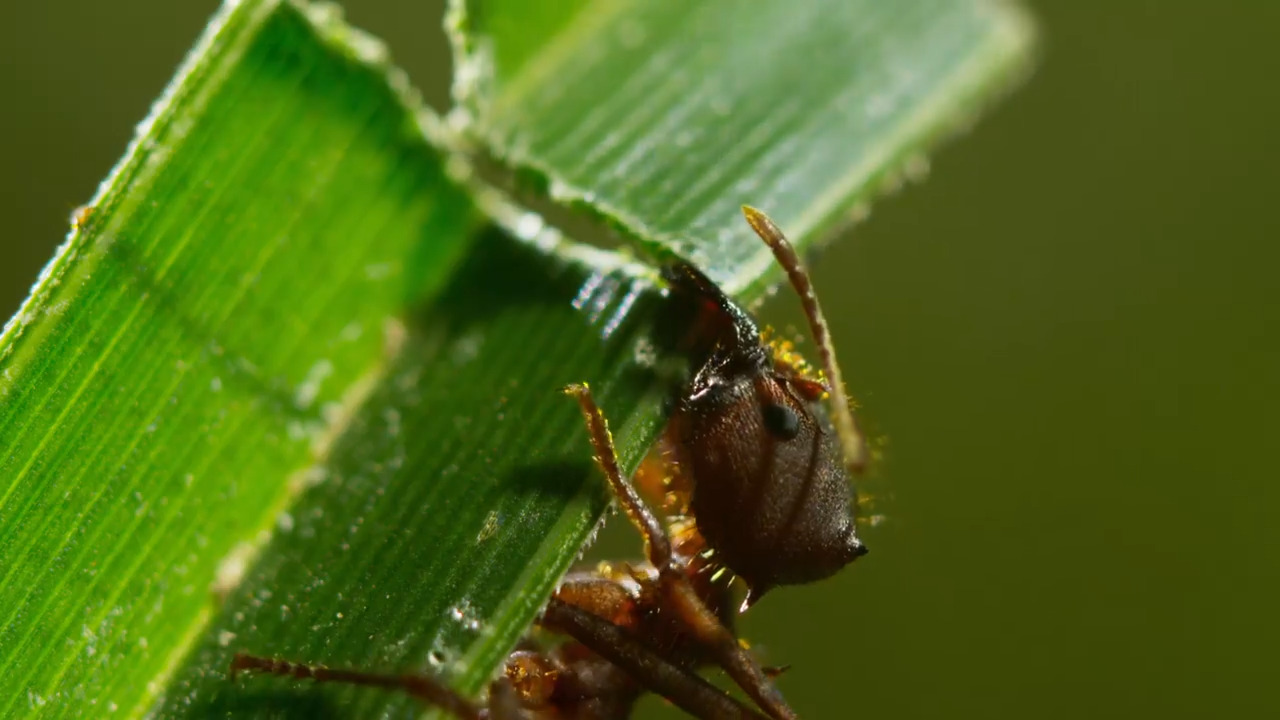
In The Industrious Insects of the Grasslands, narrator Sir David Attenborough explains that around the world, over one-third of the grass that grows will be harvested by insects. Grass cutter ants harvest grass to feed underground fungus that they feed upon. Termites can digest grass, and they in turn become food for the giant anteater. After a prairie fire, termites and anteaters must wait for living roots to regenerate grass. This video is excerpted from BBC’s Planet Earth II, a breathtaking documentary series that highlights the natural wonders of our planet.
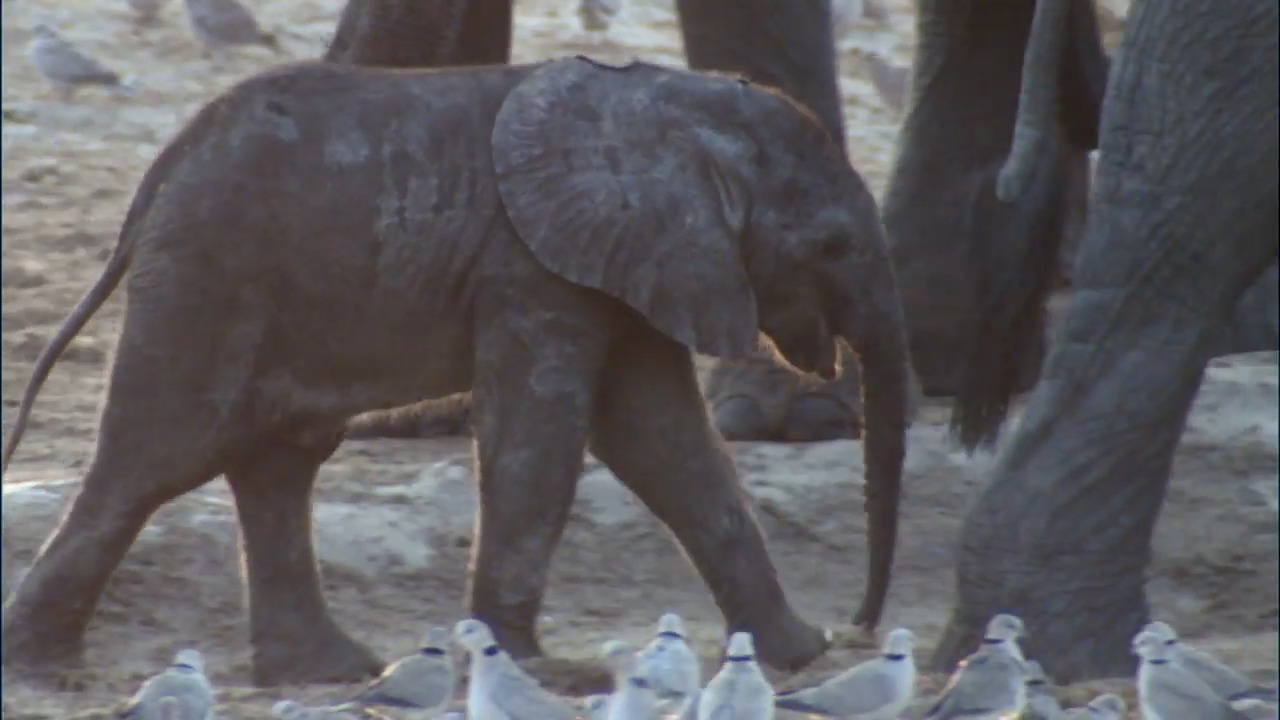
In The African Elephant Marches Towards Water, narrator Sir David Attenborough investigates how African elephants use their memories to find waterholes. The elephants gather in groups and travel during the night, when temperatures are cooler. This video is excerpted from BBC's Planet Earth, a breathtaking documentary series that highlights the natural wonders of our planet.
Take your students on a romp through the grasslands! From the African savanna to the Great Plains of North America grasslands are nature’s wide-open playground.
✨ Perfect for grades 3–8, here’s what you need to bring ecosystems to life:
- Iconic BBC Videos: Share the clips on this page to introduce the location, plants, animals, and climate of the grasslands. (Don't miss the giraffes and bison!) Brought to you by world-class BBC programs such as Planet Earth, The Americas With Simon Reeve, and Seven Worlds, One Planet.
- Free Printable: Use the Grasslands Brochure Template to help students pull it all together in an ecosystem report with facts they’ve learned (and a little extra research).
It’s everything you need to make ecosystems easy to teach and truly memorable for your students.
In The Wet Season Comes to the Savanna, narrator Sir David Attenborough explores what happens when the dry season comes to an end across the African savanna and the herds return to the plains. When submerged by seasonal floods, the grass of the African savanna can still grow. Watch as a young baboon climbs on top of an adult to avoid the water. This video is excerpted from BBC's Planet Earth, a breathtaking documentary series that highlights the natural wonders of our planet.
In Elephants Guided by the Matriarch, narrator Gordon Buchanan describes the challenges that African elephants face as they travel over the savannas. Baby elephants have to learn where to go and how to navigate potentially dangerous water crossings as they move from place to place. Since elephants travel great distances, the expertise of the elephant matriarch is critical to their survival. This video is excerpted from BBC's Animal Babies, a heartwarming show that follows the first breaths, first steps and first feeds of some adorable baby animals, revealing the challenges they face to survive in some of the toughest but most beautiful places on the planet.
In The Serval's Hunt, narrator Sir David Attenborough shows how the serval cat uses its long legs and radarlike ears to hunt with precision in the African savanna. The serval’s ability to hear the smallest sounds helps it track its prey, like the vlei rat, even in tall grass. This video is excerpted from BBC’s Planet Earth II, a breathtaking documentary series that highlights the natural wonders of our planet.
In African Grasslands Provide Food for Millions, narrator Sir David Attenborough teaches about how some animals eat grass and grass seeds. The East African savannas supports a population of 1.5 million red-billed quelea, and nearly 2 million wildebeest. This video is excerpted from BBC's Planet Earth, a breathtaking documentary series that highlights the natural wonders of our planet.
Invite your students on an adventure across the world’s amazing grasslands! From the roaring lions of the African savanna to the thundering bison of the Great Plains, these ecosystems are bursting with life. After watching our videos, challenge your students to become ecosystem experts by creating their own colorful report filled with fascinating facts. (They’ll need to dig deeper with extra research, too!) Inside the brochure, students will uncover and share:
- Location of the ecosystem on a world map
- Adjectives that describe the ecosystem
- Three animals that live in the ecosystem
- Three plants that grow in the ecosystem
- The climate of the ecosystem
- What makes the ecosystem important
- Their favorite fun facts
Your students will summarize the most important details in their own words while keeping it clear and easy to understand. As they choose what to include, they’ll sharpen their ability to evaluate and combine information from different sources. Best of all, they’ll show off their creativity and communication skills by designing a brochure that’s as fun to read as it is informative!
In A Baby Wildebeest's First Steps, narrator Gordon Buchanan describes how a wildebeest is born on the savanna, which stretches across almost half of Africa and is home to millions of animals. The baby wildebeest immediately begins learning to walk. By the end of the day, it is one of the fastest land animals. The wildebeest uses speed, constant movement, and safety in numbers to avoid predators. This video is excerpted from BBC's Animal Babies, a heartwarming show that follows the first breaths, first steps, and first feeds of some adorable baby animals, revealing the challenges they face to survive in some of the toughest but most beautiful places on the planet.
Introducing the grassland's small but mighty hunter! First watch The Serval's Hunt, a short clip from the award-winning BBC series Planet Earth. Sir David Attenborough takes you up close and personal with the serval which uses its long legs and radarlike ears to hunt with precision in the African savanna. The serval’s ability to hear the smallest sounds helps it track its prey, like the vlei rat, even in tall grass.
Once your students have watched the video, invite them to check for understanding with this quick, 8-question quiz!
Vultures are the unsung heroes of Africa's ecosystems, playing a vital role in keeping the environment clean and healthy. With their incredible eyesight, enormous wingspans, and remarkably powerful digestive systems, these expert scavengers help prevent the spread of disease by safely consuming animal carcasses that other animals avoid.
In this fact file video from Chester Zoo, discover the amazing adaptations that make vultures so important to the natural world, learn about the critically endangered hooded vulture and how it raises its young, and explore the challenges these remarkable birds face in the wild. You'll also see why protecting vultures is essential for healthy ecosystems and how conservation efforts are helping safeguard their future.
In African Elephant River Crossing, host Andy Day spies a family of African elephants. They’re about to cross a river. Will the elephants, including the baby of the herd, make it through the deep, predator-infested water? This video is excerpted from BBC’s Andy's Aquatic Adventures, in which Andy Day jets all over the world to meet amazing animals living in and nearby water.
In The Industrious Insects of the Grasslands, narrator Sir David Attenborough explains that around the world, over one-third of the grass that grows will be harvested by insects. Grass cutter ants harvest grass to feed underground fungus that they feed upon. Termites can digest grass, and they in turn become food for the giant anteater. After a prairie fire, termites and anteaters must wait for living roots to regenerate grass. This video is excerpted from BBC’s Planet Earth II, a breathtaking documentary series that highlights the natural wonders of our planet.
In The African Elephant Marches Towards Water, narrator Sir David Attenborough investigates how African elephants use their memories to find waterholes. The elephants gather in groups and travel during the night, when temperatures are cooler. This video is excerpted from BBC's Planet Earth, a breathtaking documentary series that highlights the natural wonders of our planet.