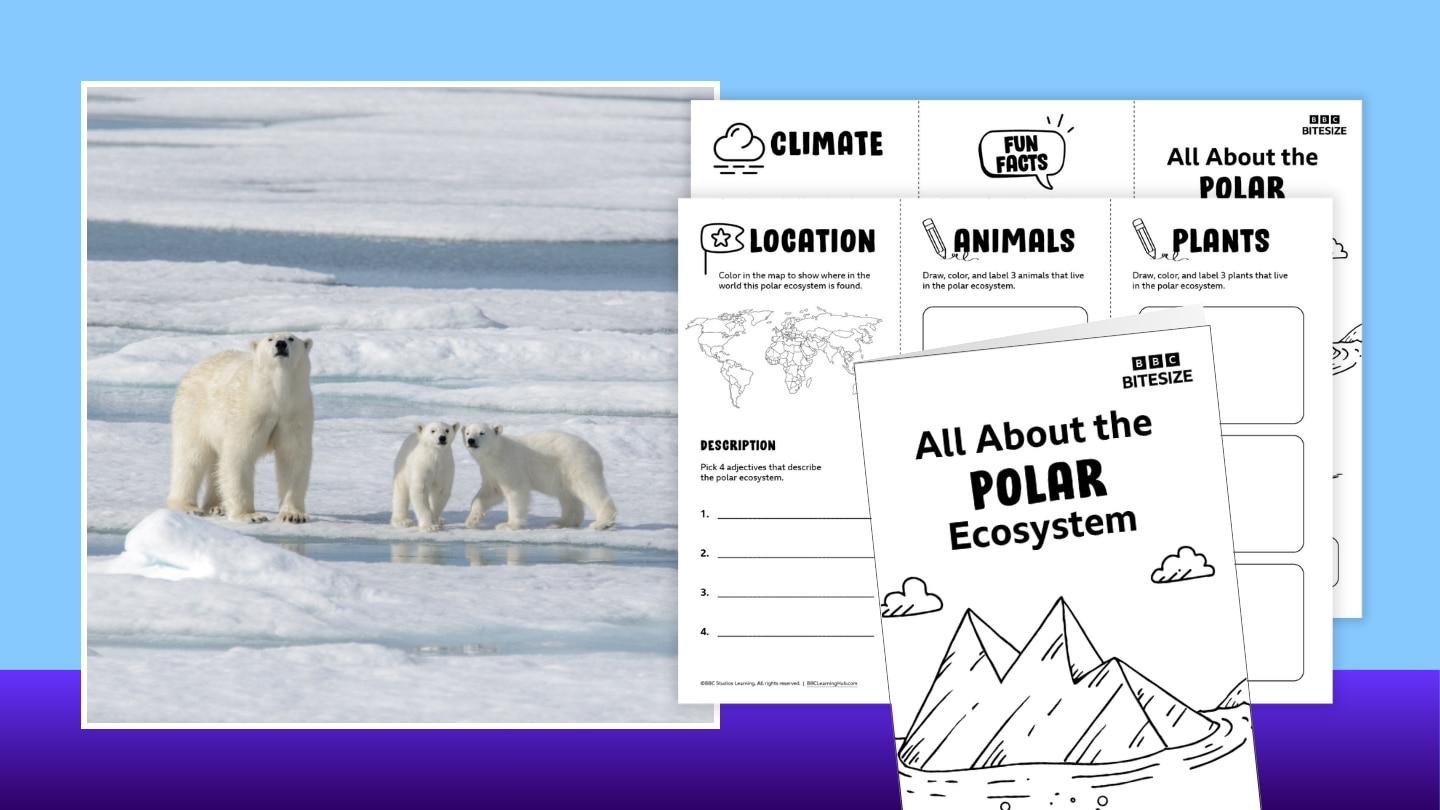
Bring your students on an icy exploration of the polar ecosystem! The Arctic and Antarctica may look frozen and empty at first glance, but they’re full of life perfectly adapted to the cold.
✨ Perfect for grades 3–8, here’s what you need to bring ecosystems to life:
- Iconic BBC Videos: Share the clips on this page to introduce the location, plants, animals, and climate of the polar regions. (Don't miss the narwhals and emperor penguins!) Brought to you by world-class BBC programs like Planet Earth, Frozen Planet, and Seven Worlds, One Planet.
- Free Printable: Use the Polar Brochure Template to help students pull it all together in an ecosystem report with facts they’ve learned (and a little extra research).
It’s everything you need to make ecosystems easy to teach and truly memorable for your students.

Get your students excited about wildlife with this collection of engaging articles! Covering elephants, polar bears, whales, and even the rarest creatures on Earth, these resources are perfect for sparking curiosity. Each article is available at three reading levels, making it easy for you to share with readers of all abilities in your classroom.

The article "Here Are 11 Arctic Animals That Not Only Survive, But Also Thrive in the Freezing Polar Landscape" from BBC's Discover Wildlife explores how various animals have adapted to endure the Arctic's extreme conditions. From the mighty polar bear and tusked walrus to the resilient Arctic fox and long-lived Greenland shark, the piece highlights their unique physical traits and survival behaviors.
The polar regions are the harshest places on Earth, and somehow life thrives there anyway — polar bears in the Arctic, penguins across Antarctica's ice. It's a good ecosystem for showing students that "extreme" doesn't mean "empty."
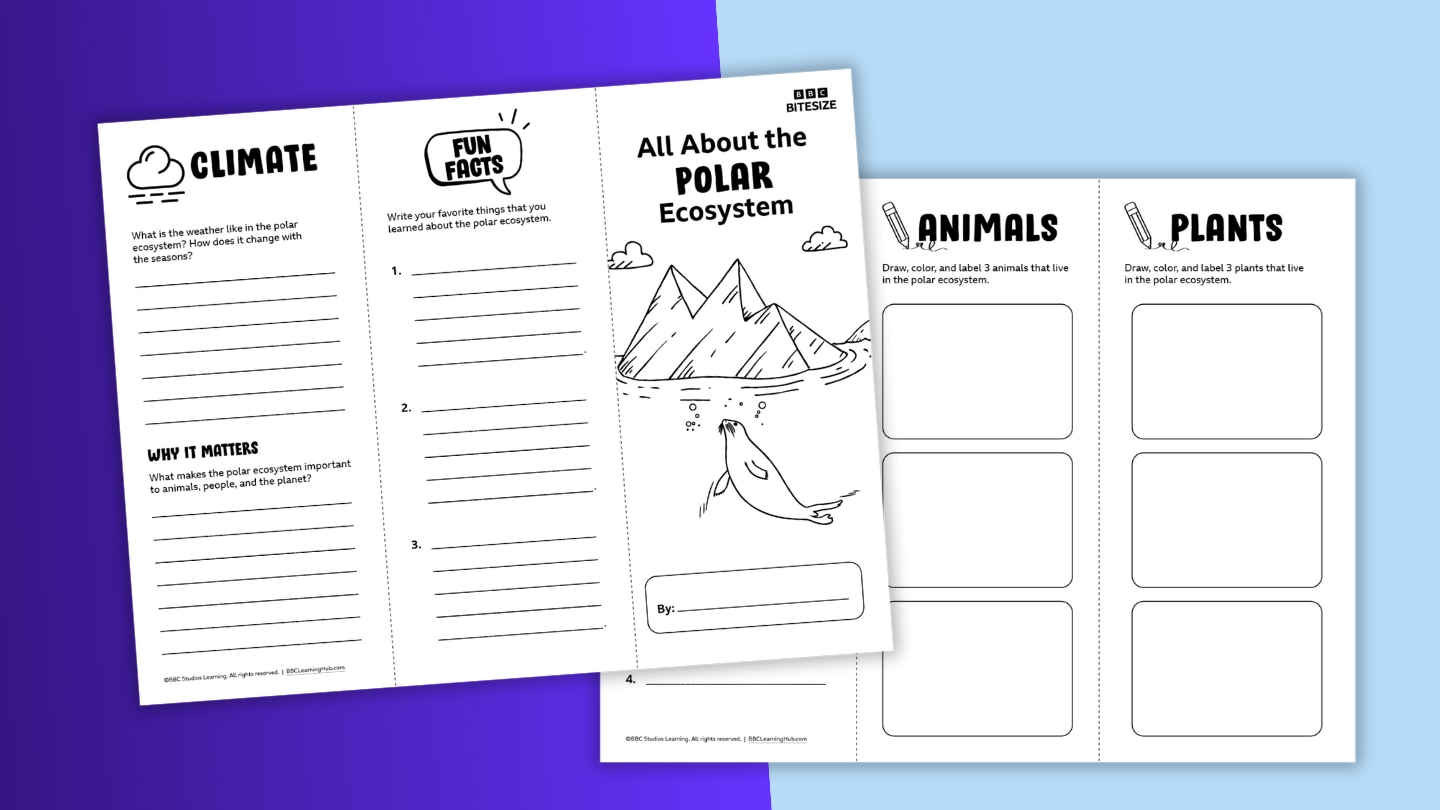
After watching polar videos, have students dig deeper with their own research and build a brochure covering:
- Location of the ecosystem on a world map
- Adjectives that describe the ecosystem
- Three animals that live there
- Three plants that grow there
- The climate
- Why the ecosystem matters
- Their favorite fun facts
Students summarize in their own words, which means they're practicing a real skill: pulling information from multiple sources and deciding what's worth keeping.
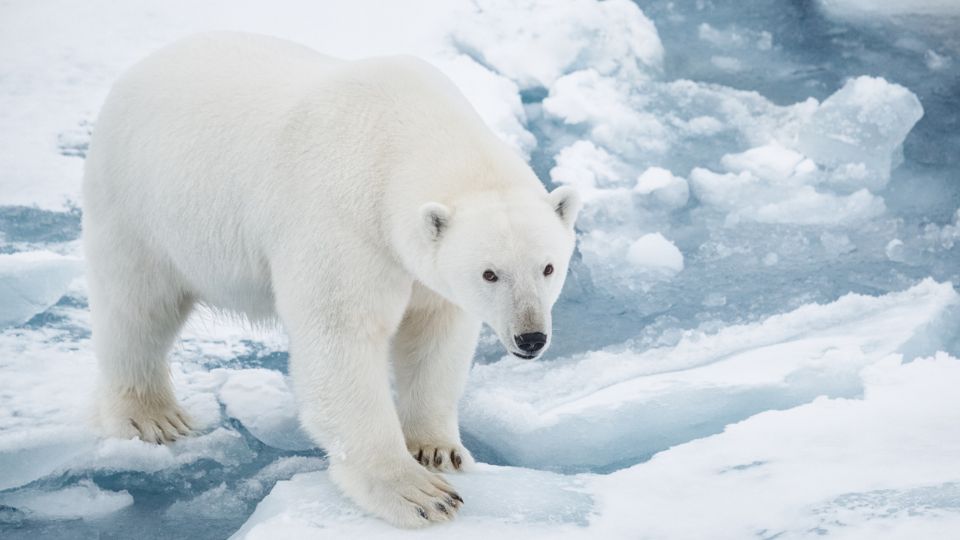
Discover the amazing animals that live in the coldest environments on Earth in this Kahoot about the polar regions. From powerful polar bears and playful seals to emperor penguins and Arctic foxes, students will explore how animals survive freezing temperatures, icy waters, and long, dark winters.
This Kahoot highlights the special adaptations that help polar animals hunt, stay warm, raise their young, and move across snow and ice. Students will also learn how different species depend on one another within polar food chains and how life continues to thrive in these extreme habitats.
Watch the related BBC videos (below), then invite your Grade 3–8 students to test their knowledge and uncover the fascinating world of polar animals.

The article "Polar Bears Are Suffering From Painful Ice Blocks on Their Paws Due to Climate Change" from BBC's Discover Wildlife explains how polar bears are experiencing painful ice blocks on their paws, some as large as 12 inches in diameter. Researchers from the University of Washington found that these ice blocks are causing deep injuries, and climate change is to blame for the freeze-thaw cycles that cause the blocks.
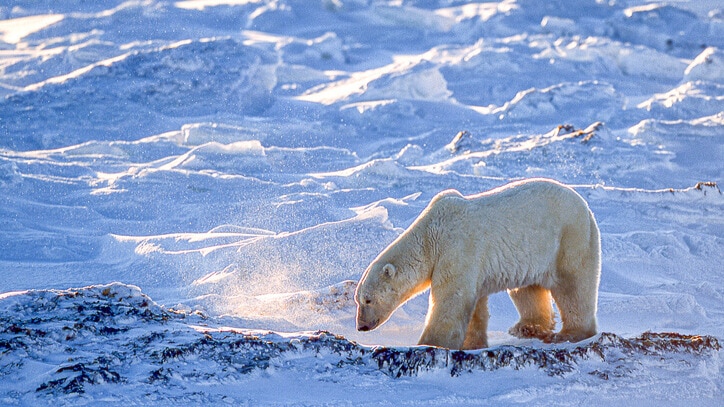
Dive into the incredible world in Arctic with this thrilling BBC Learning Hub playlist! Discover how polar bears, musk oxen, and belugas survive in icy worlds, learn about changing seasons, and see how wildlife and ecosystems adapt to extreme environments and modern challenges.
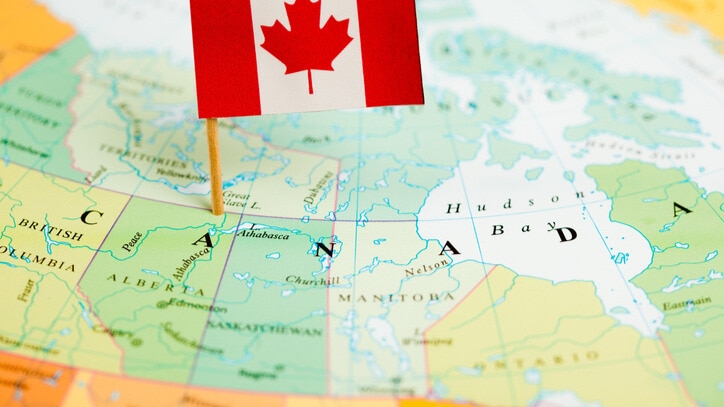
Discover the beauty of Canada! Take your class on a thrilling journey through Canada’s waterfalls, forests, and frozen wilds with this BBC playlist. From beluga whales to meteor strikes and snowy adventures, these clips bring science and geography to life — no parka required!
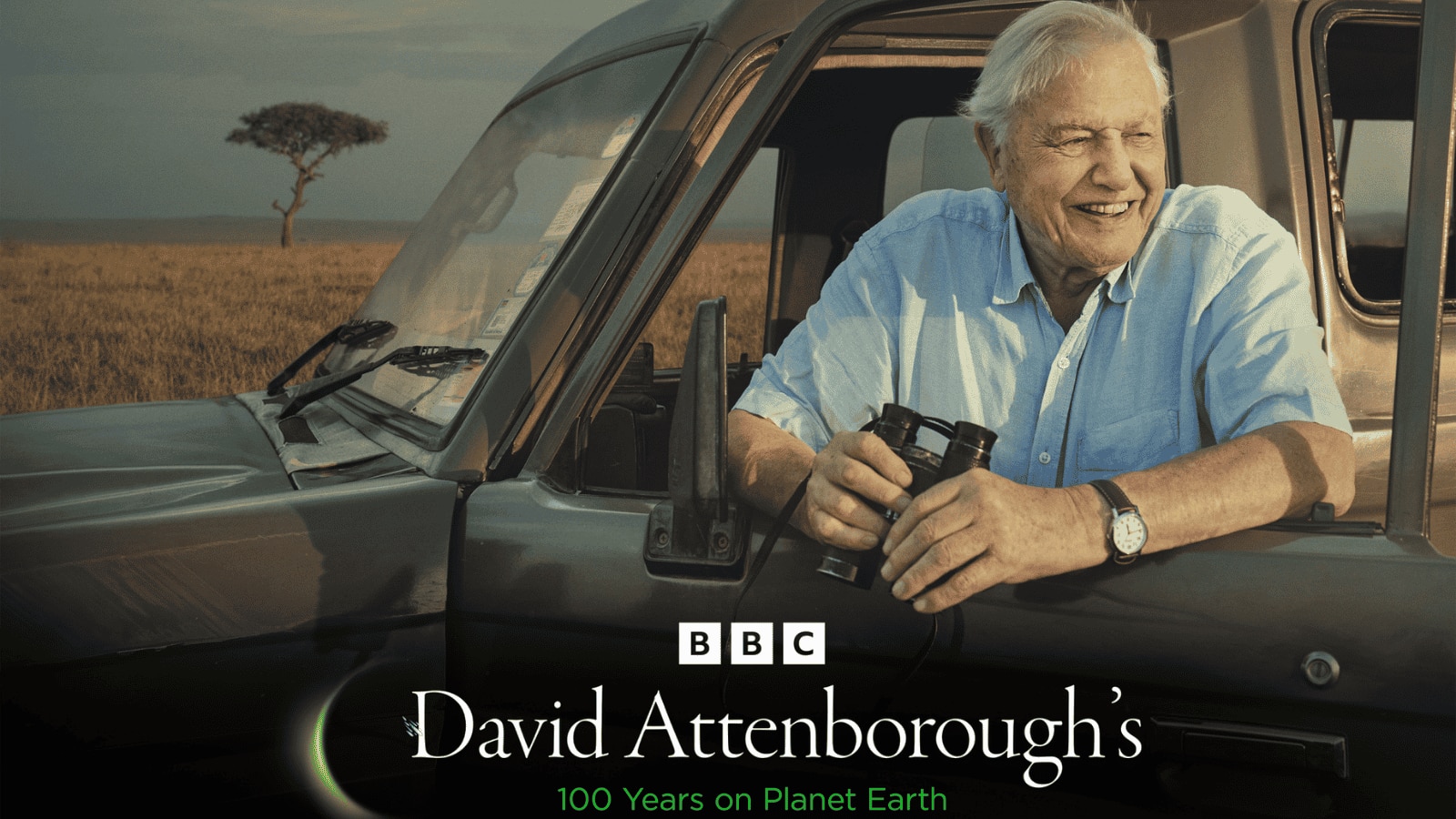
Celebrate the incredible work of Sir David Attenborough — a storyteller who has helped millions of students and viewers explore the natural world. On the occasion of his 100th birthday on May 8, 2026, we honor his enormous accomplishments in the field of environmental advocacy and his role in revolutionizing nature documentaries.
This playlist brings together 10 unforgettable clips from landmark BBC series like Planet Earth, Blue Planet, and Frozen Planet. Each video showcases amazing wildlife, powerful storytelling, and moments that spark curiosity and wonder.
Perfect for the classroom or at home, these videos help students connect with nature, understand our planet, and feel inspired to protect it.
Bring your students on an icy exploration of the polar ecosystem! The Arctic and Antarctica may look frozen and empty at first glance, but they’re full of life perfectly adapted to the cold.
✨ Perfect for grades 3–8, here’s what you need to bring ecosystems to life:
- Iconic BBC Videos: Share the clips on this page to introduce the location, plants, animals, and climate of the polar regions. (Don't miss the narwhals and emperor penguins!) Brought to you by world-class BBC programs like Planet Earth, Frozen Planet, and Seven Worlds, One Planet.
- Free Printable: Use the Polar Brochure Template to help students pull it all together in an ecosystem report with facts they’ve learned (and a little extra research).
It’s everything you need to make ecosystems easy to teach and truly memorable for your students.
Get your students excited about wildlife with this collection of engaging articles! Covering elephants, polar bears, whales, and even the rarest creatures on Earth, these resources are perfect for sparking curiosity. Each article is available at three reading levels, making it easy for you to share with readers of all abilities in your classroom.
The article "Here Are 11 Arctic Animals That Not Only Survive, But Also Thrive in the Freezing Polar Landscape" from BBC's Discover Wildlife explores how various animals have adapted to endure the Arctic's extreme conditions. From the mighty polar bear and tusked walrus to the resilient Arctic fox and long-lived Greenland shark, the piece highlights their unique physical traits and survival behaviors.
The polar regions are the harshest places on Earth, and somehow life thrives there anyway — polar bears in the Arctic, penguins across Antarctica's ice. It's a good ecosystem for showing students that "extreme" doesn't mean "empty."
After watching polar videos, have students dig deeper with their own research and build a brochure covering:
- Location of the ecosystem on a world map
- Adjectives that describe the ecosystem
- Three animals that live there
- Three plants that grow there
- The climate
- Why the ecosystem matters
- Their favorite fun facts
Students summarize in their own words, which means they're practicing a real skill: pulling information from multiple sources and deciding what's worth keeping.
Discover the amazing animals that live in the coldest environments on Earth in this Kahoot about the polar regions. From powerful polar bears and playful seals to emperor penguins and Arctic foxes, students will explore how animals survive freezing temperatures, icy waters, and long, dark winters.
This Kahoot highlights the special adaptations that help polar animals hunt, stay warm, raise their young, and move across snow and ice. Students will also learn how different species depend on one another within polar food chains and how life continues to thrive in these extreme habitats.
Watch the related BBC videos (below), then invite your Grade 3–8 students to test their knowledge and uncover the fascinating world of polar animals.
The article "Polar Bears Are Suffering From Painful Ice Blocks on Their Paws Due to Climate Change" from BBC's Discover Wildlife explains how polar bears are experiencing painful ice blocks on their paws, some as large as 12 inches in diameter. Researchers from the University of Washington found that these ice blocks are causing deep injuries, and climate change is to blame for the freeze-thaw cycles that cause the blocks.
Dive into the incredible world in Arctic with this thrilling BBC Learning Hub playlist! Discover how polar bears, musk oxen, and belugas survive in icy worlds, learn about changing seasons, and see how wildlife and ecosystems adapt to extreme environments and modern challenges.
Discover the beauty of Canada! Take your class on a thrilling journey through Canada’s waterfalls, forests, and frozen wilds with this BBC playlist. From beluga whales to meteor strikes and snowy adventures, these clips bring science and geography to life — no parka required!
Celebrate the incredible work of Sir David Attenborough — a storyteller who has helped millions of students and viewers explore the natural world. On the occasion of his 100th birthday on May 8, 2026, we honor his enormous accomplishments in the field of environmental advocacy and his role in revolutionizing nature documentaries.
This playlist brings together 10 unforgettable clips from landmark BBC series like Planet Earth, Blue Planet, and Frozen Planet. Each video showcases amazing wildlife, powerful storytelling, and moments that spark curiosity and wonder.
Perfect for the classroom or at home, these videos help students connect with nature, understand our planet, and feel inspired to protect it.